fbpx

A Studio Built on Stillness: My Artist Origin Story
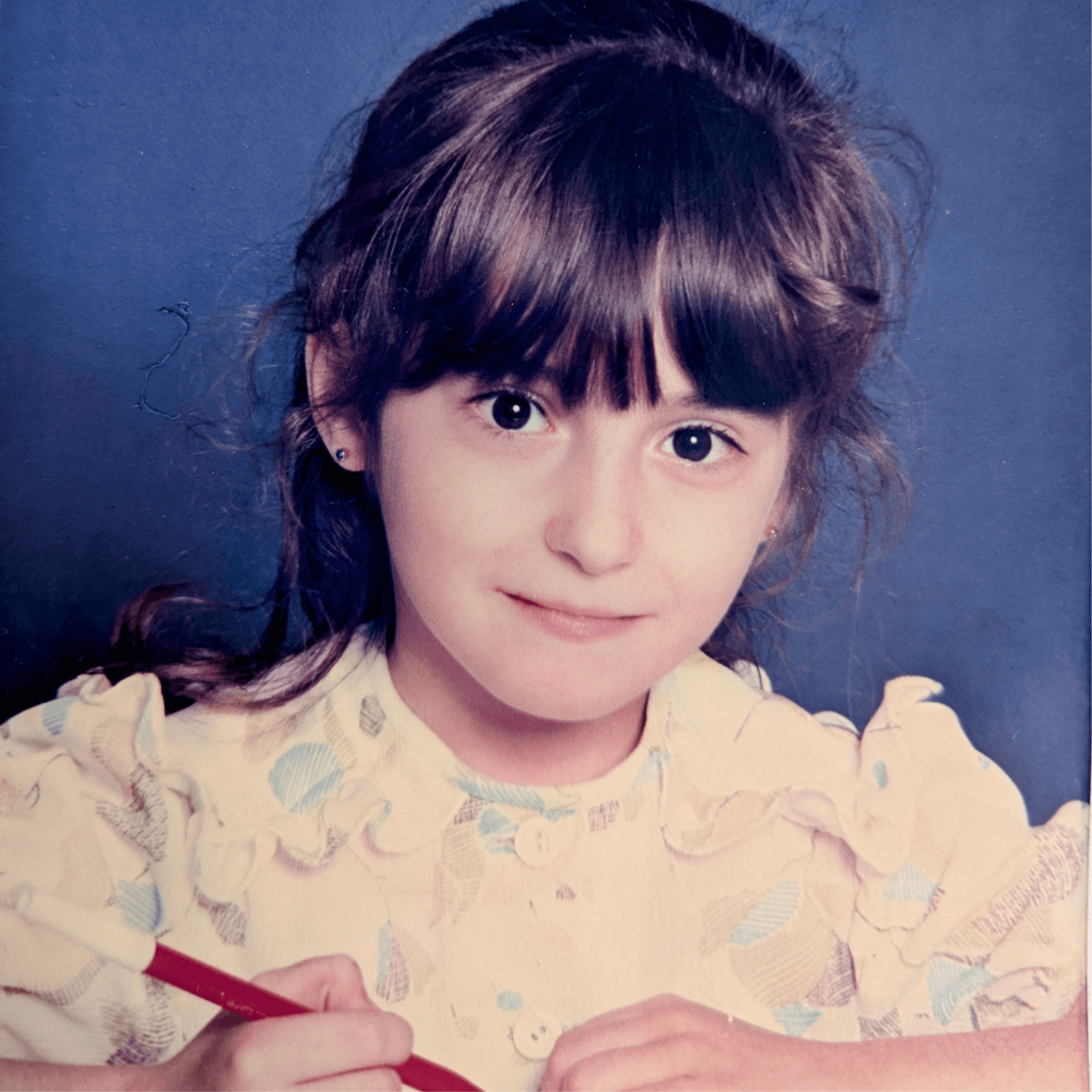
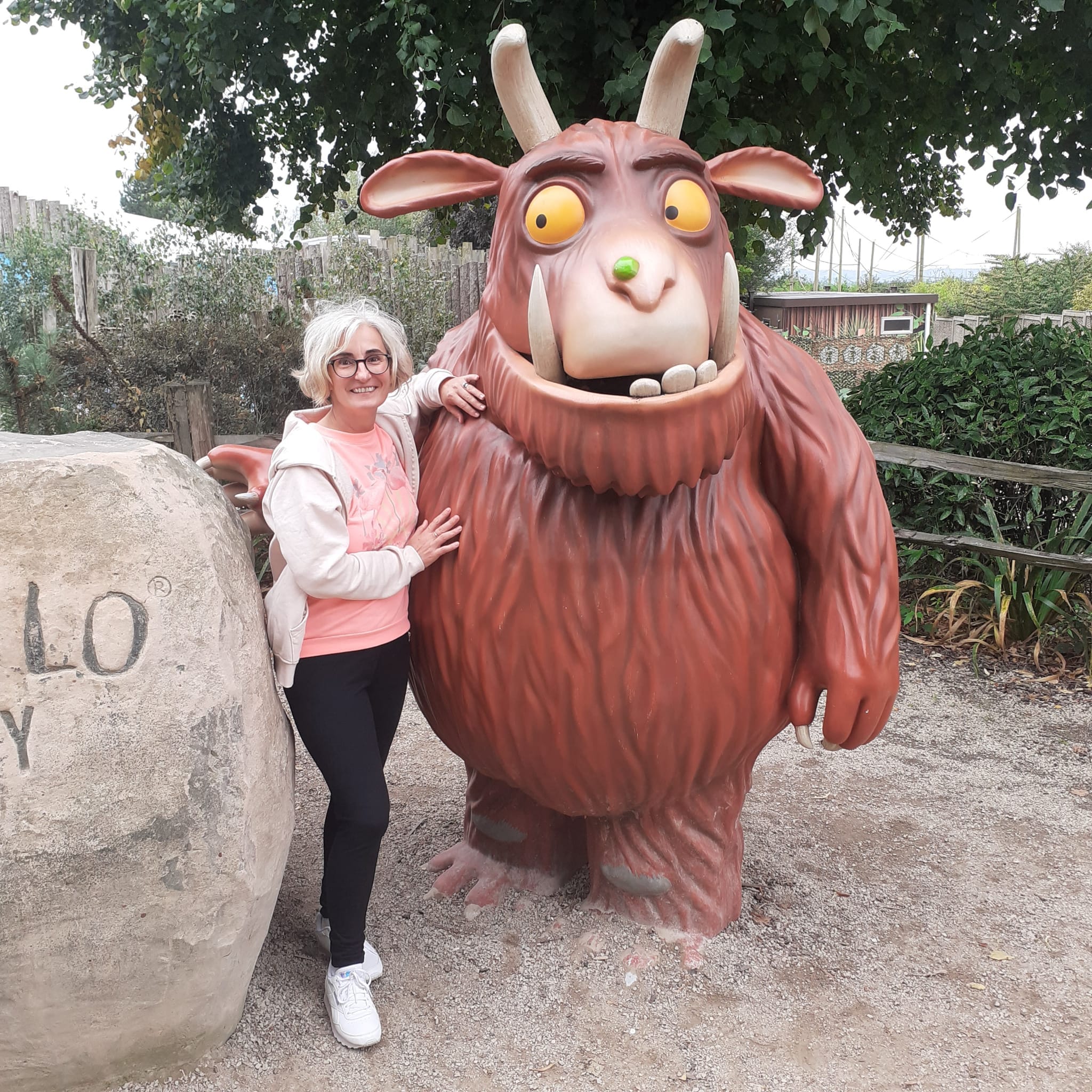
People often ask when my studio “started”, as if it were a business decision or a moment of clarity. It wasn’t. There was no clean beginning. No plan. No pivot. The studio came into existence because something else stopped working.
 
Before this, my body was trained for output. I grew up as an athlete. National level. Structure, repetition, endurance, performance. You show up, you do the work, you push through. Results mattered. Control mattered. My body was useful, reliable, praised when it did what it was told. That logic bled into everything. Including art.
 
I painted then too, but it sat alongside the same internal pressure. Make something. Improve it. Finish it. Prove it. Even creativity became a task.
 
What broke wasn’t talent or discipline. It was capacity.
 
At some point, my nervous system stopped cooperating. Not dramatically. Just quietly. Focus slipped. Rest became impossible. Stillness felt unsafe. The body that had carried me through years of training no longer wanted to be driven. It wanted to be listened to. I didn’t have language for that yet, but I felt it.
 
The studio didn’t appear because I wanted to be an artist. It appeared because I needed somewhere I wasn’t required to perform.

From Physical Intelligence to Embodied Work

Movement never left my life. It just changed role.
 
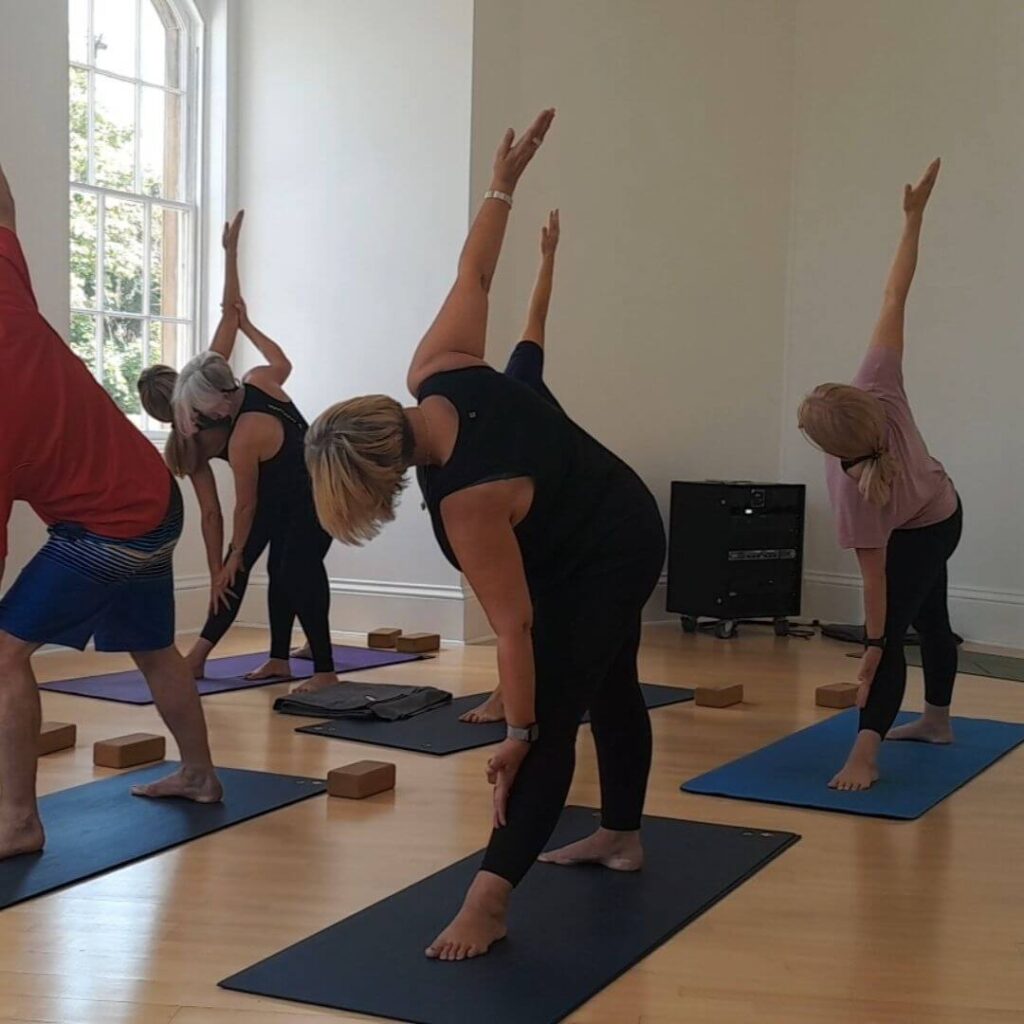
After competitive sport, I stayed in the body through yoga, Pilates, strength work. Not as fitness theatre, not as aesthetic pursuit, but as regulation. Structure that didn’t shout. Load without chaos. Breath without collapse.
 
This matters because my painting practice is not separate from this. The way I work on canvas is inseparable from how I move, how I train, how I manage energy. I don’t paint “ideas”. I paint from the body.
 
Large canvases require stability. Not emotional drama. Physical steadiness. The ability to stand, shift weight, make decisions without rushing. The same skills you build through slow, intelligent movement. Strength that isn’t aggressive. Control without rigidity.
 
This is why movement is one of the three pillars of my practice, alongside art and writing. Not as branding. As infrastructure.
 
When my body is overloaded, the work becomes noisy. When it’s regulated, the work quietens. That’s not a metaphor. That’s lived experience.
 
The studio is not a place I escape into. It’s a place my body can tolerate being honest.

Stillness as a Working Condition, Not a Mood
Stillness is often misunderstood. People confuse it with calm, softness, and aesthetic minimalism. That’s not what I mean.
 
Stillness is capacity.
 
It’s the ability to stay with sensation without immediately fixing, reframing, or producing something useful. It’s what allows information to surface without being forced. In my case, it’s the only condition under which real work happens.
 
When I rush, the paintings tighten. They become decorative. Controlled. Fine, but empty.
 
When I slow down enough to feel slightly uncomfortable, something else enters. Edges loosen. Decisions become simpler. I stop explaining to myself what I’m doing and start responding to what’s actually there.
 
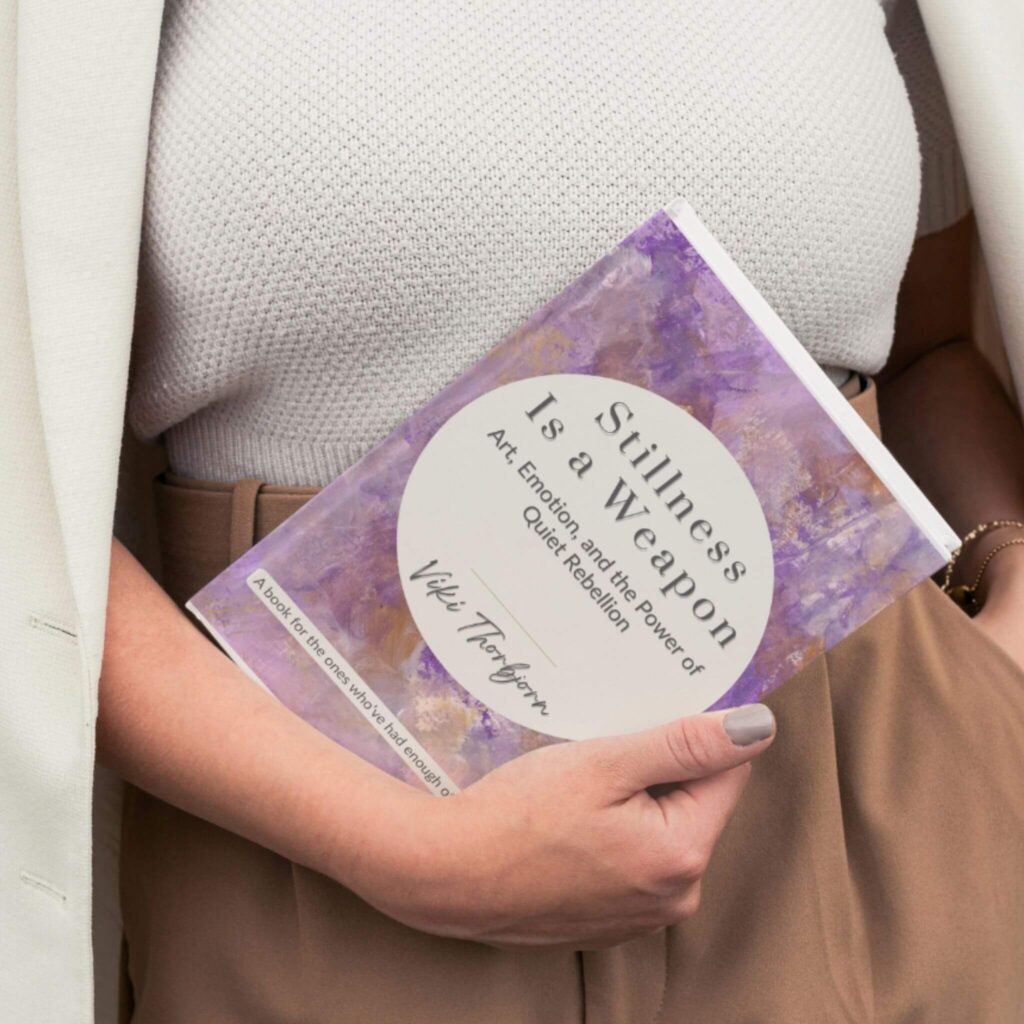
That’s why the book is called Stillness Is a Weapon. Not because it’s poetic, but because it’s accurate. Stillness cuts through performance. It removes hiding places. It’s confrontational if you’re used to doing your way out of things.
 
This studio was built inside that confrontation.
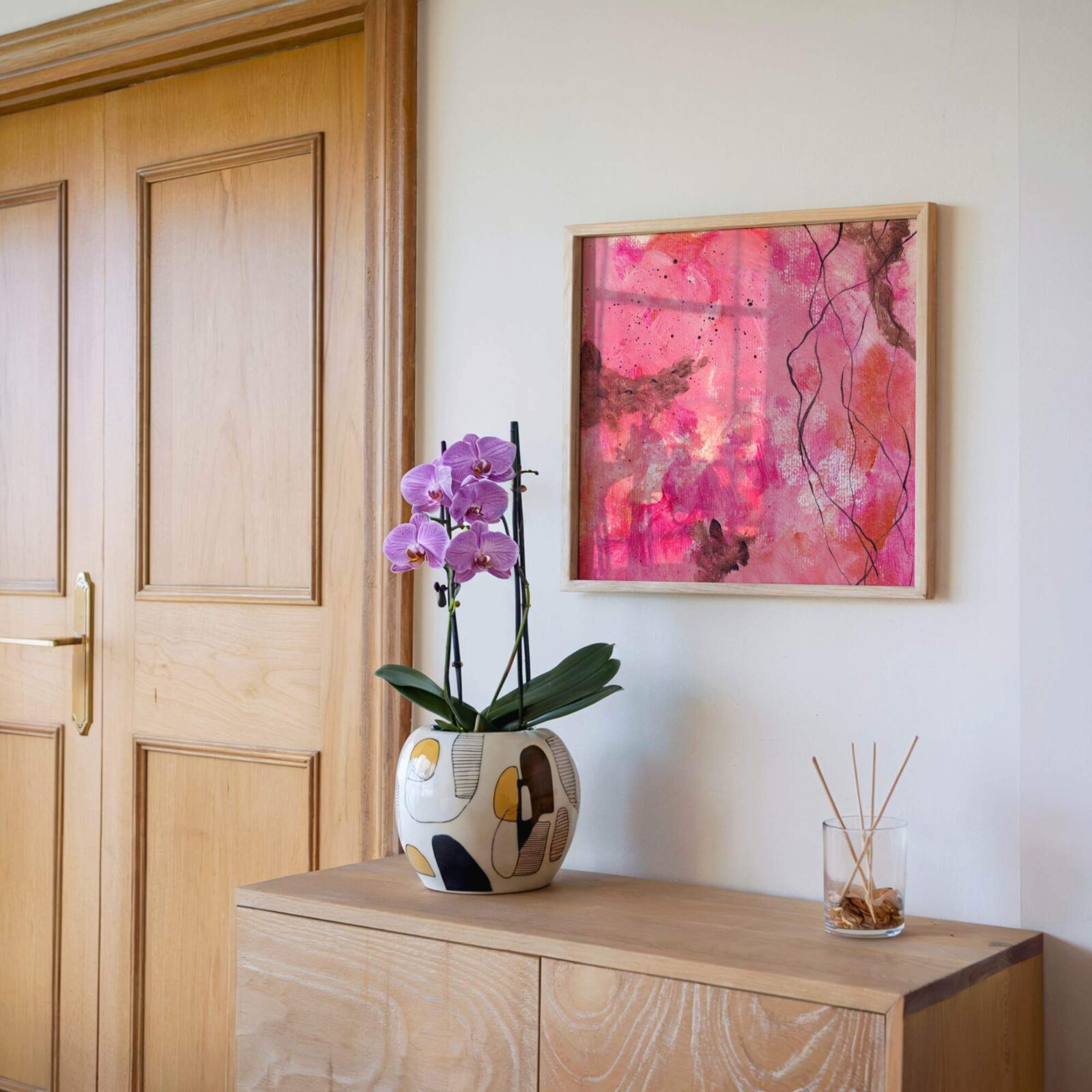
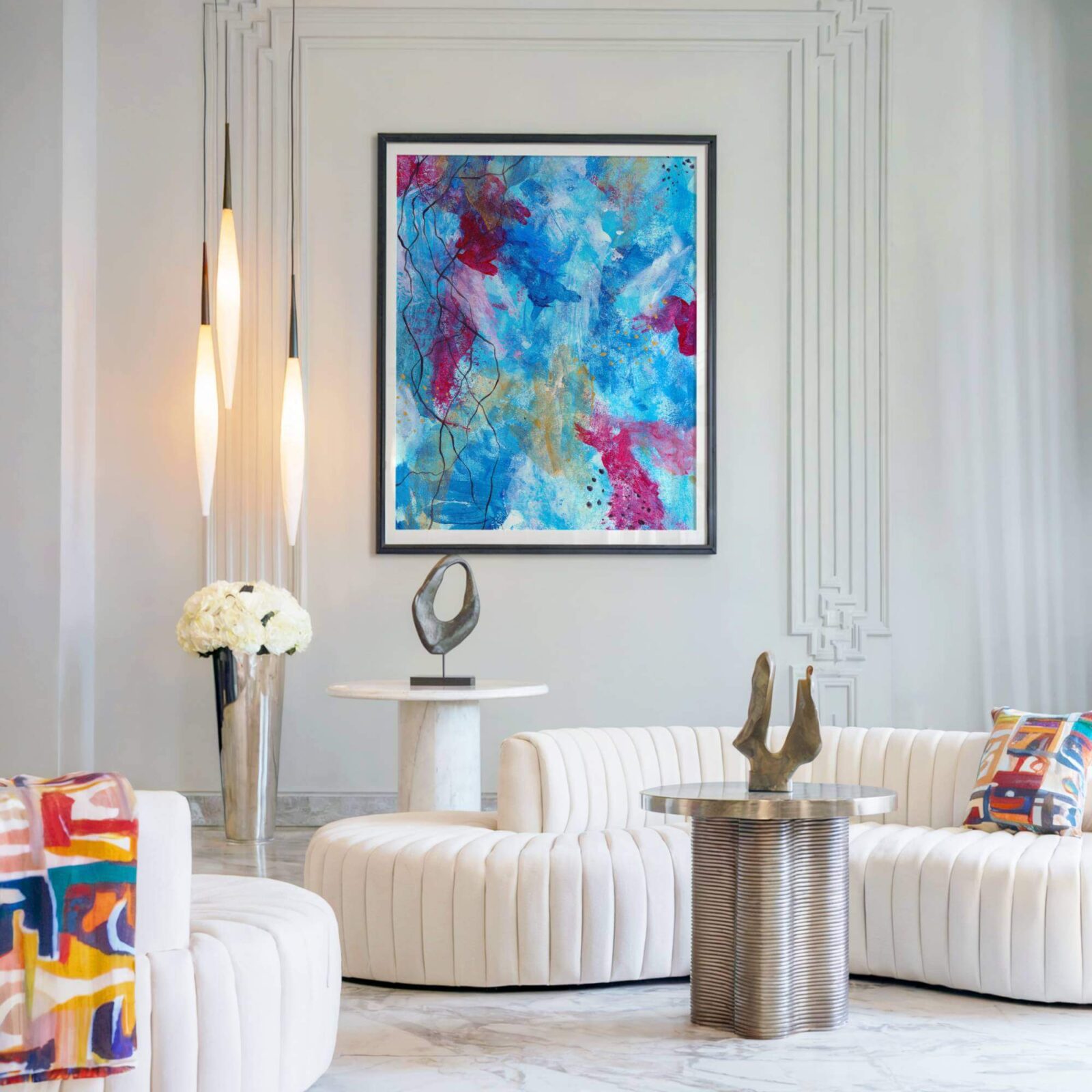
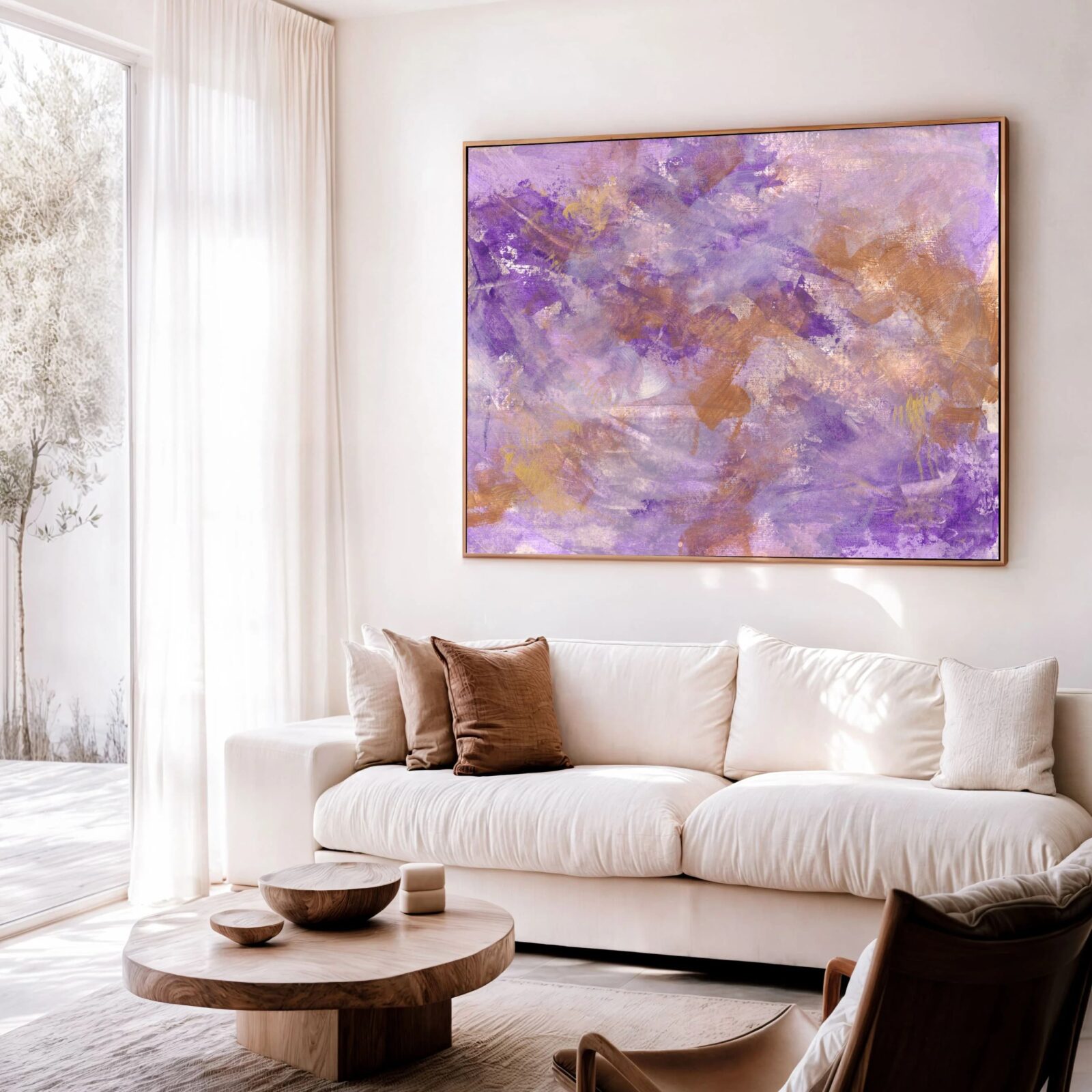
Abstract art anchoring a private collector’s interior space

How the Work Actually Gets Made

I don’t start with a concept. I start with a physical state.
 
Sometimes that’s fatigue. Sometimes tension. Sometimes clarity that hasn’t found words yet. I work in layers, not because it looks good, but because it mirrors how things resolve in the body. Nothing arrives finished. Everything is edited.
 
Colour is chosen for how it behaves over time, not how it looks on day one. Some colours agitate before they settle. Others hold quietly from the start. I pay attention to that. Texture is built, then restrained. I leave edges unresolved on purpose. Completion is a felt decision, not a visual one.
 
When a piece is finished, I don’t feel excited. I feel neutral. Steady. The same feeling you get when something finally fits.
 
That’s when it’s ready to leave the studio.
 
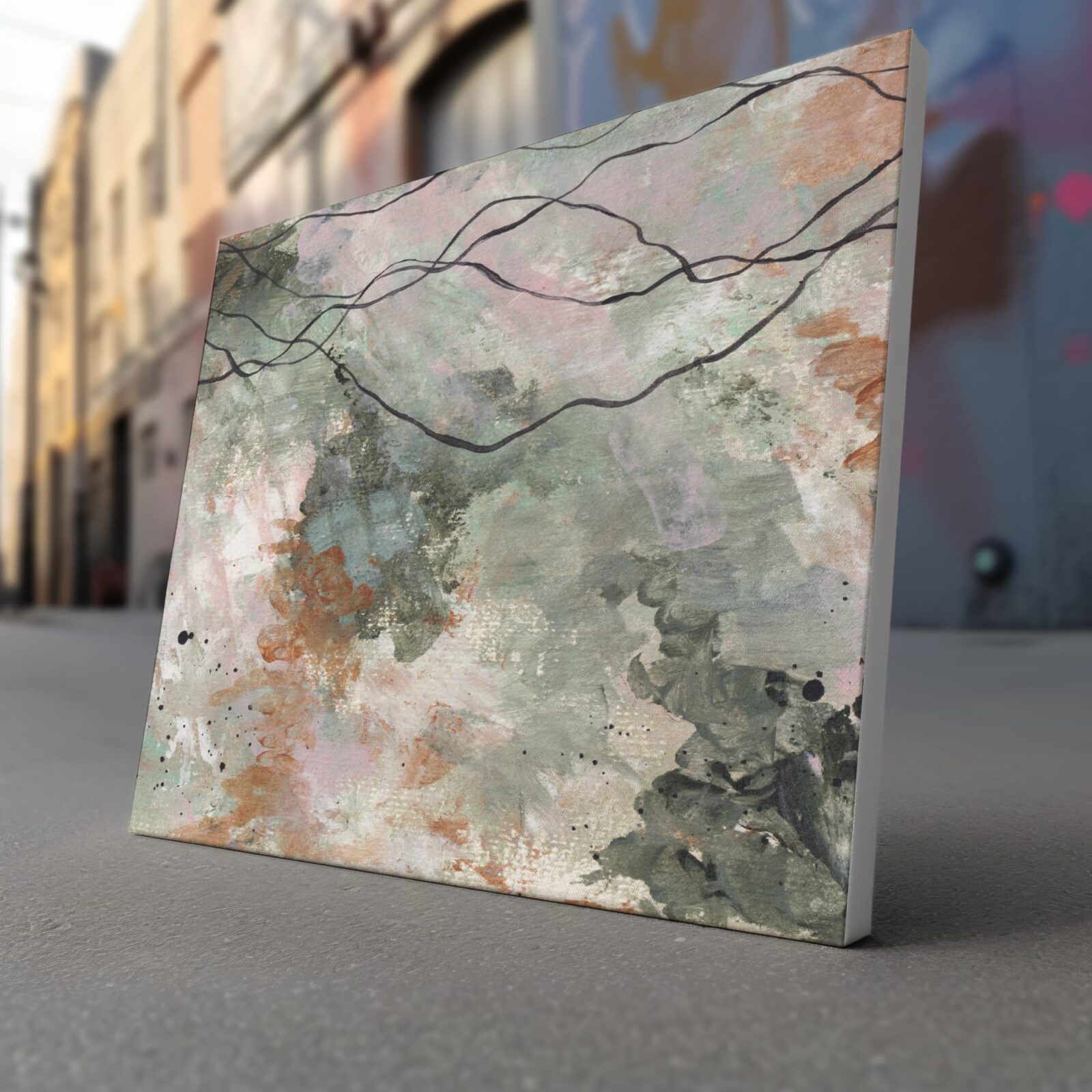
Finished works are offered as gallery-standard canvas prints, produced to last, not to circulate quickly. Some are hand-embellished in very limited releases when the piece asks for it. Others remain exactly as they are. The point is not variation. It’s integrity.
 
This is also why the Collector’s Vault exists. It isn’t a shop in the usual sense. It’s an archive of work that has earned its place through time, not popularity. Pieces sit there quietly until someone recognises themselves in one. No urgency. No push.

Why I Work in Collections, Not Content

I don’t release work weekly. I don’t follow trends. I don’t produce for visibility.
 
I work in collections because emotional life moves in phases. So does recovery. So does repair.
 
A collection forms when something shifts internally and needs to be processed slowly. Not explained. Not marketed. Just worked through. When that phase closes, the collection closes with it.
 
Fragments came from physical and psychological unravelling during the writing of the book.
Capsule Commissions only open when I have the capacity to hold someone else’s material without dilution.
 
This isn’t scarcity marketing. It’s realism.
 
If I rush the work, it stops being honest. And if it stops being honest, it stops being useful to anyone who lives with it.

Writing as Parallel Practice, Not Explanation
For a long time, I couldn’t write about the work at all. I didn’t trust language. It felt slippery. Performative. Too easy to get wrong.
 
Writing came back when I stopped using it to justify anything.
 
Now, it runs alongside the paintings. Not to explain them, but to map the territory they come from. Writing gives structure to what the quiet reveals. It doesn’t interpret the work. It keeps me honest.
 
That’s why the book exists. That’s why Studio Letters exist. Not as content streams, but as ways to stay close to the work without turning it into something consumable.
 
Painting, writing, movement. Three practices. One nervous system.

Final Thought

There are easier ways to sell art. Louder ways. Faster ways.
 
This studio wasn’t built for ease. It was built for truth. For the kind of work that can sit quietly in a room and change how that room feels without announcing itself.
 
If something in this resonates, trust that. You don’t need to understand it fully. Most of the work happens before words anyway.
 
If you want to start with language, the book is there.
If you want to live with the work, the Vault is open.
If you want to move your body back into something you can trust, that door exists too.
 
Everything here is connected. Nothing is rushed. And nothing is accidental.

Jackie T.

Liverpool

I’m obsessed with how Viki Thorbjorn’s abstract art has completely elevated my home! The depth, movement, and colour in this piece bring so much energy and emotion into the space.

Rozy S.

London

I feel like I can finally exhale in this room now.

Paul L.

Essex

Your work is beautiful and has such deep emotions.

Missy P.

Gloucestershire

Lovely work. It brought so much calmness to our home.

Hannah R.

Liverpool

Viki’s canvas prints are beautiful, and I love that they are both sustainable and designed to evoke positivity.

Daisy W.

Essex

Your work is beautiful and makes me feel at ease.

Tom D.

Ilkeston

Viki really does make some wonderful pieces of unique art.

Ieva B.

Heanor

Amazing artwork and an amazing artist! I have abstract paintings and would recommend them to anyone looking for something unique.

Danielle T.

Liverpool

This is absolutely gorgeous.