
Why Abstract Art Creates Presence in Luxury Interiors
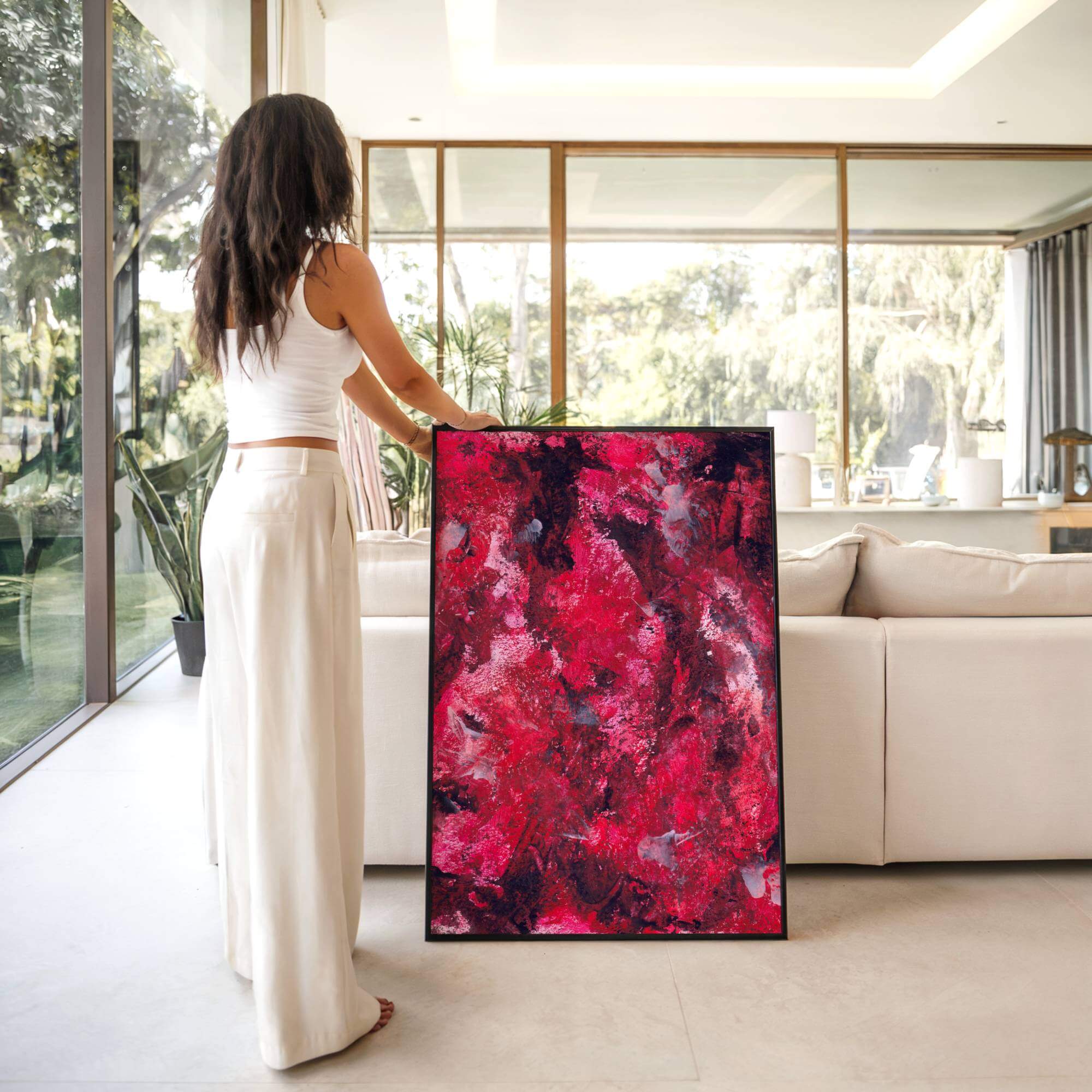
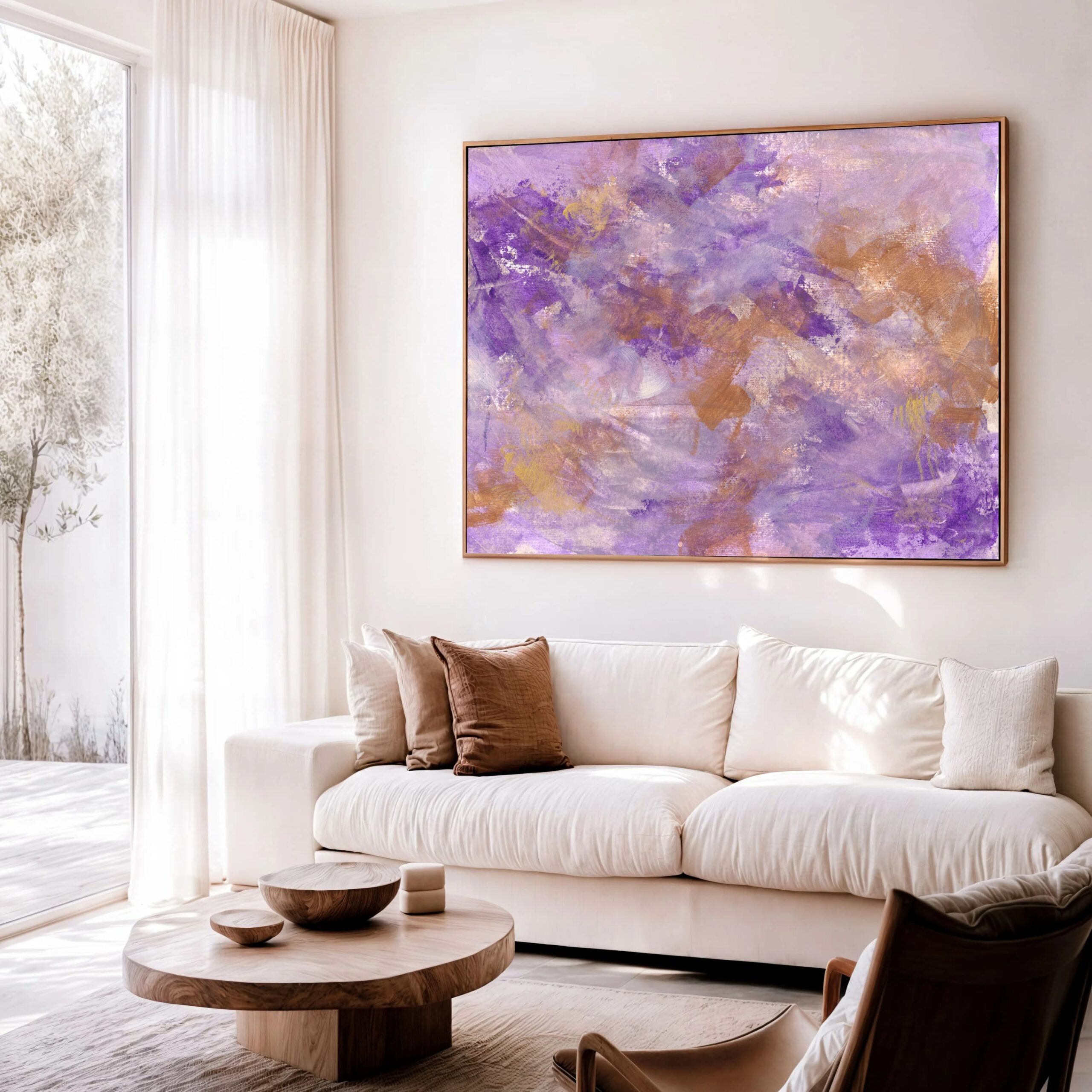
Presence Is Not a Style Choice
Why Abstract Art Changes the Nervous System of a Room
Decoration Fills Walls. Presence Holds Rooms.
Presence Is Why Some Spaces Stay With You
Where Abstract Art Creates the Greatest Impact
Presence matters everywhere, but there are environments where it changes the experience entirely.
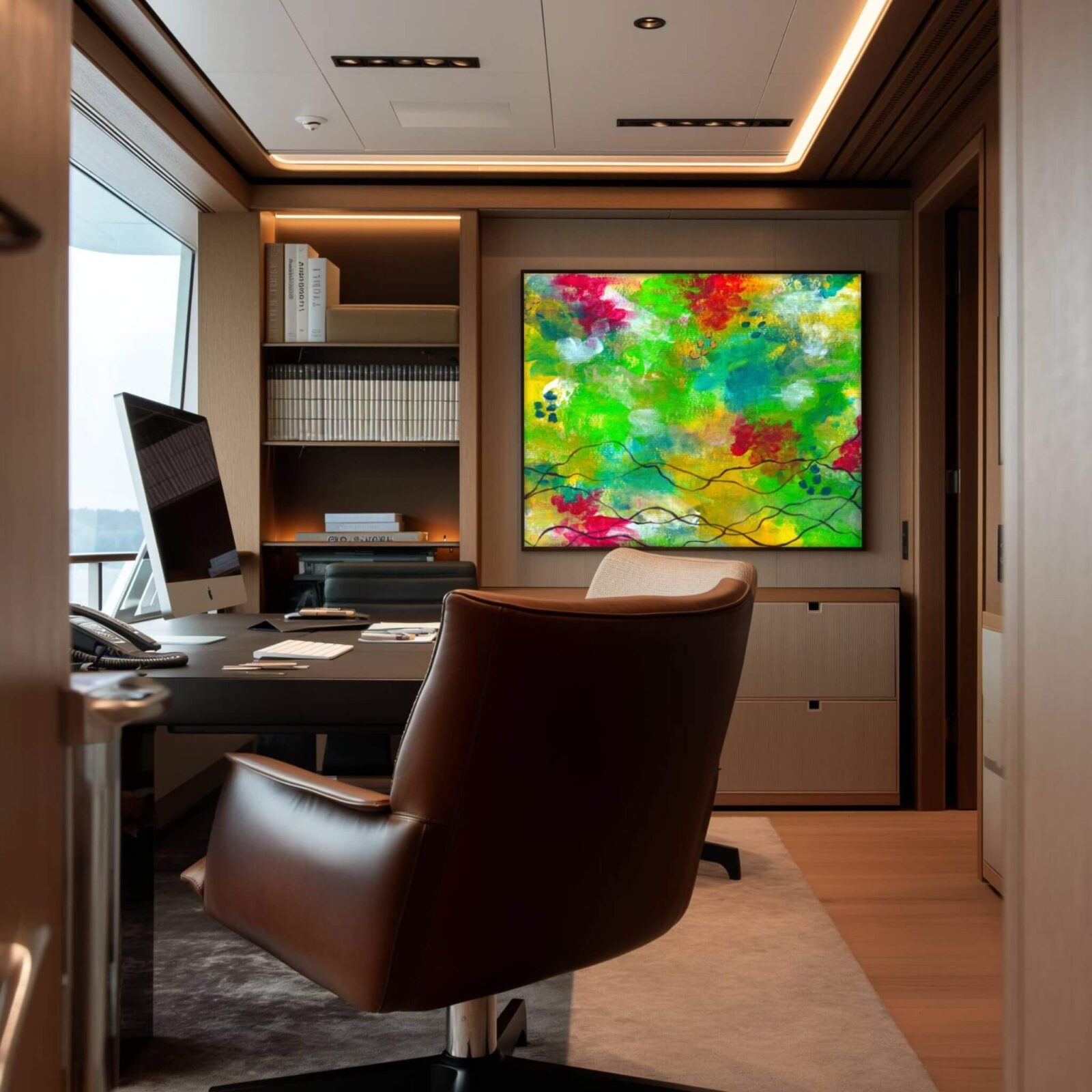
Executive offices and boardrooms
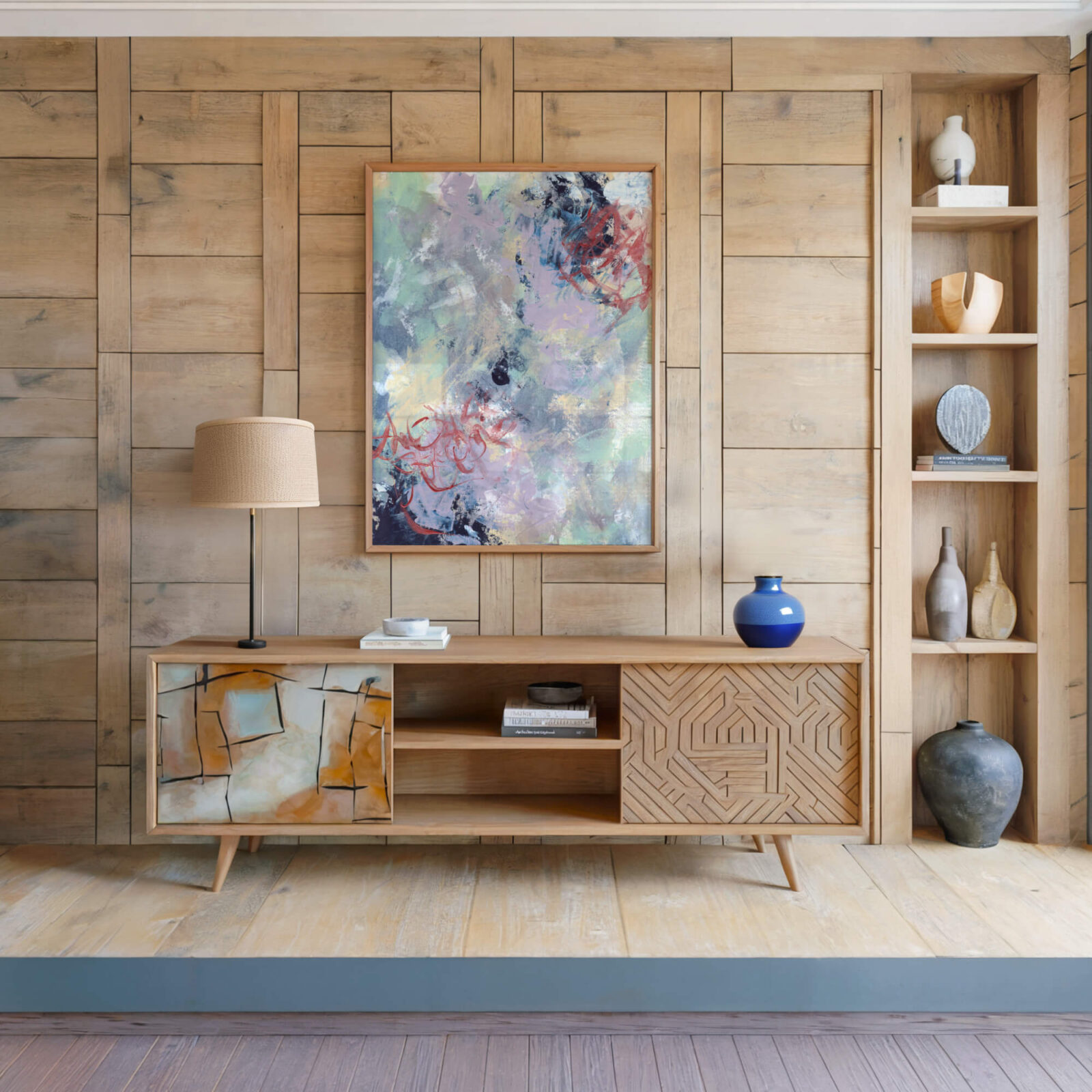
Here, abstract art acts as a stabiliser. It reduces visual noise and supports clearer thinking. The room feels less reactive, less tense, more considered.
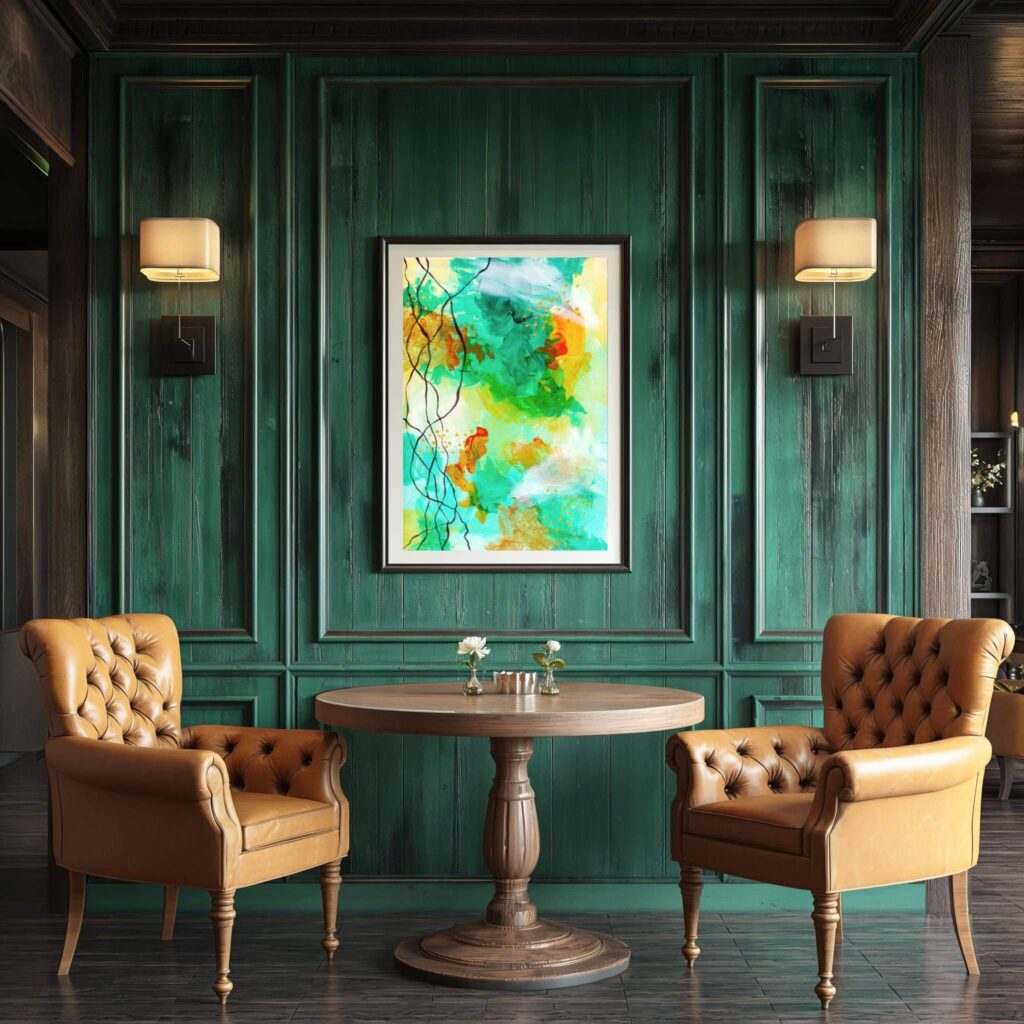
Luxury hotels and retreats
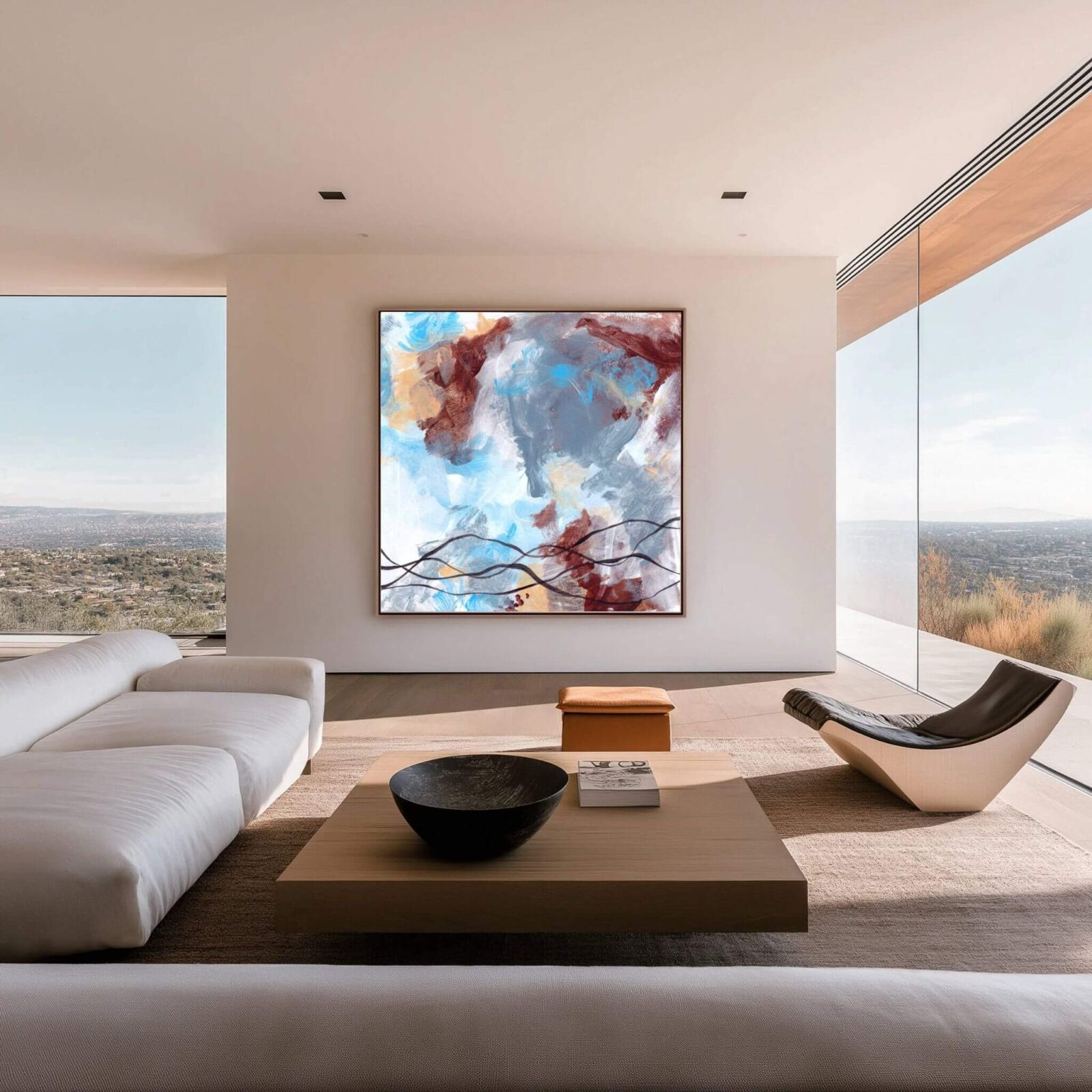
Guests rarely remember branding details. They remember how the space made them feel. Abstract art contributes to that emotional memory by creating stillness without sterility.
Private homes
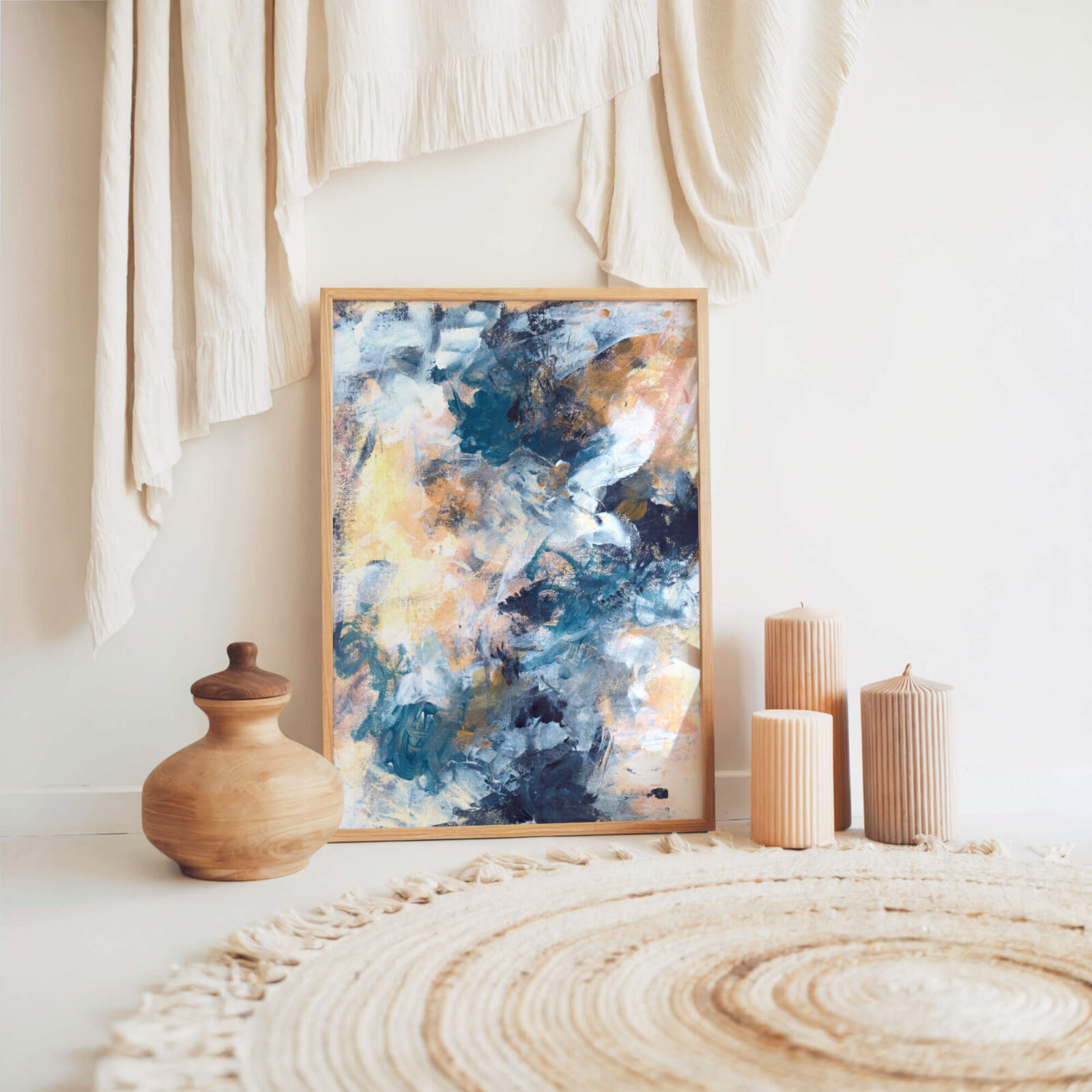
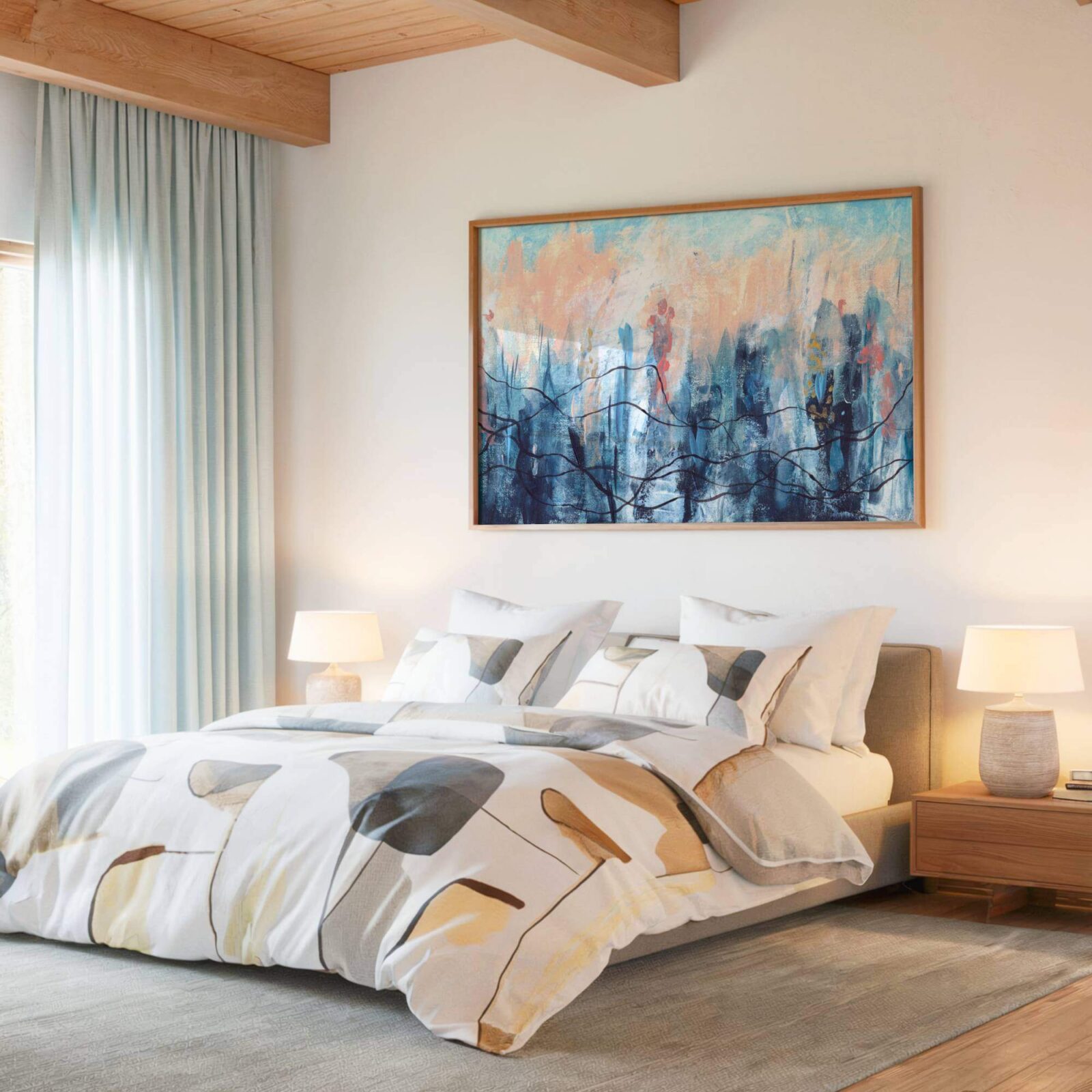
In personal spaces, abstract work often becomes an emotional companion. Something that absorbs difficult days, supports reflection, and evolves as the person living with it changes.
What Clients Say
“We thought we were commissioning a piece of art. We ended up creating a space that feels like a sacred pause.”
— Interior Designer, Devon“It’s not loud, but it changes the entire energy of the room. People always stop and breathe when they walk in.”
— Executive Client, London“It reminds me to be present every time I see it. It’s become part of my daily rhythm.”
— Private Collector, Edinburgh
Why Abstract Art Ages Better Than Design Trends
A Note on My Own Work
My own practice is centred around creating work that holds presence rather than performs visually. Pieces selected for the Collector’s Vault are chosen for their ability to settle a space, not decorate it.
Final Thought
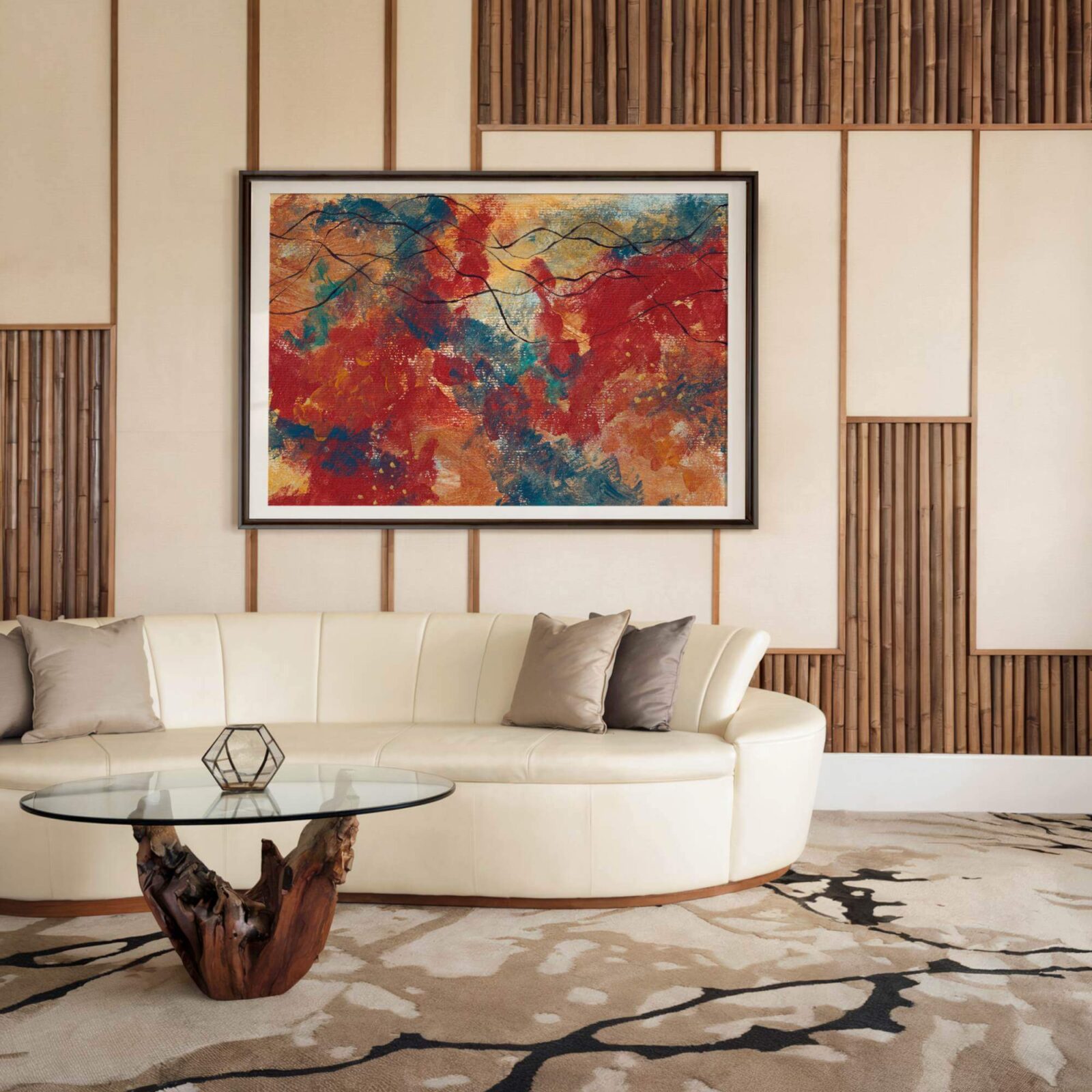
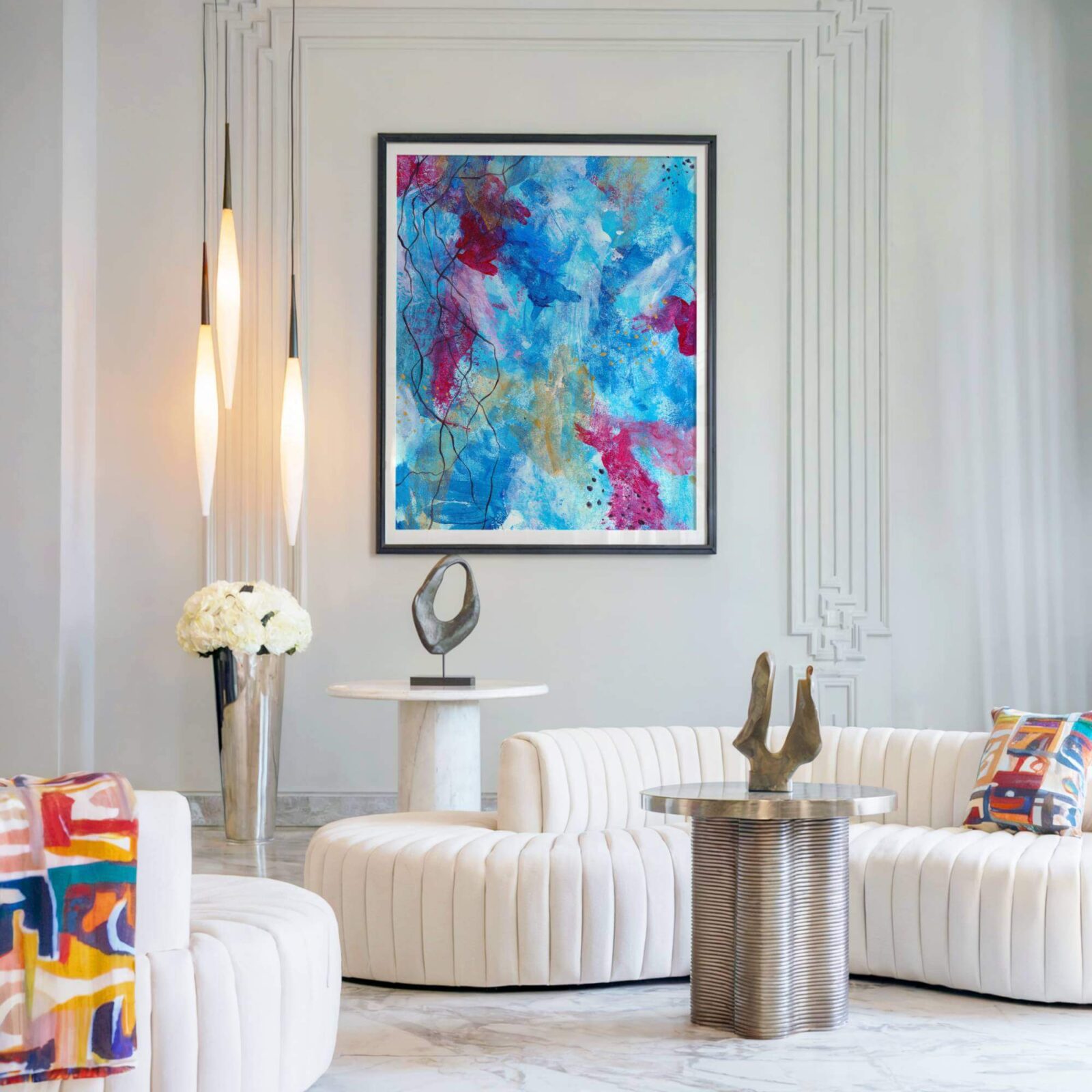
Frequently Asked Questions About Abstract Art and Presence
Of course it’s subjective, but that doesn’t mean it’s imaginary. Hunger is subjective. Fatigue is subjective. Calm is subjective. We still design environments around all three. Presence is something most people recognise instantly when it’s there, and miss immediately when it isn’t, even if they never use that word.
Because it doesn’t tell you what to look at or how to feel about it. Figurative work asks for interpretation. Abstract work lets you arrive as you are. In spaces meant for rest, clarity, or decision-making, that difference matters more than people realise.
Yes, if it’s chosen purely for style or trend. Flat, decorative abstraction exists, just like flat figurative art does. Work that’s made with emotional depth tends to do the opposite. It warms a space without overwhelming it.
Because cost solves finish, not feeling. You can resolve every visual decision and still ignore how the space behaves emotionally. Presence isn’t something you buy. It’s something you allow by not overloading the room.
Not in my experience. Calm isn’t softness. A room that doesn’t agitate the nervous system often supports sharper thinking, clearer decisions, and better conversations.
Yes, but not in the way people assume. Bigger isn’t always better. The work needs enough weight to anchor the room without shouting over it. Proportion matters more than size.
Usually the opposite. Because it isn’t tied to a single image or message, it tends to reveal different things as the light changes, the space changes, and the person living with it changes.
You stop analysing it. Your body responds before your opinion does. That pause is the giveaway.