
Buying Art Online: What to Look For
TL;DR
Buying art online is completely normal now. People buy houses online. Cars online. Holidays online. Spending money on artwork you’ve never physically seen is no longer unusual.
The challenge isn’t whether buying art online works. It clearly does.
The challenge is knowing what you’re actually looking at when everything has been reduced to a rectangle on a screen.
A photograph can tell you a lot about a piece of art. It can also hide quite a lot.
The best online buyers learn how to look beyond the image itself and pay attention to things like scale, quality, credibility and, perhaps most importantly, their own reaction to the work.

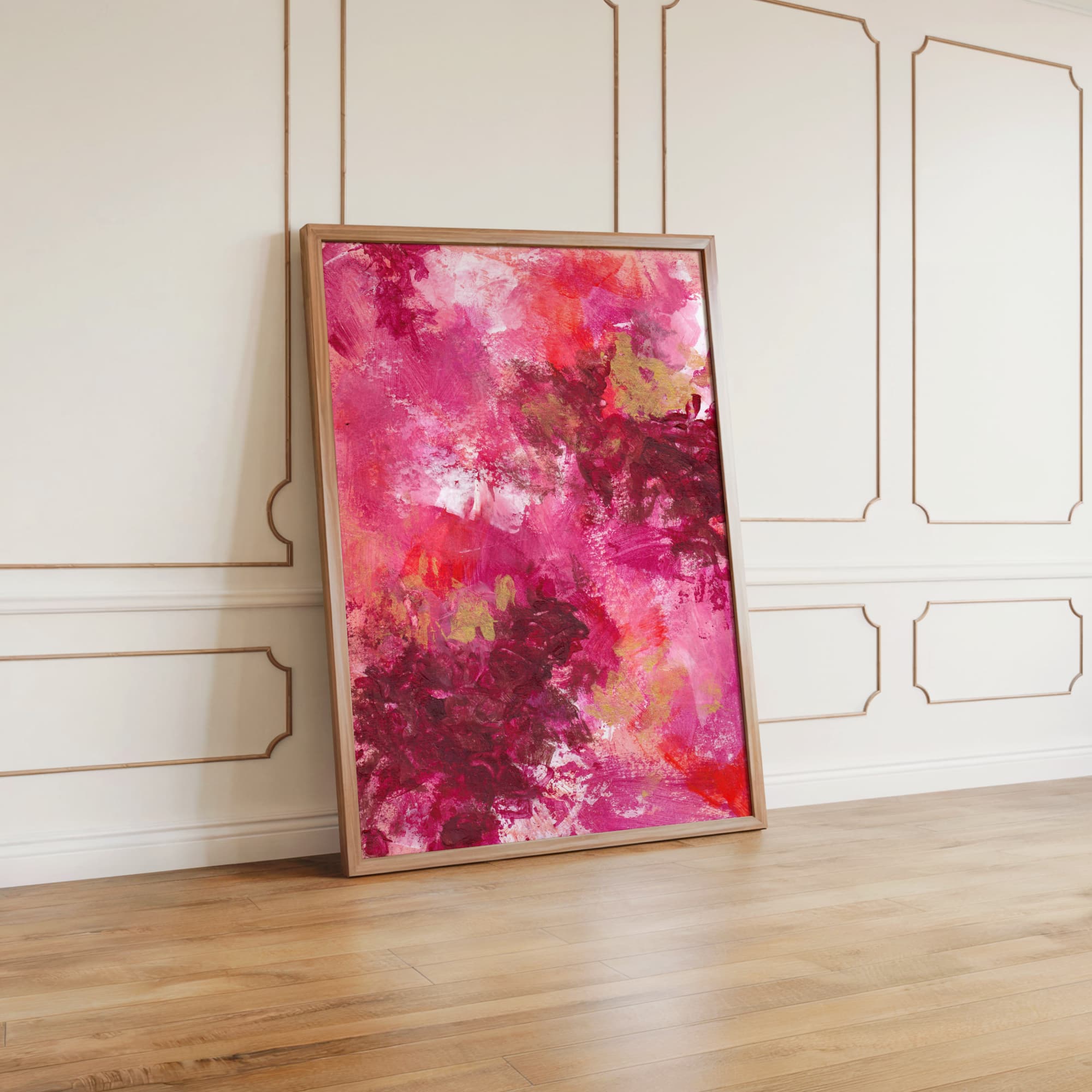
Buying Art Online Isn't the Risk People Think It Is
There was a time when buying art online felt slightly ridiculous. The idea of spending hundreds or thousands of pounds on something you’d never seen in person seemed reckless at best.
Today, it is often how collectors discover new artists. Many people will never visit the artist’s studio. Never walk into a gallery. Never stand in front of the original work.
Instead, they encounter the piece through a website, an article, a newsletter or an image shared online. That doesn’t make the process worse. It simply means buyers need to pay attention to different things.
The reality is that most people don’t struggle because they bought online. They struggle because they bought too quickly.
The First Question: What Are You Actually Buying?
This sounds obvious.
It isn’t.
Many buyers spend more time looking at the artwork than reading the description. Then they get surprised by things that were clearly stated from the beginning. Before you fall in love with a piece, make sure you understand what it is.
For example:
-
- Is it an original artwork?
- Is it a canvas print?
- Is it a limited edition?
- Is it an open edition?
- Is it hand-embellished?
- Is it signed?
- Is it framed?
These details matter. Not because one option is automatically better than another, but because they affect pricing, exclusivity and expectations.
As discussed in Canvas Prints vs Original Paintings: What’s the Difference?, many buyers assume originals are always the superior choice. In reality, different formats simply serve different purposes.
The important thing is understanding what you’re purchasing before your credit card gets involved.
Why Size Is Where Most People Get It Wrong
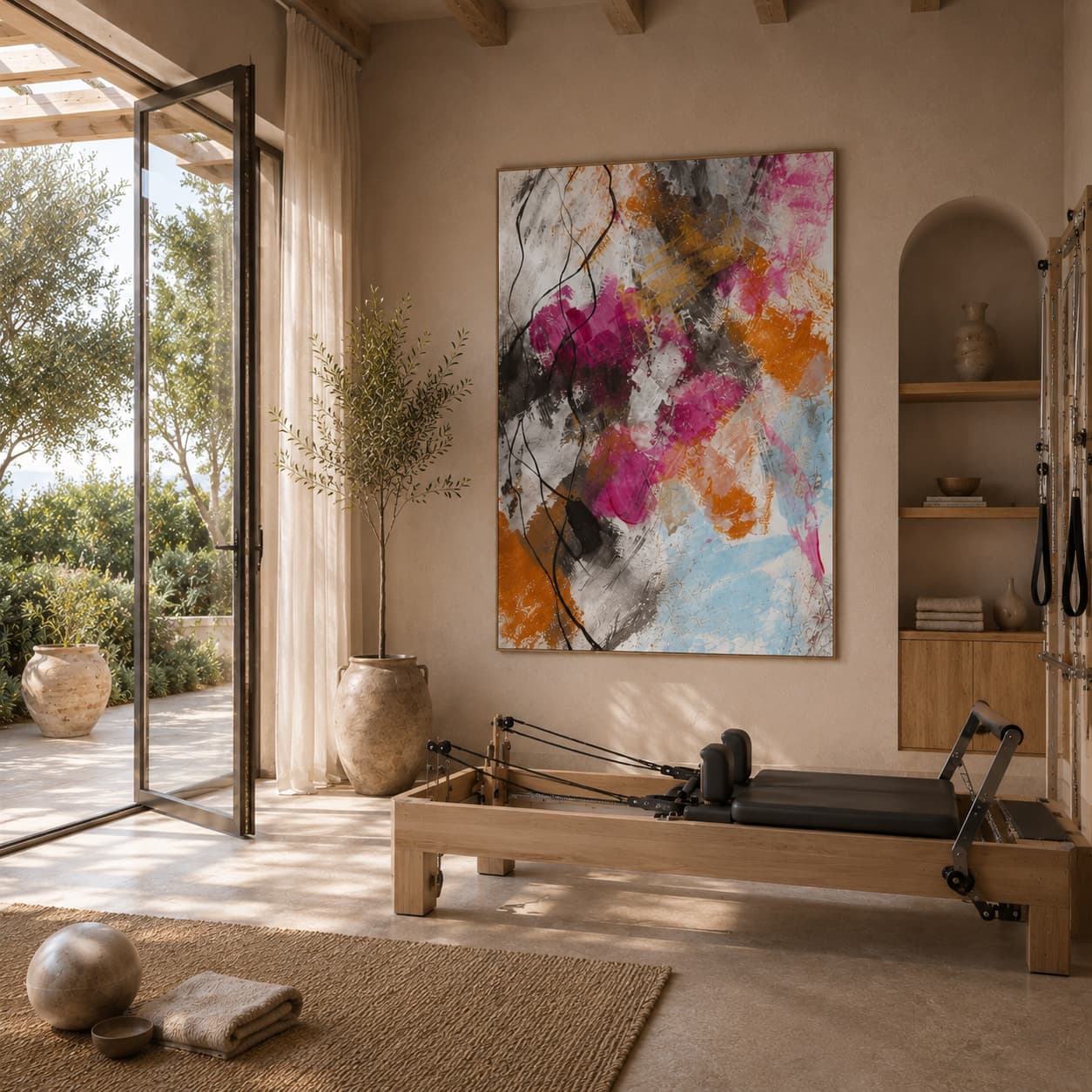
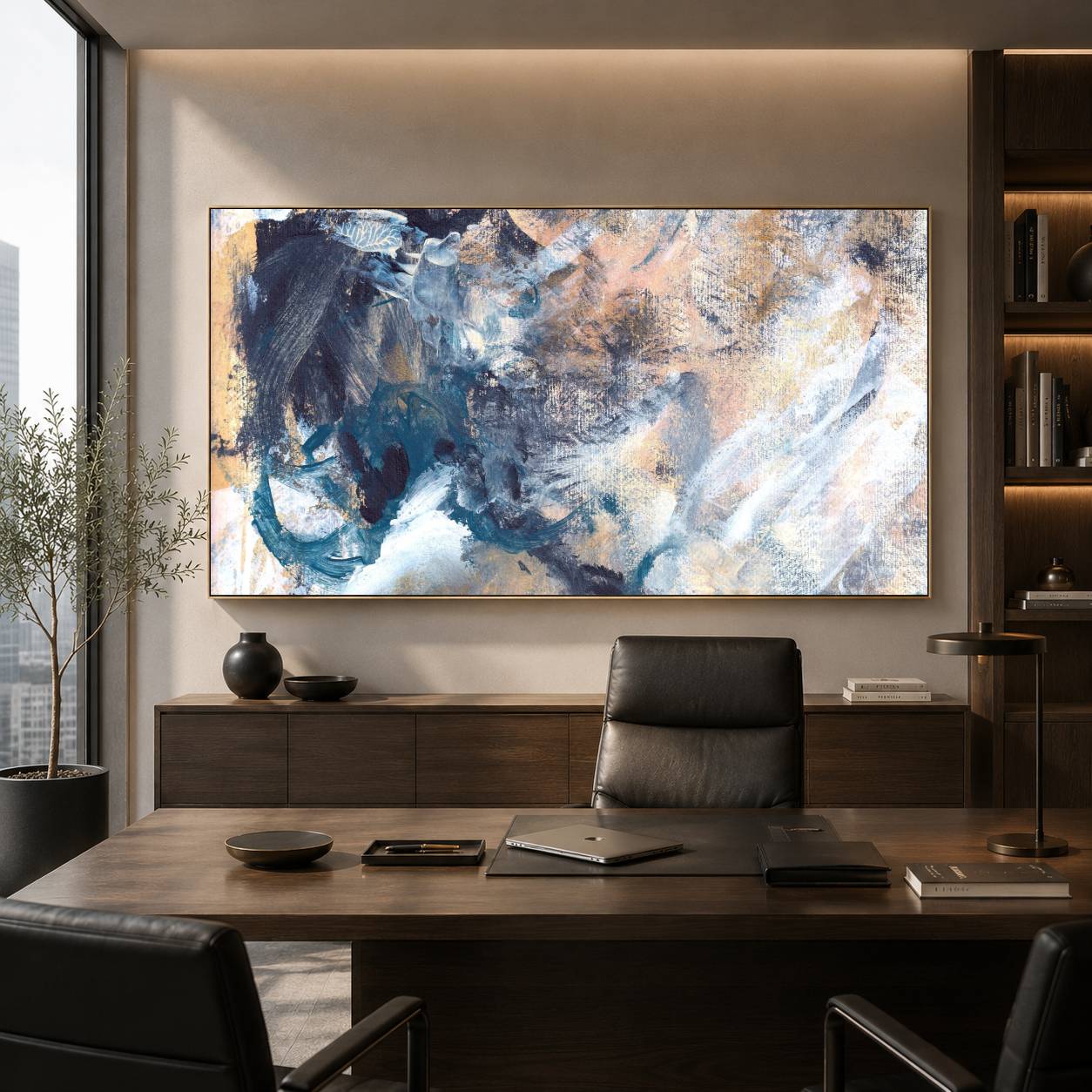
If I had to pick one mistake that causes more disappointment than any other, it would be buying artwork that’s too small.
People see a piece on a screen. It looks substantial. It looks impressive. It arrives and suddenly resembles a large placemat floating sadly in the middle of a wall.
The artwork isn’t the problem. The scale is. A screen removes context. Everything looks bigger online.
This is why dimensions matter far more than most buyers realise. Always look (or ask for) the measurements. Then look again. Then get a tape measure and physically mark out the size on your wall.
It sounds excessive. It isn’t.
Five minutes with masking tape can save a great deal of regret later.
As explored in How to Buy Large Abstract Art Without Overwhelming a Room, most people underestimate how much scale a room can comfortably handle.
Stop Looking For Something That Matches
This is one of the habits that quietly ruins a lot of art buying. People start by looking for something that matches the sofa. Then the curtains. Then the cushions. Then the rug. Eventually, the artwork ends up with the same job as a scatter cushion.
The room looks coordinated. The artwork contributes very little. Good artwork doesn’t necessarily match a room.
It supports it.
Sometimes it contrasts with it. Sometimes it softens it. Sometimes it becomes the focal point that everything else revolves around.
If your first question is always “does it match?”, you’re probably asking the wrong question.
A better one is: “What does this add?”
Pay Attention to Your Own Response
This sounds almost embarrassingly simple. Yet it is one of the things people ignore most often.
Many buyers spend hours researching artists, production methods, reviews and pricing while barely paying attention to their own reaction to the work.
The strongest purchases rarely happen because somebody built a perfect spreadsheet. They happen because a piece refuses to leave them alone. You look at it. Close the tab. Think about it later. Go back. Look again. Maybe show it to someone. Close the tab again. Then find yourself looking at it the following day.
That reaction is worth paying attention to.
As discussed in How to Buy Art When You Don’t Know Anything About Art, most collectors rely on emotional responses far more than they admit.
The difference is that experienced buyers trust those responses.
Quality Matters More Than Most People Realise
Online photographs are incredibly forgiving. A mediocre piece can look fantastic with the right lighting, editing and styling.
This is why it is worth looking beyond the image itself. Pay attention to:
-
- Materials
- Production quality
- Canvas specification
- Printing standards
- Framing options
- Finishing details
Two artworks can appear almost identical online while being completely different products in reality. This becomes particularly important when buying larger pieces.
A small quality issue that goes unnoticed on a screen becomes much more obvious when the artwork occupies a significant amount of wall space.
As explored in Why Abstract Canvas Prints Work Better Than Mass-Produced Wall Art, quality becomes increasingly important the longer you intend to live with a piece.
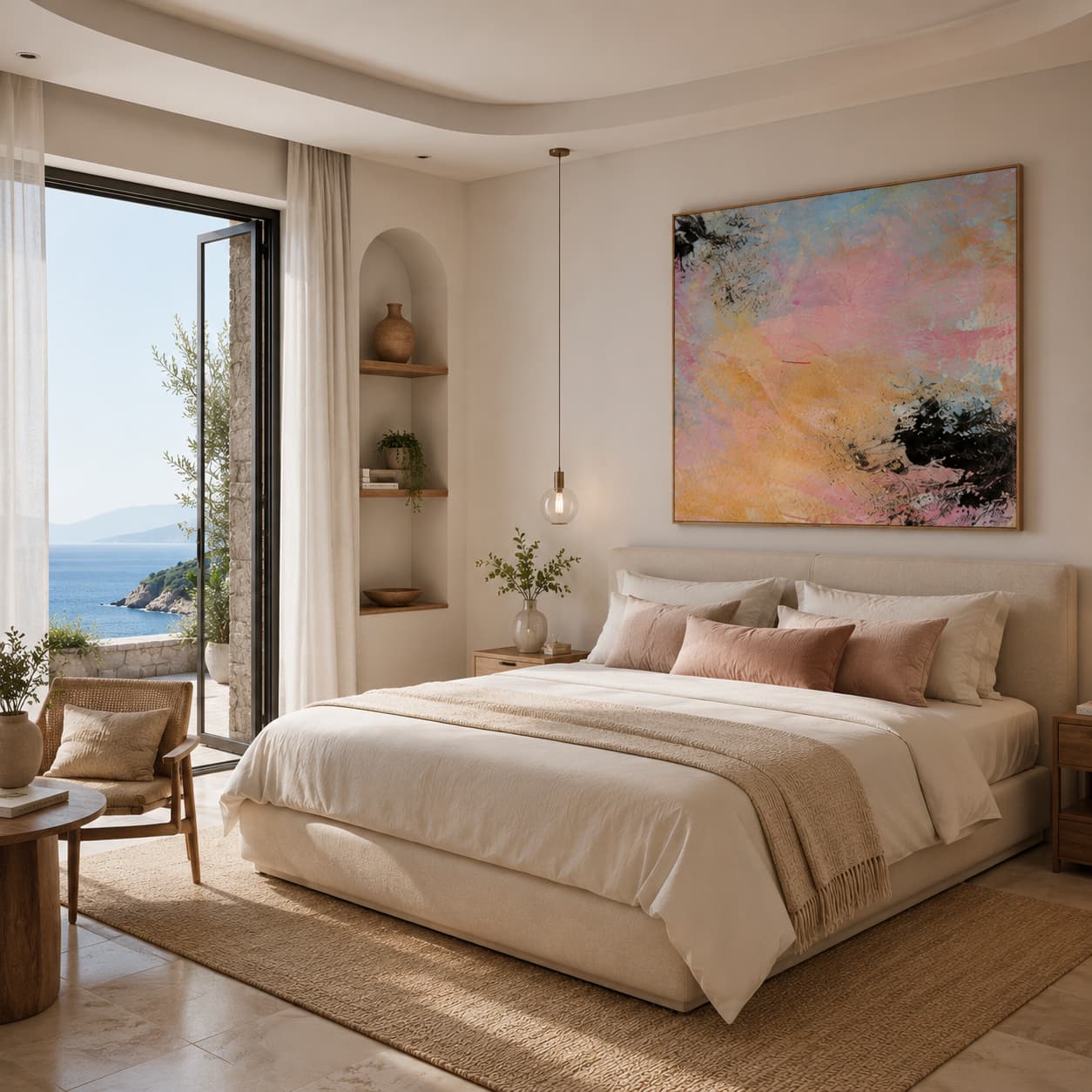
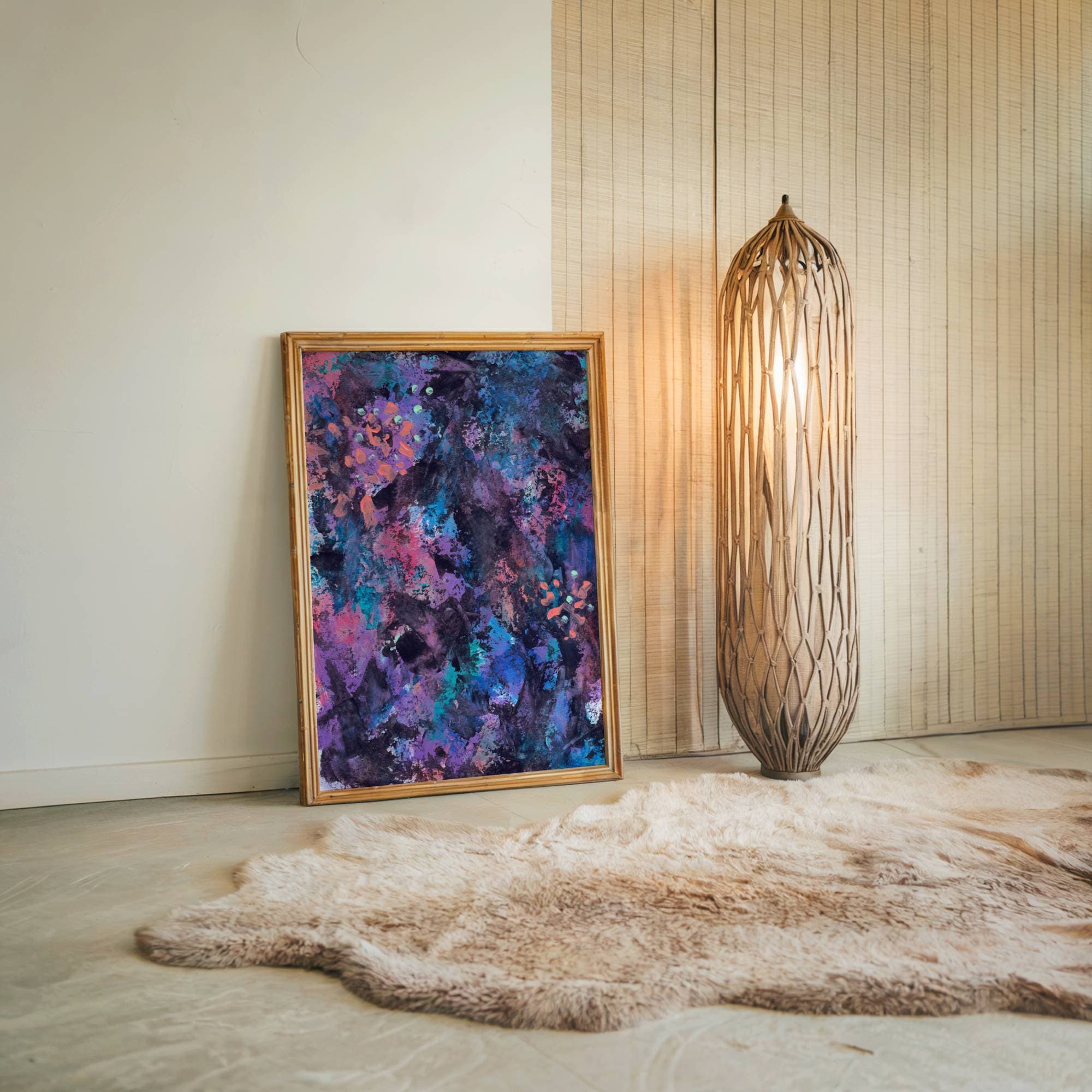
Look at More Than One Artwork
One useful trick when buying from an artist is to explore the wider collection rather than focusing exclusively on the piece you initially liked.
Why?
Because consistency matters. If every piece feels completely disconnected from the next, it can sometimes suggest the artist is chasing trends rather than developing a body of work.
When an artist’s collection feels coherent, even when the individual pieces differ, it often creates more confidence in the purchase.
You’re not simply buying a random image. You’re buying into a practice.
That distinction becomes more important as budgets increase.
Read the Story, But Don't Get Lost in It
Some buyers ignore artist statements completely. Others treat them as though they’re studying for an exam. Neither extreme is particularly useful.
Understanding the artist’s perspective can deepen your relationship with the work.
However, the artwork should still stand on its own.
If a piece only becomes interesting after three pages of explanation, something has gone wrong. Good artwork usually creates a response before the explanation arrives.
The explanation simply adds another layer.
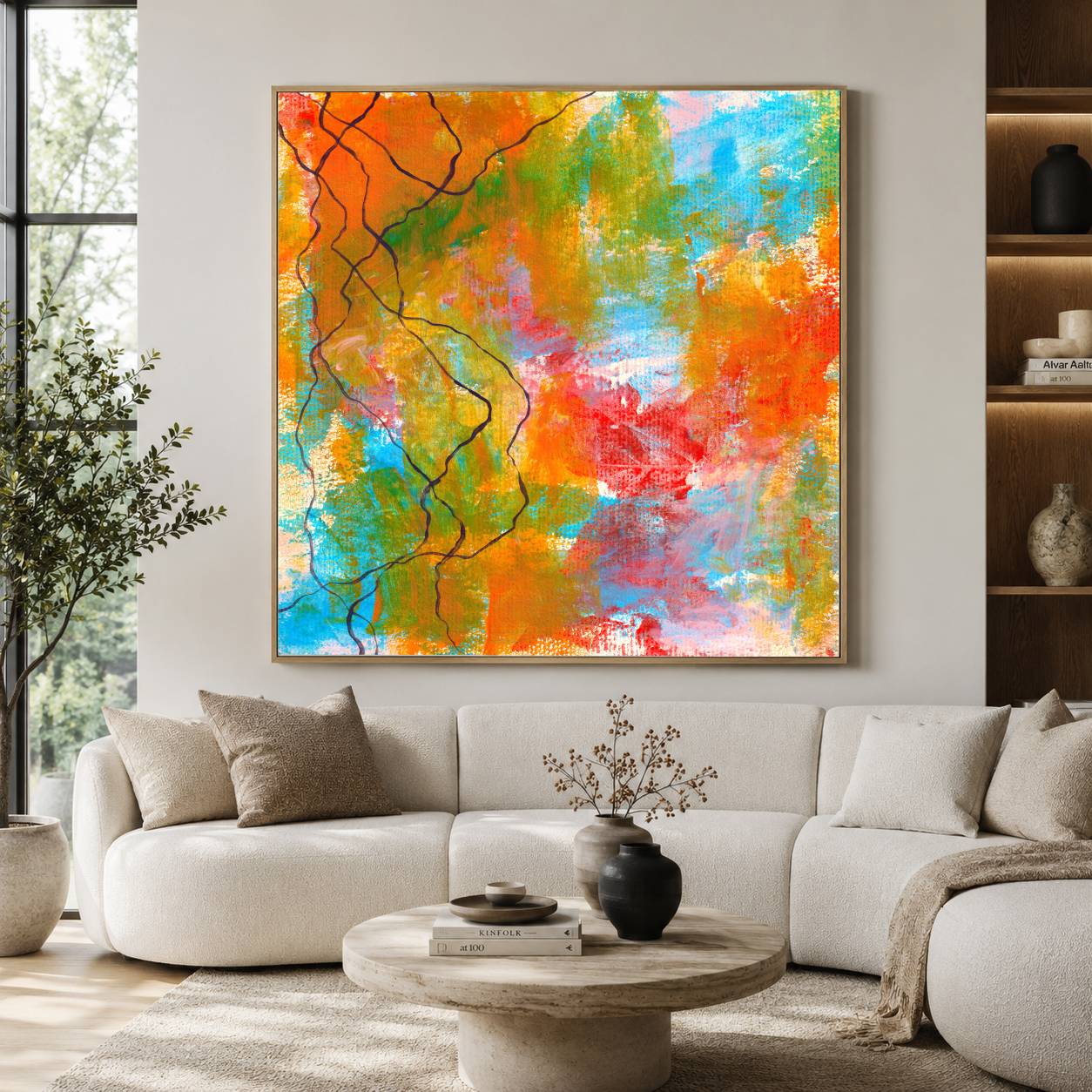

The Cheapest Option Is Rarely the Best Option
The internet encourages comparison. We compare prices constantly. That habit makes sense when buying batteries.
Art is different. A lower price may reflect:
-
- Lower quality materials
- Mass production
- Generic imagery
- Higher volume sales
There is nothing inherently wrong with any of those things. The issue arises when buyers compare completely different categories as though they are interchangeable.
As discussed in How Much Should You Spend on Art?, value and price are not the same thing. A piece that remains on your wall for ten years may provide far greater value than something cheaper that is replaced within twelve months.
Think About the Room, Not the Wall
People often buy artwork for walls. They should buy it for rooms. Those are different things.
A wall is a location. A room is an experience. The question is not: “What will look good here?” The question is: “What should this space feel like?”
-
- Calm?
- Warm?
- Energetic?
- Reflective?
- Grounded?
Artwork influences those feelings far more than most people realise.
This is one reason How Abstract Art Supports Calm Interiors Without Making a Space Feel Empty resonates with so many homeowners. People are increasingly interested in atmosphere, not just decoration.
Questions Worth Asking Before You Buy
Before clicking purchase, ask yourself:
-
- Do I know exactly what I’m buying?
- Have I checked the dimensions?
- Can I imagine living with this for years?
- Does it suit the atmosphere I want?
- Am I choosing it because I genuinely like it?
- Do I trust the artist or the gallery?
- Have I looked at the wider collection?
- Does the quality justify the price?
- Do I keep coming back to it?
If the answer to most of those questions is yes, you’re probably in a good place.
Final thoughts
Buying art online is not really about buying art online. It’s about making a decision without standing in front of the piece. The technology has changed. The fundamentals haven’t.
Good artwork still creates a response. Good artwork still improves a room. Good artwork still earns its place over time.
The best buyers are not necessarily the people who know the most about art. They’re often the people who take their time, pay attention and trust themselves enough to recognise when a piece genuinely matters.
Because once the artwork arrives and becomes part of your everyday life, the website, the marketing and the checkout process disappear. What remains is the relationship between you, the room and the work itself. And that is the part worth getting right.
Related Reading
How to Buy Art When You Don’t Know Anything About Art
How Much Should You Spend on Art?
Canvas Prints vs Original Paintings: What’s the Difference?
How to Buy Large Abstract Art Without Overwhelming a Room
Why Abstract Canvas Prints Work Better Than Mass-Produced Wall Art
The Difference Between Decorative Art and Emotionally Intelligent Art
Key Takeaway
The biggest mistake people make when buying art online is treating it like any other online purchase. Good art is not simply something you order. It is something you live with.
Frequently Asked Questions
Yes, provided you buy from reputable artists, galleries or websites and understand what you are purchasing.
Look beyond the photographs and investigate the materials, production methods and overall presentation.
Choosing the wrong size is probably the most common issue.
Not necessarily. It should support the atmosphere of the space rather than simply matching colours.
Many collectors enjoy buying directly because it offers greater transparency and a stronger connection to the work.
If you keep returning to it without forcing yourself, that’s usually a good sign.
Absolutely. Many collectors regularly purchase significant works without seeing them in person first.
If you’re unsure, yes. The right artwork tends to remain interesting after the initial excitement fades.