
What Makes Art Truly Luxury? (Hint: It’s Not the Price Tag)
What makes a piece of art truly luxurious?
Is it the size of the canvas?
The weight of the frame?
The number on the price tag?
No.
The cost of the materials does not define luxury in art, but the depth of the experience does.
And while the market is filled with high-ticket pieces dressed up in prestige, very few can hold a candle to what real luxury feels like: intimacy, integrity, and intention.
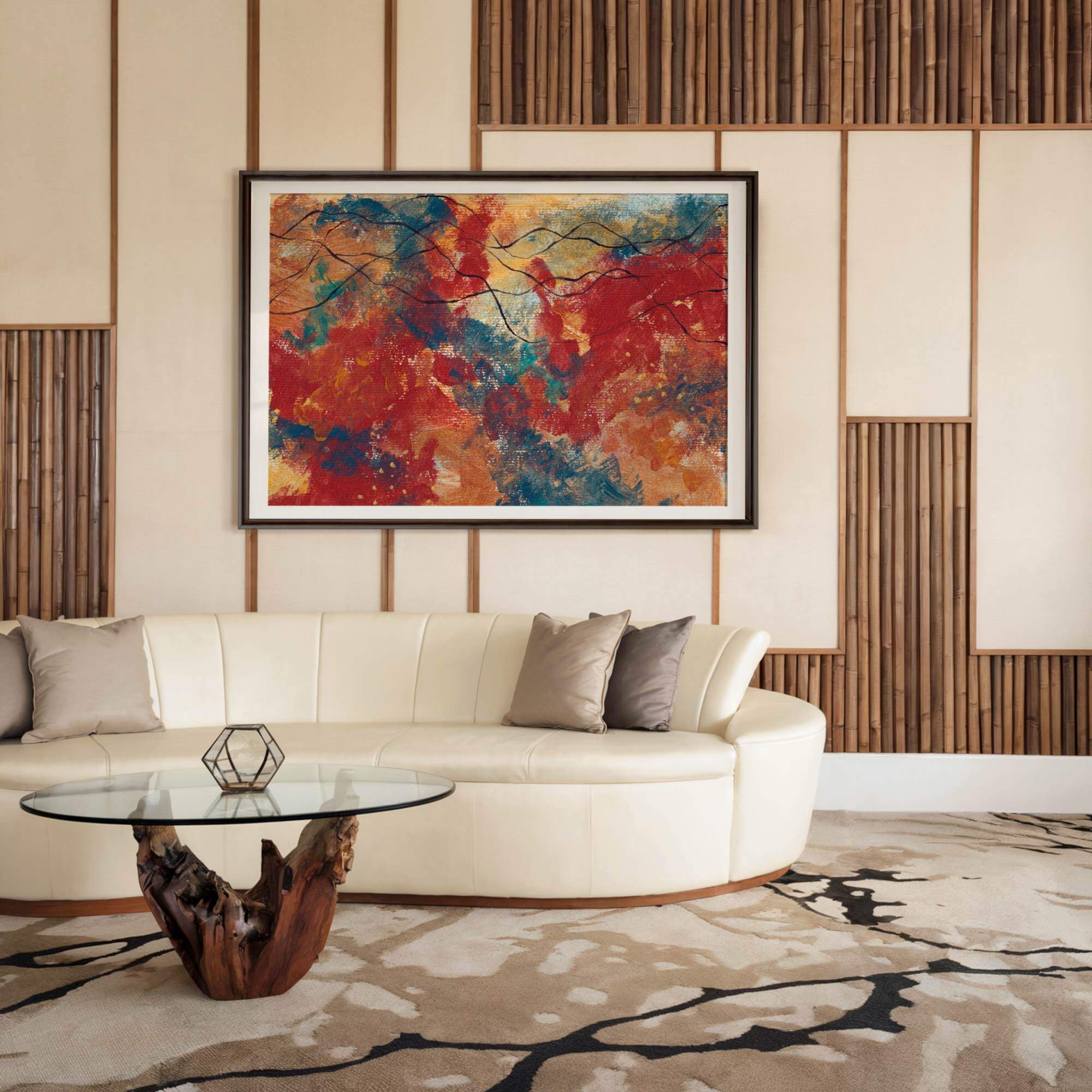
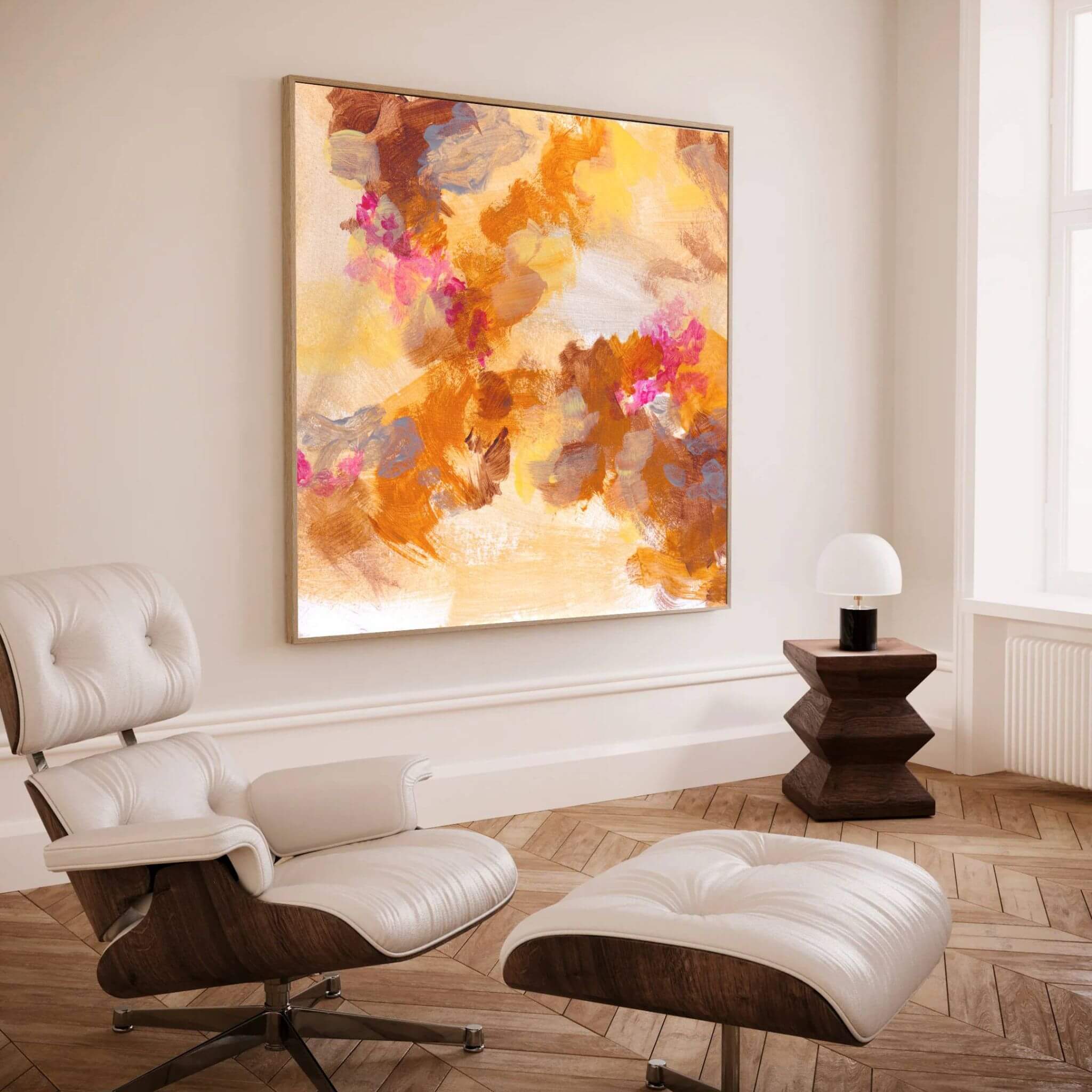
Why Most “Luxury” Art Isn’t Luxury at All
The term “luxury” has been dragged through the mud in the last decade. It’s now slapped onto anything with a mark-up and a marble-textured label.
But when it comes to art, this confusion gets dangerous.
Because true luxury art is not mass-produced.
It’s not soulless.
It’s not a placeholder on a Pinterest board.
It’s deeply personal.
And it’s felt before it’s understood.
So, What Is Luxury Art?
Luxury art invites stillness. It asks you to slow down, to breathe, to feel something you didn’t realise was waiting to be felt. It becomes part of your inner landscape, your mood, your rituals, your identity.
Real luxury art holds presence. It anchors a space.
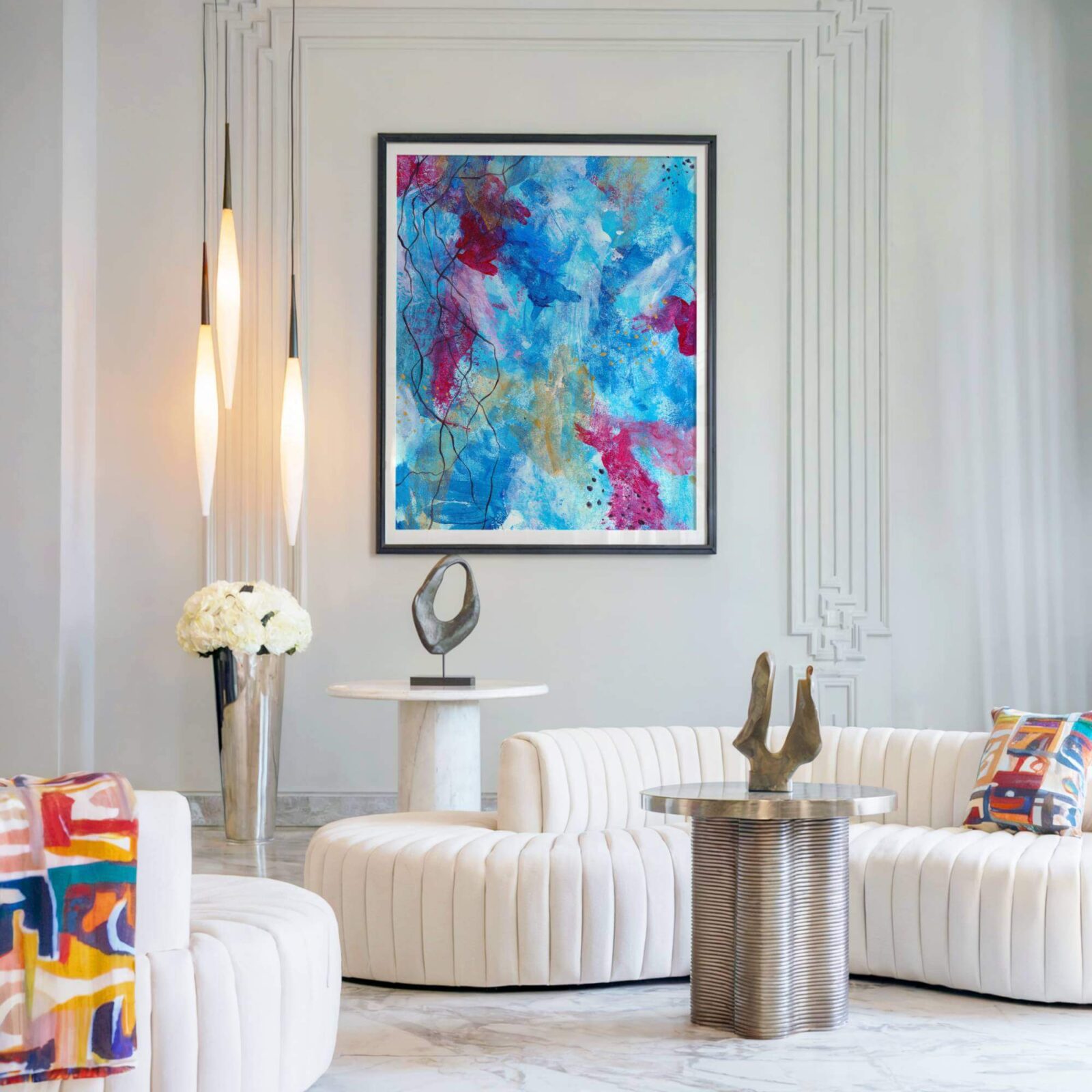
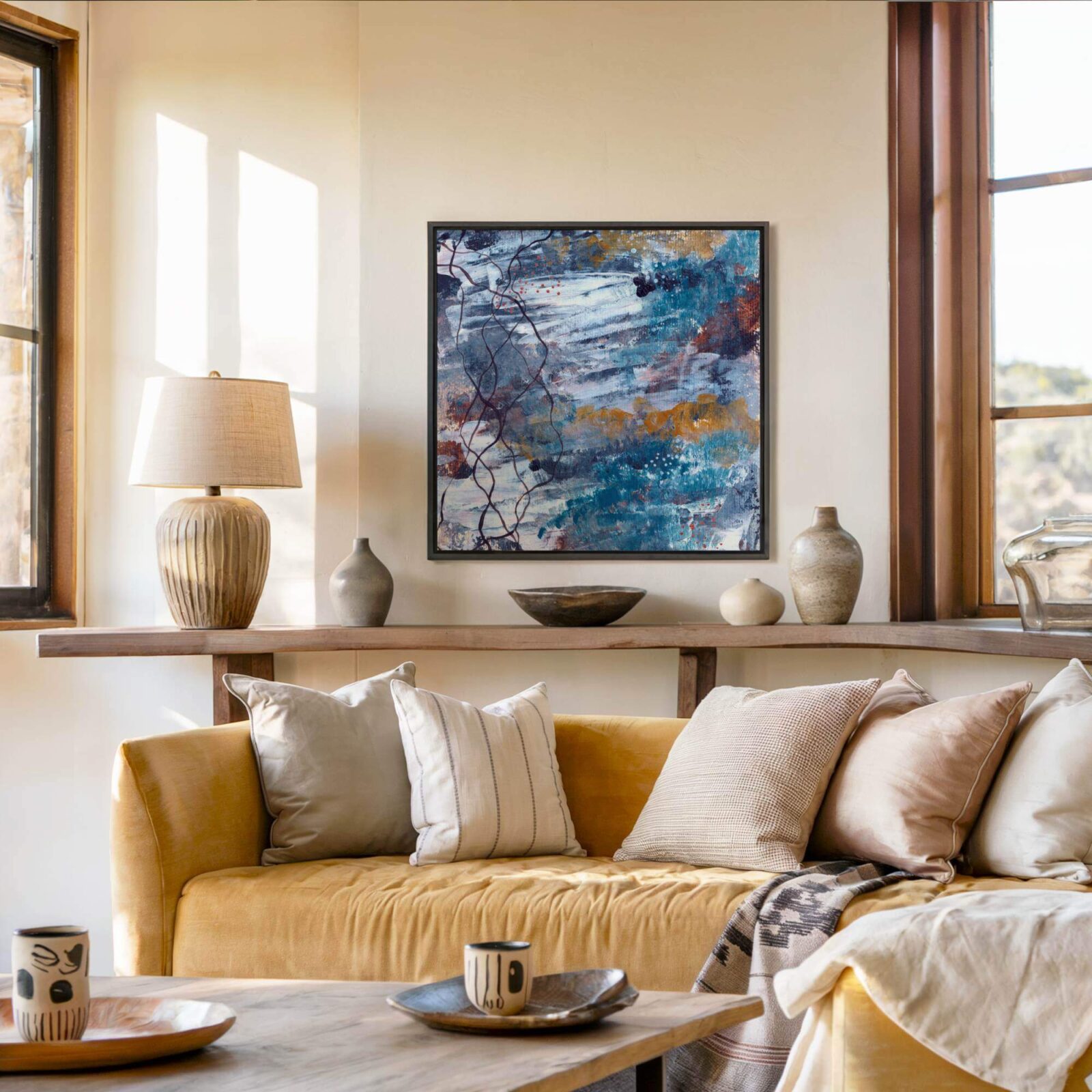
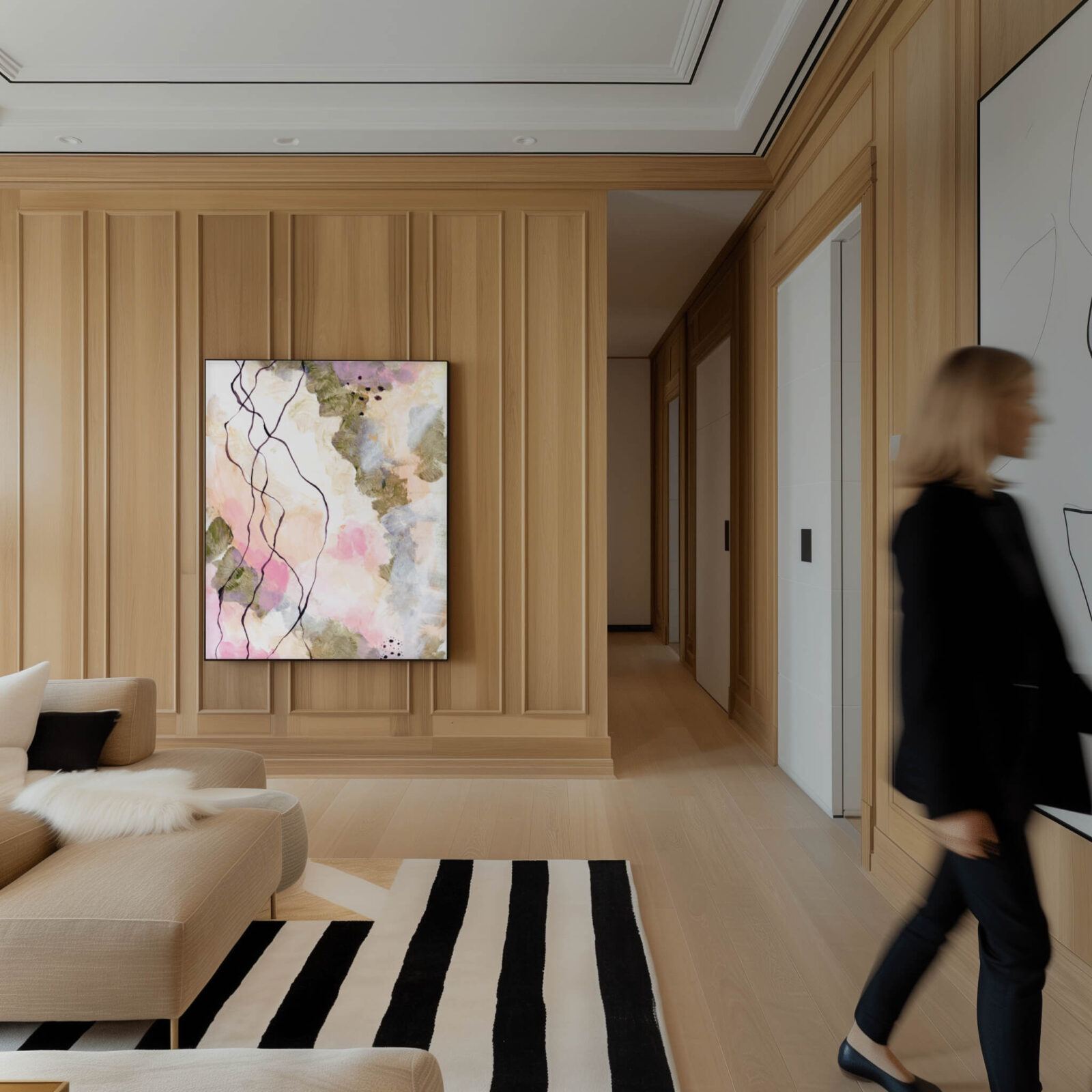
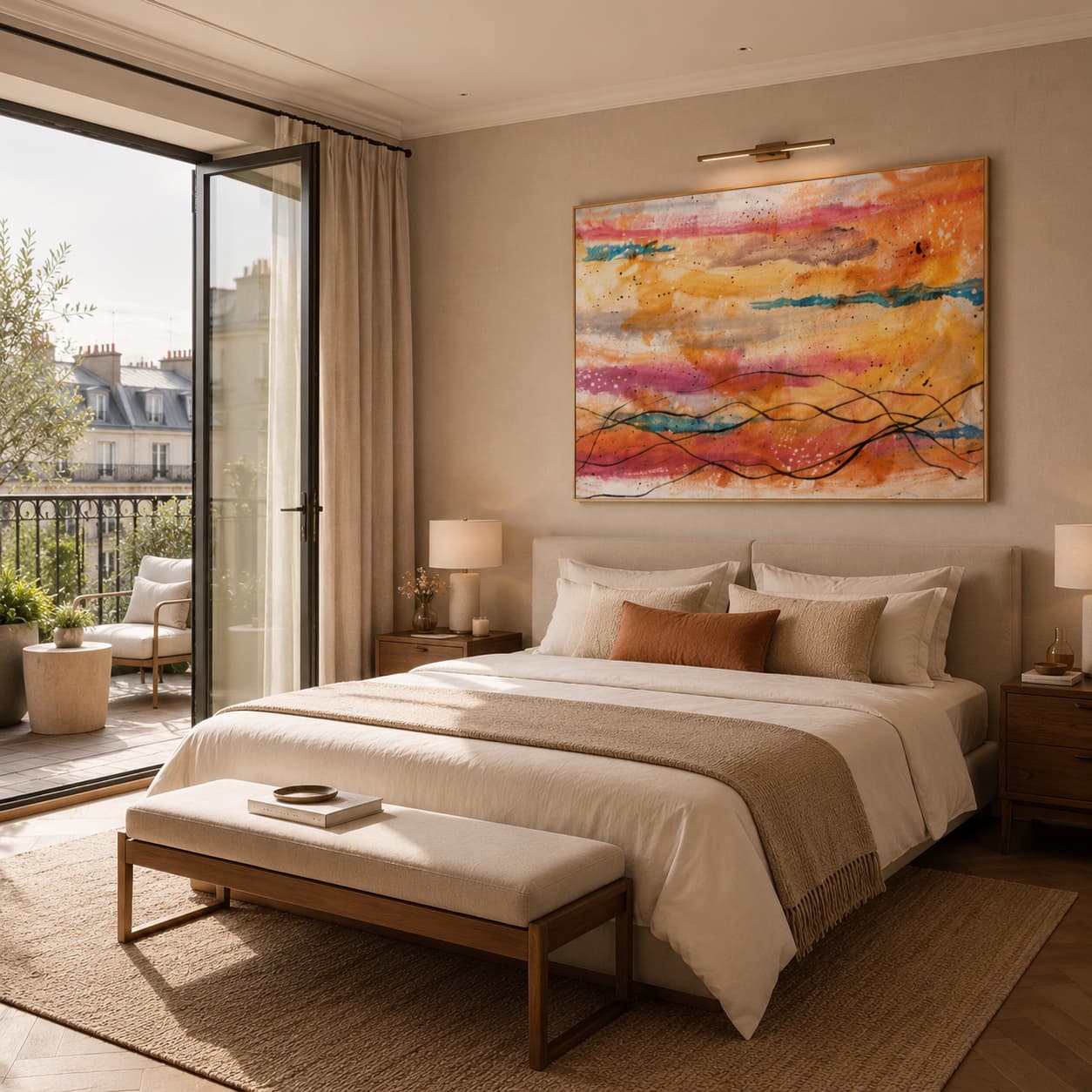
Whether it’s a towering piece in an executive boardroom or a subtle canvas in a serene bedroom, luxury art changes the way a space feels, not just how it looks.
Luxury art invites stillness and depth, whether it’s an original or a high-end art print worth its price.
The Four Pillars of True Luxury Art
Let’s break it down.
1. Emotional Resonance
At its core, luxury art creates a sense of connection.
It speaks to something beneath language, a memory, a sensation, a truth.
It doesn’t matter if the viewer can “explain” the art. What matters is how it makes them feel. That emotional resonance is what elevates a piece beyond the decorative.
When clients commission my Capsule Commission or invest in a Collector’s Vault, they’re not buying decor. They’re buying emotional presence. A mirror. A story. A healing moment, translated into colour.
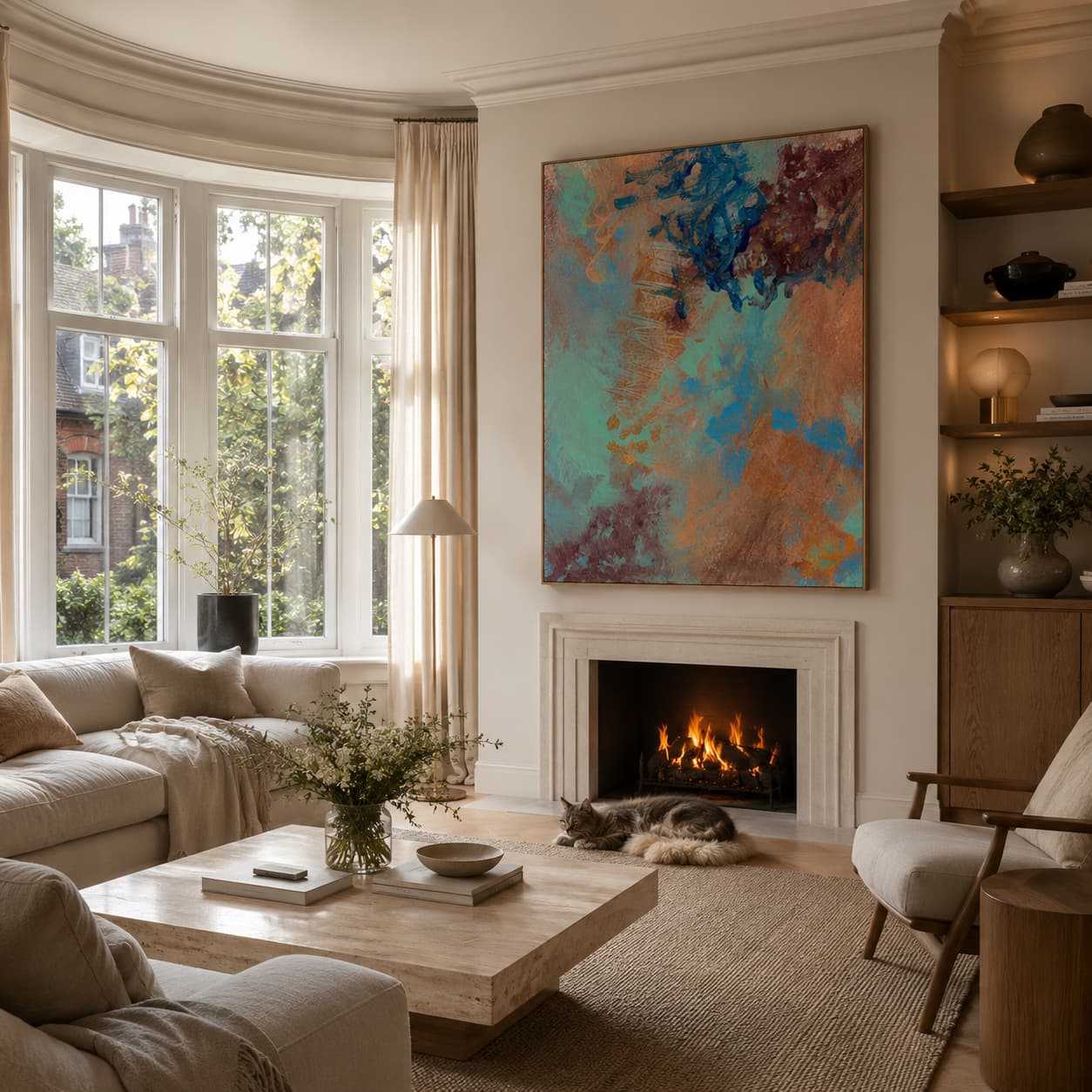
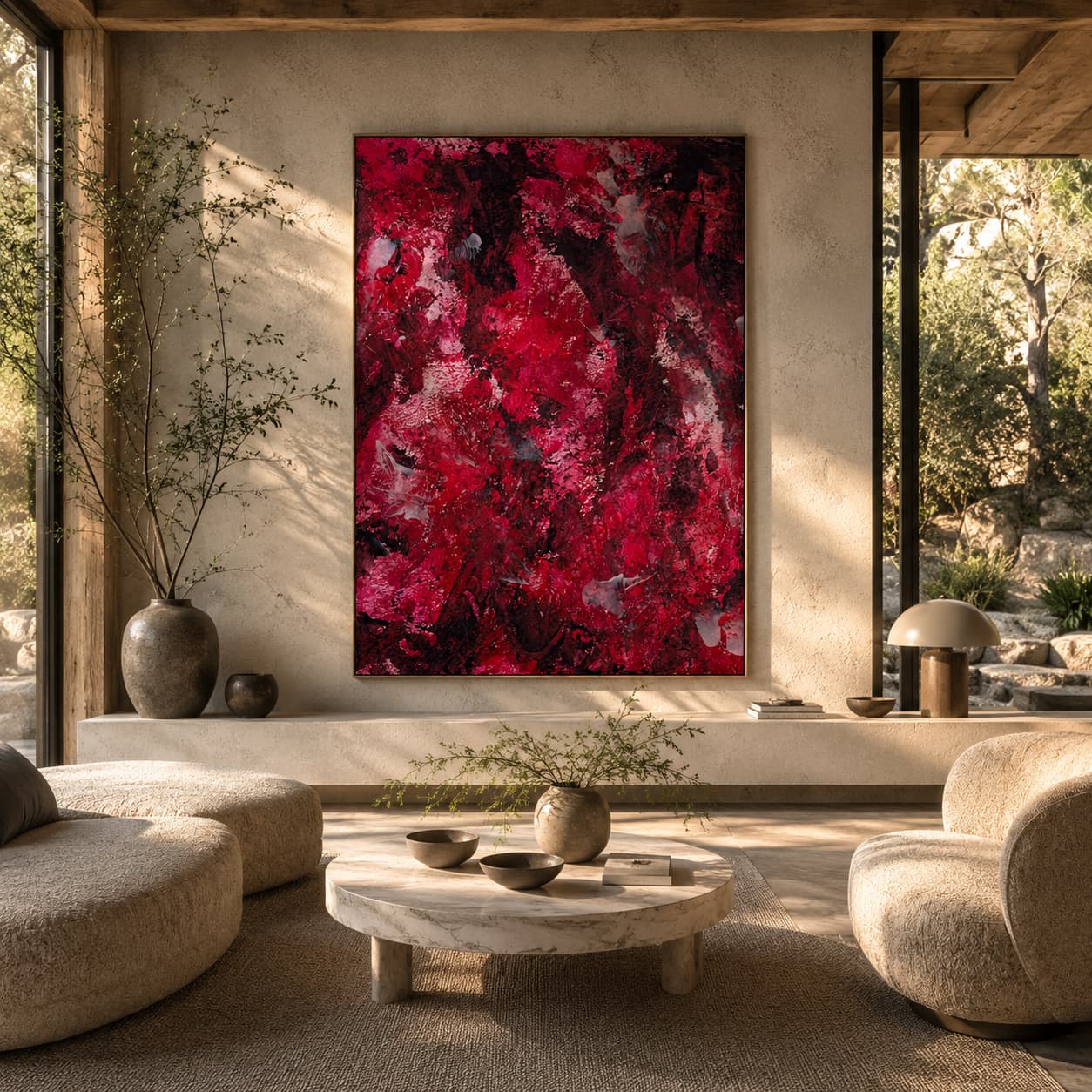
2. Rarity and Integrity
Luxury art is rare not because it’s scarce, but because it’s selectively created.
I don’t mass-produce prints or license my work for use on commercial products.
This scarcity is not manufactured. It’s rooted in the creative process. I make only what I can stand behind with my full creative integrity.
This means:
Capsule Commission commissions are limited per year
Collector’s Vault are available only through my direct UK-based shop
No middlemen. No mass printing. No compromises.
3. Story and Meaning
True luxury art isn’t just about what you see, it’s about what lives behind it.
Every piece I create is an extension of a conversation—either with the client, with my inner emotional world, or with the spaces we inhabit as humans seeking connection.
In an era of AI-generated art and quick-turnaround commissions, I’ve chosen slowness.
I want my work to matter. Not just visually, but emotionally.
Whether it’s a hotel that wants to evoke deep calm or a boardroom that needs quiet authority, the story behind the art shapes the energy it brings into the room.
4. The Experience of Acquisition
Most people think buying art ends at the purchase.
In the luxury space, that’s just the beginning.
The experience of acquiring luxury art should feel bespoke, elegant, and unhurried. From your first inquiry to the day it’s installed on your wall, every step should feel intentional.
That’s why I offer:
Application-only commissions for Soul on Canvas
Concierge framing services
White glove UK installation
Personal curation for Trade Partners and interior designers
Luxury isn’t just in the product. It’s in the process.
What Luxury Isn’t (Even If It’s Expensive)
Let’s be blunt: not all expensive art is luxurious.
Here are a few red flags:
Generic visuals that “go with everything”
Repetitive patterns designed for mass reproduction
Artists who license their work to be slapped on mugs, notebooks, or wallpaper
No clear philosophy or meaning behind the piece
These works may fetch high prices in certain circles, but they lack the emotional depth and curated experience that defines true luxury.
If the piece can be easily replaced by something similar from a high-street gallery or digital print shop, it’s not luxury. It’s trend.
Why Emotional Intelligence Is the Future of High-End Interiors
Today’s buyers, especially ultra-wealthy collectors, hotel owners, and executive decision-makers, aren’t just looking for statement pieces. They’re looking for emotionally resonant design.
They want:
Spaces that evoke calm in high-pressure environments
Art that helps guests feel grounded in luxury hotels and retreats
A visual identity that reflects values like authenticity, resilience, and quiet confidence
Emotionally intelligent art offers all of this—without needing to be loud or flashy.
It works in subtle ways, like a heartbeat behind the walls. It elevates, without overwhelming. It transforms, without screaming.
How to Know if a Piece Is Truly Luxury
Ask yourself:
Does it move me emotionally, or just visually?
Can I feel the artist’s presence and process behind the work?
Is the story behind this piece aligned with my values or experience?
Is the acquisition process thoughtful, or transactional?
If the answers lean toward “yes,” you’re probably in the presence of real luxury.
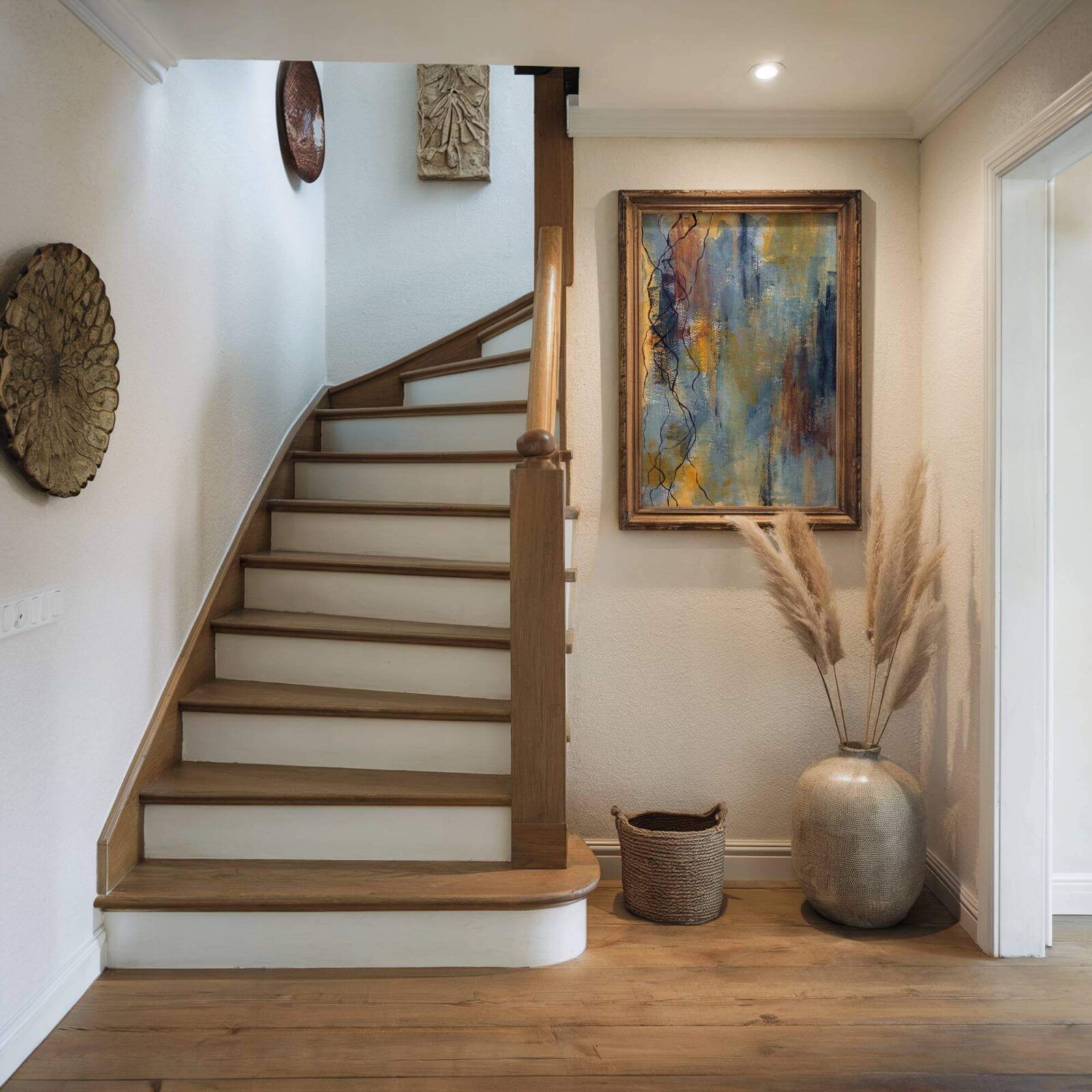
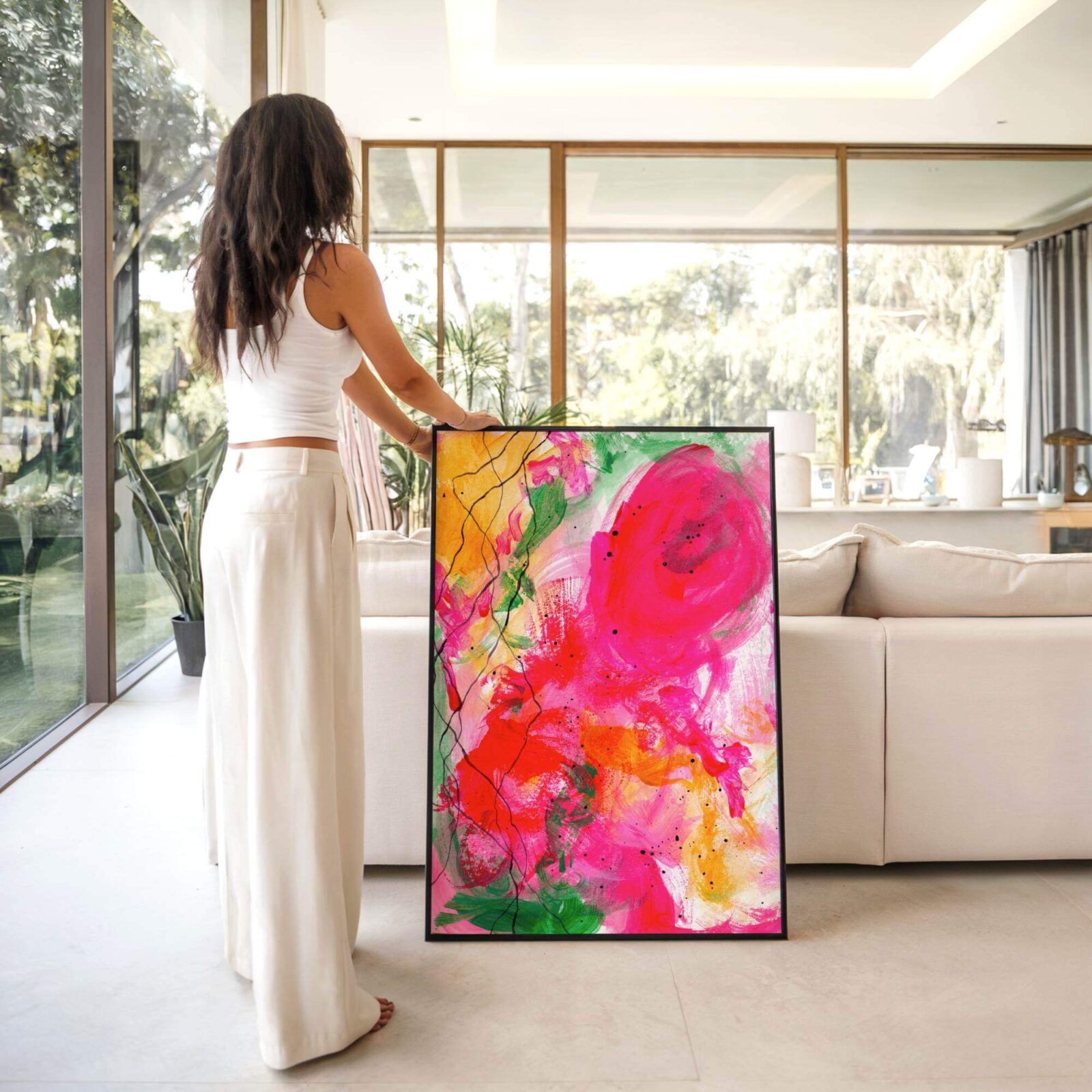
Where This Philosophy Lives Today
Luxury Isn’t for Everyone, And Exactly That’s the Point
You don’t need luxury art. You choose it.
You choose to live surrounded by beauty that moves you.
You choose to invest in meaning, not just materials.
You choose to support artists who create with consciousness, not commerce.
This is not fast art.
This is not convenient art.
This is art that asks you to slow down—and feel something real.
If that’s what you want?
You’re in the right place.
Let’s Create Something You’ll Never Forget
Frequently Asked Questions About Luxury Art
Often, yes. A lot of what’s sold as luxury is just expensive. Real luxury isn’t a label you add after pricing. It’s something you feel when a piece has weight, restraint, and a sense of intention behind it.
No. Price reflects many things, market demand, scale, reputation, timing. Luxury is about depth and longevity. Some costly works feel empty after the novelty wears off. Some quieter pieces grow stronger the longer you live with them.
Decorative art fills space. Luxury art holds it. One is chosen because it fits. The other is chosen because it changes how the room feels once it’s there.
Not always. What matters is how the work is produced and released. A carefully made, limited canvas with material integrity and intention can hold more presence than an original created for speed or trend.
Because you don’t live with art using your eyes alone. You live with it in your nervous system. If a piece doesn’t do anything to you over time, it eventually disappears into the background, no matter how impressive it looked at first.
Slowly. Often without being able to fully explain why. It’s less about comparison and more about recognition. Something in the work settles the body rather than exciting the mind.
For some buyers, sure. But for most serious collectors, status fades quickly. What stays is whether the work still feels right years later, when no one else is watching.
Especially there. Minimal spaces expose everything. If the art is shallow, it shows immediately. A single, emotionally grounded piece can stop a clean space from feeling cold.