
Why Expensive Homes Still Feel Incomplete
TL;DR
Many expensive homes don’t feel incomplete because they need more furniture. They often feel incomplete because they lack emotional anchors, visual breathing space and a sense of identity. The homes people remember are rarely the homes that contain the most expensive objects. They’re the homes that feel personal, intentional and emotionally alive.

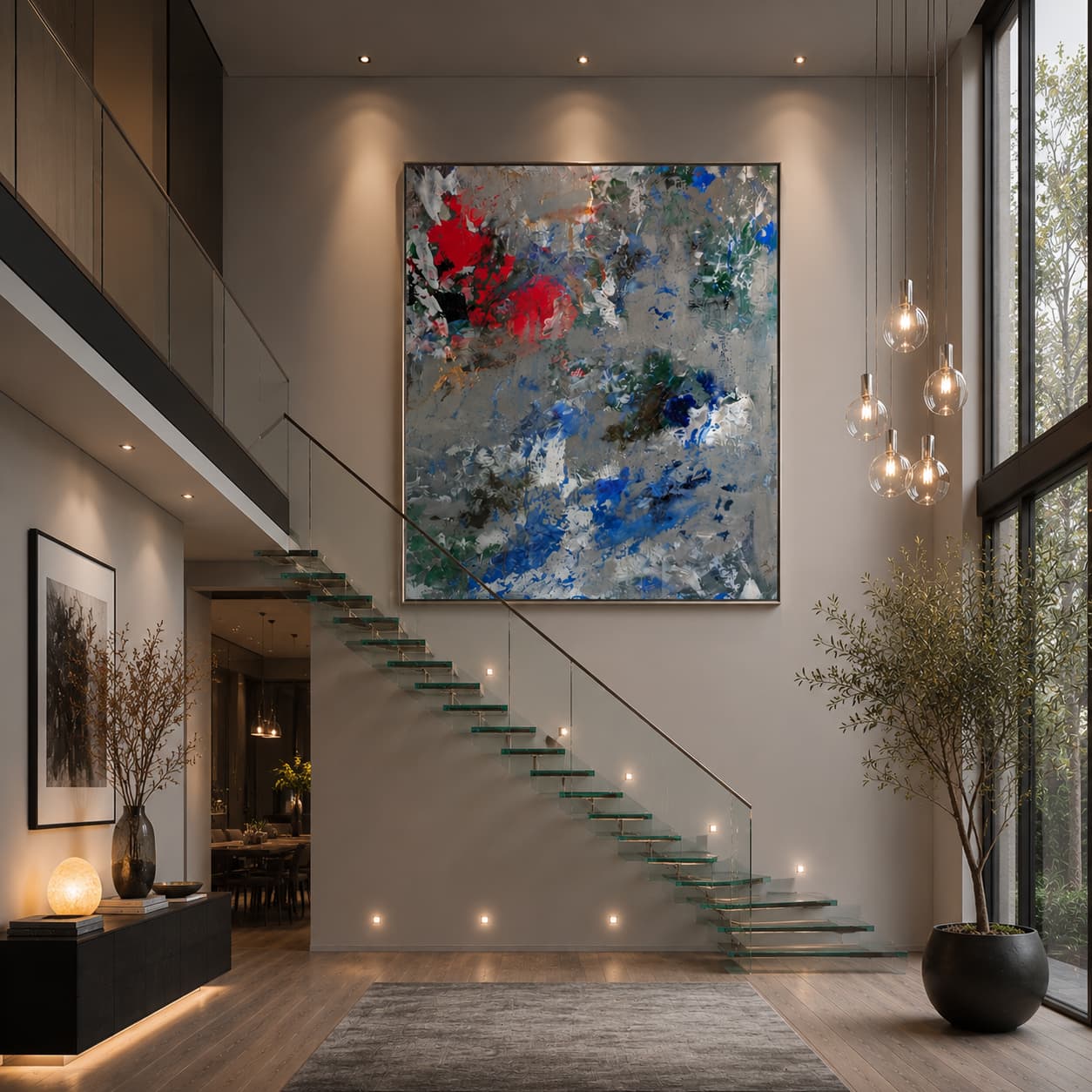
There is a strange phenomenon happening inside modern homes
People are spending extraordinary amounts of money on their interiors, yet many are experiencing the exact same feeling.
Something still doesn’t feel right.
The kitchen is beautiful. The sofa cost thousands. The lighting has been carefully selected. The flooring has been researched for months. Every decision has been thoughtful and intentional.
On paper, everything should work.
And yet, there is often a lingering sense that something is missing.
This is surprisingly common and, importantly, it doesn’t mean somebody has bad taste. In fact, these homes are often objectively beautiful. The issue is that beautiful and complete are not the same thing.
Over the past decade, we’ve become exceptionally good at creating aesthetically pleasing spaces. We’ve learnt how to combine textures, layer lighting and build Pinterest-worthy interiors. What we’ve become slightly less skilled at is creating emotional connection.
That’s where many expensive homes accidentally fall short.
Why expensive doesn't automatically mean meaningful
One of the biggest misconceptions in interior design is that spending more money automatically creates a more satisfying home.
It sounds ridiculous when written down, yet almost all of us fall into this trap at some point. We assume that if we upgrade the sofa, replace the dining table or invest in designer lighting, the room will finally feel complete.
Sometimes it does. For a while. Then the novelty wears off, and that little feeling of incompleteness slowly returns.
People often find themselves standing in the middle of the room thinking, “It’s beautiful, so why doesn’t it feel finished?”
The answer is usually because objects and emotional connection are two entirely different things.
Furniture can absolutely elevate a room, but it cannot create identity by itself. It cannot create meaning. It cannot tell a story about the people who live there.
Those things have to be intentionally built into the space.
The internet has also complicated this process slightly. We now have access to endless inspiration, but inspiration can easily become imitation. Instead of creating homes that reflect ourselves, we accidentally begin recreating somebody else’s life.
That’s often when expensive homes become incomplete. They’re beautifully assembled, but emotionally disconnected.
The difference between a decorated home and a lived-in home
You can usually feel this difference within seconds of walking through somebody’s front door. Some homes instantly make you exhale.
Nothing about them is necessarily extraordinary. Yet you feel calmer the moment you enter. Your shoulders drop. The room somehow feels effortless.
Other homes feel beautiful but strangely sterile. Everything is perfect. Everything is expensive. Everything is exactly where it should be. Yet the space doesn’t feel particularly alive.
This isn’t because one homeowner has better taste than another. It’s because one has prioritised atmosphere while the other has prioritised appearance.
Atmosphere is incredibly difficult to define, but impossible to ignore. It’s created through intentionality. It comes from restraint. It comes from understanding that every room doesn’t need to perform for visitors.
Most importantly, it comes from designing for the people who actually live there.
Why social media has accidentally made this worse
There is nothing wrong with interior inspiration. In fact, it can be incredibly helpful. The problem begins when we start treating inspiration as a blueprint. A beautiful image online only shows one tiny snapshot in time. It doesn’t show how that family lives. It doesn’t show their habits, routines or personalities.
Yet many people unknowingly build entire rooms around somebody else’s image.
The result is often a home that looks expensive but doesn’t feel personal. The room is beautiful, but it doesn’t belong to anyone emotionally. This is why many designers now encourage people to stop asking, “What style do I want?” and start asking, “How do I want this room to feel?”
That one question changes how you look at the room, or yourself in that space.
- Do you want it to feel calm?
- Grounded?
- Elegant?
- Warm?
- Quiet?
- Sophisticated?
- Safe?
The answers become much more interesting than simply saying, “I like modern interiors.”
Why visual breathing space matters more than people realise
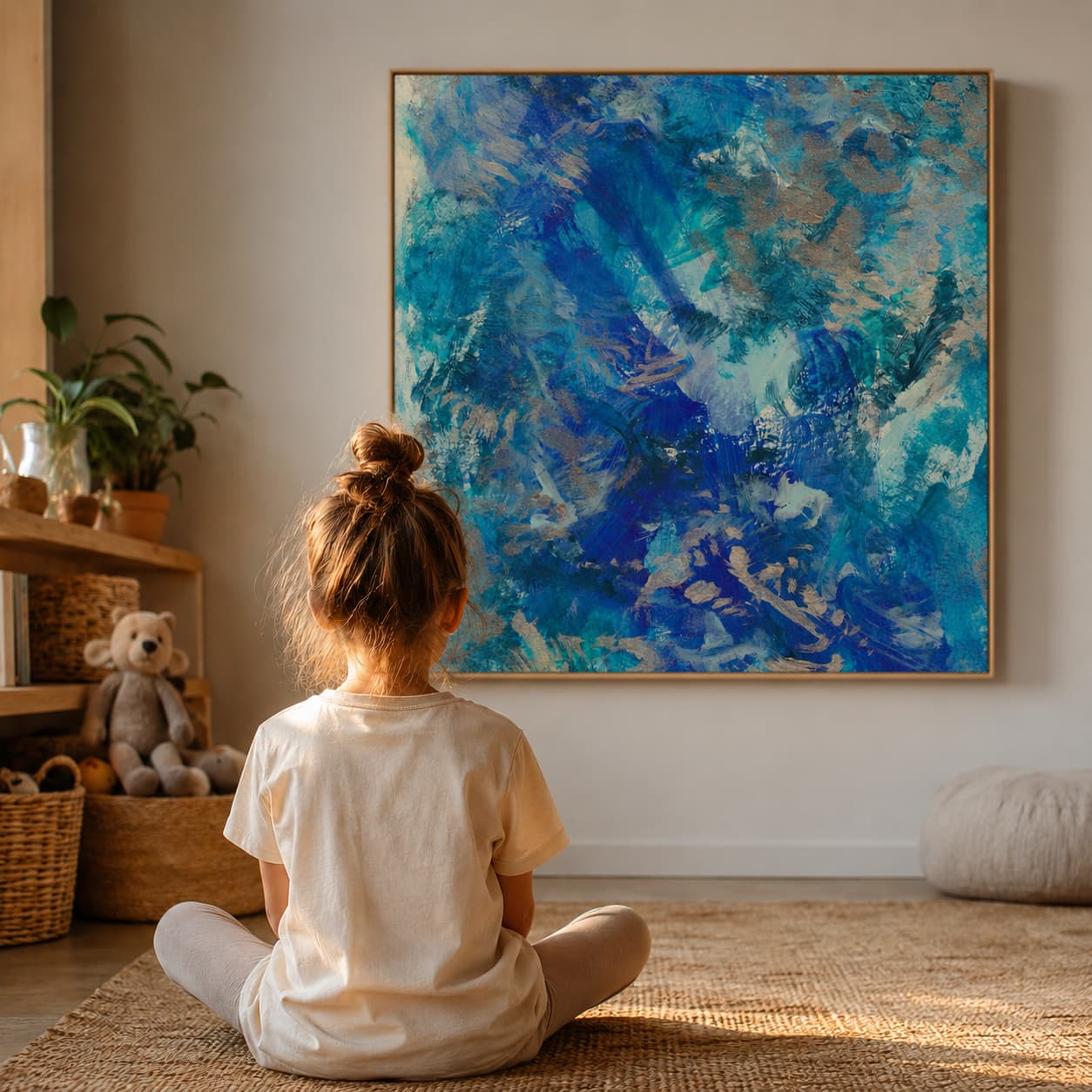
One of the biggest reasons expensive homes still feel incomplete is because many people have unintentionally become uncomfortable with empty space. If there’s an empty corner, we fill it. If there’s a shelf, we style it. If there’s a blank wall, we immediately assume something is wrong.
This isn’t surprising. We are constantly exposed to beautifully curated interiors online and, although they can be hugely inspiring, they can also create the impression that every single area of our home needs to be doing something. Every surface suddenly becomes another opportunity to add personality, display objects or showcase good taste.
The problem is that our brains never really get a chance to rest.
By the time we get home at the end of the day, we’ve already spent hours processing information. We’ve dealt with emails, messages, work, conversations, traffic, notifications and endless visual stimulation. Home should ideally become the environment that lowers that volume rather than turning it up even further.
Unfortunately, some expensive homes unintentionally become visually exhausting because every single element is asking for attention at the same time. Nothing is particularly wrong individually, but collectively the room becomes overwhelming. The eye doesn’t know where to settle because everything is trying to become the focal point.
This is often where people misunderstand luxury. Luxury is not necessarily about abundance. In many ways, true luxury is restraint. It’s the confidence to stop before a room becomes overworked and the confidence to leave certain areas alone instead of constantly trying to improve them.
This doesn’t mean creating cold, sparse or minimalist interiors unless that’s genuinely your preference. It simply means creating enough breathing room for both the eye and the nervous system. The most memorable spaces are rarely the ones shouting the loudest. They’re often the ones that quietly allow you to relax without even noticing why.
Why artwork is often the missing ingredient
One thing I repeatedly notice is that artwork is often treated as one of the final decorative decisions. People renovate entire rooms, invest thousands into furniture and carefully select every finish before eventually reaching the question of what to put on the walls.
By this point, the budget is often smaller, energy levels are lower and artwork unintentionally becomes an afterthought rather than an integral part of the room itself.
The irony is that artwork is often one of the very things that stops a space feeling incomplete in the first place.
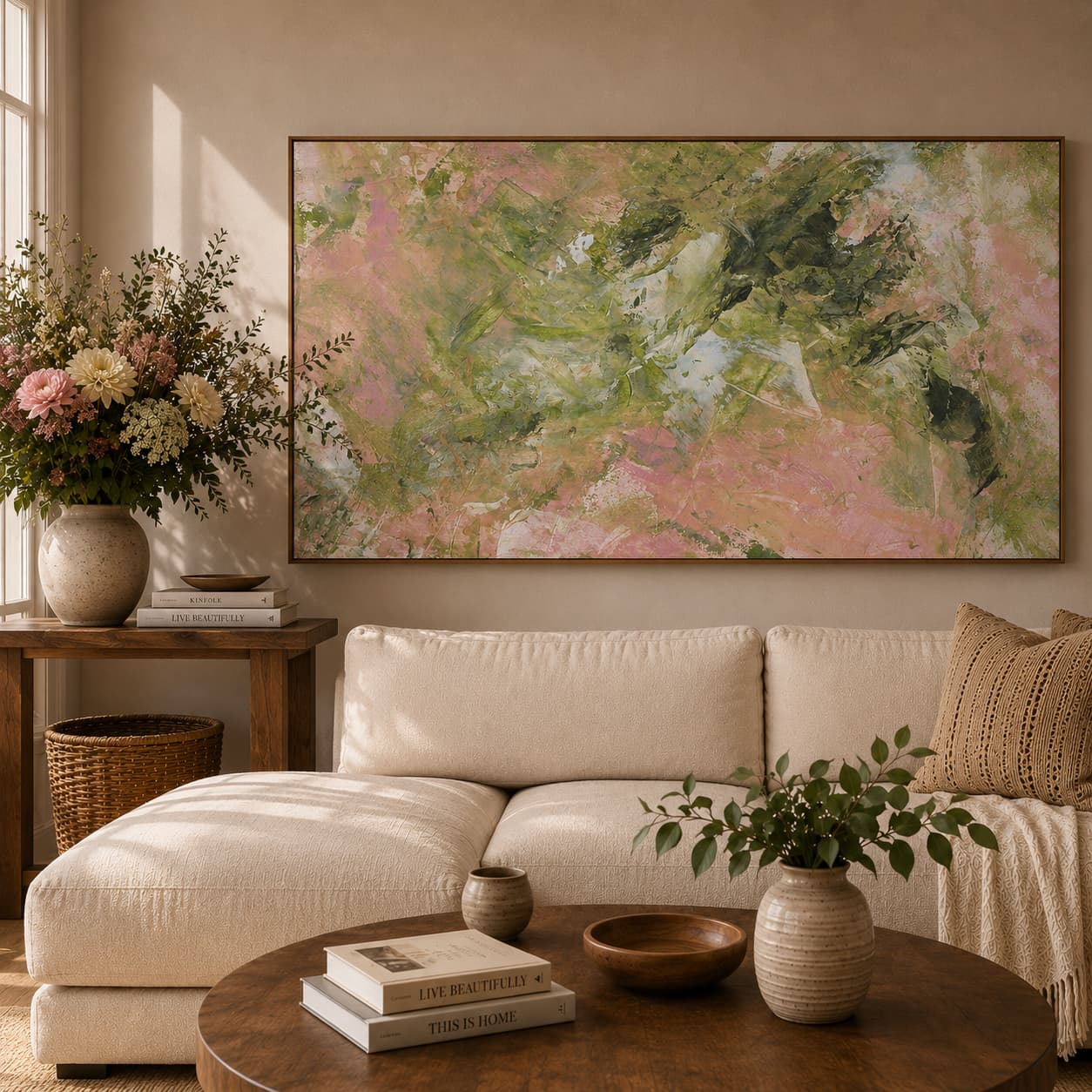
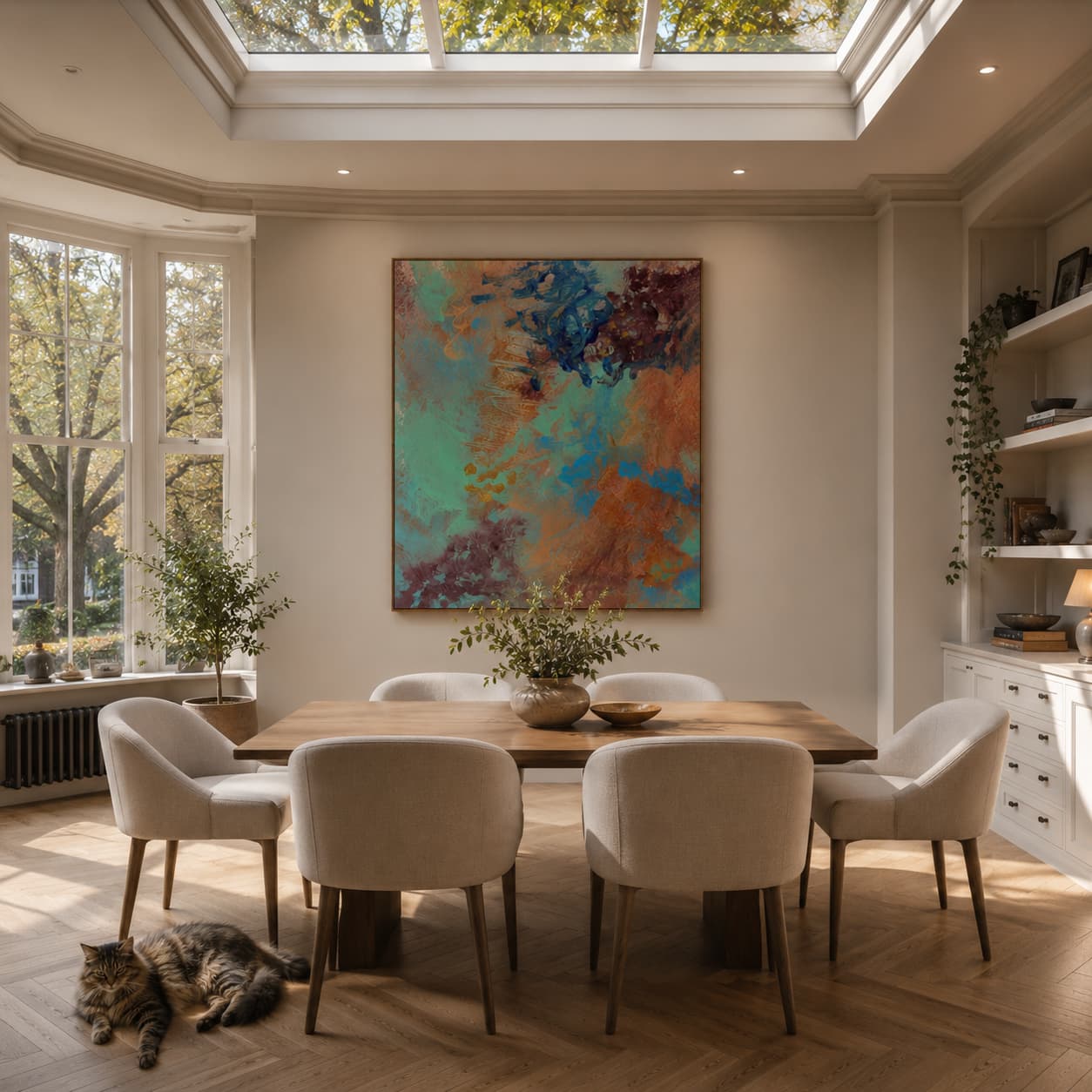
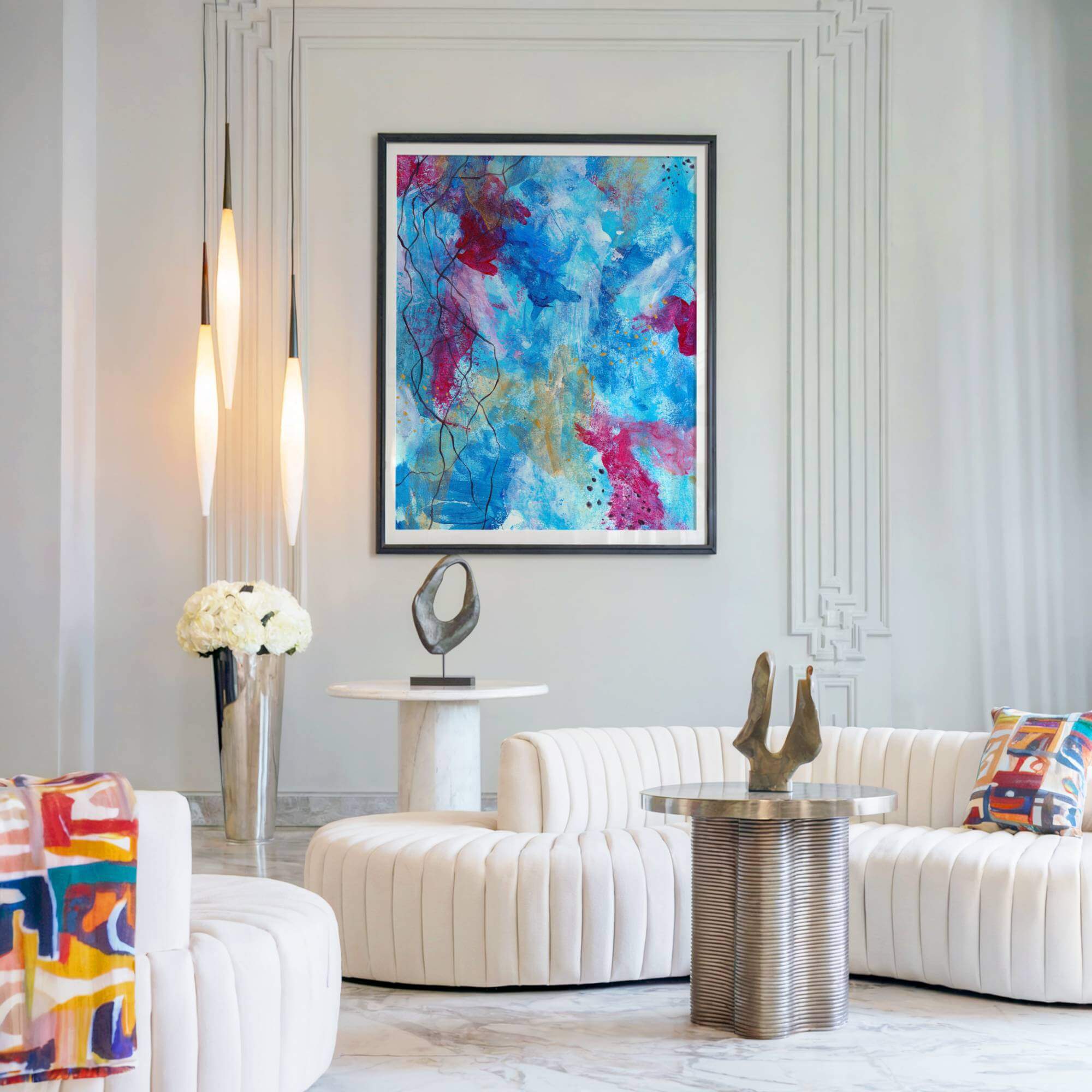
At its best, artwork isn’t there to match the cushions, fill a blank wall or introduce another colour into the room. It becomes an emotional anchor. It gives the room an identity and creates somewhere for the eye to naturally settle.
Without those anchors, expensive homes can start feeling strangely anonymous. They may be beautiful, but they could also belong to absolutely anybody. Nothing tells you anything about the people who actually live there.
This is one reason why people often resonate with articles like https://vikithorbjorn.art/why-do-some-rooms-feel-empty-even-when-theyre-finished. Most people aren’t truly searching for wall decoration. They’re trying to understand why everything still feels disconnected despite all the money and effort they’ve already invested.
Similarly, Designing For Serenity: How To Create Calming Spaces With Abstract Art explores something that many homeowners eventually realise. Calm spaces don’t happen accidentally. They are intentionally built over time through thoughtful decisions rather than endless additions.
Artwork also allows homes to become more individual in a way that furniture rarely can. Thousands of people may own the same sofa, dining table or kitchen style, but artwork often introduces personality, emotion and individuality in a much deeper way.
Why some homes instantly make you exhale
We’ve all experienced this before.
You walk into somebody’s home and immediately feel calmer without really understanding why. Nothing is necessarily extravagant and there may not even be anything particularly unusual about the room itself, yet the space simply feels good to be in.
Then there are other homes that are undeniably beautiful but somehow leave you feeling slightly disconnected. Everything looks impressive, but the room doesn’t seem to invite you in.
The difference is often surprisingly simple.
The homes we remember are usually the homes that feel human.
They reflect the people who live there rather than current trends or somebody else’s vision from social media. They have personality without trying too hard and they contain little moments that quietly tell a story about the people who inhabit the space.
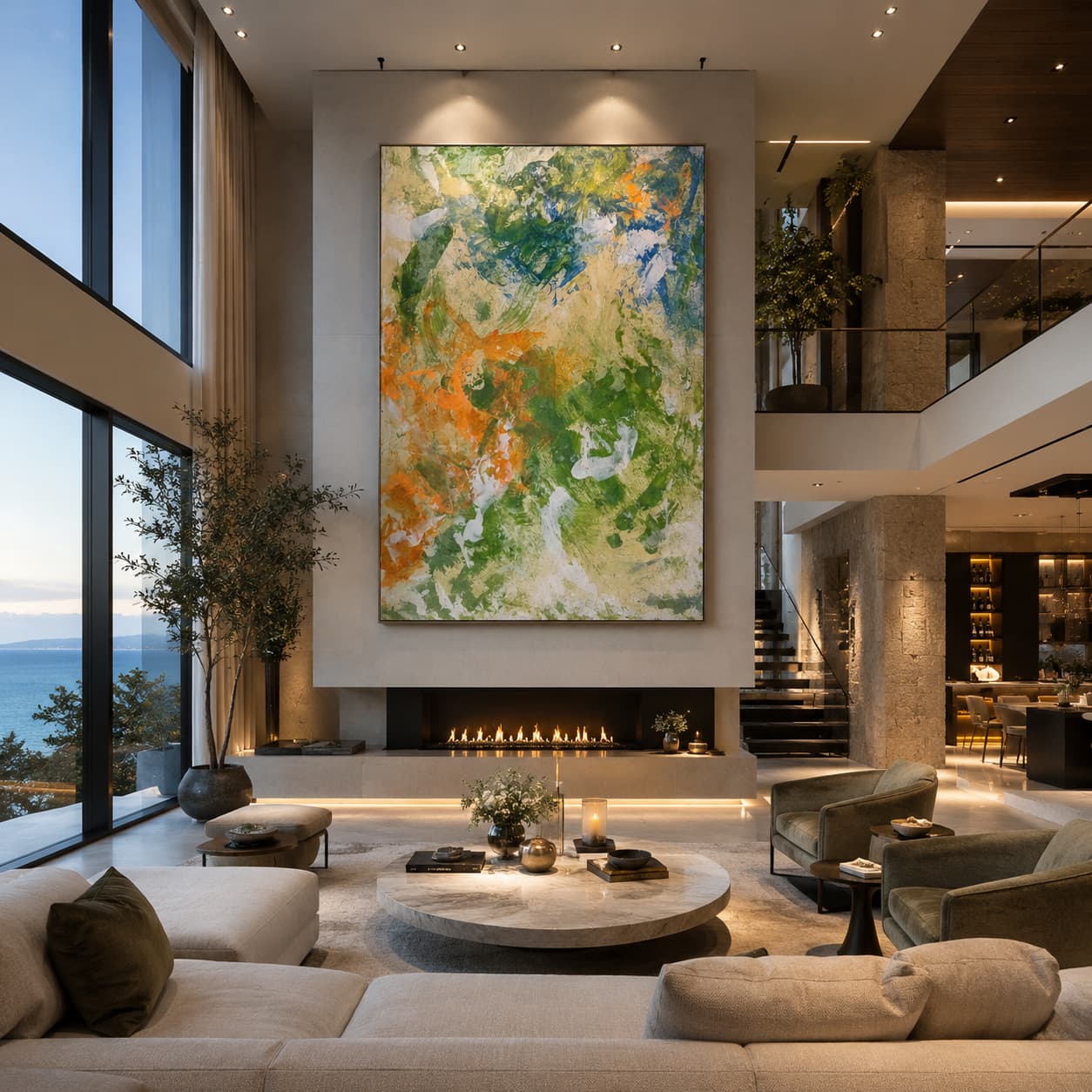
Perhaps there is a large artwork that creates a sense of calm every time you walk past it. Perhaps there is an area that has intentionally been left uncluttered because the homeowner values stillness. Perhaps the room simply isn’t trying to prove anything.
In many ways, that’s exactly what emotionally intelligent interiors do. They stop asking, “How can I impress people?” and start asking, “How can I support the people who live here?”
That shift changes everything because the room suddenly gains purpose beyond aesthetics alone.
How to make a home feel complete without buying more things
This is often the point where people expect a shopping list.
Ironically, many people don’t need one.
In fact, expensive homes frequently become more complete when homeowners stop buying altogether for a little while.
Instead of asking, “What else do I need?” it can be far more useful to ask, “What is already here that isn’t serving the room anymore?”
Sometimes the answer is removing a few decorative objects. Sometimes it’s rearranging furniture. Sometimes it’s creating more visual breathing space. Sometimes it’s finally investing in one meaningful piece instead of ten smaller decorative purchases.
Most importantly, it means stepping away from comparison.
Homes often begin losing their identity when people continuously consume interior inspiration without filtering it through their own lifestyle and personality first. A room should not become a collection of trends that happen to work together. It should become a reflection of the people who spend their lives inside it.
The question therefore, changes entirely.
Instead of asking, “What else does this room need?” perhaps the better question is, “What do I want this room to feel like when I walk into it every single day?”
The answer to that question is often where completion begins.
Explore the Collector’s Vault: https://vikithorbjorn.art/collectors-vault/
Request the private catalogue: https://vikithorbjorn.art/request-private-catalogue/
Read the Collector-Grade Canvas Art Guide: https://vikithorbjorn.art/collector-grade-canvas-art-guide/
Related reading
Key Takeaway
A finished home is not a perfectly decorated home. It’s a home that makes you exhale.

Frequently Asked Questions
Because decorating and creating emotional connection are two different things. Homes often need identity rather than more objects.
Because money can buy beautiful things, but it cannot automatically create atmosphere.
Not necessarily, but most rooms benefit from having at least one emotional anchor.
Not always. The goal is intentionality, not emptiness.
They often focus on atmosphere, scale, balance and emotional connection rather than simply filling rooms.
Homes become memorable when they reflect the people who live there.
Yes, because it can provide visual focus and reduce fragmentation within a space.
Designing entirely for appearance instead of how they want the room to feel.