
Why Discerning Collectors Choose Private Art Catalogues Instead of Galleries
The art world has spent decades convincing collectors that prestige comes from access to galleries, openings, and carefully curated public spaces where everyone performs their interest in the work. But the reality is shifting. Today’s most discerning collectors are turning away from the traditional system and choosing something quieter, more personal, and far more intelligent. They want emotional resonance, not theatre. They want clarity, not noise. They want intimacy, not a performance disguised as culture.
A private art catalogue offers exactly that. No spectacle. No posturing. No layers of performance standing between the viewer and the work. Instead, you receive space to see the art clearly, evaluate it privately, and choose with presence rather than pressure. For serious collectors, this shift is not a trend. It is a return to the truth of why art matters in the first place.
In this article, we explore why private art catalogues are replacing traditional gallery pathways, what emotionally intelligent collectors value, how privacy changes the collecting experience, and why the Vault has become the natural home for collectors who do not want their taste dictated by the market’s volume.
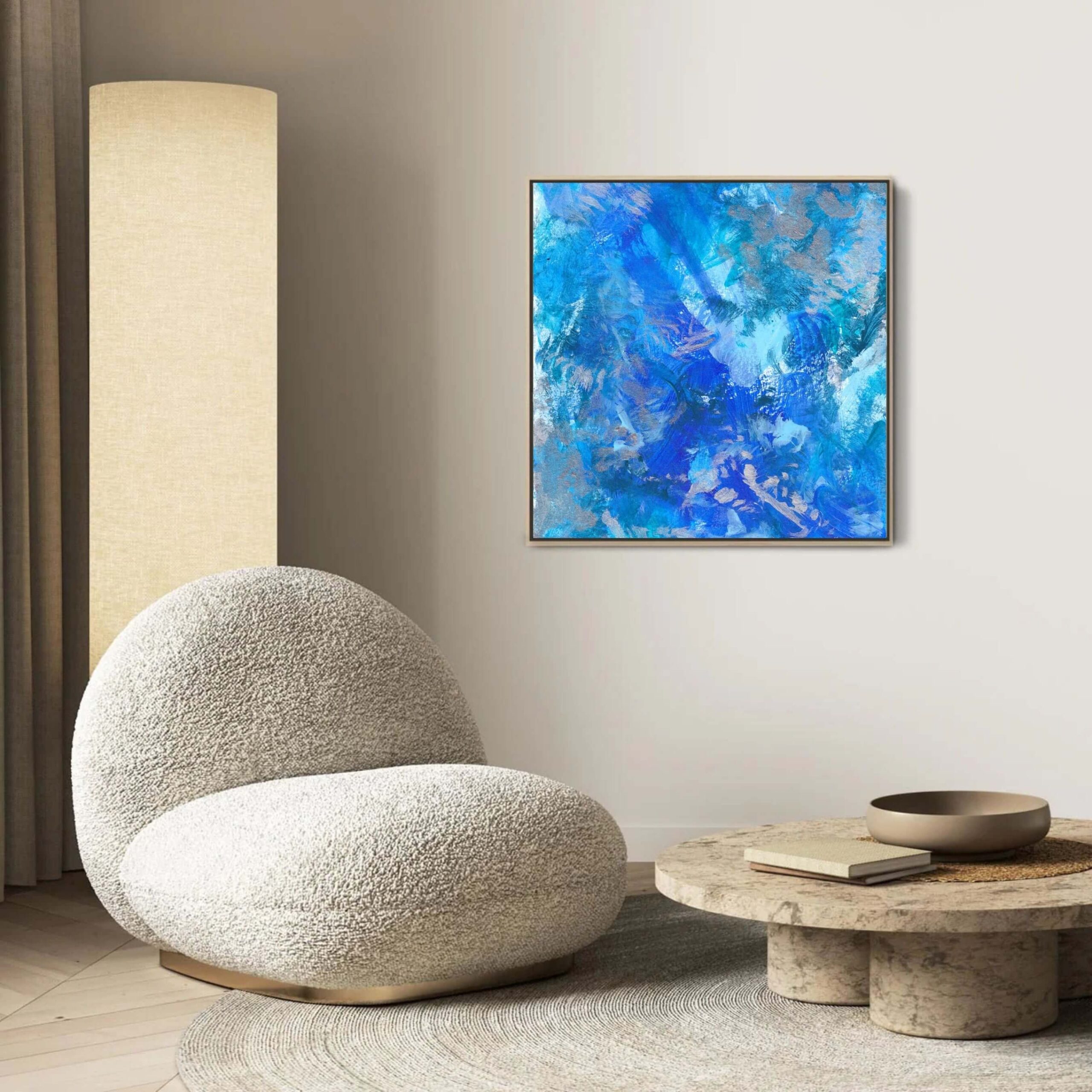
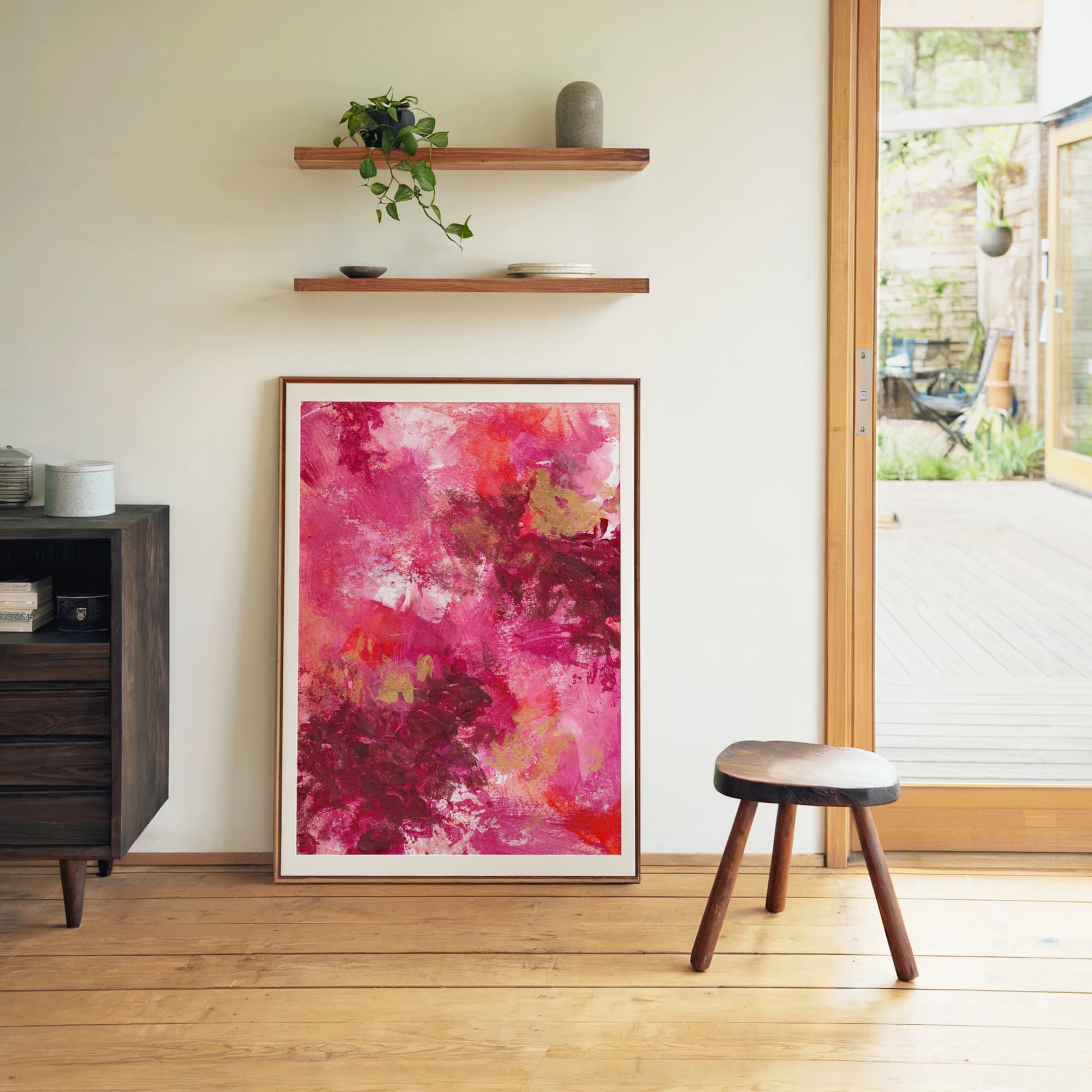
The End of Performing Your Taste
Collectors used to tolerate the theatre of the gallery because it was the only available route to serious work. The openings, the waiting lists, the conversations that feel more like auditions than dialogue. Collectors learned to perform knowledge, to nod at work they did not actually feel, and to navigate a system that was more interested in social hierarchy than emotional connection.
That era is ending because people are tired. They are tired of pretending. They are tired of feeling watched while they make decisions. They are tired of noise disguised as culture. True collectors want a relationship with the work, not with the performance of wanting it.
A private art catalogue removes the performance. You engage with the work on your own terms, inside your own space, without the subtle pressure to signal belonging. You choose from presence rather than posture.
Why Privacy Matters More Than Ever
Art is intimate. It asks you to bring parts of yourself you do not always show. It reveals something about the way you think, the way you feel, and the way you inhabit your own interior world. That kind of decision deserves privacy. It deserves quiet.
A private art catalogue gives you the conditions that galleries cannot. It allows the artwork to speak without interference. It gives you time to sit with each piece without someone waiting for your reaction or framing the experience for you. It lets you sense what the work does to the room, the body, the breath.
Collectors who choose private catalogues are not avoiding the art world. They are prioritising the quality of their connection with the work.
Noise Is the New Barrier to Entry
The modern art market is loud. Everyone is selling something. Everyone is trying to be discovered, promoted, or collected. Social media has amplified the noise to the point where even seasoned collectors struggle to separate genuine presence from performance. The more visible the market becomes, the harder it is to find work that carries emotional weight.
This is the paradox. The louder the art world gets, the more serious collectors turn toward privacy. A private art catalogue becomes a filter. The noise falls away. The work remains. You are no longer sorting through thousands of images on a screen. You are looking at a considered selection that has already been stripped of distraction.
Silence becomes a form of luxury.
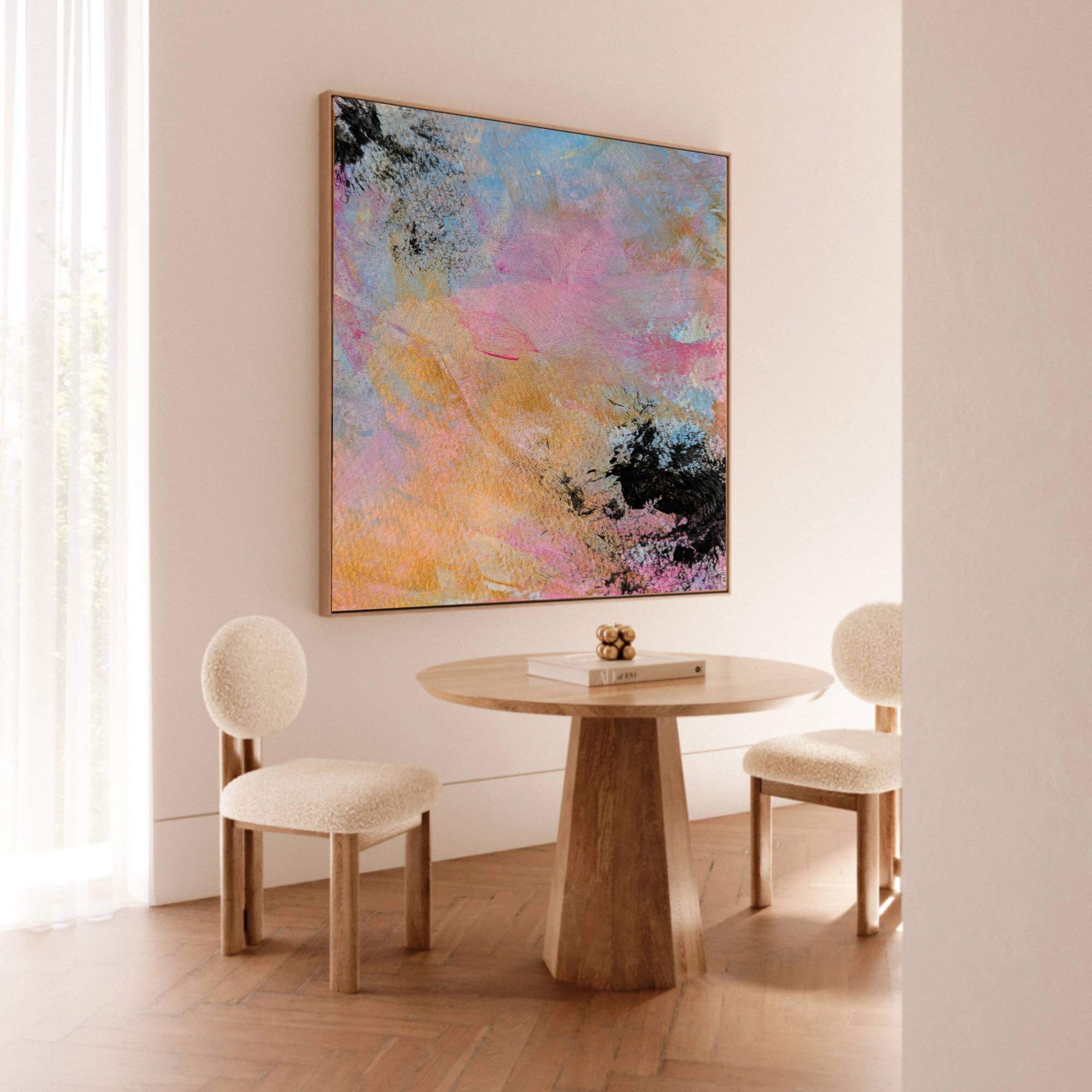
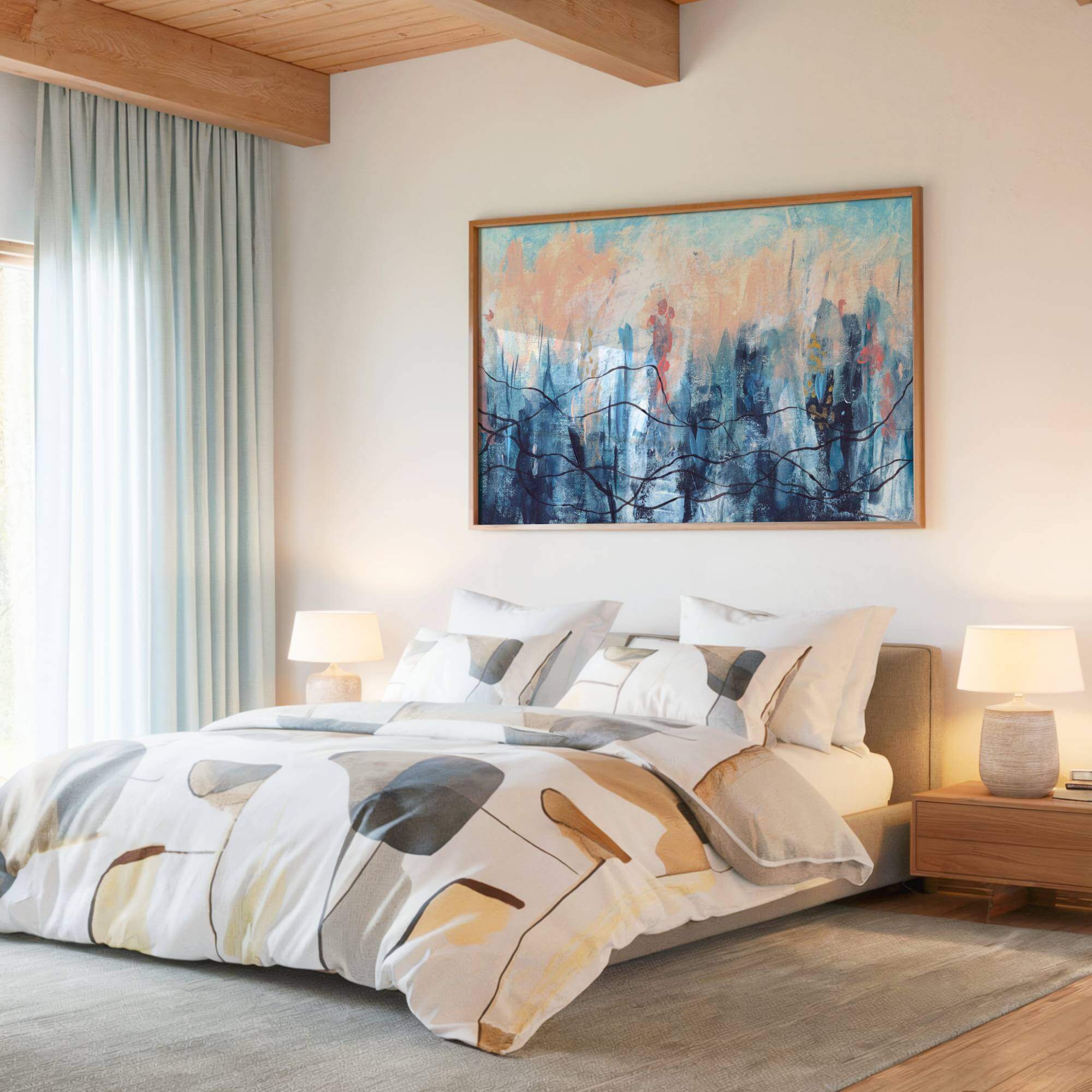
The Return to Emotional Intelligence in Collecting
Collectors who buy from private catalogues are not chasing trends. They are paying attention to how the work feels. They value emotional intelligence over performance. They want a piece that holds space rather than demanding to be seen. They buy with their nervous system as much as with their eye.
Emotionally intelligent collectors look for work that brings depth to a room, that softens the noise of daily life, that becomes part of the home’s atmosphere rather than a decorative interruption. They are not interested in work that tries to impress. They are interested in work that sits with them.
A private art catalogue supports this because it creates the right conditions. It removes pressure, speed, and expectation. It gives space for resonance.
Why Private Catalogues Create Better Decisions
When there is no audience, no gallery assistant hovering, and no sense of being observed, the decision-making process becomes more honest. Collectors recognise what they actually want, not what they believe they should want. The internal clarity that emerges from this context is worth more than any catalogue essay or market trend.
Private catalogues encourage deeper thinking. They allow the collector to return, review, consider, and compare without interruption. The work has time to unfold. You see the subtlety of texture, the weight of colour, the emotional tone of the piece. These details are lost in the fast pace of public viewing.
Better decisions come from environments that support presence. A private art catalogue is one of the few places where presence is possible.
The Shift From Status to Substance
There was a time when collectors cared about being seen buying the right pieces at the right events. That time has passed. The new currency in collecting is not status. It is substance. People want work that changes how their home feels. They want stillness, depth, resonance. They want something that speaks to who they are rather than what the market says they should be.
Private catalogues facilitate this shift. When the noise dies down, the work is free to communicate directly. Substance becomes visible again.
Why Serious Collectors Avoid Public Platforms
Public platforms flatten art. They reduce depth to thumbnails and presence to pixels. They create a pace of consumption that leaves no room for emotional intelligence. Serious collectors know this. They avoid the constant scrolling because it erodes their ability to sense the work.
They use private catalogues because the curation is meaningful, the pace is slow, and the experience feels like it belongs to them rather than to the market.
The Vault operates in the same way. It was built for collectors who prefer depth over display.
The Vault as a Modern Private Catalogue
The Vault is not a gallery and not a public shop. It is a private, invitation-only catalogue for people who do not want noise between themselves and the work. It offers a limited number of pieces anchored in emotional intelligence, stillness, and presence. It gives collectors space to feel, not perform.
The Vault is for people who value privacy, thoughtfulness, and emotional alignment. It is for people who want to build a collection that reflects their inner world, not an external trend cycle. It is for people who choose work intentionally, not impulsively.
Collectors who enter the Vault are not shopping. They are curating their future living environment with pieces that hold emotional weight.
The Emotional Architecture of a Private Collection
A private collection is not built around decorative coherence. It is built around emotional coherence. Each piece contributes to the psychological landscape of the home. It becomes part of how the space feels, not just how it looks.
Collectors who use private catalogues understand this instinctively. They choose work that shifts the emotional temperature of a room. They choose pieces that breathe with the space. They choose art that helps them settle, think, reflect, and exhale.
This approach is incompatible with rushed decisions and public environments. It requires time, privacy, and discernment, all of which a private art catalogue provides.
The Quiet Confidence of Private Collecting
People who buy through private catalogues are not seeking validation. They are seeking resonance. There is a confidence in choosing work privately, without the need to justify or explain it. Collectors become the authority instead of deferring to the market.
This is where the Vault thrives. It is not built for a crowd. It is built for the individual who knows their internal world well enough to choose from it.
Conclusion
The rise of private art catalogues is not a trend. It is a recalibration. Collectors are tired of performing their taste and ready to return to the emotional core of art collecting. Privacy gives them the clarity they have been missing. Stillness becomes part of the decision. The work speaks without interference.
If you want art that feels like it belongs in your life rather than in someone else’s idea of taste, a private catalogue is the most intelligent place to find it. The Vault exists for that reason. It offers presence, depth, and emotional clarity without the noise.
Frequently Asked Questions
Because galleries come with performance. A private catalogue comes with clarity. You see the work without noise, expectation, or social choreography.
Only if you believe collecting is a spectator sport. The most serious collectors value depth and emotional accuracy over being seen.
You stop performing. You start feeling. You notice what resonates instead of what you are supposed to admire. Decisions become more honest.
The Vault is curated for emotional intelligence, not volume. No endless scrolling. No decorative fillers. Just work chosen for depth and presence.
No. You only need the ability to sense what feels right in your space. Private catalogues are built for thoughtful people, not experts.
Because the noise has overtaken the art. Private catalogues let you breathe, think, and choose without external pressure.
It increases it, because the work enters a collection built with intention rather than trend-chasing.
You feel it. Stillness has a very specific effect on the body. If a piece settles you, opens space inside your breath, or changes the room’s atmosphere, it is already speaking to you.