fbpx

Children’s Movement Classes: What Parents Should Look For Before Enrolling
Parents rarely struggle to find activities for their children. What they struggle with is choosing which environments actually support their child’s development rather than simply filling time in the week.
 
Movement classes are often presented as universally positive. Yoga, gymnastics, dance, multisport, or “mindful movement” sessions all promise coordination, confidence, and focus. Yet the experience a child has inside those spaces can vary dramatically depending on how the class is structured, how the teacher holds the room, and what the underlying purpose of the session actually is.
 
Some classes focus on performance. Some on energy release. Some on discipline. Others are designed to help children develop awareness, emotional regulation, and confidence through movement. From the outside these differences are not always obvious, but for the child inside the room they shape everything.
 
If you would like to understand the broader developmental role movement plays for children, you may also want to read: https://vikithorbjorn.art/yoga-and-movement-for-children/
 
This article focuses on something more practical: how parents can recognise a supportive movement environment before enrolling.
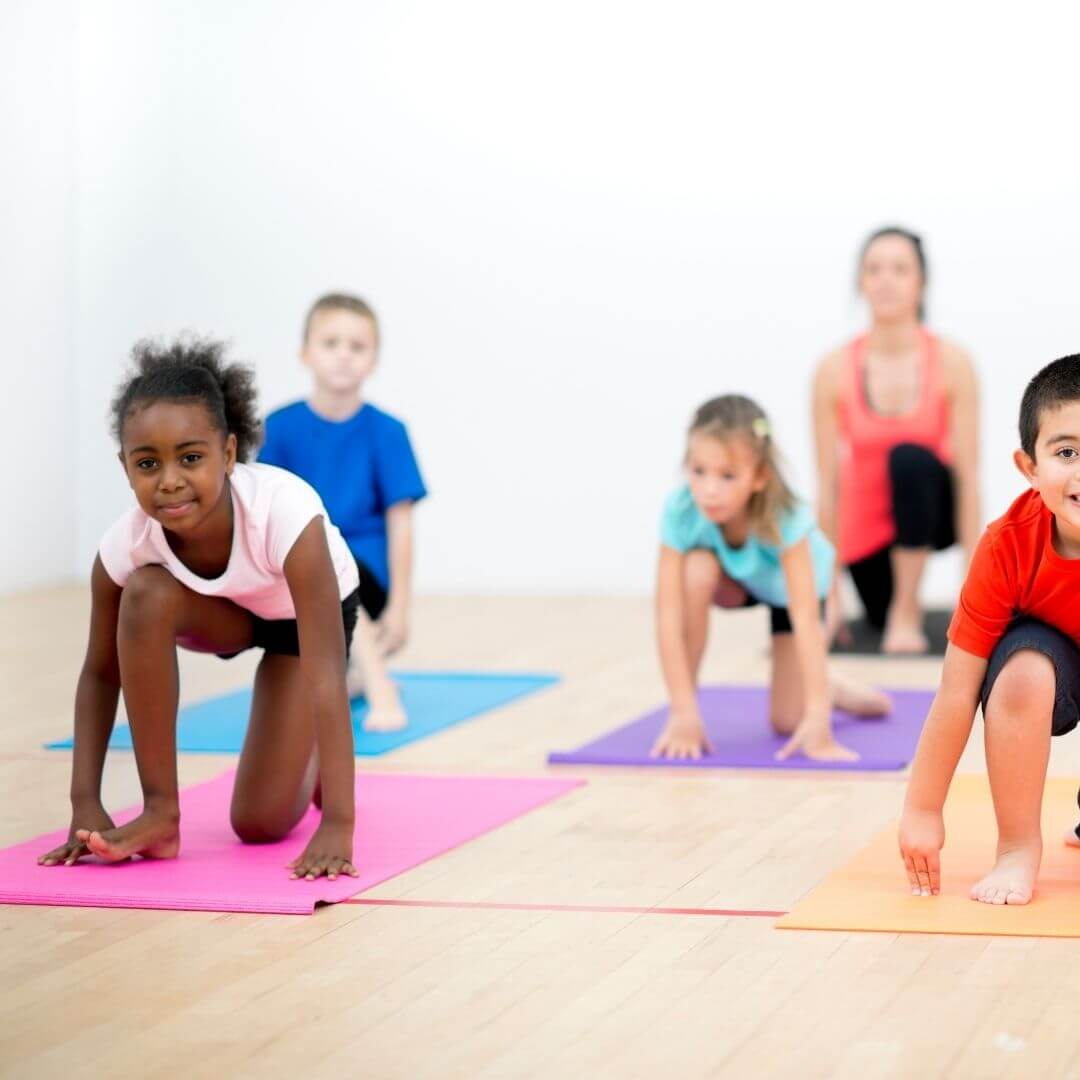
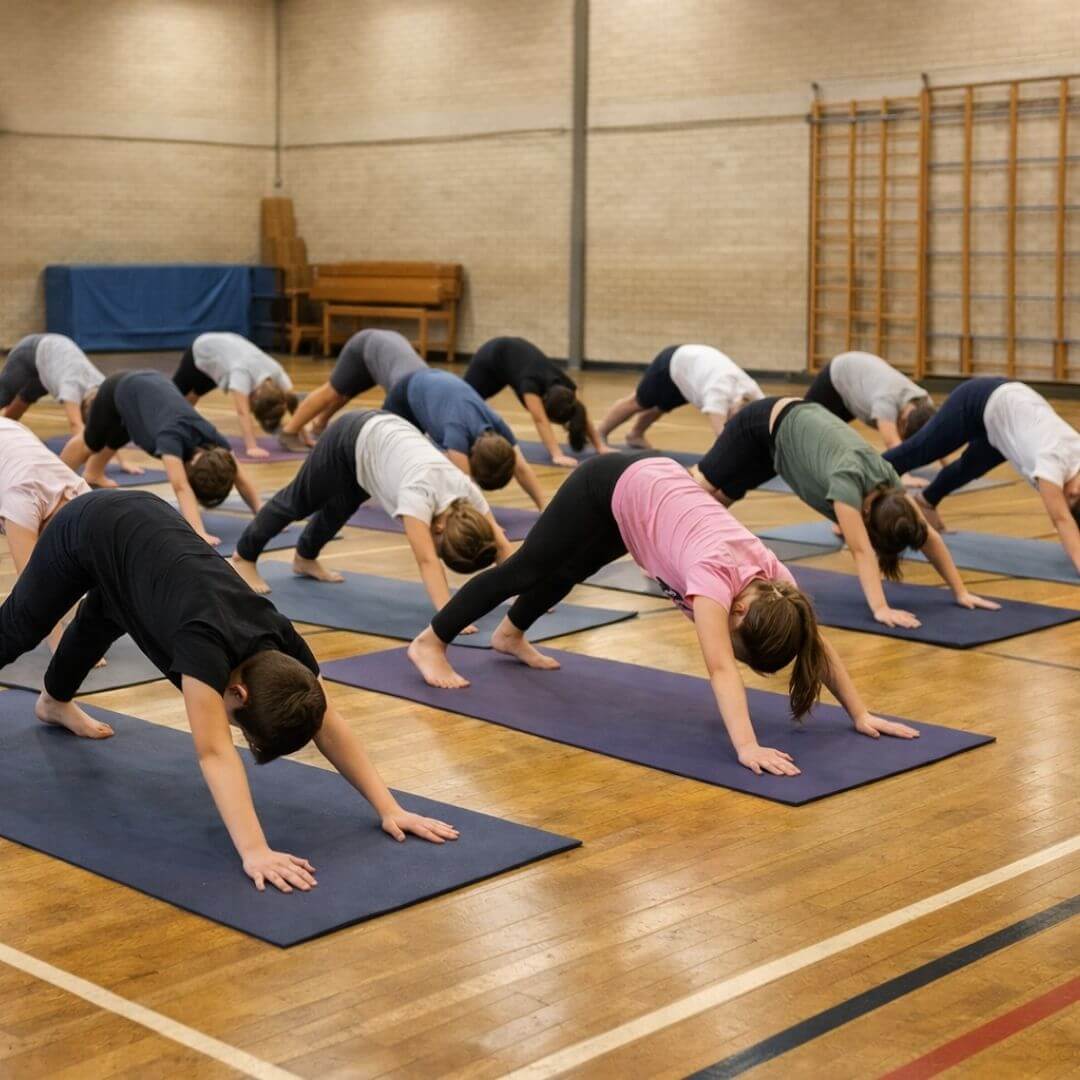
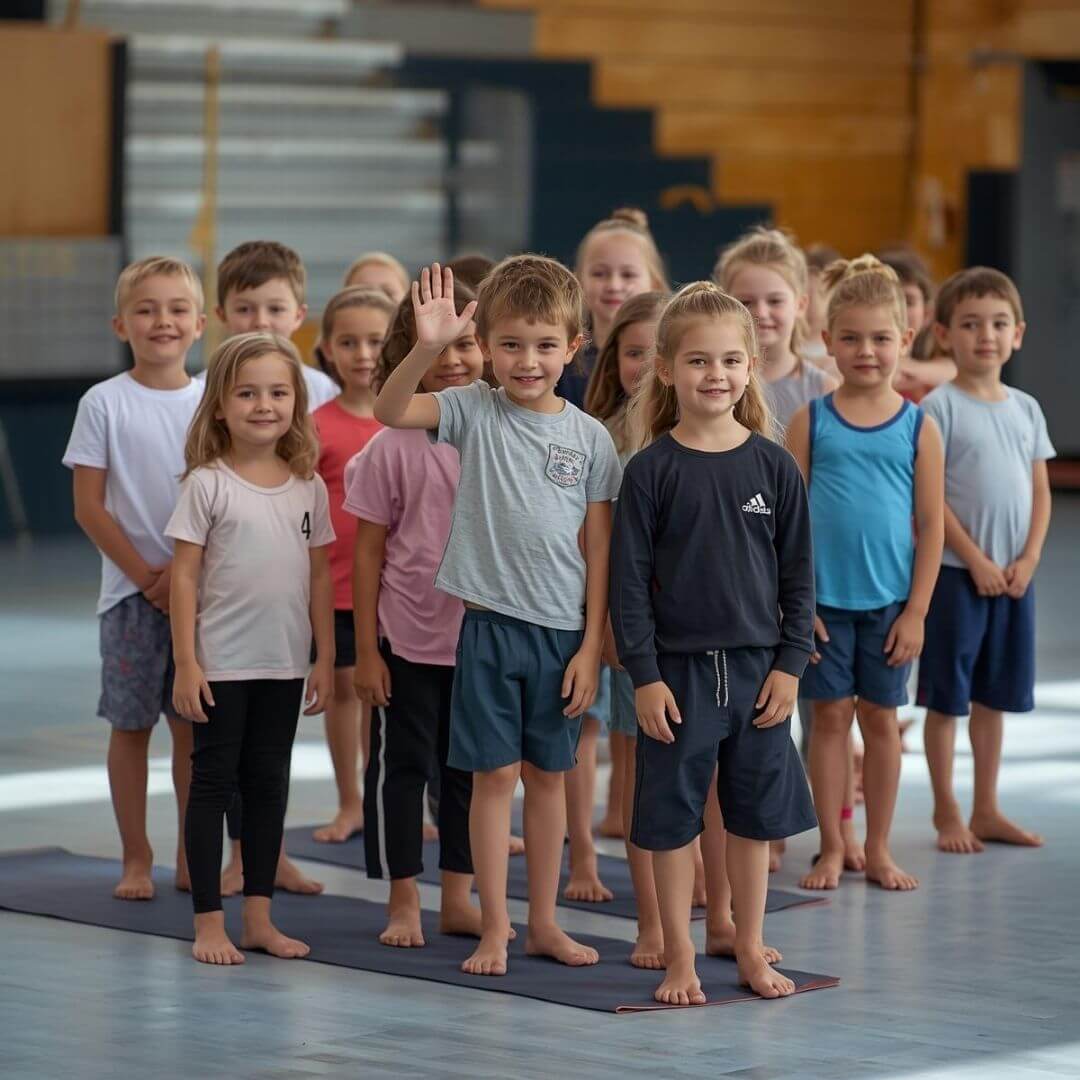
Group of children standing on yoga mats in a spacious indoor hall

Children Experience the Environment Before They Experience the Activity

Adults often evaluate classes based on the activity itself. Children respond first to the environment. They notice how the teacher speaks, how other children are treated, whether mistakes are accepted, whether participation is forced, and whether the structure feels predictable.
 
When the emotional tone of the space feels steady, children usually engage more quickly, even if the movements themselves are unfamiliar. When the environment feels pressured, chaotic, or overly corrective, children often withdraw, resist, or overperform in order to cope.
 
This is why choosing a class is less about selecting the “right activity” and more about recognising the conditions in which that activity is delivered.

Structure Is One of the Most Important Factors

Children feel safer when sessions follow a recognisable rhythm. A predictable sequence allows them to orient themselves, particularly after long school days where cognitive and emotional demands have already been high.
 
A well-structured movement session typically includes:
    • a clear arrival phase
    • guided movement that allows energy to discharge
    • moments of exploration or challenge
    • gradual transition toward rest
    • a consistent closing routine
Structure does not mean rigidity. It means the child knows what is coming next. When this predictability is present, many children settle naturally without needing constant behavioural reminders.

Regulation and Performance Serve Different Purposes

Some activities are designed primarily to develop performance skills. Others are designed to support regulation and body awareness. Both can be valuable, but they meet different needs.
 
For children who already experience heavy schedules, academic pressure, social comparison, or overstimulation, movement spaces that emphasise regulation rather than performance often provide something they are not receiving elsewhere: the ability to move without being evaluated.
 
This does not mean the sessions are passive or overly gentle. It means movement is used to help children feel capable, grounded, and focused rather than to measure who performs best.
 
A deeper look at this philosophy is explored here: https://vikithorbjorn.art/yoga-for-children-to-move-release-and-feel-calm/

Play and Challenge Need to Coexist

High-quality children’s movement classes balance two elements that are sometimes mistakenly separated: play and challenge.
 
Play invites curiosity and lowers anxiety. It allows children to try unfamiliar movements without fear of getting them wrong. Challenge, when introduced gradually and respectfully, gives children the experience of discovering that they can stay with something that feels slightly difficult. That experience builds confidence far more effectively than praise alone.
 
Classes that remove challenge entirely can feel directionless. Classes that push challenge too quickly can trigger withdrawal or comparison. Effective teaching lives in the middle, where play and challenge support each other.

The Teacher’s Presence Shapes the Entire Session
Children are highly responsive to the emotional state of adults. A teacher who is calm, clear, and consistent provides an environment where children feel safe enough to participate without defensiveness.
 
Supportive teaching does not mean permissiveness. Boundaries remain clear. Instructions are direct. Expectations are consistent. What changes is the tone. Children are guided rather than pressured. Encouraged rather than corrected constantly. Supported rather than singled out.
 
Over time, this kind of environment builds trust, and trust allows children to engage more fully with movement.
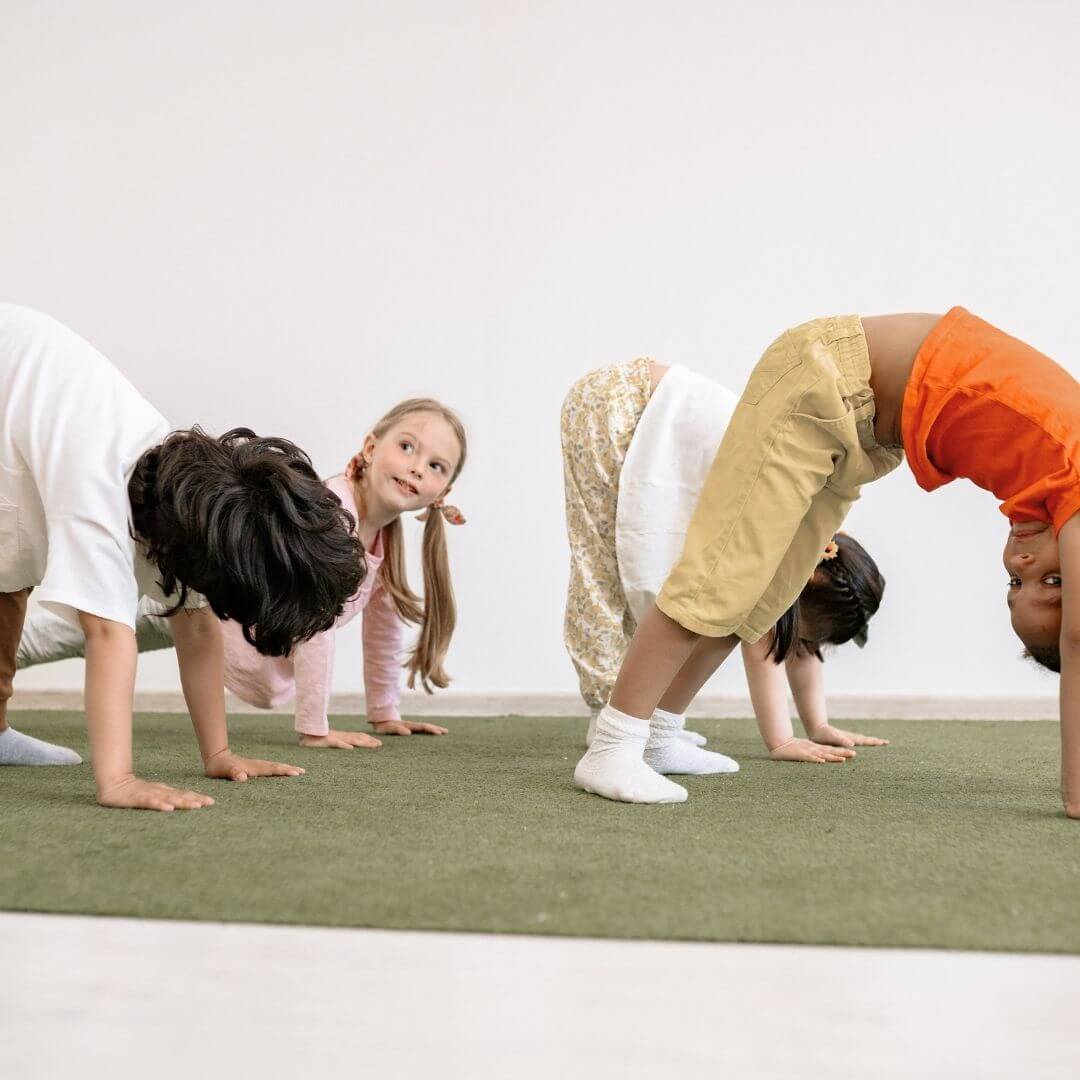
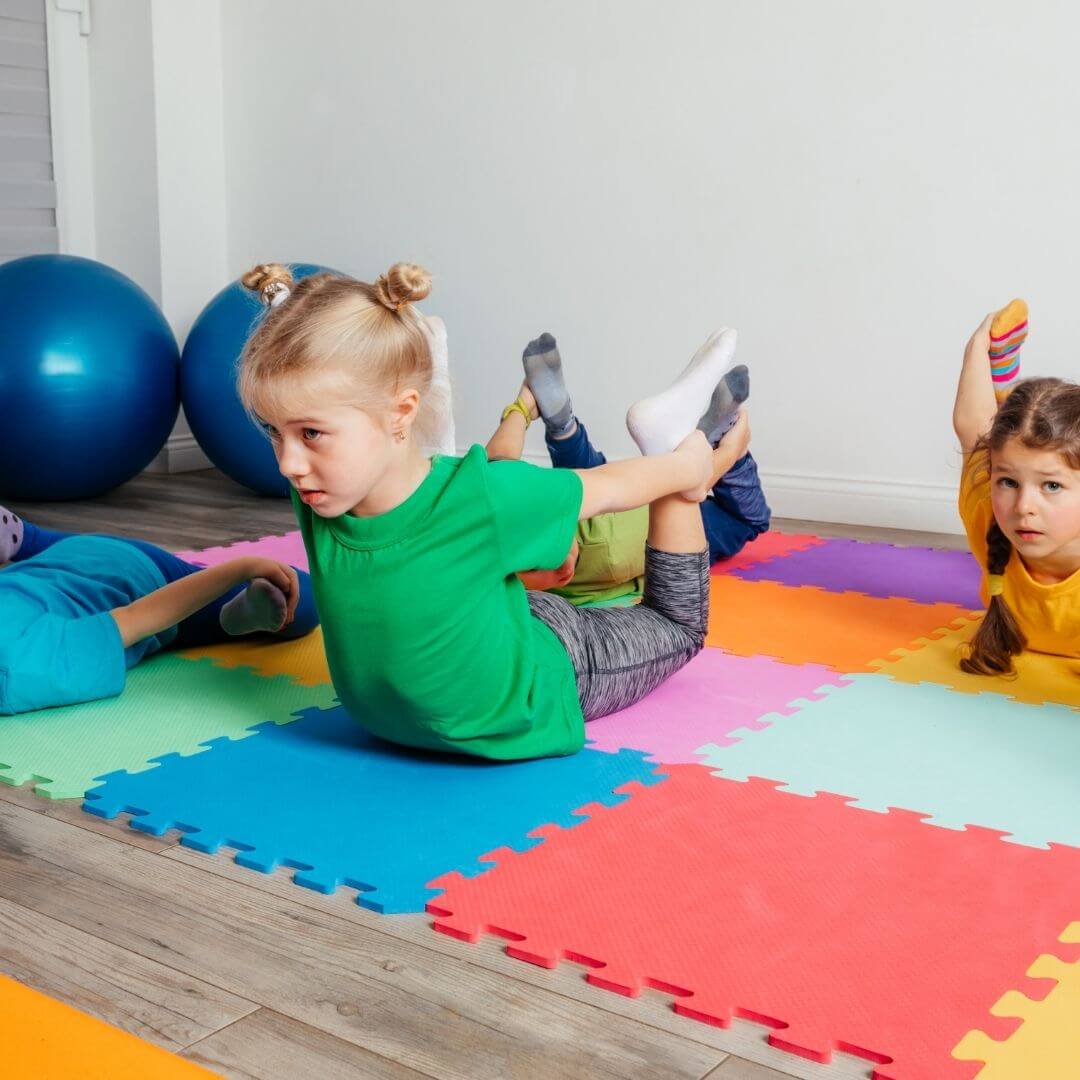
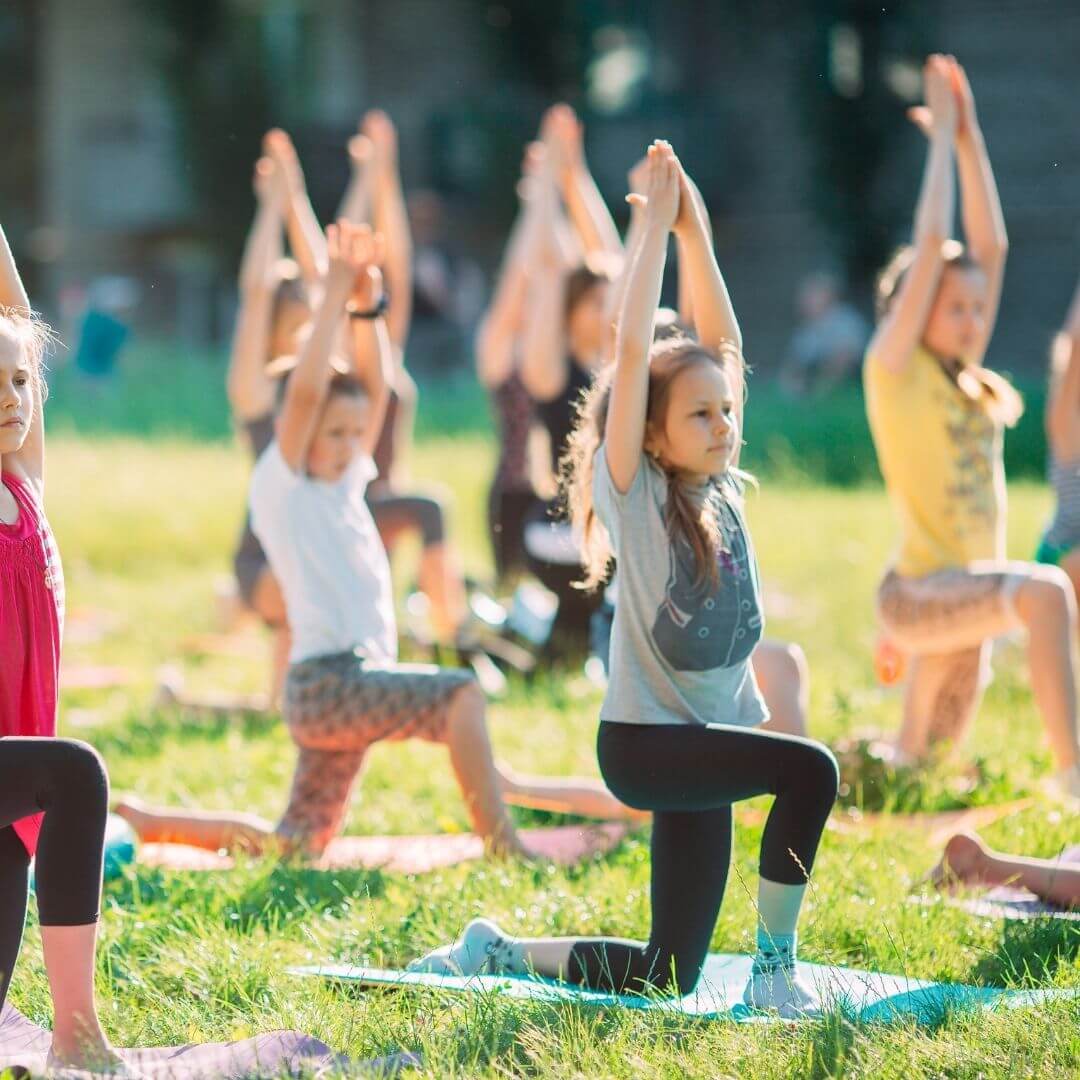
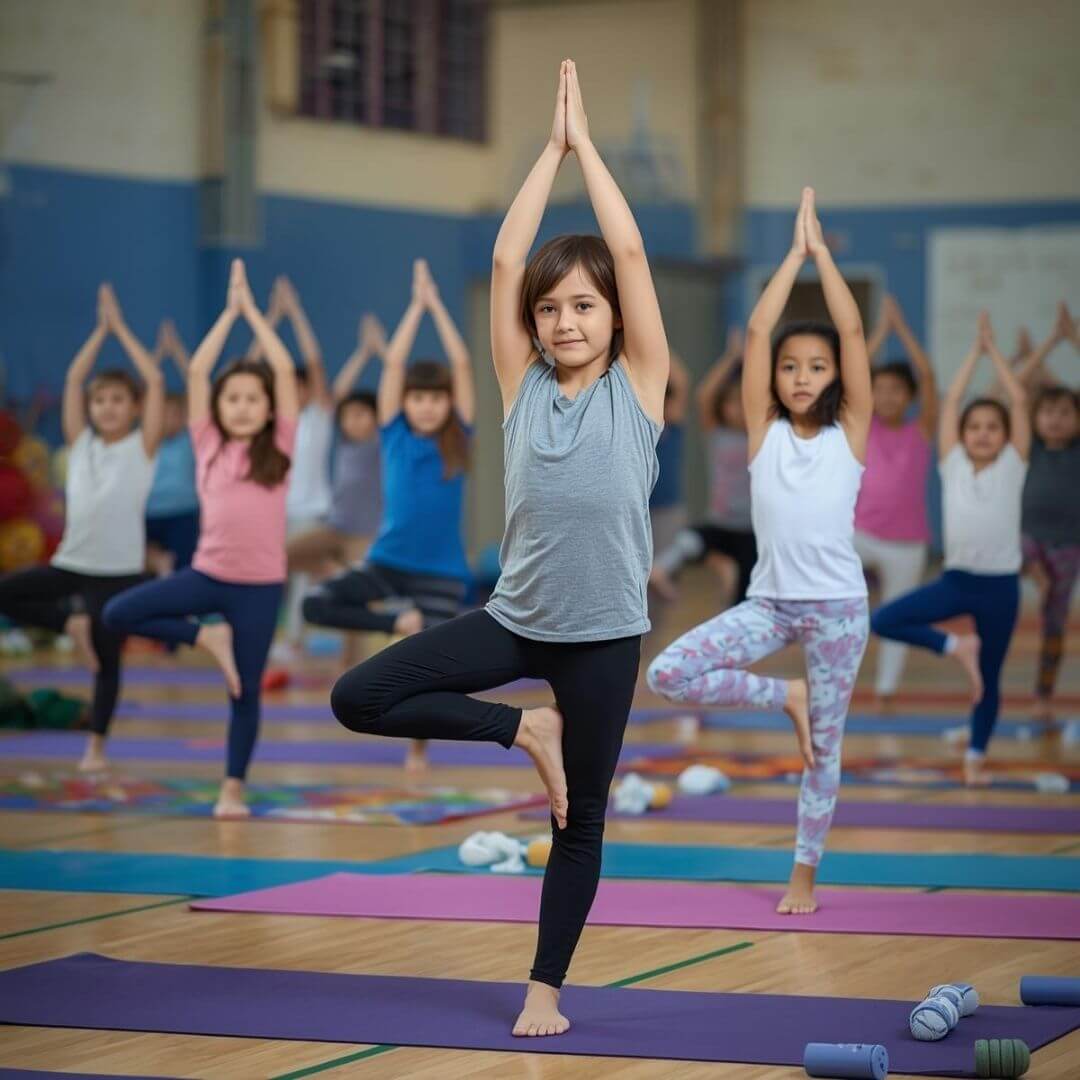
Children practising balance poses during a yoga for children class

Developmental Flexibility Matters

Children develop at different speeds physically, emotionally, and socially. Good movement classes recognise this by offering layered options rather than expecting every child to perform the same movement in the same way.
 
Younger children often respond best to rhythm, repetition, and playful exploration. Older children and tweens often benefit from increased autonomy, reassurance, and reduced performance pressure, particularly during growth spurts or periods of social sensitivity.
 
Classes that allow children to work at their own level within a shared framework tend to maintain engagement across a wider age range.

Consistency Is More Powerful Than Intensity

Parents sometimes look for programmes that promise rapid improvement. In reality, children benefit far more from steady, weekly participation than from occasional intensive experiences.
 
Consistency allows children to:
    • build familiarity with the environment
    • recognise the structure of sessions
    • develop movement confidence gradually
    • experience cumulative benefits over time
Even small weekly sessions can produce meaningful changes when attendance is regular. In contrast, irregular participation often resets the learning process each time.
 
For families in Nottingham interested in weekly structured classes for ages 5-13, details are available here: https://vikithorbjorn.art/kids-yoga-nottingham/

What Movement Classes Can Realistically Support

Movement classes can support:
    • coordination and spatial awareness
    • strength and mobility development
    • confidence through embodied experience
    • emotional regulation
    • the ability to rest after activity
They are not designed to fix behaviour, eliminate emotional difficulty, or replace supportive parenting or educational environments. When expectations are realistic, children often benefit far more because the pressure to “perform results” disappears.

Developmental Flexibility Matters

Children develop at different speeds physically, emotionally, and socially. Good movement classes recognise this by offering layered options rather than expecting every child to perform the same movement in the same way.
 
Younger children often respond best to rhythm, repetition, and playful exploration. Older children and tweens often benefit from increased autonomy, reassurance, and reduced performance pressure, particularly during growth spurts or periods of social sensitivity.
 
Classes that allow children to work at their own level within a shared framework tend to maintain engagement across a wider age range.

Practical Questions Parents Can Ask Before Enrolling

Parents rarely need extensive research to evaluate a class. A few simple observations usually provide clarity:
    • Does the class follow a predictable structure?
    • Is participation encouraged but not forced?
    • Are children offered variations so they can work at their own level?
    • Does the environment feel calm and well guided?
    • Does the teacher explain the intention behind activities?
Clear answers to these questions usually indicate a thoughtfully designed programme.

Choosing the Right Class Is About Fit, Not Perfection

No single class suits every child. What matters most is whether the environment fits your child’s current needs. Some children thrive in competitive spaces. Others benefit from calmer, regulation-focused movement environments. Many move between different types of activities as they grow.
 
When a class offers structure, safety, challenge, and space for curiosity, children usually show parents the answer themselves, they want to return.

How Different Types of Movement Classes Shape Different Experiences

Not all children’s movement classes are designed with the same developmental intention. Understanding the differences helps parents choose environments that support their child rather than unintentionally placing them in settings that increase pressure or comparison.
 
Broadly, children’s movement classes tend to fall into several categories:
 
Performance-focused classes
These emphasise skill acquisition, technical progression, and visible achievement. Dance academies, competitive gymnastics, and performance-based training programmes fall into this category. Many children thrive in these environments, particularly those who enjoy structured challenge and clear goals. However, some children find them overwhelming if they are sensitive to comparison or perfectionism.
 
Energy-release activity classes
These prioritise movement intensity, play, and physical exertion. They are often lively, social, and physically engaging. While excellent for physical expression, they sometimes lack the slower elements that support nervous system regulation.
 
Regulation-focused movement classes
These combine strength, coordination, balance, breath awareness, and rest in a structured rhythm designed to help children recognise and regulate their internal state. Yoga and structured movement education programmes often sit in this category when delivered thoughtfully.
 
None of these categories is inherently better than the others. What matters is fit. A child who already spends much of the day in competitive environments may benefit from a non-competitive movement space. Another child may seek challenge and structured performance progression. Understanding the intention of the class helps parents make a more informed decision.

Why the “Arrival Experience” Matters More Than Parents Expect
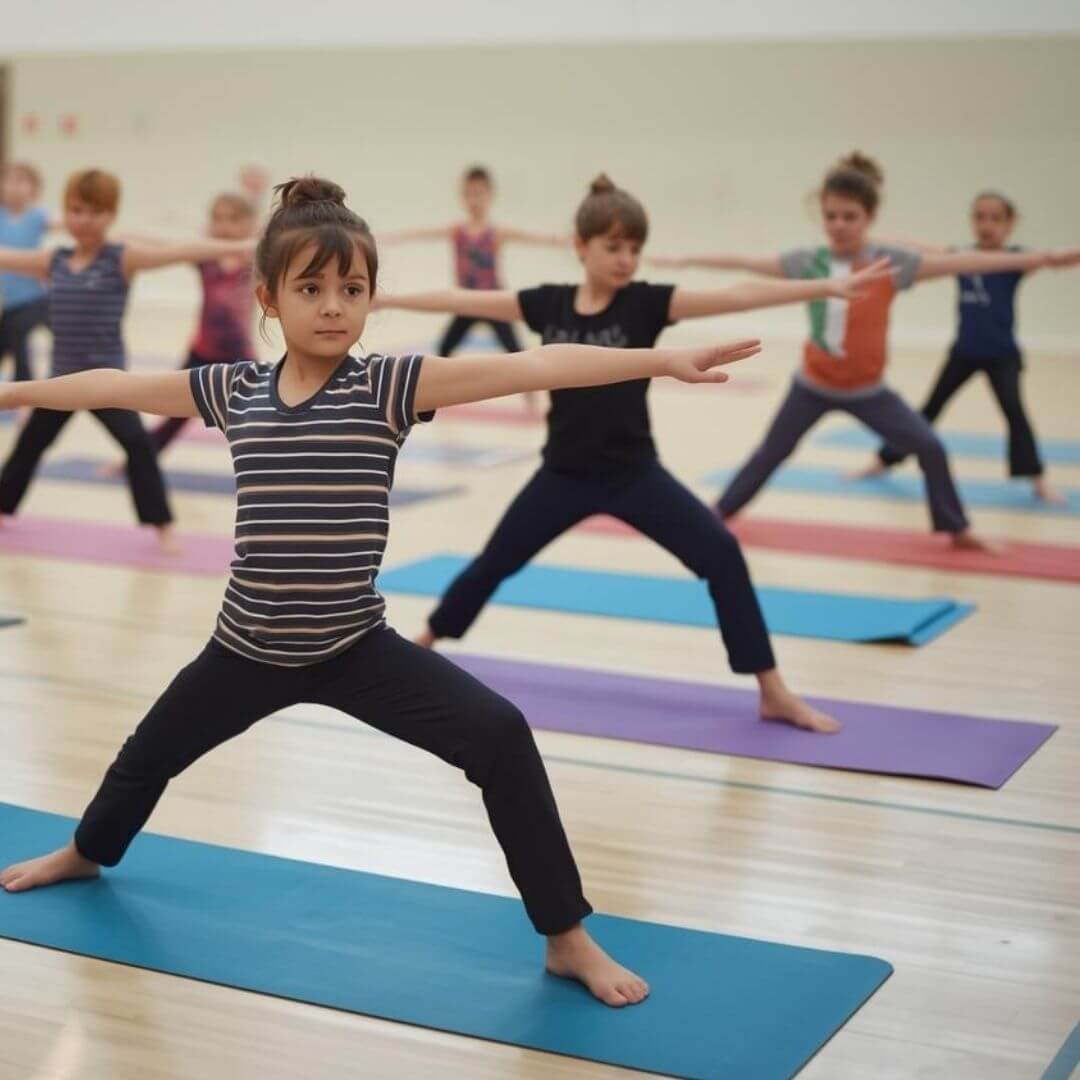
One of the most revealing moments in any children’s class is not the main activity, it is the first five minutes.
 
Children arrive carrying the residue of the day: school demands, social interactions, tiredness, excitement, or overstimulation. Classes that expect children to become calm immediately often struggle because the nervous system cannot switch states instantly. Sessions that allow a gradual arrival, movement, simple orientation routines, or playful warm-ups, help children transition more naturally into the session.
 
This transition period is particularly important for children who feel overwhelmed by fast-paced environments. When the arrival is rushed, participation often starts from a place of tension. When the arrival is held steadily, children usually settle more quickly and engage more confidently.

The Role of Repetition in Building Confidence

Children do not build movement confidence through novelty alone. Repetition plays a crucial role. When children revisit familiar movements across several weeks, they begin to recognise their own progress. Movements that once felt difficult become manageable. Balance improves. Coordination becomes smoother. Confidence grows quietly through experience.
 
Parents sometimes worry that repeated activities will feel boring, but children often experience repetition differently from adults. Familiar structures create security, and that sense of security allows children to explore more freely within the activity. Variation can still exist, but the underlying rhythm remains recognisable.

Supporting Sensitive, Quiet, or Highly Energetic Children

Movement environments can be particularly valuable for children who do not naturally gravitate toward competitive sports. Sensitive children, highly energetic children, or those who find performance-based environments uncomfortable often benefit from spaces where participation is encouraged without constant evaluation.
 
For quieter children, a calm, predictable environment can reduce social pressure and allow gradual engagement. For highly energetic children, structured movement provides a channel for expression rather than requiring immediate stillness. When both groups are supported appropriately, participation tends to increase over time rather than decrease.

How Parents Can Observe Whether a Class Is a Good Fit

Parents often rely on descriptions or promotional materials when choosing activities, but observing a session — even briefly — usually reveals far more. Signs of a well-held environment often include:
    • children arriving and being acknowledged individually
    • clear but calm instructions
    • visible options or variations offered to participants
    • moments of both activity and rest
    • children leaving the session appearing settled rather than overstimulated
Parents do not need to analyse the teaching method in detail. The overall feeling of the room often communicates enough information.

When It Makes Sense to Change Classes

Children’s needs change quickly as they grow. A class that suited a child at age six may not suit them at age ten. Growth spurts, changes in school pressure, evolving social dynamics, and developing interests all influence what children need from movement environments.
 
Changing classes is not a sign that something has gone wrong. It is often simply part of developmental progression. Some children move toward more competitive environments as confidence grows. Others shift toward calmer spaces during periods of stress. The goal is not to find a permanent activity immediately but to choose environments that support the child at their current stage.

The Long-Term Value of Positive Movement Experiences

Positive early experiences with movement influence how children relate to physical activity later in life. When children associate movement with pressure, comparison, or repeated correction, they may disengage over time. When movement is associated with curiosity, capability, and manageable challenge, children often maintain a more sustainable relationship with physical activity.
 
This does not mean every class must feel effortless. Challenge remains essential. The difference lies in whether challenge feels supportive or evaluative. When children experience movement as something they can return to rather than something they must prove themselves in, the long-term benefits extend far beyond the activity itself.

Bringing It All Together

Choosing a children’s movement class is rarely about finding the most impressive programme. It is about recognising the environment where your child can participate comfortably, explore movement confidently, and return week after week without resistance.
 
Classes that combine structure, flexibility, calm guidance, play, and gentle challenge tend to support the widest range of children. Over time, these steady experiences often produce stronger developmental benefits than programmes that rely on intensity or novelty alone.
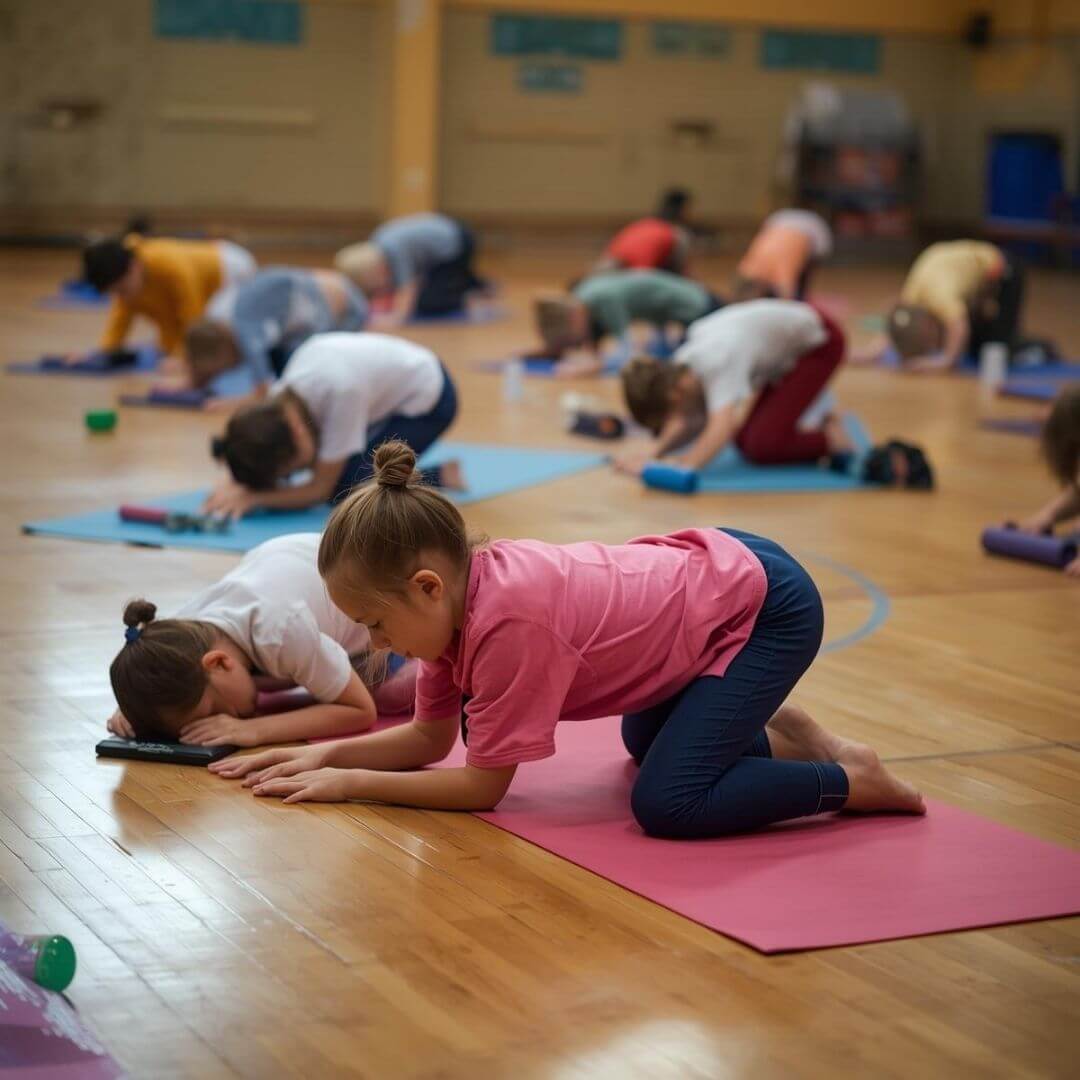
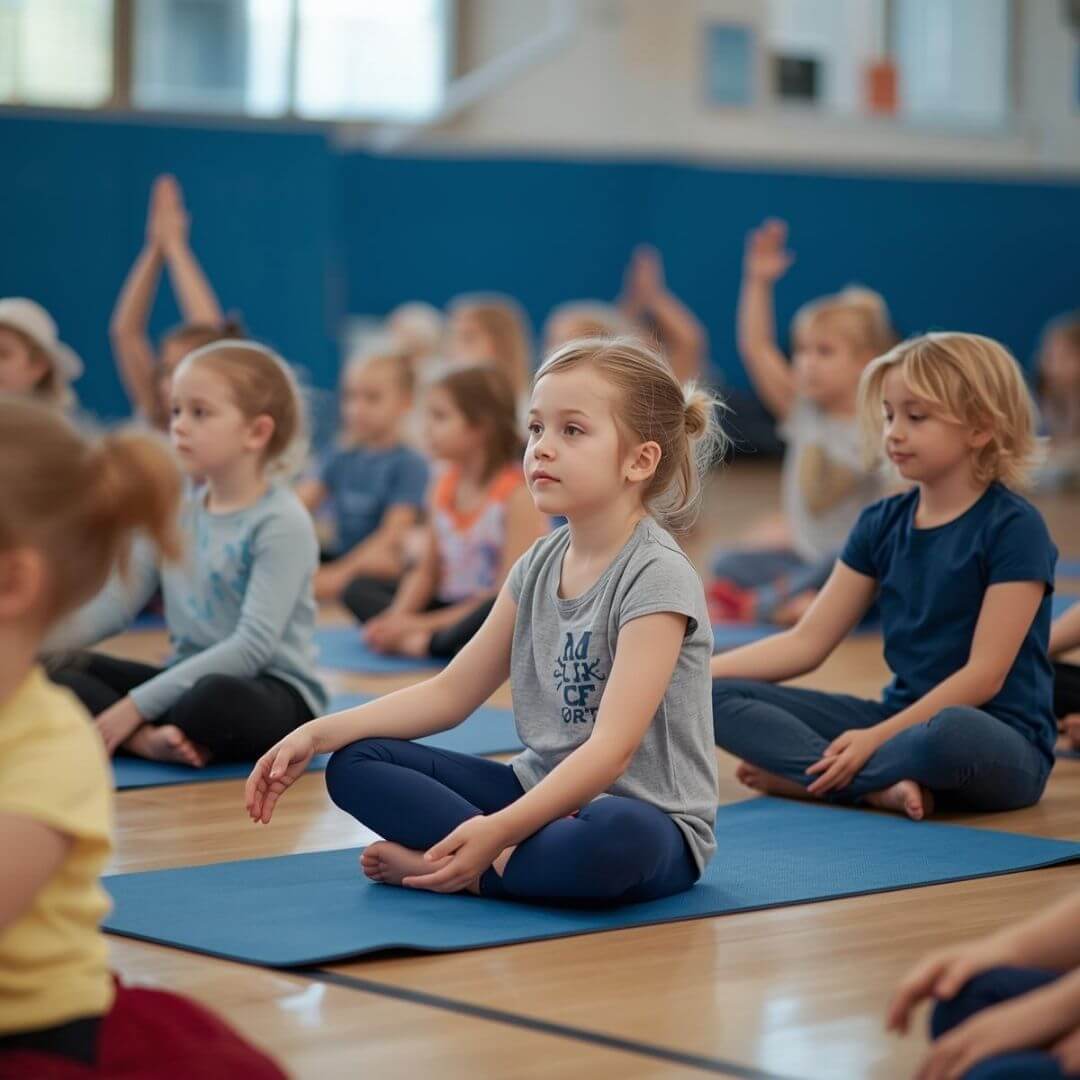
Children sitting cross-legged on mats during a quiet moment in a yoga session

Where Parents Sometimes Go Wrong Without Realising

Most parents are trying to do the right thing when they choose activities. The mistake is rarely neglect. It is usually speed. Classes are chosen because they are nearby, because another parent recommended them, or because the description sounds impressive. None of those are bad reasons, but they don’t always tell you how the environment will actually feel for your child.
 
Another common assumption is that more intensity means more benefit. Sometimes it does. Some children thrive in fast, competitive environments and actively seek them out. Others already spend their day managing school demands, social pressure, and constant stimulation. For those children, another high-pressure environment can feel exhausting rather than developmental.
 
There is also a quiet pressure to choose activities that produce visible outcomes quickly. Flexibility, medals, performances, advancement levels. These can be motivating for some children, but for others they shift attention away from the deeper benefits of movement: confidence, coordination, the ability to stay with manageable challenge, and the experience of feeling capable in their own body.
 
Taking a moment to notice how your child tends to respond to environments, not just activities, usually leads to better decisions than choosing based on reputation alone.

The Questions That Actually Matter Before Enrolling

Parents often assume they need to ask highly technical questions. In reality, the most useful questions are simple:
    • What does the first ten minutes of the session usually look like?
    • How do children who are quieter or slower to join in get supported?
    • If a child finds something difficult, what happens next?
    • Do children work at different levels within the same class, or is everyone expected to do the same thing?
You are not looking for polished answers. You are listening for whether the teacher speaks about children in a way that suggests understanding rather than control. Teachers who understand development usually describe how they adapt, how they observe, and how they guide. Teachers who are less experienced often describe only what children are expected to do.

What Parents Often Notice After a Few Weeks

The first sign that a class is working is rarely dramatic. It is usually something small. A child who was hesitant begins getting ready more easily. A child who resisted attending stops negotiating every week. A child who struggled with coordination starts showing quiet improvements without anyone pointing them out.
 
Sometimes the change is simply that the child leaves the session calmer than they arrived. Not silent, not subdued, but settled. Parents often recognise this feeling immediately even if they cannot quite explain it.
 
That is usually the point where movement stops being “another activity” and becomes something the child experiences as their own space.

When It’s Worth Trying Something Different

Children grow quickly, and what suits them at seven may not suit them at ten. Some children eventually want competitive environments after building confidence in calmer spaces. Others move in the opposite direction during periods of school pressure or social change.
 
Changing classes is not a sign that something failed. It is often a sign that development is happening. The aim is not to find a single perfect activity that lasts forever, but to choose environments that support the child at each stage they move through.

A Slower Way of Thinking About Activities

There is pressure now to optimise children’s schedules, to fill every afternoon with something “useful.” But the real value of movement classes is not how impressive they look on paper. It is the repeated experience of feeling capable, challenged but safe, and able to return to a steady state after activity.
 
When children experience movement this way, they begin to understand something quietly important: effort does not have to feel overwhelming, and rest does not have to be forced. That understanding carries far beyond the class itself.
 
If you would like to explore how this approach is held in practice, you can read more here: https://vikithorbjorn.art/yoga-and-movement-for-children/
 
And for parents looking for weekly children’s and tween classes in Nottingham, practical details are here: https://vikithorbjorn.art/kids-yoga-nottingham/

Questions Parents Tend to Ask Once They Start Looking

What if my child doesn’t join in straight away?

That’s normal. Many children need a few sessions simply to watch, understand the rhythm, and decide that the space feels safe enough to participate. Classes that allow that gradual entry usually see stronger long-term engagement.

Does my child need to be naturally sporty for this to help them?

Not at all. Movement confidence often grows precisely in children who did not previously feel “good at sport,” because the environment removes the comparison element that discouraged them.

How do I know whether the teacher is a good fit for my child?

Watch how the teacher responds when something doesn’t go perfectly. That moment usually tells you far more than the polished parts of the session.

Should I expect my child to be calmer immediately after the first session?

Sometimes yes, sometimes no. Regulation builds through repetition. The important thing is whether the child gradually begins to feel more comfortable returning.

What matters more, the activity itself or the atmosphere?

The atmosphere. Children learn movements quickly. Feeling safe enough to explore them is what determines whether they benefit from the class.

How long should we try a class before deciding?

A few weeks usually gives a clearer picture than a single visit, especially for children who need time to warm up to new environments.

Is it better to choose competitive or non-competitive activities?

Neither is universally better. The right choice depends on what your child currently needs: performance challenge, social engagement, or a calmer place to move and reset.

Where can I read more about how these classes are structured?

You can explore the full approach here: https://vikithorbjorn.art/yoga-and-movement-for-children/