
Art Patronage in the 21st Century: Examples and Future
Art patronage is often filed under history, like powdered wigs or oil lamps. People assume it belongs to the Renaissance or perhaps Victorian Britain, not the boardrooms, studios, and sanctuaries of today. Yet patronage has never left us; it simply went underground. While galleries, auction houses, and branded “luxury” experiences dominate the cultural headlines, patronage remains the quiet architecture that allows much of the most meaningful work to exist.
The 21st century has warped the idea of support into likes, follows, and “exposure.” But artists do not thrive on exposure. They thrive on space. On trust. On resources that allow them to build work without constantly begging algorithms for attention. That is what patronage has always offered, a foundation that frees the artist from survival mode so they can sustain resonance.
For the patron, this act is more than philanthropy. It is alignment. It is choosing to put weight behind something you want to see endure. And in an era where luxury is sold to death, real luxury is found in what you sustain quietly, not in what you display loudly.
What Is Modern Art Patronage?
Modern art patronage is the private, voluntary support of an artist’s ongoing work without directing or controlling the outcome. Unlike collecting, which focuses on acquiring finished pieces, patronage sustains the conditions that allow future work to exist.
It is alignment, not ownership.
Soulspace: Art Patronage in Practice
Soulspace is £1,500 a year, or £125 a month over twelve months, and each full year of patronage is marked with a small original painting from the studio.
What Art Patronage Means in 2026 (Not the Charity Version)
Let’s be clear: patronage is not charity. Charity addresses need. Patronage addresses potential. The language around support has been muddied in recent decades, with corporate sponsorships and charitable giving often conflated with patronage. But they are not the same.
Charity tends to look backward. It identifies a lack and tries to fill it. Patronage looks forward. It sees what could exist if given the conditions to thrive. Where charity says, “here is help to survive,” patronage says, “here is trust to create.”
That distinction matters, because patronage is not about rescuing artists. It is about backing vision. A patron does not arrive with pity but with recognition. They see in the artist a frequency that matters and choose to sustain it. That’s why modern patronage appeals not to guilt, but to those with the intelligence to spot what is worth preserving.
Contemporary Examples of Art Patronage
Art patronage today rarely looks like the Medici, but the structure is still recognisable once you know where to look.
Membership platforms such as Patreon let individuals support artists monthly because they believe in the work. It is the closest thing to patronage at scale, though it still tends to tie support to a steady stream of content.
Museum patron schemes, such as Tate Patrons, gather private supporters whose giving helps institutions acquire and show work by living artists.
The Contemporary Art Society, founded in 1910, has used private support for more than a century to place work by living artists in public collections across the UK.
Private foundations such as Elisabeth Murdoch’s Freelands Foundation fund artists’ time and development rather than specific objects.
And at the most personal level there is direct, private patronage: one person choosing to sustain one artist’s practice over years. This is the form closest to the Renaissance model, without the control, and it is the one I’ve built Soulspace around.
So is anything today comparable to Renaissance patronage? Yes, but the support is usually spread across many people rather than concentrated in one family, and the best modern versions have dropped the expectation that the patron directs the work.
A Brief History of Art Patronage, and What It Got Wrong
The Medici family are the textbook example of patronage. They bankrolled Michelangelo and Leonardo da Vinci, shaping Western art history in the process. But let’s not pretend they were saints. Patronage in the Renaissance was often as much about political control as it was about cultural investment. Artists became tools in the battle for legacy and reputation.
Fast forward a few centuries, and the Victorian age wrapped patronage in morality. Support of the arts became a way for the wealthy to signal refinement, but it was often smothered in expectation. Work was directed to match the patron’s taste or social goals, not the artist’s truth.
This is where older patronage models went wrong. They turned into ownership. They blurred the line between support and control. True patronage should never dictate output. It should create the conditions for authenticity, not replicate the patron’s ego on canvas.
The 21st century has an opportunity to correct that. Modern patronage can strip away the baggage and return to its essence: alignment without interference.
Why the Public Gallery Model No Longer Works Alone
Public galleries are still important; they showcase heritage, introduce new voices, and provide entry points for audiences who may never step into a private collection. But expecting them to sustain the living conditions of artists today is unrealistic. Funding cuts mean fewer commissions and less security. Curators are under pressure to prioritise crowd-pulling exhibitions rather than risk-taking work. And as government support shrinks, artists are left competing for limited grants that often come tied to complex reporting, endless forms, and tick-box “impact” criteria.
For collectors, galleries can also feel restrictive. They offer a public stage, but not everyone wants their decisions scrutinised by peers or critics. Some collectors find the performative side, the openings, the handshakes, the networking, more exhausting than enriching. You’re expected to be seen supporting art, but the quiet interior experience gets drowned out by chatter.
Patronage bypasses this. It doesn’t seek to replace galleries but rather to provide the missing element: privacy. When an artist knows they can work without meeting quarterly targets, and when a supporter knows they can sustain that without standing in front of a camera at an exhibition launch, both sides gain freedom. The art remains authentic, and the support remains personal. That’s why galleries alone can no longer carry the weight. Patronage fills the gap.
Privacy as the New Luxury: The Patron’s Edge
The last decade has shown us something strange: luxury that shouts is no longer desirable. What used to be a marker of wealth, oversized logos, visible status symbols, has been diluted. Social media ensures everyone can see, replicate, or at least approximate the look of luxury. A handbag that once meant exclusivity is now a hashtag, photographed, copied, and endlessly commented on.
Real exclusivity today lies in privacy. In choosing not to broadcast every decision. In investing in experiences and alignments that leave no digital footprint. For someone constantly in the public eye, such as a CEO, founder, or cultural figure, there is power in having something untouched by the outside world.
Patronage offers exactly that. No plaque, no press release, no naming rights. Just the knowledge that you’ve supported something meaningful without a traceable transaction. And that quiet act is more powerful than any headline. In a culture obsessed with visibility, privacy is priceless.
The Difference Between Buying Art and Sustaining an Artist
It’s tempting to treat patronage as an advanced form of collecting. After all, both involve money changing hands. But they are fundamentally different. Collecting is acquisitive: you select, you purchase, you display. Patronage is sustaining: you enable conditions for ongoing creation, regardless of whether you ever take ownership of a piece. This distinction is why my own work lives in a private archive like the Collector’s Vault, rather than being produced as a constant stream of saleable outputs.
A collector asks: “Does this work fit in my home, my office, my aesthetic vision?”
A patron asks: “Does this work deserve to continue existing, and can I hold space for it to do so?”
Collectors curate interiors. Patrons curate continuity. One shapes what hangs on your wall; the other shapes what remains in the world. When the two overlap, the results can be extraordinary, but only patronage guarantees that what you value will not be starved out by economics.
Should You Collect or Become a Patron?
If you want to acquire specific pieces for your space → collect.
If you want to sustain an artist’s long-term body of work → patronage.
If you want visibility and public recognition → philanthropy or sponsorship may suit you better.
If you value privacy, alignment, and quiet impact → patronage is the right structure.
The Emotional Intelligence of the Modern Patron
Patronage demands a mindset shift. It requires the ability to value what cannot be immediately measured. An emotionally intelligent patron understands that their role isn’t about controlling output but about holding trust. They see that the worth of an artist’s practice lies not only in the finished pieces, but in the space between them, the experiments, the failures, the quiet time that never makes it into a gallery show.
This is why patronage resonates most with people who have already achieved. Leaders, founders, and cultural architects who are past the stage of needing more surface validation find themselves drawn to deeper forms of alignment. They don’t need their name on a wing or their photo in a magazine. Many of the people who resonate with this way of thinking recognise it immediately in Stillness Is a Weapon, which articulates why quiet support often matters more than visible success. They need to know that their support created resonance that otherwise wouldn’t exist.
In practice, this might mean funding an artist’s season of work without asking for anything back, or joining a private framework like Soulspace that strips away noise. For the modern patron, the satisfaction lies in knowing they were a silent anchor, the unseen presence that made the visible possible.
Why Patronage Is Not About Access or Influence
Patronage as a Radical Act in a Distracted World
Look around: everything today is designed to steal your attention. Apps, adverts, platforms, all engineered to keep you hooked. Even art is not immune. Increasingly, artists are pressured to create for algorithms, to produce work that “performs” online. The result? Work gets smaller, faster, more digestible. Depth becomes risky. This is the same tension I explore when writing about presence over performance, where stillness becomes a deliberate refusal of spectacle.
Patronage cuts across this economy. It says: “I don’t care if this piece never trends. I don’t need it to go viral. I value it because it matters.” That stance is radical. It protects work that doesn’t fit into the rapid content churn. It keeps alive art that requires stillness, patience, or presence, qualities that Silicon Valley cannot monetise.
Supporting artists privately is not a nostalgic act. It’s a quiet rebellion against distraction. And in doing so, patrons reclaim their own presence too. When you support work that refuses to perform, you remind yourself that life is not measured by clicks.
Why Patronage Attracts Leaders, Founders, and Cultural Architects
If you look at who gravitates towards patronage, you’ll often find individuals used to shaping structures. Founders understand what it means to seed something long before results appear. Executives understand the value of backing vision rather than chasing proof. Cultural leaders understand that influence is not always immediate but often structural.
Patronage mirrors those instincts. It requires trust in the unseen. It rewards those who can spot resonance before the crowd does. For leaders used to making decisions that carry long-term consequences, this feels familiar. The difference is that patronage offers them a chance to operate outside metrics, strategy decks, or quarterly reports. Here, decisions can be personal, intuitive, and free of performance pressure.
This is why patronage attracts people who could buy anything but choose instead to sustain meaning. They don’t want another acquisition. They want alignment.
Patronage as Cultural Infrastructure, Not a Transaction
Soulspace: A Contemporary Frame for Art Patronage
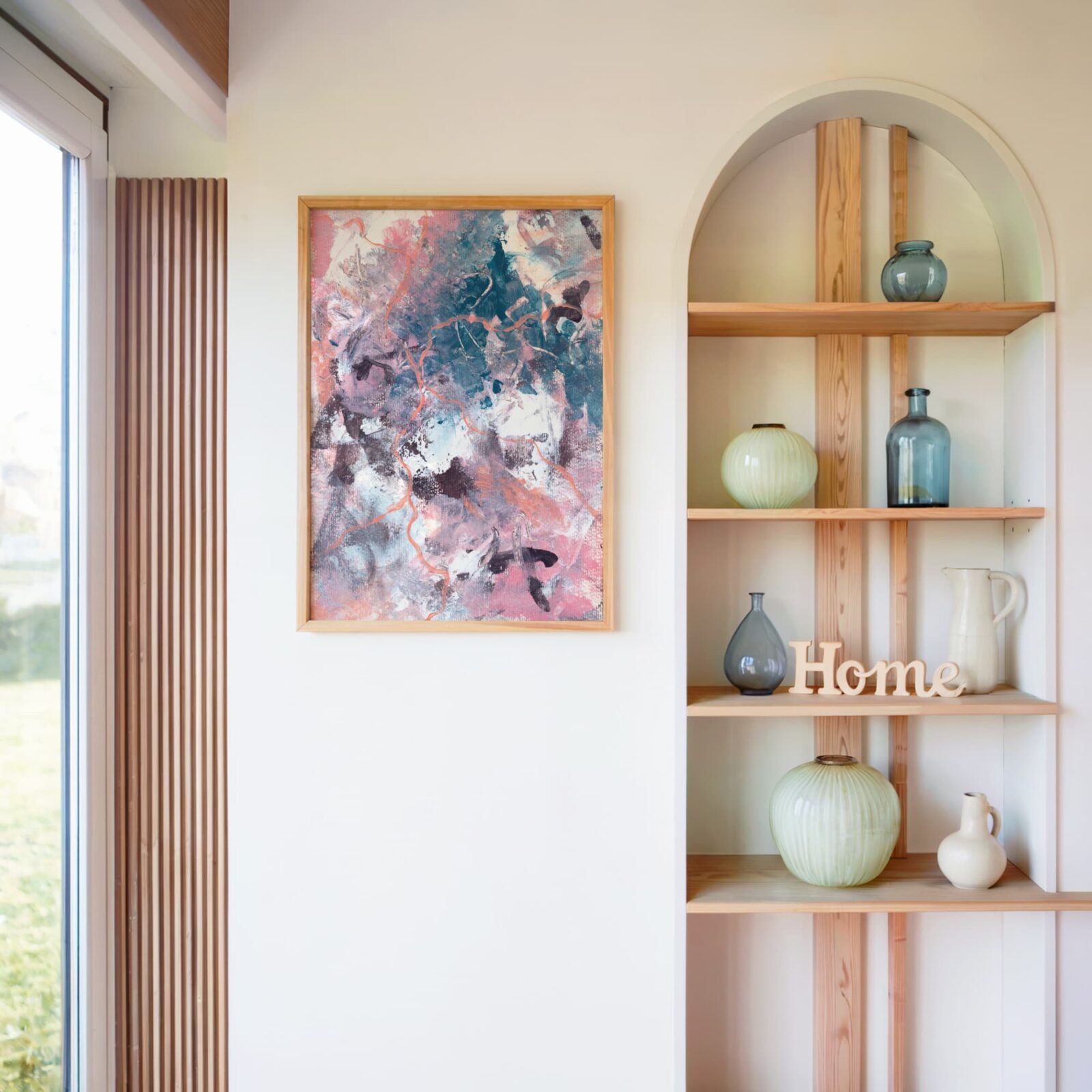
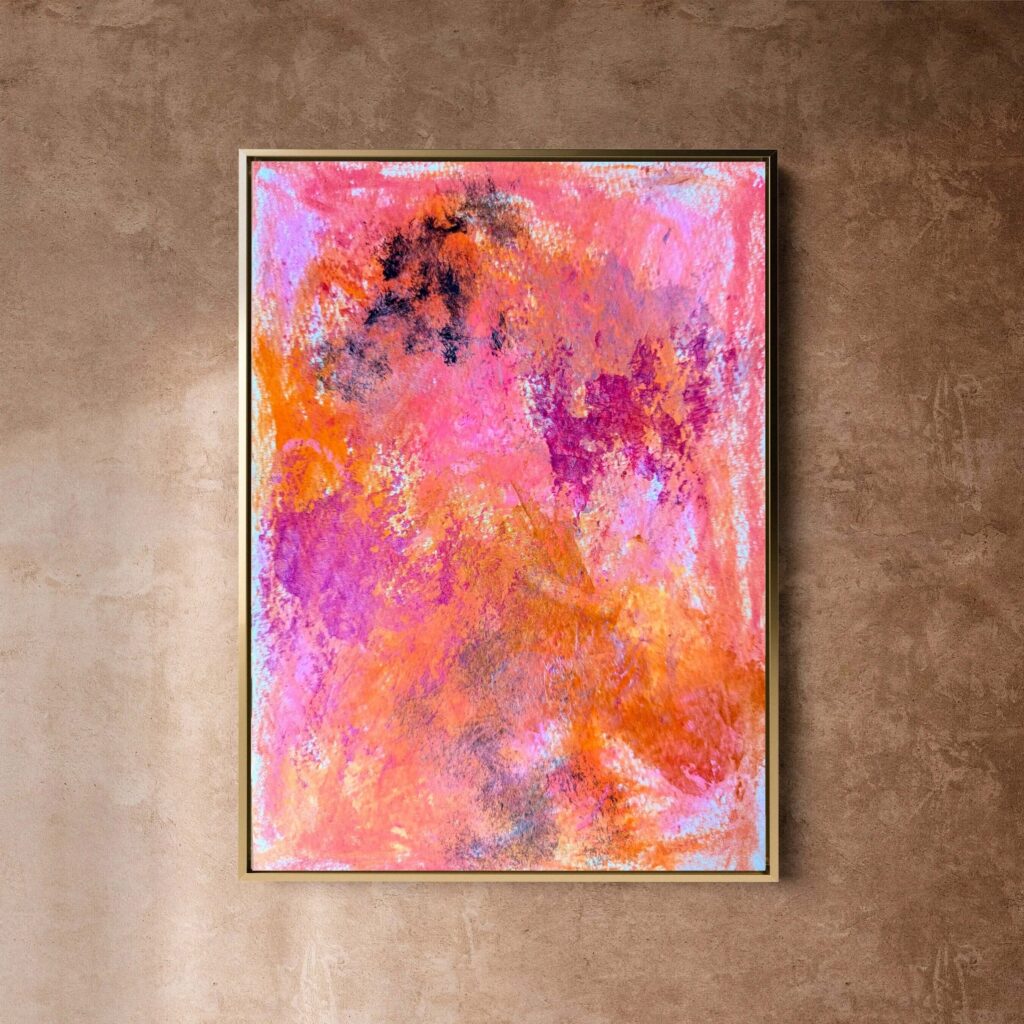
In my own practice, art patronage takes the form of Soulspace. It isn’t a club, a membership or a programme. It is a private agreement with a small number of patrons each year, whose support sustains twelve months of work: new paintings and collections, long-form writing and books, research into creativity, stillness and movement, and experiments that may never become commercially available.
Patrons don’t receive rewards or access, and they don’t direct what gets made. What they sustain is the time, focus and freedom the work needs. Not all of it will be visible straight away, and that is part of the point.
The model is deliberately simple: one level, beginning at £10,000 a year, with no tiers or upgrades. The relationship is private and personal.
Patronage vs Collecting vs Philanthropy
Patronage is not a transaction. It is infrastructure.
| Aspect | Collecting | Philanthropy | Patronage |
|---|---|---|---|
|
Focus |
Ownership of artwork |
Public or charitable giving |
Sustaining creative practice |
|
Visibility |
Often visible/displayed |
Often public |
Usually private |
|
Control |
None over future work |
Limited influence |
No interference |
|
Return |
Tangible asset |
Social impact |
Cultural continuity |
|
Motivation |
Aesthetic or investment |
Social responsibility |
Alignment and resonance |
|
Relationship |
Transactional |
Organisational |
Personal and long-term |
The Hidden ROI: Presence, Alignment, and Legacy
Talk about ROI in the usual financial sense, and patronage makes no sense at all. There’s no resale value, no dividends, no tax-efficient perk. But if you look through a different lens, patronage carries one of the highest returns you can buy: the quiet assurance that your resources are aligned with meaning.
That ROI shows up in unexpected ways. In the calm you feel knowing you’ve anchored something of value. In the alignment between your external success and your internal truth. In the legacy of knowing that work exists because you decided it should.
Patronage isn’t about wealth management. It’s about energy management. You redirect energy, financial, emotional, and cultural, towards stillness, and in return, you receive presence. It sits closer to the idea of emotional return on investment, which I explore in relation to art and space elsewhere.
How Patronage Shapes Future Work (Without Interference)
One of the greatest misconceptions about patronage is that it dictates. Historically, this was often true, patrons wanted portraits in return, or demanded specific subjects. Modern patronage doesn’t have to repeat those mistakes.
Instead, the role of a patron today is to create conditions, not outcomes. To provide the soil without telling the tree how to grow. This requires restraint, but it also ensures authenticity. The art that emerges is real, not manufactured to please.
The paradox is that by stepping back, the patron’s influence becomes more powerful. Their support shapes not just one piece but the conditions that allow a whole body of work to exist. They don’t own it, yet they are embedded in its DNA.
The Patron’s Legacy: Impact Without Needing a Nameplate
Legacy is a word thrown around a lot in wealth management circles. Usually, it means buildings, scholarships, or family trusts. But there is another kind of legacy, one that doesn’t need your name carved in stone. It’s the ripple effect of supporting something that outlives you.
When you sustain art, you can’t always measure the impact. A single piece might change someone’s emotional state, help them through grief, or spark a decision that alters their path. You may never know it happened, but you were part of it. That is legacy without spectacle.
And ironically, it may be more lasting than the monuments with your name on them. Public recognition fades. Quiet resonance endures.
Why Patronage Filters Itself (and Isn’t for Everyone)
Patronage isn’t a mass-market concept. It’s not meant for everyone, and that’s part of its strength. Many people want tangible returns. They want visibility. They want proof of exchange. Patronage refuses to deliver any of that.
That’s why it self-selects. If you are drawn to it, it’s because you already resonate with its frequency. You don’t need persuasion. You feel the value of sustaining something unseen. And if it doesn’t appeal, that’s fine; it was never meant to.
This filtering ensures that modern patronage remains rare. It’s not a marketing funnel. It’s not scalable. It doesn’t dilute. Which is why it has become, quietly, the last true luxury.
The Future of Art Patronage in an AI-Driven World
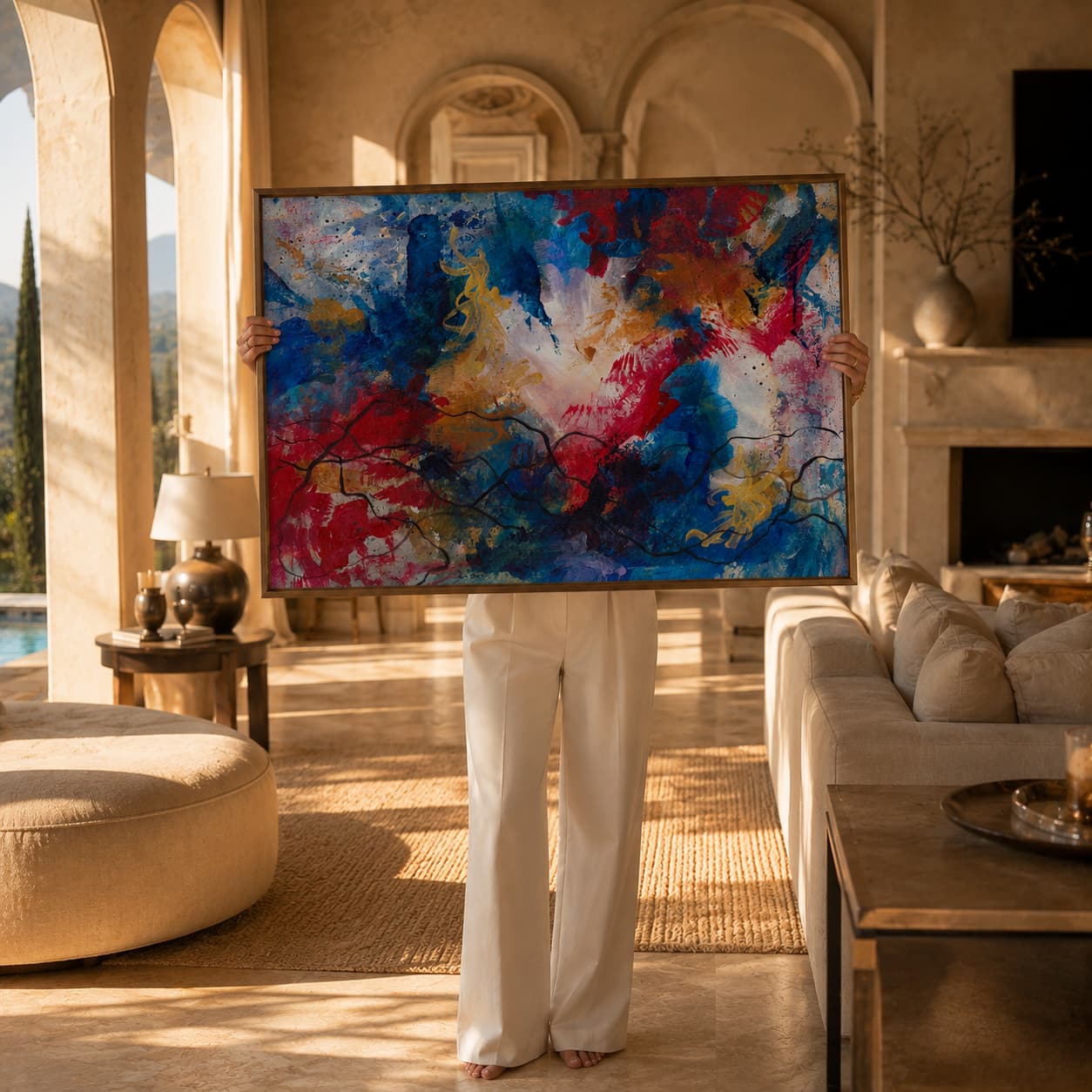
As artificial intelligence reshapes creative industries, patronage becomes even more critical. AI can generate images, mimic styles, and flood the market with simulations. What it cannot do is anchor presence. It cannot create the lived resonance that comes from a human being working with intention.
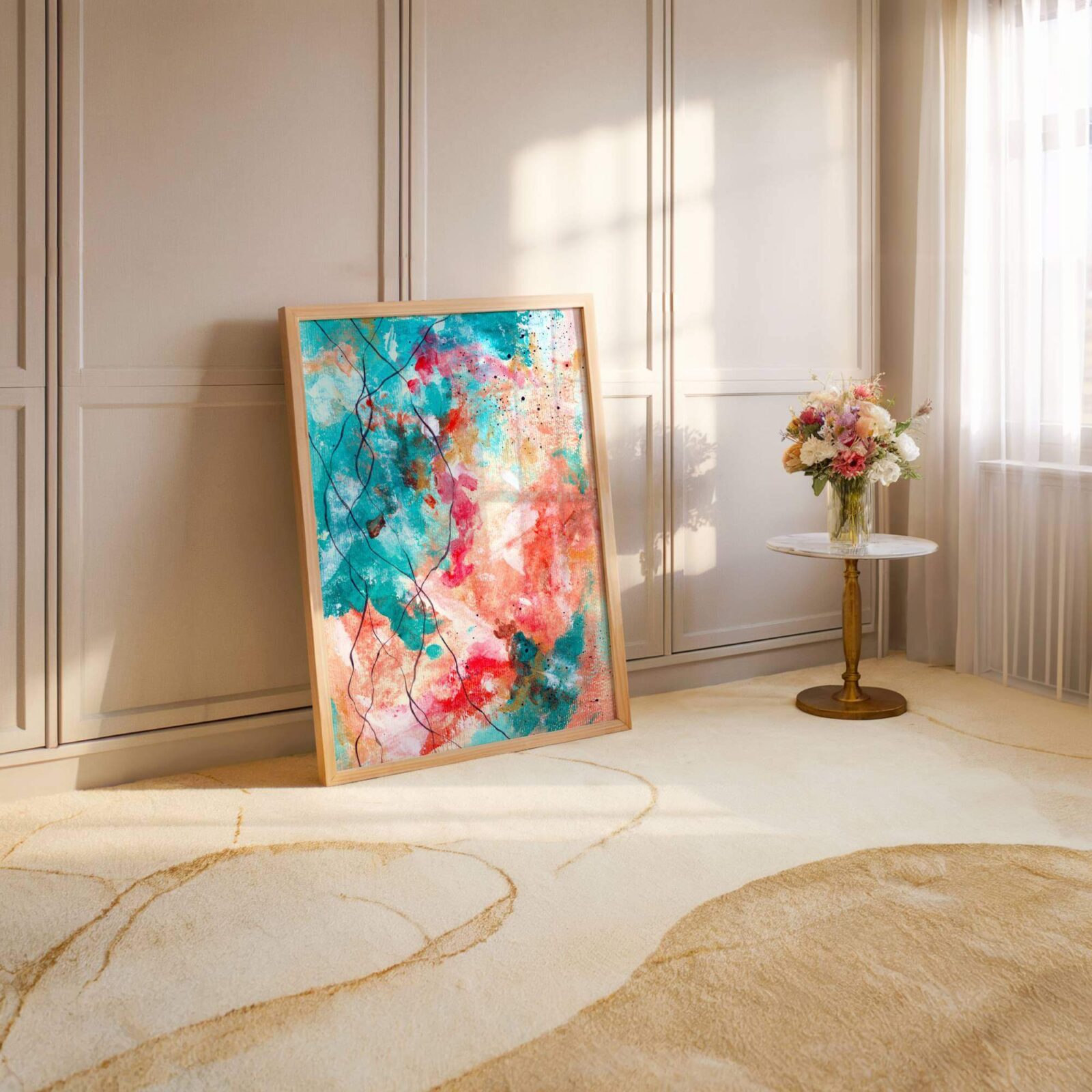
In a future where digital replication becomes cheap and abundant, the rarest thing will be authenticity. Supporting artists privately ensures that authenticity is not lost in the flood. Patrons will become the guardians of presence, the ones who ensure that stillness, depth, and humanity remain part of culture when algorithms would rather optimise everything into noise.
Conclusion: Stillness as the Ultimate Luxury
If This Resonates,
you can become a Soulspace patron directly, from £125 a month. For each full year of patronage, I’ll send you a small original painting from the collections your support helped to make. If you would rather talk first, or give at a different level, write to me privately and I’ll reply personally.
Frequently Asked Questions About Art Patronage
No. Commissioning involves directing a specific outcome. Patronage supports ongoing creation without specifying what will be produced.
Patrons don’t buy artwork, but for each full year of patronage I send a small original painting from the studio as a gift.
Not exactly. Philanthropy focuses on charitable causes. Patronage focuses on cultural continuity and creative freedom.
Because collecting acquires objects. Patronage sustains existence.
No. Modern patronage deliberately resists control. Its value lies in restraint.
It is most relevant for those with discretionary resources, but it is defined by mindset, not income.
Entirely private unless both parties choose otherwise.
Because algorithm-driven economies reward speed and visibility. Patronage protects depth and presence.
Support the work behind these words
Everything here comes from a slow, intuitive painting practice that patrons help to sustain. Soulspace patronage is £1,500 a year or £125 a month, and each full year is marked with a small original painting.