fbpx

The Art of Emotional Presence: How Luxury Can Heal, Not Just Impress
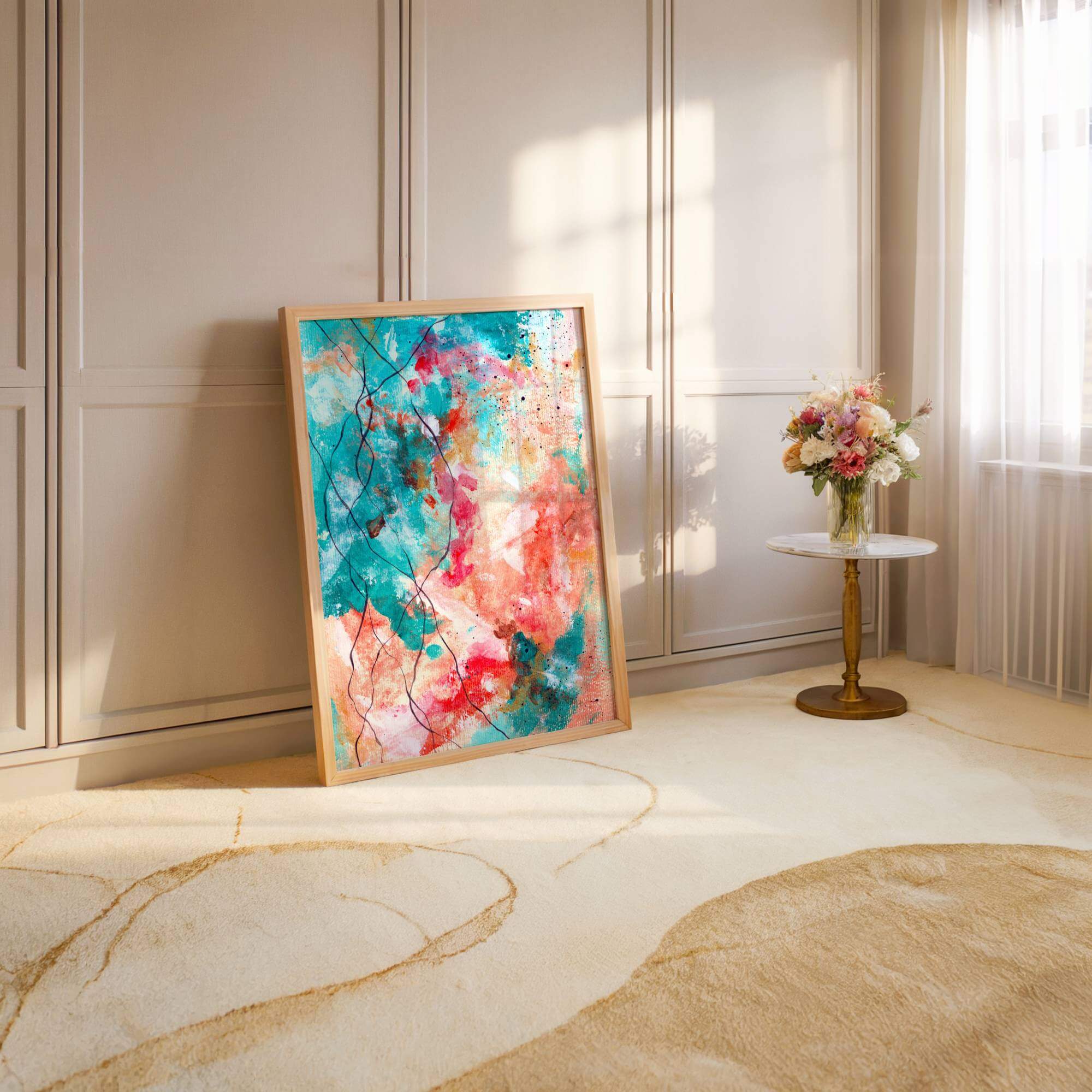
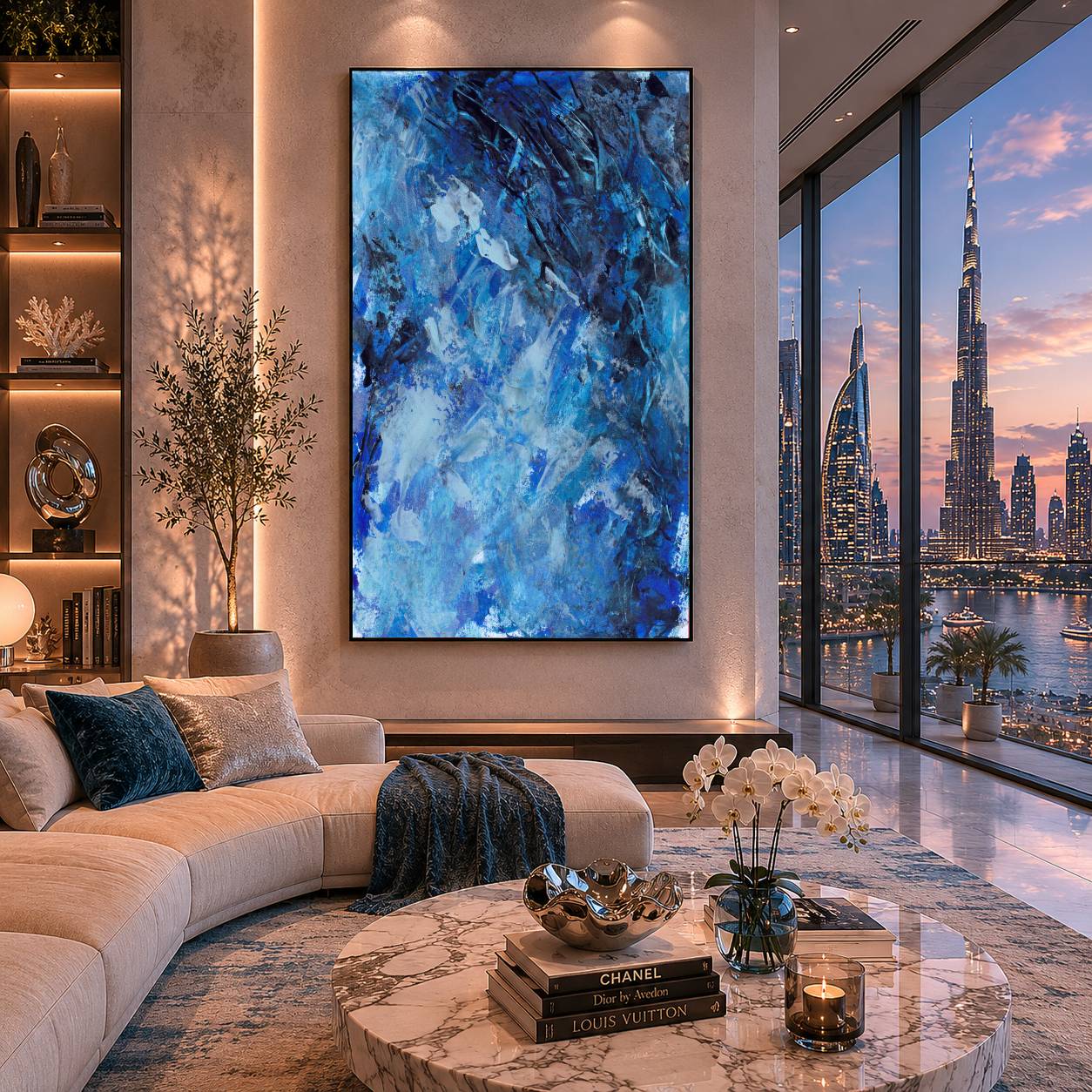
Luxury has never truly been about price. In its early stages, it often appears that way. Rare pieces, carefully curated collections, bespoke experiences, and environments shaped by discernment and access. It can take years, sometimes decades, to build. Yet at a certain point, something else begins to matter far more quietly.
 
It is no longer what you have.
 
It is how your space holds you.
 
Not more objects. Presence.
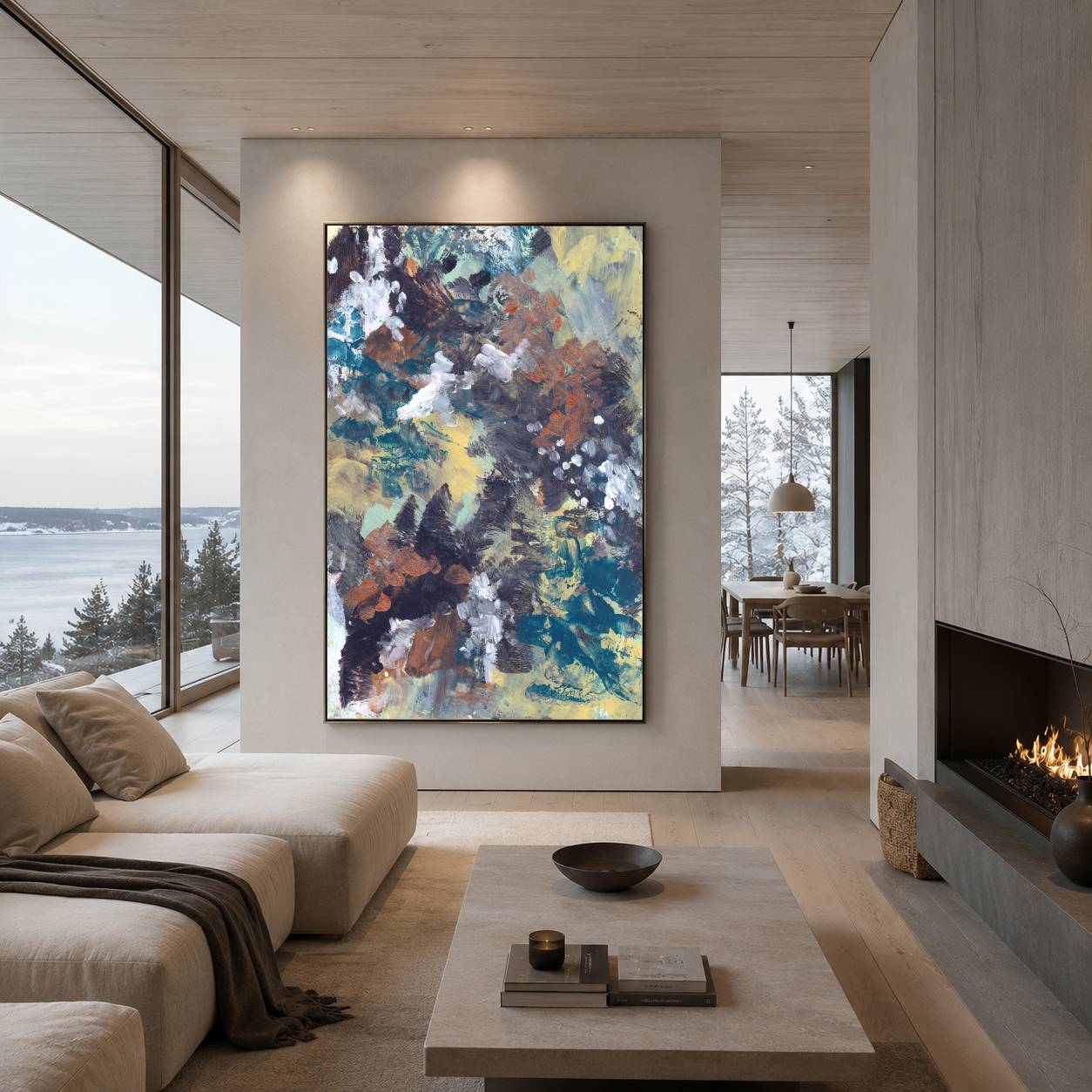
abstract canvas painting with layered texture

The Quiet Shift That Comes After Gathering

For many collectors, luxury begins as a process of accumulation. Homes are refined. Travel expands. Objects are chosen with care. Collections grow slowly, intentionally, and often beautifully. There is satisfaction in curation, in selecting pieces that reflect taste, discernment, and a sense of personal history.
 
Eventually, however, even the most considered spaces reach a form of completion. The rooms feel visually resolved. The walls are dressed. The furniture sits exactly where it should. There is nothing obvious left to add.
 
That is where the shift begins.
 
Not because interest fades, but because adding another object no longer brings depth. The space may feel finished aesthetically, yet emotionally something remains unmet. Nothing is missing visually, but something quieter begins to ask for attention. Presence becomes more valuable than acquisition.
 
This is the point at which my work enters.
 
My collectors rarely arrive at the beginning of their story. They have built careers, carried leadership, raised families, navigated responsibility, and lived inside visible success. They have experienced ownership in many forms. With time, the desire for novelty softens into something more difficult to articulate: a desire to feel held by the environments they inhabit rather than surrounded by more.

What Emotional Presence Feels Like Inside a Space

Presence does not announce itself. It does not entertain, impress, or perform. It is not created through trend, material value, or visual complexity alone. You recognise it not because something stands out, but because nothing demands attention.
 
You enter a space and the room holds you.
 
The kind of presence my work carries lives inside that atmosphere. My pieces do not compete with architecture or furniture. They are not designed to dominate the room or act as visual statements. Instead, they remain with you. They reflect something internal, personal, and often unspoken.
 
The work is not meant to explain itself. It is meant to meet the person living with it.
 
Many collectors struggle to articulate why a particular piece resonates. I do not ask them to try. That knowing exists beneath language. It is rarely about colour, scale, or form. It is about recognition. Something in the work meets something in the person, quietly and without negotiation.
 
This is the same recognition I explore in more depth in The Experience of Stillness, where I write about why collectors are not buying objects, but emotional presence.

Why the Work Is Never Built for Volume
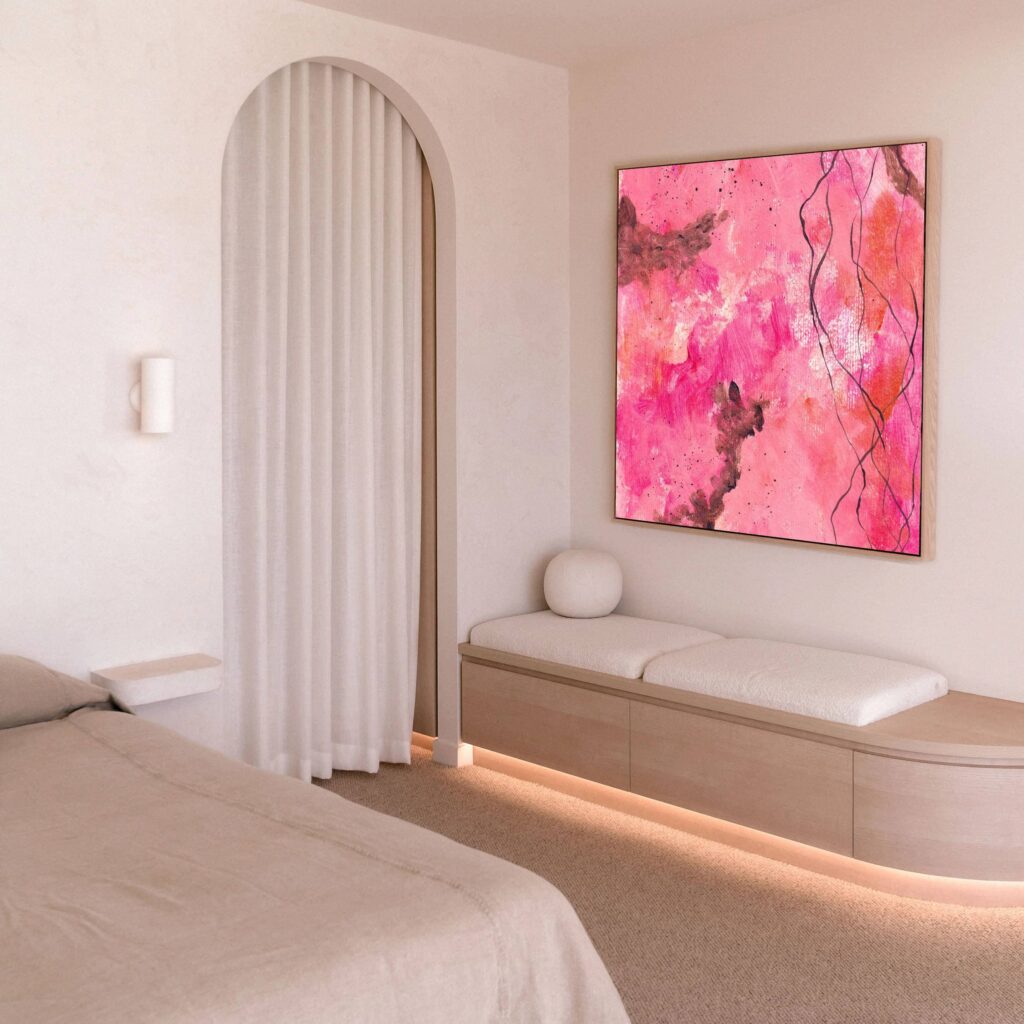
I do not create work according to market cycles or seasonal demand. There is no production calendar designed to maintain momentum or visibility. Some pieces emerge through private processes. Others surface only when they are ready.
 
Every work carries a specific emotional thread that cannot be rushed, predicted, or replicated. Because of this, my collectors do not approach the work as a simple acquisition. They are not purchasing an object to complete a room.
 
They are entering a relationship with something that will live with them privately over time. For collectors encountering private catalogues for the first time, I explain how to approach this kind of work in How to Read a Private Art Catalogue.
 
The work becomes part of the rhythm of the space. It does not perform, fade, or compete. It remains present.
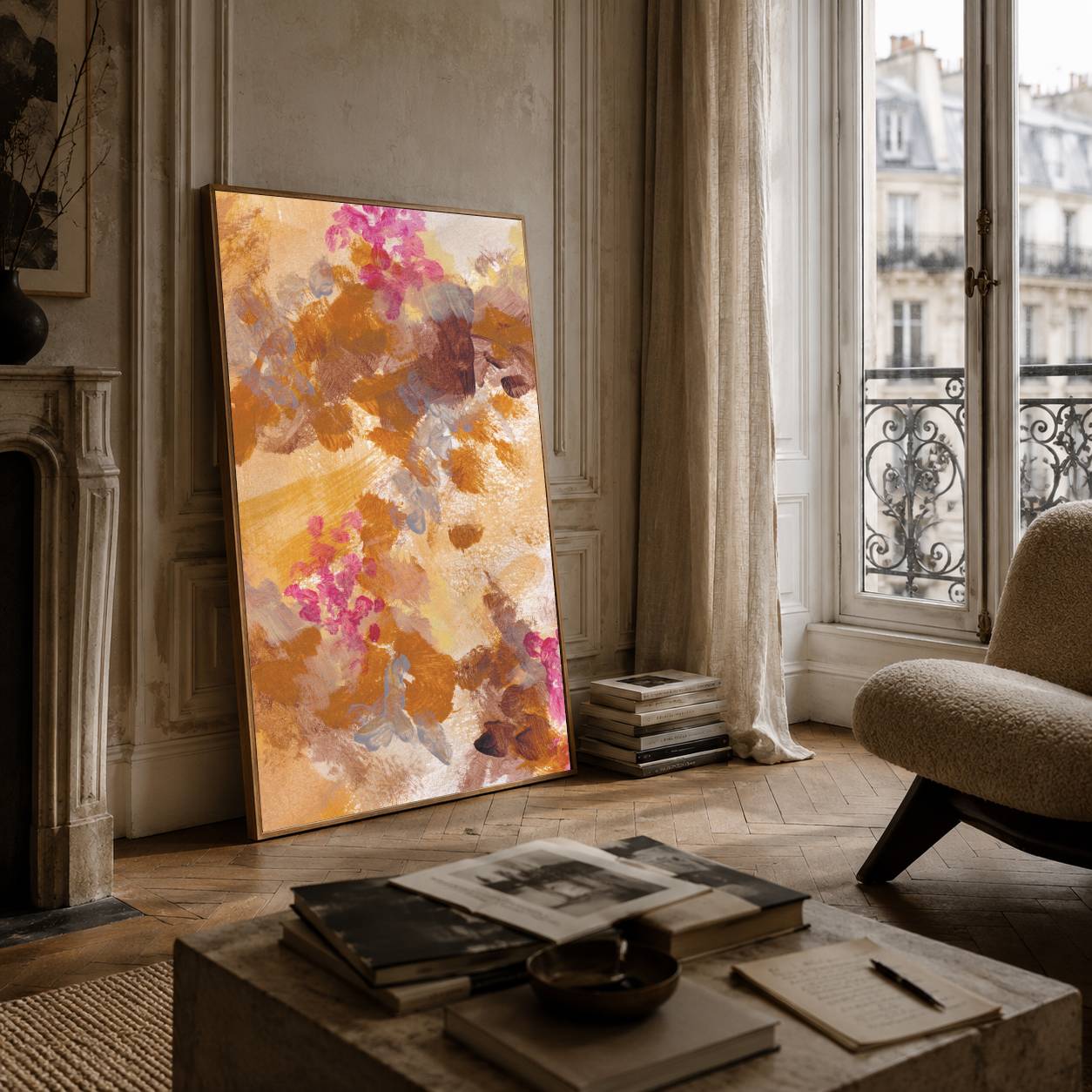
abstract canvas painting with layered texture

The Spaces My Work Belongs To

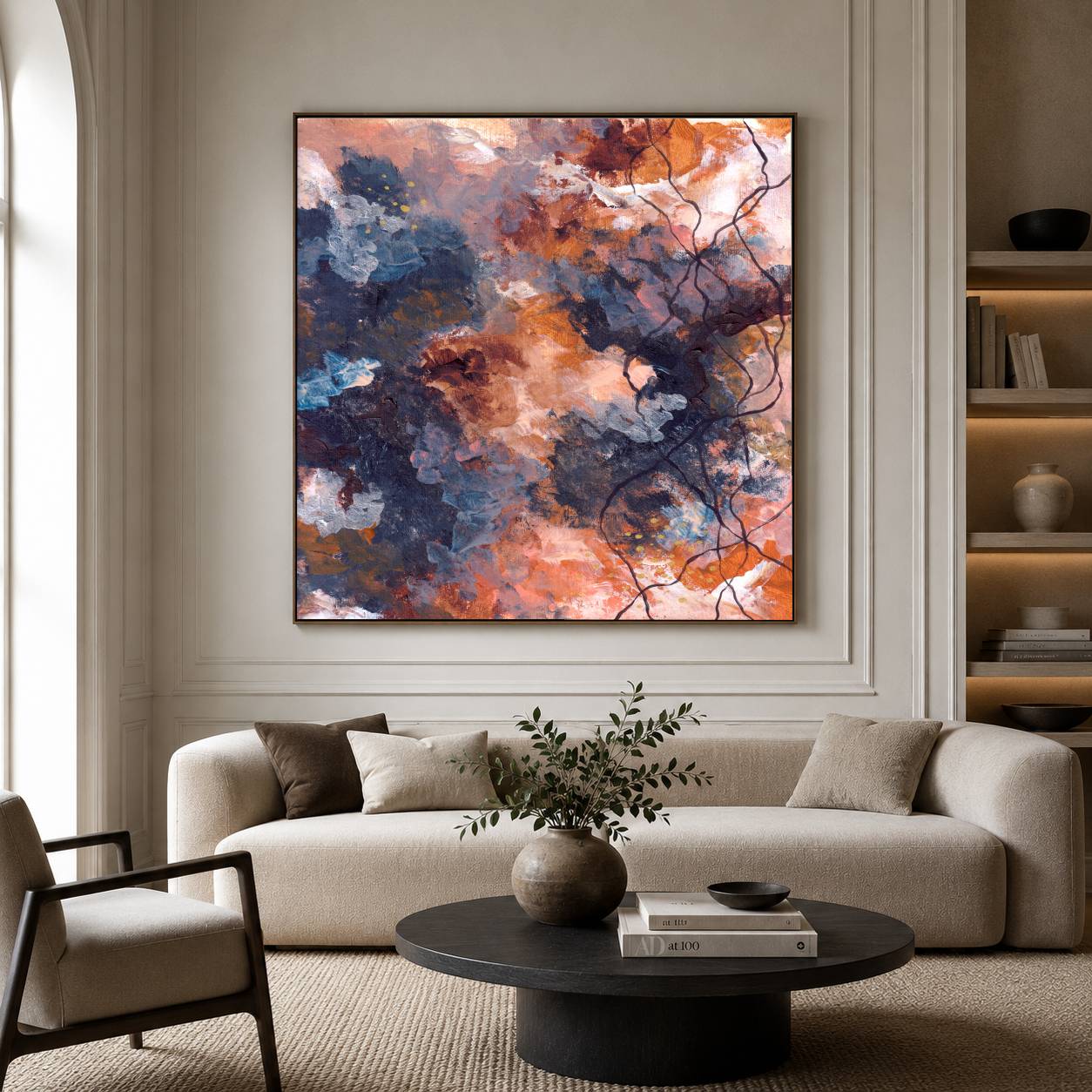
Many of the environments my work enters are already architecturally complete. Materials are exceptional. Design is deliberate. Collections are refined. Yet even in these highly intentional spaces, one element is often missing.
 
Stillness.
 
The people I create for often carry visibility, responsibility, and emotional load that rarely rests. Their private spaces are not stages. They are places of recovery. Rooms where explanation is unnecessary and performance no longer serves. This is also why my work has never been created for universal appeal, something I explain directly in Why My Art Isn’t For Everyone.
 
My work enters these spaces not to impress, but to hold. The art allows the person living there to feel met rather than observed. It becomes part of the space itself, offering grounding rather than stimulation.
 
This is why the work lives most naturally in private environments, something I also unpack in Why My Art Isn’t for Everyone
, where I draw a clear boundary around emotional readiness and recognition.

Stillness as One of the Rarest Forms of Luxury
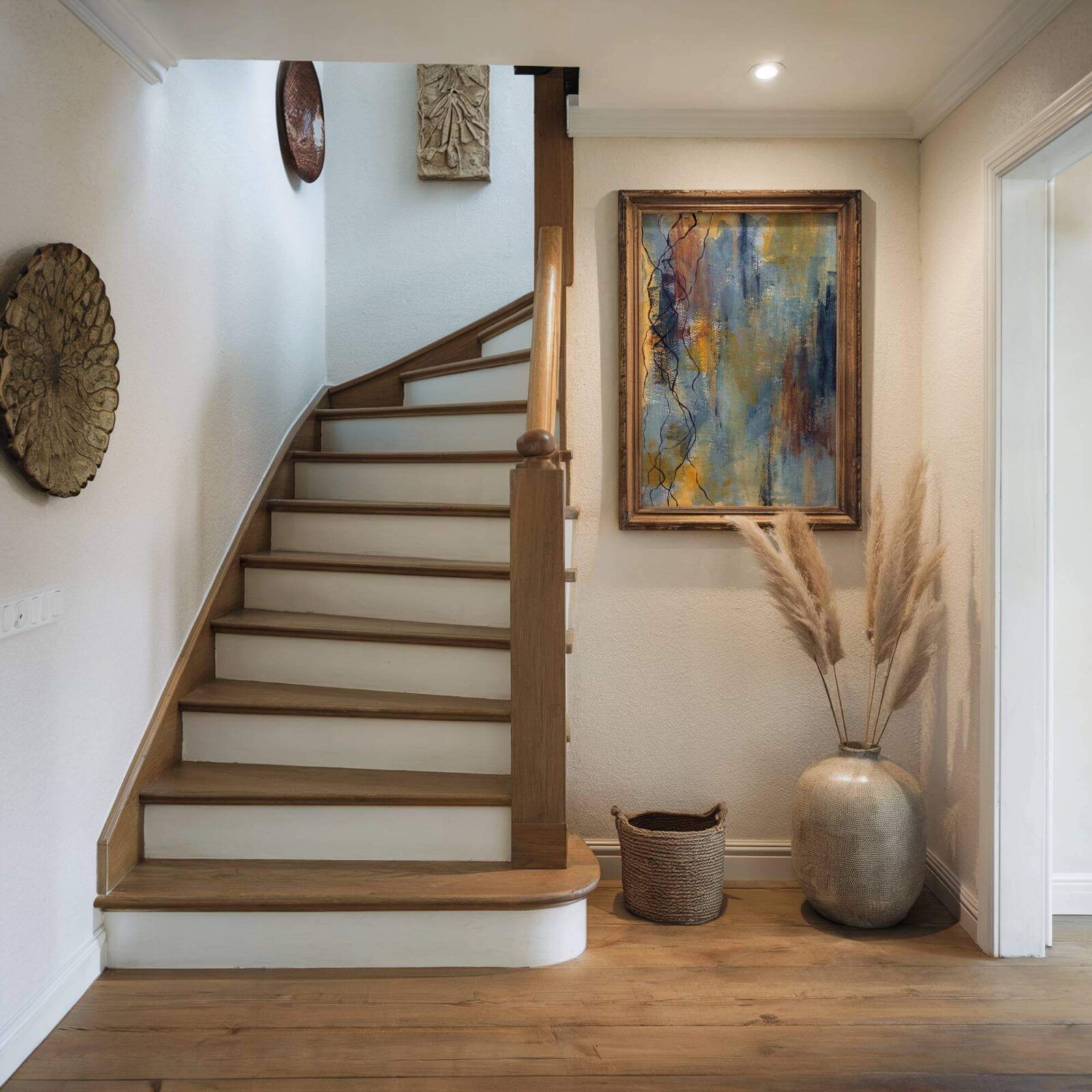
Stillness is rarely sold as a luxury good. Yet for many, it is the hardest thing to allow. After years of decision-making, momentum, and external demand, stillness becomes a privilege rather than a default.
 
Stillness is not emptiness. It is not absence. It is the moment where internal space opens without pressure to resolve or perform. Where what has been carried privately is allowed to exist without explanation. This is also where abstract art can support emotional wellbeing without becoming performative, something I explore in 5 Ways Abstract Art Can Boost Your Mental Health & Well-Being.
 
This is what my work holds.
 
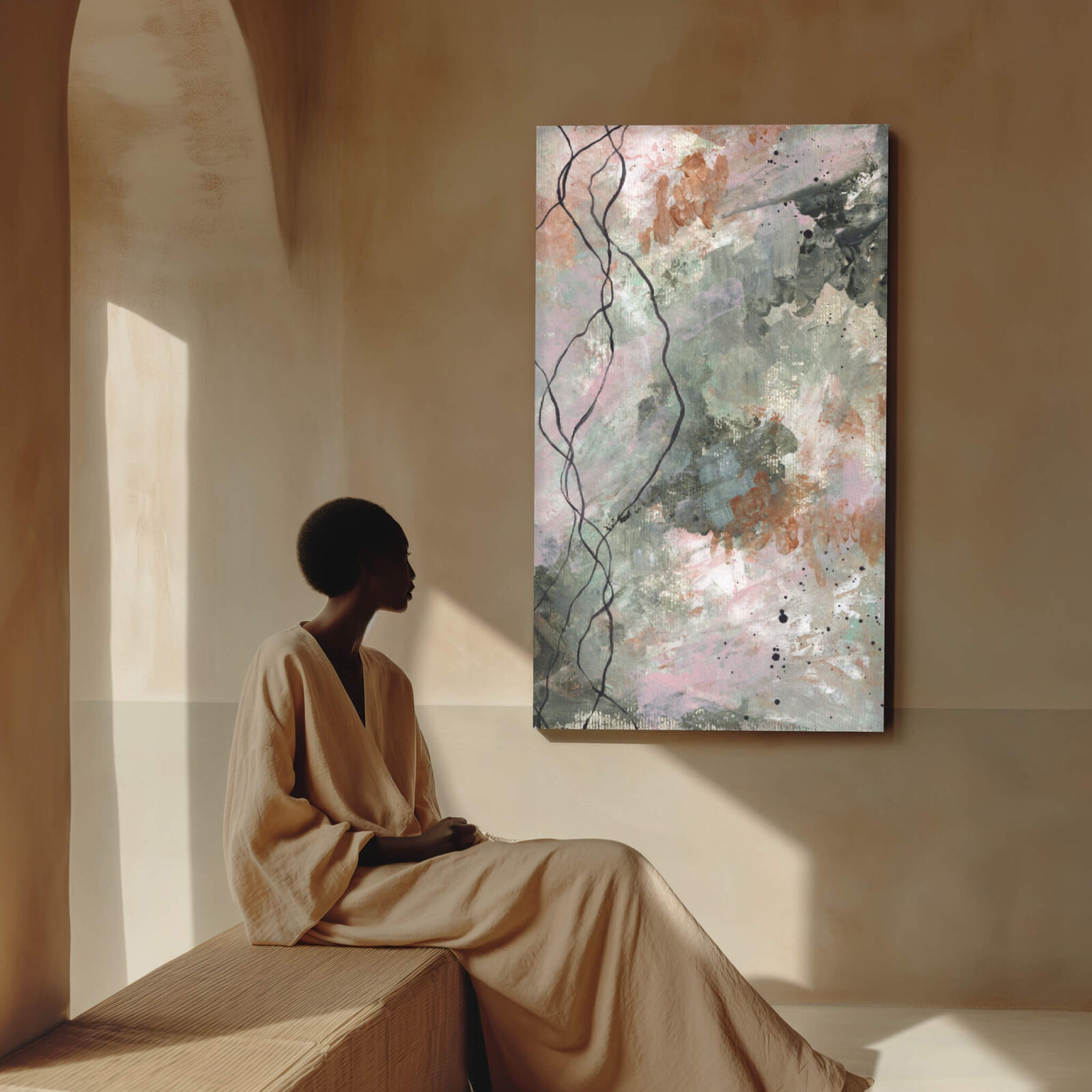
Collectors often describe how their experience of the work changes over time. Not because the piece shifts, but because they do. The work remains stable. The relationship evolves. That continuity is what gives the work its depth.
abstract canvas painting with layered texture

Why This Work Is Not Made for Everyone

There are people who want art that explains itself immediately. That performs on cue. That can be discussed, displayed, and understood quickly. My work does not offer that.
 
It asks for no performance and provides no instant answers.
 
The people who recognise it are not looking for more objects. They have already gathered. What they seek now is presence. Something that can live with them quietly, without requiring constant engagement to remain meaningful.
 
This is art not for everyone. It is art for those who have reached the point where accumulation is finished and depth becomes the priority.

What Clients Say

“We thought we were commissioning a piece of art. We ended up creating a space that feels like a sacred pause.”
— Interior Designer, Devon

“It’s not loud, but it changes the entire energy of the room. People always stop and breathe when they walk in.”
— Executive Client, London

“It reminds me to be present every time I see it. It’s become part of my daily rhythm.”
— Private Collector, Edinburgh

What Emotional Anchoring Looks Like Over Time
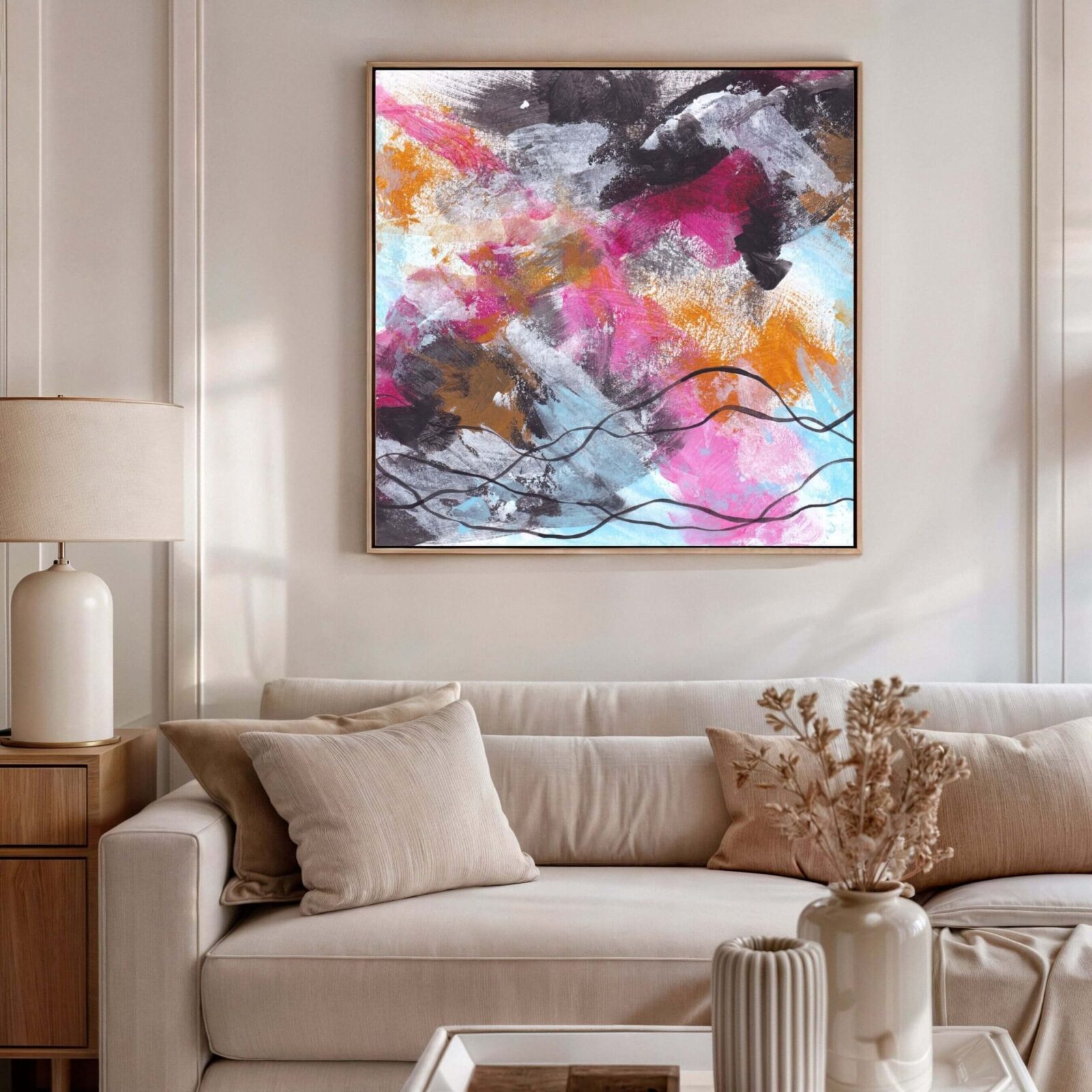
Collectors often speak about how the work becomes part of their daily rhythm. It is not admired in passing. It is returned to. Sometimes consciously, sometimes without noticing.
 
The piece holds memory, weight, and experience without narration. It does not tell the story. It carries it.
 
Over time, this creates a form of emotional anchoring. The space feels steadier. Less demanding. More capable of holding whatever season of life unfolds next. This is not decoration. It is relationship.
This distinction between decorative work and long-term emotional anchoring is also why serious collectors do not treat prints as a compromise, which I break down in What Makes a High-End Art Print Worth the Price.
 
For those interested in how this differs from decorative work, I explore that distinction in What Makes a High-End Art Print Worth the Price
, where longevity, material integrity, and emotional presence intersect.

What Luxury Becomes After Ownership

At first, luxury feels like achievement. Ownership signals arrival. Objects become markers of success. Over time, however, luxury begins to change shape.
 
It becomes permission.
 
Permission to stop performing. Permission to inhabit space without explanation. Permission to feel held inside one’s own environment without the need for validation. Presence replaces performance. Stillness replaces accumulation. This quieter definition of luxury is something I also explore in Why Legacy Doesn’t Have to Be Loud.
 
This is why I create.
 
Not to fill walls. Not to produce objects. But to offer something that remains long after everything else has already been gathered.

Conclusion

Everything I create is built to remain. The work does not perform for the room or explain itself to visitors. It exists to hold space for those who no longer need to gather, but want to live inside something that quietly reflects who they have become.
 
At a certain point, presence is what remains when everything else has already been accomplished.
 
That is the weight my work carries. Not more things. Presence.

Frequently Asked Questions About Emotional Presence in Art

What does emotional presence in art actually mean?

It refers to how a piece is felt rather than how it is explained. Emotional presence allows the work to hold space without demanding interpretation or attention.

Is this type of art suitable for contemporary interiors?

Yes. Emotional presence does not depend on style. It integrates most naturally into spaces where restraint, depth, and quiet intention already exist.

Do collectors need to understand the meaning of the work?

No. In fact, many relationships deepen precisely because the work does not require explanation.

Why does this work feel different over time?

The work remains stable. The person living with it changes. Meaning unfolds through relationship, not novelty.

Is emotional presence the same as calming art?

No. Calm aims to soothe. Presence aims to hold. One reduces stimulation, the other supports depth.

Why is this work produced in limited quantities?

Because emotional specificity cannot be scaled. Depth requires restraint.

How do people know if this work is right for them?

Recognition usually arrives before logic. If the work feels familiar rather than exciting, that is often the signal.