Legacy is often mistaken for visibility. We’re taught that to matter, we must be known. To succeed, we must be seen. To leave something behind, it must echo loudly through public spaces, platforms, and headlines. But what if that’s not true?
What if legacy isn’t about being seen everywhere, but being felt deeply by the right few?
Loudness Is a Modern Myth
We live in a culture of performance. Of always being online. Of doing more, posting more, being more. And in the process, we’ve begun to equate noise with meaning.
But the loudest messages are often the most hollow. Visibility is not always valued. Legacy is not always loud.
Some of the most powerful presences are quiet. The teacher who changed your life but never published a book. The artist whose work never filled galleries but filled something in your chest. The person whose words you remember not because they were amplified, but because they were real.
We remember not because of volume but because of resonance. The difference between being visible and being vital.
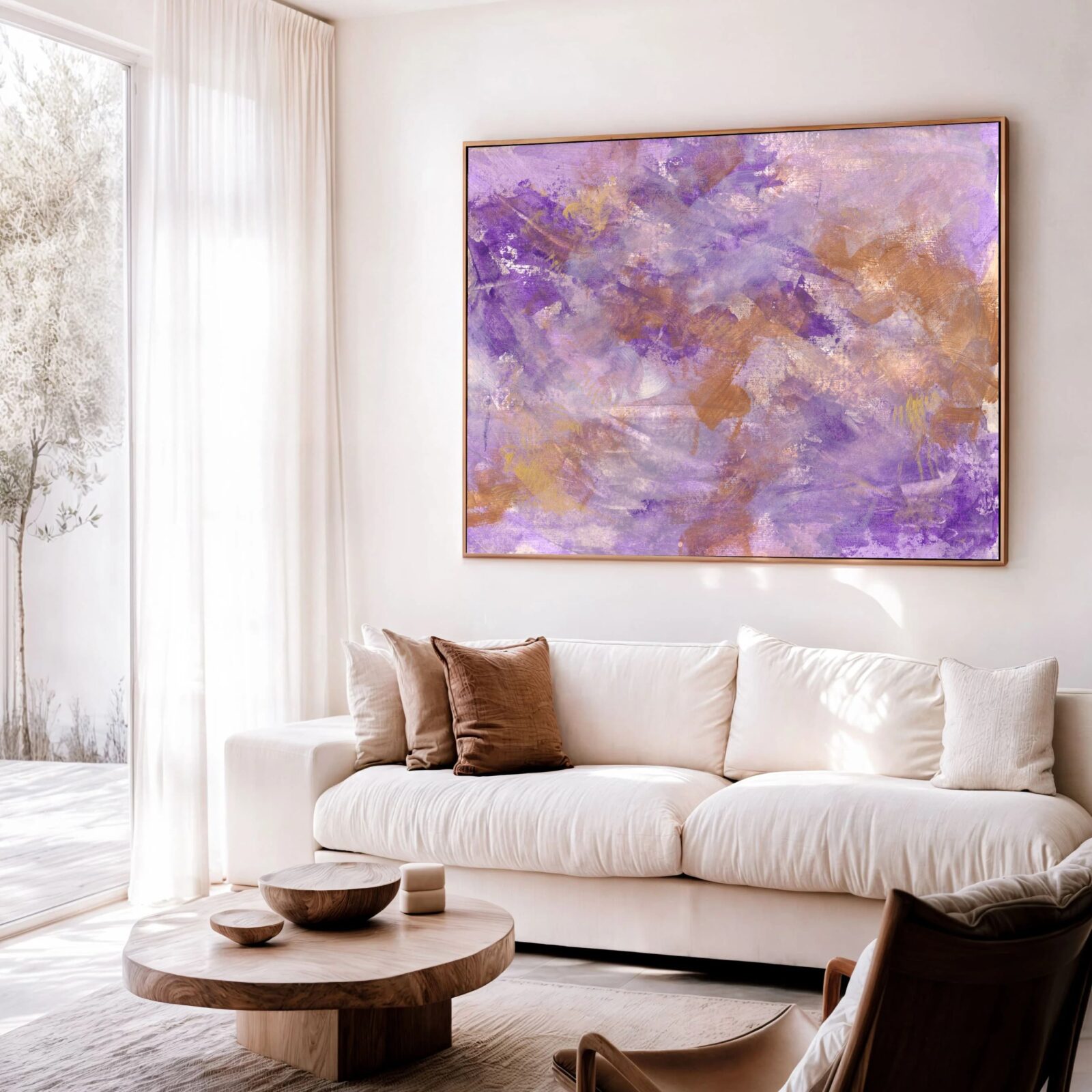
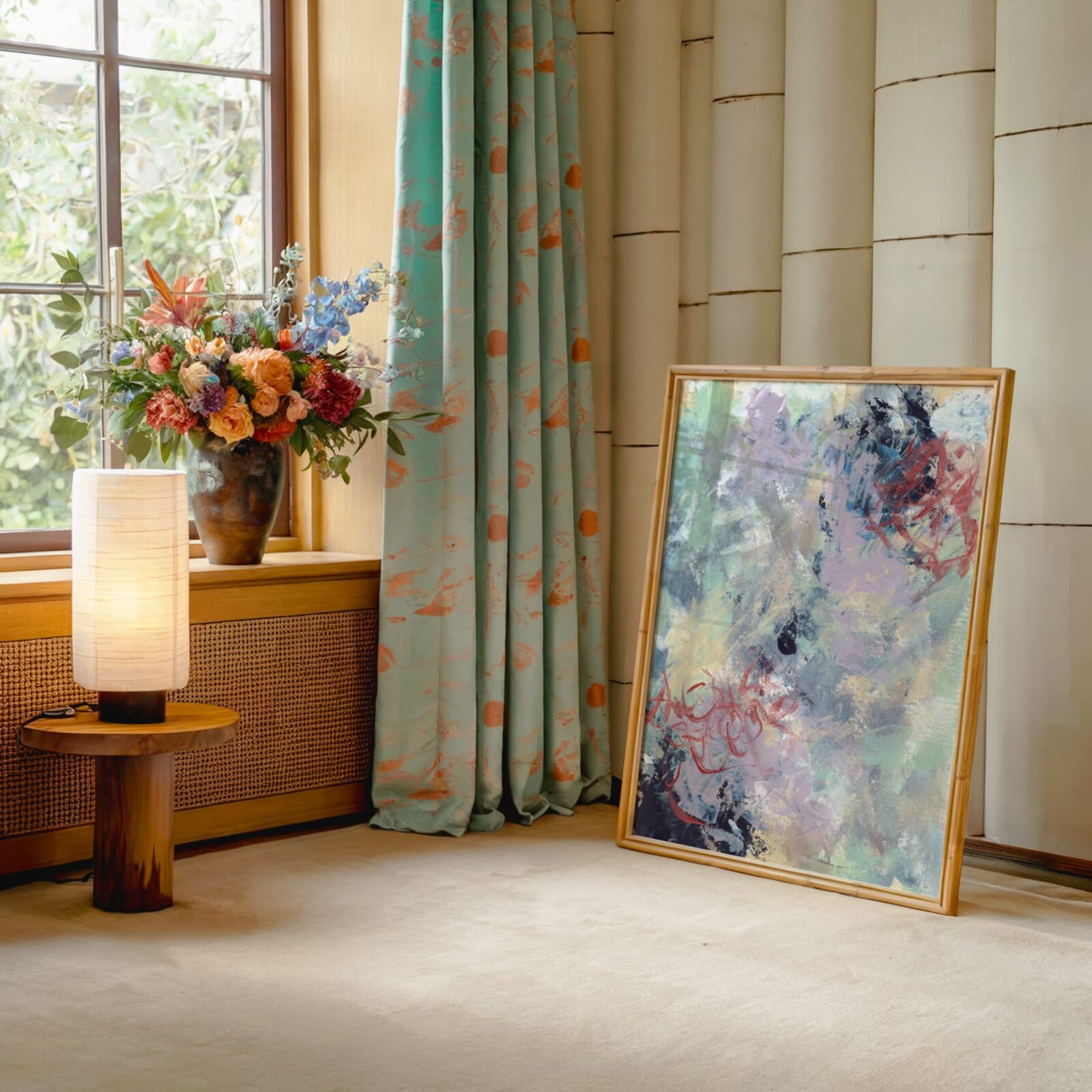
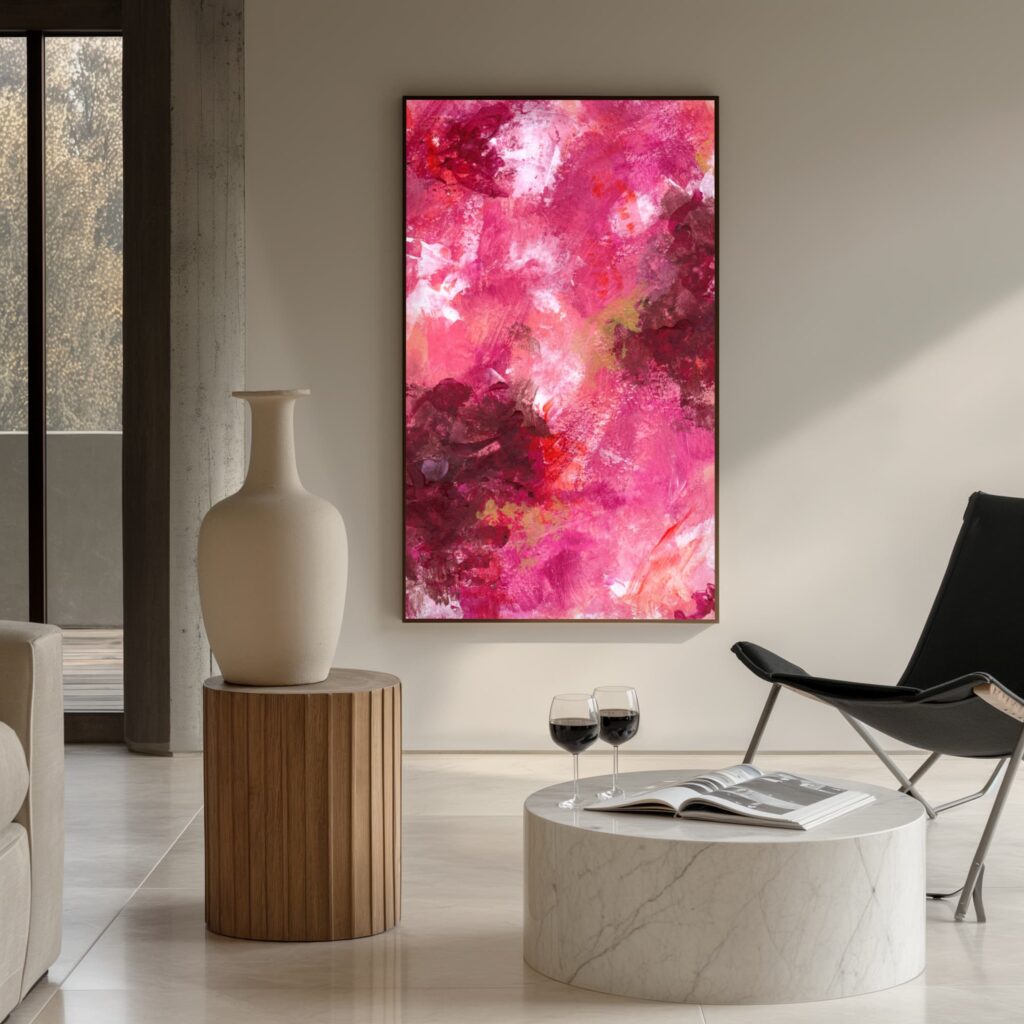
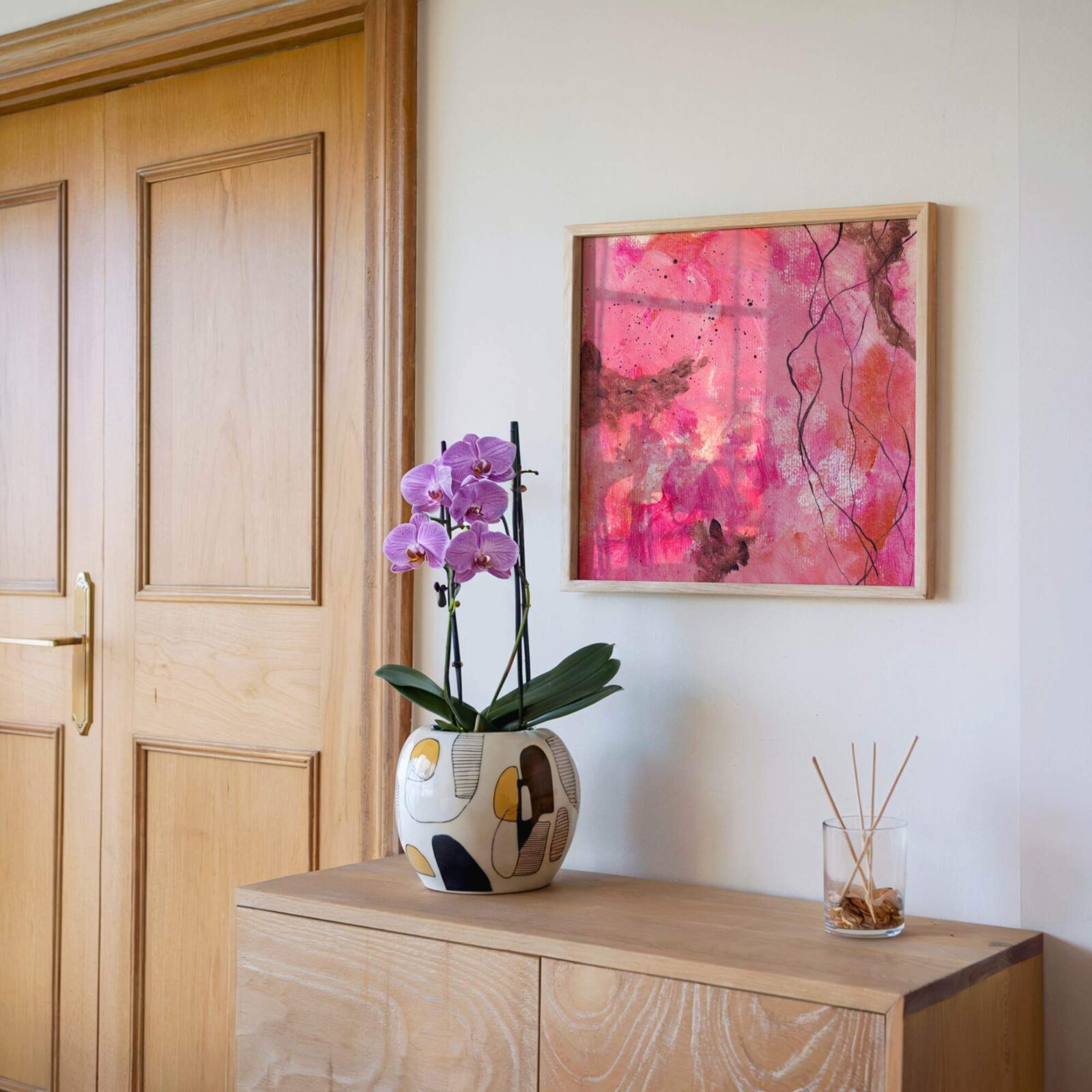
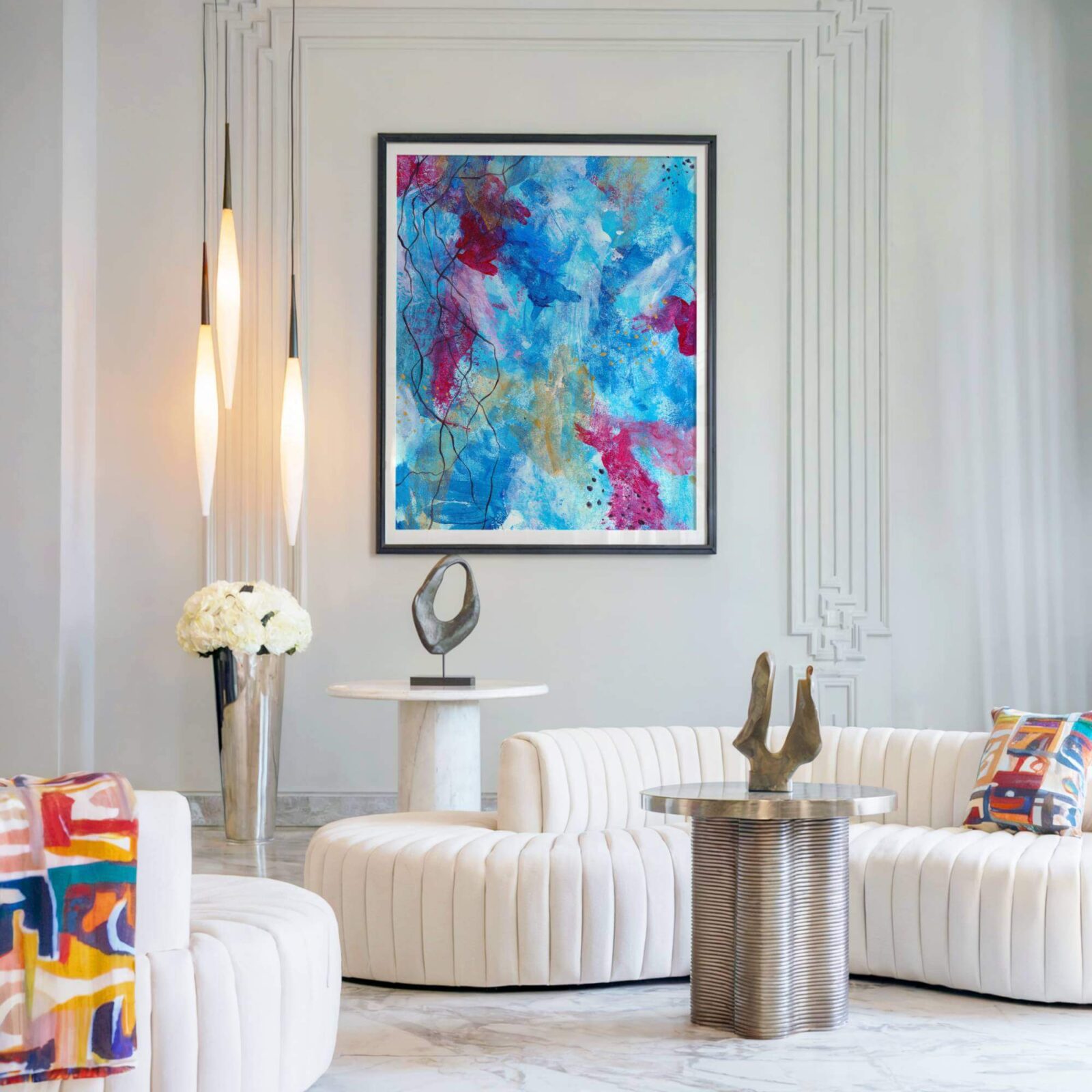
This is something I see echoed again and again in how people respond to art that holds presence rather than spectacle. It aligns closely with what I explore in emotionally intelligent interiors, where depth and emotional coherence matter more than display.
Emotional Resonance Outlasts Recognition
I create art that holds a presence. Work that people don’t just see, they feel. Over time, I’ve come to understand that this is what legacy actually is.
Not what gets reposted. Not what goes viral. But what stays.
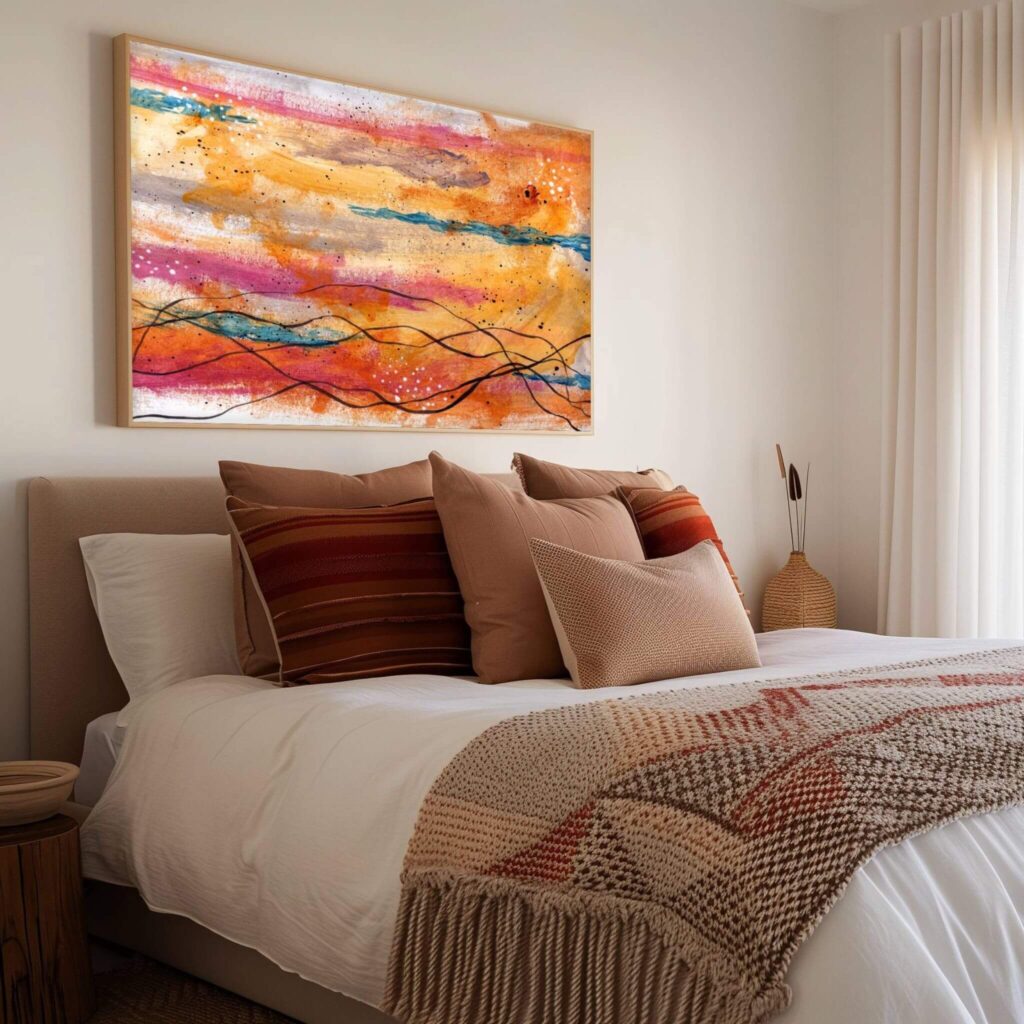
What lingers in someone’s home, their mind, their inner landscape. What subtly shifts the atmosphere of a room without demanding attention. What becomes part of someone’s daily rhythm.
The true legacy lives in emotional resonance. In how someone exhales when they stand in front of a piece that mirrors something they couldn’t name until now. In how silence becomes meaningful. In the spaces we hold, not just the ones we fill.
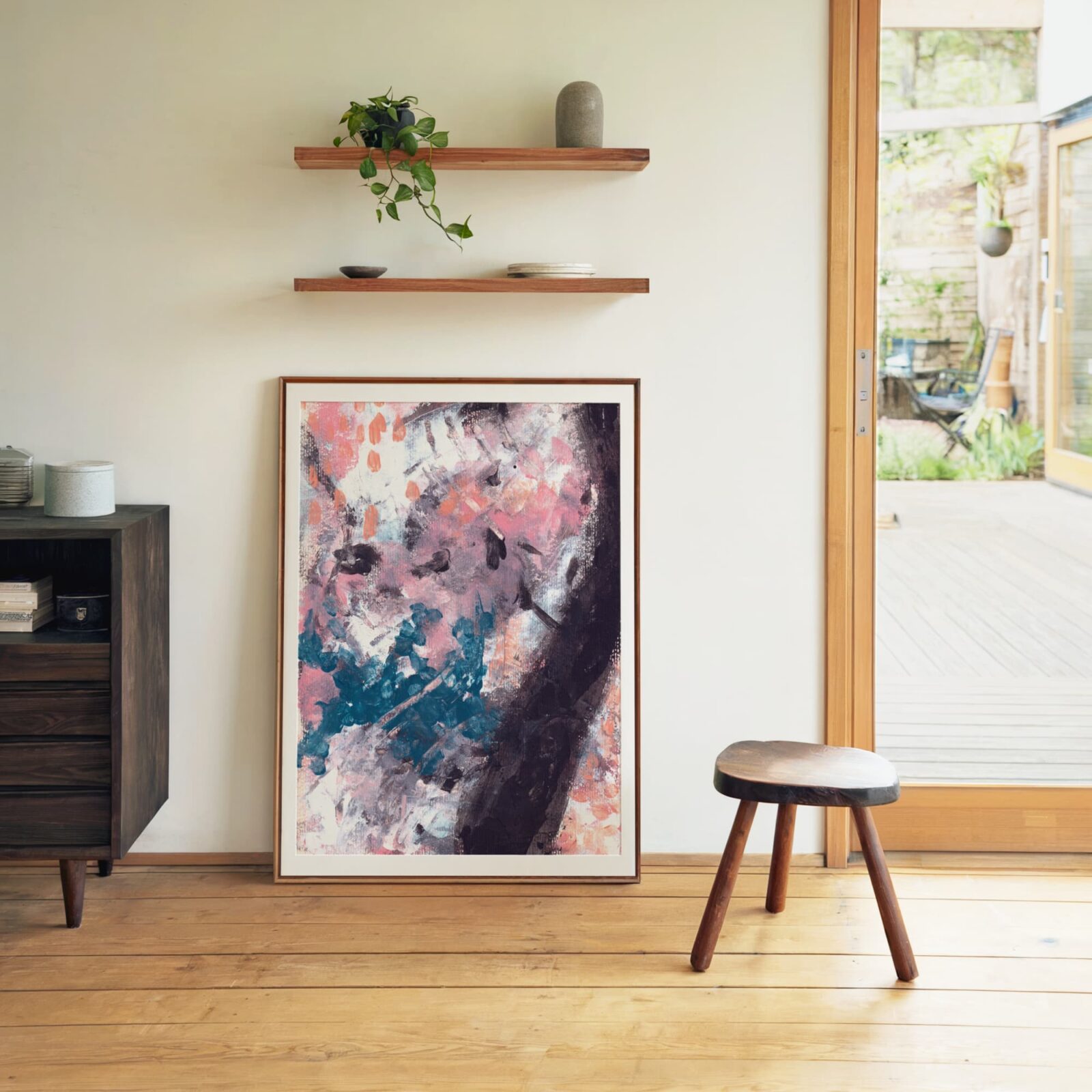
This is why abstract art, in particular, plays such a powerful role in environments designed for reflection, leadership, or recovery. It bypasses explanation and works directly on perception and feeling, a relationship I explore more deeply in abstract art and mental health.
Real impact happens in stillness. When people let their guard down. When they stop performing and start feeling. That is when the work does its job. Not when it is broadcast, but when it is absorbed.
Creating in Quiet Is Not Hiding
There is a difference between invisibility and intentional privacy. Between shrinking and refining. Between retreating and reclaiming.
I don’t share everything I create. Not because I’m unsure of it, but because some work is meant to be offered with care. Some things are not designed for mass consumption. They are designed for intimacy.
Quiet doesn’t mean disconnected. It means intentional. Selective. Rooted.
When someone chooses to step closer rather than scroll past, that moment carries weight. Not because it was pushed, but because it pulled. Quiet does not mean absent. It means sacred.
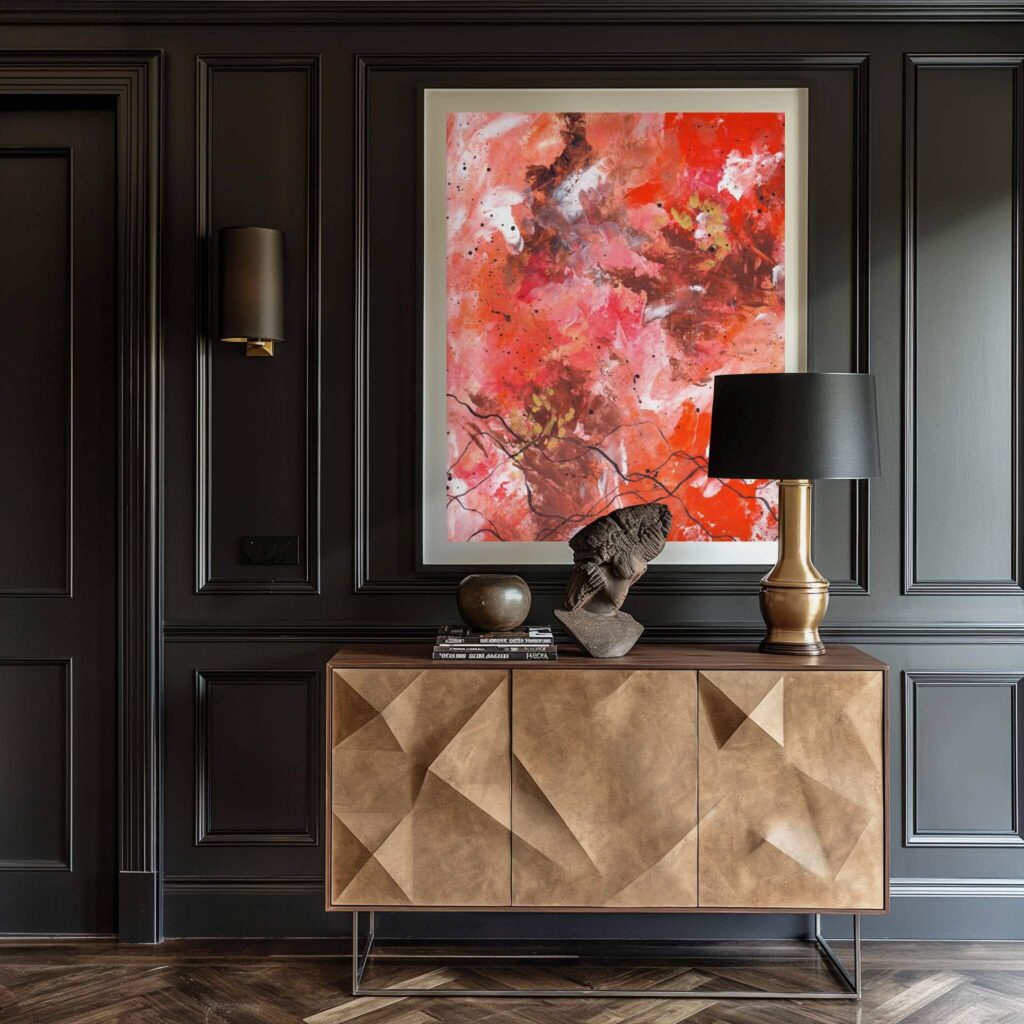
When I create in quiet, I am not avoiding the world. I am meeting it in a more honest way. Choosing presence over performance, which is also why I’ve always resisted turning the work into décor or trend. That philosophy underpins how I think about what truly makes art luxury, beyond price or visibility.
The Fear of Being Forgotten
Most creatives have felt it. The fear that if you’re not posting, pitching, performing, you’re disappearing.
But here’s what time teaches you.
Being remembered isn’t about being available everywhere. It’s about being unforgettable somewhere.
I would rather my work live in a handful of spaces where it genuinely shifts the atmosphere than be seen by thousands and felt by none.
When work carries truth, people come closer in their own time. You don’t need to chase. The right people are not watching for frequency. They are responding to feeling.
And when someone tells you that a piece gave them language for something they couldn’t previously name, that is proof that it landed. Quietly. Fully. Without applause.
Silence does not mean failure. Sometimes silence is the echo of depth. Of something landing so deeply that it takes time to surface.
Building Legacy as a Sanctuary
Legacy, to me, is a sanctuary. Not the spotlight, but the room behind it. The place where people can feel without needing to perform. Where stories are honoured without spectacle. Where beauty doesn’t ask for approval.
I am no longer building to be seen everywhere. I am building to last. To hold. To reflect.
When I think of legacy now, I think of rooms with breath in them. Of art that listens rather than shouts. Of people who quietly say they don’t know why something moved them, only that it did.
That is not visibility. That is visceral.
And it stays.
A Quiet Legacy Is Still a Powerful One
If you’re reading this and something in you is tired of the noise, know this: your work can matter without spectacle. You can build something meaningful without broadcasting every step.
The people who are meant to feel your work will feel it. Legacy doesn’t have to echo across platforms. It only has to echo in the right hearts.
Presence doesn’t need performance. It needs truth.
Quiet is not the absence of success. It is the shape of it, refined.
What Clients Say
“We thought we were commissioning a piece of art. We ended up creating a space that feels like a sacred pause.” — Interior Designer, Devon
“It’s not loud, but it changes the entire energy of the room. People always stop and breathe when they walk in.” — Executive Client, London
“It reminds me to be present every time I see it. It’s become part of my daily rhythm.” — Private Collector, Edinburgh