
Art for Executive Focus: Why Leaders Choose Stillness on Their Walls
Executives spend their days inside environments that pull at their attention from every direction. Meetings fill the calendar. Decisions pile up. The pressure to stay ahead never really drops. In the middle of this constant noise, most leaders try to rely on discipline, willpower, and experience to keep themselves grounded. Yet the truth is simpler and far less romantic. The environment shapes leadership performance long before motivation ever gets involved.
An executive office is not just a room. It is the emotional atmosphere where decisions are made, strategies are formed, and internal stability is either supported or quietly dismantled. Most offices are designed for efficiency rather than clarity, which creates spaces that look professional but never feel settled. They are filled with busy artwork, unnecessary objects, or bare walls that create a kind of emotional emptiness. None of this supports the nervous system that drives high-level thinking.
This is where stillness enters. Stillness in art, stillness in colour, stillness in the emotional landscape of a room. The most intelligent leaders are beginning to choose artwork for reasons that have nothing to do with décor and everything to do with the way their environment affects their ability to think clearly. Art for executive offices has become less about display and more about anchoring. Less about impressing visitors and more about regulating internal states so leaders can work from steadiness rather than survival mode.
This article explores why stillness matters, how the visual environment shapes leadership behaviour, what emotionally intelligent artwork does that decorative pieces cannot, and why the Collector’s Vault is increasingly chosen by leaders who want depth on their walls rather than noise.
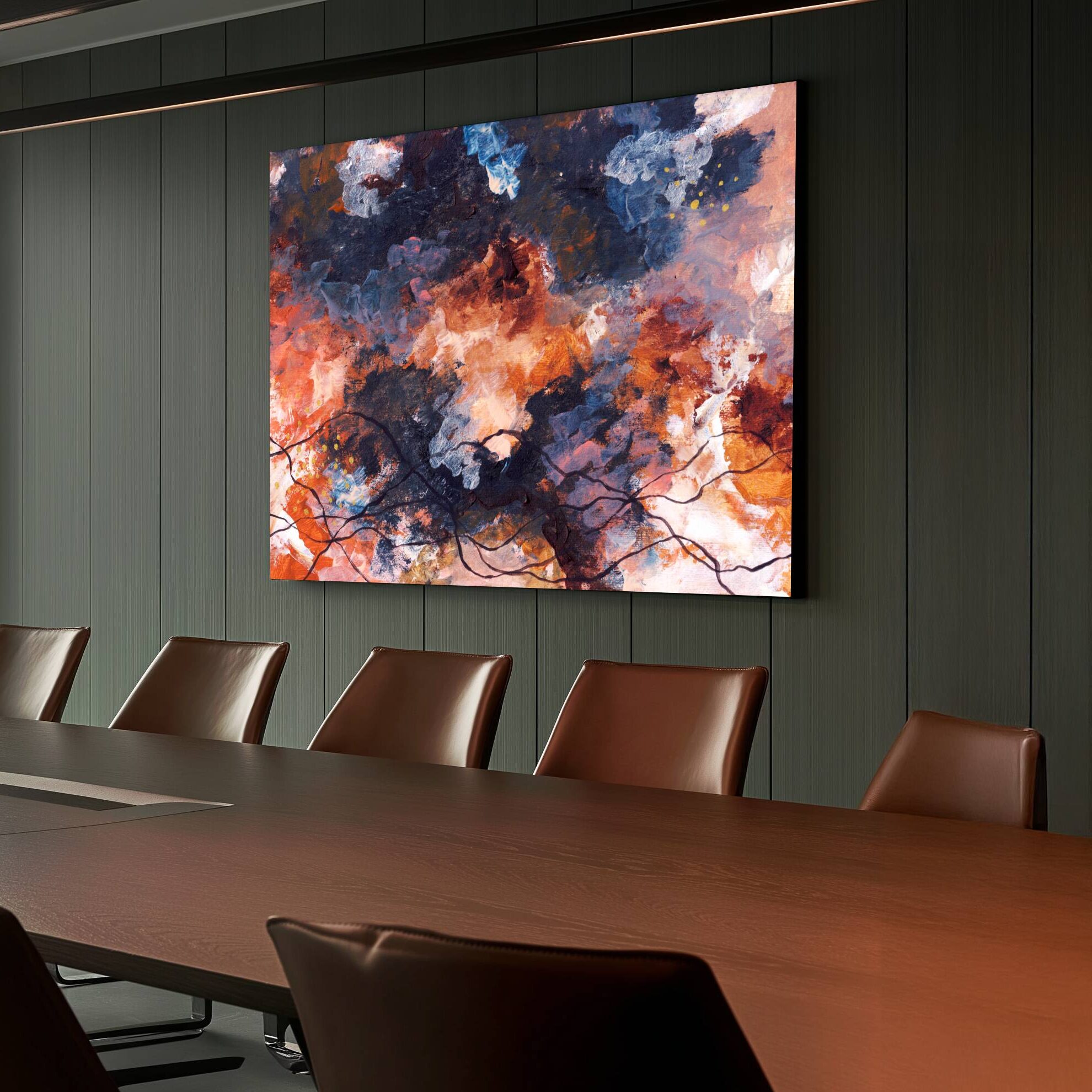

Leadership Requires Clarity, Not Stimulation
There is a misconception that executives need environments full of inspiration and stimulation to fuel creativity or drive. In reality, most leaders are already overloaded. Their minds run at the speed of the organisation and rarely slow down long enough to breathe, let alone reflect. Stimulation does not help them. It scatters their attention.
Leadership is not about speed. It is about clarity. It requires the ability to separate what matters from what is simply loud, and to sense the emotional temperature of a situation without being pulled into it. When an executive works inside a visually busy or emotionally cluttered space, the mind mirrors that clutter. Focus becomes more labour intensive. Emotional balance becomes more fragile. Decision-making becomes reactive rather than grounded.
The right art supports clarity because it supports the nervous system. It does not overwhelm the senses. It quiets them. It brings a visual stillness that allows the mind to settle into its full capacity. When a room no longer demands attention, the mind finally has space to think.
How Noise in the Environment Becomes Noise in the Mind
Most people underestimate the connection between the environment and the nervous system. The brain is constantly receiving sensory information even when you believe you are ignoring it. The colour of the walls, the contrast in the artwork, the shapes in the room, the presence or absence of emotional resonance, and the overall coherence of the space all affect the nervous system long before the conscious mind catches up.
-
- Sharp shapes activate subtle stress signals.
- Loud colours increase background stimulation.
- Bare walls create emotional emptiness that the brain fills with noise.
- Generic décor feels meaningless and therefore unanchoring.
This does not mean executives are fragile. It means they are human. When the environment is in conflict with the nervous system, the mind works harder to maintain the same level of clarity. Leaders often call this “mental fatigue” without realising it originates in the visual field.
Emotionally intelligent art reduces this noise. It brings coherence, depth, and stillness into the room, which allows the brain to process less and think more.
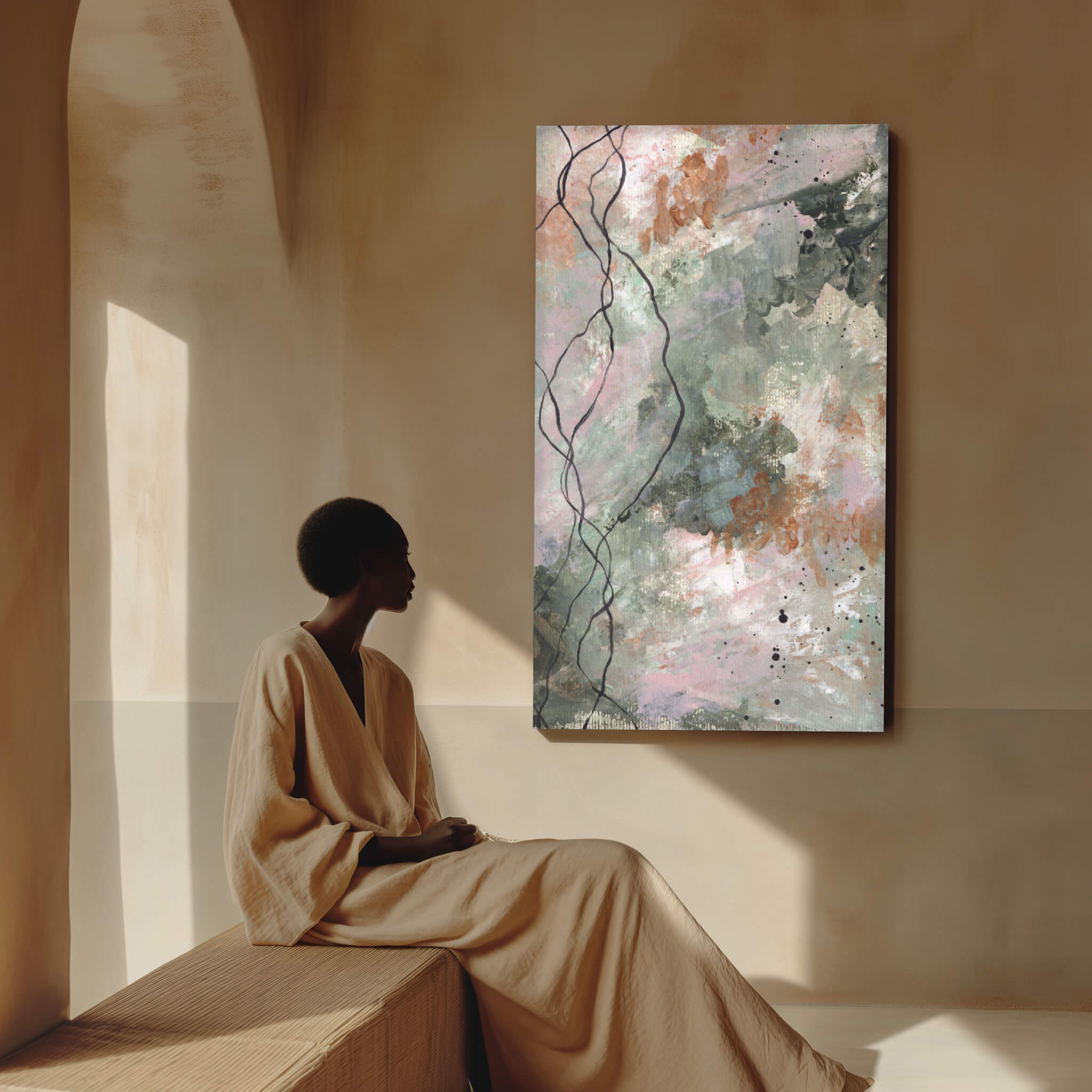
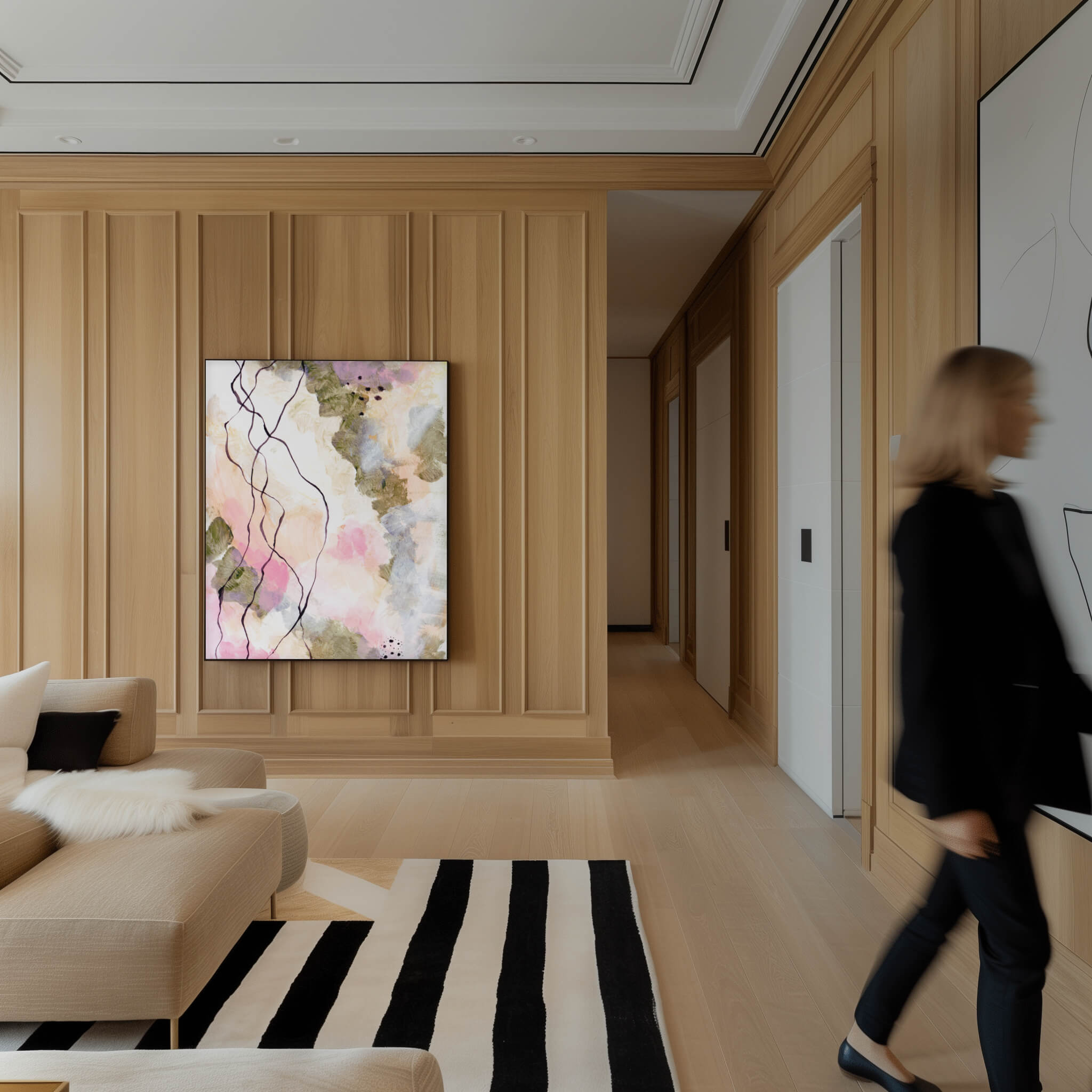
The Psychology of Stillness in Executive Spaces
Stillness is not the absence of movement. It is the presence of calm within movement. In visual terms, it is the quality of art that holds space without demanding attention. It allows the eyes to rest. It gives the nervous system an anchor. It communicates depth without shouting for relevance.
Executives gravitate toward stillness because stillness gives them what their days often do not. It restores internal space. It creates a moment of groundedness in an environment that typically encourages constant forward motion. When an artwork contains emotional presence, it changes how the room feels. When the room feels different, the person inside it begins to think differently.
Stillness is not passive. It is powerful. It is a reminder that clarity is created, not forced.
Emotional Anchoring: How Art Regulates Leadership States
Leadership requires emotional intelligence, steady regulation, and the ability to respond without collapsing into stress. While many leaders work on these skills through coaching or practice, few realise how much of their emotional state is influenced by the room they spend most of their time in.
Emotionally intelligent artwork creates a form of grounding through visual depth and subtle coherence. It becomes a stabilising element in the environment. The artwork absorbs some of the emotional charge that conversations accumulate throughout the day. It holds the room in a way that allows the leader to hold themselves.
When the artwork contains resonance rather than noise, the nervous system responds by lowering its baseline stress levels. This does not happen consciously. It happens through the same instinctive processes that allow humans to sense whether a room feels safe or unsettling. A grounded artwork signals safety. Safety allows leadership states such as clarity, patience, and presence to emerge more naturally.
The Difference Between Decorative Art and Emotionally Intelligent Art
Decorative art fills space. Emotionally intelligent art holds space.
Decorative art is typically chosen to match colours, demonstrate taste, or fill a blank wall. It is visually pleasant but emotionally empty. It does not interact with the nervous system. It does not carry presence. It does not offer depth. It often adds to the noise in the room because it introduces visual stimulation without emotional grounding.
Emotionally intelligent art is chosen for its presence. It has a weight to it, not in heaviness but in depth. It offers a sense of quiet resonance that supports reflection, decision-making, and emotional stability. It shifts the tone of the office because it invites breathing, not tension. It creates an internal pause without demanding external attention.
Leaders who choose emotionally intelligent art are not decorating. They are designing the conditions for better leadership.
Why High-End Offices Are Shifting Toward Quiet Aesthetics
The trend of loud interiors and maximalist environments has lost momentum in executive spaces because leaders have realised something simple. They perform better when their environment feels calm. They think more clearly when their surroundings are not competing with their attention. They communicate with more depth when the room creates emotional space.
Quiet aesthetics support authority, not by imposing it but by grounding it. They reflect confidence without theatrics. They allow the leader’s presence to be felt because the room is not trying to perform.
This is why art for executive offices has evolved. The new luxury is not showmanship. It is stillness.
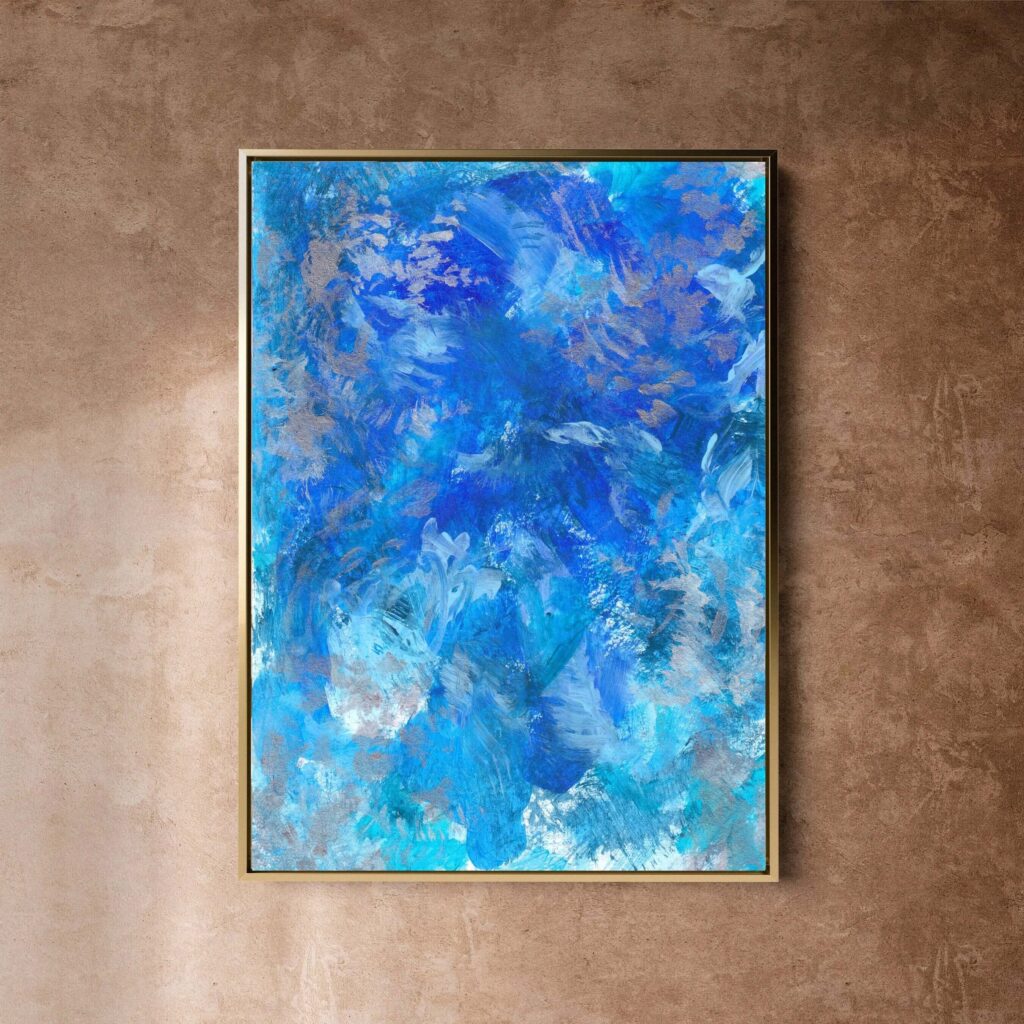
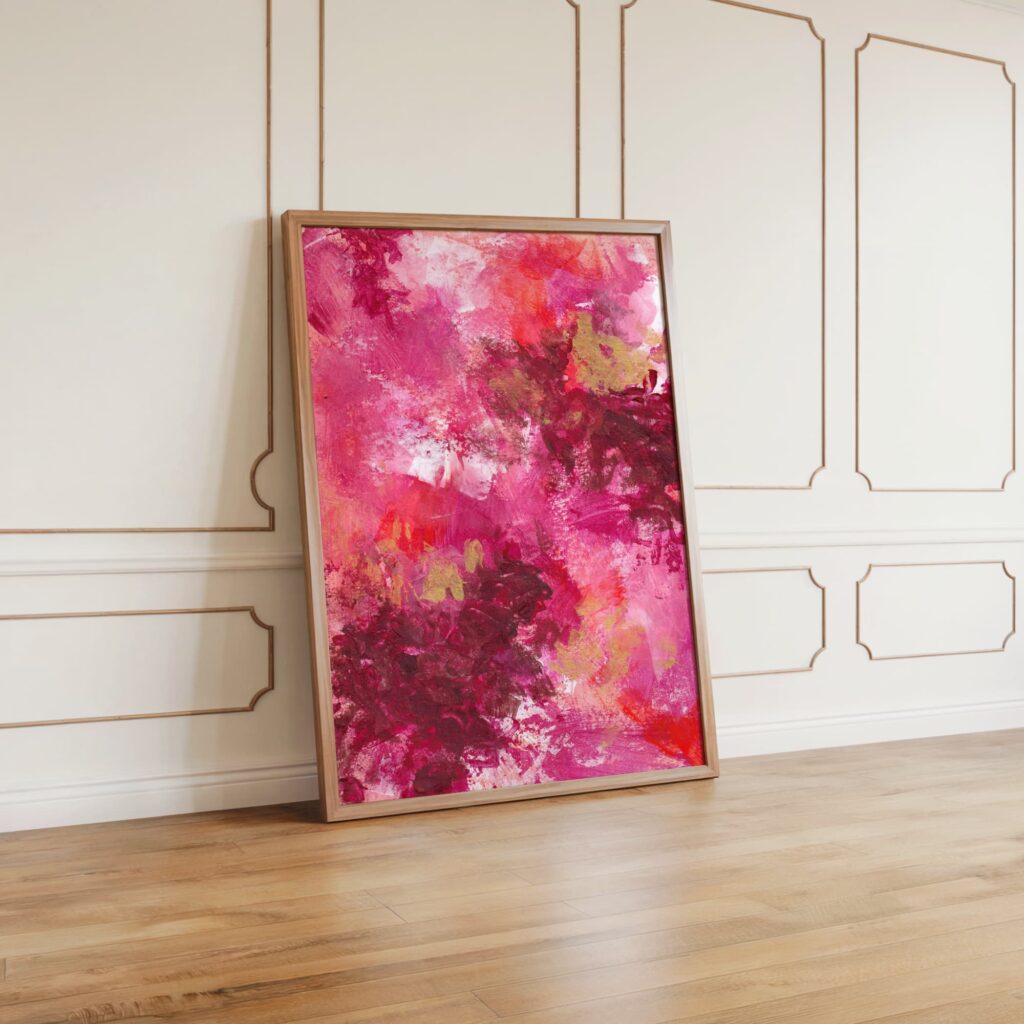
Presence as a Leadership Tool
Presence is not charisma. It is not performance. It is the ability to occupy a room without tightening around it. It is the ability to stay grounded while others become agitated. It is the ability to create stability through your own clarity.
Presence grows in environments that support it. It shrinks in environments that undermine it.
When an executive sits in a room with emotionally intelligent artwork, the artwork acts as a subtle anchor that keeps the internal state from drifting into stress. It reinforces calm. It supports focus. It allows emotional neutrality to return faster after challenging conversations.
Presence is not a personality trait. It is a condition the environment helps create.
What Leaders Actually Respond to Visually
Leaders respond to visual cues that reflect the internal states they are trying to access. They respond to work that carries emotional depth, clean simplicity, and enough resonance to feel alive without feeling chaotic. They respond to pieces that create subtle movement in the space without creating noise in the mind.
They respond to work that makes them breathe a little deeper.
In executive spaces, the best art is the art that allows the leader to feel more like themselves. It helps them think without interference. It helps them return to their baseline quickly. It helps them maintain the emotional steadiness required to guide others.
This has nothing to do with taste in the traditional sense. It has everything to do with the nervous system.
Choosing Art That Supports Decision-Making
Decision-making requires access to full cognitive capacity. It requires both analytical sharpness and emotional clarity. When an artwork introduces agitation or emptiness, the decision-making state becomes compromised. The leader must work harder internally to compensate for the instability in the space.
Art that supports decision-making contains three qualities.
It offers depth without creating overwhelm.
It carries stillness without feeling static.
It resonates emotionally without demanding attention.
This combination stabilises the mind. It creates visual support rather than a distraction. It allows the brain to regulate itself more efficiently during complex thinking.
Leaders who select work from the Vault often describe the experience as choosing a piece that feels like it understands them. That sense of being understood creates emotional grounding that enhances decision-making.
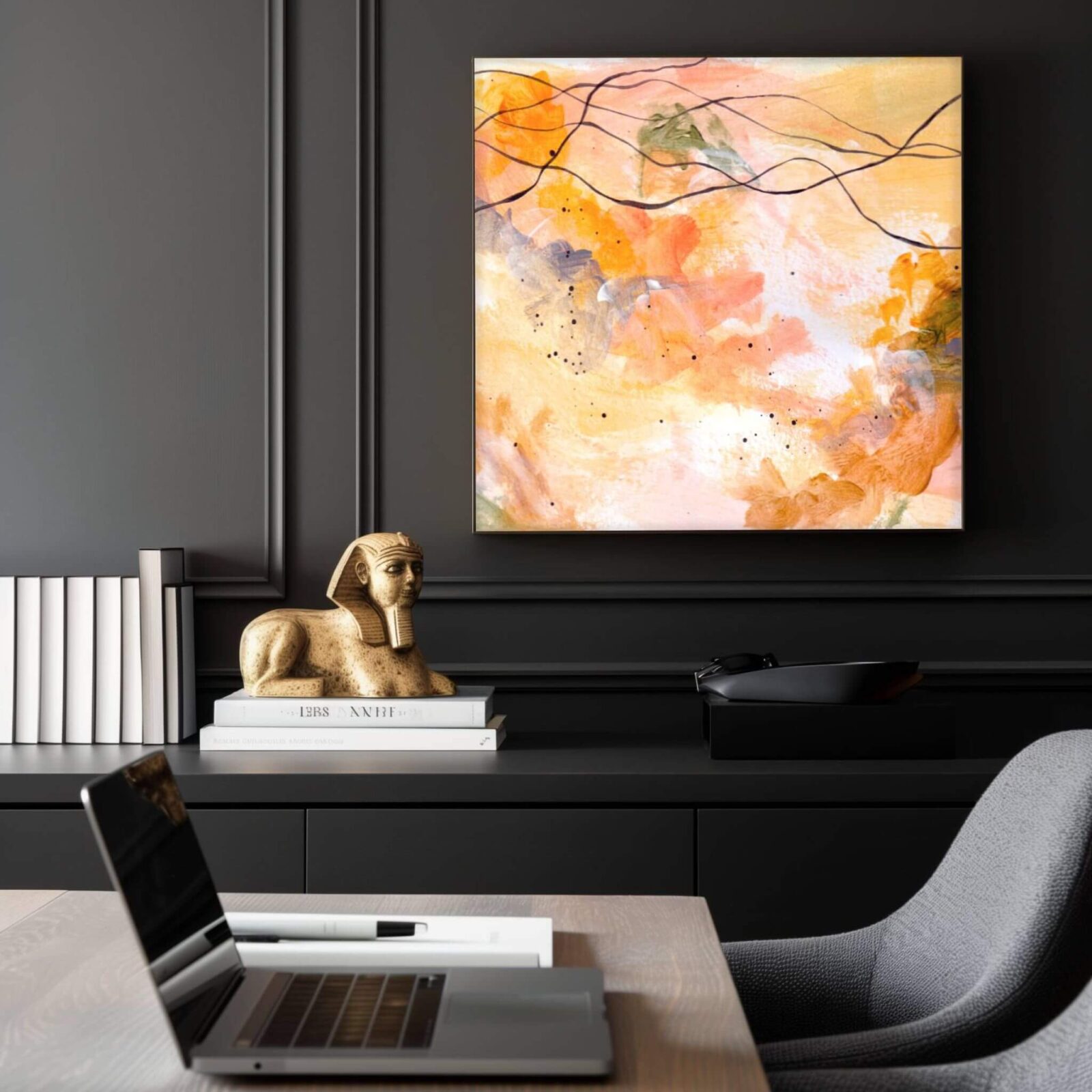
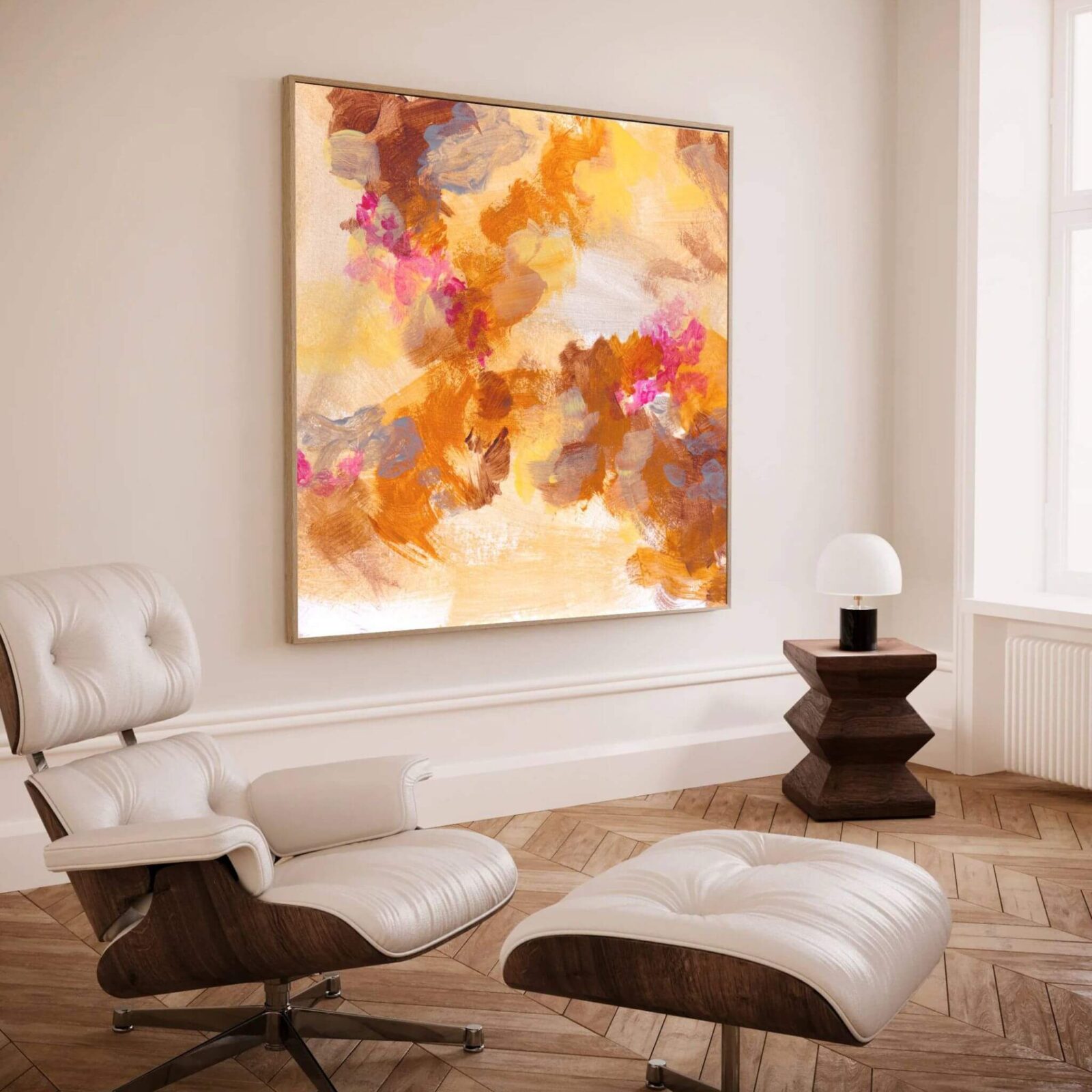
Why Prints Are a Smart Choice for Executive Spaces
Many executives assume that original paintings are the only serious option, yet prints offer advantages that leaders value more. They allow for larger scale without the weight or fragility of original work. They offer consistency in tone, colour, and finish, which matters in corporate environments. They provide emotional impact without the pressure of owning an irreplaceable piece that might not be appropriate for rooms where meetings, negotiations, and daily tension occur.
Prints from the Vault are not decorative reproductions. They carry the same emotional presence as their original source, but with a practicality that suits executive offices. They are private, exclusive, and created for environments that require more than aesthetics.
Curating a Space That Reflects Leadership Values
The art in an executive office is not a personal indulgence. It is part of the space’s communication. It signals what the leader values. It shapes the emotional atmosphere of every meeting, conversation, and decision made in the room.
A piece with emotional depth communicates steadiness.
A piece with resonance communicates intelligence.
A piece with stillness communicates confidence.
Leaders who understand this curate their offices intentionally. They recognise that the room either supports their state or undermines it. They choose artwork that reinforces the qualities they rely on daily.
How the Vault Supports Executive-Level Interiors
The Vault was built for spaces where depth matters. It offers work that does not perform for the public. It is private, emotionally intelligent, and designed to integrate seamlessly into environments where clarity is essential. Executives choose the Vault because it gives them access to work that holds the room without noise, ego, or theatrics. It becomes a partner in the space rather than a decoration.
When leaders select a piece from the Vault, they are choosing an emotional tool as much as a visual one. They are choosing something that will sit with them through long days, intense decisions, and the quieter moments that shape strategy and direction.
Conclusion
Executive performance does not come from intensity. It comes from clarity. It comes from the ability to stay grounded inside complexity. It comes from an environment that reinforces steadiness rather than erodes it.
Art for executive offices is no longer about filling space. It is about creating emotional conditions where the mind can operate at its full capacity. Leaders are choosing stillness because it gives them access to a level of focus and presence that busy environments cannot offer.
If you are building an executive space that needs to feel grounded, intentional, and emotionally intelligent, the Vault was created exactly for this purpose. It holds depth. It holds clarity. It holds the room so you can hold everything else.
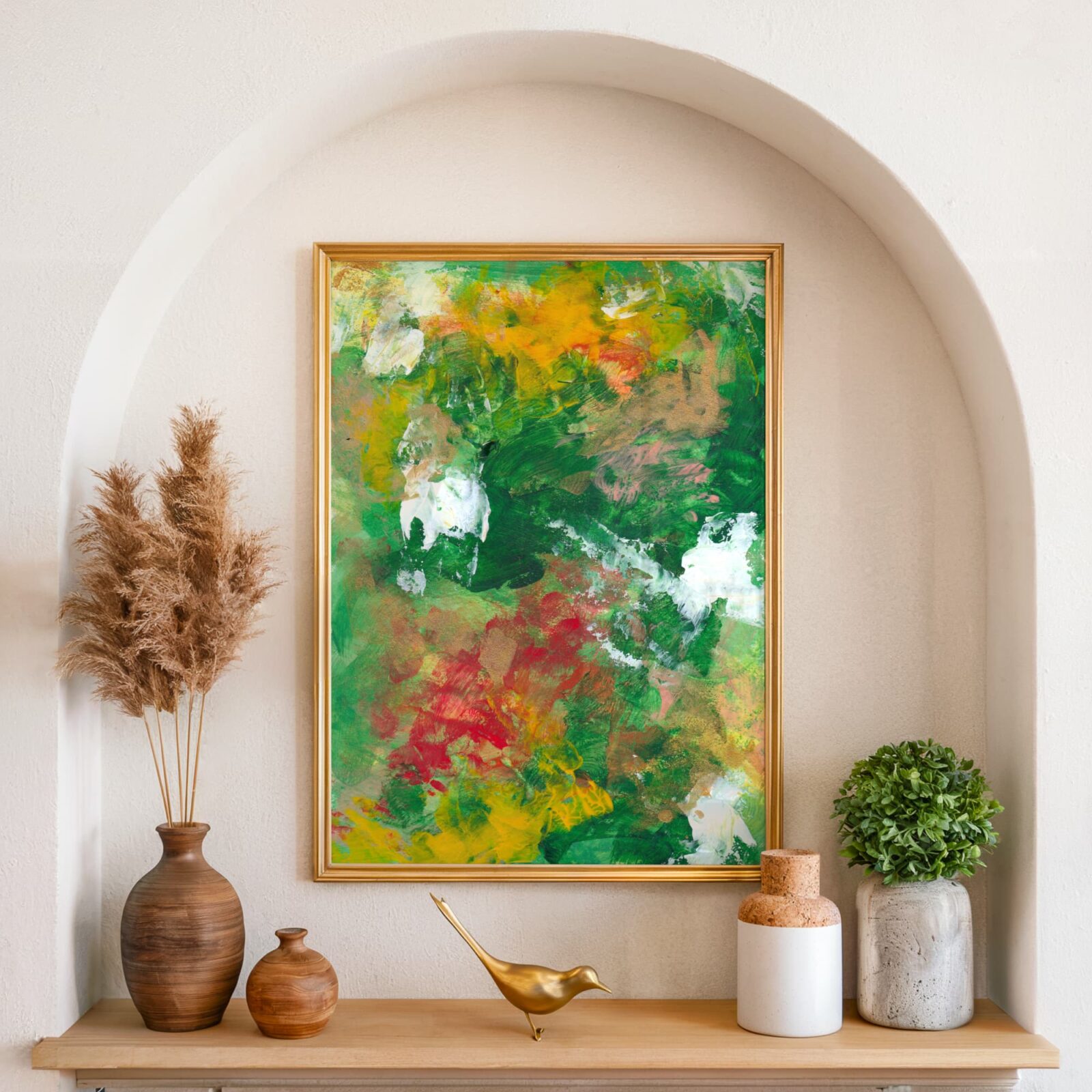
Frequently Asked Questions
Because the room either sharpens you or drains you. Leaders spend long hours in the same four walls, and the environment quietly shapes how they think. The right artwork gives the space weight, calm, and emotional steadiness. The wrong artwork just adds noise. Executives feel the difference even if they do not talk about it openly.
Decision-making is not only logic. It is state. If the room keeps your nervous system slightly agitated, you work harder to stay centred. Art with actual presence steadies the space, and your mind follows. Clearer emotional ground makes clearer decisions.
Executives live in constant motion. Stillness is rare. When you put a piece on the wall that holds its own centre, it gives the room a kind of exhale. That exhale changes how you show up. It is not aesthetic. It is regulation.
High-end prints are not shortcuts. They are practical. They give you scale, consistency, and presence without the fragility of originals. Leaders choose them because they fit the realities of the room: long meetings, fluctuating stress, and the need for emotional clarity rather than display.
Office décor fills space. Emotionally intelligent art shapes it. One is wallpaper. The other changes how the room feels, breathes, and holds pressure. People can feel when a piece has depth and when it is just decoration.
Pay attention to how your body reacts. If a piece makes you relax a little, breathe a little deeper, or feel more grounded, it will serve you. If it feels loud or clever for the sake of it, it will not. Executive spaces need emotional clarity, not performance.
Absolutely. People read a room before they read you. A grounded space sets the tone for conversations. A chaotic or empty one does the opposite. The art is part of the emotional script of every meeting, whether you intend it or not.
Because the Vault is curated for depth, not visibility. Leaders who value emotional clarity do not want to sift through a thousand loud or decorative pieces. They want work that holds space quietly, privately, and intelligently. The Vault does that without the theatre of public galleries.
Presence comes from regulation, not charisma. When your space keeps you grounded, your body softens and your mind steadies. People feel that. Good art does not make you a better leader, but it gives you the conditions to lead from your centre rather than from tension. That is presence.
The shift can be felt immediately, but the deeper transformation unfolds over several weeks. Movement resets begin improving breath and posture from the first session. Artwork begins stabilising the emotional environment from the moment it is installed. When both are implemented together, the atmosphere becomes noticeably calmer within days and meaningfully different within weeks. By three months, the change is embodied and sustained.