fbpx

Building a Home Around Luxury Art
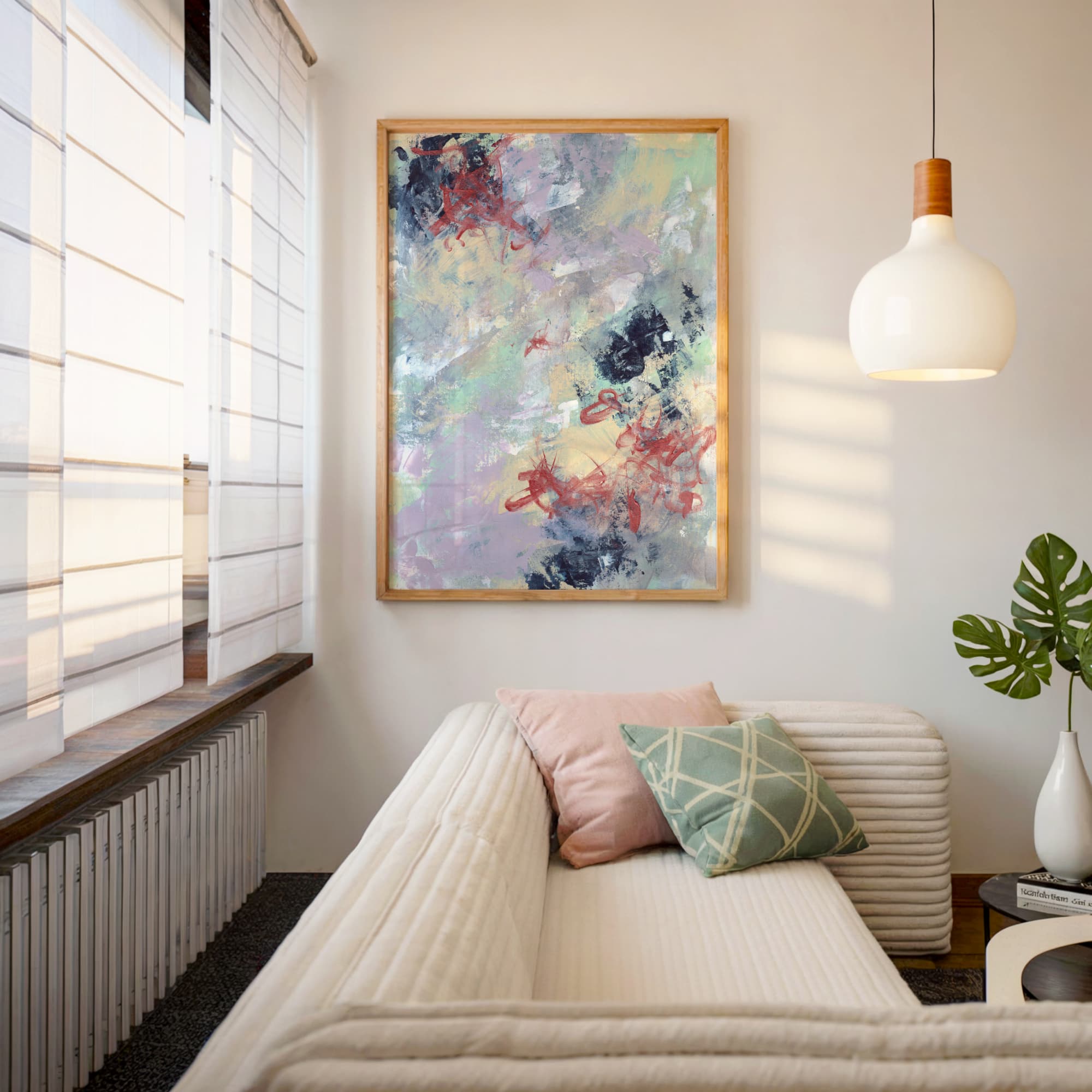
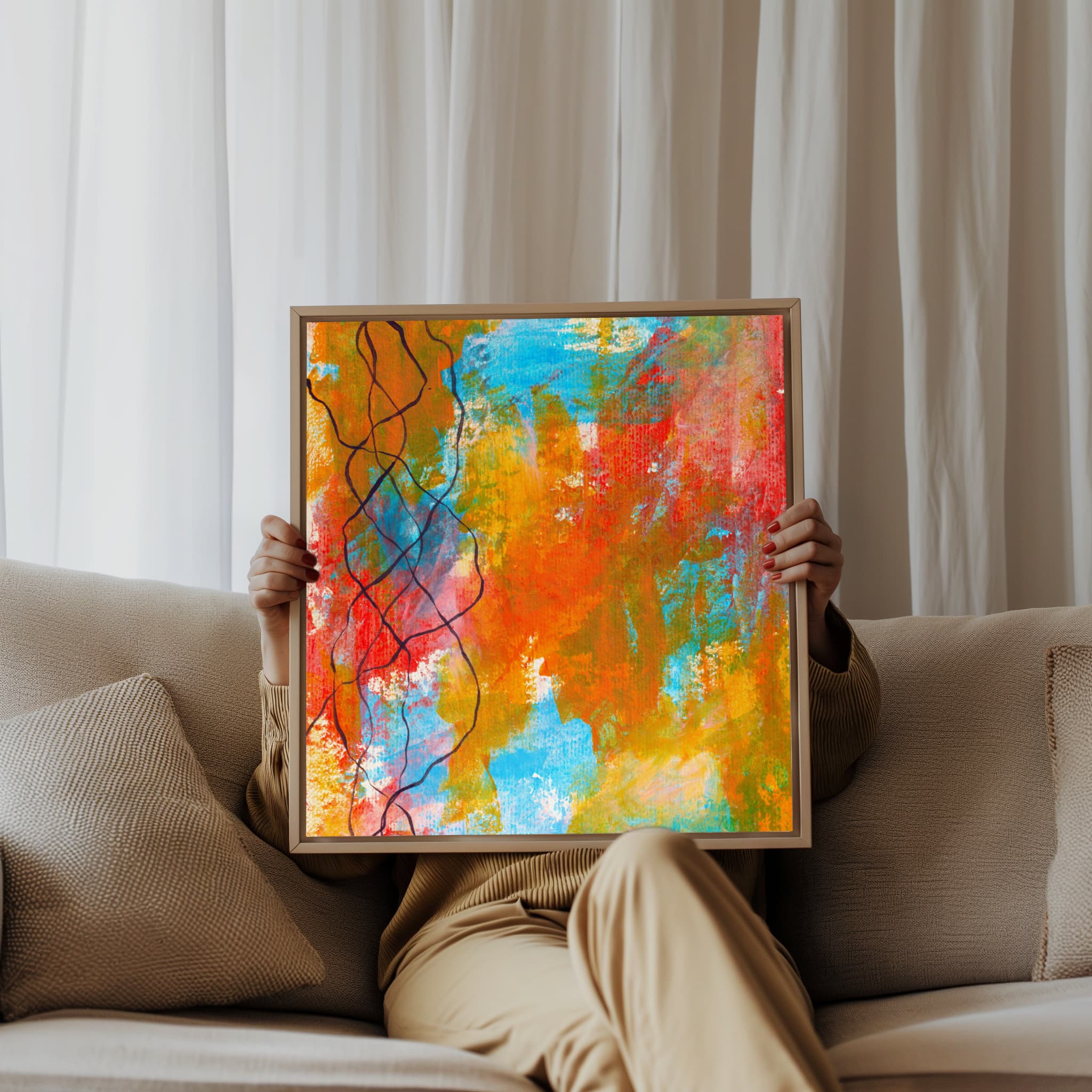
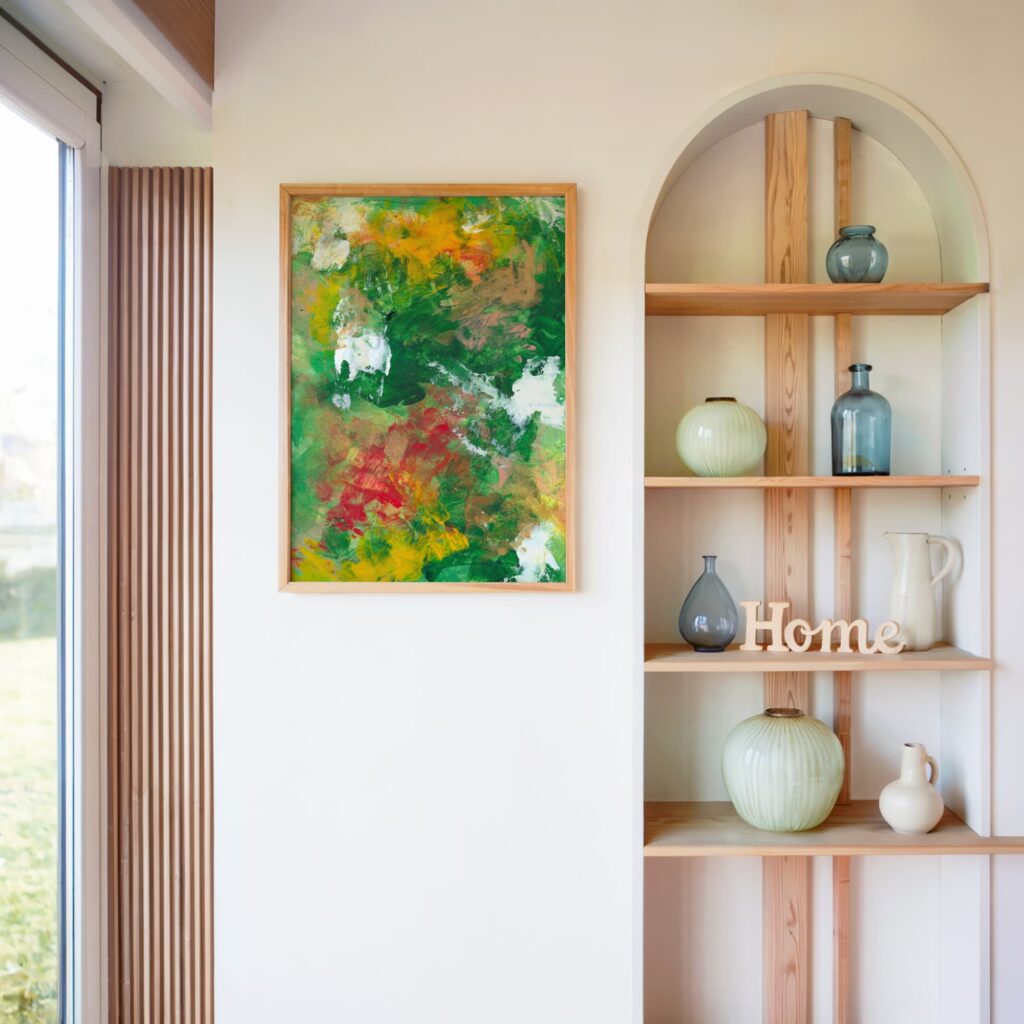
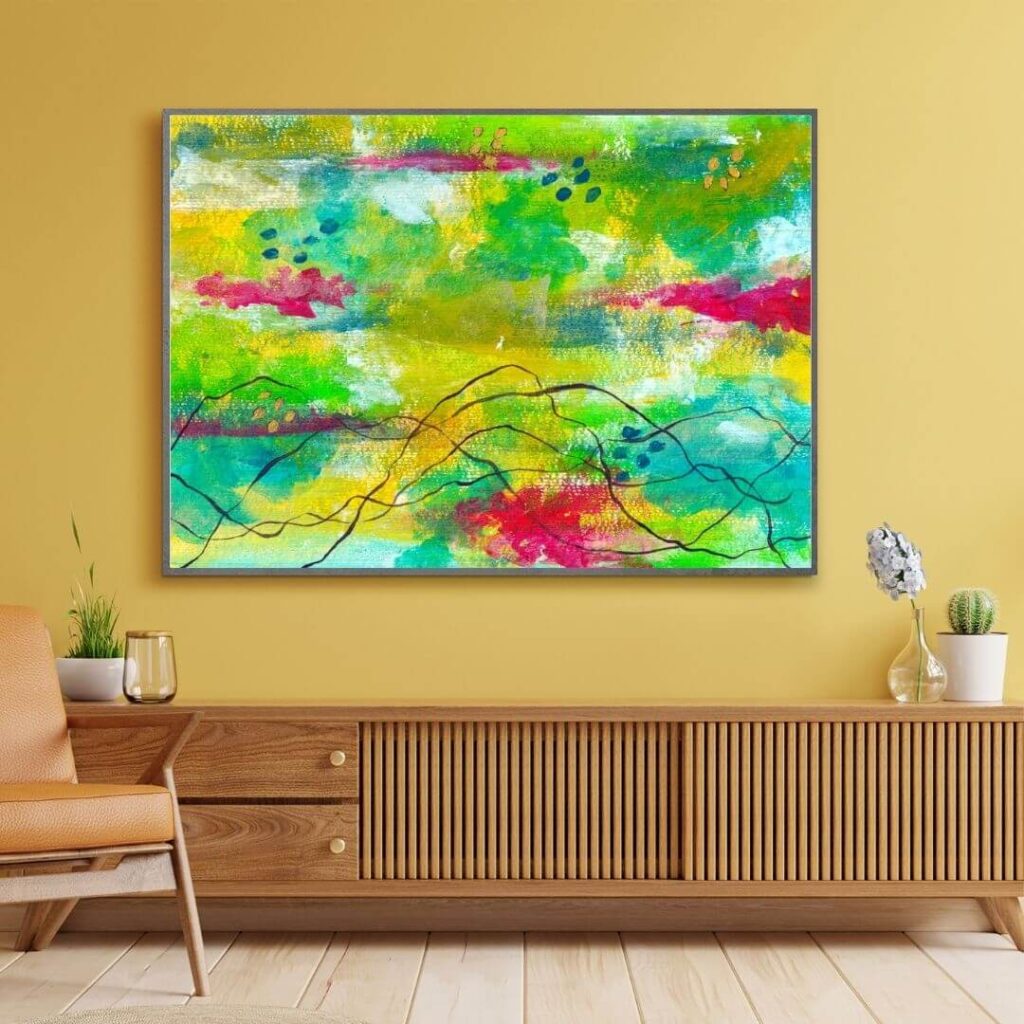
Most people assume the art conversation starts and ends with taste. They talk about colours, style, matching furniture, the eternal “will it go with the sofa” question. Collectors know that’s only about five percent of the real story. You’re not buying cushions; you’re choosing something that will meet you in the middle of your day, the same way a piece of music or a book does. The right artwork doesn’t sit on the wall as decoration. It becomes part of the emotional architecture of your home. It shifts the way you walk into a room, the way you think in that room, and for some people, the way they recover at the end of the day.
 
That’s the difference between decorating a room and building a home. Decorating is a weekend activity. Building a home is a long-term relationship with everything that surrounds you, including the things you look at without even realising their influence. A good piece of art doesn’t announce itself every time you walk past it, but if you take it away, the room suddenly feels unanchored. Something essential goes missing.
 
This is why serious collectors tend to move quietly. They’re not engaging in trends or buying art because the interior design world is shouting about maximalism one week and neutrals the next. They buy based on resonance, not noise. They don’t need permission, trends, or spectacle. They want clarity. They want accuracy. They want the emotional landscape of their home to make sense.
 
I keep the Vault private for that reason. It isn’t designed for scrolling or impulse shopping. It’s a catalogue for people who want a relationship with their environment and who understand that luxury art isn’t about signalling taste to strangers. It’s about creating a home that is emotionally aligned with the way they want to live.
 
So let’s talk about what luxury art actually does in a home, why collectors treat it as part of their wellbeing rather than a design asset, and how the right pieces help a home evolve with the person living inside it.

What actually makes art “luxury” (and why it’s not the price)

Luxury, in the context of art, is one of those concepts that gets misinterpreted constantly. People equate it with price, scarcity, or a big gallery name. But the truth is far more grounded. Luxury art is defined by depth, quality, and emotional accuracy. It’s the difference between something that looks impressive for a month and something that remains relevant to your internal world for a decade.
 
Luxury is in the colour integrity. It’s in the calmness of the palette and the way the layers interact with daylight. It’s in how the composition holds your attention without dominating the room. A luxury piece can sit in the corner of your eye for years without losing its gravity. It becomes the quiet backbone of the space instead of a decorative focal point that tries to shout its own importance.
 
A lot of people treat luxury like a spectacle. Collectors don’t. They respond to pieces that feel lived in, mature, and introspective. They choose work that has something to say without forcing the conversation. Most of them aren’t trying to impress anyone. They’re trying to create a home that supports their nervous system and reflects who they actually are rather than who they’re expected to be.
 
Luxury is clarity. Luxury is longevity. Luxury is the feeling that the artwork has been made with emotional intelligence rather than ego. That’s the difference that matters

The shift from status art to stillness art
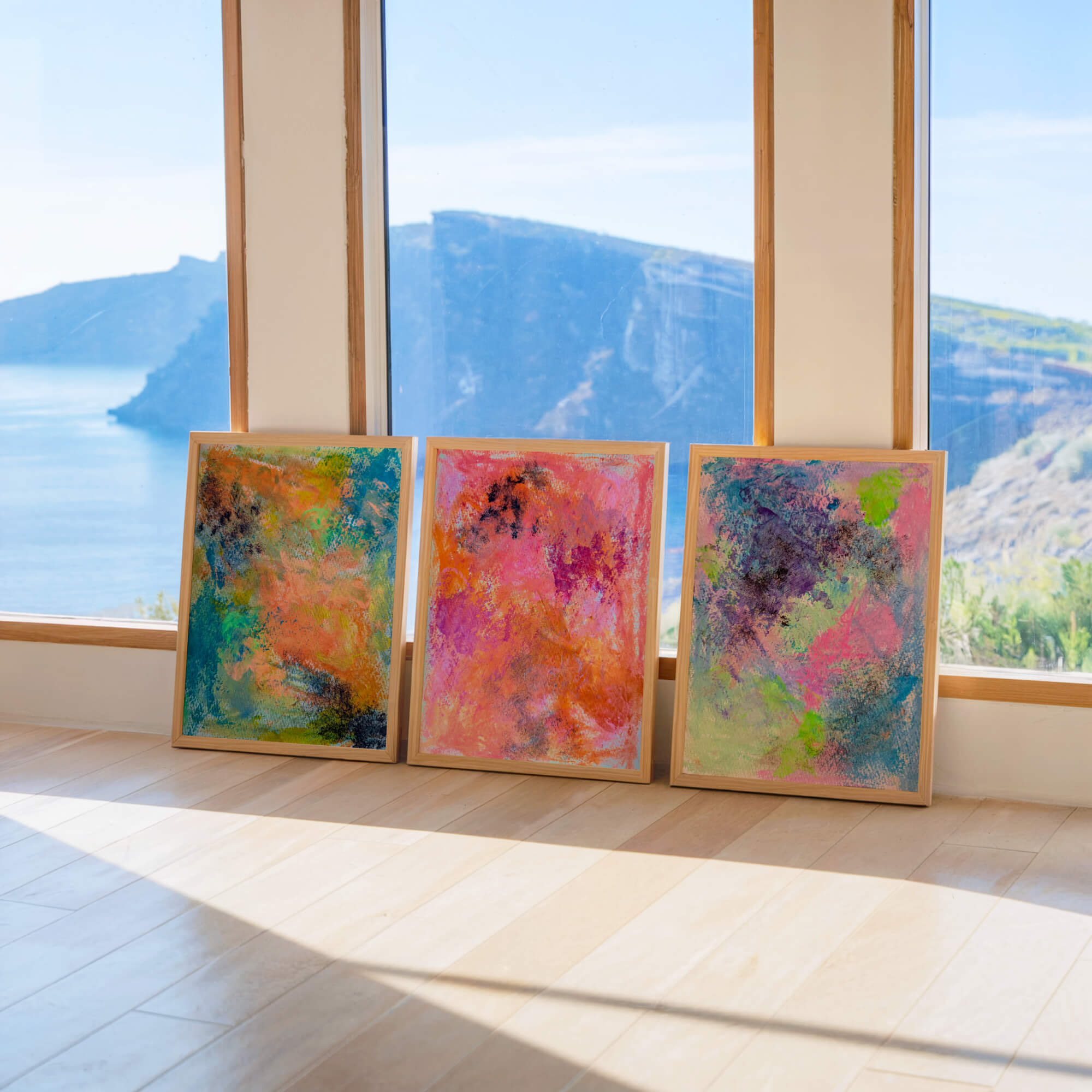
There was a time when art collecting revolved around spectacle. Big names, auction drama, hard-selling gallery directors, and a kind of psychological theatre where the buyer was supposed to feel chosen. A lot of collectors have quietly opted out of that world. Not because they can’t participate, but because it doesn’t align with their personalities anymore.
 
People are tired. Not in a dramatic sense. Just tired of noise, performance, and constant overstimulation. Their homes are the only spaces where they aren’t expected to behave or perform. They don’t want status pieces that feel like an extension of someone else’s expectations. They want stillness. They want emotional truth. They want an environment that holds them rather than overwhelms them.
 
Stillness art is not passive. It’s intentional. It creates an atmosphere that lets the room breathe. It’s the kind of work you notice differently at different times of the day. Morning light reveals something new. Evening shadows bring something else forward. Stillness art evolves with your attention rather than demanding it.
 
Collectors today are looking for art that reflects their inner world rather than their social world. That’s the shift. Depth instead of performance. Presence instead of drama.

Why canvas prints are not the “lesser” option

There’s a stubborn myth that only originals count as serious art. That prints are somehow inferior or emotionally weaker. If you’ve ever lived with a properly produced, gallery-grade canvas print, you already know that’s nonsense.
 
A high-quality print is not a downgrade. It’s an intentional choice rooted in practicality, longevity, and emotional intelligence. A canvas print:
    • stays stable across seasons
    • maintains colour integrity
    • handles natural light better
    • doesn’t warp under humidity changes
    • doesn’t require museum-level handling
    • integrates seamlessly into real homes
Collectors appreciate the consistency. They want their art to look the same at midnight as it does at noon. They want something that can survive children, pets, central heating, and actual life. They want the emotional impact of the work, not the fragility of an artefact.
 
People forget that we live in homes, not galleries. A print that was created with intention, high-quality materials, and colour accuracy is not a compromise. It’s a smart decision made by people who understand that art should support a home, not restrict it.

Homes built with emotional intelligence feel different

You can walk into a home and immediately tell whether the art was chosen out of pressure or truth. A home built with emotional intelligence feels steady. It feels grounded. The colours don’t fight with each other. The artwork doesn’t show off. There’s a quiet sense of coherence that isn’t forced.
 
Collectors who approach their environment with emotional intelligence care about how the home feels during the quieter parts of the day. The early morning light when you haven’t fully woken up. The mid-evening stillness when you’re trying to unwind from a long, overstimulating day. They care about whether the artwork gives them space to breathe or fills the room with unnecessary volume.
 
These collectors think in terms of emotional tone rather than aesthetics. They consider whether a piece brings weight, softness, clarity, or expansion. They choose work that reflects their internal landscape instead of whatever the design world is shouting about that month.
 
This is why homes built with emotional intelligence never feel overdone. They feel lived in, not staged. They feel considered, not curated. The art becomes a natural part of the psychological fabric of the space.

A home evolves, and so should the art
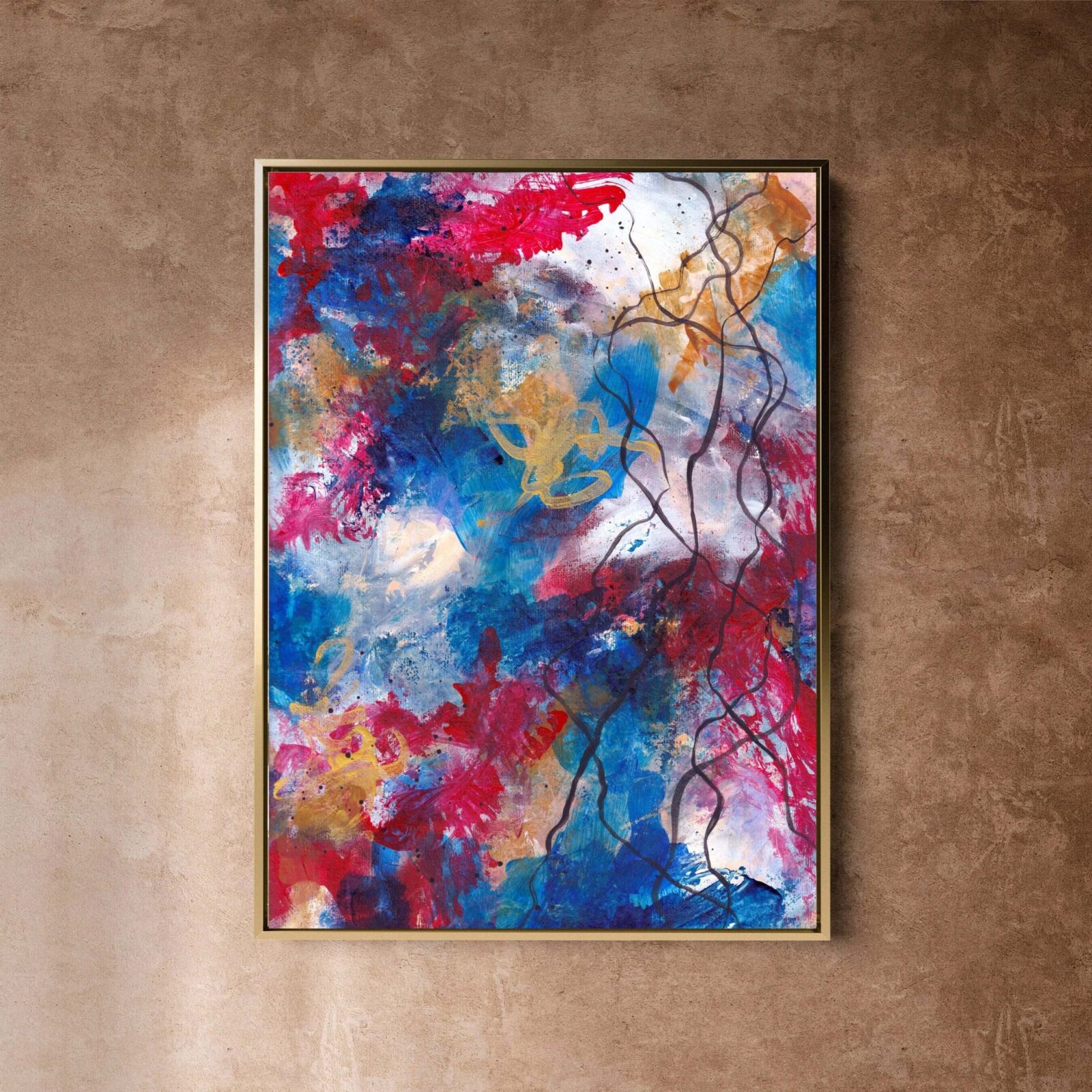
One of the biggest misconceptions about art is that once it’s hung, it stays there forever. Collectors know that’s not how life works. Homes change because people change. Your emotional needs aren’t the same in your twenties as they are in your forties. They’re not the same before or after a career shift, a period of burnout, a move, a relationship change, or a season of personal growth.
 
Art adapts to all of it.
 
Collectors rotate pieces not out of boredom but out of alignment. A piece that once held the emotional weight of the living room might feel better in the bedroom when you’re going through a quieter season. Something that once grounded you might become a piece that lifts you. The work doesn’t lose relevance. It shifts its function depending on where you place it.
 
This fluidity keeps the collection alive. It keeps the home dynamic without feeling chaotic. A collector’s home isn’t static. It’s a living organism with an emotional climate that changes over time. The art isn’t a fixed decoration. It’s part of that climate.

Placement is emotional, not technical

Most placement advice focuses on technicalities: eye level, spacing, symmetry, the whole design-rules-you-must-not-break nonsense. Collectors don’t place art that way. They place it based on emotional accuracy.
 

Living rooms

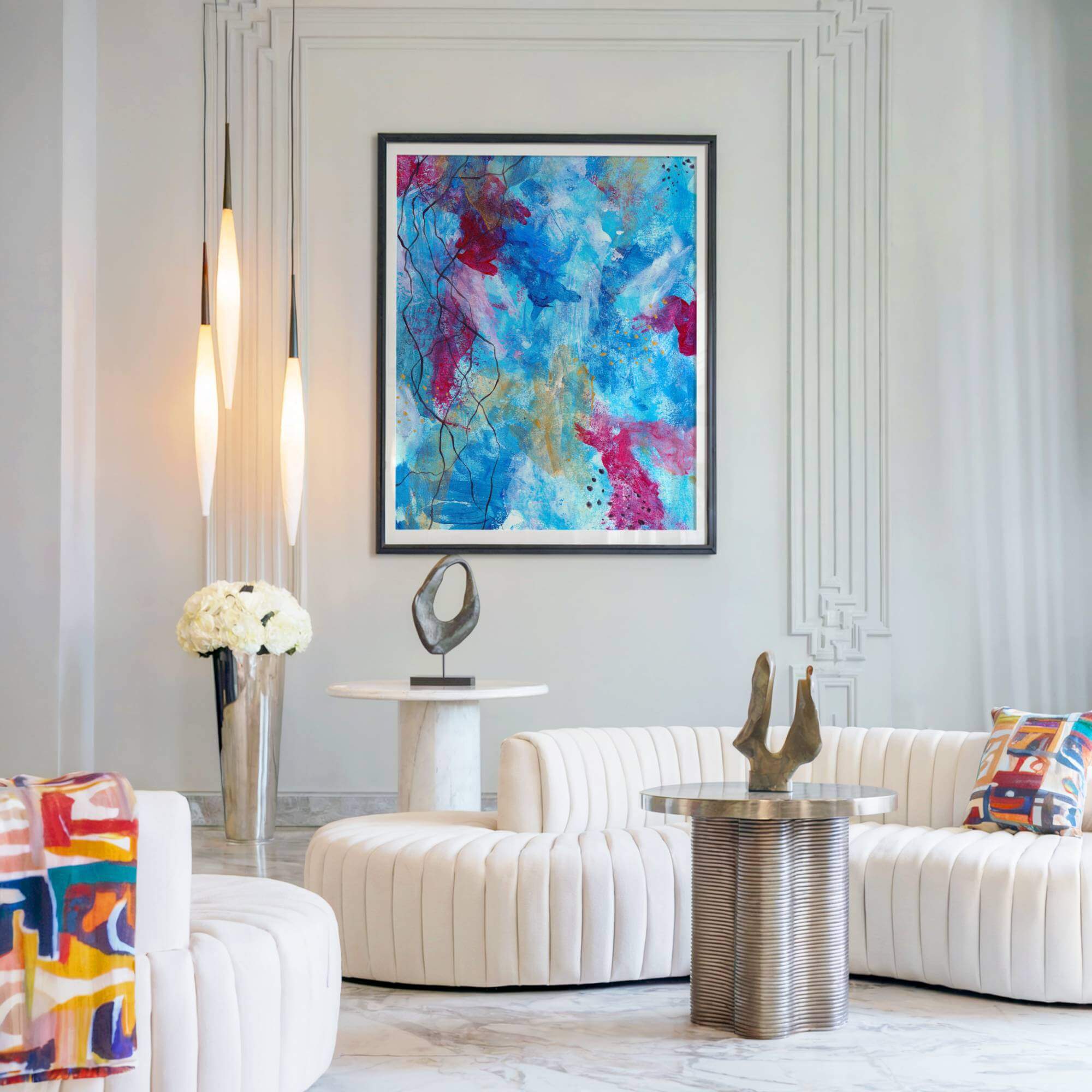
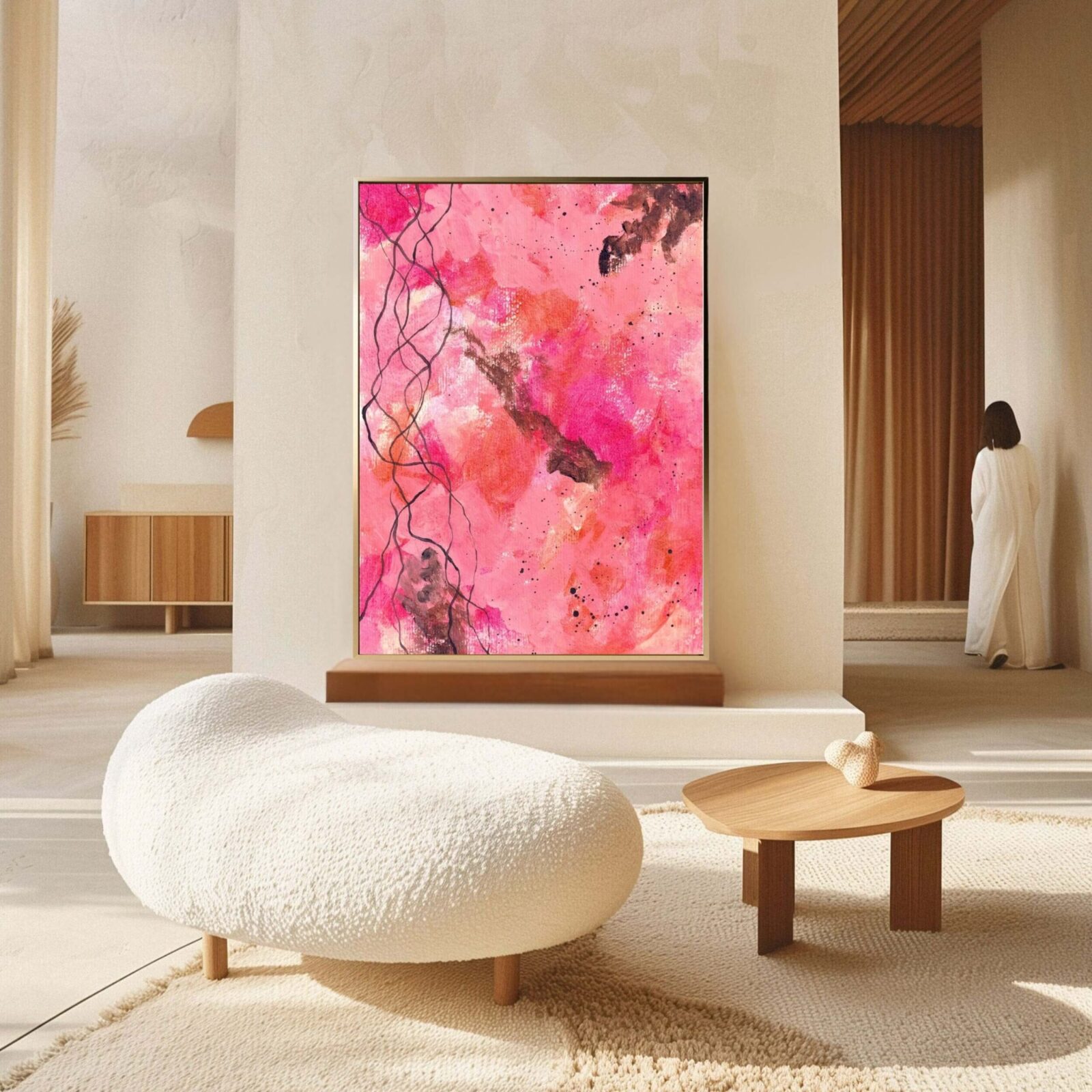
The anchor pieces go here. The work that holds the energy of the room without dominating it. This is where scale matters. A large artwork with depth feels far more calming than lots of small, competing objects.
 

Bedrooms

Bedrooms are deeply emotional spaces. The art here needs softness, quietness, and a sense of subtle support. Collectors choose pieces that soothe the nervous system rather than stimulate it.
 

Hallways and transitional spaces

People underestimate hallways. They’re the emotional in-between. They benefit from pieces that carry movement or a sense of direction. Something that lightly accompanies you from one mental state to another.
 

Workspaces

This is where clarity matters. Art in a workspace needs to create mental spaciousness, not clutter. It should help the mind settle into focus instead of scattering attention.
 
When placement is emotionally aligned, the entire home feels calmer. You stop thinking about where things should go, and start noticing how naturally they belong.

Presence lasts longer than trends

Trends are entertaining in the way fast fashion is entertaining. They give a temporary hit of novelty before becoming stressful, outdated, or visually tiring.
 
Presence is different. Presence lasts because it isn’t chasing anything.
 
A piece with presence doesn’t depend on matching cushions, fitting a Pinterest board, or aligning perfectly with the year’s interior colours. It carries its own equilibrium. It can move between homes, between wall colours, between furniture eras, and still feel right.
 
Collectors choose art that has a grounded presence because they don’t want to redecorate every time interior trends shift. They want pieces that stay relevant regardless of what the rest of the world is doing. That’s emotional maturity. That’s luxury. That’s why presence always outlives fashion.

Future proofing a personal collection is simpler than people think

People assume collectors have complicated systems for maintaining their collections. In reality, it’s incredibly simple and rooted in awareness rather than pressure.
 

Seasonal rotations

Moving pieces occasionally refreshes the emotional tone of a home without requiring any new purchases.
 

Rehang sessions

A few times a year, collectors walk around their home and notice what feels different. Not with design logic. With emotional logic.
 

Refinement rather than replacement

Collectors don’t throw things out. They adjust. They shift context. They rotate. They refine. Pieces evolve alongside them.
 

Returning to private catalogues

When the emotional tone shifts, collectors return to the Vault because they want new work that shares the same emotional DNA as pieces they already connect with.
 
This approach keeps the collection alive while maintaining emotional continuity.

Caring for luxury prints without turning your home into a museum

Art care is one of those things people overcomplicate until they become afraid of their own house. The reality is far more straightforward. Keep pieces away from prolonged direct sunlight. Avoid damp walls. Dust them gently when you’re already dusting the room. That’s it.
 
Collectors don’t want their homes to feel precious or fragile. They want art that works with real life rather than against it. That’s the beauty of canvas prints. They’re durable. They handle life. They don’t fall apart the moment a room gets warm or someone opens a window.
 
You don’t need gloves or humidity monitors. You just need normal care. Art should coexist with life, not be protected from it.

Why the Vault is private

The Vault isn’t a shop. It isn’t an open gallery experience. It’s a quiet place for people who know what they want and value emotional alignment over trend-chasing. I keep it private because the work is not for browsing. It’s for choosing with intention.
 
Collectors don’t need the noise of public marketing. They want clarity, quietness, and the ability to explore at their own pace without the pressure of sales tactics or the distraction of social-media-level overstimulation.
 
Privacy also protects the integrity of the work. It keeps the pieces in the hands of people who understand what they’re buying. It keeps the catalogue grounded, curated, and aligned with the emotional maturity of the work itself.

Conclusion

Living with luxury art is not a decorative decision. It’s an emotional investment. A way of shaping your environment so it matches the life you want to live. A way of grounding your home in clarity rather than clutter. A way of creating presence instead of noise.
 
Collectors who choose work from the Vault aren’t buying for display. They’re choosing pieces that will walk with them through different seasons of life, supporting them quietly in the background.
 
If that’s the way you approach your home, you can request access to the Vault. It won’t shout for your attention. It’s private for a reason.
 
It’s there when you’re ready.

Frequently Asked Questions: Living With Luxury Art

How do I choose luxury art that fits my home?

Start with how you want the room to feel rather than what you think should match. Emotional tone matters far more than colour schemes or trends.

Do canvas prints count as luxury art?

Yes. When produced at gallery grade, they hold colour, depth, and presence just as powerfully. Collectors choose them because they live in real, functioning homes.

Will a large artwork overpower my room?

Usually the opposite happens. Small, scattered pieces create visual noise. A single large artwork calms the room by giving the eye somewhere to land. Scale brings clarity, not chaos, when the palette and composition are balanced.

How do I place luxury art in a room?

Think about the room’s emotional purpose. Bedrooms need quiet pieces. Living rooms need anchors. Workspaces need clarity. Placement is about tone, not rules.

Can my taste change over time?

Of course. That’s normal. A well-chosen luxury piece adapts. Collectors rotate artworks between rooms as their lives shift.

How do I care for luxury canvas prints?

Keep them away from strong direct sunlight, avoid damp walls, and dust lightly. They’re made to live with you, not be treated like relics.

Are your pieces framed or unframed?

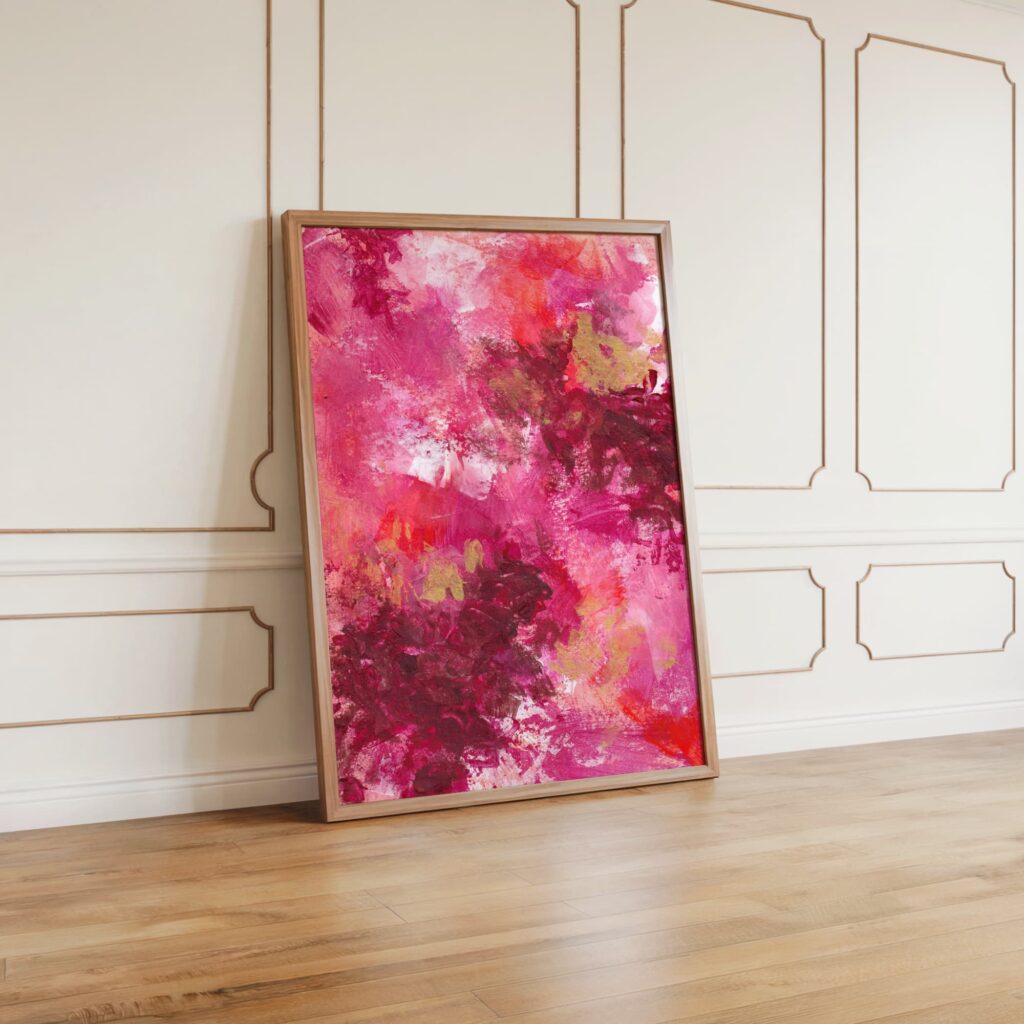
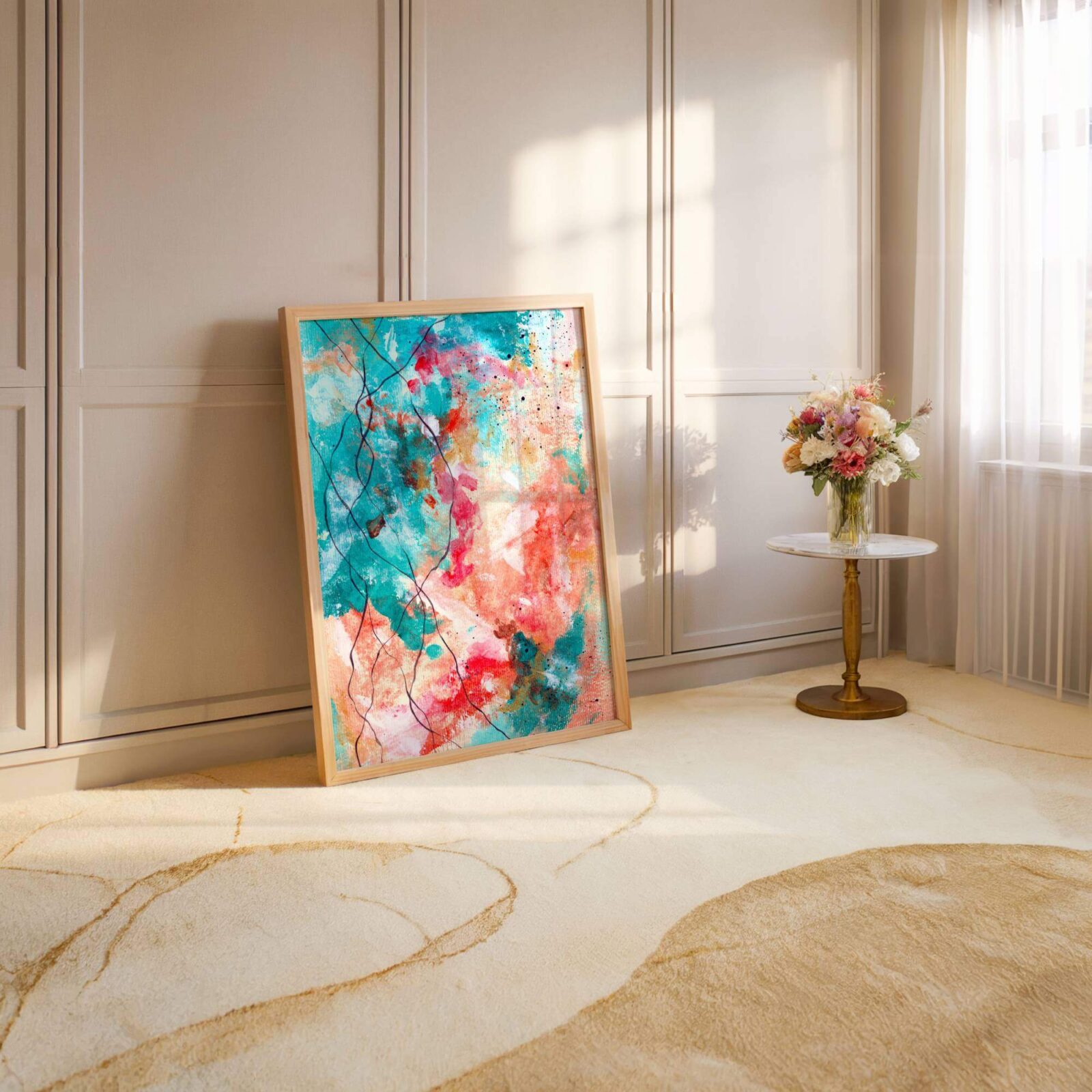
The Vault includes a mix, but most canvas prints are unframed so they can adapt to different interiors and framing styles. Collectors often prefer choosing their own frame to match the tone of their home.

Why is the Vault private?

The Vault isn’t a shop. It’s a curated, quiet catalogue for serious collectors who want emotional alignment, not the noise and performance of the open art market.

Do I need to be an experienced collector to join the Vault?

Not at all. You just need to value quiet, thoughtful art and want your home to feel like an honest reflection of who you are. Many people who enter the Vault are first-time collectors who simply know what resonates with them.

How can companies improve mood without repainting?

Start with artwork, lighting tone, and the colour of the first wall people see when they walk in. These areas shift the whole atmosphere. A few well-placed abstract pieces can stabilise the emotional tone of the room faster than a full renovation.

Can I request recommendations from inside the Vault?

Yes. If you want clarity, I can help you choose pieces based on the emotional tone of your home, the scale of your rooms, and the atmosphere you want to create. It’s personalised, not prescriptive.