fbpx

How Long Should a High-Quality Art Print Actually Last?


When people ask how long an art print should last, they are rarely asking for a number alone. What they are really asking is whether the object they are considering is temporary or enduring. Whether it is something designed to follow taste for a few years, or something made to stay present long after novelty fades.
 
The confusion is understandable. The word “print” has been stretched to cover almost everything. It can mean a poster bought on impulse, a decorative canvas ordered to fill a wall, or a carefully produced work released in a limited edition and intended to last a lifetime. Without understanding this range, the question of longevity becomes vague and often disappointing.
 
A high-quality art print is not meant to last “well enough.” It is meant to last properly. Art print longevity is not accidental. It is built into the materials and production from the start.

Why Longevity Is the Real Measure of Quality

Time reveals what quality actually is. Not immediately, but slowly.
 
A print that looks impressive on day one tells you very little. Almost any surface, ink, or reproduction process can deliver initial impact. What matters is what happens after years of exposure to light, air, and everyday life.
 
High-quality art prints are created with time in mind. They are designed to age slowly, predictably, and without dramatic loss of integrity. This applies not only to how the work looks, but to how it feels to live with.
 
Longevity is not an added benefit. It is the foundation on which everything else rests.

Why the Question Exists in the First Place

People ask about lifespan because they have seen prints fail.
 
They have watched colours fade unevenly. They have noticed surfaces yellow or lose depth. They have experienced the quiet disappointment of realising that something they thought would stay has already begun to disappear.
 
This has led to a widespread belief that prints are inherently fragile or temporary. In reality, what people are reacting to is not the medium, but the shortcuts taken in production.
 
A well-made print does not behave this way.

What “High-Quality” Actually Means When You Strip Away Marketing

The phrase “high-quality art print” is used liberally, which has diluted its meaning. To understand longevity, the phrase has to be grounded in practical terms rather than aesthetic claims.
 
A high-quality art print is defined by:
    • materials chosen for stability rather than cost
    • production methods designed for consistency rather than speed
    • editions controlled with intention rather than volume in mind
Quality is not something added at the end. It is built in from the start.

Decorative Prints Versus Collector-Grade Prints

Decorative prints are made to satisfy immediate visual needs. They are often produced quickly, in large quantities, and priced with the assumption that they will eventually be replaced. Their success is measured in sales volume, not endurance.
 
Collector-grade prints are different. If you want the practical definition of collector-grade, including what counts in inks, canvas, and structural construction, read the guide to collector-grade canvas art. Understanding what to know before buying your first collector-grade canvas print helps clarify why some work is made to endure while other prints quietly fail. They are produced slowly, released in limited editions, and treated as finished works rather than accessories. Longevity is assumed, not hoped for.
 
This difference in intention is what creates the difference in lifespan.

How Long Should a High-Quality Art Print Last?
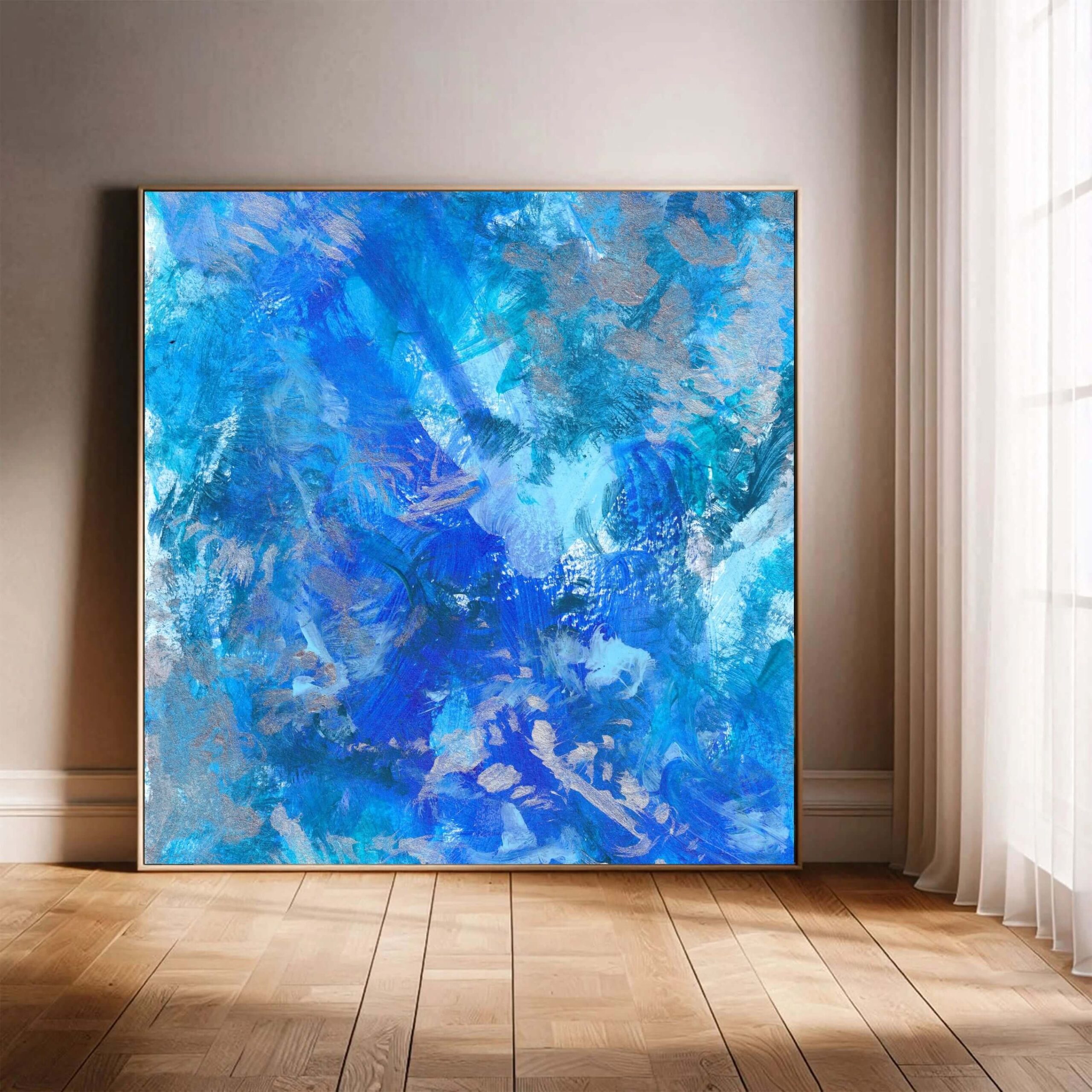
A properly produced, collector-grade art print should last several decades without significant visible deterioration. In many cases, archival prints are designed to remain stable for fifty years or more.
 
This does not mean they will look exactly the same forever. Subtle changes are part of any physical object. What matters is that these changes are slow, even, and do not undermine the work.
 
If a print shows obvious fading, yellowing, or surface breakdown within a few years, it has failed its most basic test.

Ink Is Not Just Colour, It Is Chemistry

Ink quality plays a central role in longevity, yet it is one of the least understood factors for buyers.
 
Archival inks are formulated to resist chemical breakdown when exposed to light and air. They are designed to age gradually rather than collapse quickly. Non-archival inks, by contrast, prioritise brightness and cost over endurance.
 
This is why two prints can look identical at first and diverge dramatically over time. One softens, fades, and loses contrast. The other remains steady.
 
Longevity begins at the molecular level, long before the print reaches a wall.

Substrate: The Silent Determinant of Lifespan

The surface a print is made on determines how it responds to stress. Paper, canvas, and composite materials each behave differently under light, humidity, and temperature changes.
 
Collector-grade canvas prints, when produced to gallery standards, offer a combination of stability and depth that decorative alternatives cannot. They hold pigment well, resist warping, and age predictably in real living environments.
 
Cheap substrates are often the first point of failure. Knowing what to know before buying your first collector-grade canvas print makes these material differences much easier to spot. They buckle, yellow, or shed pigment long before the image itself has a chance to endure.

Why Canvas Prints Have a Reputation Problem

Canvas prints often get unfairly grouped together, despite vast differences in quality.
 
Mass-produced canvas prints are designed for speed and price. They are often printed with low-grade inks on unstable surfaces, stretched quickly, and shipped without consideration for longevity.
 
Collector-grade canvas prints are a different object entirely. When produced with archival materials and proper handling, they can outlast many paper-based prints, especially in everyday environments.
 
The reputation problem comes from exposure to the former, not the reality of the latter.

Light Exposure and the Myth of Fragility

Light does affect all artworks. This is unavoidable.
 
What matters is degree and duration. High-quality prints are designed to tolerate normal indoor light without rapid degradation. They are not designed to sit in constant direct sunlight, just as wooden furniture is not designed to live outdoors.
 
Thoughtful placement is not about special treatment. It is about basic respect for the object.

Environmental Stability Matters More Than Control
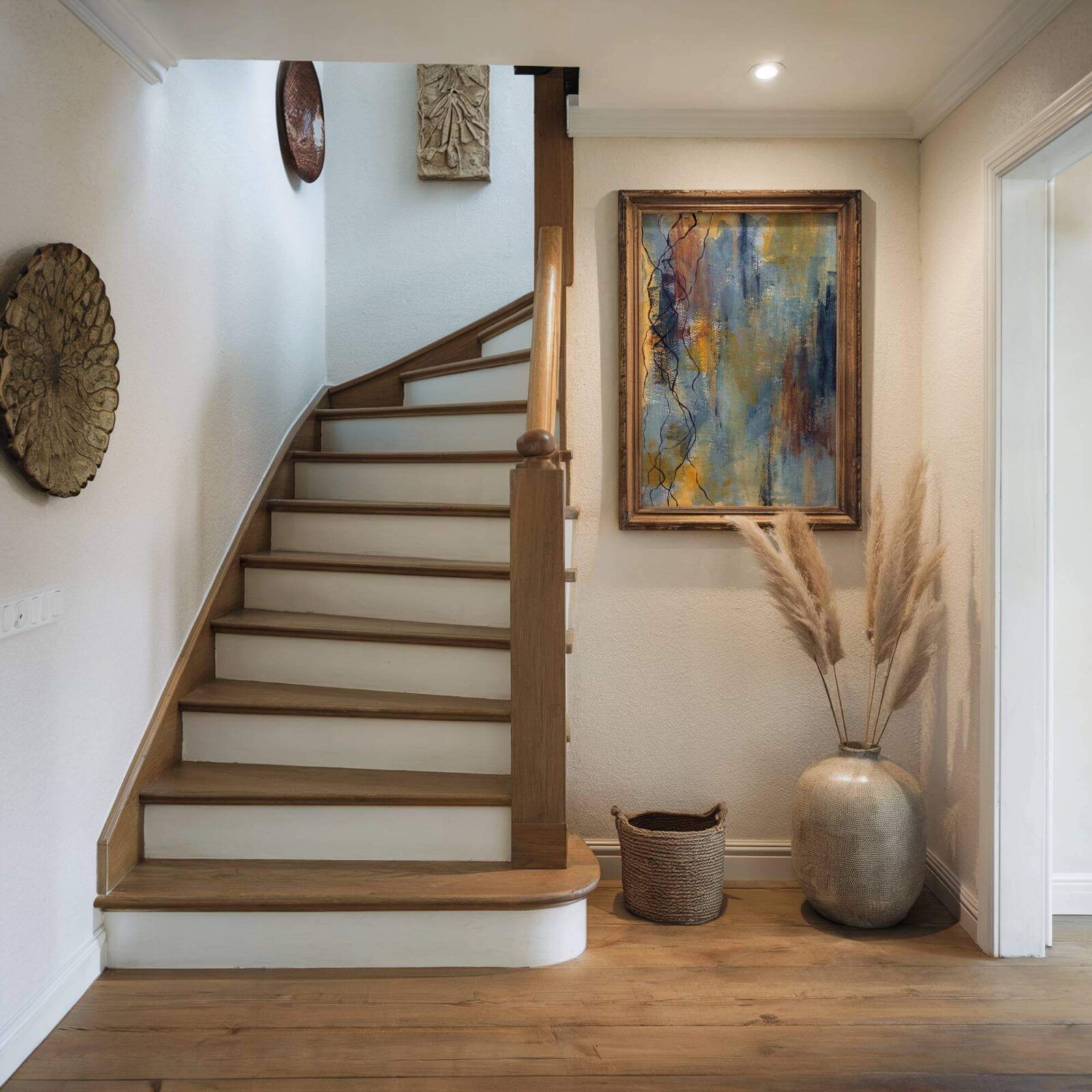
Contrary to popular belief, high-quality art prints do not require museum conditions to survive. They are made to live in real homes, offices, and spaces where people move and breathe.
 
What they need is stability rather than perfection. Sudden, repeated shifts in temperature or humidity cause far more damage than consistent, imperfect conditions.
 
This is why well-made prints age gracefully in lived-in spaces.
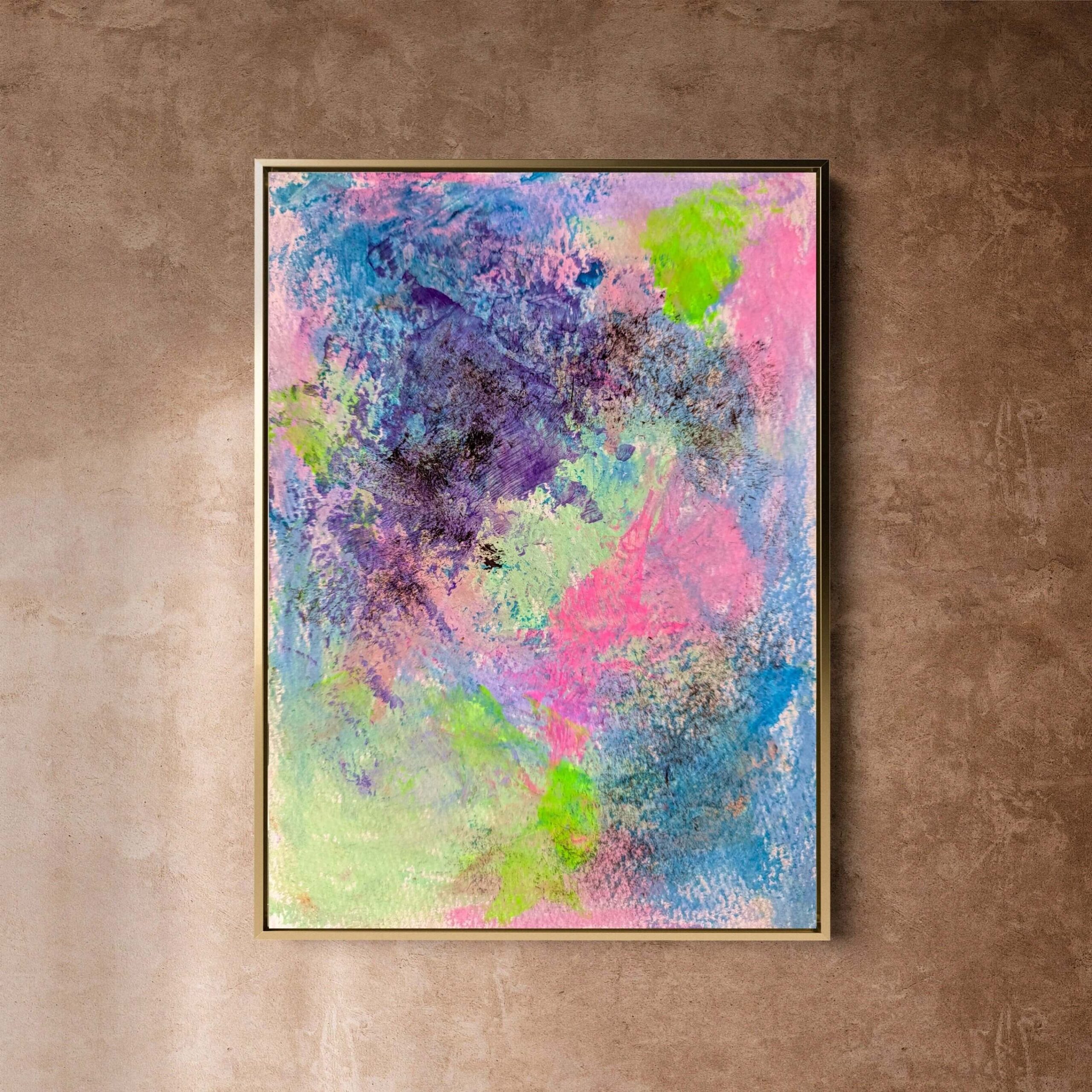
abstract canvas painting with layered texture

The Overlooked Role of Edition Integrity

Longevity is not only physical. It is also conceptual.
 
When an artwork is endlessly reproduced, resized, recoloured, or reissued, it loses its sense of resolution. Even if the materials last, the meaning erodes.
 
Collector-grade prints are limited not as a marketing trick, but as a form of care. If you are unfamiliar with this way of working, learning how to read a private art catalogue helps make sense of why these decisions matter. Once an edition is complete, the work is allowed to settle.
 
This restraint contributes to the feeling that the print is meant to endure, not circulate endlessly. It also reflects a broader shift in how serious work is encountered, and why discerning collectors choose private art catalogues instead of galleries.

Why Cheap Prints Fail Quietly

Cheap prints rarely fail all at once. Over time, the hidden cost of cheap art becomes obvious, not just in how it looks, but in how quickly it stops holding a space. They fade gradually, unevenly, and without announcement. This is why disappointment often arrives late.
 
By the time deterioration is obvious, the damage is irreversible. The belief that “prints don’t last” sets in, even though the problem lies with the object, not the medium.
 
Longevity requires intention. Cheap prints are not made with intention beyond sale.

Living With a High-Quality Print Over Time
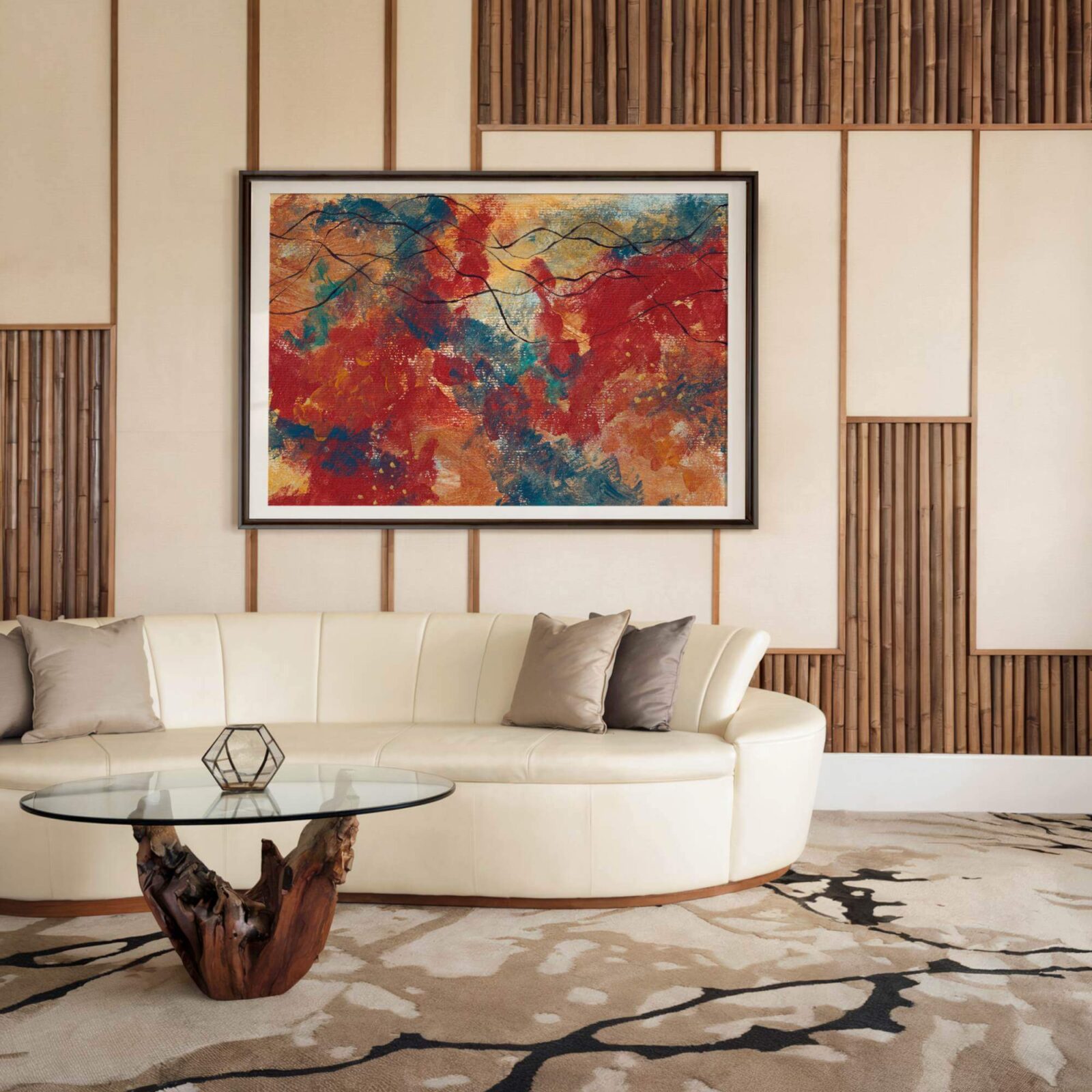
One of the clearest signs of quality is how a print integrates into daily life. High-quality prints do not demand attention to justify their presence. They settle.
 
They remain visually stable. They continue to feel appropriate as tastes evolve. They do not suddenly feel dated or tired because their value was never tied to trend.
 
This is the quiet success of longevity. It is also one of the reasons high-end collectors are choosing prints over originals, where endurance and presence matter more than spectacle.

Care Without Anxiety

Caring for a high-quality art print does not require obsession. It requires awareness.
 
Avoid extremes. Place the work thoughtfully. Treat it as something meant to stay rather than something meant to be replaced. The print is designed to do the rest.
 
This ease of care is part of what distinguishes collector-grade work from decorative alternatives.
 
For those who want to explore work made with this level of care, access to the Collector’s Vault is intentionally private, allowing pieces to be encountered without urgency or noise.

Conclusion

A high-quality art print should last for decades, both physically and in terms of presence. Longevity is not an accident. It is the result of deliberate choices about materials, production, and restraint. If you are at the stage of choosing a piece, read how to buy canvas art properly before confirming scale or edition.
 
When these choices are made properly, the question of lifespan becomes less about worry and more about trust. The work does not need constant reassurance. It simply holds.
 
That is what quality looks like over time. 
Abstract art anchoring a private collector’s interior space

Frequently Asked Questions

How long should a good art print realistically last?

If it’s made properly, decades. A high-quality print should not noticeably fade, yellow, or lose depth simply because time passes. If it does, the problem was built in long before it reached the wall.

Why do so many people assume prints don’t last?

Because many people’s reference point is cheap decorative work. When those fade or fall apart, it creates the impression that prints are temporary. In reality, it’s the shortcuts that fail, not the medium.

Canvas itself isn’t the issue. Mass-produced canvas prints give it a bad name. Collector-grade canvas prints, made with stable materials and archival inks, are often extremely durable in real homes.

Can a high-quality print still change over time?

Yes, but slowly and evenly. All physical objects age. What matters is whether that ageing undermines the work or simply becomes part of its quiet life. Sudden fading or surface breakdown is not normal.

Can a hiHow long do archival prints last in normal home conditions?gh-quality print still change over time?

In a normal home, an archival print should hold up for decades. If it’s made properly with stable inks and materials, you’re looking at fifty years or more without obvious fading, as long as it’s not baking in direct sunlight or sitting in damp air.

Does light exposure destroy prints faster than people realise?

Direct, prolonged sunlight does. Normal indoor light shouldn’t. A well-made print is designed to live in a real space, not be hidden away. Placement matters, but fragility is not the default.

Why do some prints look tired after only a few years?

Because they were made to sell, not to stay. Cheap inks and unstable surfaces look fine at first and then quietly collapse. By the time it’s obvious, the damage is already done.

Does edition size affect longevity in any way?

Physically, no. Conceptually, yes. When an image keeps reappearing in new formats or variations, it stops feeling settled. Prints that are allowed to end tend to hold their weight better over time.

Is longevity part of why high-quality prints cost more?

Yes. Archival materials, careful production, testing, and restraint all cost more than shortcuts. The price reflects an intention for the work to endure, not just to look good quickly.