
How to Buy Collector-Grade Canvas Art
What Does It Mean to Buy Collector-Grade Canvas Art?
If you are trying to understand how to buy canvas art at a collector level, the process is slower and more deliberate than standard decorative shopping. You are not selecting something to “go with” a room. You are deciding what will anchor it.
This page walks you through sizing, pricing bands, timelines, and whether the Collector’s Vault or Capsule Commission is the correct route for you.

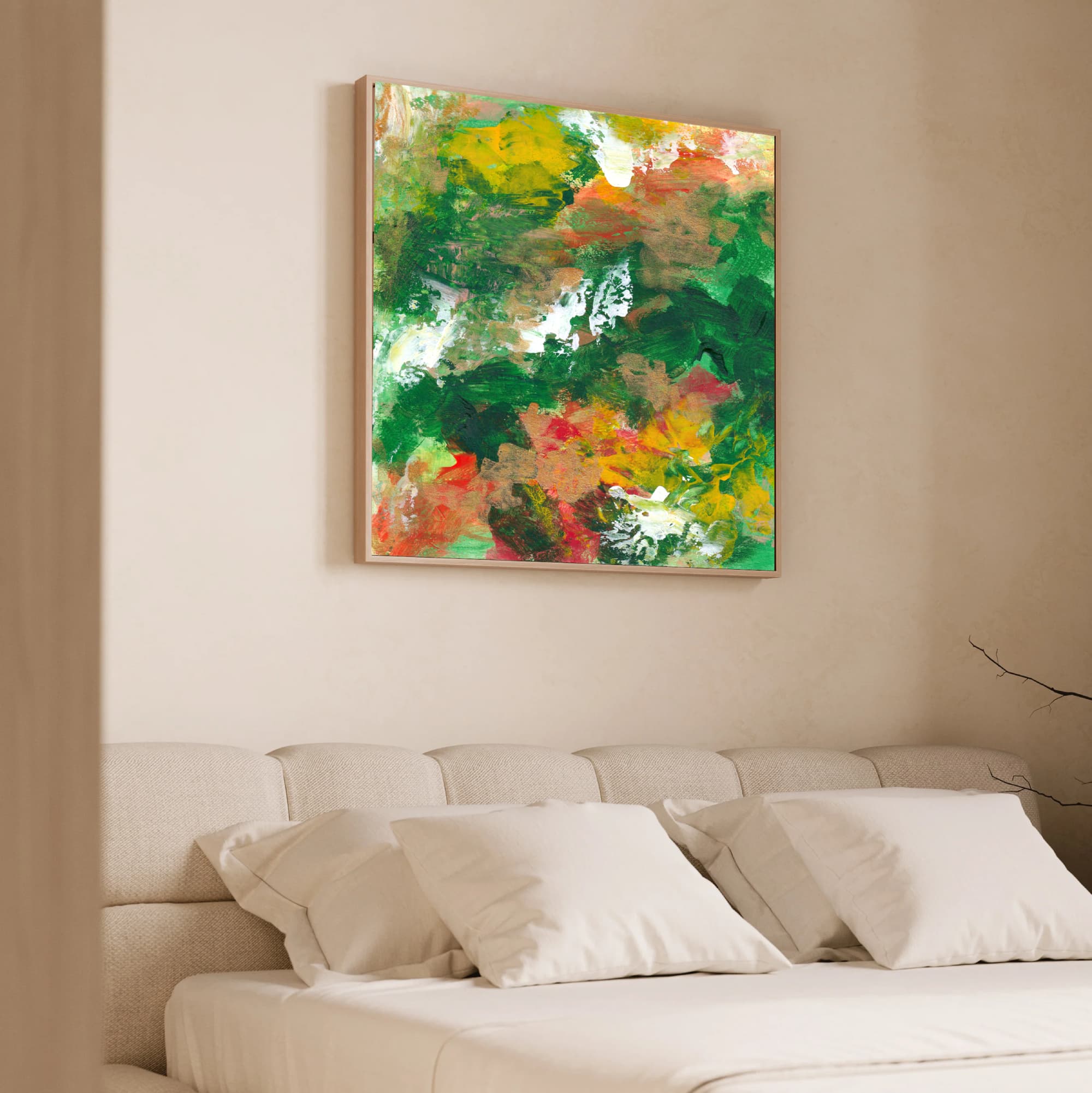
What Does It Mean to Buy Collector-Grade Canvas Art?
Buying collector-grade canvas art means acquiring a professionally produced, archival-quality canvas print derived from an original artwork, released in controlled availability, and intended to hold long-term presence in a space rather than function as short-term décor.
It involves decisions about scale, materials, edition structure, and emotional alignment, not just colour matching.
If you are new to the standards behind this term, read the full guide to collector-grade canvas art before making a decision.
How Do You Actually Buy Collector-Grade Canvas Art?
You do not begin with colour. You begin with intention. Before browsing available works, clarify:
-
- Where will the piece live?
- What emotional tone does the space need?
- Do you want a single anchor work or a growing collection?
- Are you choosing long-term presence or short-term styling?
Collector-grade acquisition is slower than decorative buying because it involves permanence. You are not filling a gap. You are establishing a hierarchy inside a room.
If this is your first acquisition, it is worth reading What to Know Before Buying Your First Collector-Grade Canvas Print before committing to scale or placement.
What Should You Choose?
If you want a decisive anchor piece for a living room, office, or large wall, choose a large-scale Vault work.
If you want something created around a specific emotional chapter in your life, choose a Capsule Commission.
If you want a small, trend-responsive piece to rotate frequently, avoid collector-grade work entirely.
If you want something that will still feel correct in ten years, choose controlled editions produced to archival standards.
Clarity makes the decision easier than comparison ever will.
What Size Should You Buy?
Sizing is the most common mistake in art acquisition.
Undersized work weakens a room. It makes generous architecture feel hesitant. It forces the eye to search for something else to stabilise the wall.
Collector-grade canvas art typically works best in the following contexts:
Large walls: one dominant piece rather than multiple smaller works
Above sofas or beds: approximately two-thirds the width of the furniture
Office settings: scale that matches the authority of the space
Do not choose scale based on fear of “too big.” Choose scale based on whether the room feels resolved once the piece is in place.
If you are unsure, measure the wall, step back, and visualise the proportion before browsing.
The Vault catalogue presents works already designed with spatial authority in mind, rather than decorative convenience.
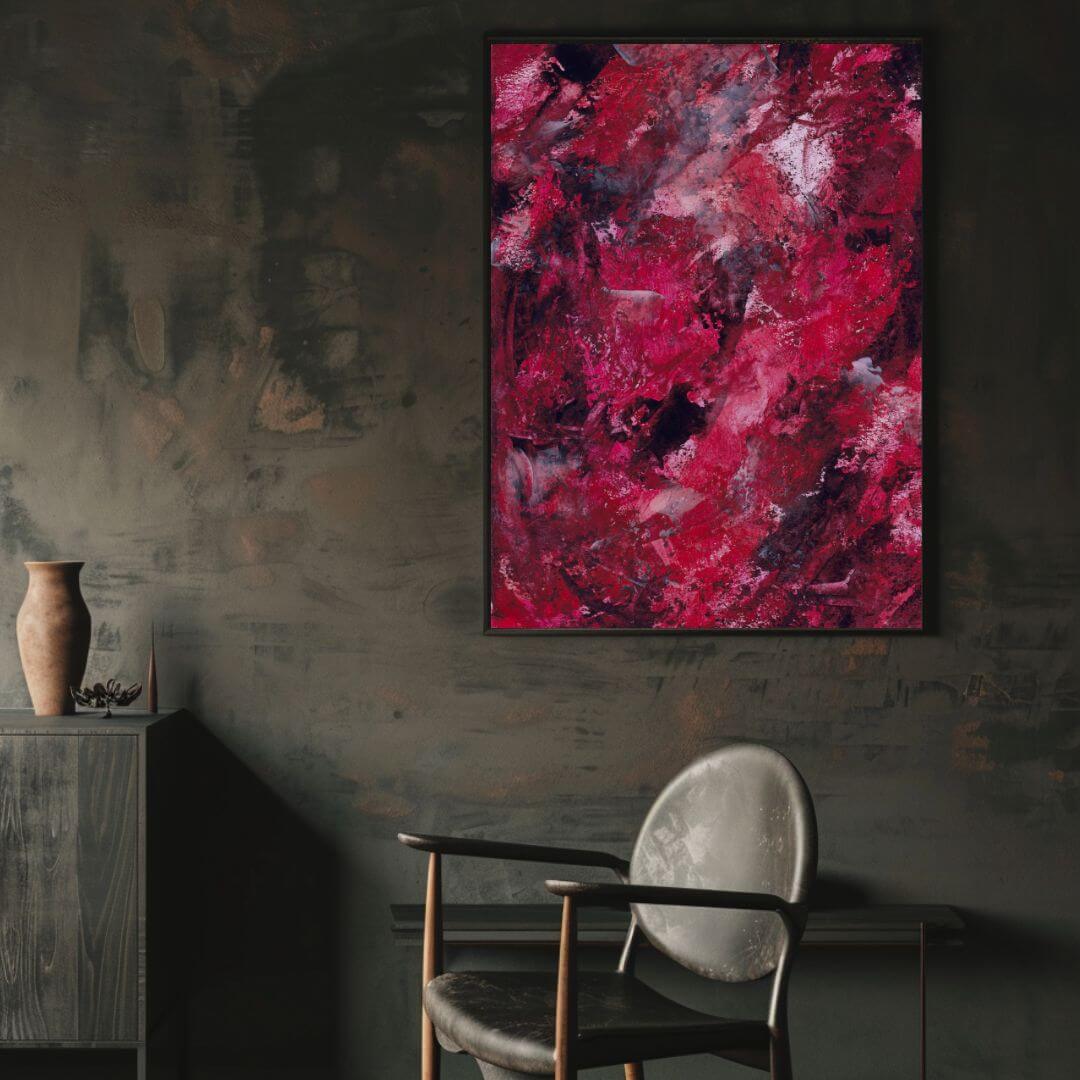

What Do Collector-Grade Canvas Prints Typically Cost?
Pricing varies by scale, edition structure, and production standard. Typical bands for serious canvas prints in the UK market:
-
- Mid three figures: entry-level limited prints from emerging artists
- £1,000-£3,000: established studio editions at a larger scale
- £3,000-£8,000+: high-demand works, larger formats, or tightly controlled releases
My available works within the Collector’s Vault sit within defined controlled pricing bands, reflecting scale, edition discipline, and archival production.
Price is not determined by surface area alone. It reflects:
-
- Material quality
- Edition restraint
- Studio trajectory
- Emotional weight of the work
If you want to understand what sits behind those numbers structurally, read What Makes a High-End Art Print Worth the Price.
Where Do Prints Sit Compared to Originals?
In contemporary collecting, prints are not secondary objects.
-
- A collector-grade canvas print derived from an original painting can:
- Be produced at larger scale than the original
- Offer stronger wall presence
- Be released in more controlled quantities
- Provide a more stable format for certain environments
The key question is not “original vs print.”
It is: Is the work built properly? Is it released with discipline? Does it hold?
For longevity considerations specifically, see How Long Should a High-Quality Art Print Actually Last?
What Is the Timeline From Enquiry to Installation?
Collector-grade acquisition is not instant shipping from a warehouse shelf.
Typical timeline:
Vault work: availability confirmed, production completed to order, delivered within several weeks (usually between 2-4 weeks), depending on scale
Capsule Commission: consultation, emotional brief, creation phase, production and finishing, typically four to five weeks
Because works are produced to professional archival standards and not mass-stocked in bulk, time is part of the process.
If you require a piece for a specific installation date, that should be discussed before confirmation.
How Do You Work With Me?
There are two primary routes.
1. The Collector’s Vault
The Vault is a curated private catalogue of available canvas works drawn from my archive.
You review quietly.
You select intentionally.
You enquire directly.
There is no public marketplace dynamic. No countdown timers. No performance.
If the work resonates, you enquire. If it doesn’t, you wait.
Access the Collector’s Vault here.
2. Capsule Commission
Capsule Commission is for collectors who want a piece anchored in a specific emotional chapter or experience.
The process includes:
-
- A private written reflection
- Defined scale and structural parameters
- Controlled creation timeline
- One A2 gallery-quality canvas print
It is not decorative.
It is not trend-led.
It is intimate and intentional.
Decorative Canvas vs Collector-Grade Canvas
| Feature | Decorative Canvas | Collector-Grade Canvas |
|---|---|---|
|
Purpose |
Fills space |
Establishes presence |
|
Production |
Volume-driven |
Archival, controlled |
|
Edition |
Often open |
Limited or catalogue-based |
|
Longevity |
Short to medium term |
Designed for decades |
|
Emotional role |
Visual styling |
Spatial anchoring |
|
Replacement cycle |
Frequent |
Rare |
This distinction determines everything from pricing to placement.
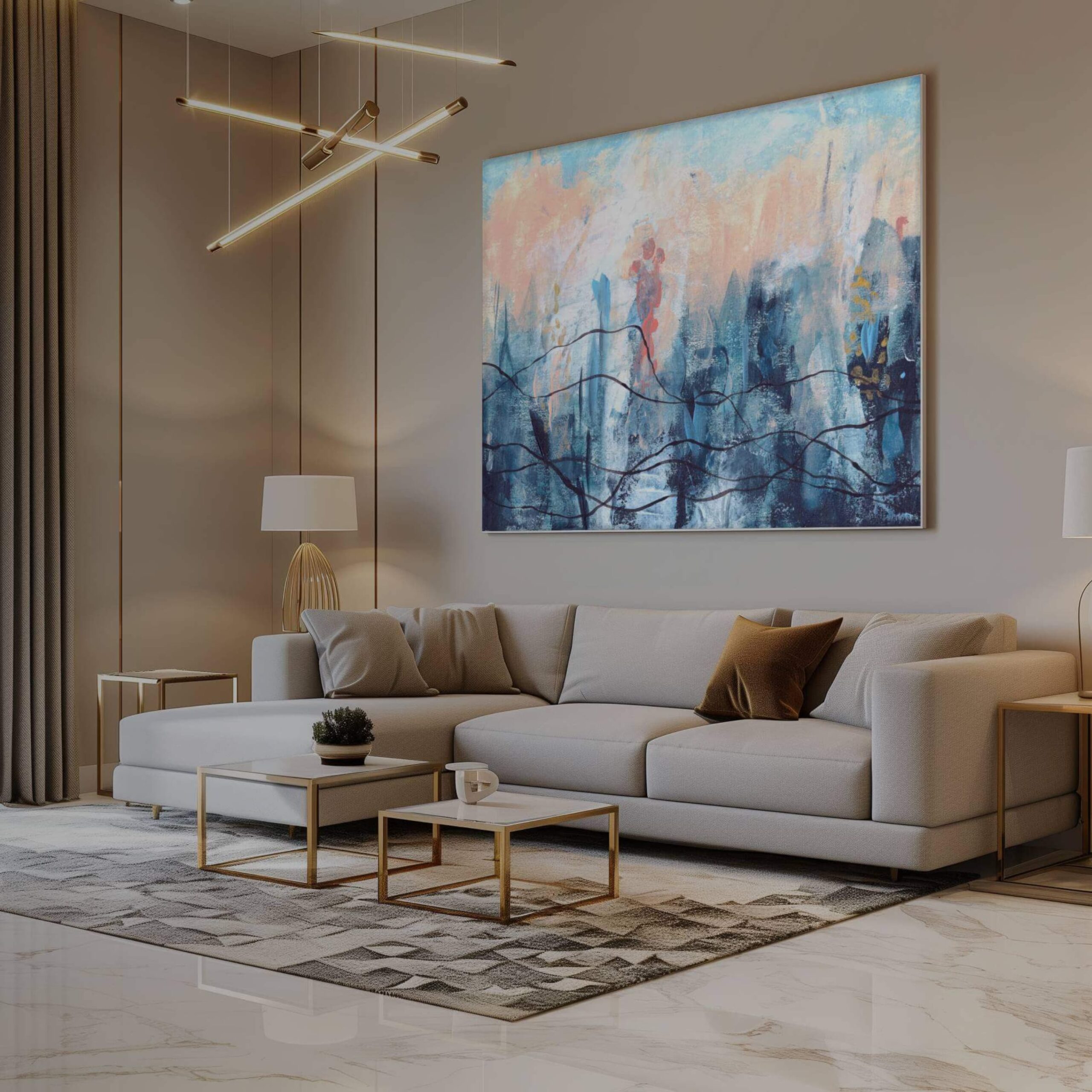

What Should You Expect After Installation?
You should not expect drama.
Collector-grade work integrates.
The space often feels quieter. More resolved. Less visually restless.
Over time, the relationship deepens rather than fading. This is one of the reasons emotionally intelligent collectors buy art without a sales pitch.
If the work begins to feel “loud” or temporary within months, it was likely decorative, not structural.
Final Thoughts
Buying collector-grade canvas art is not about speed or surface.
It is about permanence, proportion, and emotional alignment.
If you want to browse available works quietly, the Collector’s Vault is the appropriate starting point.
If you want something created around your own emotional landscape, enquire about the Capsule Commission.
This page exists to make the decision clear, not complicated.
Frequently Asked Questions
Look at materials, edition control, and production standards. Archival canvas, pigment-based inks, disciplined release structure, and long-term durability are baseline requirements. If these details are unclear or unavailable, treat that as a warning sign.
No. Scale must match the architecture. Large work is powerful when the wall can hold it. Oversizing a confined space can feel oppressive. Undersizing a generous wall feels hesitant. Proportion, not ego, determines scale.
Because works are produced to order at archival standards, returns are not treated like retail purchases. Clarify placement, scale, and timeline before confirming.
Not inherently. A controlled, archival collector-grade print can hold more spatial authority than a small original. Value is determined by production discipline, longevity, and presence, not format alone.
Professionally produced canvas prints made with archival materials are designed for decades of stability under normal interior conditions. Longevity depends on environment, light exposure, and handling.
If you want decisive anchoring, one dominant piece is usually stronger. Multiple smaller works create rhythm but require careful spacing and cohesion.
Wait. Collector-grade acquisition is not urgent. If the decision feels pressured, it is likely misaligned. The right work will feel settled rather than forced.