How to Choose a Kids Yoga or Movement Programme That Builds Confidence
Parents rarely begin by searching for “confidence-building movement programmes.” The search usually starts with something simpler. A child has too much restless energy after school. Another seems hesitant to join activities. A third tried a sports environment and quietly decided it was not for them. Movement classes appear everywhere, yet choosing the right one feels harder than expected because the results vary widely.
 
Some programmes genuinely help children feel stronger, steadier, and more willing to try things. Others keep children busy without changing how they feel about themselves at all. The difference is rarely the activity itself. It is how the environment is structured, how challenge is introduced, and how children experience progress over time.
 
If you want a broader overview of how structured movement environments support children’s development, you can explore the full approach here: https://vikithorbjorn.art/yoga-and-movement-for-children/
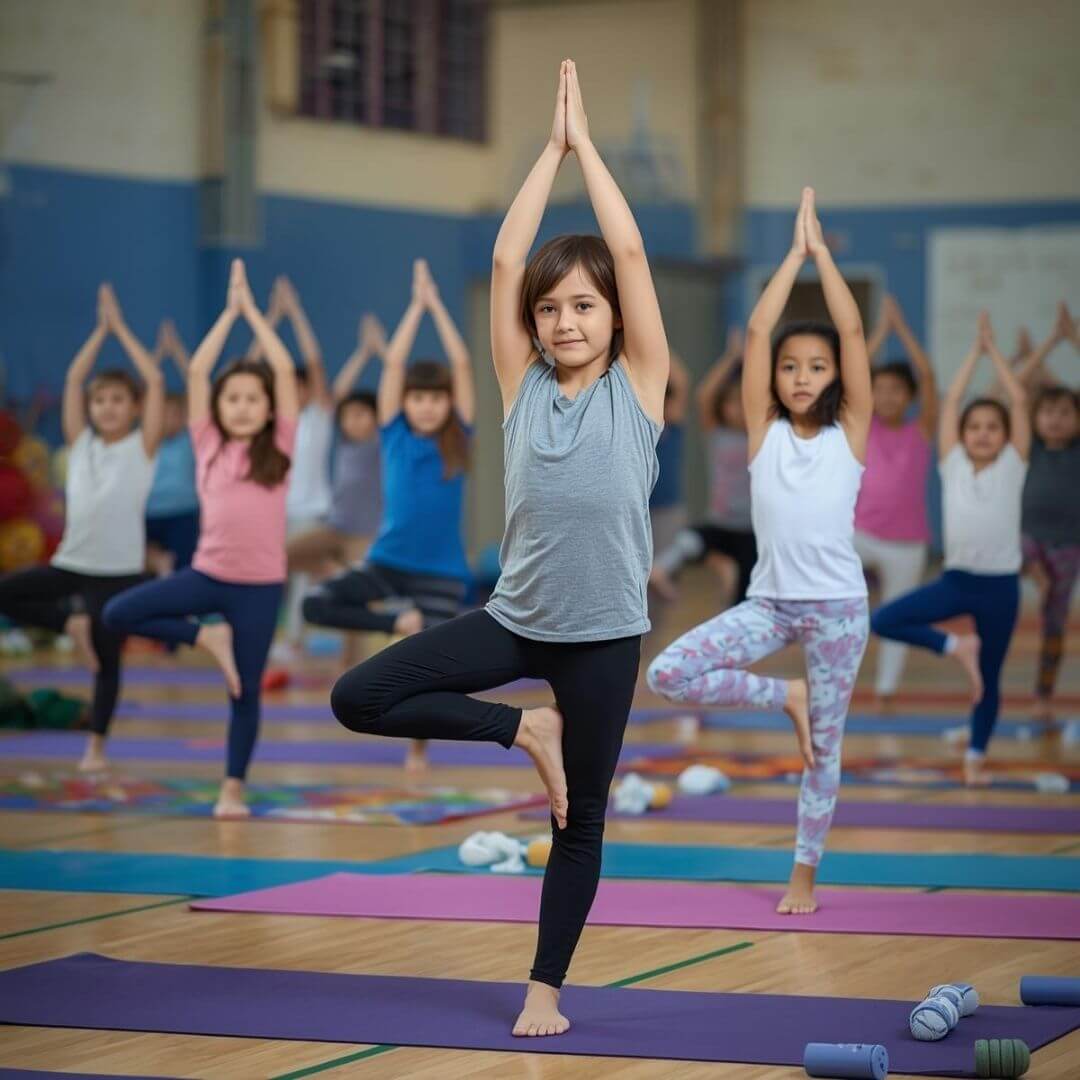
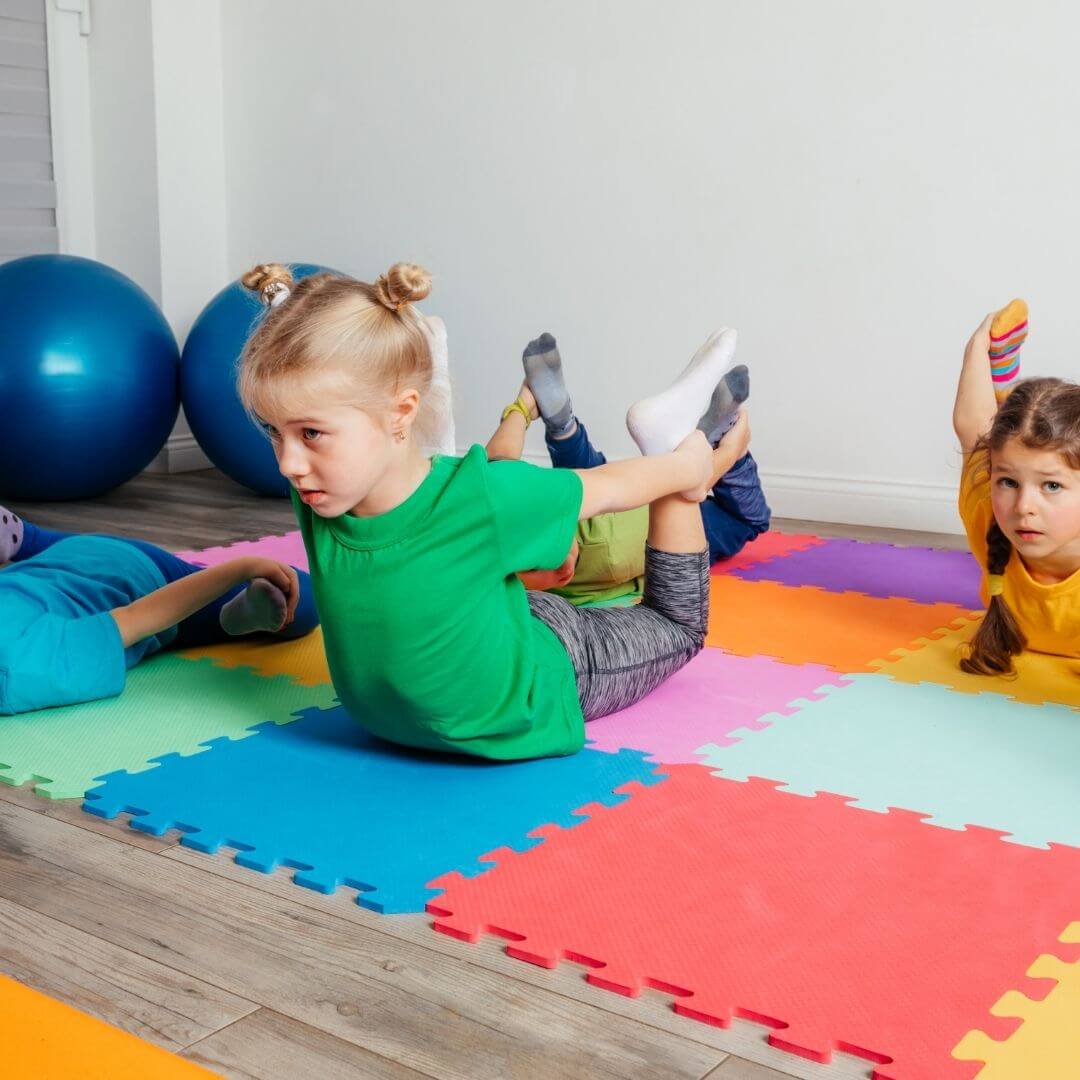
Children practising balance poses during a yoga for children class

Confidence Develops Through Experience, Not Encouragement Alone

Children hear encouragement constantly. “You can do it.” “Be brave.” “Try again.” These phrases matter, but they do not create confidence on their own. Confidence grows when the body experiences improvement repeatedly. A child who manages a balance pose for two seconds longer than last week feels something very different from a child who is simply told they are capable.
 
Strong movement programmes are built around this idea. Exercises return in slightly different forms across sessions so children can recognise their own development. The progress may be small, better posture, smoother coordination, slightly stronger effort, but the repetition creates a clear internal message: “I am getting better at this.”
 
When classes change activities too quickly, children stay active but rarely feel progression. Movement is happening, but the confidence-building loop is missing.

Observe What Happens When a Child Finds Something Difficult

The fastest way to understand whether a programme builds confidence is to watch how the teacher responds when something does not go perfectly. In supportive environments, difficulty is expected. Teachers quietly offer easier or alternative variations, allowing children to continue working without feeling exposed.
 
In environments that unintentionally reduce confidence, difficulty often leads to visible correction, comparison, or pressure to keep up. Even subtle signals, impatience, rushed instruction, or repeated “no, not like that” responses, can make children more cautious over time.
 
Parents who observe a session for even a short period usually notice this difference immediately. Rooms that build confidence feel active but relaxed. Children try things, wobble, try again, and continue without embarrassment.

Programmes That Offer Layered Difficulty Help Children Progress Naturally

Children develop at different speeds. Some quickly grasp balance challenges, while others need more repetition before feeling comfortable. Classes that expect every child to perform the same movement at the same level inevitably create winners and observers. Classes that offer layered difficulty allow each child to work at a level that feels challenging but manageable.
 
Layered teaching is often subtle. A teacher may demonstrate a basic movement first, then show two or three variations with increasing difficulty. Children naturally choose the level they feel ready for, and over time many move upward without pressure. This gradual progression allows improvement to feel self-directed rather than imposed.
 
Parents who want a checklist of what to evaluate when selecting movement environments may find this helpful: https://vikithorbjorn.art/childrens-movement-classes-what-to-look-for/

Predictable Structure Helps Children Relax Into Learning
Children settle more quickly in environments that follow a consistent rhythm. Arrival, warm-up, guided movement, challenge phase, and short rest create a predictable flow that allows the nervous system to relax. When children know what is coming next, they spend less energy managing uncertainty and more energy engaging with the activity itself.
 
Predictability does not mean monotony. Exercises evolve, games change, and challenges increase, but the overall structure remains familiar. Over time, this routine becomes part of why children feel comfortable returning. Familiar structure quietly builds psychological safety.
 
A deeper explanation of how calm movement environments are designed can be read here: https://vikithorbjorn.art/yoga-for-children-to-move-release-and-feel-calm/
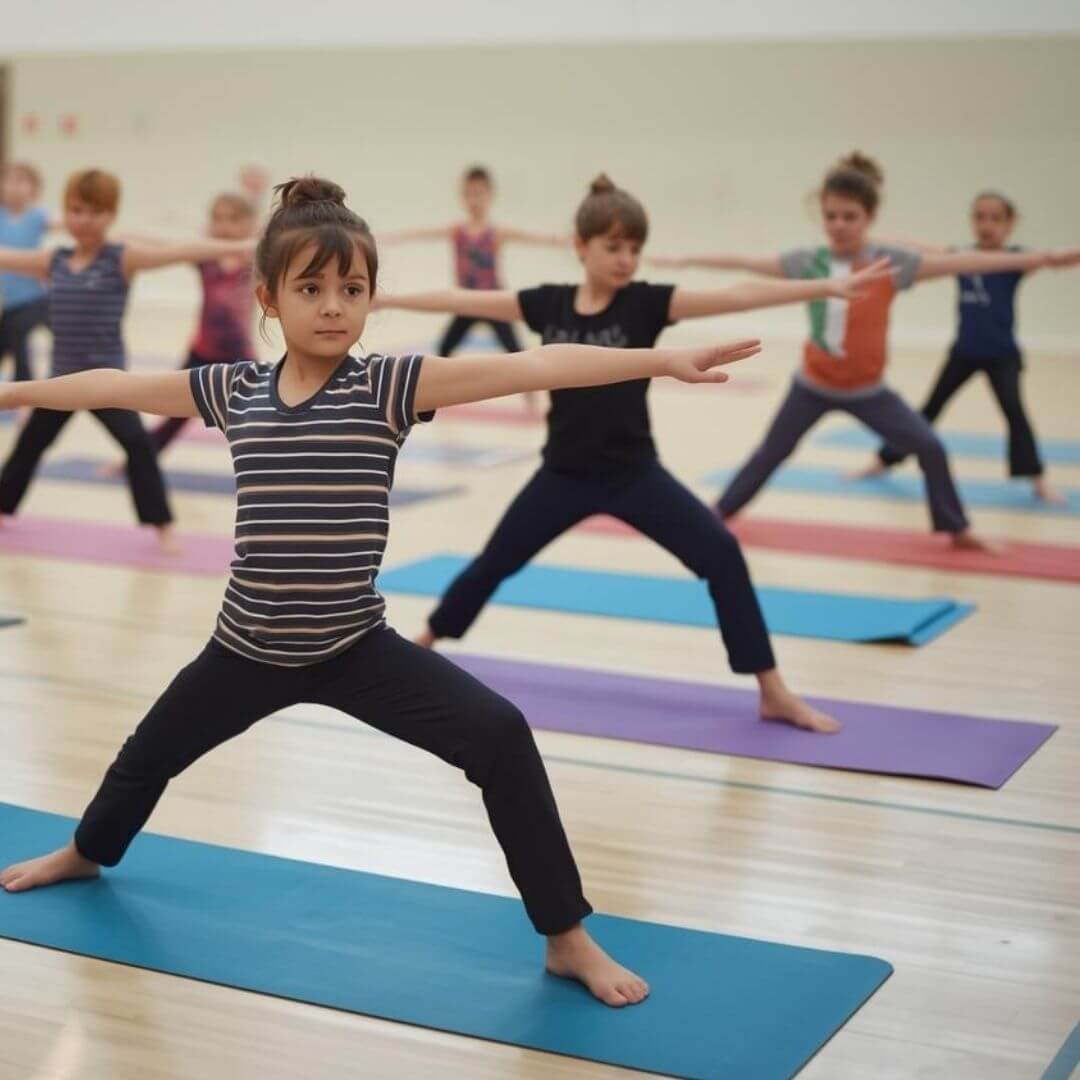
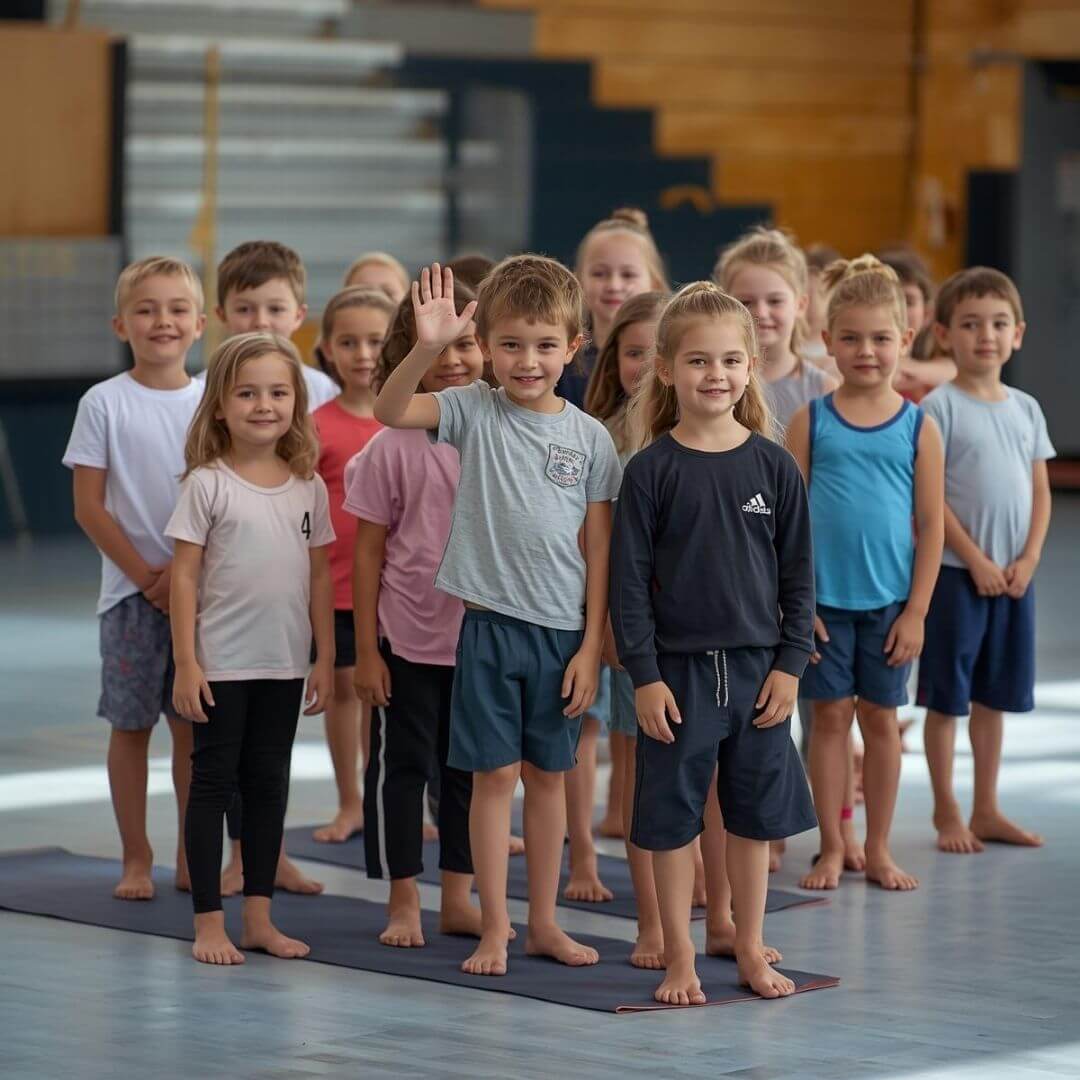
Group of children standing on yoga mats in a spacious indoor hall

Confidence Often Builds Faster in Non-Comparative Environments

Some children thrive in competitive settings, especially once they already feel physically capable. Others need time to develop coordination and body awareness before competition feels enjoyable. Movement programmes that focus initially on individual progression rather than comparison often provide that foundation.
 
In non-comparative environments, children attempt movements because they are curious, not because they feel evaluated. They learn that wobbling is part of the process, that improvement happens gradually, and that effort is expected. When children later enter more competitive environments, they often do so with greater confidence because they already trust their ability to learn.
 

Emotional Tone Matters as Much as Curriculum

Parents sometimes focus on the technical details of a programme: class duration, equipment, or curriculum outline. Equally important is the emotional tone of the room. Does the teacher remain calm when the group becomes energetic? Are children encouraged to try again without embarrassment? Do mistakes appear ordinary rather than disruptive?
 
Confidence-building environments usually feel steady. There is energy, movement, and occasional chaos, but the overall atmosphere remains contained. Children sense this quickly, and their willingness to participate often reflects it.

Consistency Builds Confidence More Than Intensity

It is tempting to assume that the most demanding programme will produce the fastest results. In practice, confidence develops through consistency. Attending the same weekly class with familiar structure, familiar teaching style, and gradually increasing challenge allows children to recognise their own improvement. That recognition is what builds self-belief.
 
Switching constantly between activities may keep children entertained, but it reduces the opportunity to develop sustained capability. Confidence rarely comes from occasional peak experiences. It grows through repeated small successes over time.

The Subtle Signs That Confidence Is Growing

Parents often notice the changes quietly rather than dramatically:
    • A child who once hesitated begins participating without prompting
    • Movements that previously caused frustration are attempted more calmly
    • Children start repeating exercises at home on their own
    • Physical posture and coordination improve gradually
    • Transitions after school or activities become smoother
These signs indicate that the child’s internal experience is shifting. They feel more capable, and that feeling influences how they approach challenges beyond the class itself.

Choosing the Right Programme for Your Child
No single programme suits every child. Some thrive in energetic sports environments, others in calmer structured movement sessions. The goal is not to find the most impressive class description but the environment where your child feels willing to try, able to improve, and comfortable returning week after week. Confidence grows where repetition meets the right level of challenge.
 
For families in Nottingham looking for weekly children’s and tween movement sessions designed around gradual progression, calm structure, and confidence-building teaching environments, practical class details can be found here: https://vikithorbjorn.art/kids-yoga-nottingham/

Why Some “Good” Classes Still Don’t Build Confidence

Parents often assume that if a programme is well organised and professionally run, confidence will naturally follow. That is not always the case. A class can be technically excellent and still not create the conditions where children feel capable. The difference usually lies in how pressure is handled.
 
In some environments, progress is visible but public. Children know who is ahead, who is struggling, who is praised the most. Even when no one says it directly, comparison becomes part of the atmosphere. Some children respond by pushing harder. Others quietly withdraw. Over time, the ones who withdraw often begin describing themselves as “not sporty” or “not good at this,” even when they are physically capable.
 
Confidence-building programmes tend to operate differently. Progress is still present, sometimes even faster, but it is experienced internally rather than displayed constantly. Children notice their own improvement before anyone else does. They begin to recognise that effort leads somewhere, which is the core of real confidence.

The First Four Weeks Tell You Almost Everything

Parents sometimes expect immediate transformation after enrolling a child in a new activity. In reality, the first few weeks are less about visible improvement and more about environmental fit. Watch what changes over that period.
    • Does your child start preparing for the session more willingly?
    • Do they talk about something they managed to do slightly better?
    • Do they appear more relaxed when arriving, even if they are still learning?
These early behavioural shifts usually indicate that the environment feels safe enough for learning. When that safety is present, progress tends to follow naturally.

Why Calm Teaching Often Produces Stronger Results

There is a common belief that energetic teaching motivates children more effectively. In some contexts that is true, but in skill-development environments, calm teaching often produces deeper confidence. When instructions are delivered clearly and steadily, children have more time to process what their body is doing. They can repeat movements without feeling rushed, notice improvements, and stay engaged even when something feels difficult.
 
Calm does not mean passive. Sessions can still be physically challenging, playful, and active. The difference is that the emotional tone remains steady. Children sense that mistakes are expected and manageable, which encourages experimentation rather than hesitation.

The Role of Repetition in Confidence Building

Many parents worry that repetition will bore children. In well-designed programmes, repetition is disguised as variation. A balance exercise might return each week but in slightly different forms: eyes open, eyes closed, with movement, without movement, combined with another skill. Children recognise the pattern subconsciously and begin to feel improvement long before they can articulate it.
 
That repeated sense of “I can do this better now” is one of the strongest drivers of confidence development. Without repetition, children remain in constant novelty, which can be exciting but rarely produces sustained self-belief.
 
If you want to understand how structured children’s movement environments are designed around this principle, you can explore the full approach here: https://vikithorbjorn.art/yoga-and-movement-for-children/

Why Programme Size Matters More Than Parents Expect
Large classes are not automatically ineffective, but smaller or well-managed groups often allow teachers to observe individual progress more closely. When children receive occasional individual guidance, a posture adjustment, a quieter explanation, a brief encouragement, they feel seen. That experience alone can significantly influence willingness to attempt more challenging movements.
 
Confidence grows faster when children feel that their effort is noticed, even subtly. Environments where teachers can maintain that awareness tend to produce stronger long-term engagement.

The Confidence Carry-Over Effect

Parents sometimes expect confidence improvements to appear only inside the activity itself. More often, the changes appear elsewhere first. Children begin attempting new things at school, joining games more easily, or showing more patience when learning something unfamiliar. These shifts occur because the child has already experienced the cycle of effort, difficulty, and success repeatedly in the movement environment. The brain begins to treat challenge as manageable rather than threatening.
 
This carry-over effect is one of the most valuable long-term benefits of the right programme, yet it is rarely mentioned in marketing descriptions.

When a Programme Isn’t the Right Fit

Even well-structured programmes will not suit every child. Some children prefer highly social team environments. Others prefer quieter, structured settings. The key indicator is not whether the programme is objectively “good,” but whether your child begins to feel more willing to try things over time. If participation becomes increasingly reluctant rather than easier, the environment may simply not match the child’s current developmental stage.
 
Parents who want a detailed checklist for evaluating class environments can also read: https://vikithorbjorn.art/childrens-movement-classes-what-to-look-for/

The Long-Term Goal Isn’t the Class. It’s the Internal Shift.

The purpose of confidence-building movement programmes is not to create perfect performers. It is to give children repeated experiences of capability. When those experiences accumulate, children begin approaching challenges differently. They attempt before deciding they cannot. They recover faster after mistakes. They stay engaged slightly longer when something feels difficult.
 
These changes often appear gradually and quietly, yet they influence how children approach learning, relationships, and future activities for years.

Finding the Right Environment Locally

Parents often spend time searching for the most impressive programme description when the more useful question is simpler: “Where does my child feel willing to try?” The right environment is the one where effort feels safe, progress feels visible, and returning each week feels natural rather than stressful.
 
For families in Nottingham looking for structured weekly children’s and tween movement sessions designed around gradual progression and confidence-building teaching environments, practical class details can be found here: https://vikithorbjorn.art/kids-yoga-nottingham/

Frequently Asked Questions

Does yoga actually help with confidence?

In most cases, yes. Not because of the word “yoga,” but because children start noticing they can do things they couldn’t do a few weeks earlier. Once a child feels stronger, steadier, or more balanced, confidence tends to follow on its own.

What if my child is very shy at the start?

That’s normal. Quite a few children watch for the first session or two before joining in properly. Once they realise nobody is rushing them or putting them on the spot, they usually begin taking part at their own speed.

Do children need competition to become confident?

Some enjoy it, some don’t. Many children actually gain confidence first in places where they’re not being compared to others all the time. Once they feel capable, competition often feels much easier later on.

How quickly should we expect to see a difference?

Sometimes you notice small changes after a few sessions, like a child being more willing to try. The bigger confidence shifts usually come after a couple of months, once they’ve had time to repeat the same movements and feel their progress.

Is the activity itself important, or the way the class is taught?

The teaching usually makes the bigger difference. The same activity can feel encouraging in one class and stressful in another, depending on how challenge and mistakes are handled.

Should children stay in one programme for a while?

Usually yes. Confidence grows when children can see themselves improving over time. If they move from class to class too quickly, they often don’t get that sense of “I’m getting better at this.”

Where can I read more about how these classes are structured?
Where do I find the class details?

The current children’s and tween sessions are listed here: https://vikithorbjorn.art/kids-yoga-nottingham/

How many sessions should we try before deciding?

Give it a few weeks if you can. Many children need a little time to settle in before you see how comfortable they really feel.

What if my child isn’t naturally sporty?

That’s often exactly who these kinds of classes help. When progress is gradual and not competitive, children who didn’t enjoy traditional sports often start feeling much more comfortable moving.

Is it better to try lots of activities or stick with one?

Trying different things is fine, but staying with one class long enough to notice improvement usually does more for confidence.

What if my child just wants to watch at first?

That happens a lot. Once children feel familiar with the room and the routine, most begin joining in without being pushed.