
Art for Executive Offices: Power, Presence, and Leadership on the Walls
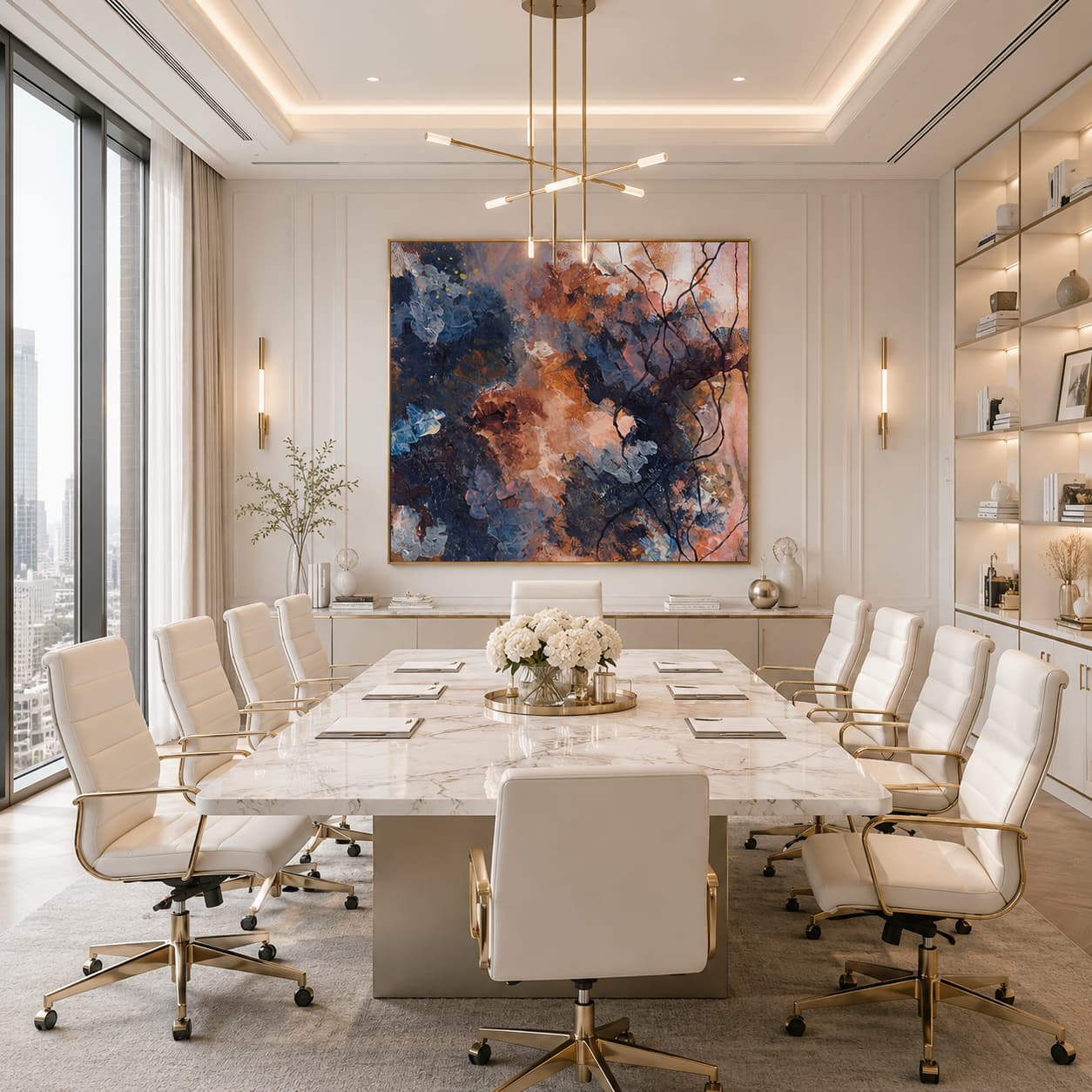
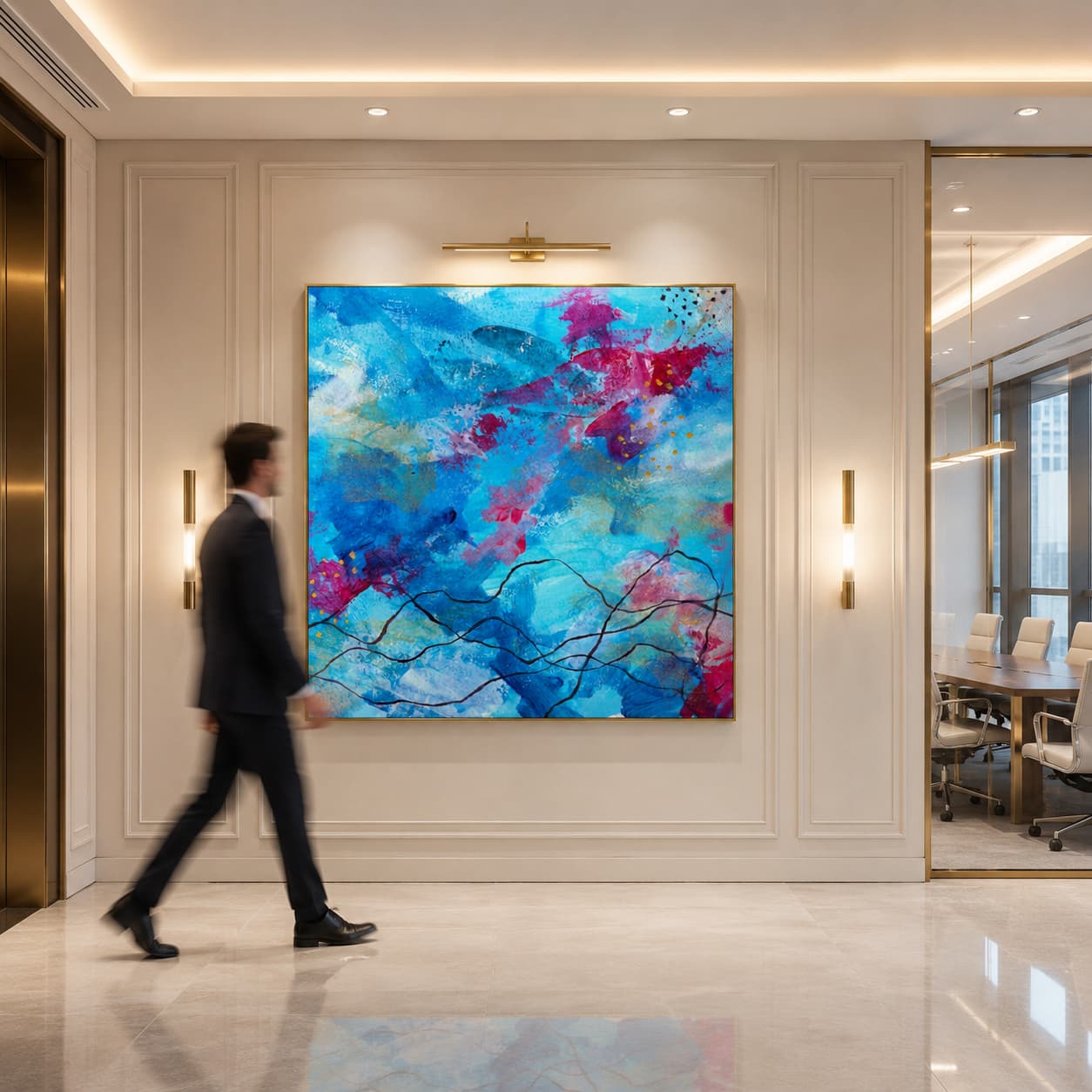
Why Art in Executive Offices Is More Than Just Decor
What the Art in Your Office Quietly Communicates
-
- how complexity is handled
- whether clarity is valued over noise
- how emotional intelligence shows up in decision-making
- whether authority is grounded or performative
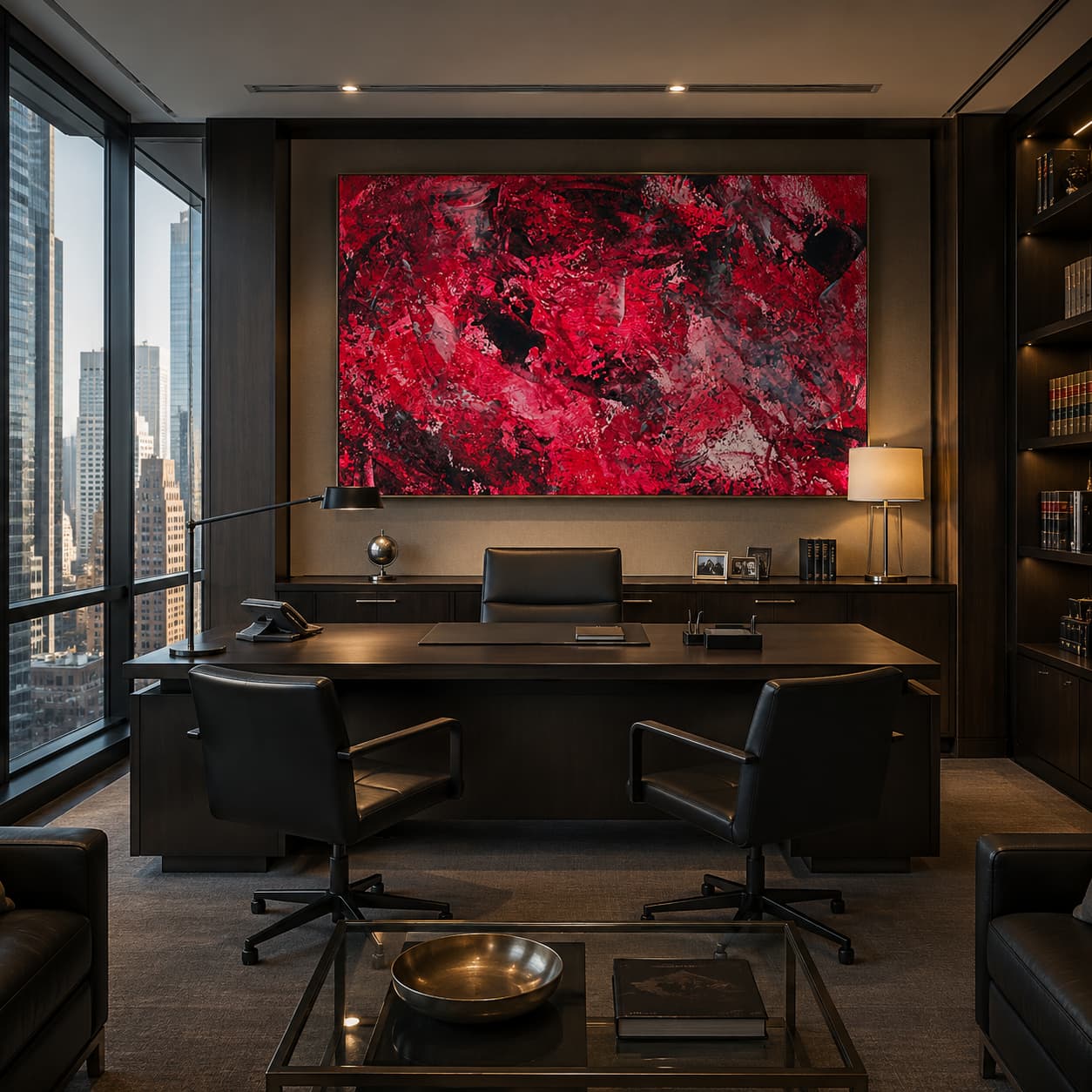
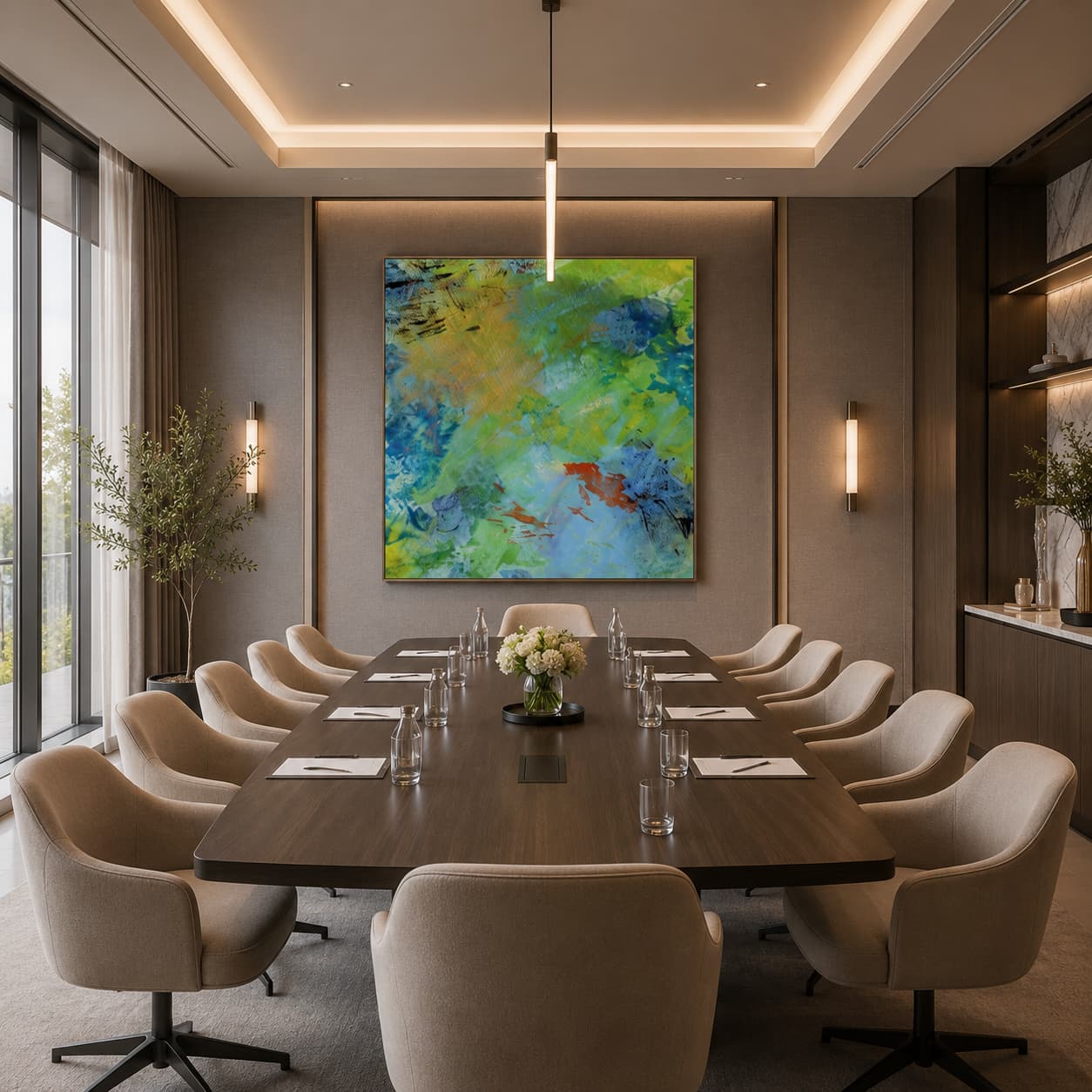
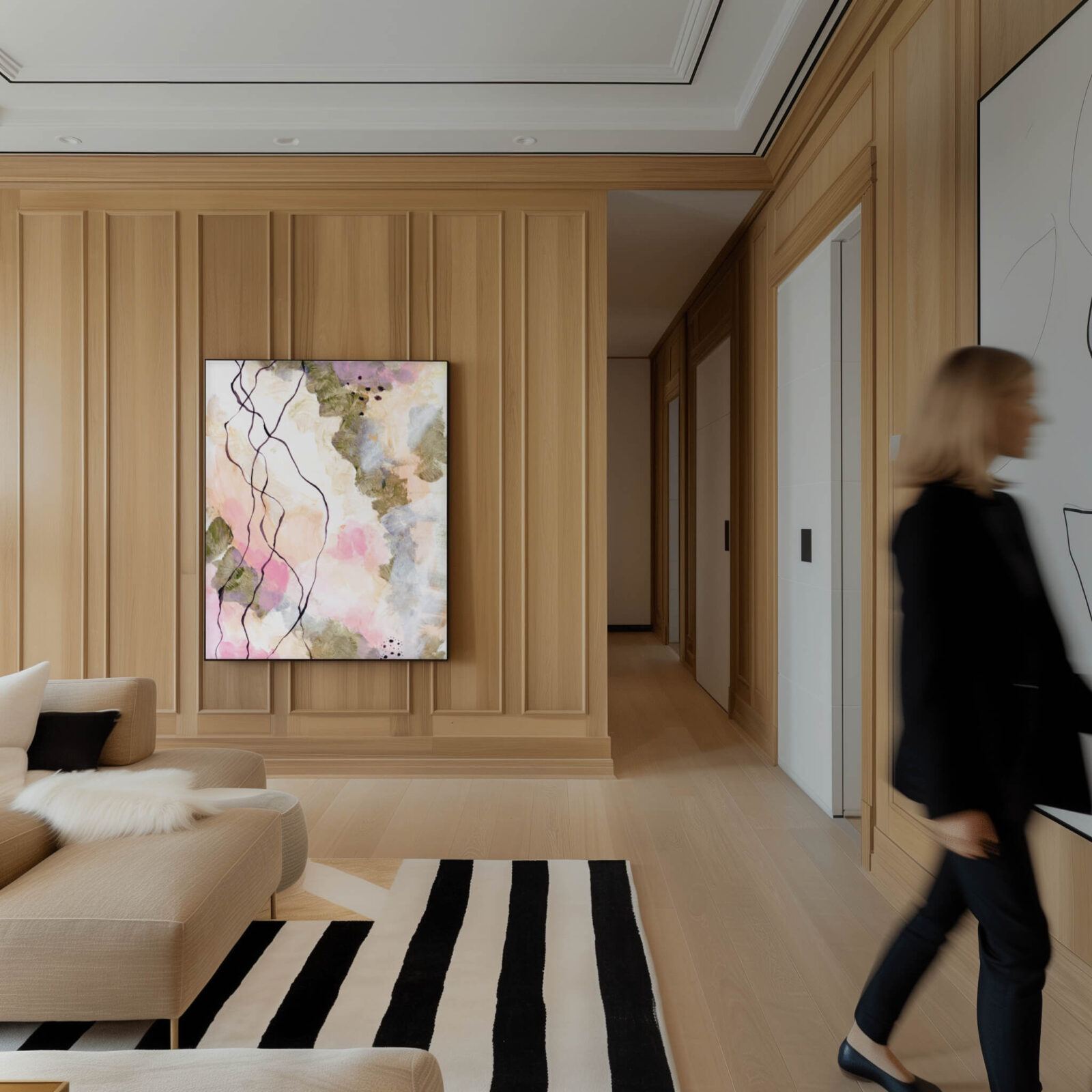
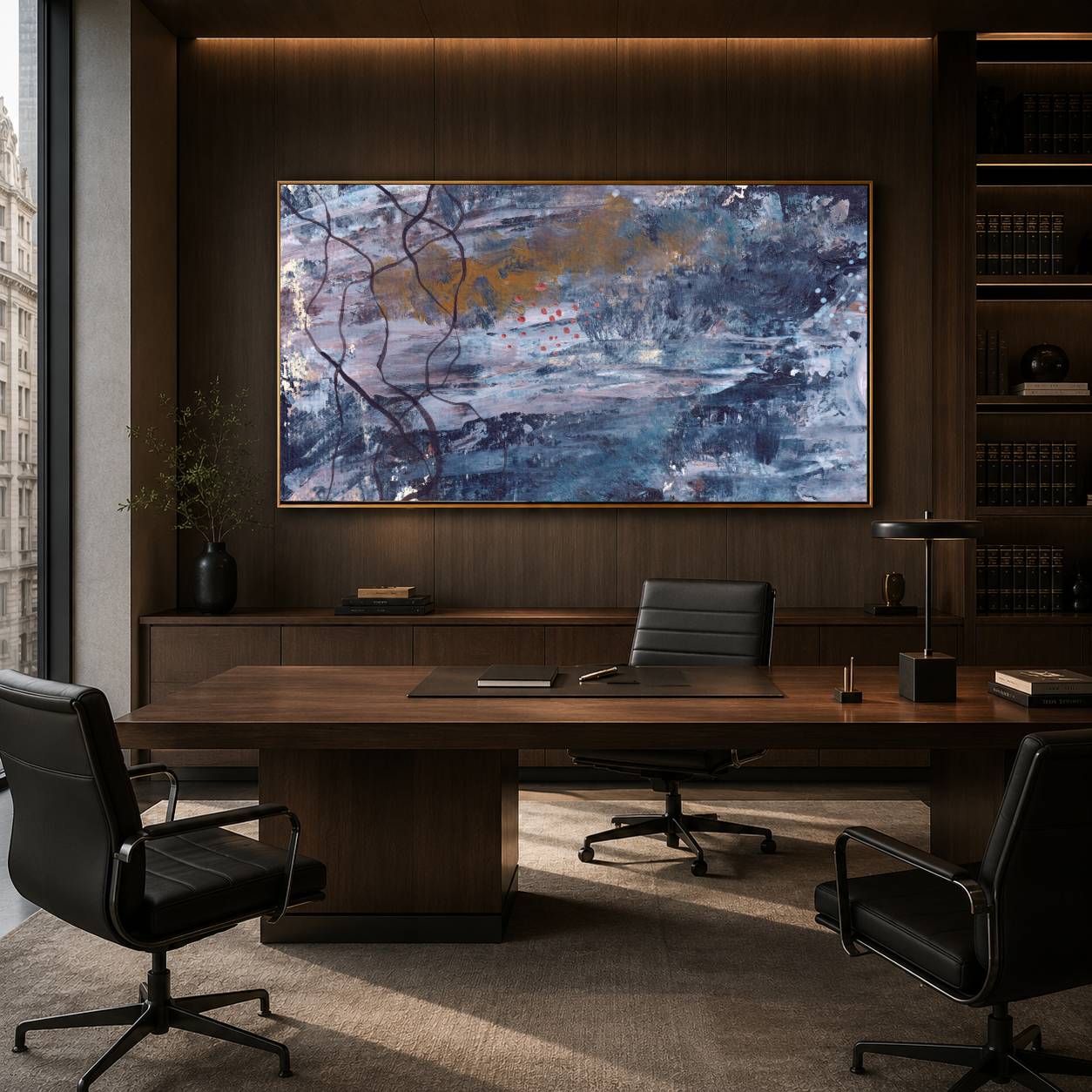
Why Abstract Art Works Best in High-Level Spaces
-
- is intentionally chosen rather than mass-produced
- balances complexity with restraint
- invites reflection without pulling focus away from the work at hand
The Science Behind Art in Executive Workspaces
-
- cognitive performance
- creativity and problem-solving
- emotional regulation
- stress levels
- perception of organisational culture
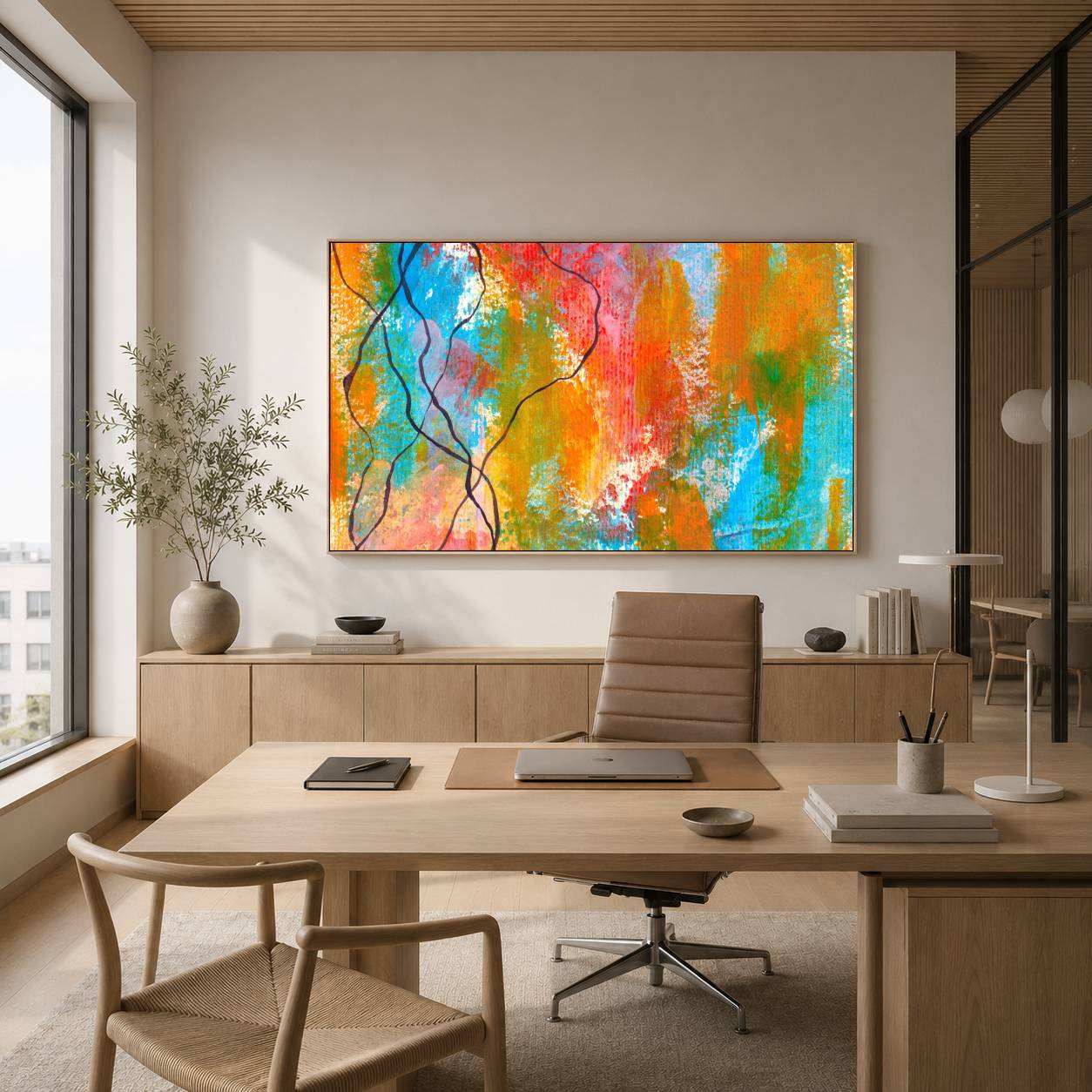
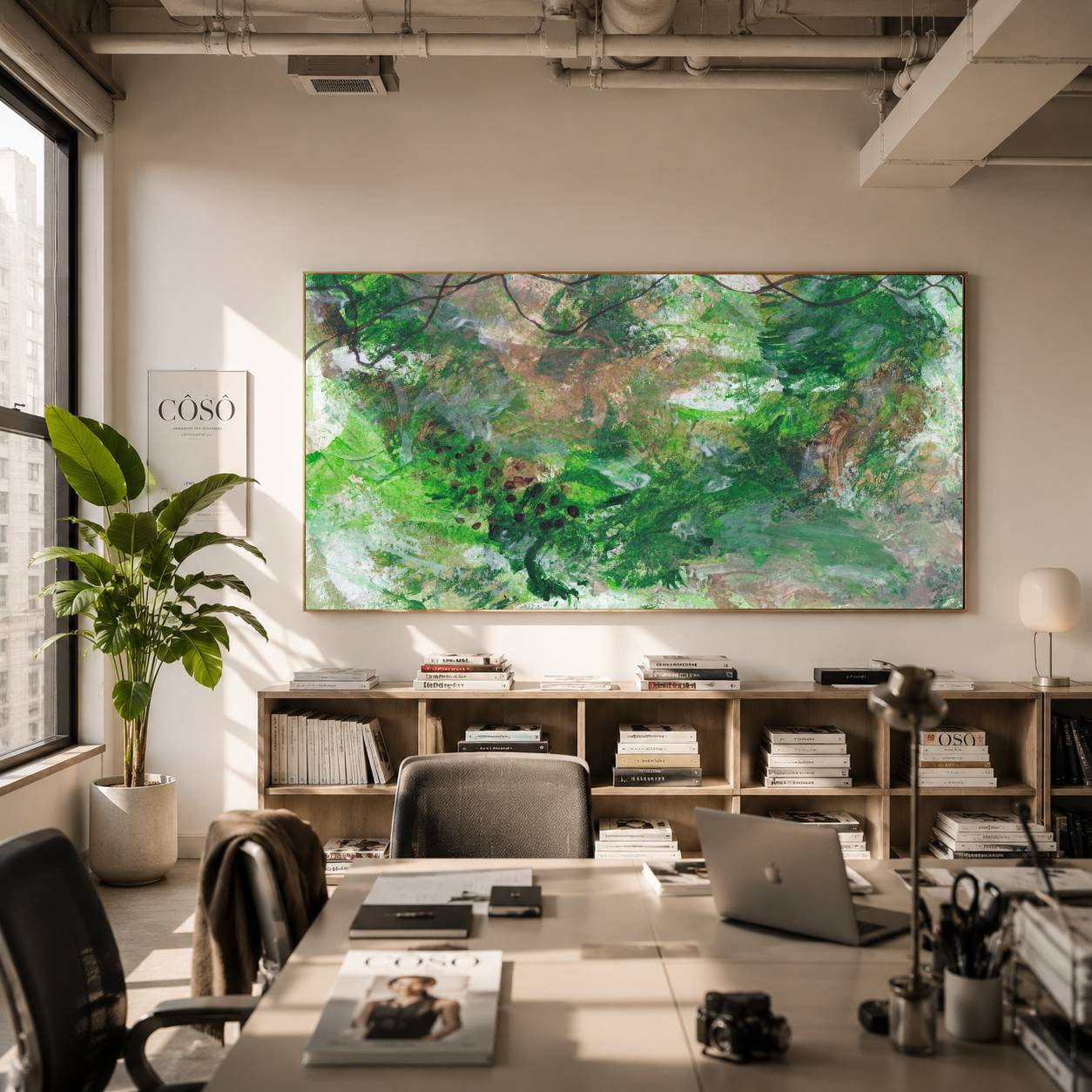
Why Emotional Intelligence Is Reshaping High-End Interior Design
-
- environments that reduce cognitive noise in high-pressure roles
- spaces that support clarity rather than stimulation
- visual identities that reflect authenticity, confidence, and depth
How to Recognise True Luxury in Executive Art
-
- Does this work continue to hold attention over time, or does it fade into background noise
- Can the presence of the artist’s process be felt rather than advertised
- Is the acquisition thoughtful and considered, or rushed and transactional
- Does the piece support the space emotionally, not just visually
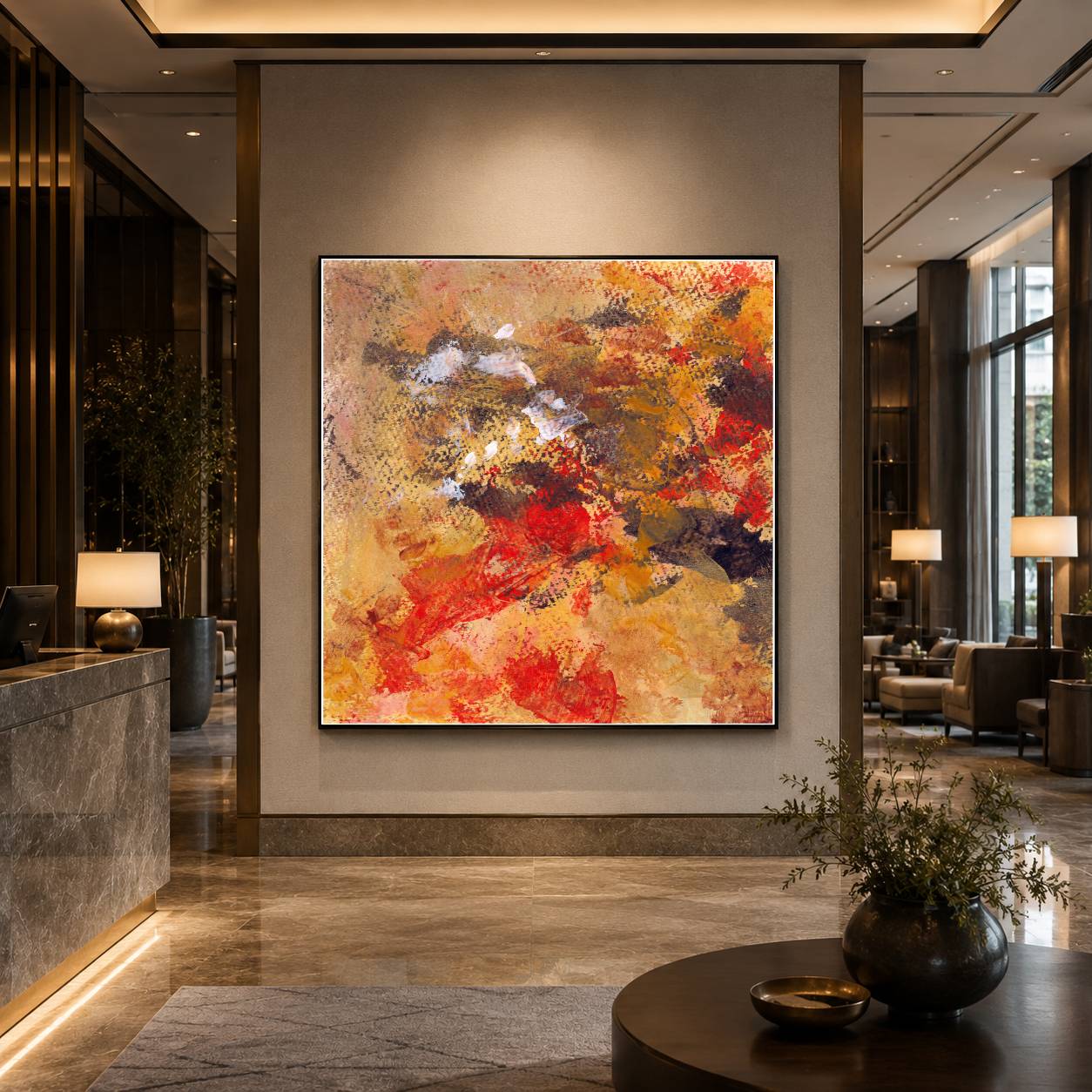
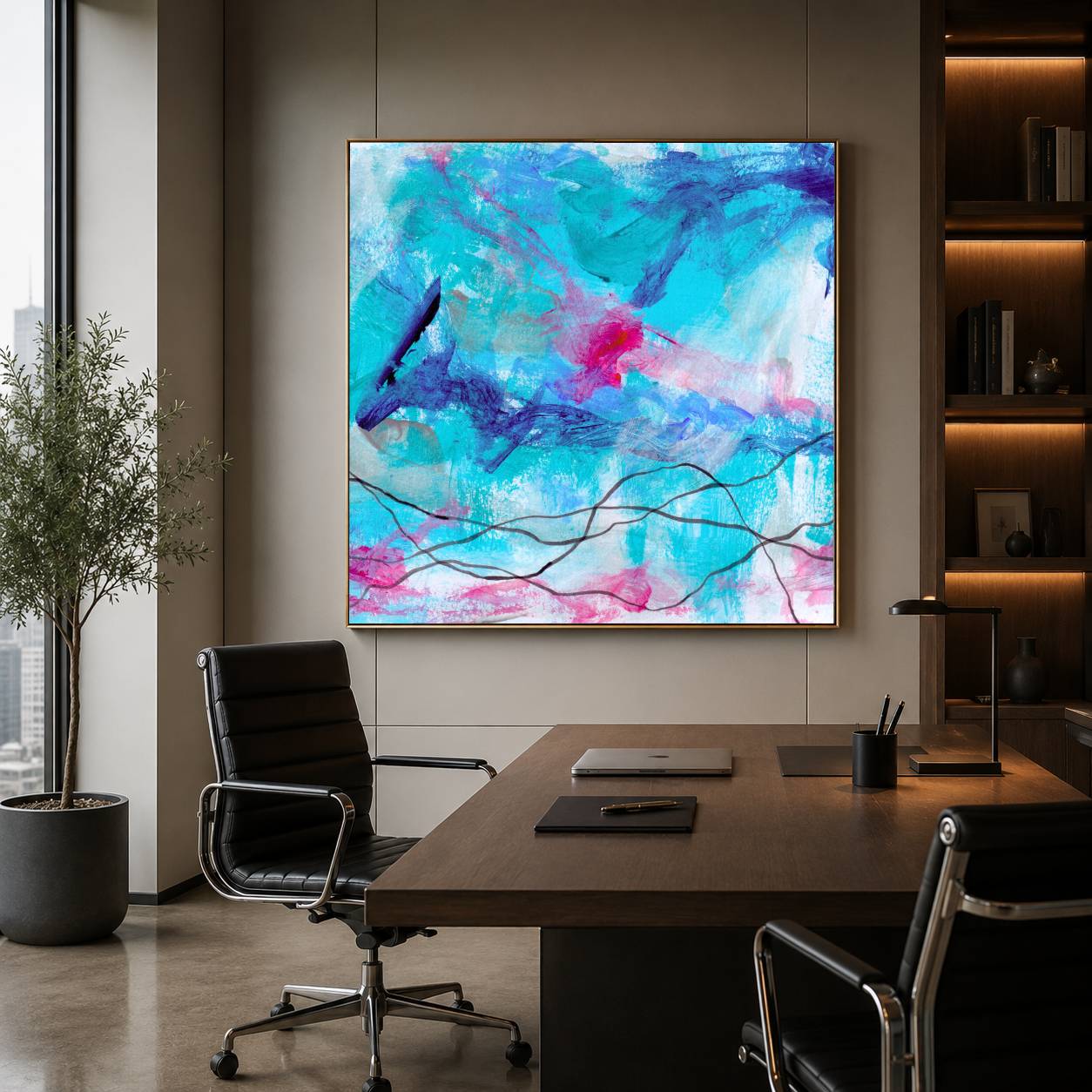
Why Leadership Spaces Deserve the Same Care as Strategy
Your Office Reflects the Mind Behind It
FAQs About Art for Executive Offices
Start with how the space needs to feel rather than how it should look. Executive offices benefit from art that supports calm focus, authority, and emotional steadiness rather than trend or spectacle.
Yes. Abstract art allows interpretation without distraction, making it well suited to environments where clarity and decision-making matter more than narrative or literal imagery.
Visual environments influence emotional regulation, stress levels, and cognitive load. In leadership spaces, these factors directly impact how people think and communicate.
The strongest spaces align both. When leadership presence and organisational values are visually coherent, the environment feels grounded rather than performative.
Luxury art is defined by depth, intention, and longevity. It continues to support the space emotionally over time rather than offering short-term visual impact.
Yes. Generic or mass-produced work often signals caution and surface-level thinking. Over time, it can weaken presence rather than reinforce it.