
Why High-Performance Workplaces Need Both Movement and Art (Not Just One or the Other)
Every workplace carries an atmosphere that people can feel long before they can articulate it. There is the atmosphere that lives in the body, created by the way someone sits or stands or slumps through their day. There is also the atmosphere that lives in the environment, shaped by the room’s visual noise, its emotional temperature, and the way it quietly influences the nervous system. When an organisation tries to improve performance without addressing both layers, people end up working twice as hard for half the clarity. Their minds are pushing forward while their bodies are trying to recover from the way they have been sitting since eight in the morning. Their environment is pulling them sideways with visual clutter or emotional flatness that drains far more than it gives.
Modern workplaces keep investing in fractured solutions. A training session here. A quick wellbeing webinar there. A fresh coat of paint if someone finally notices the walls look tired. These gestures might be well intentioned, but they do not change how people actually feel. The true drivers of daily experience are always the same. The body. The space. The interaction between them. Performance lives there. Focus lives there. Burnout also lives there. Human beings do not function in isolation. Their physiology and their surroundings feed each other moment by moment.
This is why the conversation about movement and art in the workplace has become more important than ever. It is not about bringing in something fashionable. It is about recognising that human performance is built on physical clarity and emotional clarity, and these come from two intertwined sources. Movement restores the internal landscape. Art restores the external landscape. Until both are addressed, everyone is fighting against conditions they did not choose and cannot fully override through willpower alone.
This article is written for workplaces that are tired of sticking plasters over deeper issues. It is for leaders who want their teams to feel energised rather than drained. It is for people who recognise that motivation is not the problem. Capacity is the problem. Capacity comes from the body and the space working together rather than against each other.
Let us take a deeper look at what actually happens in the modern workplace, why most wellbeing programs underperform, and how movement and art create the foundation for real clarity and emotional stability. This is not theoretical. It is practical, measurable, and grounded in the way humans work.

Why Most Wellbeing Initiatives Fail
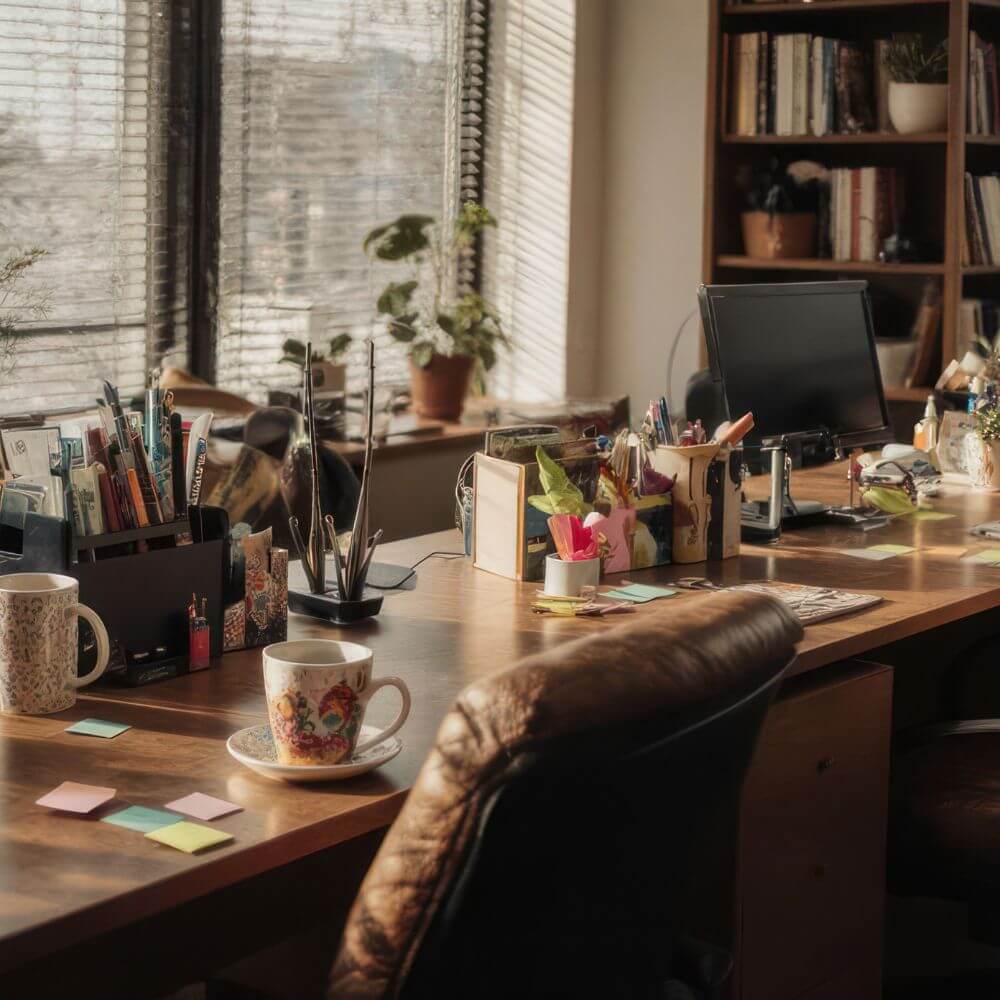
Workplaces keep adding layers of wellbeing programs, but they rarely address the underlying physiology of how people function. The initiatives tend to focus on mindset, behaviour, or surface-level motivation. These have a role, but they do nothing for the realities of sitting in a chair for hours while trying to sustain cognitive output at a level the body simply cannot support.
A meditation subscription can calm someone for ten minutes, but it does not change the fact that their ribcage has been compressed all morning and their breath has nowhere to go. A resilience workshop can teach positive thinking, but it cannot override a collapsed posture that keeps sending the brain subtle signals of strain. A beautifully designed breakout area helps for a moment, but if the surrounding environment is filled with loud colours or emotionally flat artwork, the nervous system never quite settles.
Most wellbeing solutions fail because they rely on individual effort rather than structural support. The organisation keeps the same chairs, the same lighting, the same colour schemes, the same emotional temperature in the rooms, and then asks people to rise above conditions that are working against their physiology. The effort required is enormous. The results are minimal. People blame themselves when their bodies were simply not given the foundation they needed.
When movement is not part of the daily rhythm, the body slowly tightens. When the environment lacks emotional depth or visual calm, the nervous system stays unsettled. When these two forces are left untouched, performance strategies become nothing more than wishful thinking. You cannot think clearly when your body is locked into collapse. You cannot relax when your surroundings keep triggering small, constant stress signals.
Organisations often assume that people need more motivation. In reality, they need more capacity. Capacity is built through structural support, not inspirational talks. Capacity comes from the body and the space working together.
The Physiology of Sitting: What Happens to Human Performance
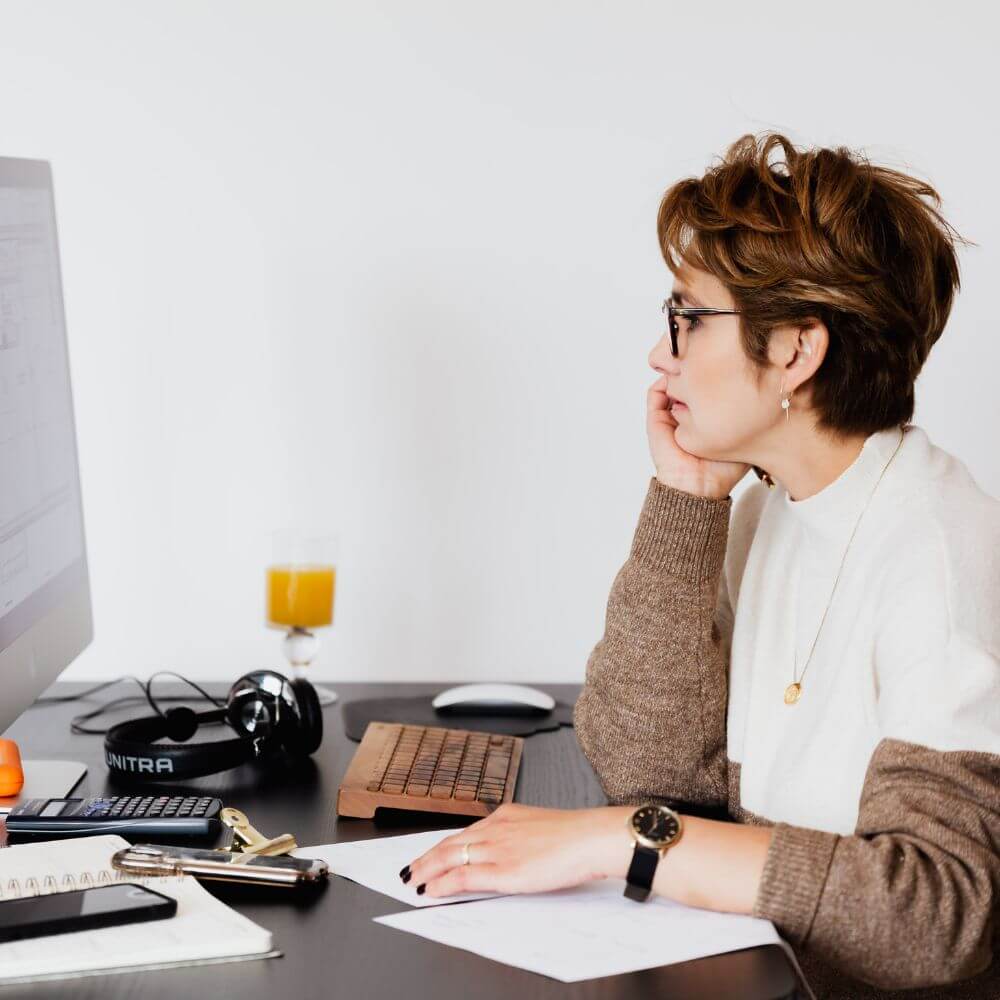
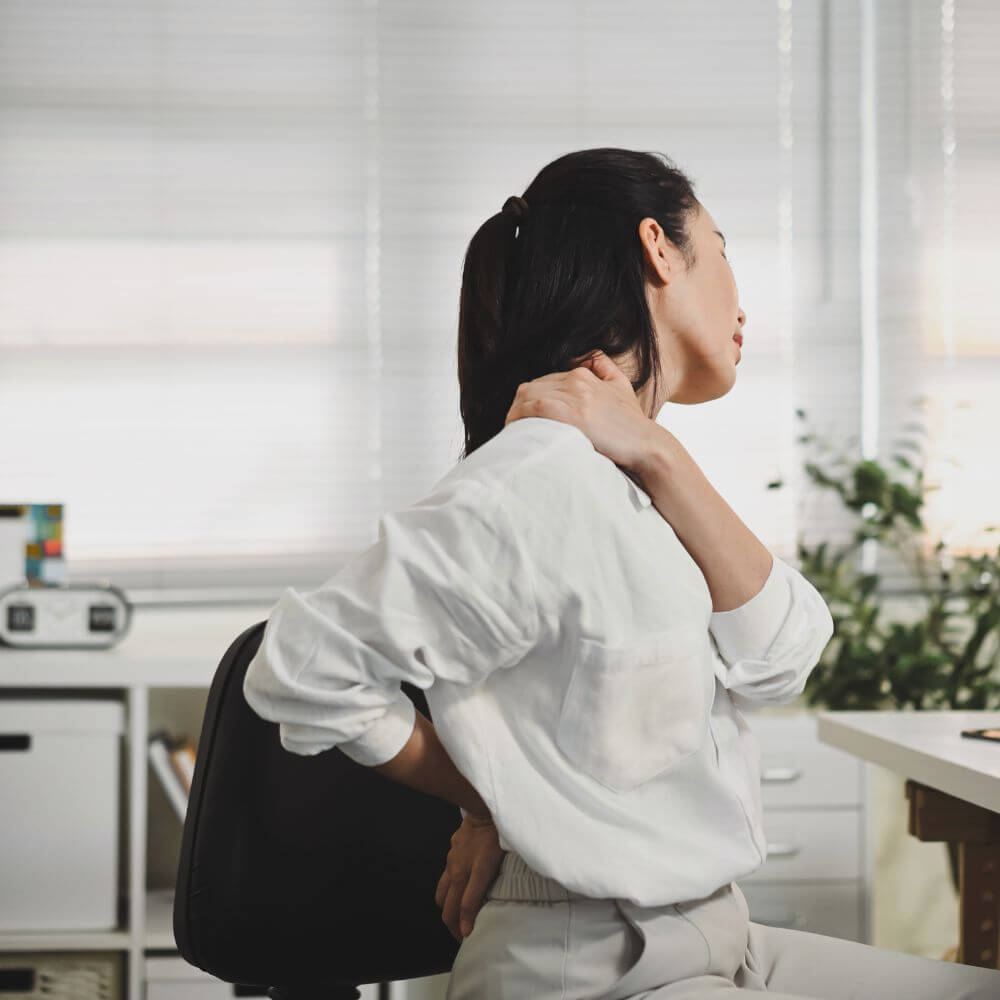
The human body was not designed to sit for prolonged periods, yet this is the primary posture of the modern workplace. The body adapts, but the adaptations come at a cost. Sitting for long stretches creates a full chain reaction that affects posture, breath, circulation, mood, and cognitive clarity.
-
- The hips tighten and pull the spine forward.
- The ribs compress and limit the expansion of the lungs.
- The diaphragm loses its natural glide, which directly reduces oxygenation.
- The shoulders rotate inward, pulling tension into the neck.
- The spine carries the weight in shapes it was never designed to hold for so long.
- Circulation slows, especially to the lower limbs.
- Energy drops, not because people are lazy, but because their physiology is restricted.
Cognitively, this creates the familiar fog that so many employees describe. Thoughts feel heavier. Focus becomes harder to maintain. The emotional tone becomes flatter because the breath has lost its capacity to regulate the nervous system. None of this is psychological at its root. It is biomechanical. When the body collapses inward, the brain interprets this posture as a sign of strain. Clarity becomes expensive. Making decisions feels harder than it should.
Movement breaks this pattern. Not random movement and not the occasional workout, but structured, consistent movement that restores the ability to breathe deeply, regulate stress responses, and sit with less restriction. When people experience this reset regularly, their entire day shifts. The brain functions more easily. The body supports rather than hinders. The emotional tone becomes more stable.
This is the exact design of Sit Happens. It is built to give teams the physical clarity they have been missing. And when physical clarity returns, mental clarity follows.
The Emotional Environment of Work Spaces
While the body is trying to function within the limits of sitting, the environment delivers its own set of signals. Workspaces are not neutral. Every colour, every line, every empty wall, every chaotic arrangement of furniture, and every piece of artwork on display affects how people feel before they consciously register it.
Most offices were designed for efficiency rather than emotional grounding. They use colours that overstimulate rather than soothe. They rely on lighting that exhausts the eyes. They fill rooms with visual noise. Or worse, they remain visually barren in a way that creates emotional emptiness. Both extremes destabilise the nervous system in subtle ways.
People walk into a room and feel slightly on edge without knowing why. They cannot settle. They cannot breathe as easily. They do not feel held by the space. The room does not offer any sense of depth or stillness. It is simply functional. It gets the job done, but it does not support the people doing the work.
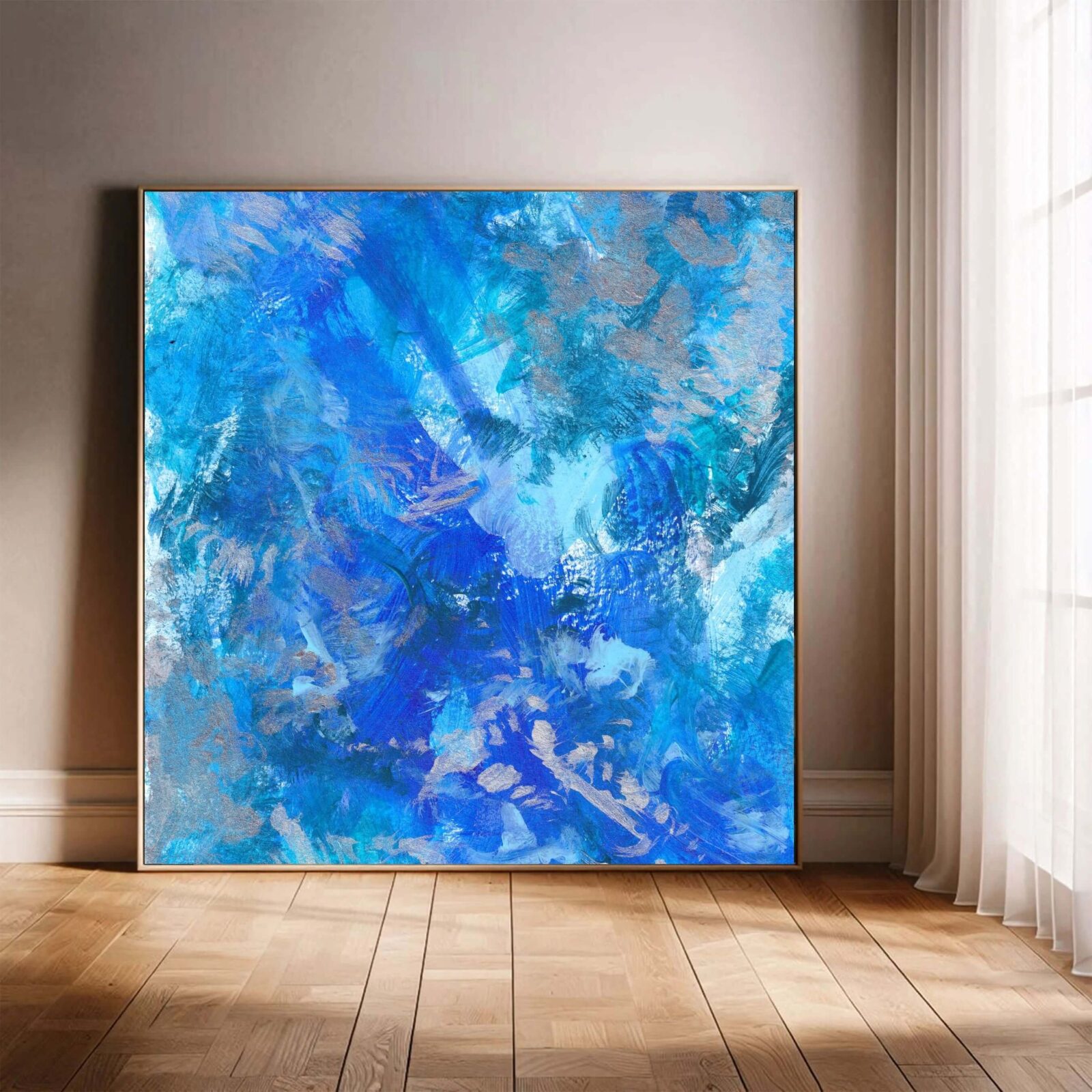
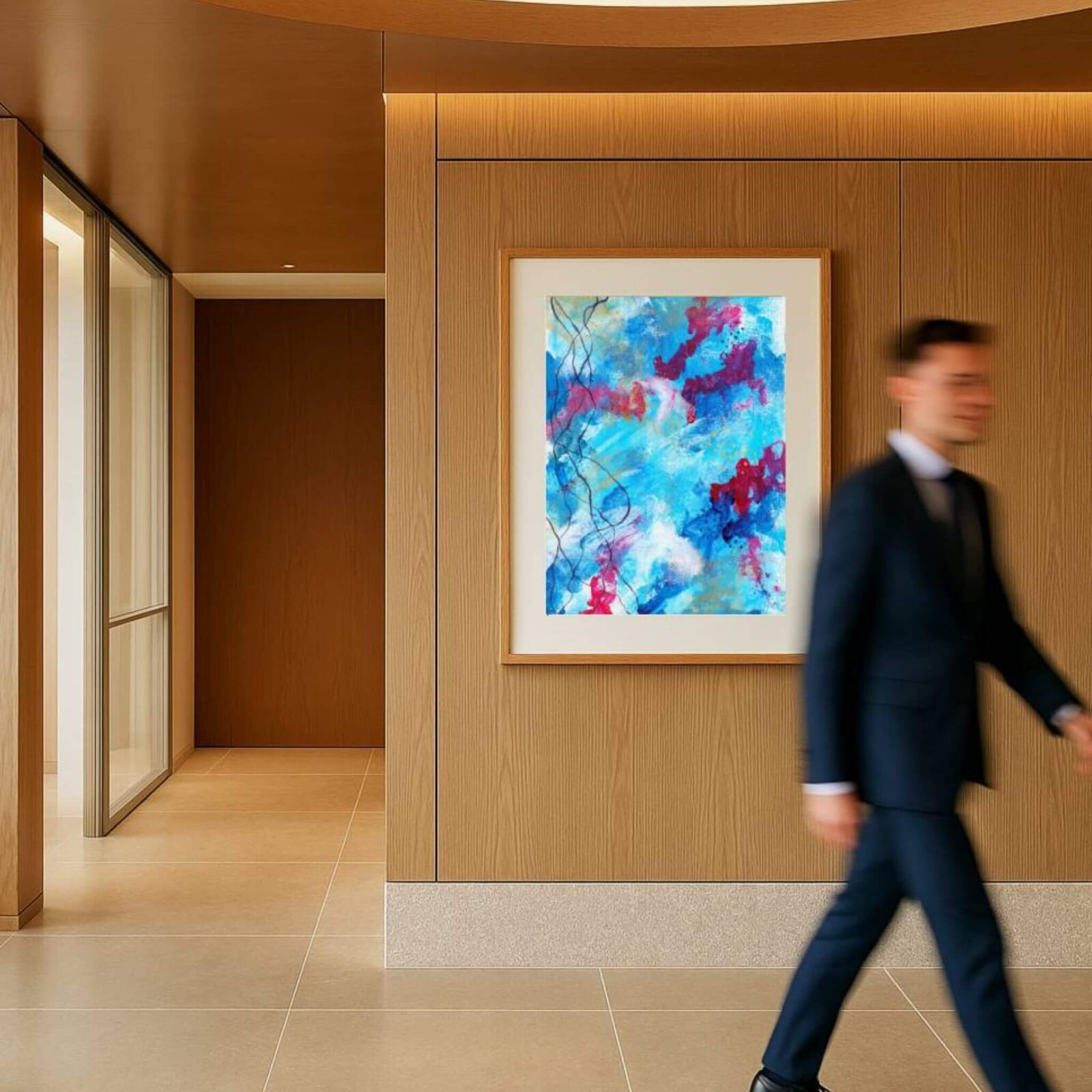
Emotionally intelligent art changes this immediately. The right piece does not demand attention. It offers groundedness. It gives the room a centre of gravity. It subtly regulates the emotional temperature of the environment by adding depth, texture, and a visual calm that the nervous system instinctively responds to.
When art is chosen with intention, the environment becomes a stabilising force rather than another source of tension. People may not consciously think about the artwork, but their bodies register the difference. Breath deepens. Shoulders lower. Conversations soften. The room becomes a place where clarity feels possible rather than forced.
Movement as the Foundation of Cognitive Clarity
Movement in the workplace is not about fitness or stretching routines. It is about restoring the physical mechanics that allow the brain to function with ease. Cognitive clarity depends on the ability to breathe well, maintain healthy circulation, and support the spine. When any of these are compromised, thinking becomes a physical struggle rather than a natural state.
Consistent movement resets posture, releases tension, and creates the conditions for better decision-making. It improves blood flow to the brain, increases oxygen intake, and gives the body the stability it needs to support long periods of concentration. People often assume they have reached the limits of their focus, but what they have reached is the limits of their physical capacity to maintain clarity.
The moment you improve breathing mechanics, everything else improves with it. Stress becomes easier to regulate. Mood becomes more stable. Tasks feel less overwhelming. This is not psychological. It is physiological. The more space you give the body, the more space the mind has to work with.
Art as the Foundation of Emotional Clarity
If movement creates internal clarity, art creates external clarity. Emotionally intelligent art has a grounding effect that comes from depth rather than adornment. It shifts the emotional atmosphere of a room in a way that is difficult to describe but immediately felt.
A piece with presence stabilises the space. It brings a quiet confidence to the room that people instinctively align with. It gives the environment a sense of calm that supports focus, collaboration, and thoughtful communication. It holds the edges of the space, allowing the mind to rest within it rather than constantly scanning for stimuli.
Decorative art does not do this. Decorative art is visual noise. Emotionally intelligent art, especially abstract work created from stillness rather than performance, alters the emotional architecture of a room. It changes the way people breathe. It changes the tone of meetings. It changes the pace of thought.
When movement resets the internal landscape and art resets the external landscape, workplaces begin to function in a way that feels humane rather than mechanical.
Why You Cannot Separate the Body from the Space
Stillness in a workspace is not the absence of movement. It is the absence of noise. When a space contains visual depth and emotional resonance, the nervous system experiences it as safety. Safety allows the mind to relax enough to think clearly.
Spaces with visual stillness support cognitive endurance. They reduce the background stress that accumulates throughout the day. They allow people to move through tasks without feeling emotionally depleted by their surroundings. When the environment holds its own, people do not have to compensate for it.
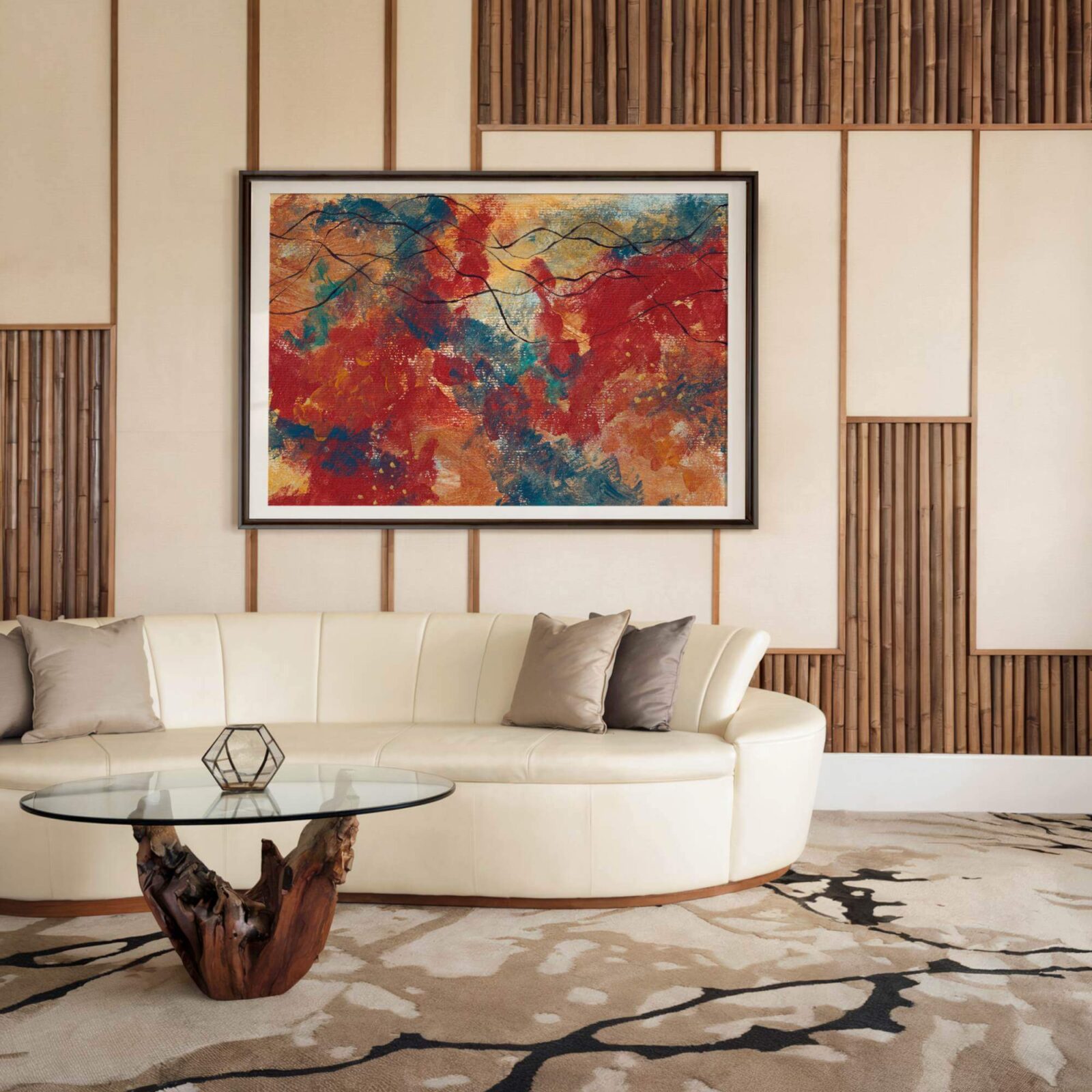
Art plays a central role in creating environmental stillness. It adds layers of meaning without adding clutter. It fills a room without overwhelming it. It creates a sense of cohesion that makes the space feel intentional rather than accidental. When this happens, the room supports the human system rather than draining it.
What High-Performance Teams Actually Need
High-performance teams do not need more pressure. They do not need more training. They do not need motivational slogans. They need systems that support their physical and emotional capacity to function.
They need movement that restores breathing mechanics and reduces the physical stress that sitting creates. They need art that anchors the room and reduces the emotional noise that makes thinking harder than it should be. They need consistent structure rather than sporadic interventions.
High performance is not frantic. It is calm. It comes from clarity rather than force. It comes from people who have enough internal space to think and enough external stability to maintain that thinking across an entire day.
How Movement and Art Together Create Measurable Change
When both systems work together, the change is impossible to ignore. Teams begin to move differently. Conversations become more grounded. People stop rushing because rushing becomes unnecessary. The emotional volatility of the workplace reduces. The room starts to feel like it is working with people rather than against them.
The results are consistent across industries. Stress reduces. Collaboration improves. Creativity becomes richer. Focus becomes more stable. People become less reactive and more thoughtful. This is not because they suddenly become different people. It is because the environment and their bodies finally support the tasks they are trying to complete.
Movement gives teams access to themselves. Art gives teams access to their environment. Together, they give teams access to genuine performance.
Case Scenario: How a Team Shifts in 12 Weeks
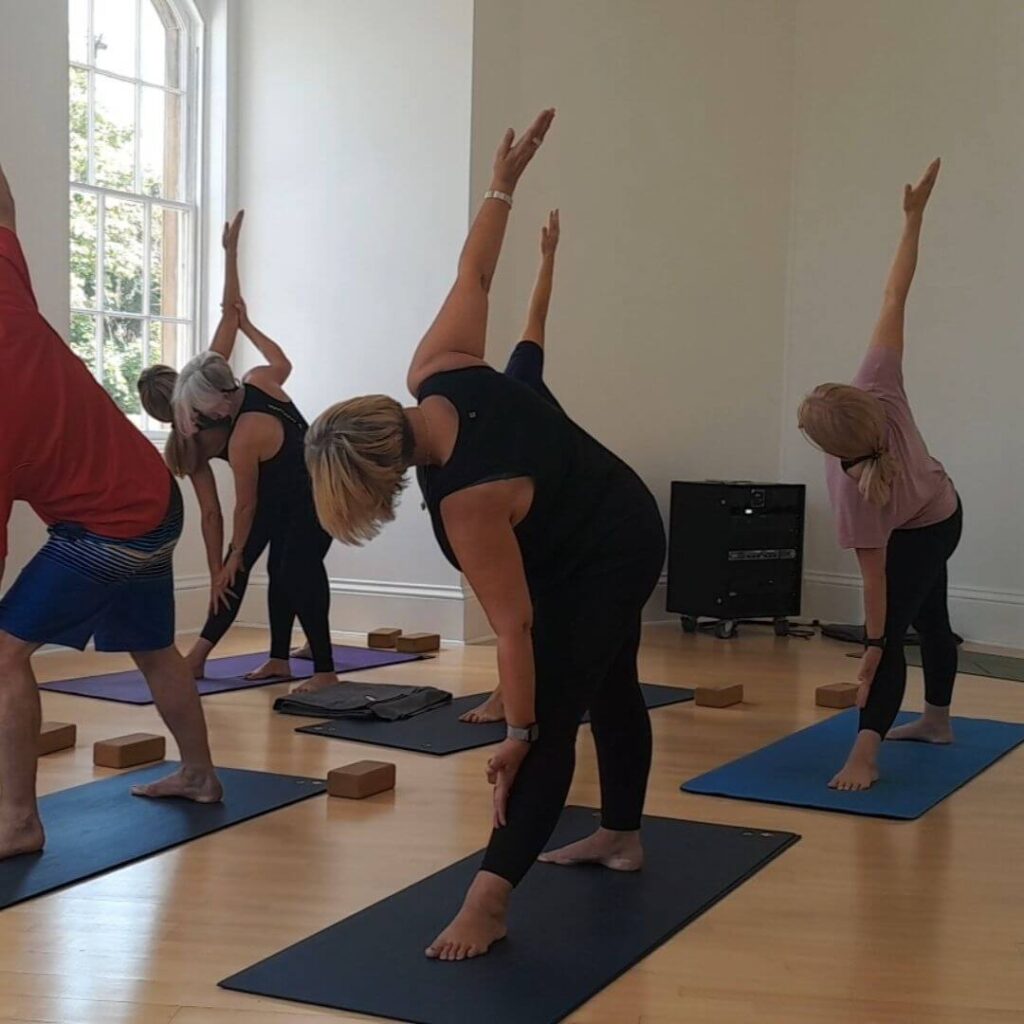
During the first few sessions of Sit Happens, people realise how compromised their bodies have become. They notice the tightness in their hips. They notice the restrictions around their ribs. They notice that their shoulders feel permanently raised. The body reveals what sitting has been hiding. This awareness alone begins the shift.
By week three, posture begins to change. Breathing becomes easier. The daily brain fog lifts faster in the mornings. The environment feels lighter because the body can finally meet it with more openness.
When the workplace has installed emotionally intelligent artwork at the same time, the change accelerates. The artwork holds the space while movement holds the body. Teams begin to describe a sense of calm they have not felt in years.
By week six, people communicate with more steadiness. Meetings feel less draining. There is more space for thought and less reactivity. Productivity increases not because people are pushing harder but because they are working from clarity.
By week twelve, the change feels embodied. The workplace feels different. The team feels different. The culture feels different. And all of it stems from addressing the internal and external conditions that were previously ignored.

What This Means for Leadership
Leaders often assume that performance is a motivational issue. In truth, performance is a physiological and environmental issue. When the body collapses, performance collapses. When the environment overwhelms, focus dissolves. Motivation cannot override the nervous system.
Leaders who understand this create workplaces where clarity is the starting point rather than the reward. They invest in movement to restore internal capacity. They invest in art to restore external stability. They understand that the human system is not optional. It is the foundation of every decision, every interaction, and every outcome.
A leader who wants consistent performance starts by giving their team the conditions where performance is physically and emotionally possible.
How to Bring This Into Your Workplace
If a workplace wants real change, the first step is always practical.
Introduce Sit Happens. Give the team a 2.5-hour session to experience what it feels like when their body finally gets the space it has been missing. Follow it with the full twelve-week structure to create lasting physiological change.
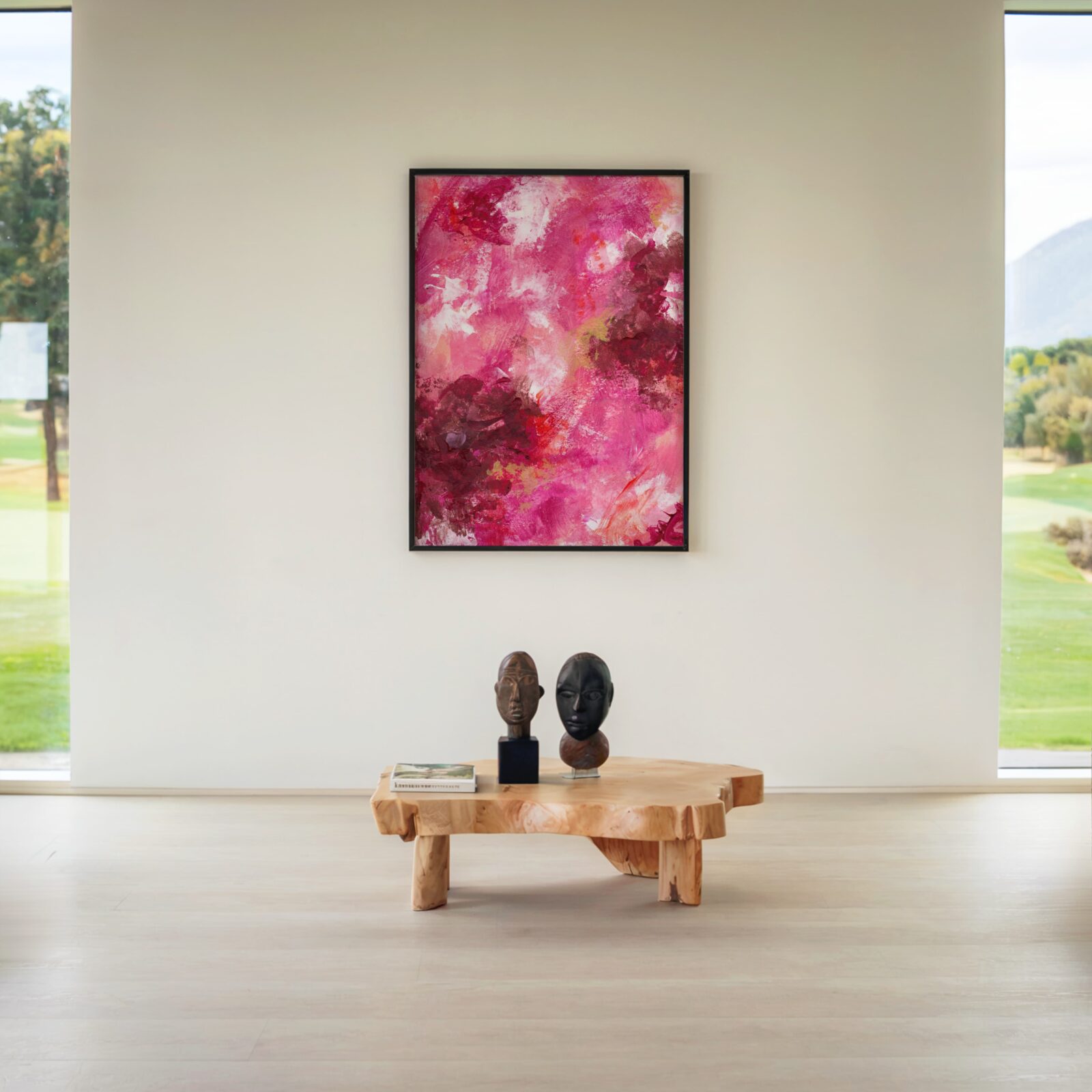
Upgrade the environment. Invest in artwork that brings emotional grounding to the rooms where people spend most of their day. This is what the Vault exists for. Private, emotionally intelligent work designed to hold space rather than decorate it. The right piece transforms the room from the inside out.
These two systems create the foundation for a workplace where clarity becomes the normal experience rather than an occasional surprise.
Conclusion
Movement and art in the workplace are not luxuries. They are the structural supports that determine whether people feel energised or drained, clear or foggy, grounded or overwhelmed. When the body and the space work together, performance becomes a natural outcome rather than a constant struggle.
A workplace that invests in these two pillars is not investing in aesthetics or trends. It is investing in human capacity. And when human capacity rises, everything else follows.
If your organisation is ready to step into a more intelligent, grounded, and sustainable way of working, both Sit Happens and the Vault were created for exactly this purpose.
Frequently Asked Questions
Movement and art influence two different aspects of human performance. Movement restores the internal environment of the body so people can breathe, think, focus, and move with clarity. Art restores the emotional tone of the external environment so the nervous system can settle and sustain that clarity throughout the day. When these two systems work together, the workplace becomes a space where people can function at their best without fighting against their bodies or their surroundings.
Movement improves circulation, breathing mechanics, and spinal alignment, which are the physiological foundations of mental clarity. When the body sits in one position for too long, the nervous system becomes strained and the breath becomes restricted. This makes concentration feel heavier than it should. Regular, structured movement resets the body so the brain can work with ease rather than resistance.
Art influences the emotional atmosphere of a space. The right artwork provides a sense of grounding, depth, and calm that reduces background stress and supports emotional stability. It helps people feel held by the space rather than overstimulated or depleted by it. This emotional clarity allows teams to think more clearly, communicate more effectively, and maintain focus for longer periods without feeling drained.
Short-term initiatives provide temporary relief, but they do not change the conditions that created the problem. If people return to the same chairs, the same visual noise, and the same atmosphere that keeps their nervous systems on alert, any benefits disappear within days. True change requires addressing both the internal capacity of the body and the external stability of the environment. Without this, wellbeing becomes a cycle rather than a solution.
Decorative art fills space but does not offer emotional depth. Emotionally intelligent artwork holds space. It influences the nervous system in a way that supports clarity, calm, and focus. It is selected for presence rather than performance. In high-functioning workplaces, this difference is immediately noticeable. Decorative art tends to fade into the background, while emotionally intelligent art becomes a quiet anchor that shapes the atmosphere of the room.
Workplaces often notice reduced tension, clearer communication, improved concentration, fewer energy dips, and a calmer atmosphere within weeks. By the twelve week mark, these changes typically become part of the culture. People feel more grounded. Meetings become more efficient. Stress levels decrease because the body and the environment are finally supporting the work rather than competing with it. This combination creates a workplace that feels functional rather than draining.
Sit Happens is designed to fit naturally into the rhythm of a working day. The programme uses focused sessions that teach people how to reset their posture, breathing, and nervous system in ways that are immediately applicable at the desk. Teams do not need to change their schedules or routines. They simply gain tools that help them work with more clarity and less physical strain. The time invested returns itself quickly through improved performance and reduced fatigue.
If the team is experiencing fatigue, tension, low morale, unclear thinking, or high levels of daily stress, the workplace is ready. If the environment feels visually chaotic or emotionally flat, upgrading the art will create an immediate shift. If the team struggles with physical discomfort or concentration, movement-based resets will help. Most workplaces are already showing the signs. The decision is not about readiness. It is about recognising that human performance requires a foundation the workplace may not currently provide.
Executive offices, meeting rooms, reception areas, and shared workspaces benefit the most because these are the places where emotional tone matters. A piece with depth and stillness in a meeting room can shift the pace of conversation. A grounding artwork in a reception space can set the emotional tone for the entire day. Art is not about filling a wall. It is about shaping how the room holds the people inside it.
The shift can be felt immediately, but the deeper transformation unfolds over several weeks. Movement resets begin improving breath and posture from the first session. Artwork begins stabilising the emotional environment from the moment it is installed. When both are implemented together, the atmosphere becomes noticeably calmer within days and meaningfully different within weeks. By three months, the change is embodied and sustained.