
What Happens When You Stop Performing and Actually Listen to Yourself
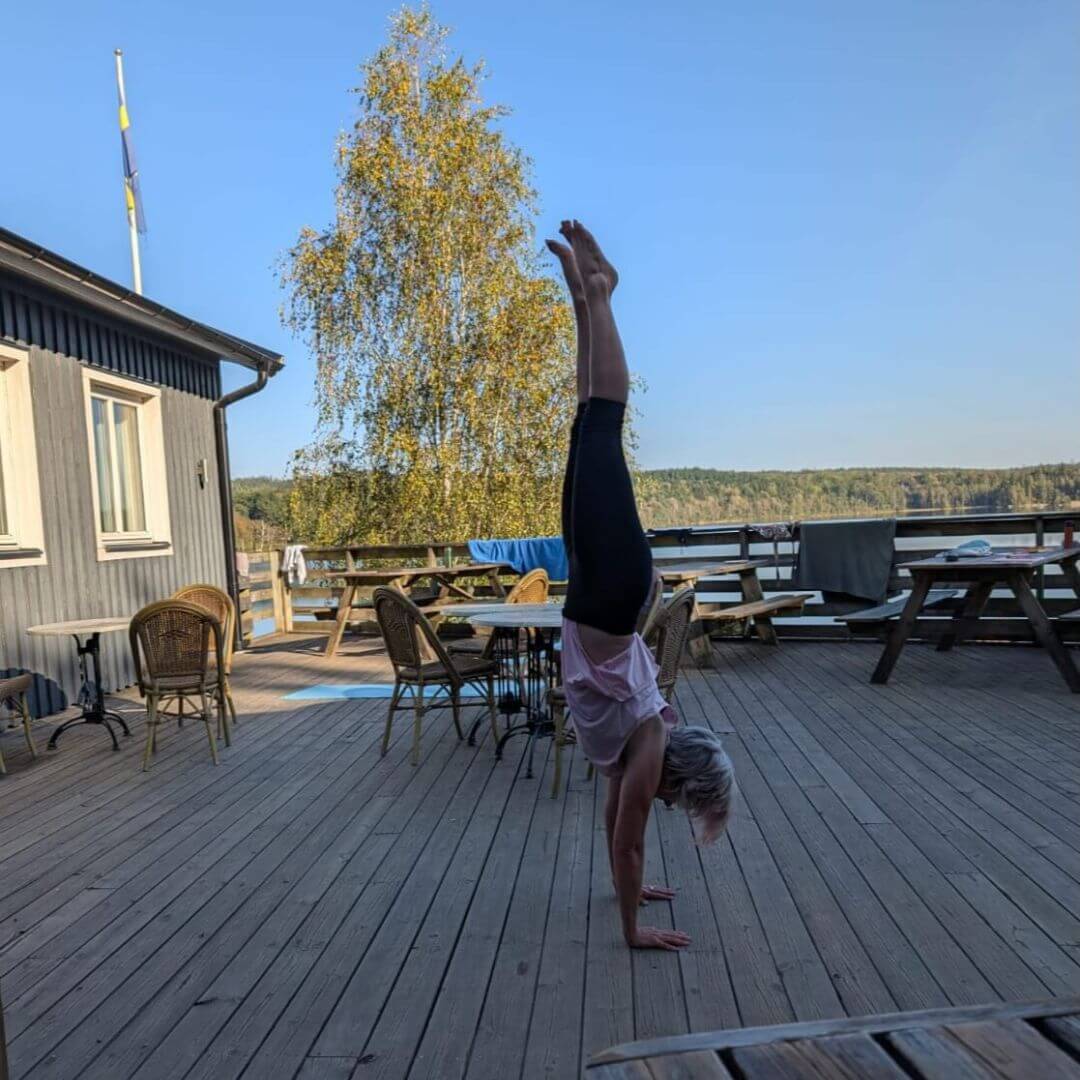
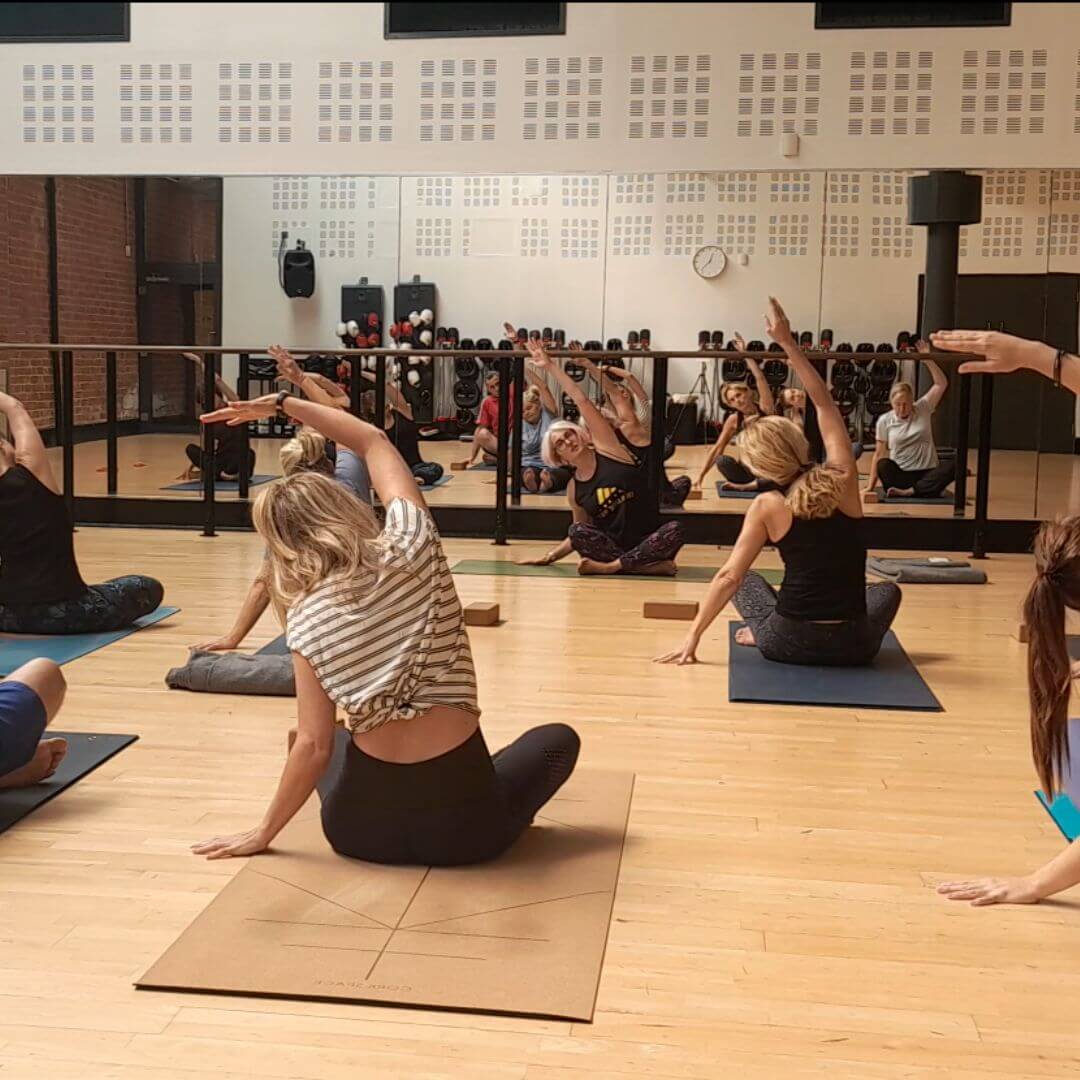
Performance sneaks up on you long before you notice it
Listening starts in the body, not the mind
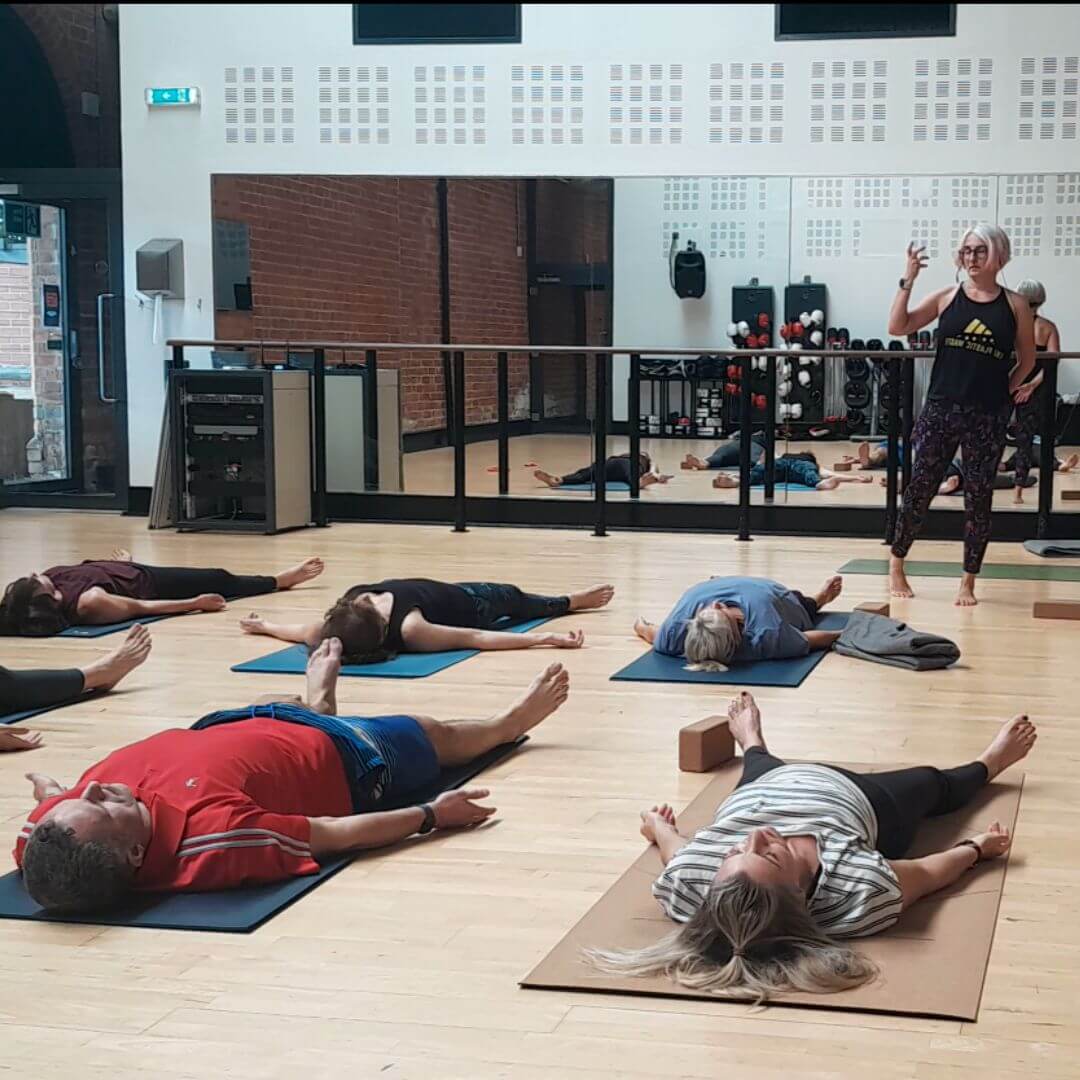
Slowing down exposes what performance was hiding
Your creativity changes the moment performance stops
Your nervous system recalibrates when the pace finally slows down

Relationships shift when you stop performing
You become more precise with your time and energy
Creativity becomes quieter but deeper

Listening becomes a habit instead of a reaction
Conclusion
Frequently Asked Questions
Because performance becomes a habit. You do it long before you realise it. Work, pressure, and expectations create patterns that feel normal. Listening requires slowing down, and slowing down exposes things you have avoided.
It starts in the body. Your breath deepens. Your shoulders drop. You feel the difference between tension and alignment. It is not a mindset exercise. It is physical clarity.
No. Stillness is active. It shows you what is real, what is noise, and what your body has been carrying. The calm that follows is the side effect, not the goal.
It removes the pressure to perform. Your work becomes deeper, quieter, more truthful. You create from presence instead of tension. Good work needs space.
Because your boundaries become clear. You stop absorbing everything. You stop overexplaining. People who value honesty stay. People who relied on the performance drift.
It varies. The body responds first. Breath changes. Posture shifts. The nervous system settles. Mental clarity follows. It is gradual and physical, not dramatic.
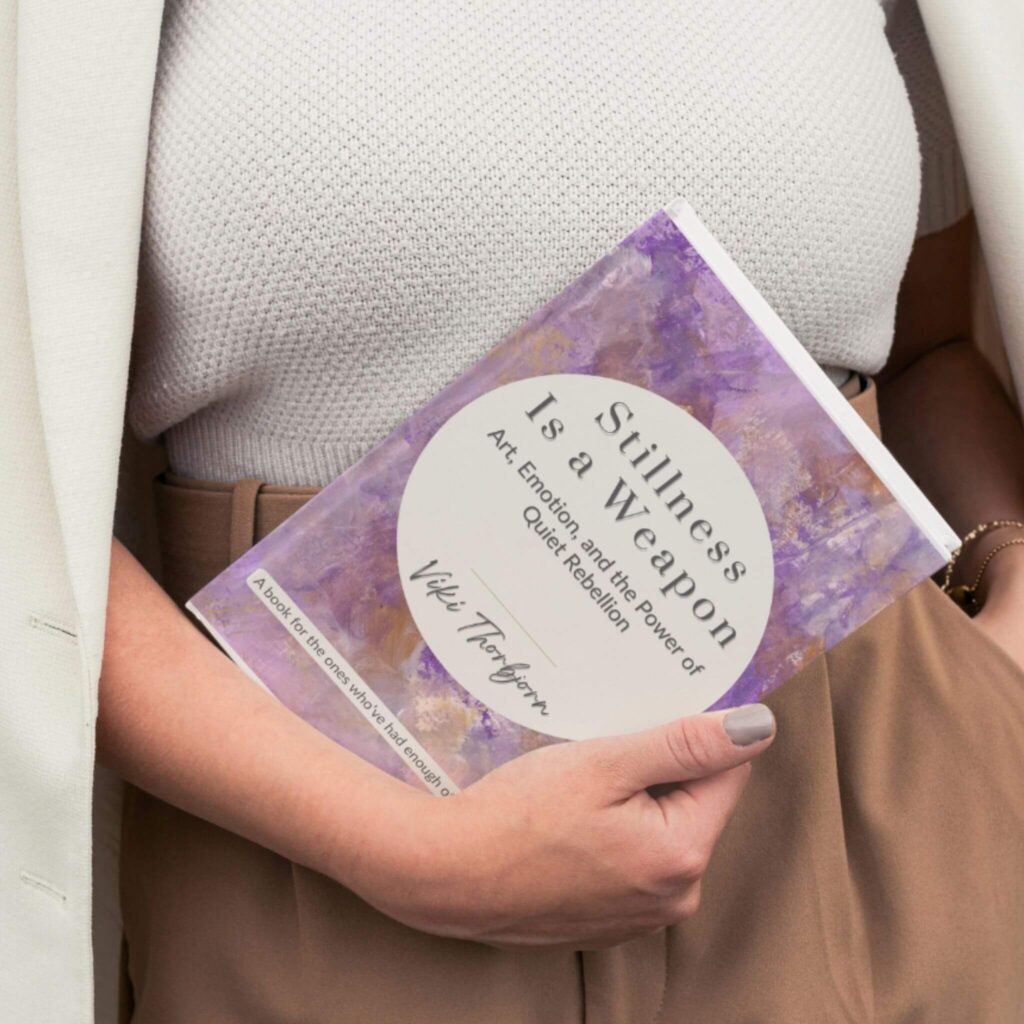
Yes. Stillness Is a Weapon was written inside this transition. It speaks to anyone who is tired of performing and wants to live from truth rather than pressure.