
The Experience Of Stillness: What My Collectors Are Actually Buying
People assume collectors buy art to fill a space.
They picture an empty wall. A designer’s recommendation. A visual gap waiting to be solved. And for many, that’s exactly what art becomes: a design solution. A final touch. A carefully selected object chosen to complete the aesthetic of a room.
But that is not the experience my collectors are seeking.
They are not buying art as an object. They are buying something far less tangible, but infinitely more valuable.
They are buying stillness.
They are buying emotional presence.
They are buying a space that holds what words rarely reach.
And for them, that is everything.
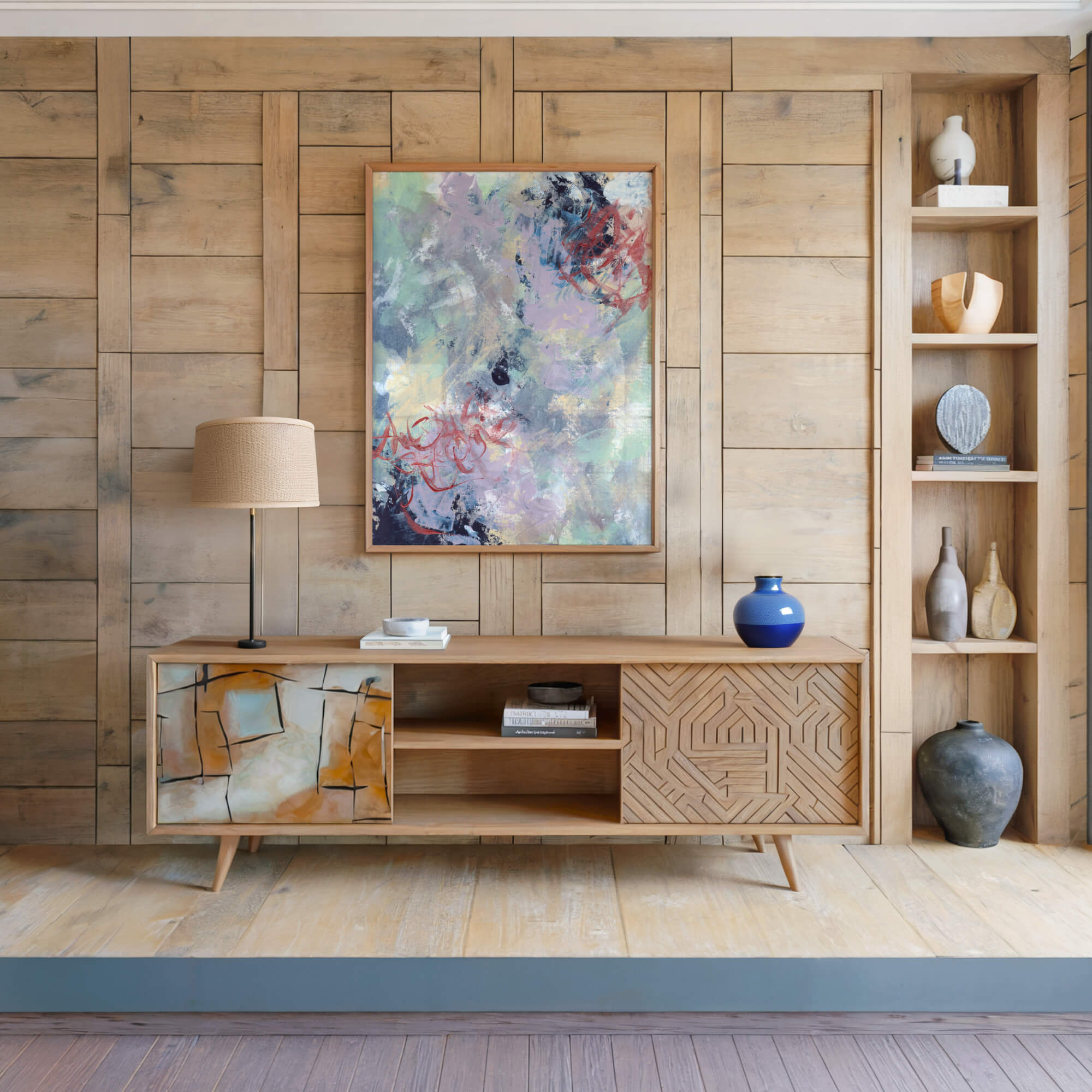
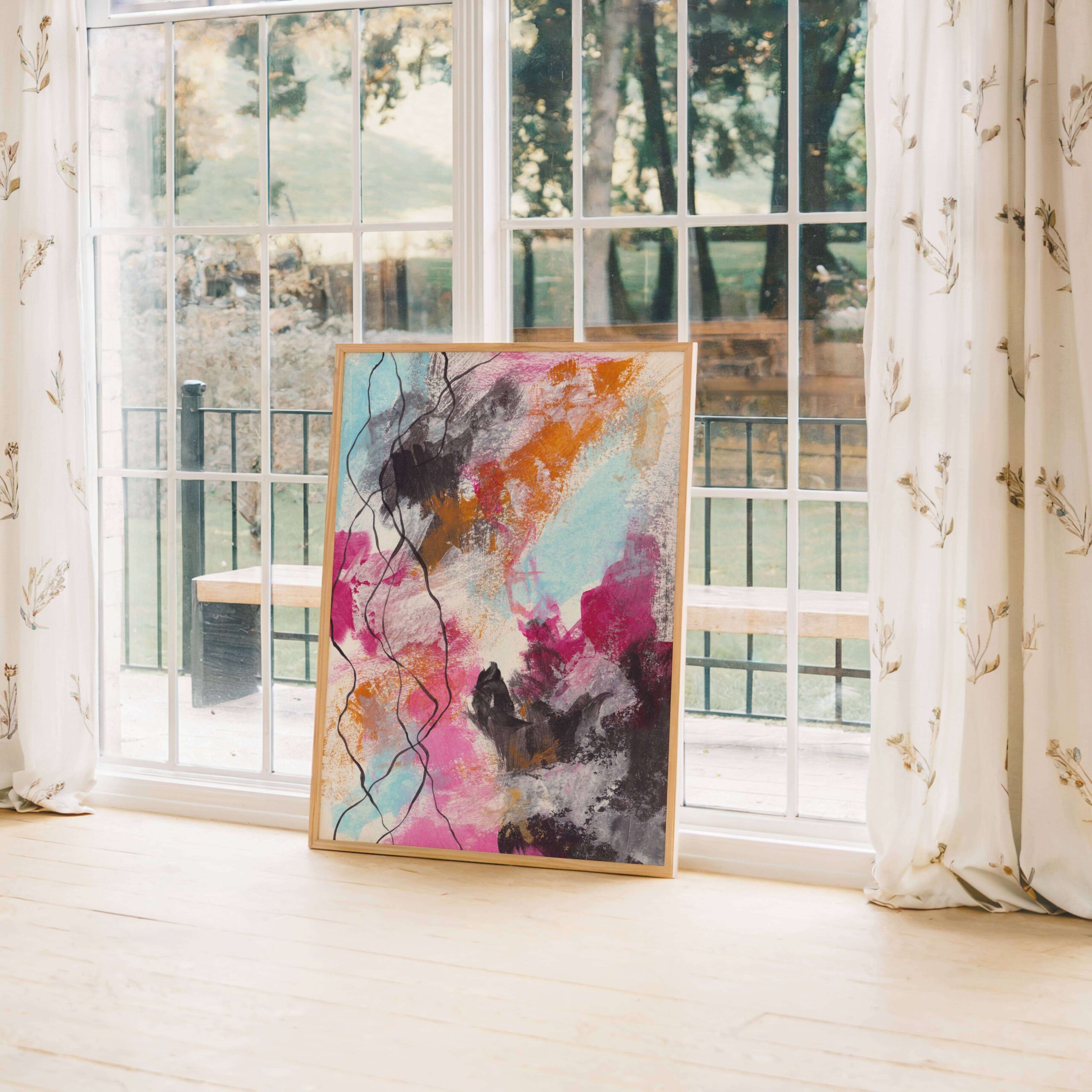
The Surface Transaction Is Never The Real Transaction
When someone acquires one of my pieces, the visible transaction is simple: a canvas, carefully created, prepared, delivered, placed in a home or office or retreat.
But beneath that surface sits the real transaction.
The one that can’t be listed in an invoice or described in dimensions.
They are not buying pigment on canvas. They are inviting something into their life that holds weight. Emotional weight. Personal weight. The kind of weight that doesn’t speak loudly but never leaves the room once it arrives.
The experience they are purchasing is not about the work itself.
It’s about the space it creates inside them.
If you’re trying to understand how art can support emotional wellbeing without turning into “wellness content”, you’ll like this: 5 Ways Abstract Art Can Boost Your Mental Health & Well-Being
The Experience of Stillness in Art Is What Collectors Recognise First
Why Stillness Is So Rare
In most of modern life, stillness is aggressively interrupted.
The pace, the noise, the constant movement of information and expectation make it increasingly difficult to simply sit with one’s own experience.
Yet for those who have reached a certain stage in life, that constant motion no longer serves them. They’ve reached the point where stillness is no longer something to avoid but something to seek.
Not silence.
Stillness.
The kind that allows breath to deepen. The kind that holds what they carry without requiring performance.
This is also why the work matters in spaces built for recovery and leadership, not just aesthetics. I unpack that connection here: Why Legacy Doesn’t Have to Be Loud.
This is the environment my collectors are building for themselves.
And my work is part of how they create that space.
The Work As Emotional Architecture
When my collectors describe living with the work, they rarely speak about colours, composition, or technique. Those elements matter, but only as tools. The real experience is what the work holds for them emotionally.
Each piece functions like emotional architecture.
It quietly shapes the atmosphere of the room.
If you want the practical side of how abstract work can shape calm and emotional tone in a room, this is a useful companion piece: How to Design Calming Spaces with Abstract Art.
It offers weight where weight is needed.
It holds memory where words are insufficient.
It provides a mirror not for what they see, but for what they feel.
My collectors are not decorating.
They are building spaces where their own story has permission to live.
The work becomes a kind of private companion. It holds what they carry without commentary.
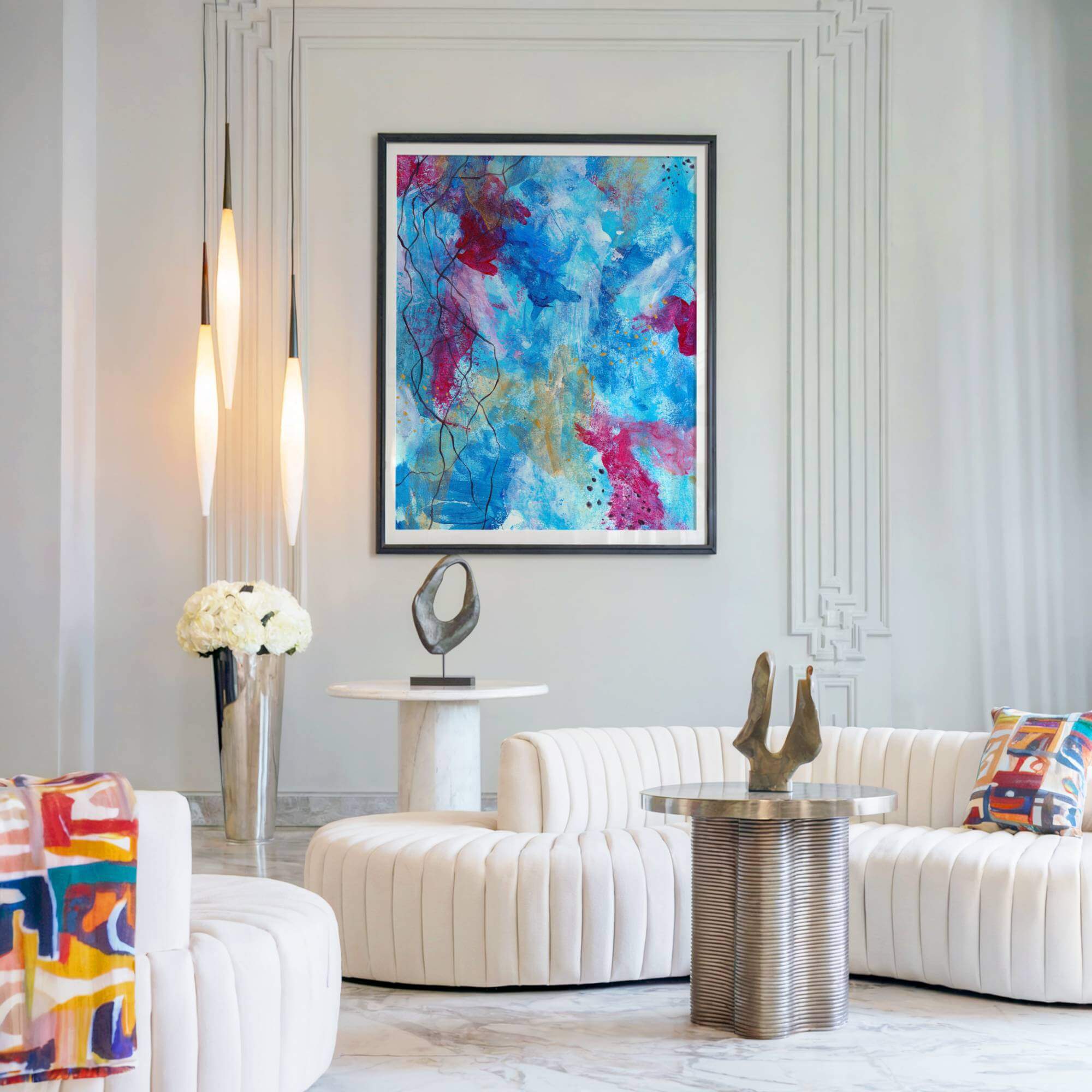
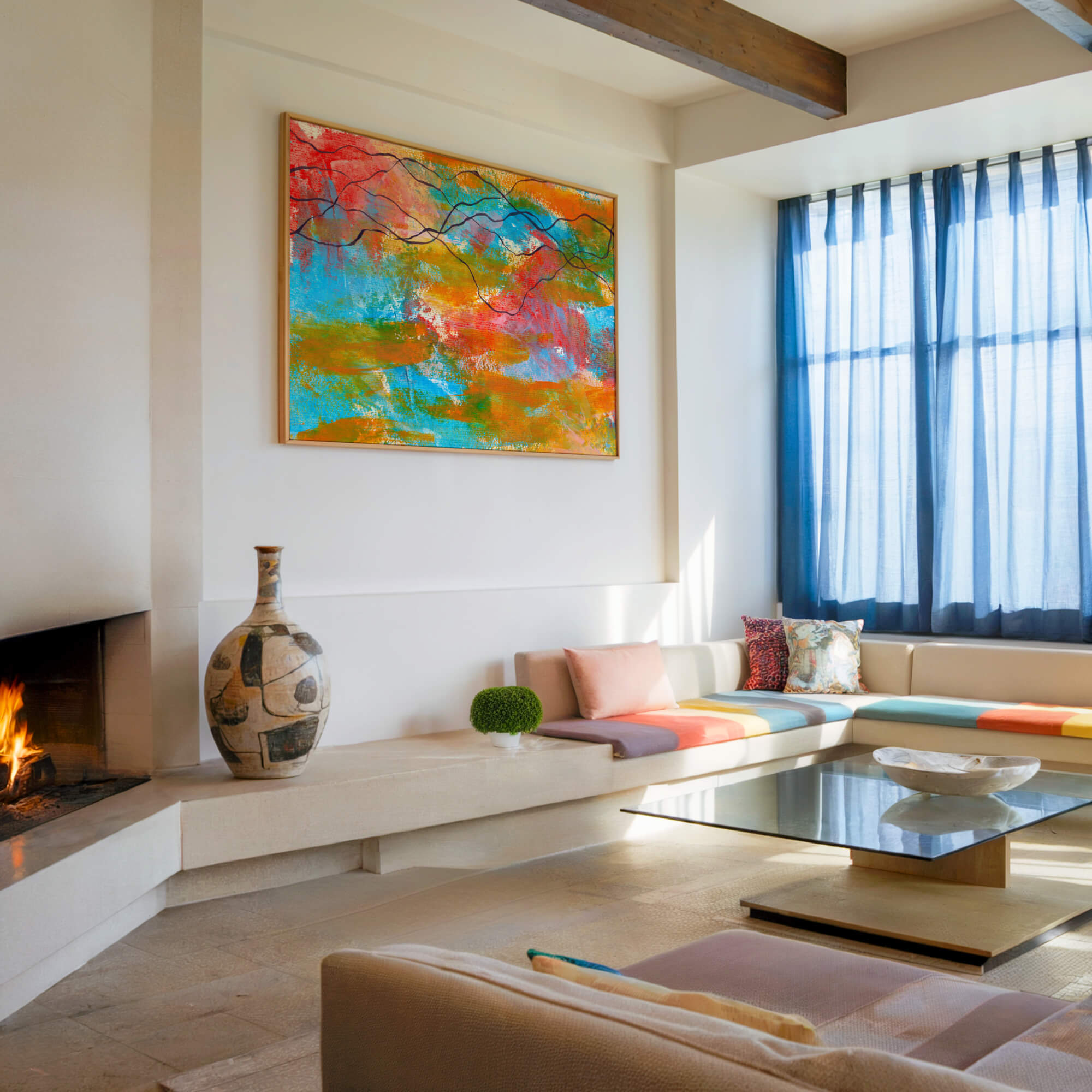
Stillness As A Functional Need, Not A Luxury Preference
Why The Scale, Texture, And Presence Matter Emotionally
The Difference Between Calm And Stillness
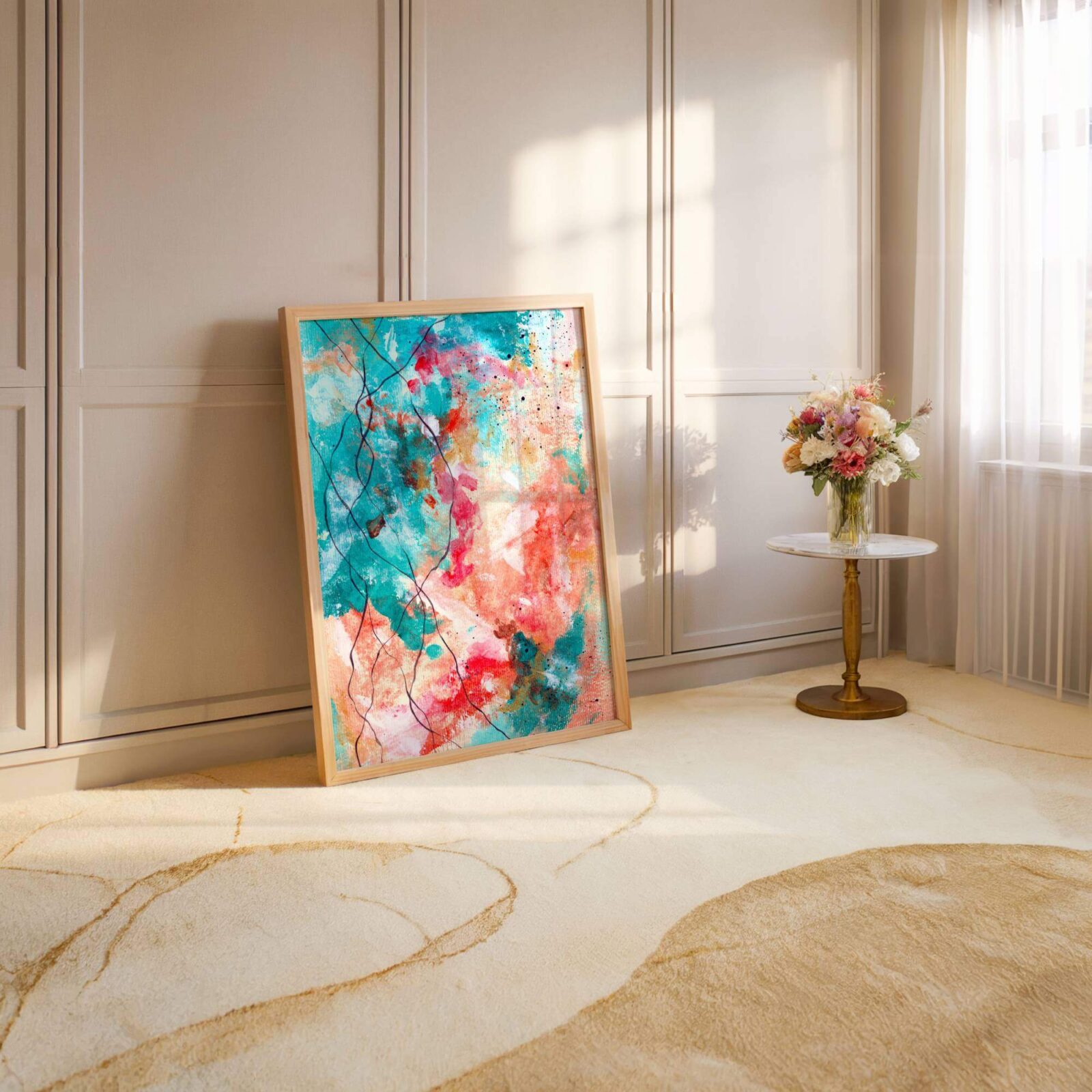
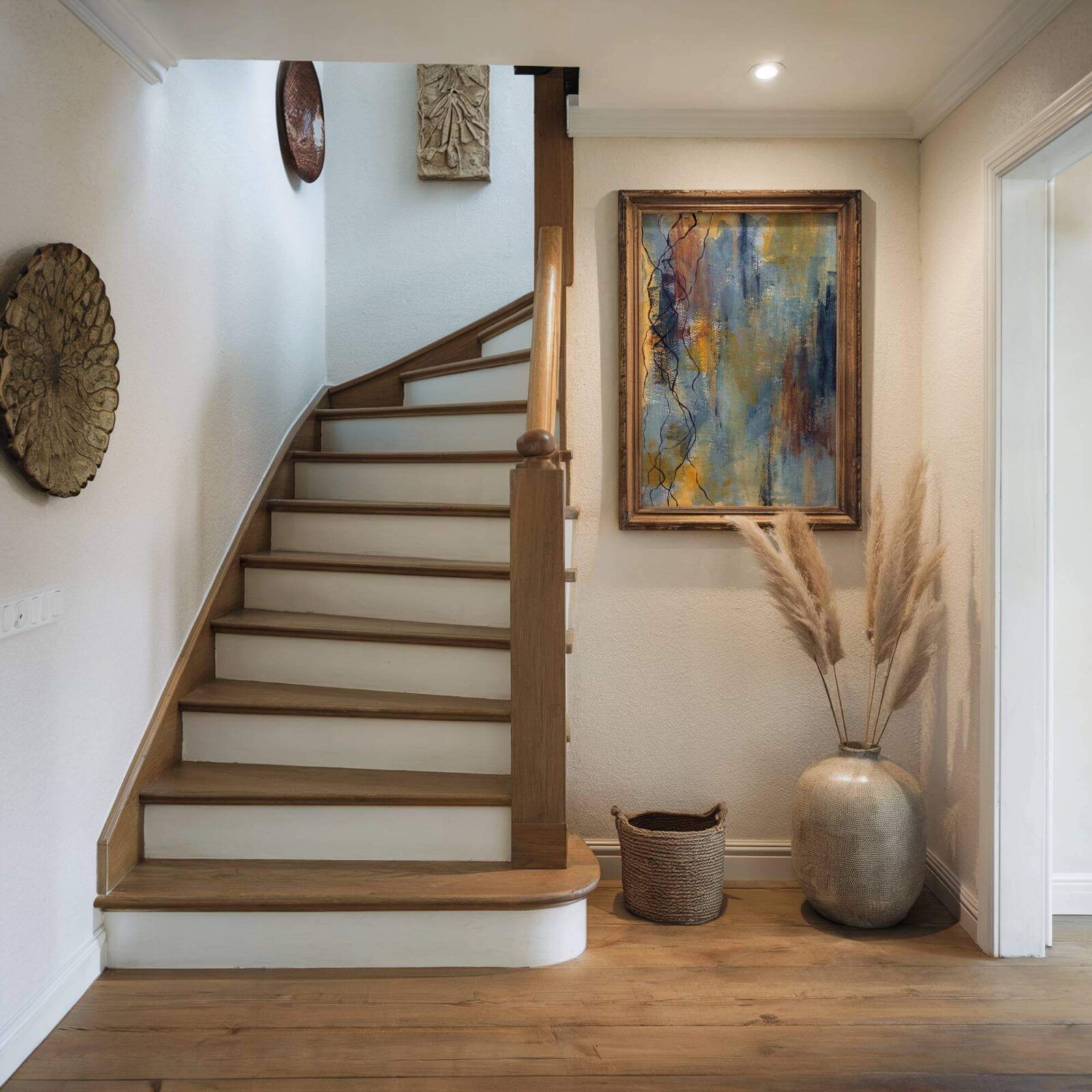
When A Space Begins To Work With You Instead Of Against You
The Long-Term Relationship With The Work
The experience of owning my work is not static.
Collectors often tell me that certain pieces feel different depending on where they are emotionally. Some days, the work feels softer. Other days, heavier. It reflects back aspects of their internal world as they evolve.
This is not because the work changes, but because their relationship with it continues to unfold.
The work becomes a living presence inside the space.
It does not demand attention.
It offers quiet companionship.
Collectors return to it, consciously or unconsciously, finding new layers over time.
It becomes part of their private rhythm.
If you’re buying at this level for the first time, this guide is the one that stops the second-guessing spiral: What to Know Before You Buy Canvas Art That Lasts.
Why My Work Exists Inside Private Spaces
The spaces my work enters are not public showrooms.
They are private sanctuaries.
Homes. Boardrooms. Retreats. Personal interiors where external validation holds no power.
If you’ve ever opened a private catalogue and thought “I’m not sure what I’m meant to be looking at”, I wrote this for you: How to Read a Private Art Catalogue.
My collectors are not inviting guests to admire what they’ve purchased.
They are creating an environment where they themselves can exist without needing to explain who they are.
This is also why many collectors begin with the private catalogue. The Collector’s Vault houses a curated selection of canvas works drawn from my archive, intended for people who want to live with art quietly, not perform it.
In these spaces, the work functions as an emotional stabiliser.
It allows breath to slow.
It allows unspoken memories to exist without demand.
It creates an atmosphere of full presence.
This is not art for display.
It is art for living.
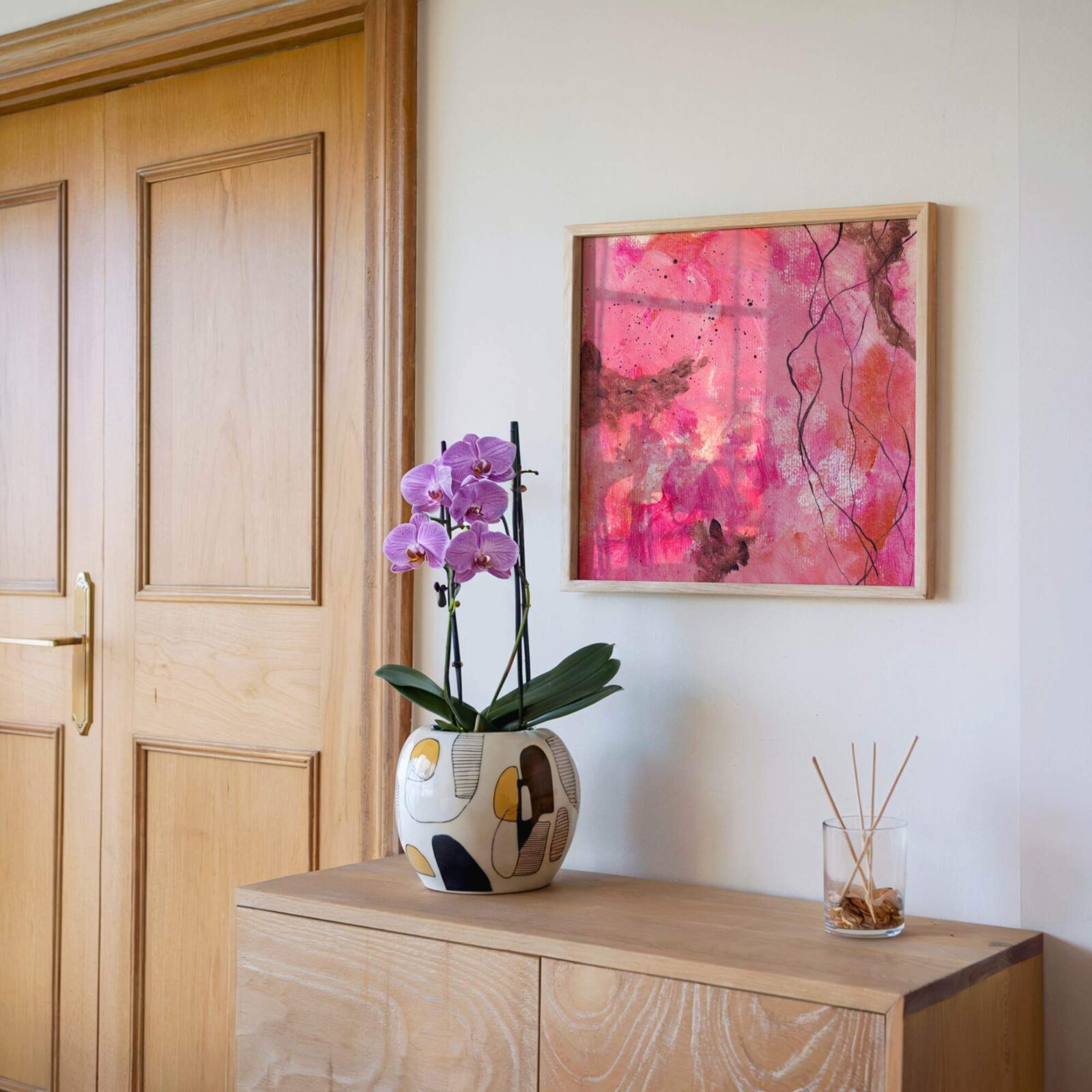
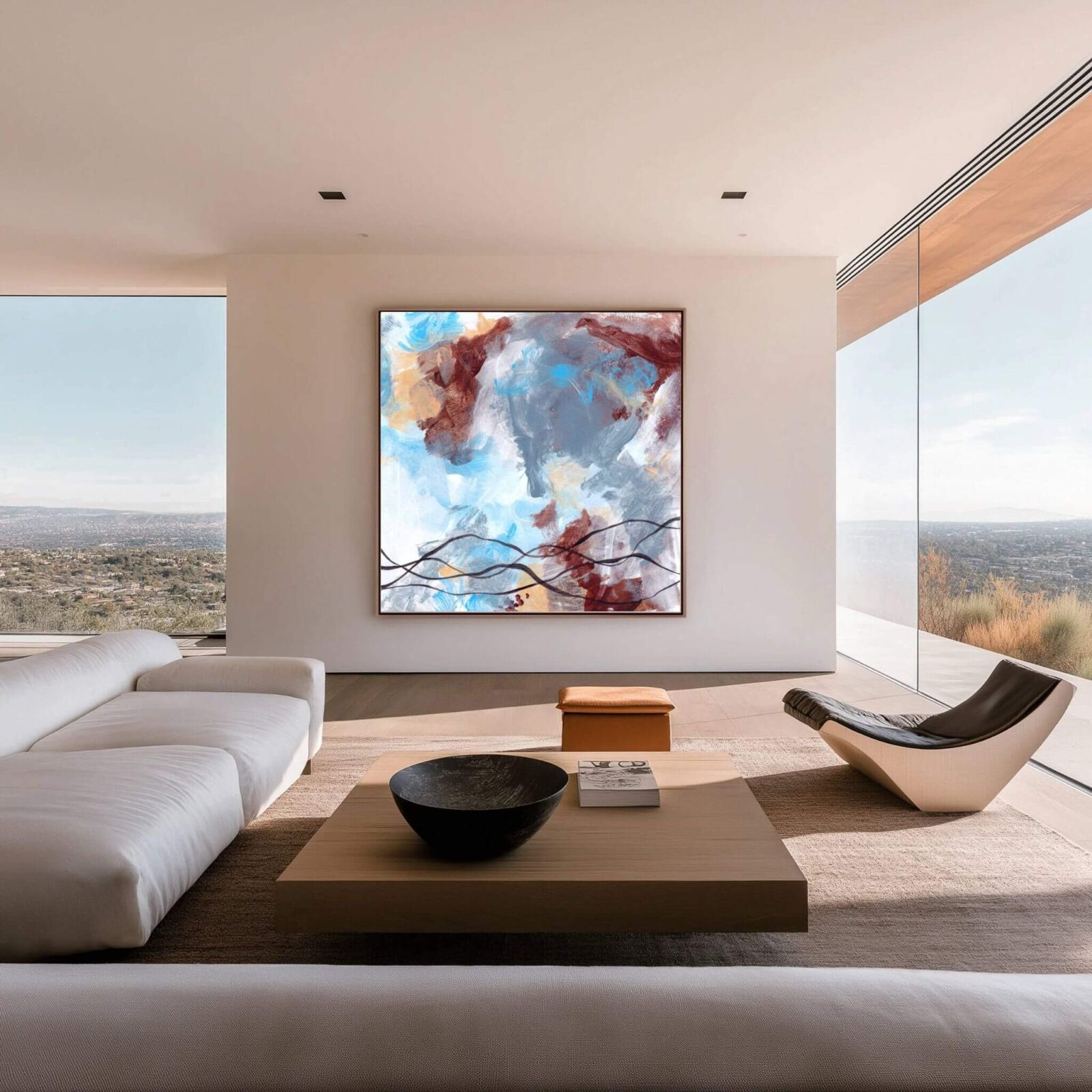
The Emotional Exchange Behind Every Acquisition
Every collector enters the process with a story, even if they don’t share it directly.
And every piece carries that story forward.
This is why emotional work cannot be separated from the person who acquires it.
They are not purchasing something I created in isolation.
They are inviting something into their life that reflects who they have become, and who they continue to be.
The transaction is not between buyer and seller.
The transaction happens between the collector and themselves.
The work simply holds the space where that transaction can take place.
Why There Is No Mass Market For This Work
For most, art remains an object to acquire.
A visual statement. A possession. A carefully selected asset to display identity or status.
But my collectors have moved far past that stage.
They are not looking to own another object. They are looking for something that meets them on a level most art never reaches.
This work is not scalable.
It cannot be mass-produced.
The emotional weight it carries exists because of its specificity.
This is also why serious collectors don’t treat prints as a compromise. The real question is whether the work is built to hold presence and last. If you’re navigating that, read: What Makes a High-End Art Print Worth the Price.
If you want the practical definition of what qualifies as collector-grade in terms of structure, materials, and longevity, the full guide to collector-grade canvas art explains it clearly.
Every piece holds something unique to the person who lives with it.
It is not a product to purchase. It is a relationship to enter.
This is why I do not sell to everyone.
This is why I do not market for volume.
This is why the work finds its way only to those who recognise what it holds before they even fully understand why.
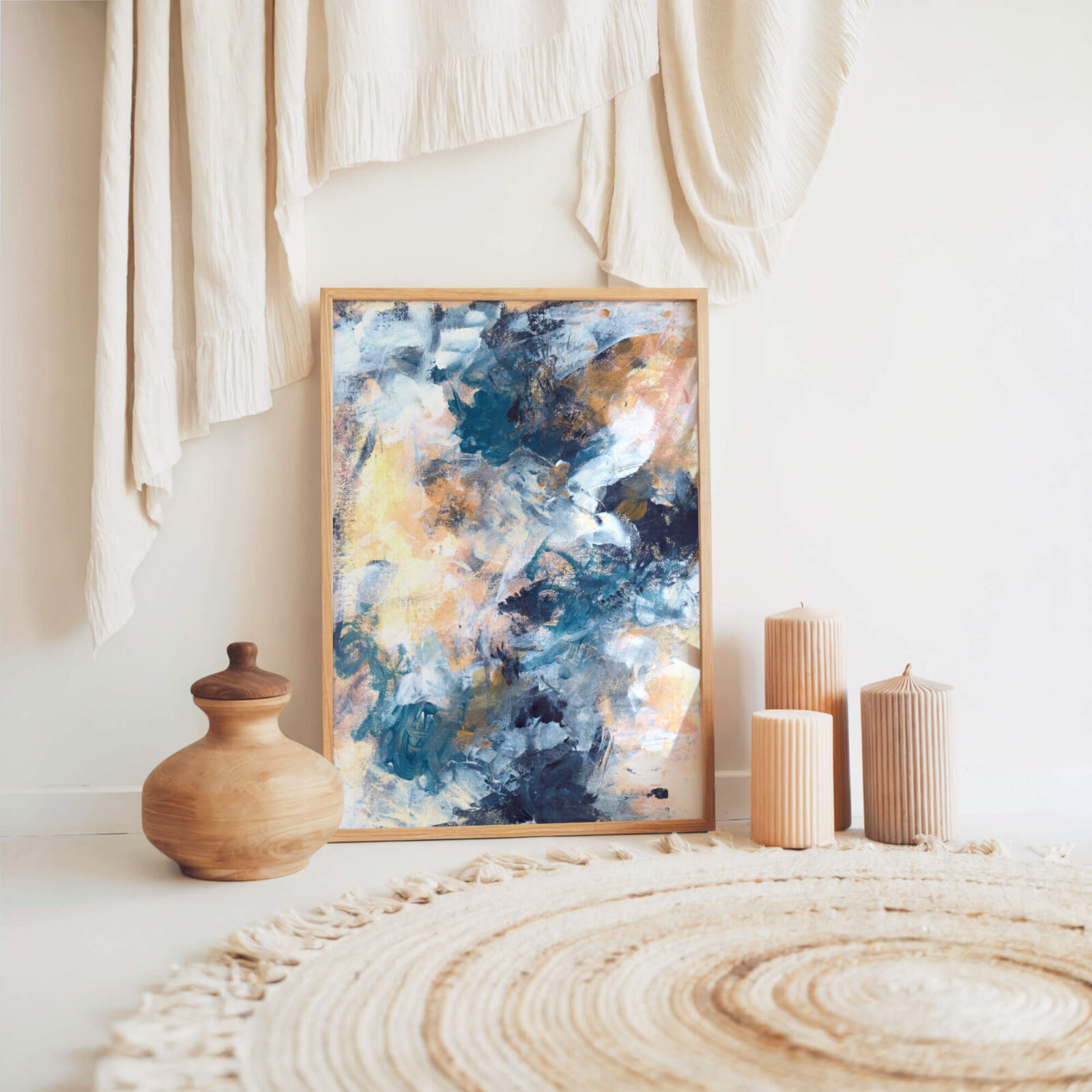
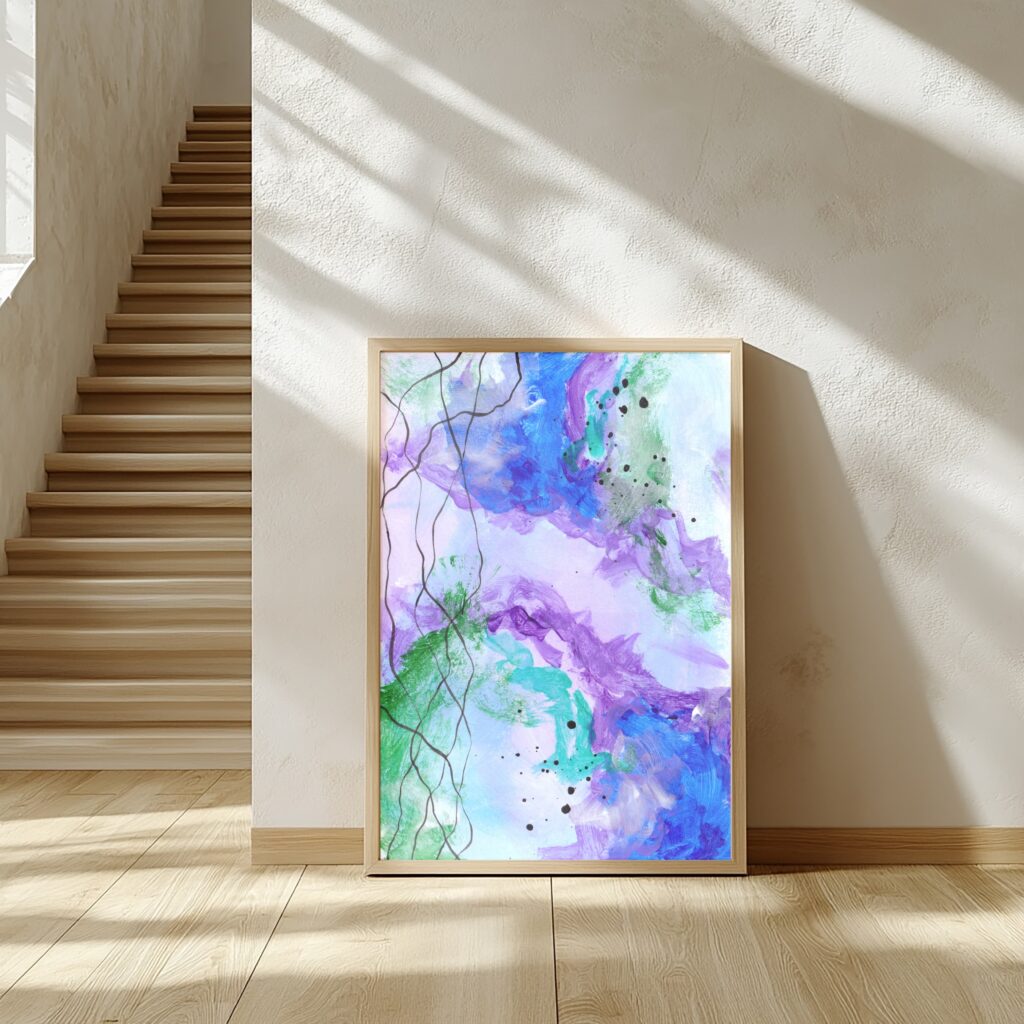
The Experience They Are Actually Buying
When people hear about collectors purchasing art at this level, they often ask what they are truly paying for.
It is not the hours spent painting.
It is not the materials.
It is not even the technical process.
What they are buying is far more difficult to price:
The space the work holds emotionally inside their life
The permission it gives them to feel without explanation
The companionship it offers over time as life continues to evolve
The quiet recognition it provides, meeting them where words cannot reach
If you recognise yourself in this experience, you can explore the available work privately through the Collector’s Vault or enquire about a Capsule Commission when spaces open.
This is the experience my collectors are purchasing.
And for them, it is worth far more than the canvas it lives on.
Stillness Is The Luxury They Are Seeking
At its core, my work offers one thing that becomes more valuable as life becomes more complex: stillness.
Stillness is not emptiness.
Stillness is the space where breath returns.
It is where memories are allowed to exist without judgment.
It is where unspoken weight can be carried without demand.
The collectors who live with my work are not escaping their stories. They are building spaces where those stories can be acknowledged, held, and integrated.
Stillness allows for that integration.
And that is what they are truly inviting into their lives.
The Unspoken Recognition
When a collector sees one of my pieces for the first time and feels an immediate pull, that moment is not logical.
It is not rationalised.
It is felt.
The work mirrors something they have carried for years, often privately.
They may not have words for it.
But they know, instinctively, that the work sees it.
And holds it.
Without requiring them to explain.
This unspoken recognition is what creates the connection.
It is why my collectors do not need to be sold to.
They know when they see it.
And once that knowing arrives, there is no question of whether the piece belongs with them.
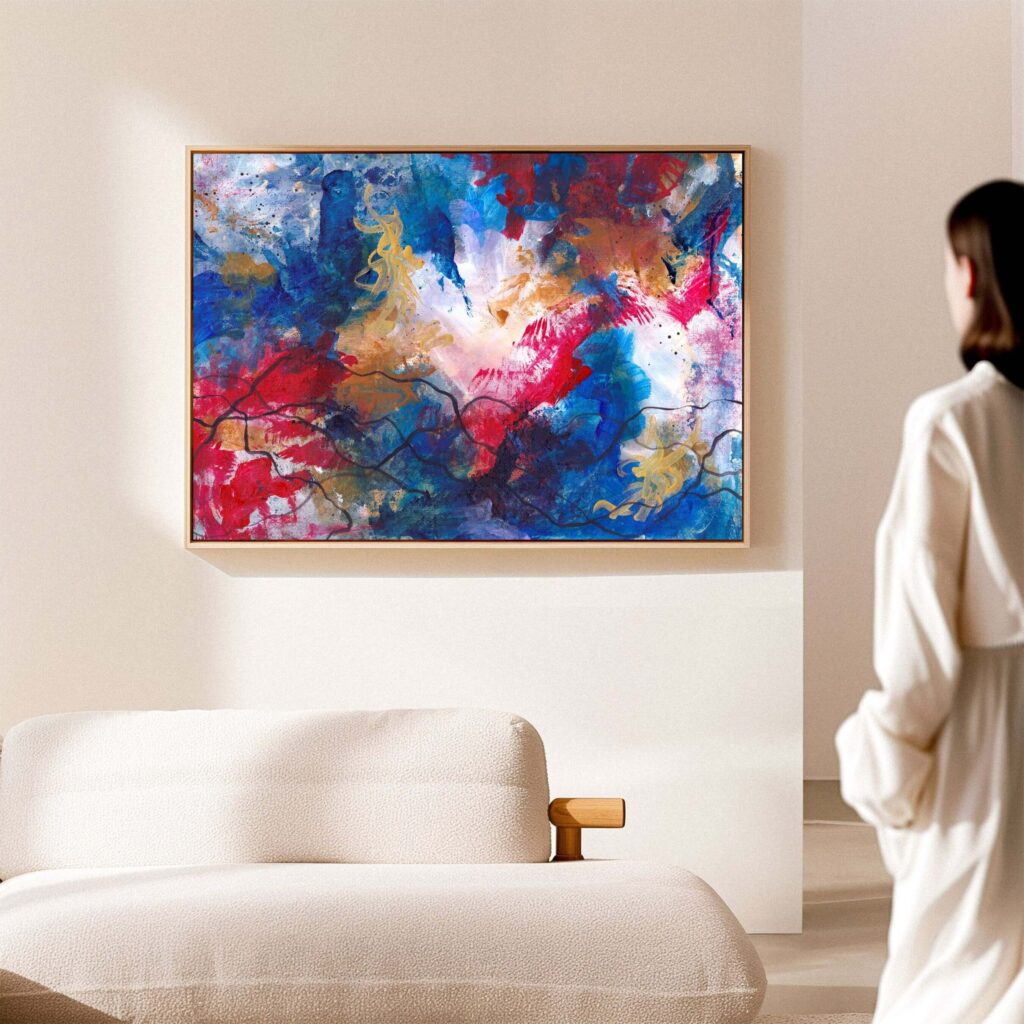
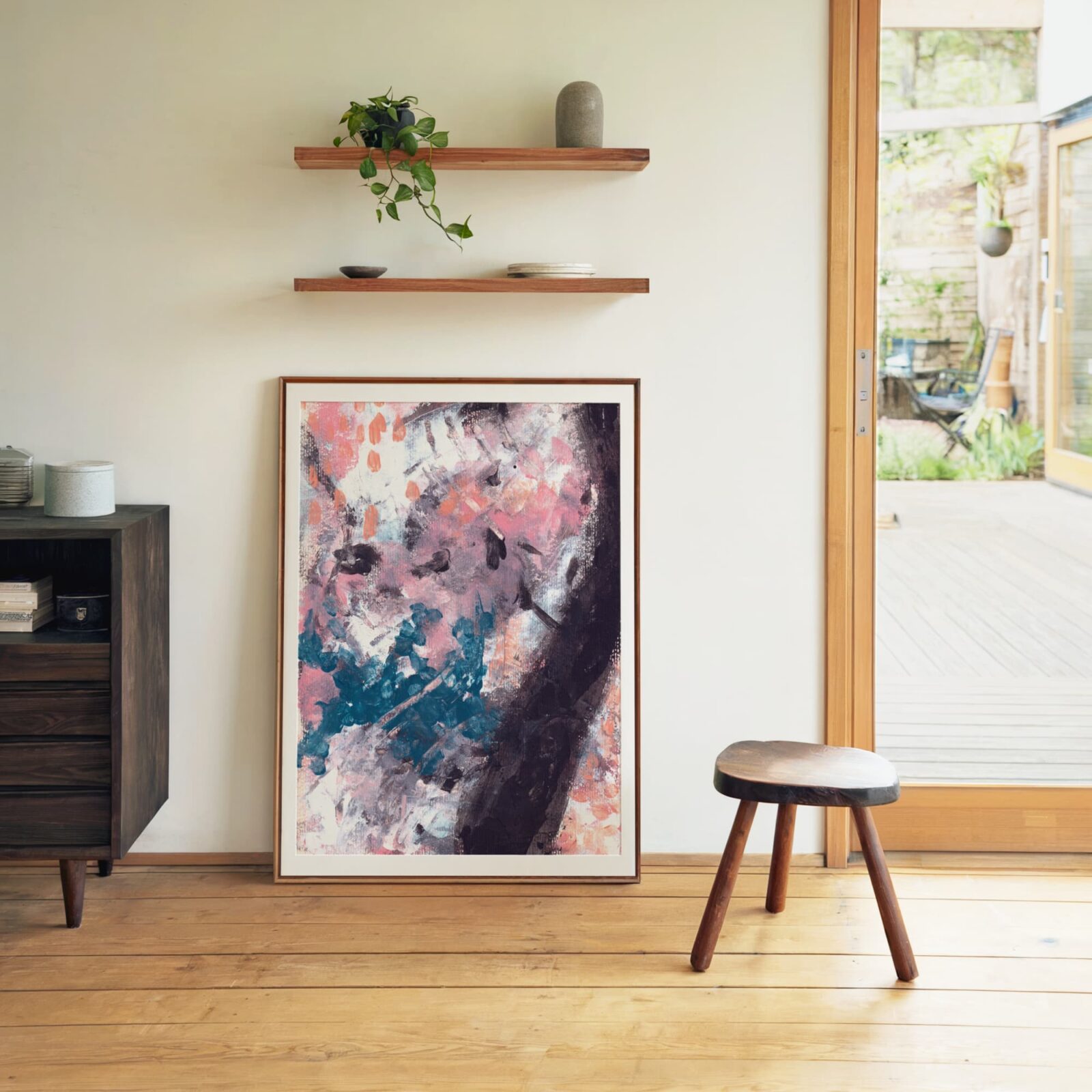
This Is Not Decoration
My work has never been created to match a design scheme.
Interior designers may coordinate around it.
Rooms may be built to house it.
But the work itself exists independently of the space it enters.
It is not there to complete a room.
It is there to anchor the person who lives inside it.
The collectors who live with my work understand that they are not acquiring an object to admire. They are building a space where their full internal landscape can live with them, quietly, without external noise.
That is the experience they are actually buying.
Conclusion
When collectors enter my world, they are not purchasing art.
They are purchasing emotional anchoring.
They are purchasing stillness.
They are purchasing the rare experience of being fully seen without having to explain.
The work they acquire does not decorate their space.
It holds them.
It becomes part of their internal world.
It offers quiet companionship across the seasons of their life.
And for those who recognise its weight, there is nothing more valuable.
Frequently Asked Questions About Collecting Stillness-Based Art
Both, but always with intention. The work functions best in spaces where emotional presence matters more than visual trend. Whether private homes, boardrooms, or retreat environments, the priority is how the space feels to live in, not how it photographs.
Decorative work is designed to fill space visually. This work is created to hold space emotionally. The difference becomes apparent over time, not just on first viewing.
No. The work does not require interpretation. It functions through presence rather than explanation. Many collectors live with a piece for years without ever needing to articulate what it holds for them.
Yes. As the collector’s internal world shifts, their relationship with the work evolves. The piece remains stable. The meaning unfolds.
Often especially so. These environments benefit deeply from visual anchors that reduce cognitive load and emotional noise rather than adding to it.
Emotional specificity cannot be scaled. Limitation preserves depth, not scarcity for its own sake.
Yes. In fact, that is often its strength. The work does not announce itself as therapeutic. It simply functions.
Recognition usually arrives before logic. If the work creates a sense of quiet alignment rather than excitement, it is often the right signal.