
The Work Isn’t About You. But It Is For You.
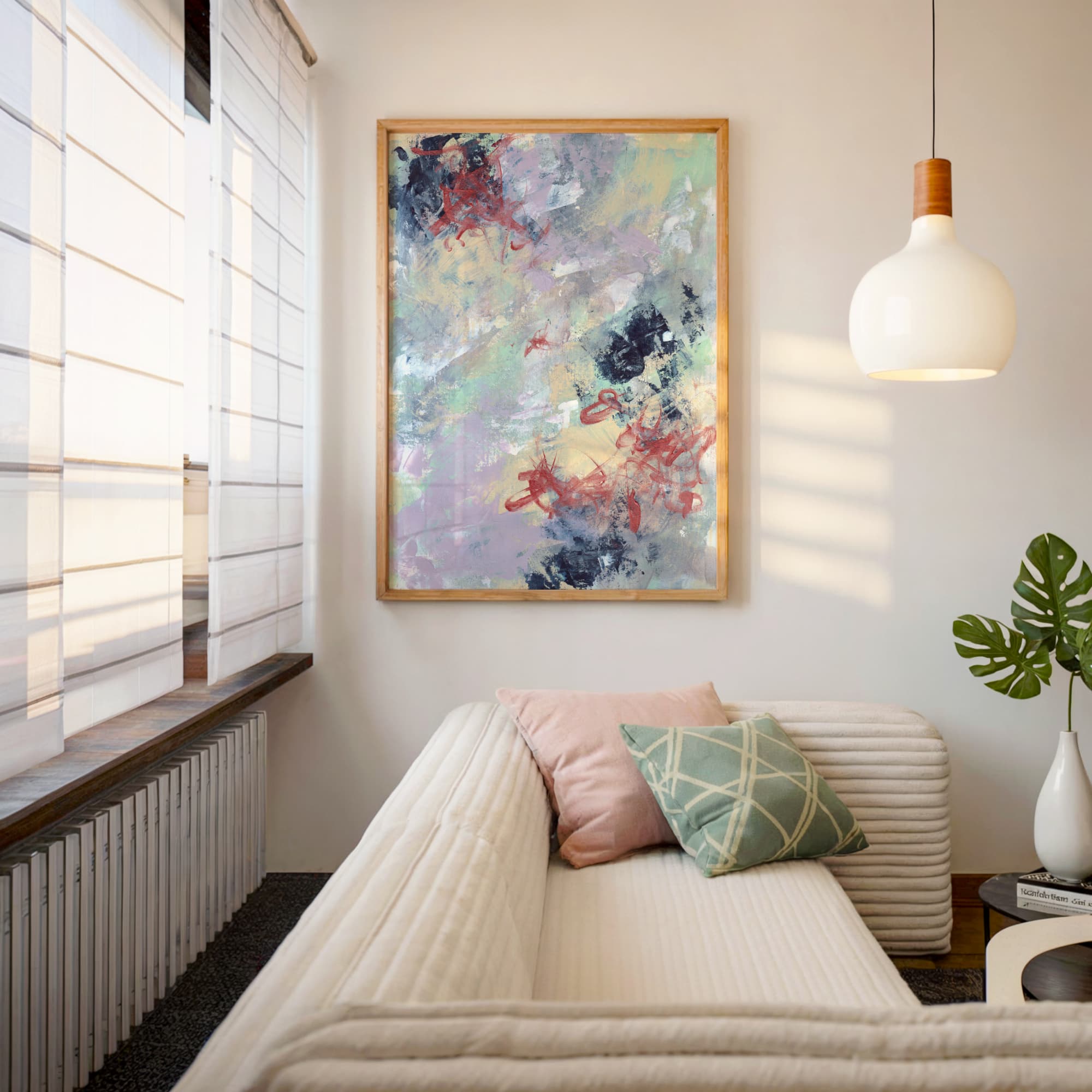
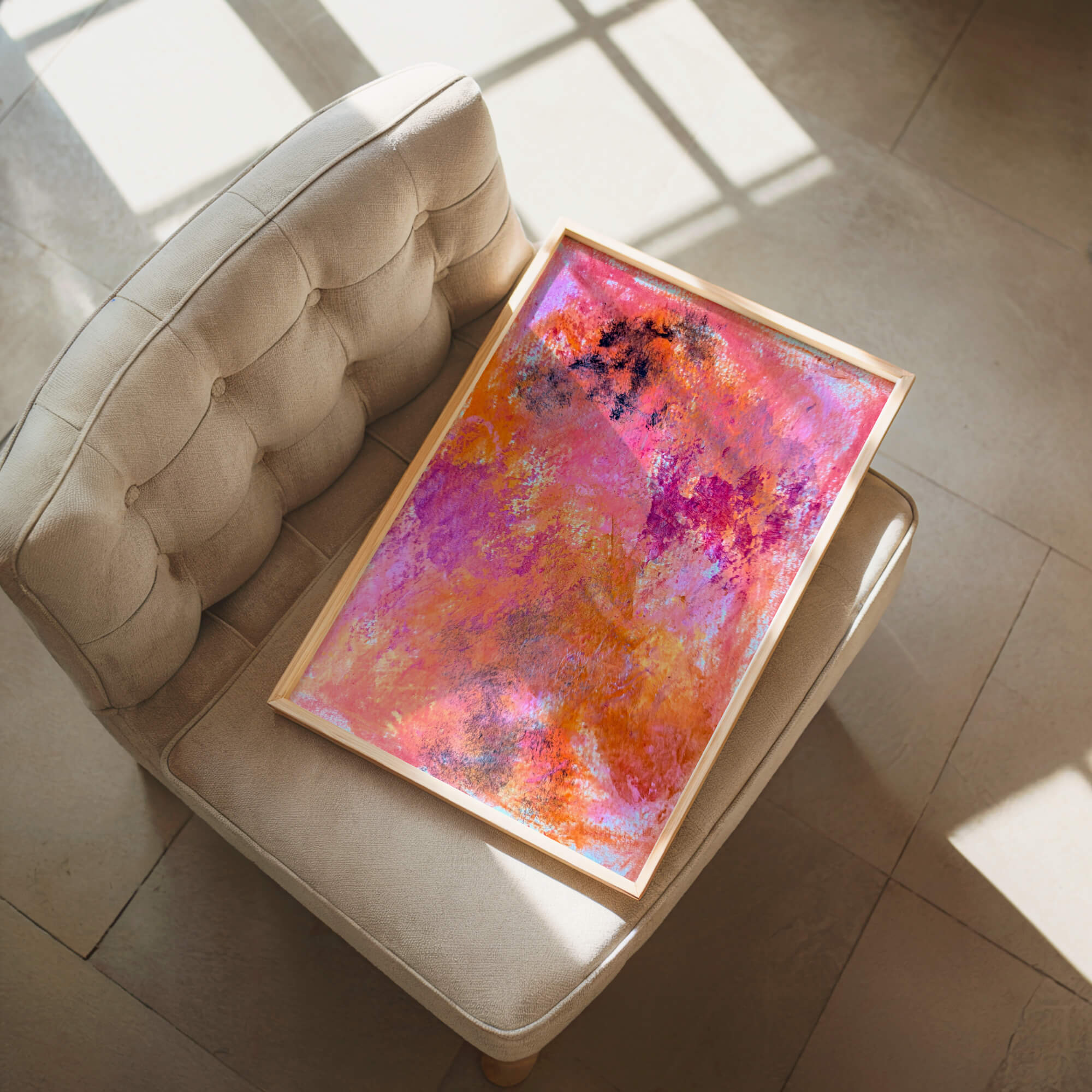
Why the Work Isn’t Mine Once It’s Made
What Presence Looks Like in a Room

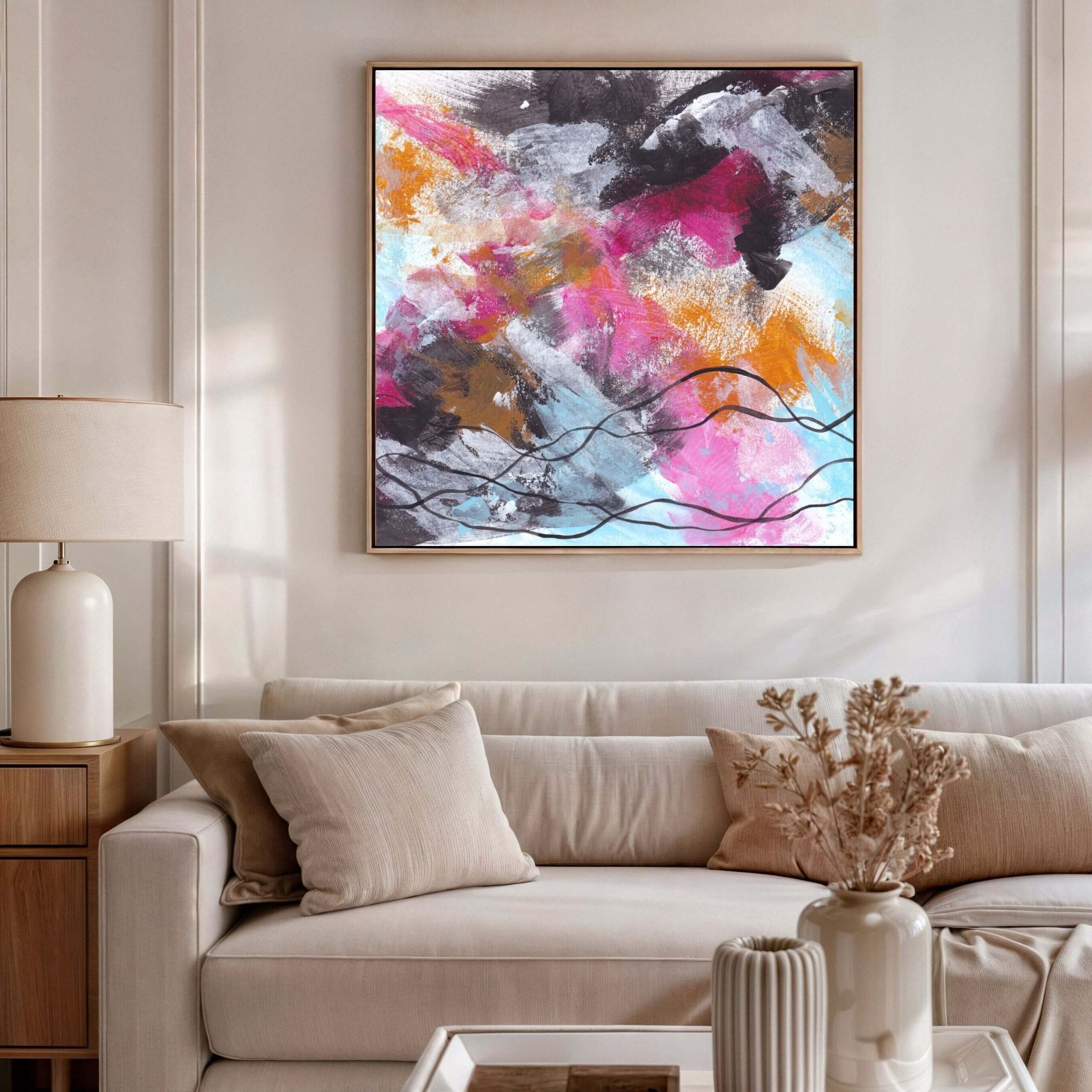
This Is Not Therapy. But It Is Emotional Work.
What Happens When the Artist Stops Performing for the Viewer
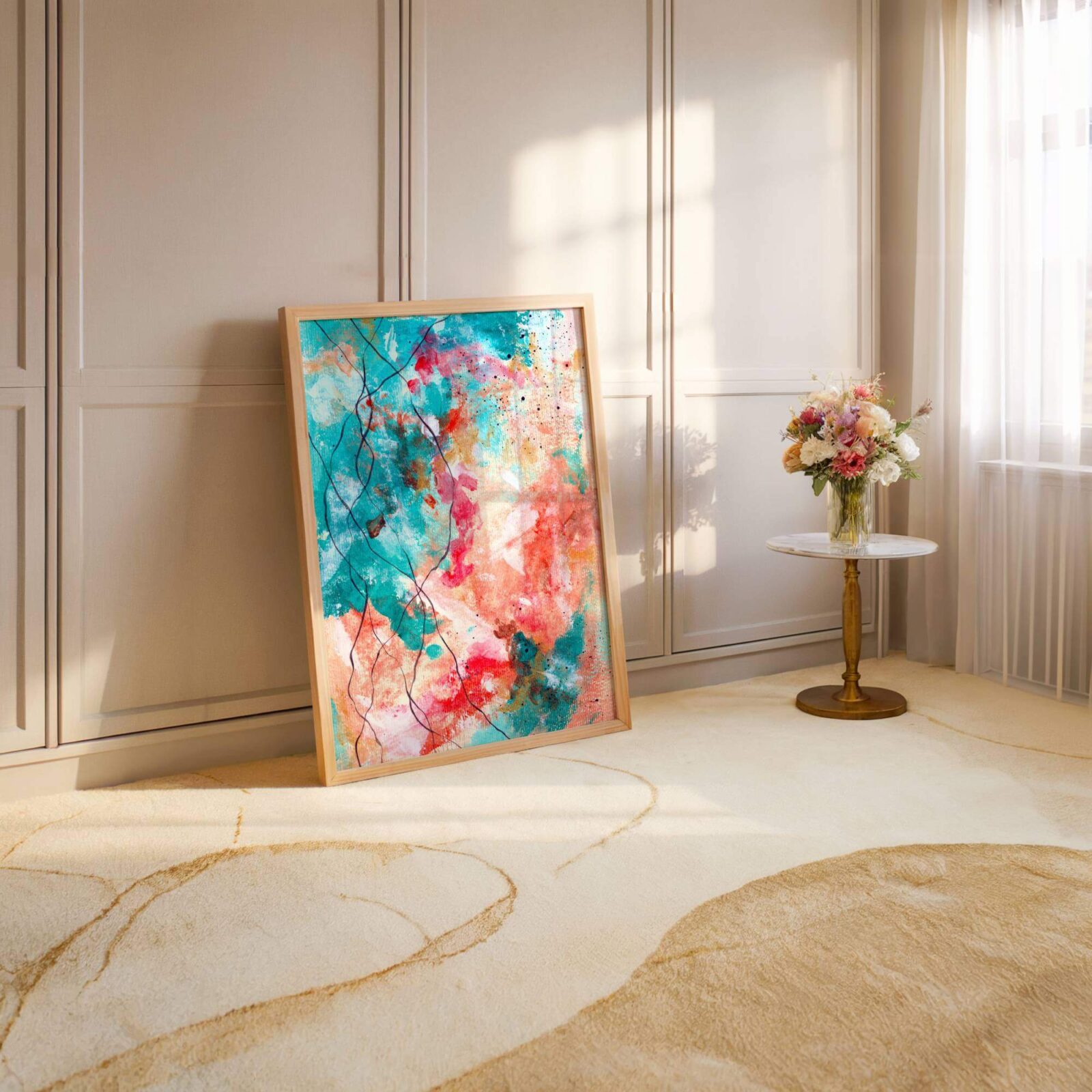
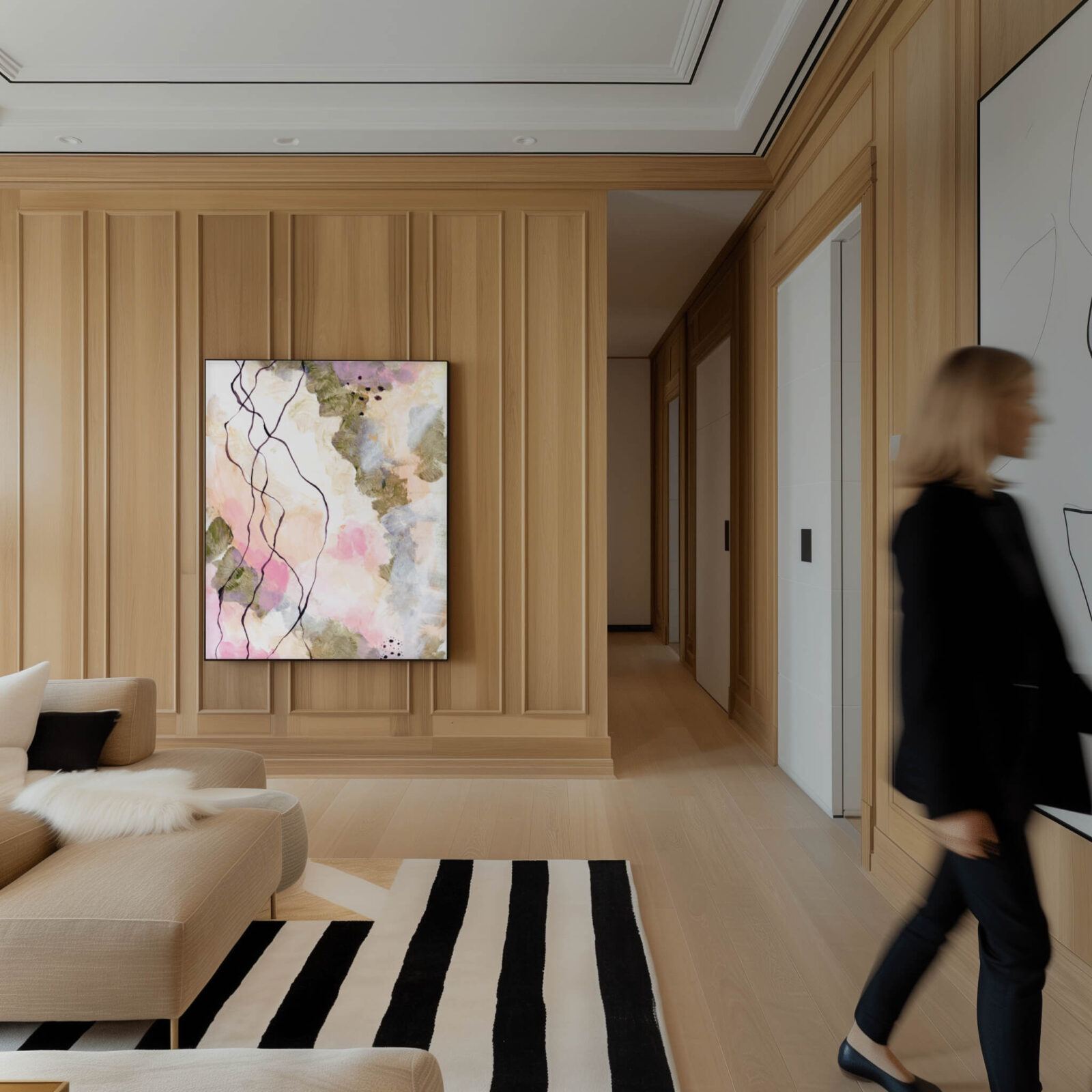
How the Emotional Life of a Piece Continues Long After It Leaves the Studio
Why Explanation Narrows Emotional Power Instead of Deepening It


Art as Emotional Scaffolding Rather Than Symbolic Language
Who This Work Is Not For, and Why That Boundary Matters
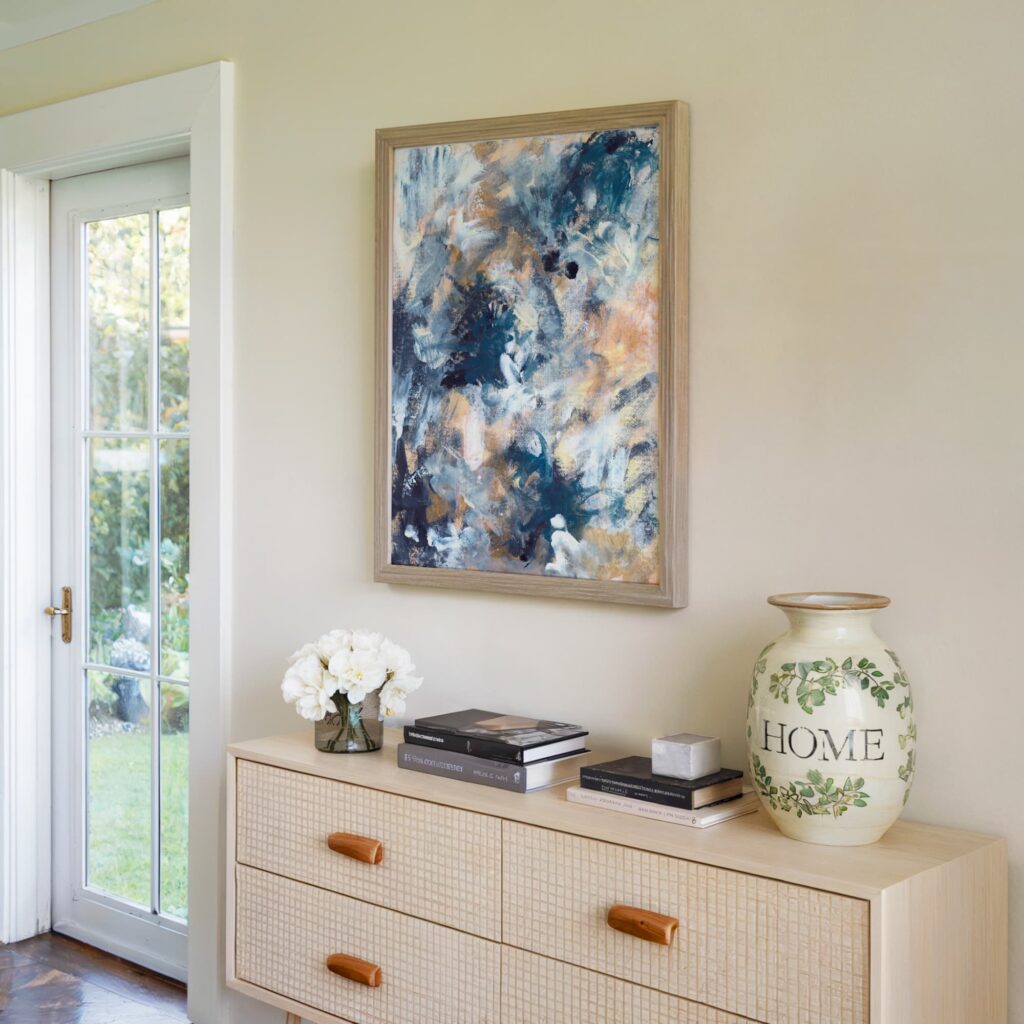
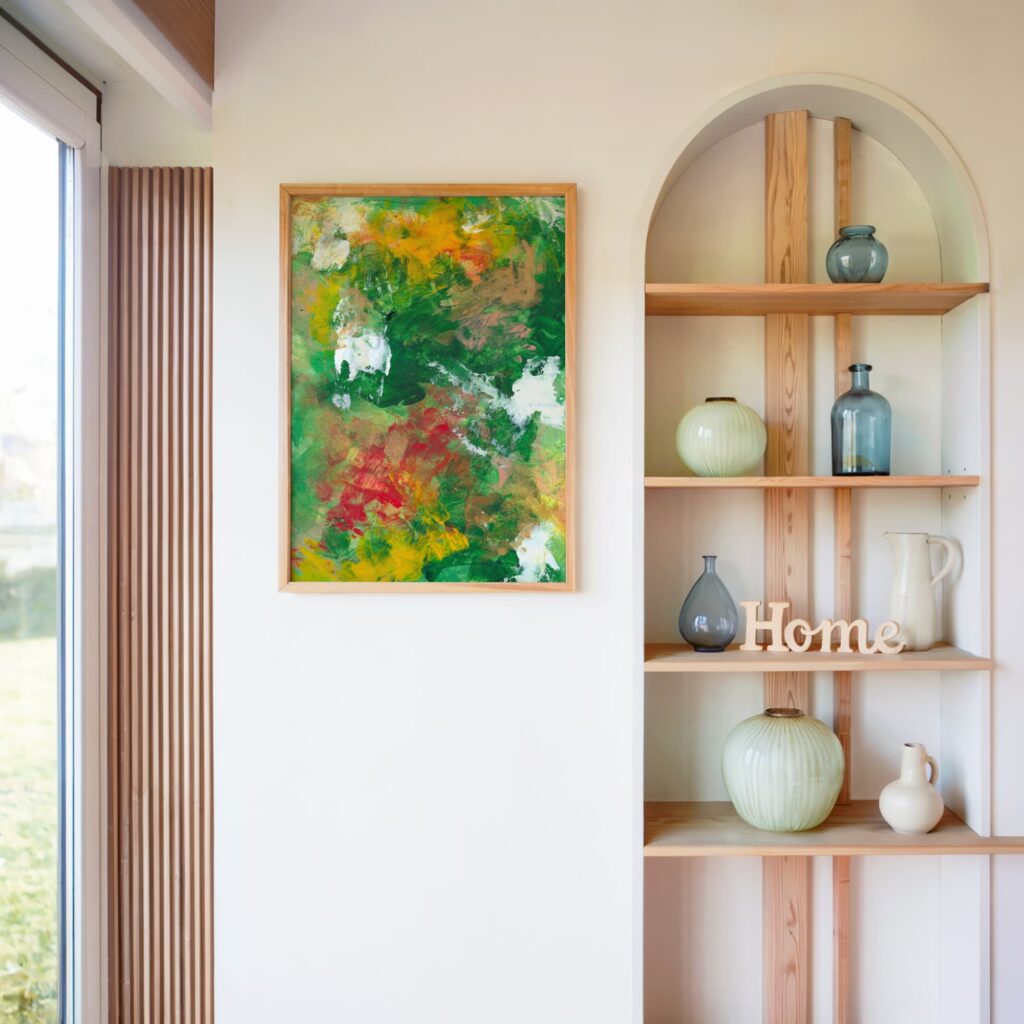
Why I Choose to Paint This Way Rather Than Follow Easier Paths
Stillness Is Not the Subject of the Work, It Is the Method Behind It
Every Piece Is a Conversation I Refuse to Interrupt
If You Are Still Here, the Work May Be for You
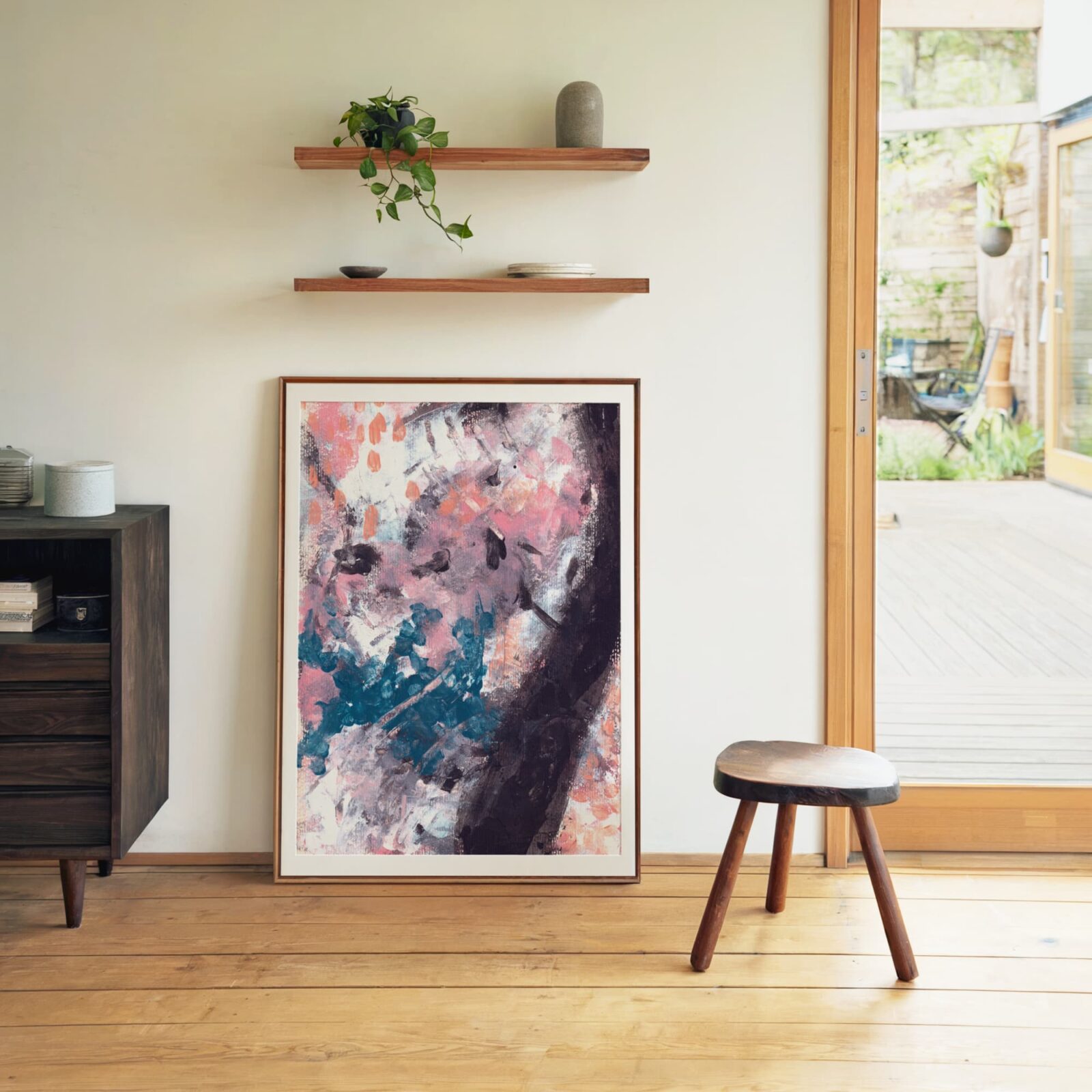
Frequently Asked Questions About Presence-Led Art
No. It is relational rather than narrative. The work does not tell my story. It creates space for the viewer’s experience to emerge without being directed.
Because explanation narrows emotional range. Leaving meaning open allows the work to meet different people honestly, rather than instructing them how to respond.
Calm can be a by-product, but it is not the intention. The work is designed to hold presence, which may include stillness, weight, memory, or quiet intensity.
Decorative art performs visually and resolves quickly. Presence-led work anchors emotionally and continues to unfold over time.
No. Intellectual understanding is not required. Recognition typically happens in the body before it reaches language.
Because the relationship between the work and its environment evolves. The piece responds to the emotional tone, use, and rhythm of the space it inhabits.
Yes, particularly in spaces where performance drops away and emotional steadiness matters, such as offices, retreats, and private rooms.
They do not analyse it. They notice whether their body slows down in its presence. That response is usually immediate and unmistakable.