
What Makes a High-End Art Print Worth the Price

Why “Print” Is Not a Meaningful Category on Its Own
High-End Art Prints Are Built, Not Replicated
Authorship and the Weight of a Practice

Edition Size Is a Commitment, Not a Sales Tactic
Material Integrity and Longevity
Scale, Space, and Presence
Provenance, Context, and Intellectual Grounding
Pricing as an Ethical Structure
Emotional Intelligence Versus Decorative Appeal

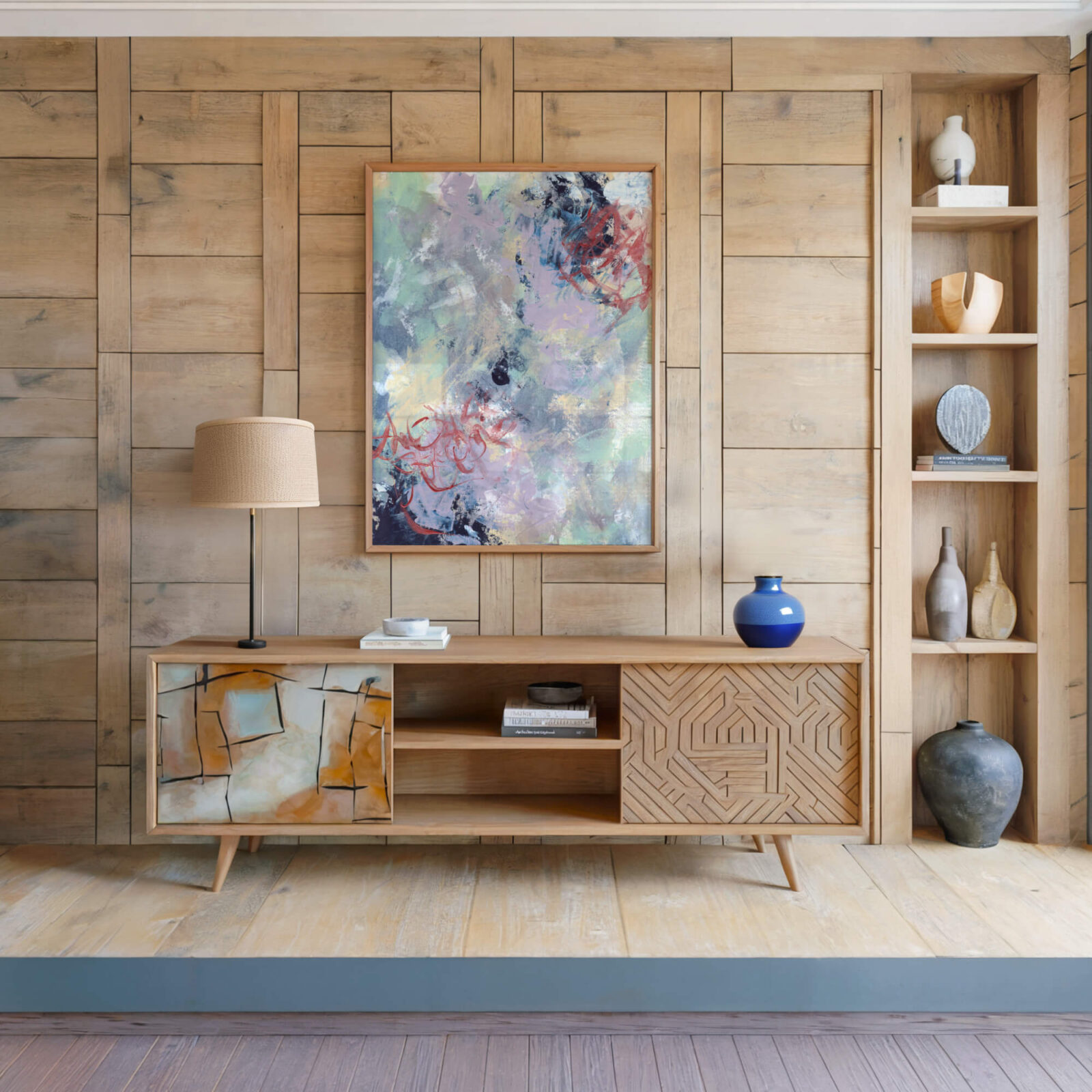
Why High-End Art Prints Are Not a Compromise
Conclusion


Frequently Asked Questions
They are worth paying more for when the price reflects real decisions rather than branding. A high-end print costs more because it is produced in small numbers, with durable materials, and without shortcuts. If a print has been made to last, both physically and emotionally, the price usually makes sense once you live with it rather than judge it online.
Decorative prints are designed to fit easily into many homes and sell in volume. Collector-grade prints tend to be quieter, more specific, and more tightly controlled. Look at edition size, material quality, and how the work is released. If everything about it feels optimised for scale, it probably is.
Because they are doing completely different jobs. Inexpensive prints are meant to be replaceable and trend-responsive. High-end prints are meant to stay. The price reflects not just production, but the artist’s willingness to limit output, protect earlier collectors, and avoid flooding their own work.
No. Canvas is just a surface. What matters is how it is used, how it is printed, and how long it is expected to last. A canvas print produced with archival inks, proper colour control, and a fixed edition can absolutely be high-end. A mass-produced canvas print is still just mass-produced.
You should not buy art prints expecting quick financial returns. That said, prints from a disciplined practice with controlled editions tend to hold their value far better than work produced in large quantities. Stability and consistency matter more than hype.
Often, yes. Private catalogues usually indicate that the artist is more interested in where the work ends up than how fast it sells. They tend to offer clearer information, fewer compromises, and a more considered relationship between artist and collector.
No. Price on its own doesn’t prove anything. Some prints are expensive because they’re positioned as luxury products rather than treated as serious artworks. What matters is whether the artist limits how much of the work exists, sticks to those limits, and produces it properly. If the same image keeps reappearing in new formats or endless variations, the price starts to feel decorative rather than earned.
You usually feel it before you can count it. When an image starts showing up in different sizes, colours, or slight reworks, it stops feeling settled. High-end practices tend to decide early how a work will exist and then leave it alone. That restraint is part of what gives a print weight.