
The Healing Power of Abstract Art in Luxury Spaces
Luxury spaces have long been defined by rare materials, refined textures, and careful curation. But in today’s high-performing, overstimulated world, true luxury has shifted, from material excess to emotional richness. From the surface to the soul.
Enter abstract art. In particular, emotionally intelligent abstract art: layered, immersive, non-literal works that don’t just sit on a wal, they speak. They hold. They heal.
And for high-end hotels, executive retreats, and modern HQs, that’s not just a design feature. It’s a brand superpower.
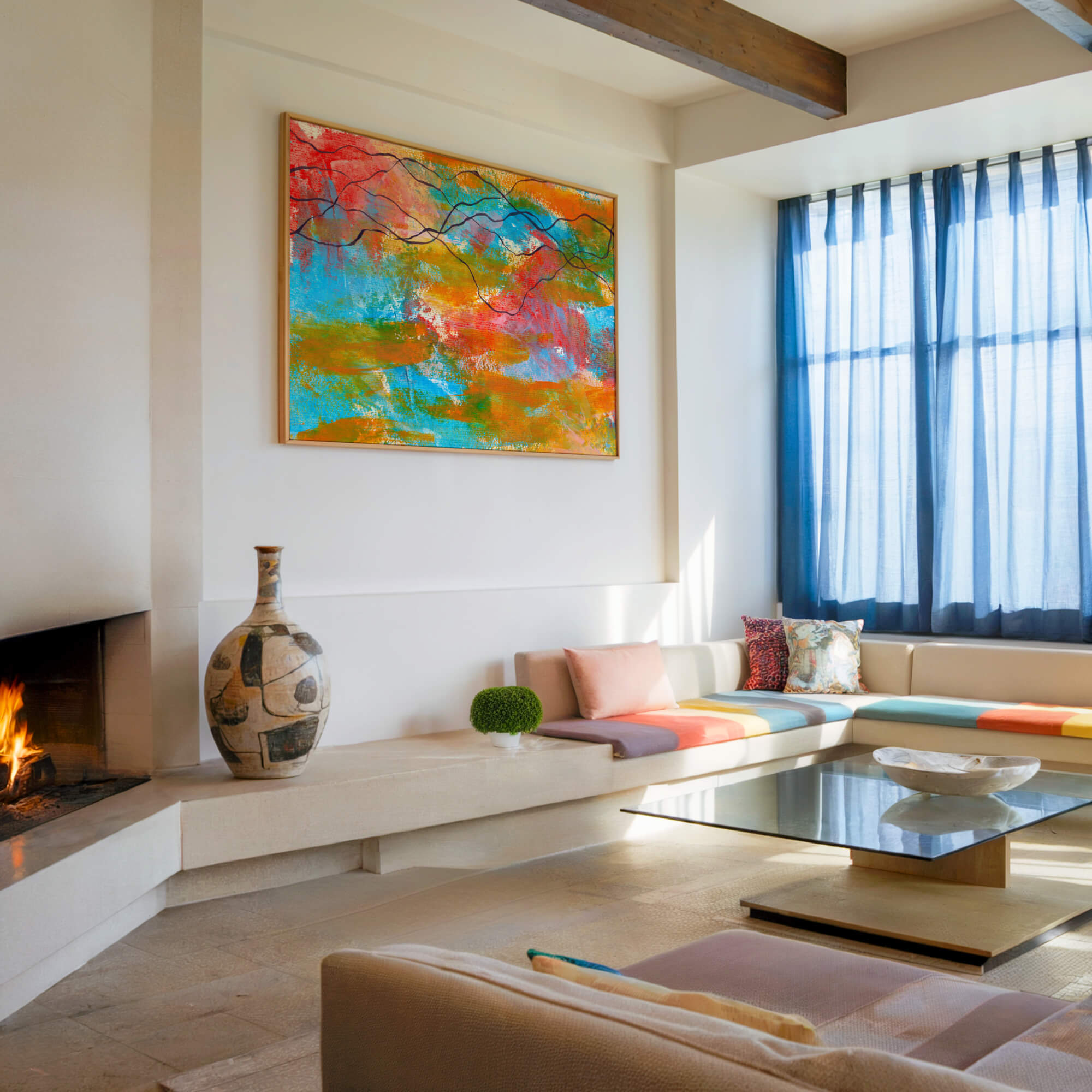
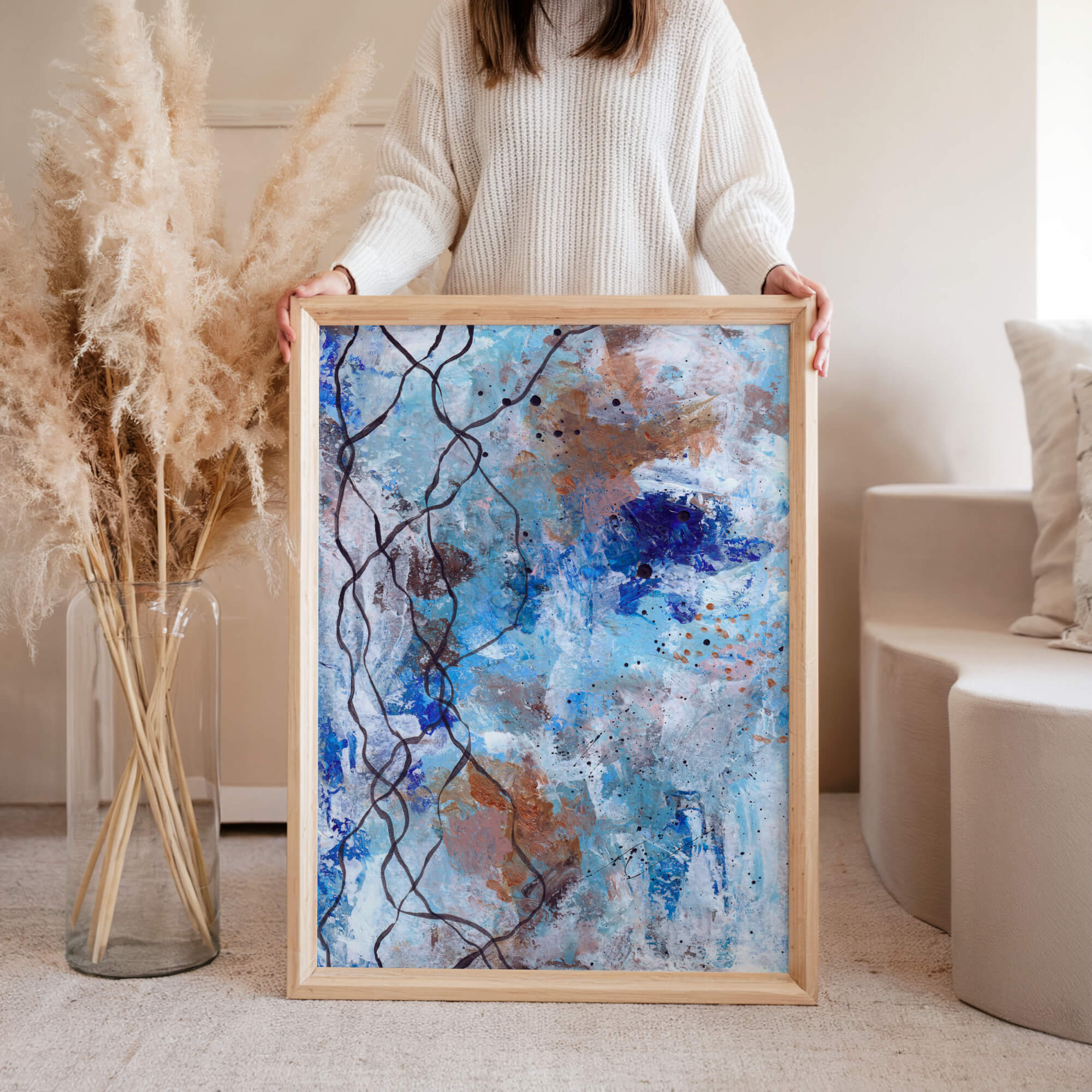
Why Abstract Art, and Why Now?
Let’s start with the obvious: the modern world is noisy. We are bombarded by stimuli, deadlines, data, and decisions. Our environments often reflect that pace, slick, high-performing, efficient. But where do we pause?
That’s where abstract art steps in. It invites emotional processing without words. It allows people to feel, without needing to define or explain. That, in itself, is healing.
For guests in a luxury hotel, it creates a moment of quiet awe. For executives in a boardroom, it offers space to regroup, reflect, and reconnect. For designers shaping the atmosphere of a wellness retreat, it becomes a visual anchor that supports emotional safety and release.
Emotional Healing Through Non-Literal Form
Unlike representational art, which depicts something specific (a scene, a person, a story), abstract art bypasses the conscious brain. It communicates with the deeper layers of perception, emotion, memory, intuition.
That’s why a single canvas can mean something entirely different to each viewer, and still be deeply, personally healing.
Clients and guests aren’t always aware of this, of course. They don’t need to be. But they feel it. They linger longer. They soften. They breathe differently.
In high-end spaces designed for transformation, wellbeing, or performance, this shift isn’t a bonus. It’s essential.
Designing for Human Connection in High-End Interiors
Interior designers working in luxury often have a difficult balance to strike: elegance with warmth, minimalism with emotion, sophistication without sterility.
Abstract art bridges that gap.
Used intentionally, it does three things:
Creates a sense of emotional resonance
Not just beauty, but meaning. Viewers feel something real.Balances a space energetically
Through tone, colour, and movement, the right piece grounds the room or uplifts it, without dominating.Reinforces your brand identity
For hotels or offices, it tells a story without words. Clients remember how they felt in your space, and return for that feeling.
What the Research Says
This isn’t just aesthetic theory. There’s evidence behind the impact of art on our nervous systems and wellbeing.
A 2021 study published in Frontiers in Psychology found that exposure to abstract art significantly reduced stress and improved cognitive flexibility, particularly in environments where individuals were already under pressure (like offices or clinics).
Meanwhile, hospitality research consistently shows that design elements that evoke emotional response directly increase guest satisfaction and brand loyalty. In other words: healing art = happy clients.
Where Abstract Art Makes the Biggest Impact
Here’s where emotionally resonant abstract art works best:
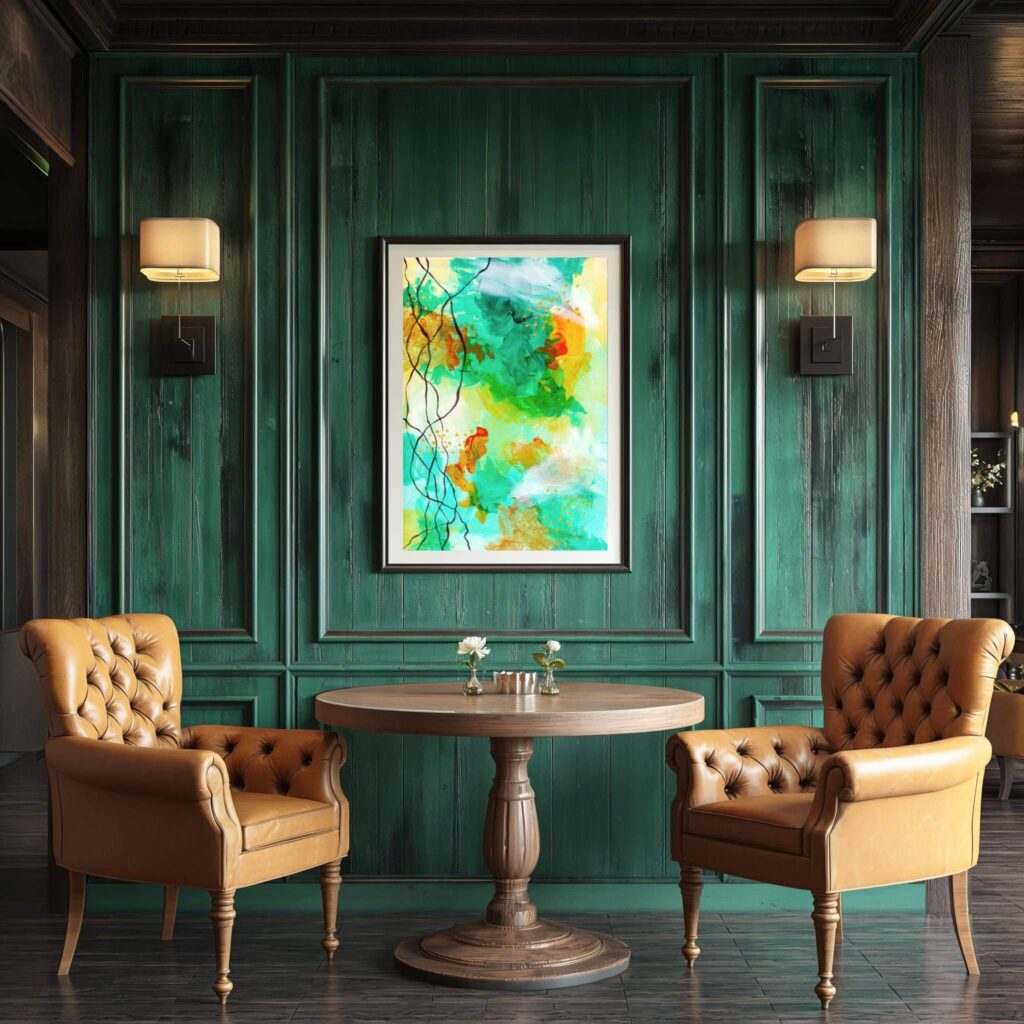
Guests arrive carrying the weight of the world. Your space offers not just escape, but recalibration. Abstract art in guest rooms, lobbies, and wellness areas creates emotional spaciousness without dictating the narrative.
It says: You don’t need to be anything here. Just breathe.
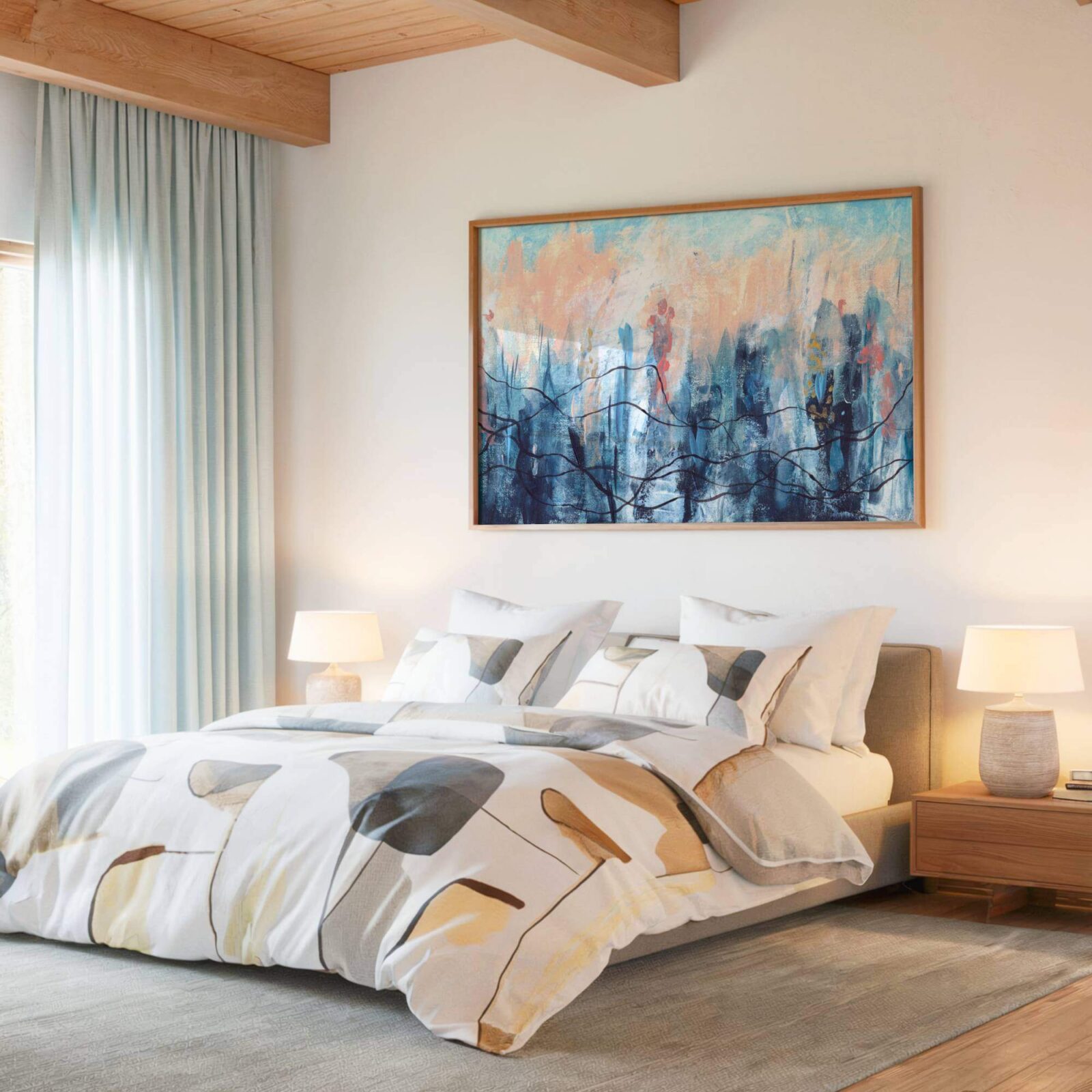
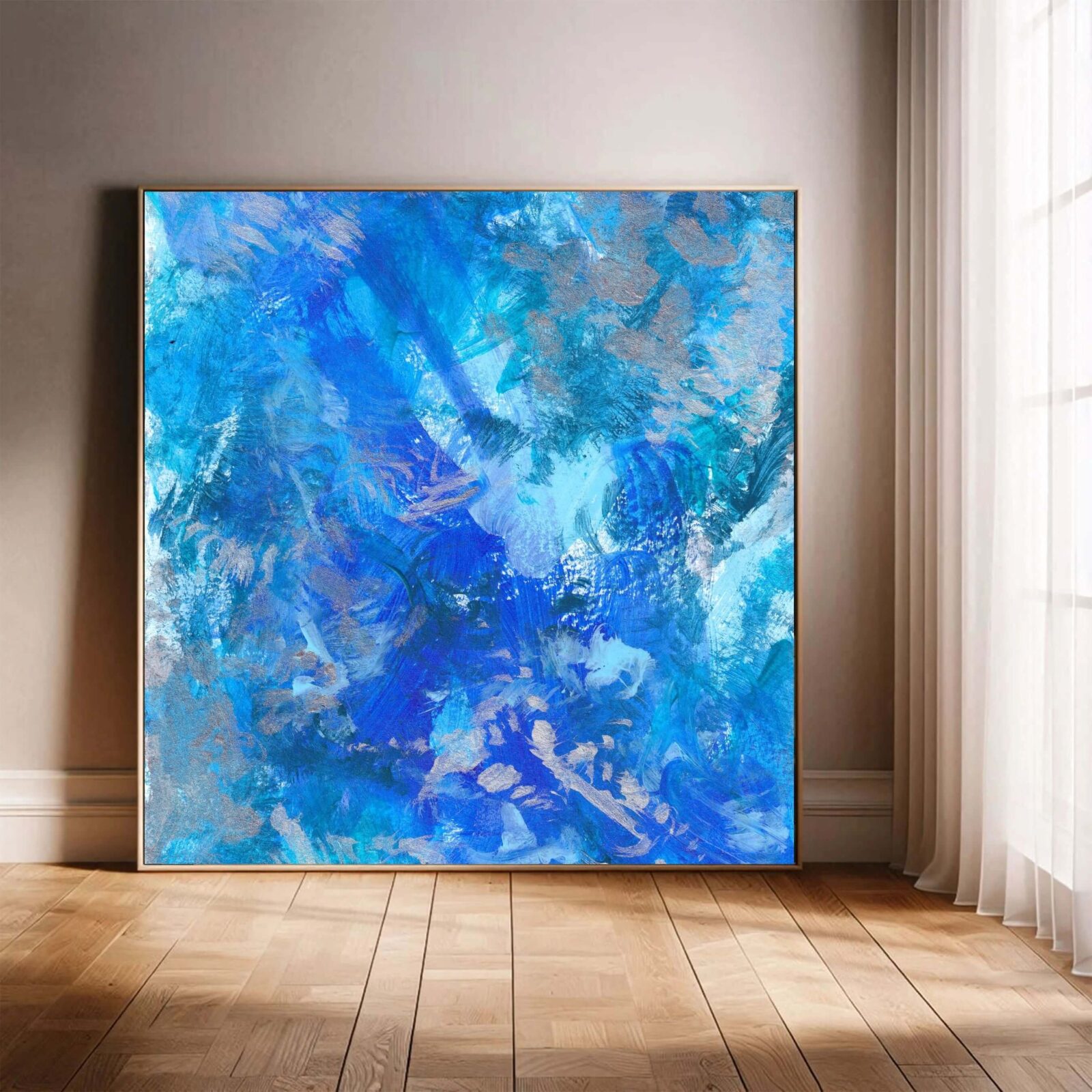
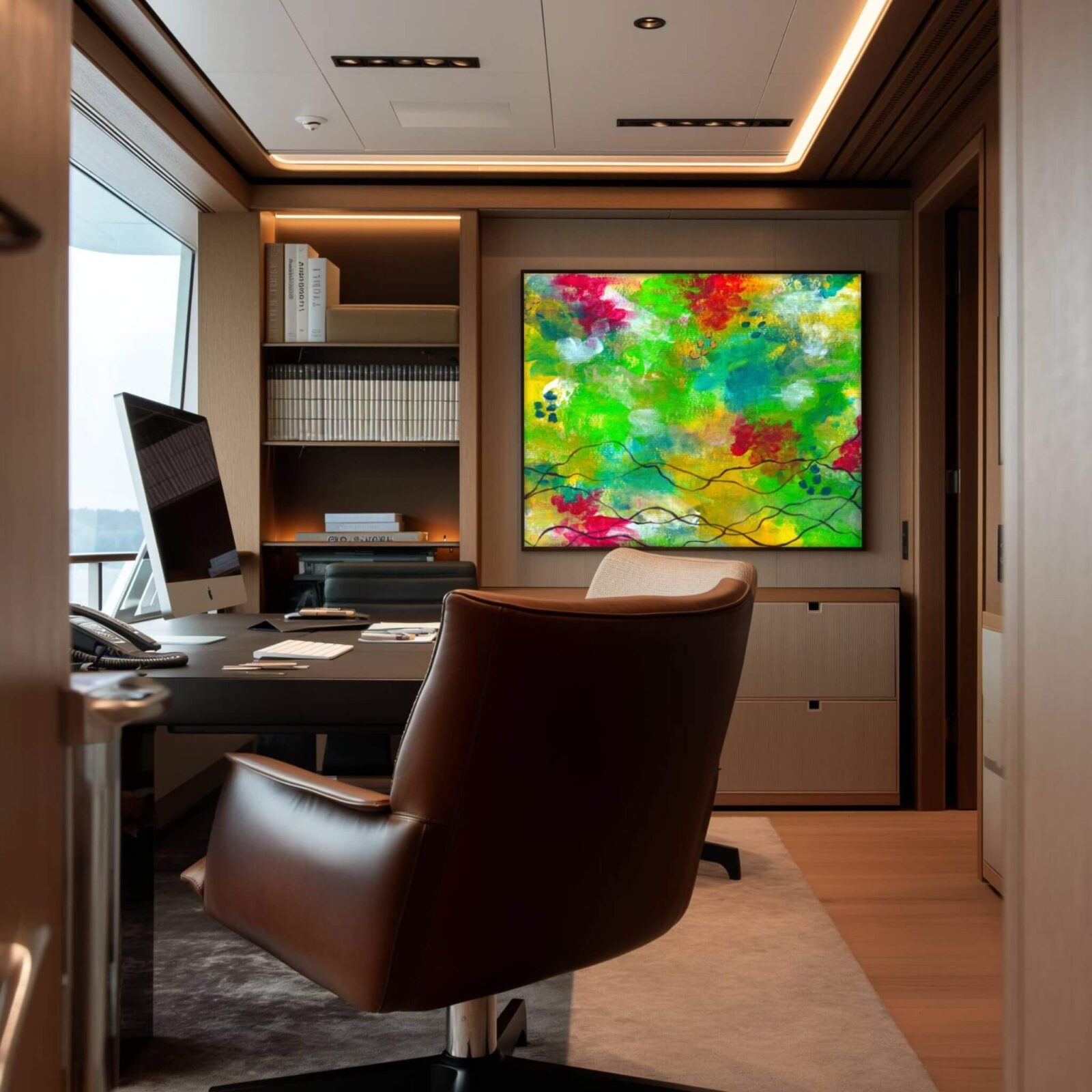
2. Executive Offices & Boardrooms
Performance and creativity require emotional clarity. A bold, serene piece can soften tension in high-stakes environments. The right abstract work elevates the room’s tone, and the calibre of decisions made in it.
It says: There’s space for intelligence and emotion. You can lead with both.
3. Therapeutic and Healing Spaces
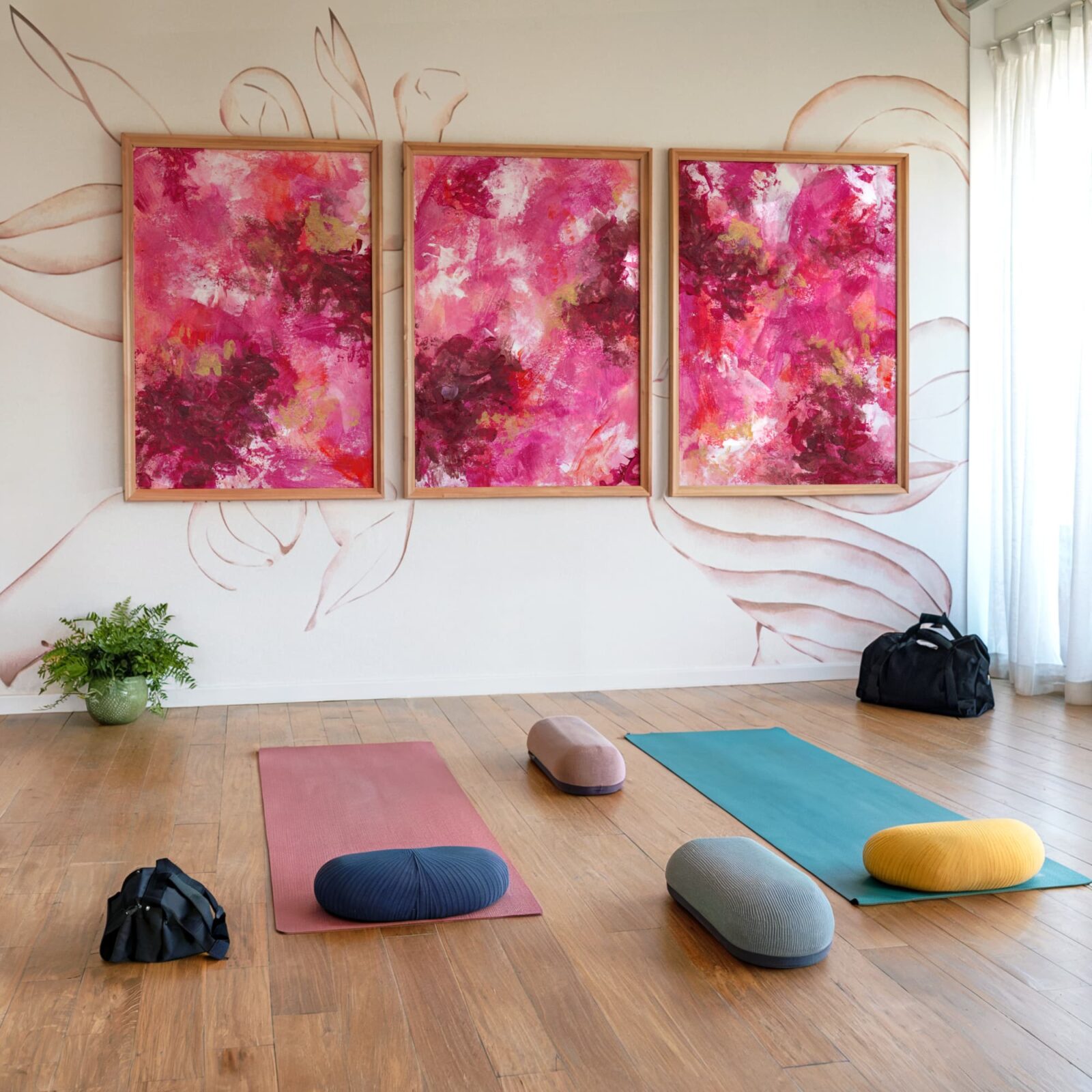
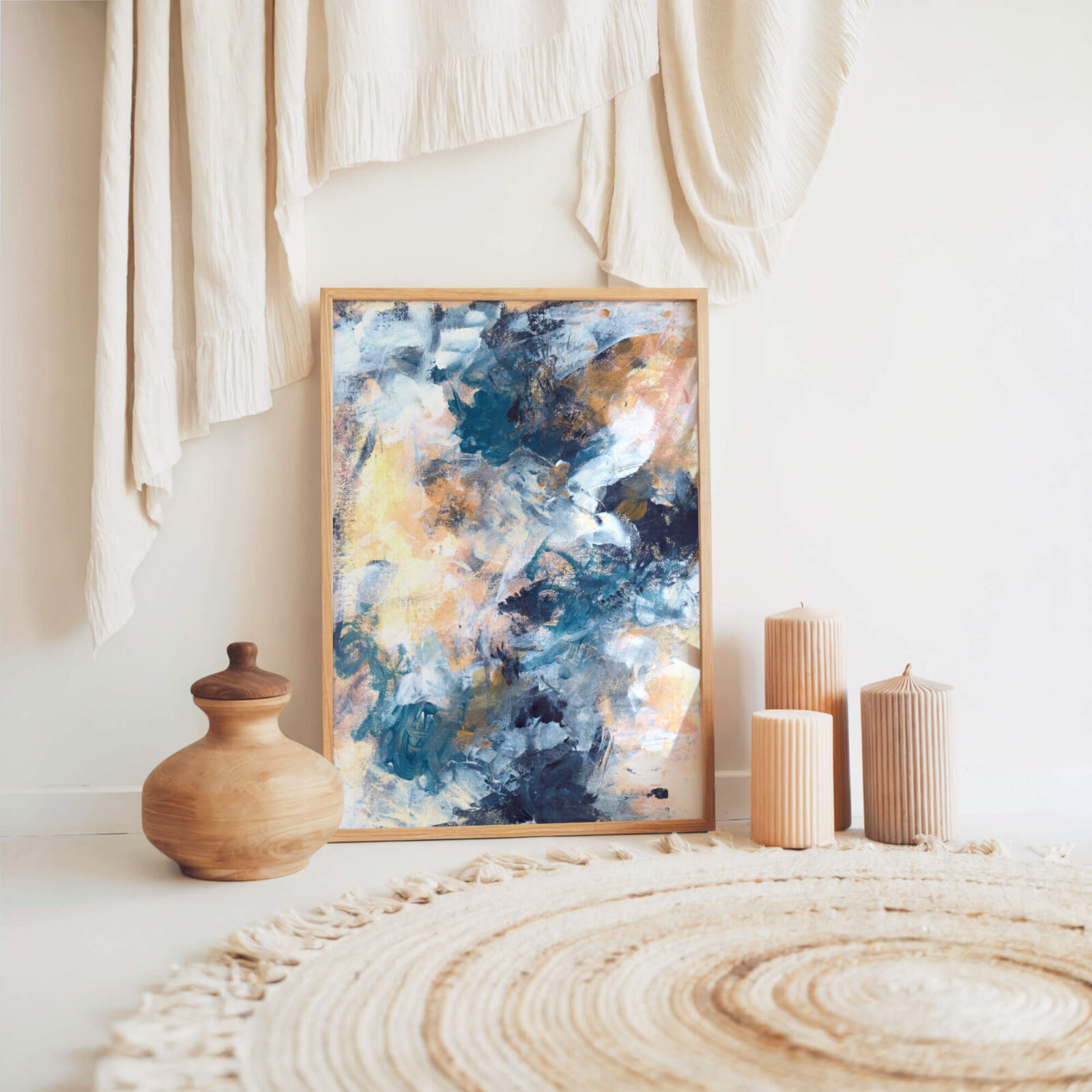
Spas, clinics, and coaching centres often lean into minimal design—but without emotional anchoring, this can feel cold. Abstract art that reflects complexity and beauty adds warmth without clutter.
It says: Healing isn’t linear—but you are safe here.
A New Definition of Luxury
Luxury today isn’t just about rarity or exclusivity. It’s about how something makes you feel. It’s about design that dignifies emotion. About creating space for depth in a world obsessed with speed.
That’s why emotionally resonant art, especially abstract art, feels like the future of high-end interiors. Not trend-driven. Not matchy-matchy. But timeless. Transformative. Alive.
My Own Work: More Than Decoration
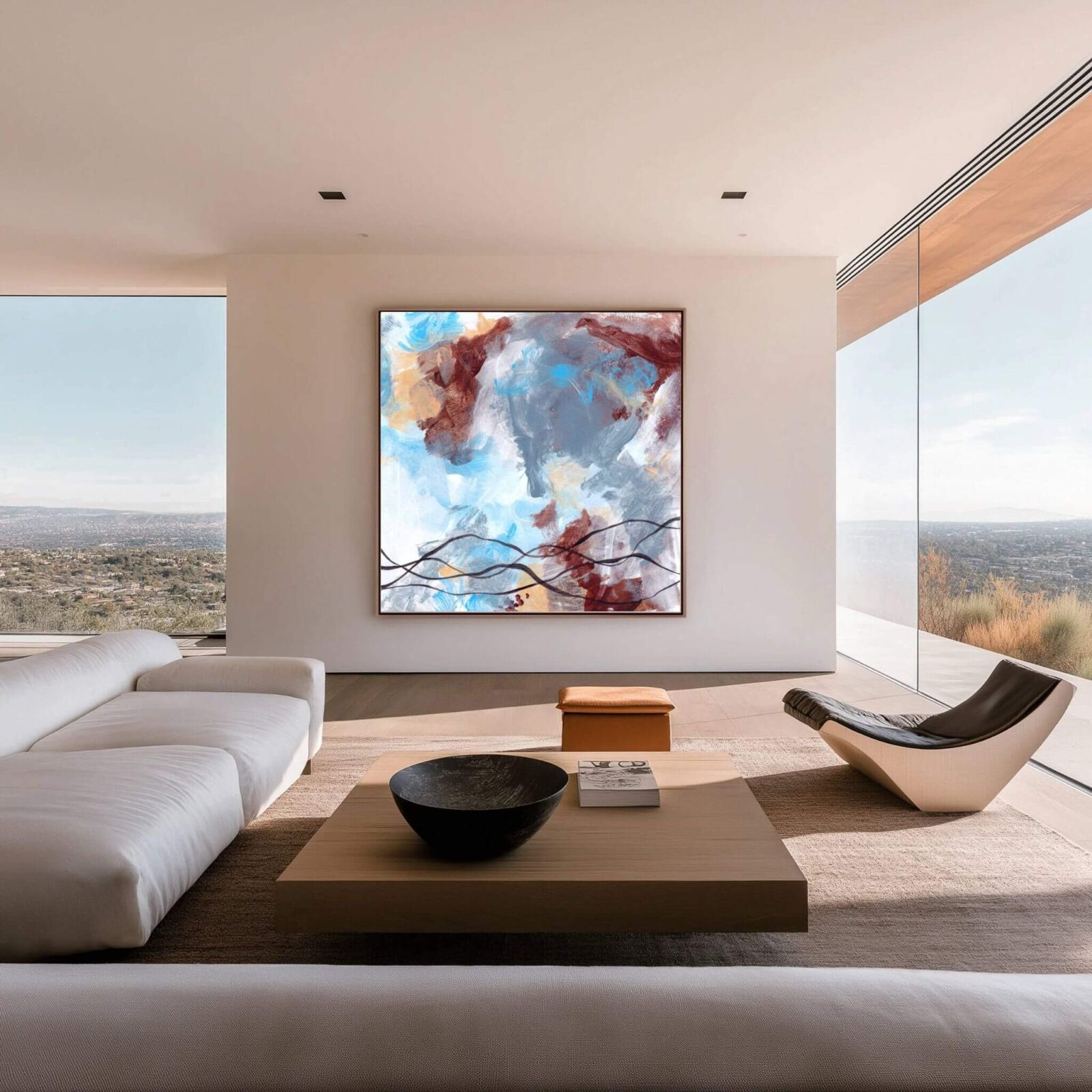
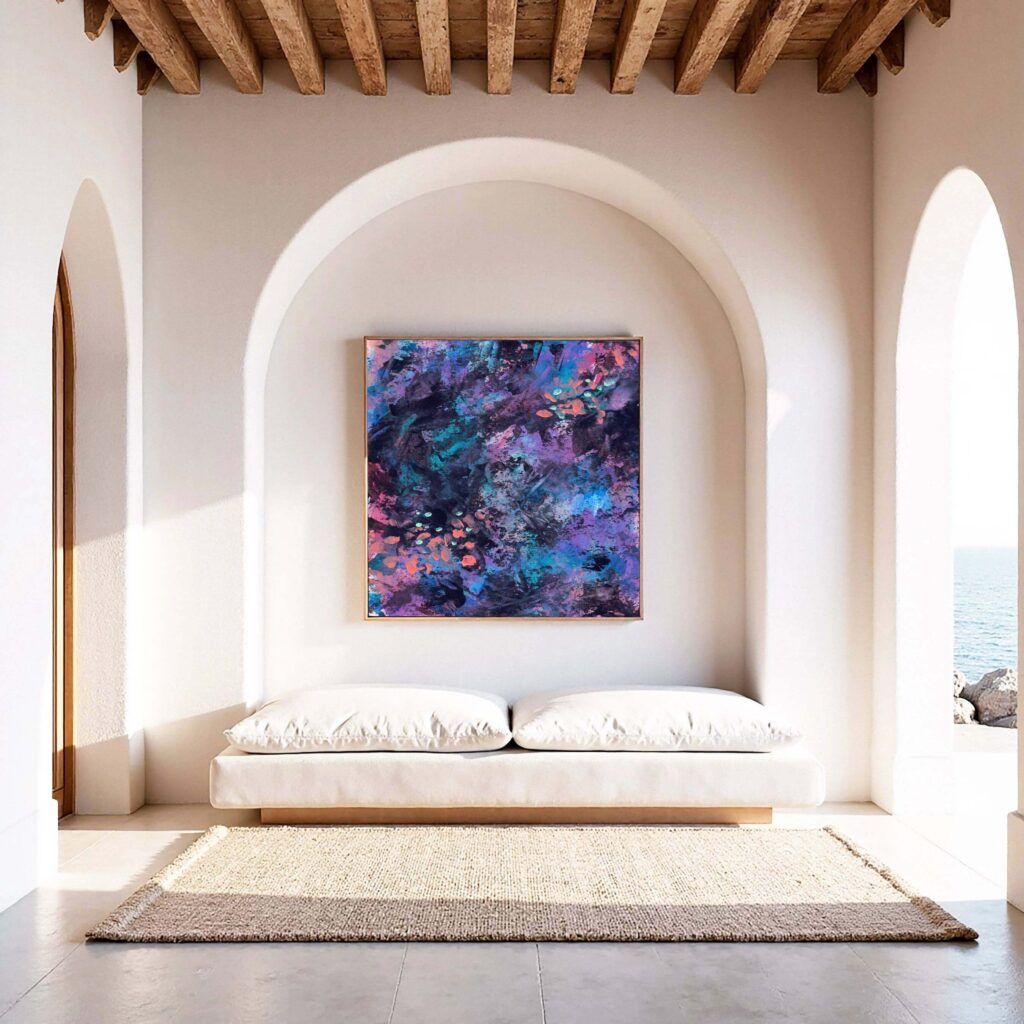
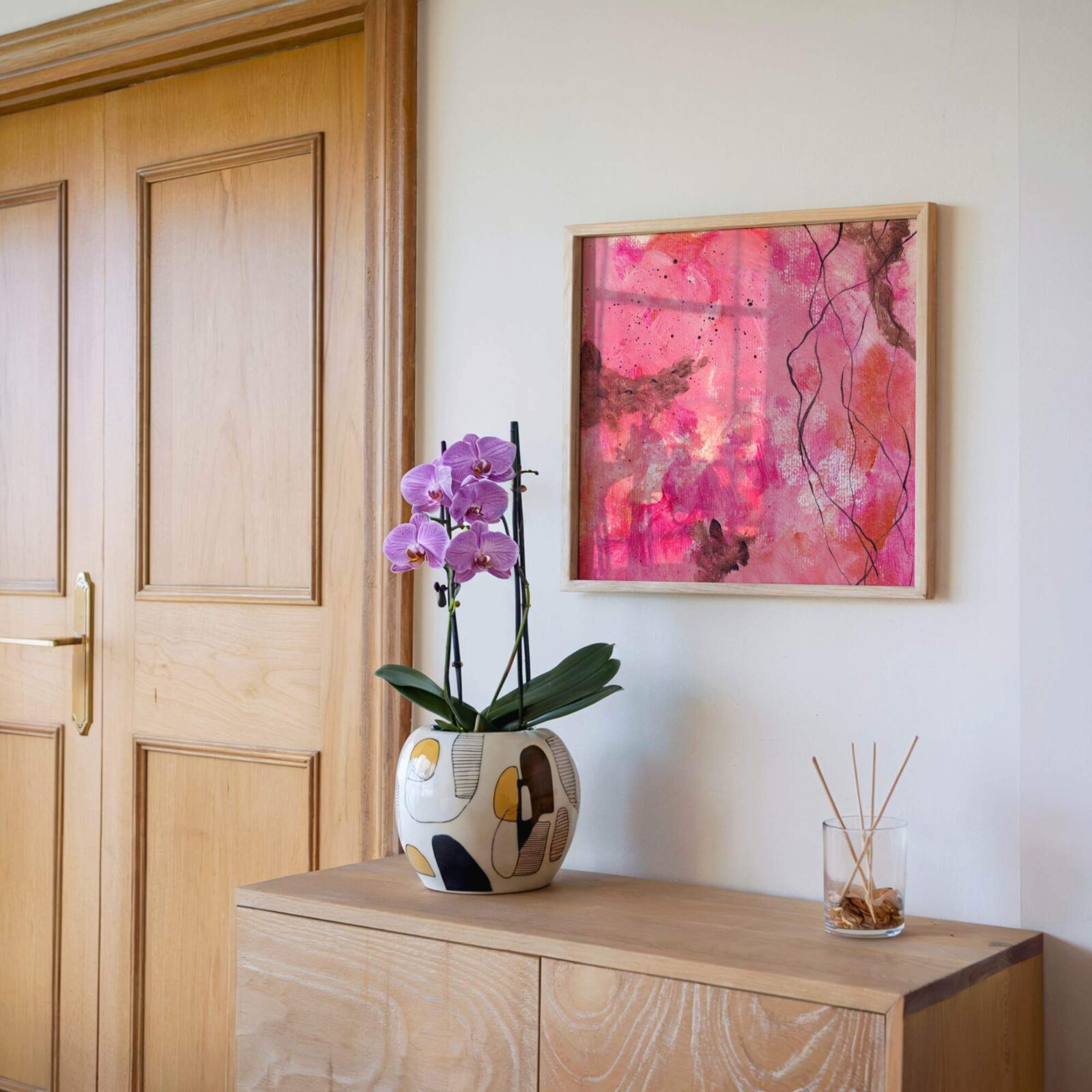
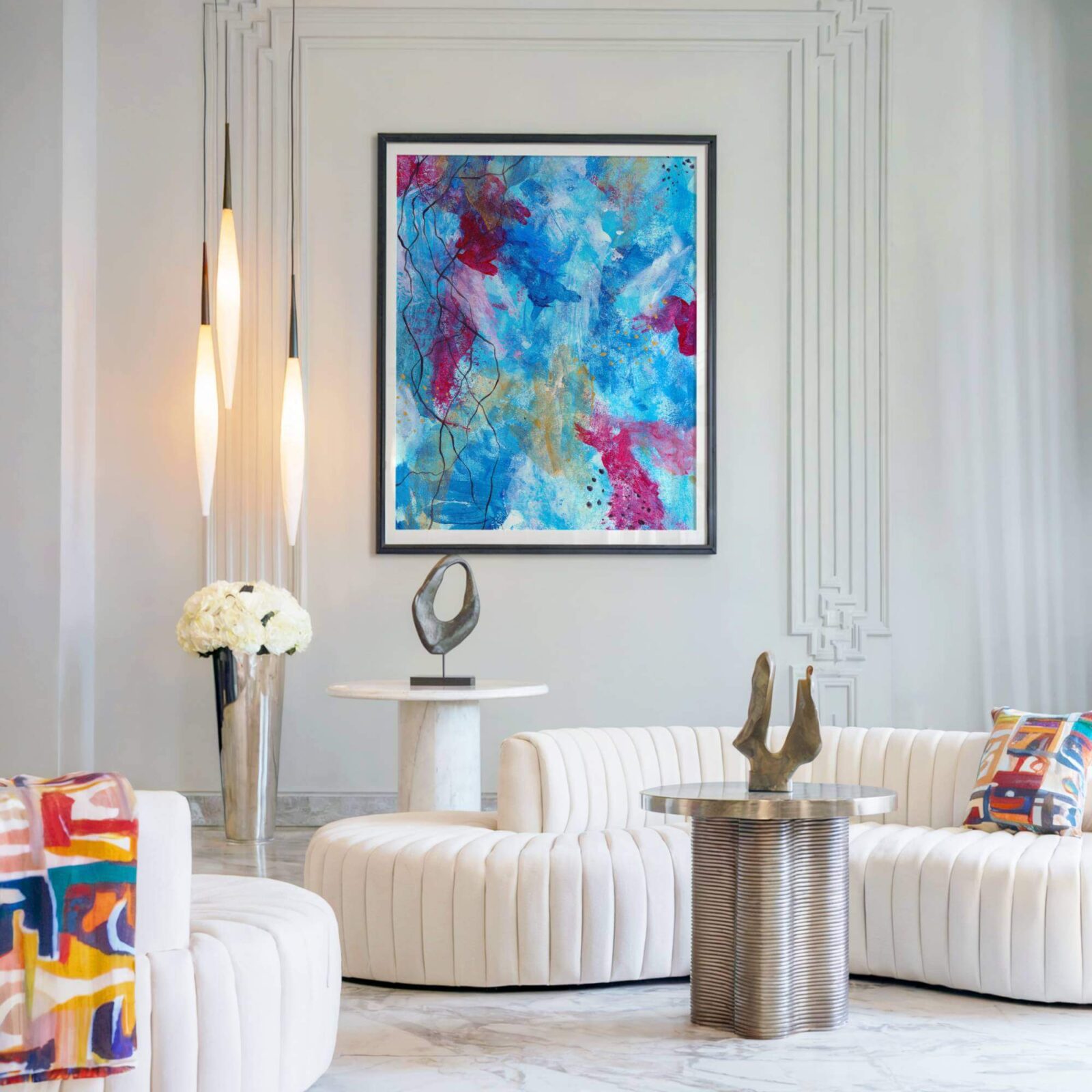
As an abstract artist, my work isn’t about “filling a wall.” It’s about creating a sanctuary. A still point in a fast world. A mirror that says to the viewer: Your feelings belong here.
Each piece I create is layered with emotion, story, and intention. Whether it’s for a hotel’s transformation suite, a CEO’s private office, or a wellness retreat’s silent room, the goal is always the same: to bring the invisible into form.
Because healing doesn’t happen through information. It happens through connection. Through feeling seen. Through moments of beauty that ask nothing in return.
What Clients Say
“We thought we were commissioning a piece of art. We ended up creating a space that feels like a sacred pause.”
— Interior Designer, Devon“It’s not loud, but it changes the entire energy of the room. People always stop and breathe when they walk in.”
— Executive Client, London“It reminds me to be present every time I see it. It’s become part of my daily rhythm.”
— Private Collector, Edinburgh
Questions to Ask Before Choosing Art for Your Space
If you’re a designer, brand director, or visionary leader curating a space, ask:
How do I want people to feel in this room
What emotions are missing from this space as it stands?
Do I want this artwork to soothe, challenge, open, or ground?
Am I choosing art to match a design, or to deepen a moment?
Choose pieces that resonate beyond trend. Art that breathes. That stays with you.
Final Thought: The Silent Invitation
Emotionally intelligent abstract art doesn’t shout. It invites. It whispers. You’re allowed to feel. That silent permission is rare, and rare things are the very definition of luxury.
So if your space holds people, clients, guests, patients, leaders, give them art that holds them back.
Art that heals.
Art that whispers: You matter here.
Frequently Asked Questions About Abstract Art in Luxury and Healing Spaces
Abstract art bypasses the analytical mind and speaks directly to the emotional and sensory systems. Without literal imagery, the viewer isn’t forced into a narrative. They can respond from their own internal landscape. This reduces cognitive load, lowers tension and helps people access calm, reflection and emotional clarity.
Luxury clients are overwhelmed, overstimulated and carrying a lot mentally. Abstract art creates emotional spaciousness. It softens arrival, reduces nervous system activation, and anchors the environment with depth rather than noise. It’s not just aesthetic, it sets the emotional tone of the brand.
Think in terms of what the nervous system responds to, not what’s “on trend.” Soft blues, greens, earth tones, muted neutrals, gentle gradients, these settle the body instead of agitating it. Fluid lines, organic shapes and layered textures tend to create a feeling of safety and spaciousness.
What usually doesn’t help: harsh contrasts, loud neons, frantic mark-making or anything visually aggressive. If the piece feels like it’s shouting, it won’t calm a room, no matter how expensive the frame is.
Pieces with clarity, depth and strong but grounded presence. Think structured compositions, layered neutrals, deep blues, charcoals, soft golds or gentle geometrics. You want emotional steadiness, not chaos. The goal is better decision-making, not overstimulation.
- What should guests feel as soon as they enter?
- What tension does this space currently carry?
- Does this work soothe, deepen or refine the room’s energy?
Then choose pieces with intention, spaciousness and strong emotional presence.
Absolutely. High-end guests remember how a space made them feel more than any amenity. Emotionally resonant art creates atmospheric identity. It communicates depth, care, and refinement without a single line of copy. It becomes a silent brand signature.
Large-scale pieces. Luxury environments carry visual weight, and small art gets lost. Big, spacious work creates a focal point, grounds the architecture and shifts the energy instantly. In wellness rooms, one powerful piece often works better than multiple smaller ones.
Yes, and not in a vague “art is soothing” way. Abstract work gives the mind a soft place to land. It cuts through the static of high-pressure rooms and helps people stay present instead of reactive. That translates into clearer thinking, calmer communication and better decisions.
The right piece won’t fix your workload, but it will change the emotional temperature of the room, and in corporate settings, that’s half the battle.
- emotional presence rather than trend
- layered, intentional work
- colour palettes that support the purpose of the room
- pieces that transform the atmosphere rather than accessorise it
- an artist who understands emotional tone, not decoration
My work is built from stillness, emotional presence and lived experience, not palette trends. It’s layered, intentional and quietly powerful. Collectors consistently say the pieces change the room’s emotional architecture. They are made to hold people, not just fill walls.