Your Team Is Burnt Out Because Their Bodies Are (A Practical Guide to Workplace Physiology)
Workplaces spend an astonishing amount of time trying to fix burnout with strategies that never touch the actual cause. Resilience workshops, motivational talks, mindfulness apps that nobody opens after the first week, and posters about wellbeing that decorate the office without changing anything meaningful. Leaders want their teams to feel better, but they are trying to solve a physical problem with psychological tools. It is no wonder the results feel temporary, fragile, and inconsistent.
Burnout is not a mystery. It is not a failure of character or commitment. It is not a lack of positivity or an absence of grit. Burnout begins in the body long before the mind starts to fray around the edges. Once you understand what sitting does to the spine, what poor posture does to the breath, and what restricted breathing does to the nervous system, burnout stops feeling like an emotional crisis and starts looking exactly what it is. A physiological shutdown that has been happening slowly, quietly, and predictably for years.
A workplace movement program is not a luxury. It is not a fitness class disguised as wellbeing. It is the structural intervention that finally gives the body permission to function again. When the body regains space, energy and clarity return without being forced. When breathing becomes available again, stress becomes manageable rather than overwhelming. When the nervous system can finally reset, work stops feeling like a battle and becomes something the team can move through with steadiness and presence.
This is what workplaces have been missing. Not more motivation. Not more content about mental health. Not more clever frameworks about habits. They have been missing a way to restore the physical foundation that makes focus possible in the first place.


Burnout Begins in the Body, Not in the Mind
Burnout rarely starts with a dramatic collapse. It begins with small physical shifts that most people interpret as ordinary tiredness. The shoulders stay slightly raised even when the person is trying to relax. The breath becomes a little shorter. The lower back feels stiff in the mornings. The eyes feel strained by mid-afternoon. Each of these is subtle enough to ignore, but together they create a slow erosion of the body’s ability to regulate stress, recover between tasks, and think clearly.
People assume burnout is emotional, because the symptoms eventually show up as irritability, apathy, or detachment. What they do not see is the physical chain that produced those feelings. Long before someone feels mentally exhausted, their body has already been working beyond its capacity. Their nervous system has been compensating for months. Their breath has been shallow for so long that their brain is no longer receiving the oxygen it needs to sustain clarity. Their spine has been stuck in the same shape for so many hours that it no longer remembers what ease feels like.
Workplaces that treat burnout as a psychological weakness end up blaming the very people whose bodies have been holding the weight of an unsustainable environment. Workplaces that understand burnout as a physiological collapse finally have the tools to address it.
What Prolonged Sitting Does to the Human Body
Sitting is not neutral. It is a position that demands continuous adaptation, and the body pays for that adaptation through tension, compression, and restricted movement. Most people believe sitting is restful because it feels passive. In reality, sitting for hours is one of the most exhausting things the body can do, because every major joint and muscle group is forced into a pattern that contradicts the way the body naturally wants to hold itself.
-
- When the hips stay fixed at a ninety-degree angle all day, they shorten.
- When the spine rounds forward, the ribs collapse.
- When the ribs collapse, the lungs lose space.
- When the lungs lose space, the diaphragm cannot function properly.
- When the diaphragm cannot function, breathing becomes shallow.
- When breathing becomes shallow, the nervous system becomes strained.
- When the nervous system becomes strained, the mind follows.
This is the missing link in most wellbeing conversations. Workplaces talk endlessly about mindset, yet the body determines the baseline state the mind has to work with. A collapsed posture signals to the brain that something is wrong. It turns concentration into hard labour. It makes emotions feel heavier. It makes patience feel thinner. It makes simple tasks feel like navigating mud.
The body does not collapse because people are careless. It collapses because sitting gives it no choice.

How Physiological Compression Becomes Cognitive Fog
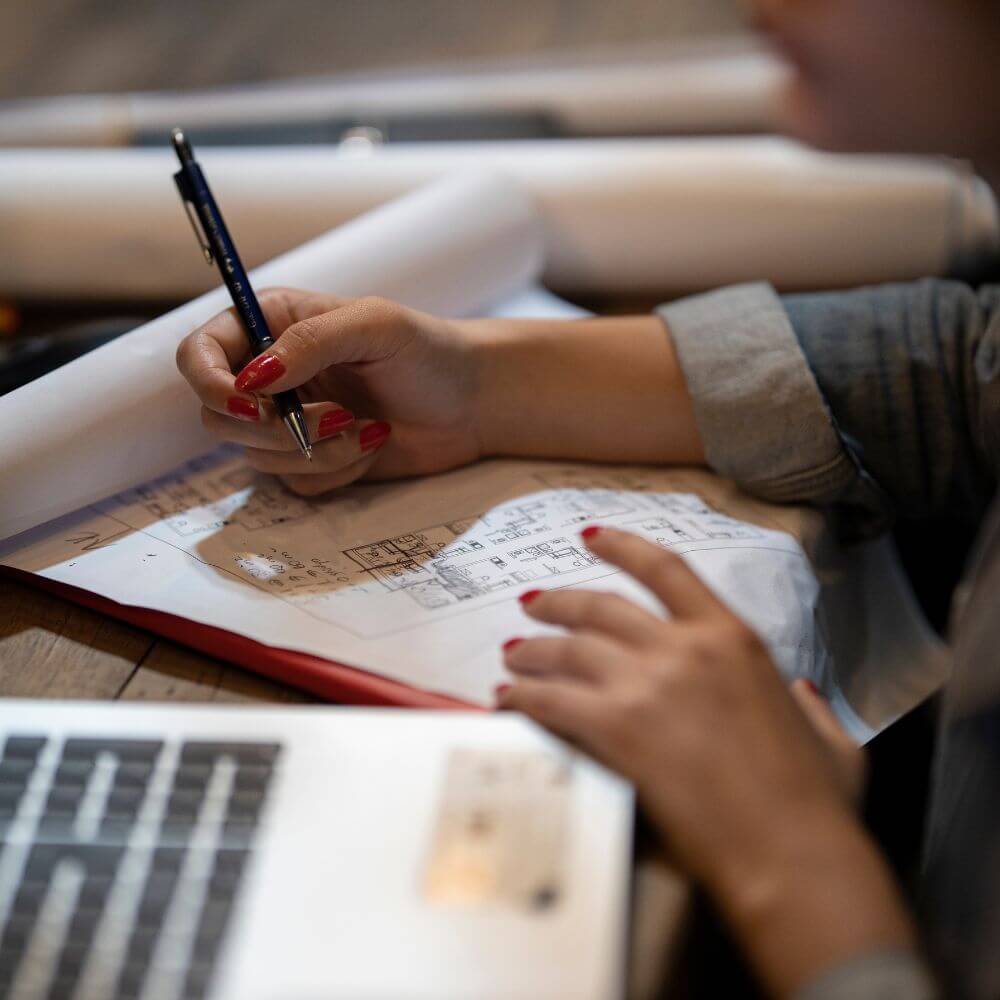
The human brain requires oxygen, blood flow, and physical ease to function at its best. When posture collapses, all three are restricted. Breathing becomes shallow because the chest cannot expand fully. Circulation slows because the lower body remains static. The nervous system enters a low-level stress state because the body interprets collapse as a form of threat.
This creates a familiar set of symptoms that most workplaces treat as performance problems.
People take longer to process information. They lose track of details more easily. Their thoughts feel foggy or disconnected. They find it harder to begin tasks and harder to sustain focus. They feel emotionally fragile without understanding why.
These are not signs of poor engagement. They are signs of bodies working against themselves. When the breath cannot expand, the mind cannot expand either. When the nervous system remains tense, thoughts do not flow. When the spine is locked into collapse, mental clarity becomes something people fight for instead of something they can rely on.
A workplace movement program breaks this pattern. It does not give people motivation. It gives them capacity.
Why Teams Feel Unfocused, Foggy, or Flat
Focus is not a personality trait. It is a physiological state. When a team collectively loses its ability to concentrate, the environment has reached the point where bodies can no longer support the daily cognitive demands placed upon them.
Most offices create a single posture and expect the human system to maintain it for hours. That posture restricts breathing, strains the neck, and places pressure on the lower back. Over time, the nervous system becomes accustomed to working in a state of compression. The body adjusts, but the mind pays for the adjustment with reduced clarity and lower emotional resilience.
Across a team, this produces a shared pattern. People sit with their shoulders raised because the chest is tight. They lean closer to their screens because their neck is compensating for spinal collapse. They feel drowsy in the afternoon because circulation has slowed. They lose patience in meetings because their nervous system is already running at a higher baseline than it should. They stare at emails without absorbing information because their breath has been shallow for hours, and the brain is quietly struggling.
These are not isolated incidents. They are the predictable outcomes of a workplace designed around stillness instead of movement.
A workplace movement program intervenes in this pattern. It gives the body a way to reset during the week so the nervous system is not carrying accumulated tension from one day to the next.
Micro Movement as a Physiological Reset
Movement does not need to be dramatic to be effective. In fact, the most powerful forms of workplace movement are small, intentional resets that interrupt the physical collapse that sitting creates. Micro movement restores circulation, encourages spinal length, resets breathing mechanics, and gives the nervous system a moment of relief.
The body responds immediately.
The breath deepens.
The mind becomes sharper.
Tension releases.
Energy levels rise.
It is not the size of the movement that matters. It is the consistency. When teams learn how to move in a way that restores function rather than simply stretching for the sake of stretching, the entire atmosphere of the workplace shifts. Work becomes easier because the body is no longer resisting it.
Breath Mechanics Inside the Workday
Breath is the nervous system’s thermostat. When breathing is deep and steady, the brain receives the oxygen it needs to sustain clarity and emotional steadiness. When breathing is shallow, the nervous system behaves as though it is under threat. This is not psychological. It is biological.
In most workplaces, breath is restricted by posture. People breathe from their upper chest, which activates stress responses and reduces the brain’s access to oxygen. This is why people feel anxious without being able to point to a cause. Their breath has lost its ability to regulate their emotional and cognitive state.
Restoring breath mechanics is one of the core elements of an effective workplace movement program. Once people learn how to breathe from the diaphragm again, the nervous system begins to settle. Anxiety reduces without being forced. Emotional resilience increases without being trained. Clarity emerges because the brain finally receives the fuel it has been missing.

Calm Physiology Creates Clear Thinking
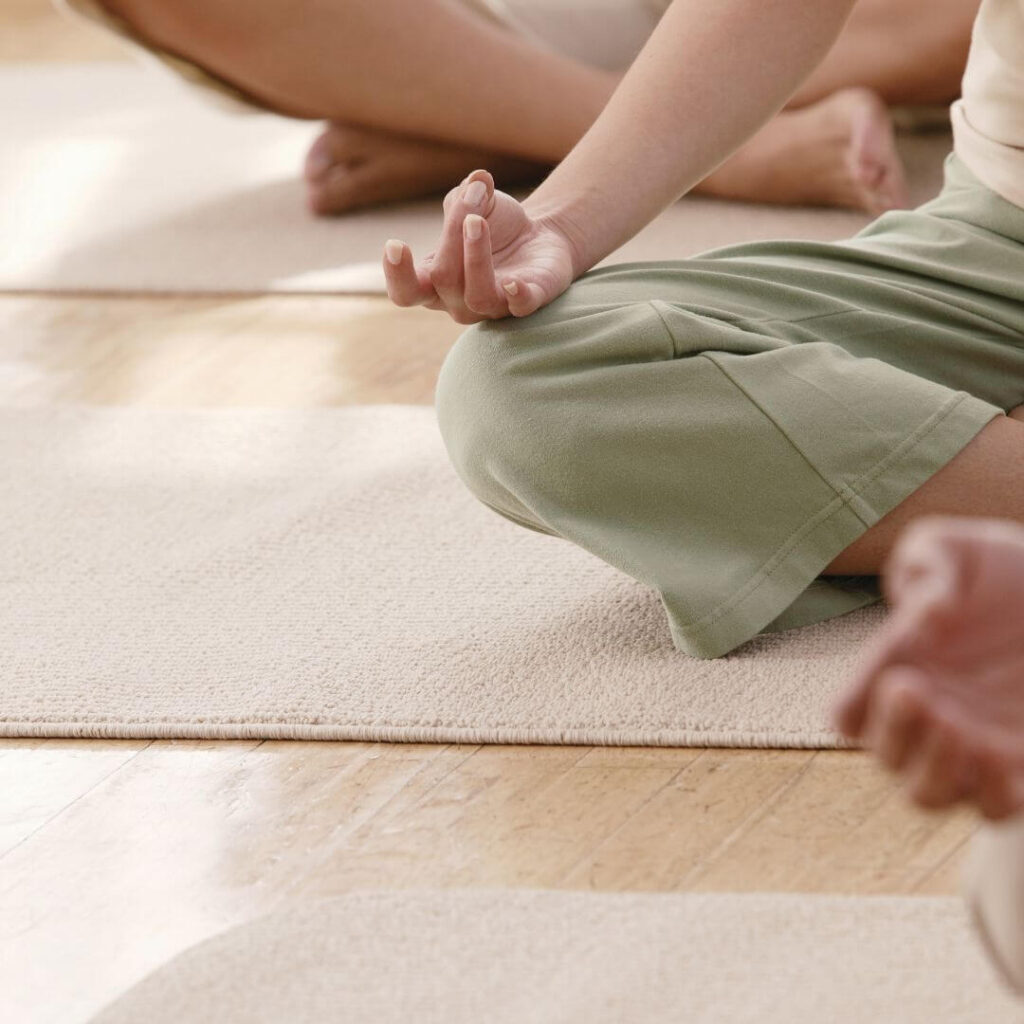
The mind does not function independently of the body. A calm physiology is the foundation of thoughtful communication, emotional steadiness, and intelligent decision-making. When the body is tense, compressed, or struggling for breath, the mind has to fight through resistance to maintain clarity.
A workplace movement program does not teach people to think better. It removes the physical conditions that made clear thinking difficult in the first place. Once the body relaxes, the mind opens. Once the breath expands, focus sharpens. Once the nervous system settles, emotional balance stabilises.
This is the hidden truth behind human performance. Clarity is not a skill. It is a physical state.
What an Effective Workplace Movement Program Looks Like
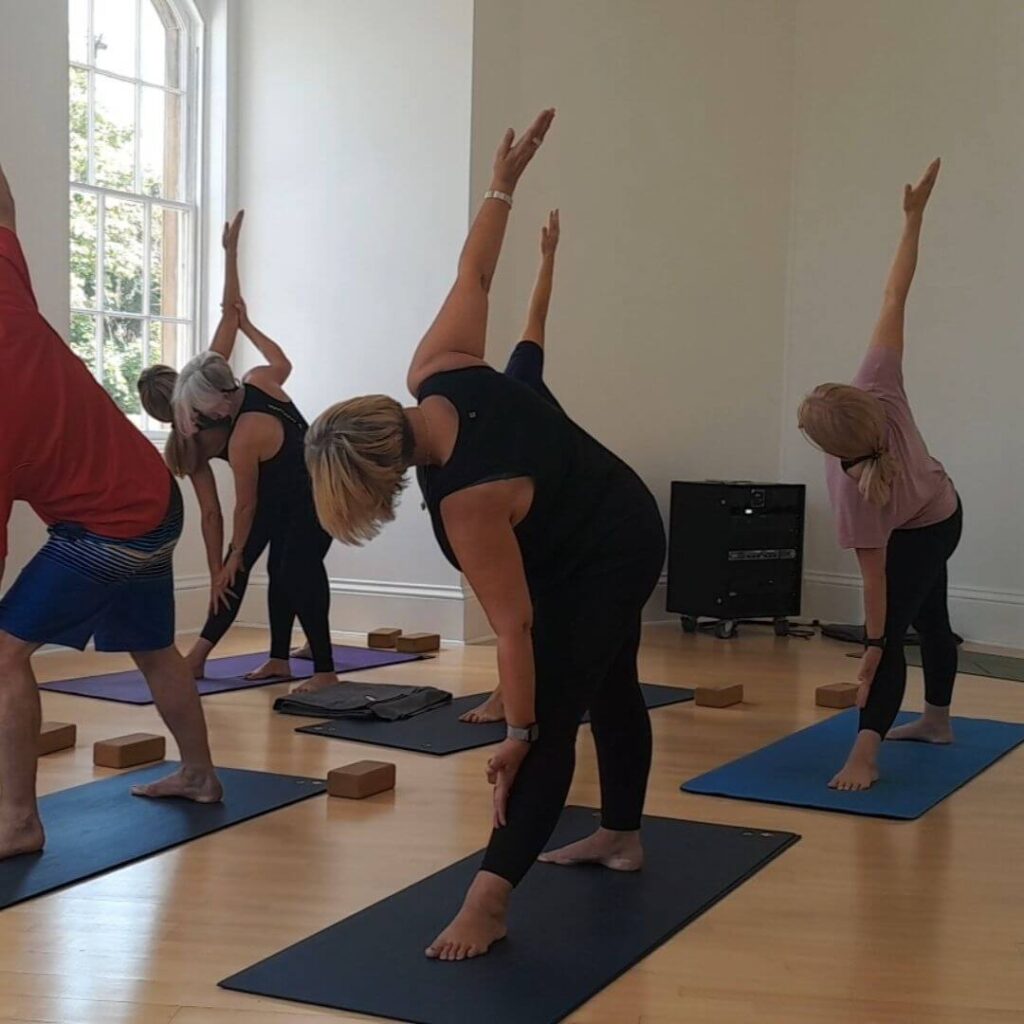
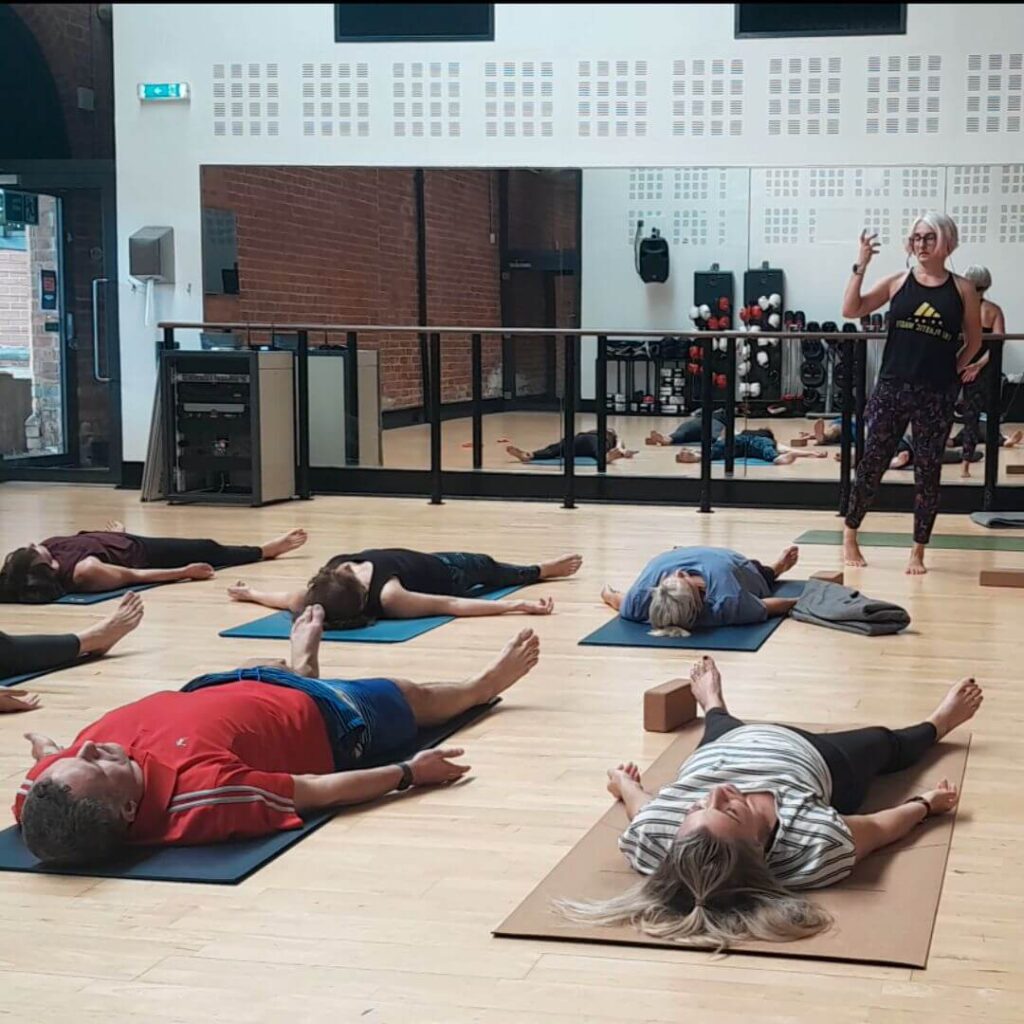
A workplace movement program needs to respect the body’s realities. It cannot be an optional drop-in session or a token gesture. It must be structured, progressive, and specifically designed for working bodies, not fitness studios.
An effective program teaches:
-
- how to restore spinal length after hours of sitting
- how to release deep-set tension in the hips and chest
- how to regulate stress through breathing
- how to strengthen stabilising muscles without exhausting the body
- how to move in ways that support concentration and energy
- how to build physical resilience that prevents burnout
This is why Sit Happens works. It does not overwhelm people or aim to turn employees into athletes. It gives the body back its ability to support the mind.
Why Accountability Matters
Workplaces often underestimate the importance of consistency. They offer optional wellbeing sessions and then wonder why nothing changes. Physiological change requires rhythm. The nervous system responds to repetition. The spine responds to continuity. Breath becomes deeper through practice, not enthusiasm.
When a workplace movement program becomes part of the weekly structure rather than a casual suggestion, the body builds new patterns. People begin to expect relief rather than hoping for it. They trust that their body will be supported, which reduces stress before the session even begins.
This is why twelve weeks is the ideal arc for transformation. It is long enough for change to settle into the body and short enough for momentum to stay high.

The Twelve Week Reset and Why It Works
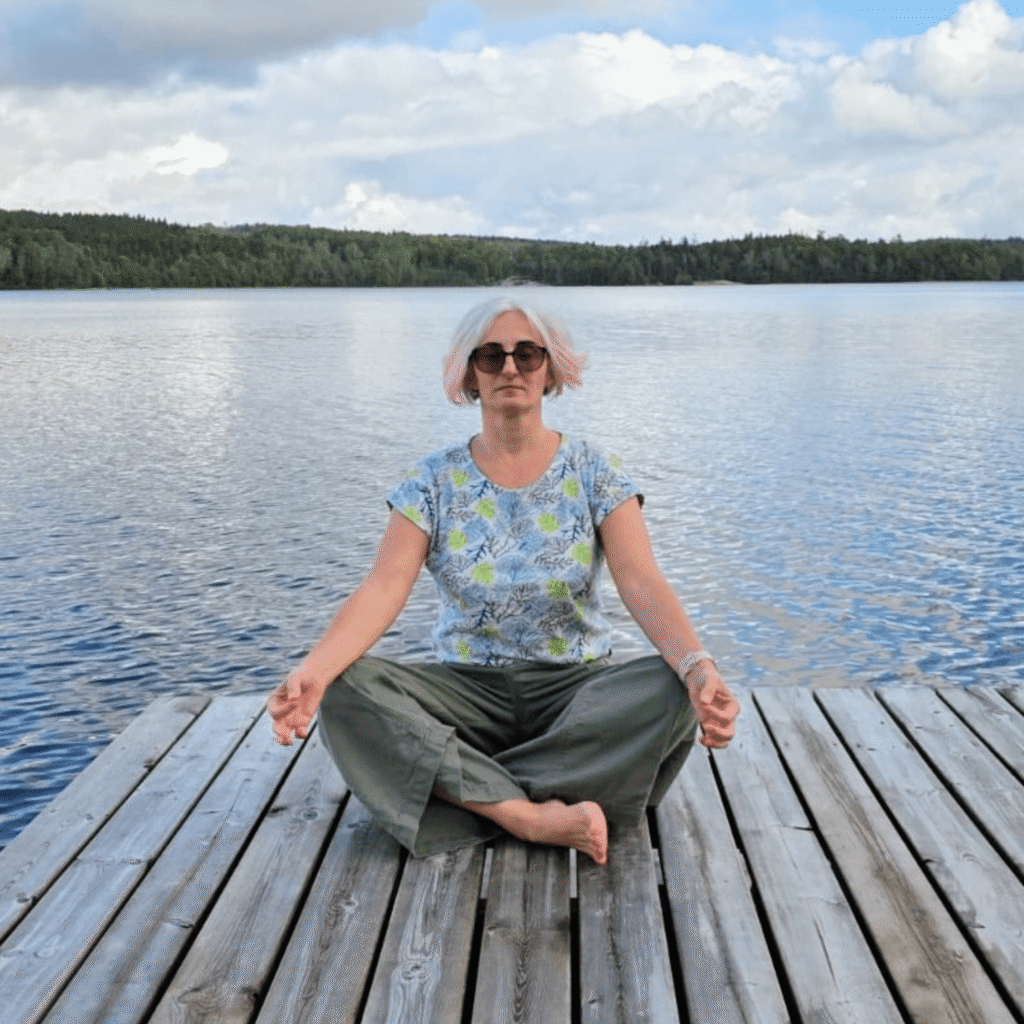
The twelve week rhythm mirrors the body’s ability to adapt. During this period, posture changes, breathing capacity grows, circulation improves, and tension patterns dissolve. People become aware of how their body feels, which allows them to prevent collapse before it becomes a problem.
By the end of twelve weeks, teams feel fundamentally different. They move differently. They talk differently. They show up to work with more capacity and less strain. Burnout becomes less common not because the workload changes, but because the body finally has the structure to support it.
Sit Happens as a Functional System
Sit Happens was designed with working bodies in mind. It offers guided movement, breathwork, stress regulation, and practical education that fits into the workday without demanding extra effort from already stretched teams. It restores capacity instead of draining it. It gives people tools that last far beyond the programme itself.
Most importantly, it changes how people inhabit their bodies inside the workplace. Once that changes, everything else changes with it.
What Companies Can Expect When They Introduce Movement
The results are tangible.
-
- Teams think more clearly because the body is no longer compromising the breath.
- Emotional volatility decreases because the nervous system has space to regulate.
- Collaboration improves because people feel less reactive.
- Energy levels stabilise because circulation improves.
- Meetings become more productive because stress is not sitting beneath every conversation.
This is not theoretical. It is physiology doing what it is designed to do once the environment supports it.
Conclusion
Burnout is not a sign of weakness. It is the predictable outcome of a body that has been pushed into collapse without any system in place to restore it. A workplace movement program is not an optional perk. It is the foundation for sustainable performance. When the body can breathe, people can think. When the nervous system is calm, people can collaborate. When physical clarity returns, burnout loses its grip.
If your team is tired, unfocused, or struggling to sustain clarity, they do not need more inspiration. They need more space inside their own bodies. Sit Happens was built for exactly this.
Frequently Asked Questions
Because their bodies are carrying the cost of the setup, not the workload. You can have the calmest job in the world and still feel wrecked if your spine, breath, and nervous system have been trapped in the same position for eight hours. Exhaustion is usually biomechanics wearing a human suit.
A body that can actually support the mind. You can teach people to “stay calm” all day, but if their ribcage is locked, their diaphragm can barely move, their neck is screaming, and their nervous system is working overtime to compensate, no mindset technique will stick. Physiology wins every argument.
No. Stretching treats symptoms. A proper workplace movement program treats the actual mechanics behind the symptoms. We rebuild posture, restore breath, reduce the pressure on the nervous system, and give people enough physical space inside their own bodies to function like humans again.
Absolutely not. Sit Happens is designed for real working bodies, not gym people. If someone can breathe, sit, stand, or swear under their breath during a long meeting, they are already qualified.
It is the opposite of abstract. The brain cannot think clearly when the diaphragm is restricted and the nervous system is under strain. When you free the breath, circulation improves, the brain receives more oxygen, and focus stops feeling like a battle. This is biology, not theory.
Yes, because stress is physical before it ever becomes emotional. When the body is locked, the nervous system stays alert. When you restore range and release tension, the nervous system finally drops out of its defensive mode. People become calmer because their body stops acting like there is a threat in the room.
Because real change is not created by novelty. A single session feels nice. Twelve weeks rewires patterns that have been in place for years. It teaches bodies how to operate with more space, less tension, and better breathing. Shortcuts do not stick. Structure does.
No. It does the opposite. Most teams lose more productivity to physical tension, fogginess, and emotional fatigue than they ever will to a structured movement programme. You get the time back because people stop fighting their bodies to stay present.
Everything. It is built for physiology, not performative wellbeing budgets. It is practical, progressive, grounded in how the body actually works, and designed for the reality of office life. No yoga clichés. No vague motivation. Just mechanics, breath, and real-world results.