
Corporate Wellness Programs UK: Costs, Formats and What Companies Should Expect
What Corporate Wellness Programmes Actually Include
-
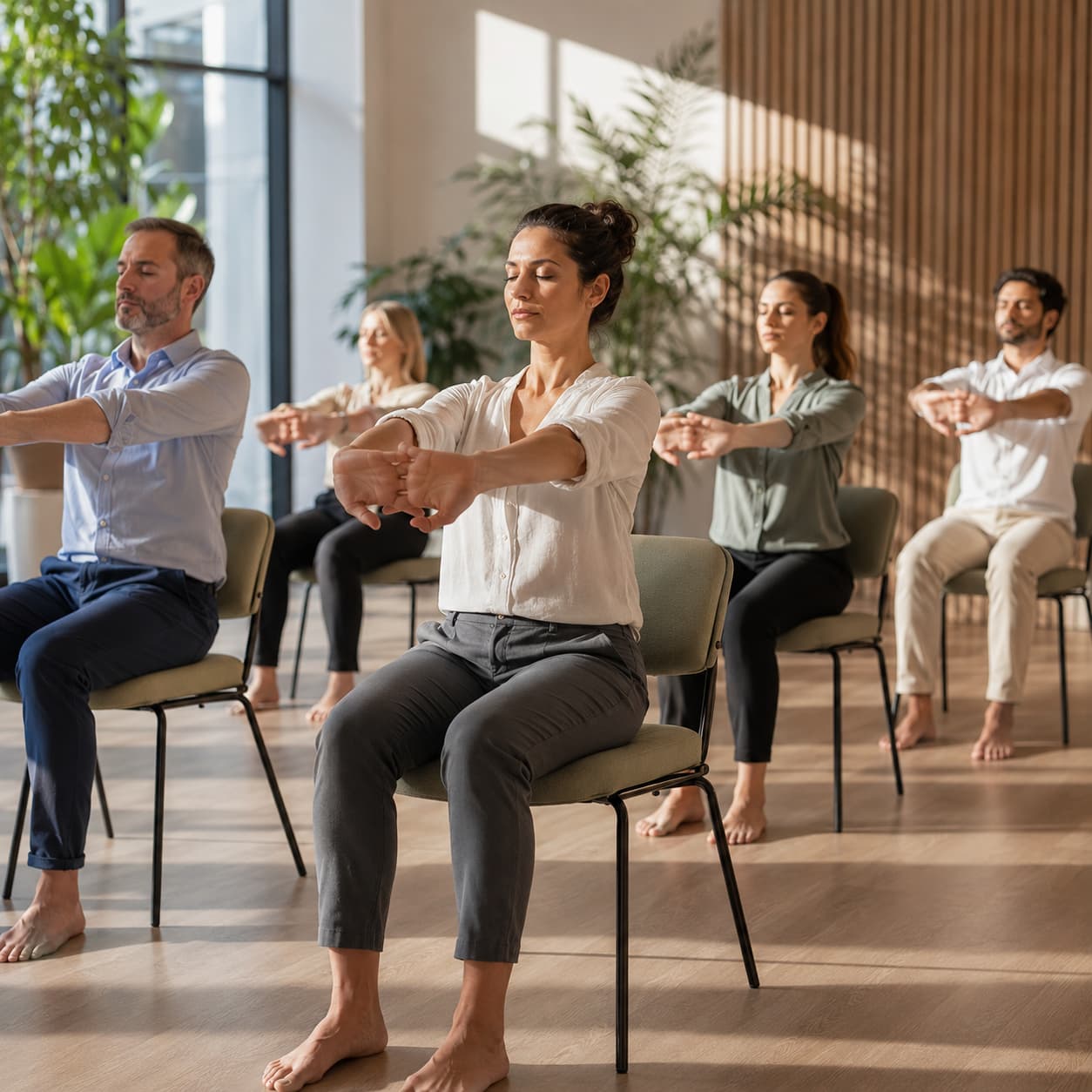
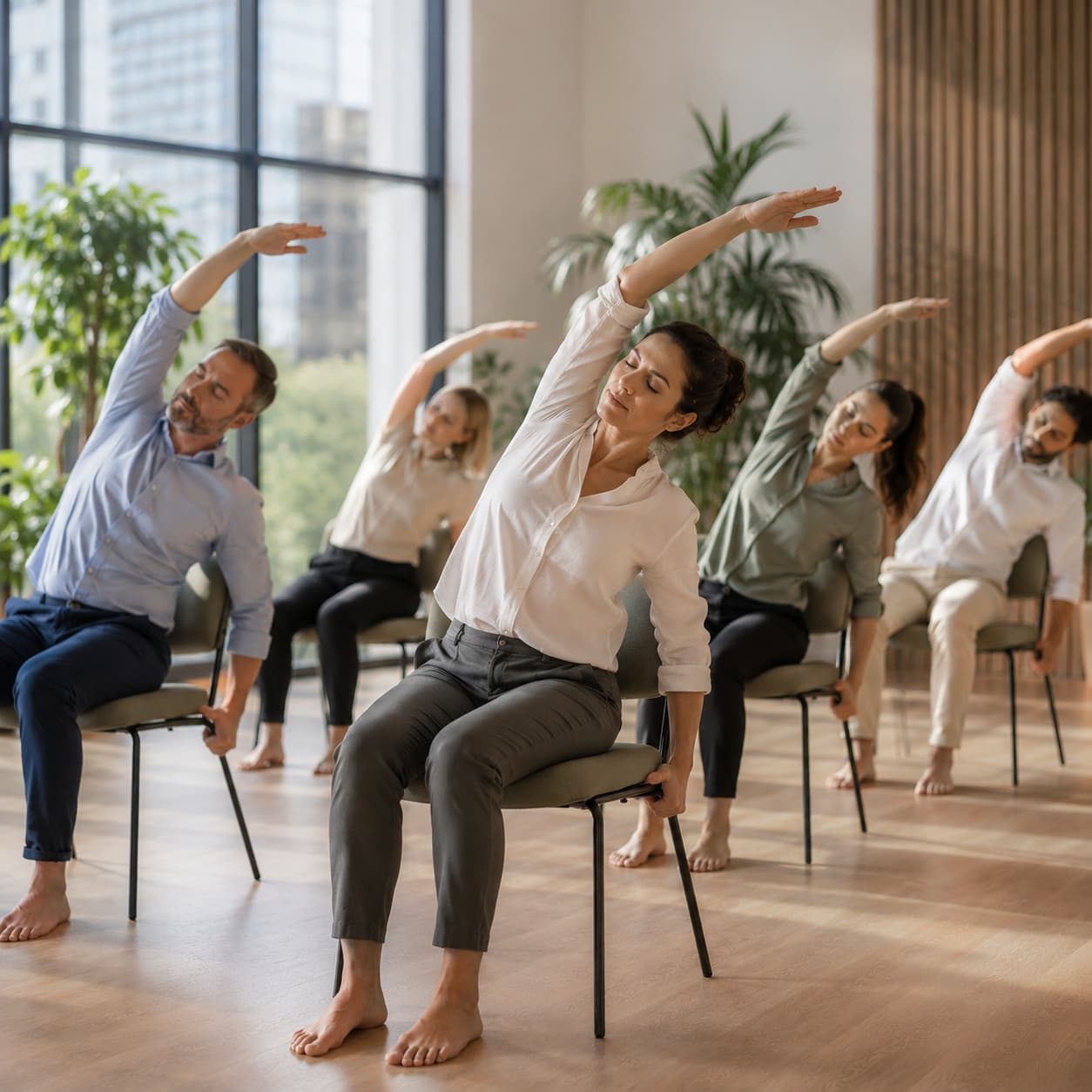
- Short, repeatable movement sessions designed for office environments
- Practical posture and mobility education that employees can apply daily
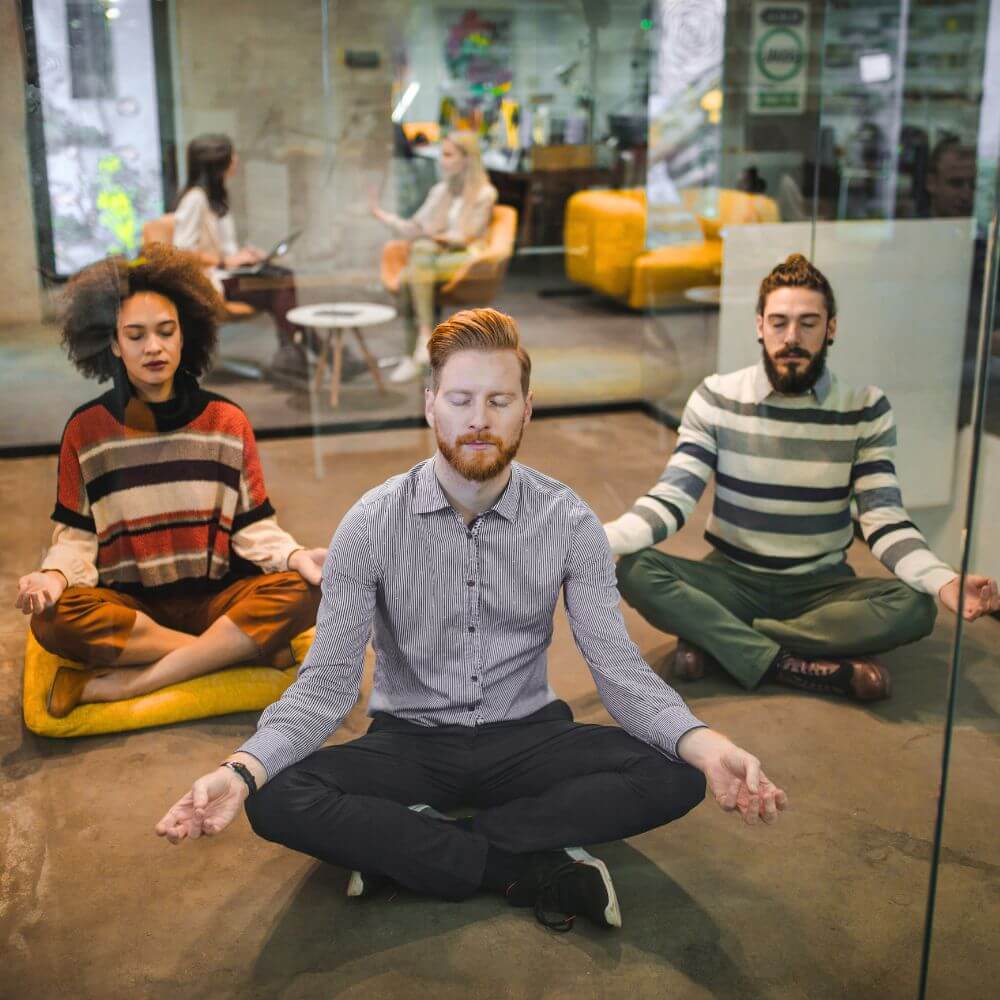
- Brief nervous-system regulation practices that reduce stress accumulation
If you want a deeper explanation of what sitting is doing to people’s focus, tolerance, and nervous system by midday, this breaks it down properly: What Chronic Sitting Does to the Nervous System
Corporate Wellness Programme Costs in the UK
Pricing varies widely depending on the scale of delivery, programme duration, and number of employees involved. However, most UK organisations encounter three common pricing tiers.
One-off workshops
Introductory wellbeing sessions or short workshops typically range between £300 and £800, depending on provider expertise and session length. These are often used to introduce workplace movement concepts or launch broader wellbeing initiatives.
Short structured programmes (4-8 weeks)
Programmes delivered weekly over several weeks generally fall between £1,500 and £4,000, depending on team size and whether sessions are delivered onsite or hybrid.
Full structured workplace programmes (10-12 weeks)
Common Workplace Wellness Delivery Formats
Organisations across the UK typically implement wellness initiatives in one of three ways. A detailed overview of how structured workplace movement delivery works can be found here:
https://vikithorbjorn.art/workplace-movement-program
Onsite delivery
Sessions delivered directly in office meeting rooms or open workspace areas tend to achieve the highest participation rates because employees do not need to travel, change clothing, or adjust schedules significantly.
Hybrid delivery
Companies with remote teams or multiple locations often combine onsite sessions with online delivery, allowing consistent participation across different offices.
Ladder-structured programmes


What Companies Should Expect From a Corporate Wellness Provider
-
- Sessions designed specifically for workplace conditions
- Delivery that works in normal office attire
- Clear programme progression rather than isolated sessions
- Practical takeaways employees can apply daily
- Measurable improvements in comfort, energy, or movement confidence over time
Measuring the ROI of Workplace Wellness
-
- Reduced musculoskeletal discomfort reporting
- Lower short-term stress-related absence
- Higher employee engagement with wellbeing initiatives
- Improved concentration and energy across the working day
- Positive internal feedback about employer support
Cognitive performance isn’t separate from the body. If your team’s work is mentally heavy but physically static, this explains why the wheels fall off: Why Cognitive Work Needs Physical Support
Choosing the Right Corporate Wellness Programme
-
- Does the programme address real workplace movement patterns?
- Can employees participate without changing clothes or leaving the office?
- Is the programme structured across several weeks?
- Does delivery focus on sustainable daily habits rather than occasional sessions?
- Is the provider experienced in workplace environments rather than only studio settings?
If you want the no-fluff breakdown of what corporate wellbeing programmes get wrong and what actually works, this is the straight version: The Truth About Corporate Wellbeing Programs


Why Corporate Wellness Programmes Are Becoming Operational Strategy
Why Many Companies Start With Small Workplace Interventions

Practical Questions Companies Usually Ask
Most organisations start with a pilot workshop or short programme to test engagement, then expand into structured multi-week delivery once participation is established. Budgets vary, but consistency matters more than starting size.
They should. If employees need to change clothes or travel to another building, participation usually drops quickly. Office-compatible delivery is one of the main reasons workplace programmes succeed.
Employees usually report reduced stiffness, less end-of-day fatigue, and better concentration before any long-term posture changes become visible.
Workshops create awareness. Behaviour change usually requires structured repetition across several weeks.
Not at all. Smaller teams often see faster adoption because sessions can be embedded more easily into the working routine.
Many companies begin with an introductory session to assess interest, then roll into a structured delivery schedule.
Yes. Extended sitting affects circulation, muscle activation, and cognitive stamina more than most organisations realise. This article explains the physiological side in more detail:
https://vikithorbjorn.art/what-chronic-sitting-does-to-the-nervous-system/
Details about the Sit Happens delivery model can be found here: https://vikithorbjorn.art/sit-happens