
Canvas vs Paper Prints: What Actually Matters Long-Term

The Question People Think They Are Asking
-
- Will this still feel good in my space after the novelty wears off?
- Will this require care I don’t want to give?
- Will this piece quietly disappoint me over time?
- Will I have to explain or justify this choice later?
Structure, Not Surface, Is the Real Divide
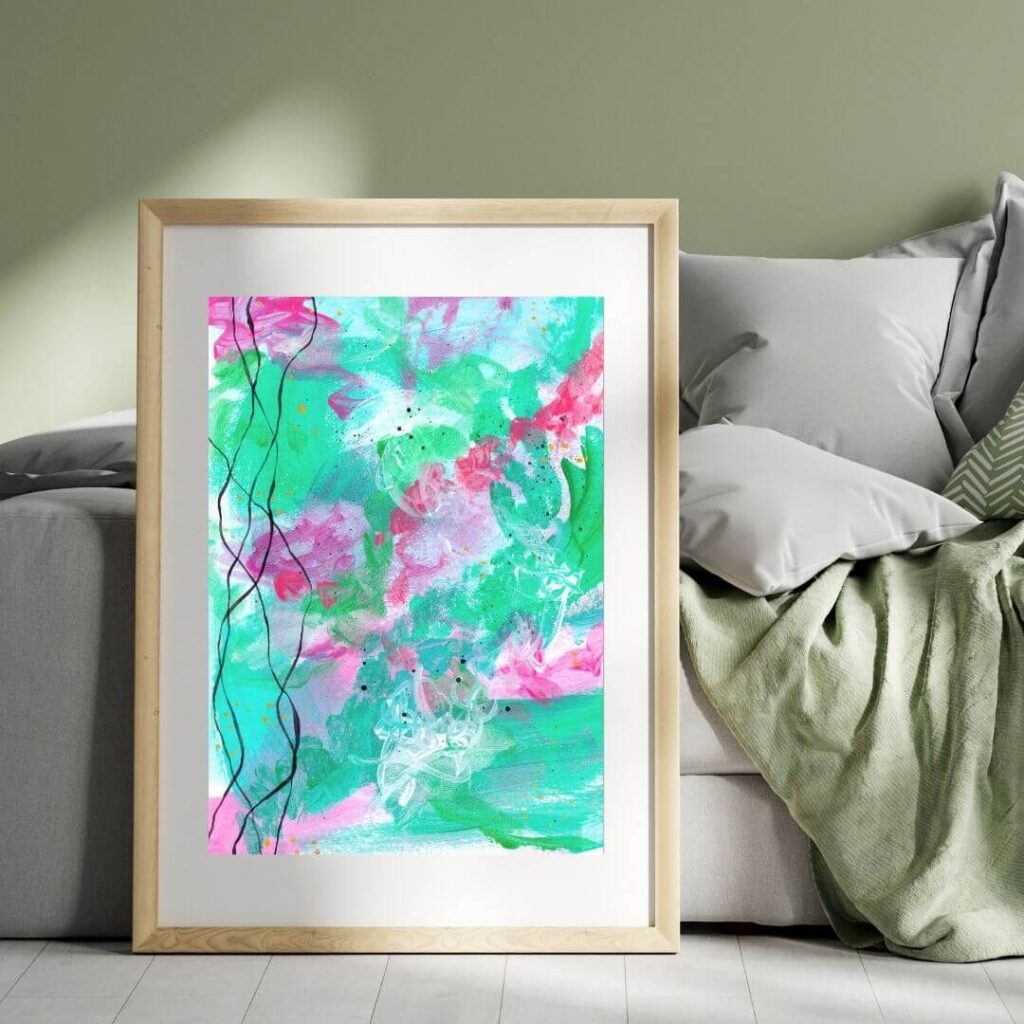
Living With Paper Prints Over Time
-
- daylight levels that change across seasons
- humidity from cooking, bathing, and heating
- temperature fluctuations
- air quality and pollution
- the quality of materials used in framing
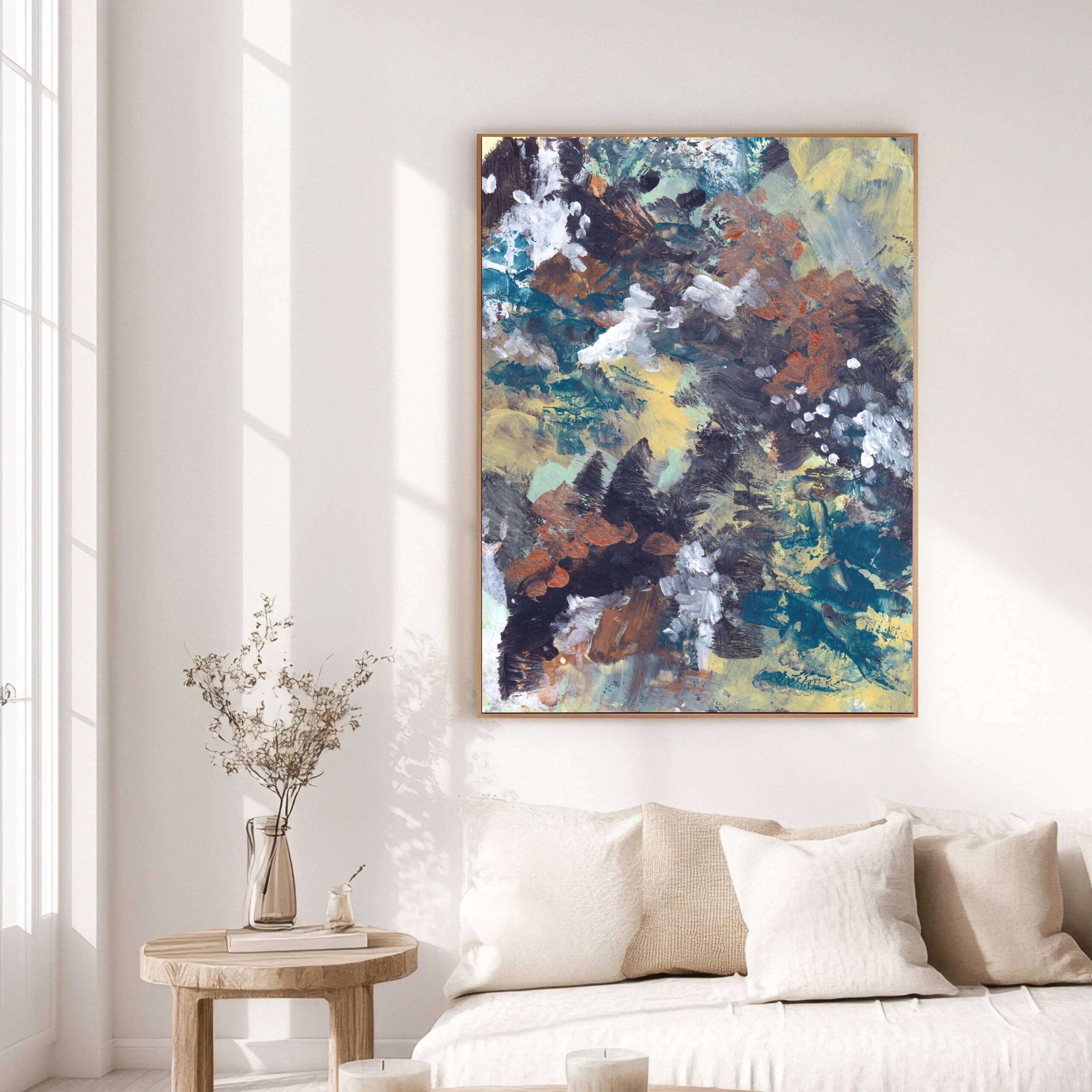
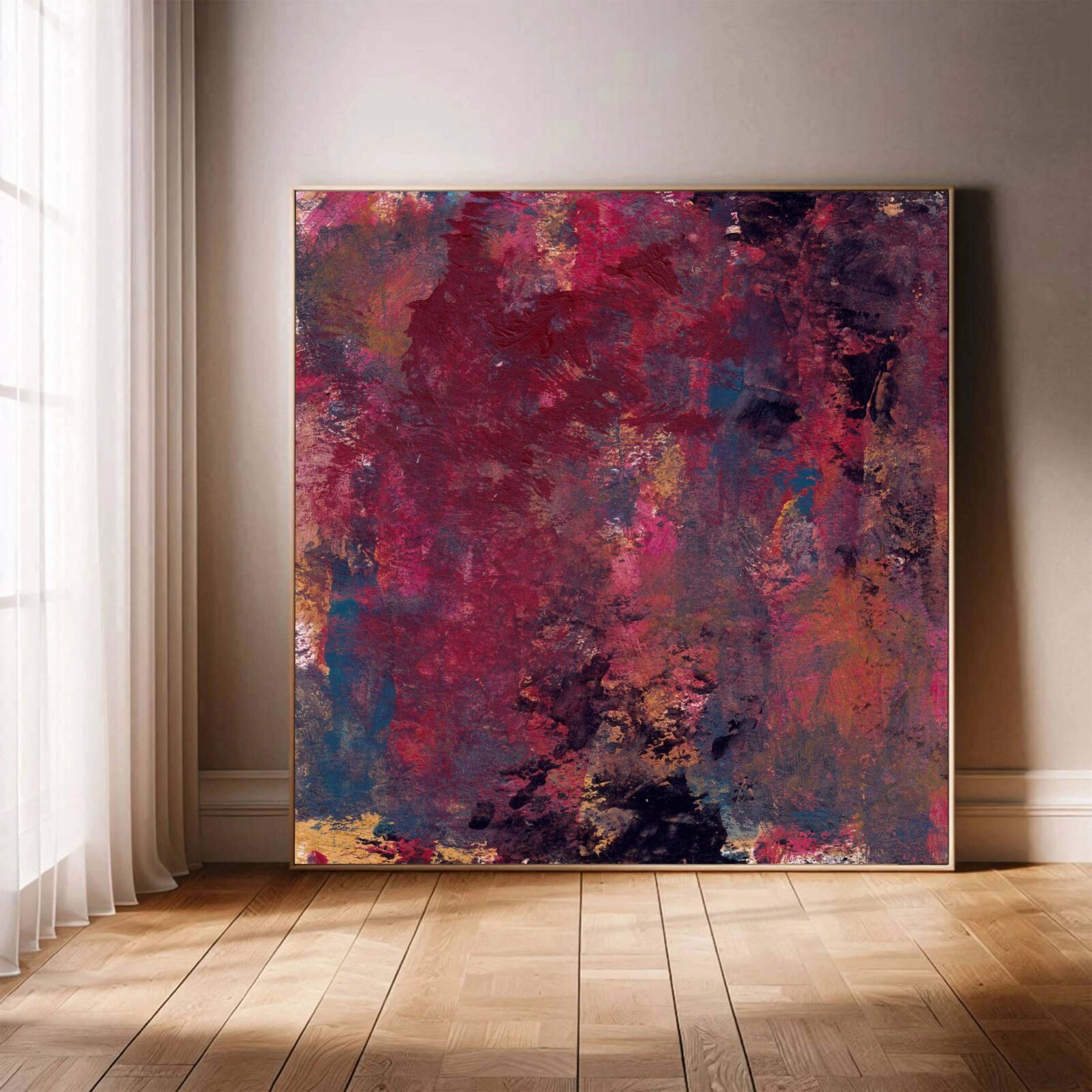
Canvas as an Object, Not an Image
Maintenance, Attention, and the Cost of Care
-
- re-mounting
- replacement of backing boards
- upgraded glazing
- careful repositioning away from light


How Material Choice Changes Presence in a Room
Scale, Weight, and Visual Authority
Longevity Is Also Emotional, Not Just Physical
When Paper Prints Are the Right Choice
-
- the work relies on fine photographic or graphic detail
- the collector enjoys active curation and care
- the environment is controlled
- the work is part of a rotating collection
Collector-Grade Canvas vs Decorative Canvas
-
- archival pigment inks
- stable, heavy-weight canvas
- professional stretching methods
- long-term colour testing
So Which One Actually Lasts Longer?
Final Thought
If you are choosing canvas because you want art that settles into a space rather than competes with it, the Collector’s Vault is the place to begin. It is a private catalogue of canvas works created for people who value longevity, emotional depth, and material integrity over novelty.
You don’t need to decide quickly. The right piece will wait.


Frequently Asked Questions - Canvas vs Paper Prints
No. Seriousness comes from authorship, intention, and production quality, not substrate.
Not when made properly. Fading depends on ink quality and exposure, not the canvas itself.
In most cases, yes. Unprotected paper is vulnerable to environmental damage.
Canvas generally holds scale more naturally and with less visual interference.
No. It usually requires less ongoing care than framed paper.
Ask about inks, longevity testing, production methods, and material sourcing. Vague answers are a red flag.