
Why Children Struggle to Self-Regulate Without Daily Movement
Regulation Is Physical Before It Is Emotional
Why Modern Childhood Reduces Natural Regulation Opportunities
The Misunderstood Role of Restlessness
Emotional Processing Happens Through Movement Too
Occasional Activity Is Not the Same as Daily Movement
Movement Does Not Have to Be Competitive to Be Effective
Why Consistent Movement Builds Long-Term Regulation Skills

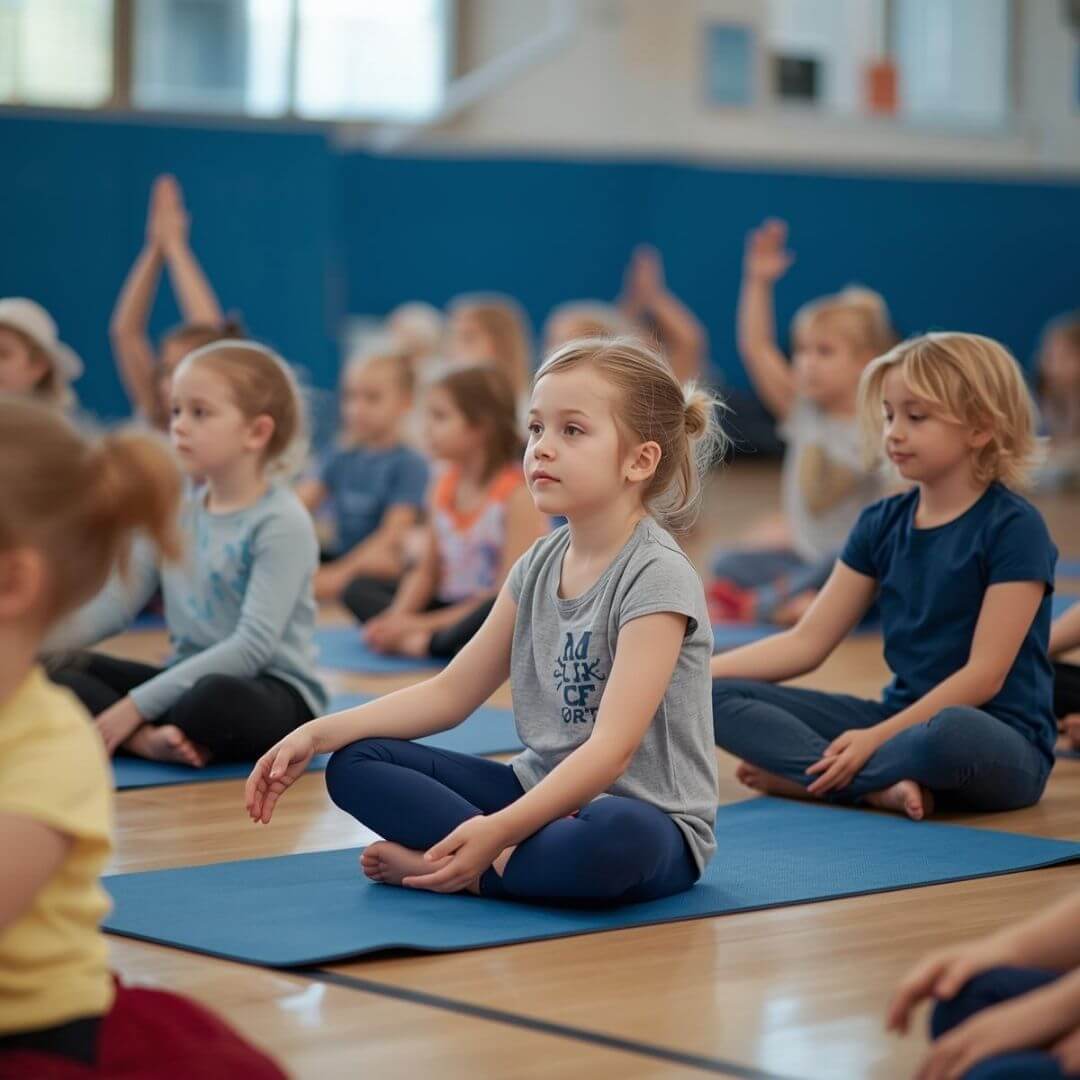
Creating Regular Movement Opportunities
A Different Way to Look at “Behaviour”
Frequently Asked Questions
Children benefit from multiple movement opportunities throughout the day rather than a single intense session. Even short bursts of active play, walking, climbing, or structured movement make a difference when repeated consistently.
Movement supports the physiological side of regulation. When the body has opportunities to release tension and activate breathing patterns, emotional regulation usually becomes easier to learn and maintain.
Weekly sessions help, but daily movement still matters. Regular smaller opportunities to move between sports sessions often produce more stable improvements in focus and mood.
Yes. Regulation benefits come from the movement itself, not competition. Many children respond particularly well to structured, non-competitive environments that combine strength, balance, and rest.
Some parents notice calmer transitions within a few weeks, while longer-term regulation improvements typically build gradually as movement becomes part of the child’s routine.
You can read about the broader approach to children’s yoga and movement here: https://vikithorbjorn.art/yoga-and-movement-for-children/
Class details and registration information are available here:
https://vikithorbjorn.art/kids-yoga-nottingham/
Look for environments that combine structure, age-appropriate challenge, and opportunities for rest rather than focusing only on intensity or competition.
If you’d like to see how this approach is offered in a real, structured class setting, you can find full details here.