
Designing Spaces That Breathe: Why Emotionally Intelligent Art Matters
What Is Abstract Art for Serene Interiors?
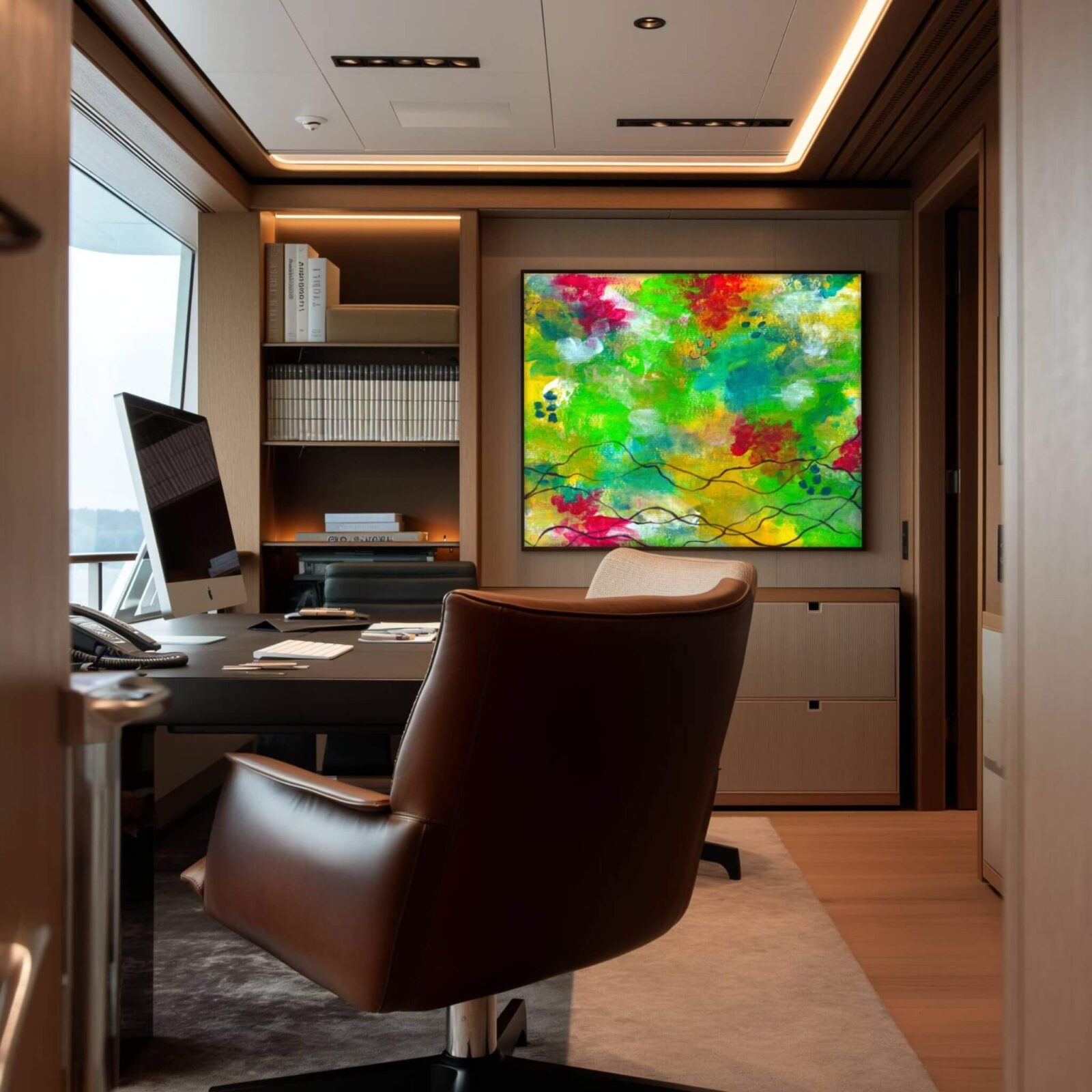
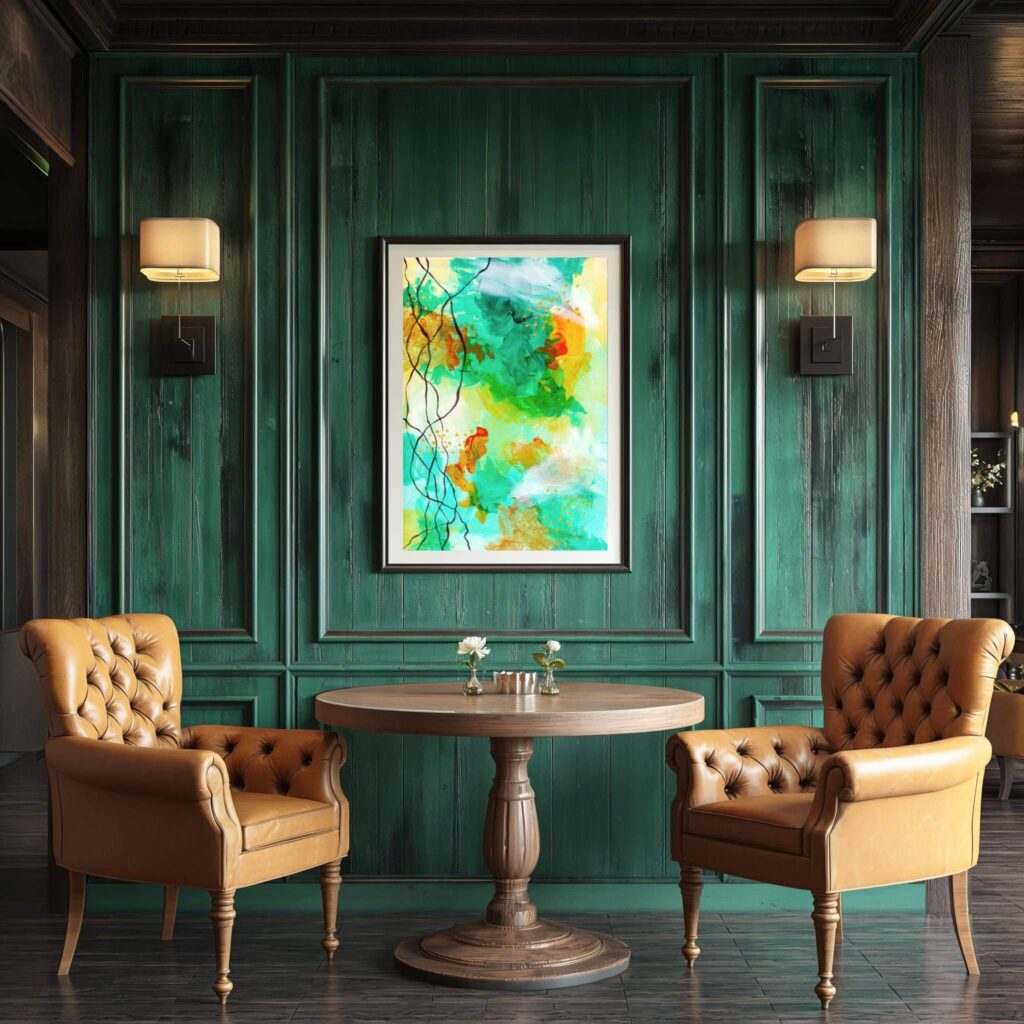
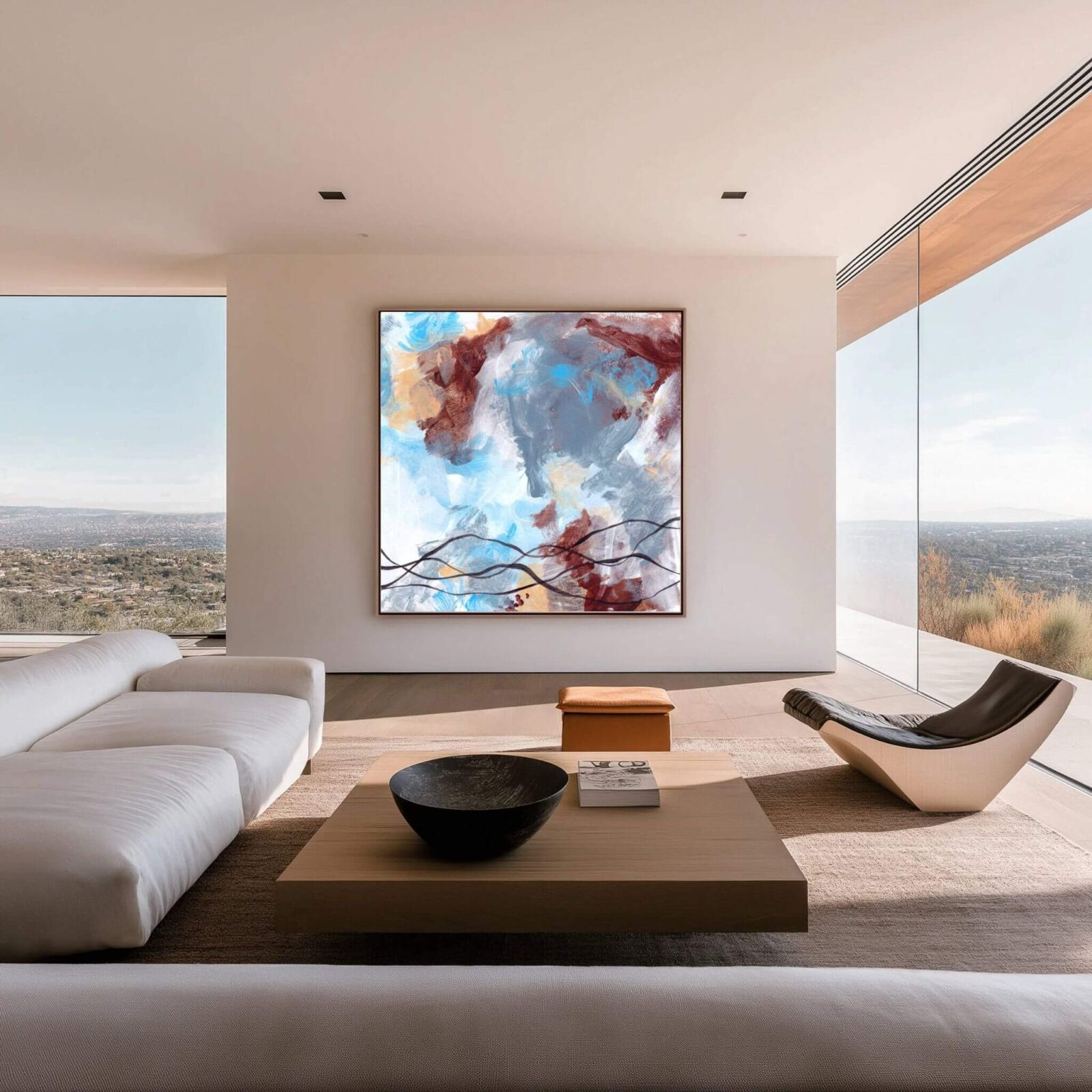
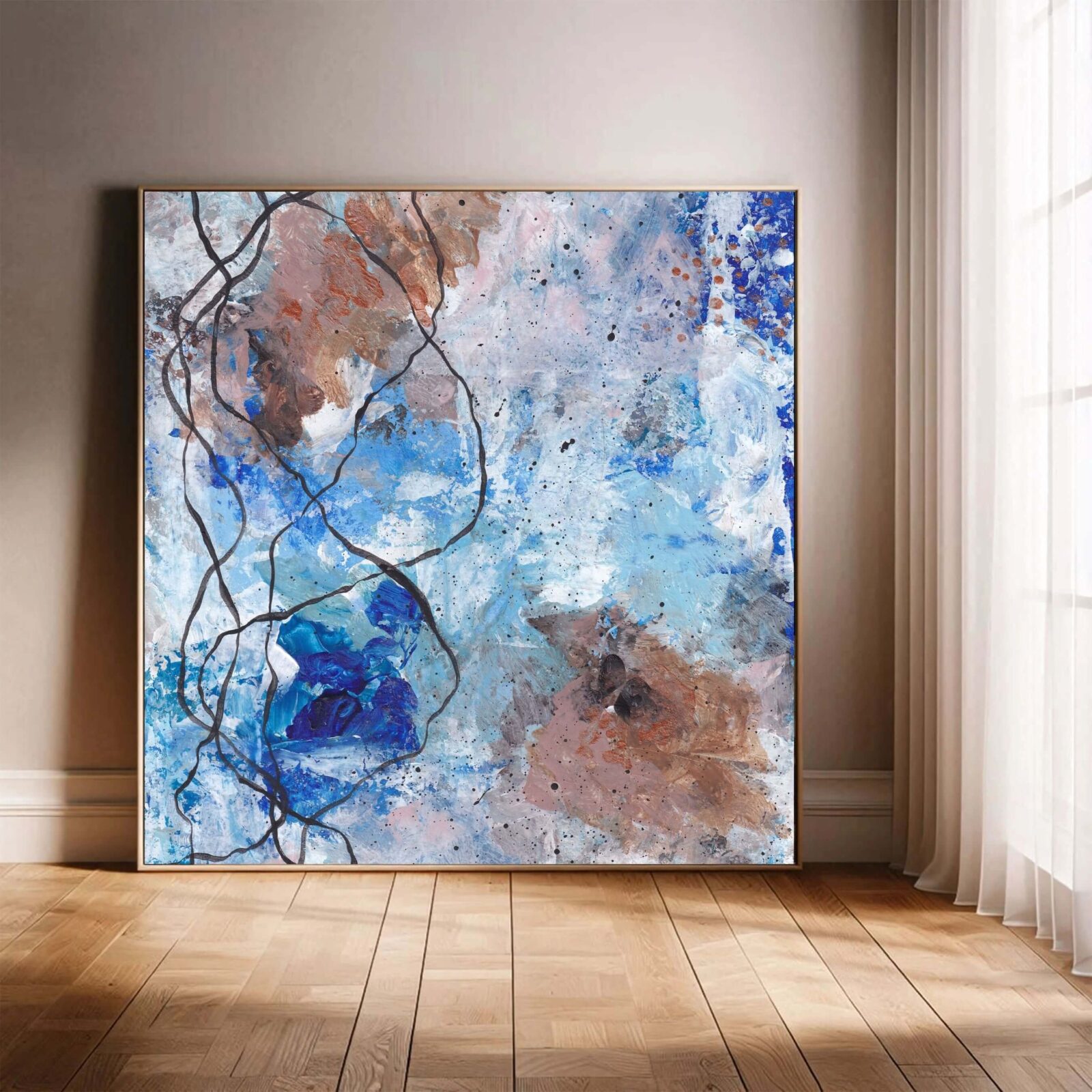
Abstract art for serene interiors is artwork chosen specifically to regulate atmosphere rather than dominate attention. It uses tone, scale, rhythm and negative space to create visual quiet. Instead of competing with a room, it anchors it. The goal is not decoration. It is emotional steadiness.
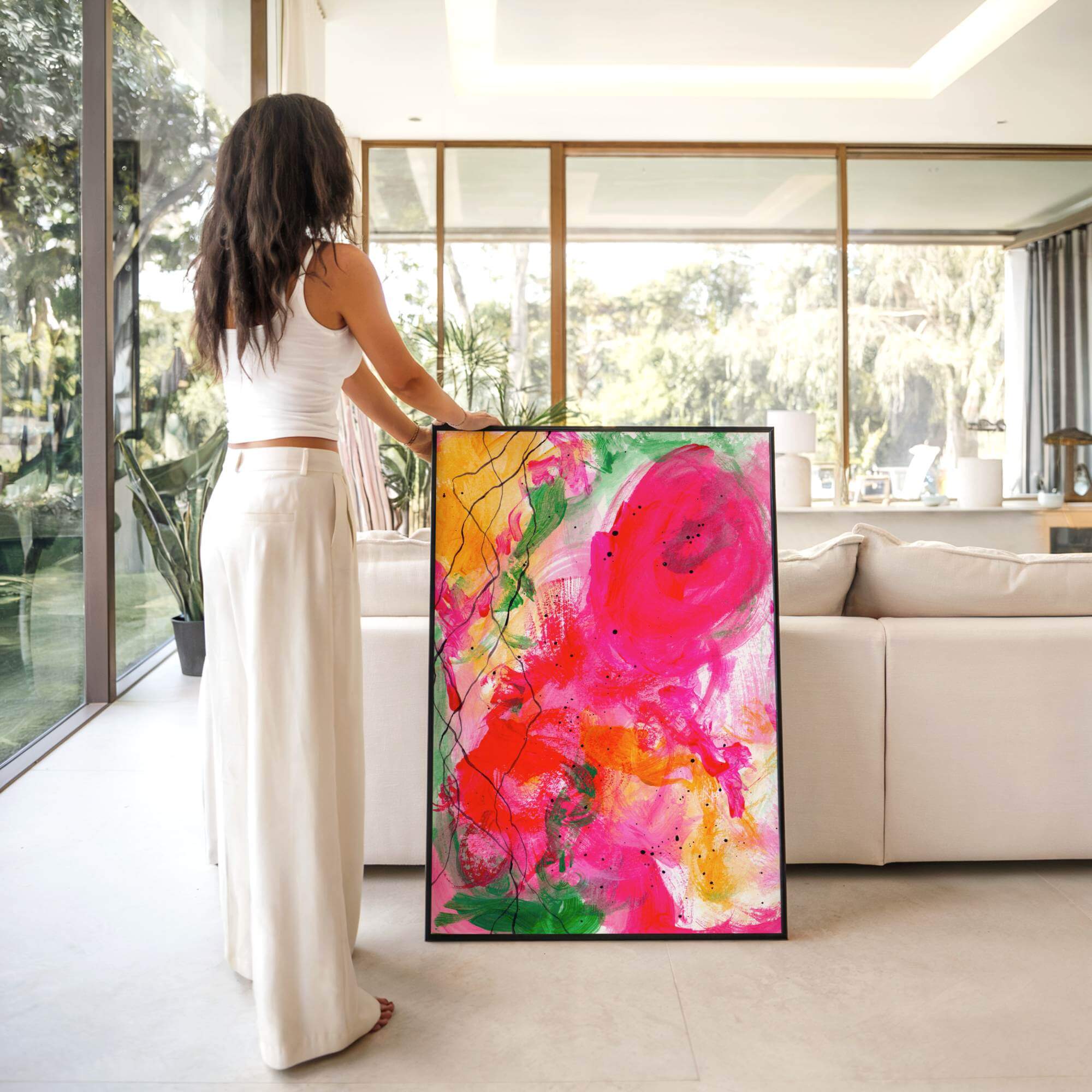
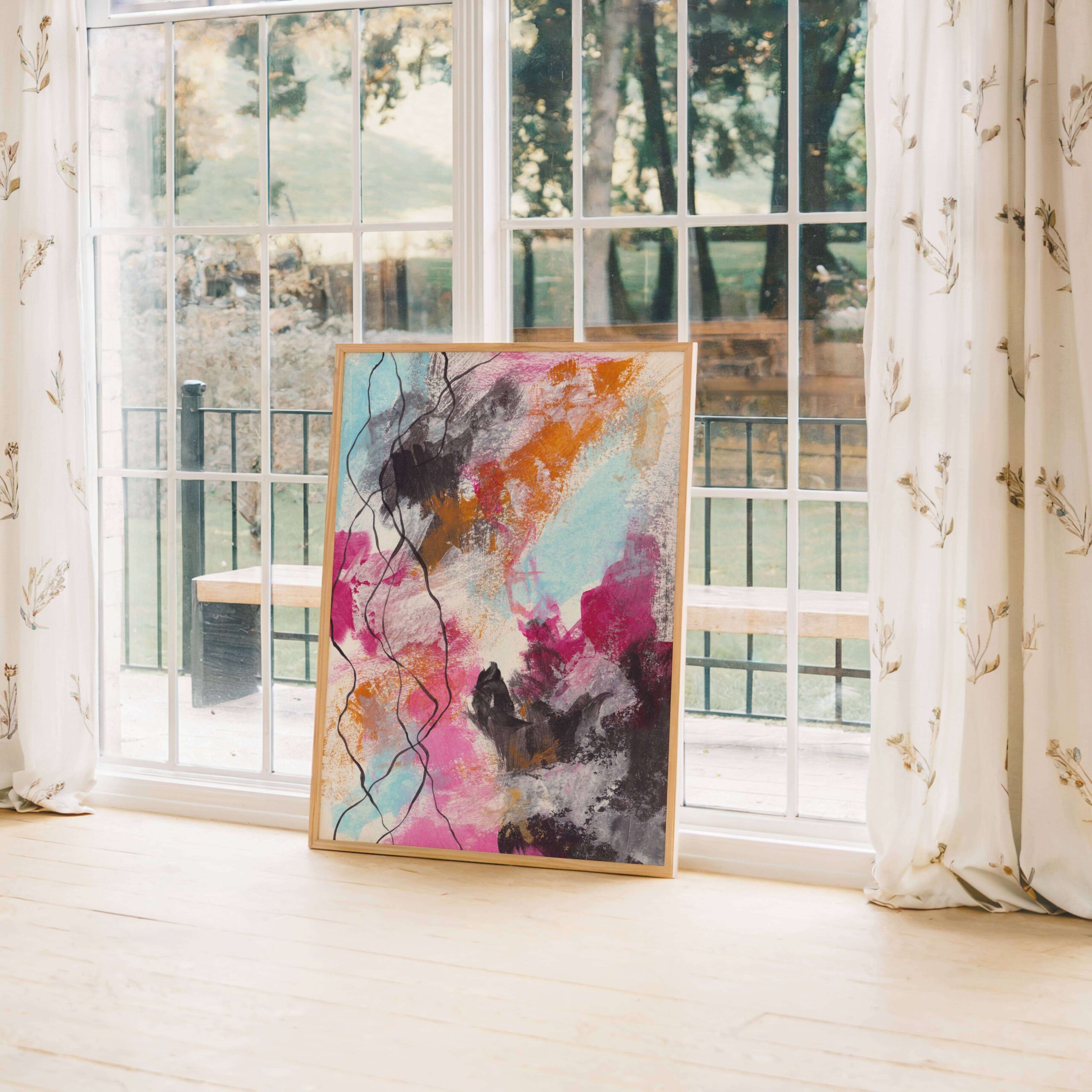
How Do You Choose Between Calm and Contrast?
If you want calming presence → choose large-scale, low-contrast, tonally cohesive abstract work with slow visual movement and generous negative space.
If you want statement contrast → choose sharper colour shifts, higher visual tension, layered mark-making and defined compositional edges.
Both can be beautiful. Only one supports serenity.
What Emotionally Intelligent Art Really Means
Why Emotionally Intelligent Art Is Becoming Necessary
How the Nervous System Responds to Art
Where Emotionally Intelligent Art Actually Starts to Matter
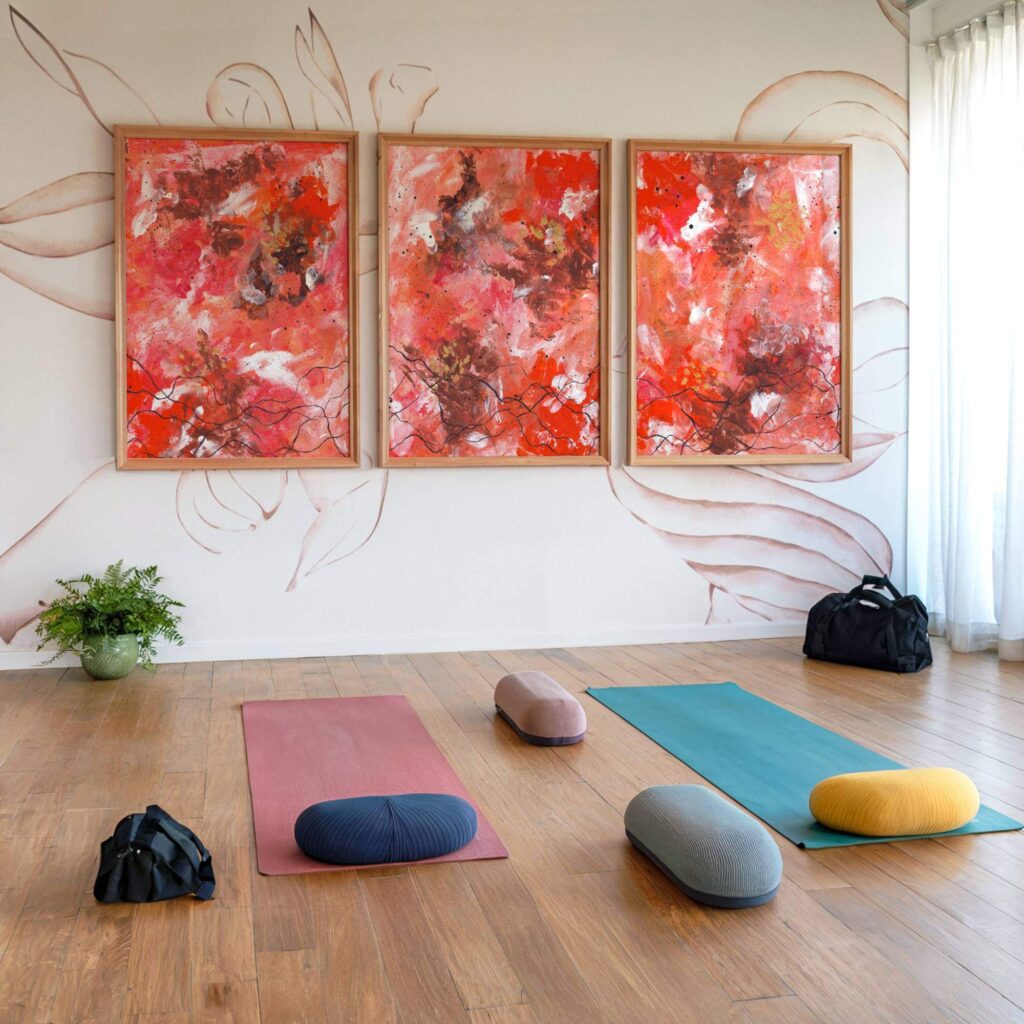
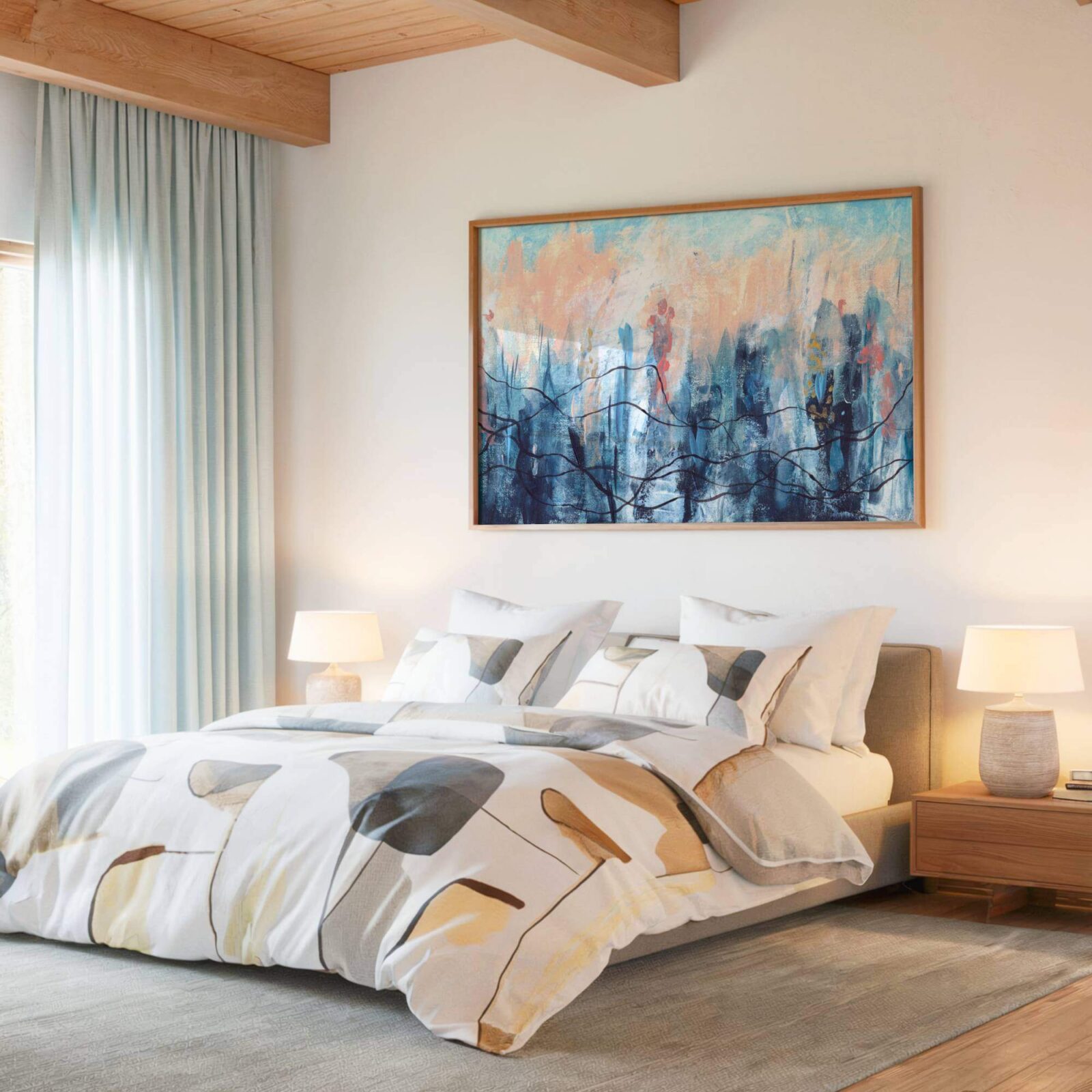
Decorative Art Versus Emotionally Intelligent Art
Decorative Art vs Collector-Grade Abstract Canvas
| Feature | Decorative Print | Collector-Grade Abstract Canvas |
|---|---|---|
|
Purpose |
Completes a colour scheme |
Shapes atmosphere and emotional tone |
|
Production |
Often mass-produced |
Created slowly with material intention |
|
Longevity |
Designed for trend cycles |
Designed for long-term presence |
|
Material Integrity |
Standard print materials |
Archival canvas, layered surface |
|
Emotional Impact |
Immediate visual appeal |
Deepens over time |
|
Relationship to Space |
Sits on the wall |
Anchors the room |
If you are designing for short-term visual cohesion, decorative prints can work well. If you are designing for emotional longevity, collector-grade canvas is the stronger choice.
When Art Stops Being Visual and Starts Being Environmental
Why Emotional Intelligence in Art Cannot Be Retrofitted
How I Approach Emotionally Intelligent Art in Practice
Choosing Emotionally Intelligent Art Without Forcing It
Ready to Design a Space That Breathes?
If you are designing for emotional longevity rather than decoration, the next step is clarity.
Start here: How to Buy Collector-Grade Canvas Art
When you are ready to explore available works: Request Private Access to the Collector’s Vault
Choose once. Choose well. Then live with it.
Closing Reflection
Frequently Asked Questions About Emotionally Intelligent Art
No. It is not a visual style. Emotionally intelligent art refers to how a piece behaves within a space. It regulates atmosphere through tone, scale, and restraint rather than relying on visual drama.
Yes. The nervous system responds to visual information before conscious thought. Large-scale tonal cohesion and balanced composition can reduce visual tension and support steadiness.
No. It matters in homes, executive offices, hotels, and private spaces. Any environment where people need to focus, recover, or think clearly benefits from visual regulation.
Not at all. Serenity does not mean beige. It means cohesion. Colour can be rich, but it must be resolved rather than chaotic.
Calming art often relies on subject matter such as landscapes. Emotionally intelligent art focuses on compositional behaviour, not imagery. It is structural, not illustrative.
Crucial. Process shapes how a piece lives in a space. Work created through formula or trend-following rarely carries emotional depth.
Rarely. Emotional intelligence in art emerges from process, time, and material presence. Mass production prioritises speed and scale over depth.
Live with the image repeatedly. If it feels steadier over time rather than louder, it is likely the right direction.
You can begin with a structured buying guide here: https://vikithorbjorn.art/how-to-buy-canvas-art/
Or request private access to the Collector’s Vault here: https://vikithorbjorn.art/request-private-catalogue/