Legacy Is Built in the Quiet Why Presence Outlasts Noise in Art
We live in a world that rewards noise.
The louder something is, the more attention it seems to earn. Speed is praised. Visibility is monetised. Urgency is treated as intelligence. Social platforms reward constant output. Markets reward momentum. Even creative work is increasingly judged by how quickly it can perform.
And yet, when you step back and really look at what lasts, a different pattern emerges.
The work that lingers is rarely the loudest.
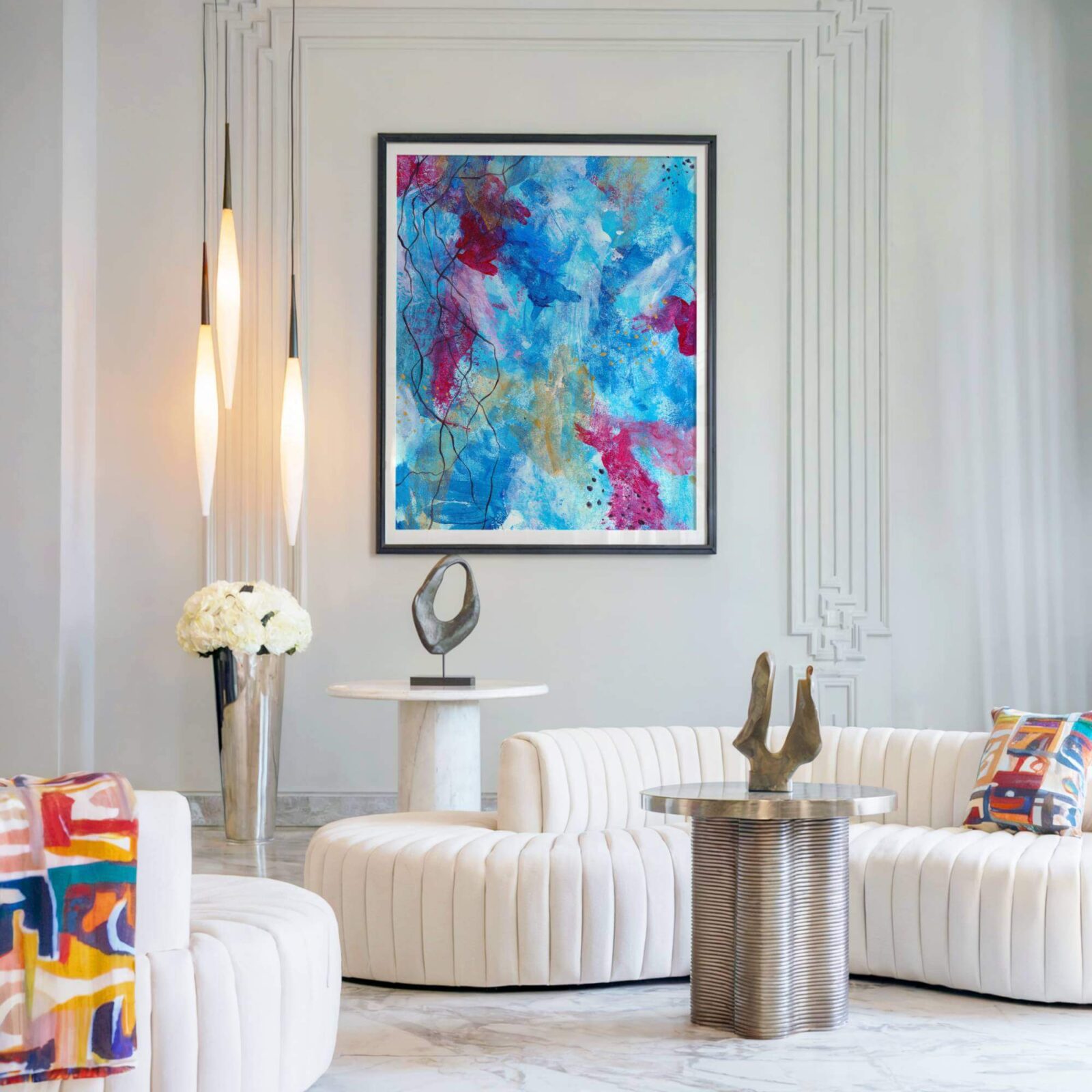
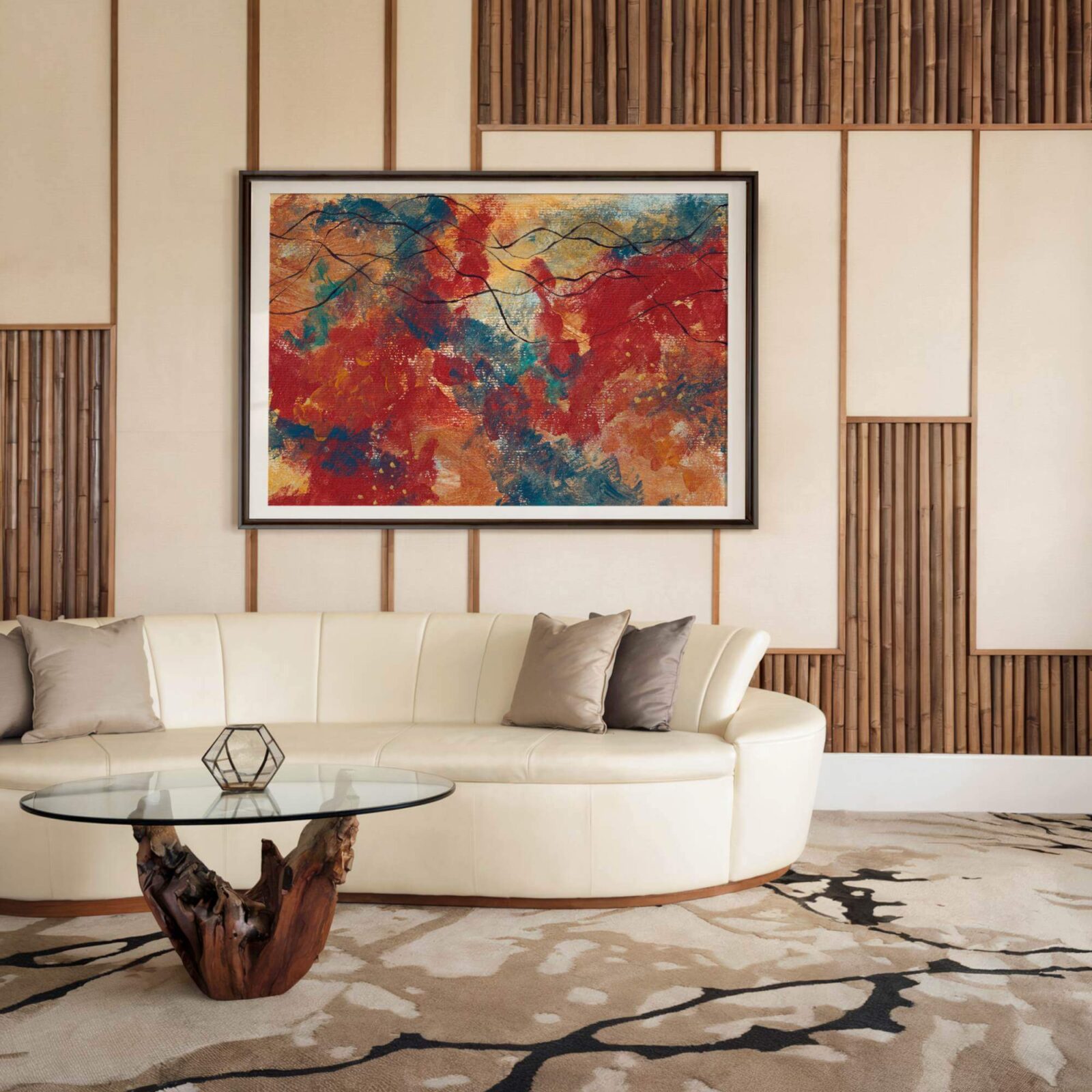
Especially in art. The pieces that stay with you across years, sometimes decades, often arrive quietly. You don’t always notice them first. They don’t announce themselves. They don’t chase approval. But over time, they become the works you return to again and again. They carry a weight that doesn’t need explanation. You feel it long before you try to name it.
This is the space I create from. And this is where real legacy lives.
The Illusion of Loud Success
When people talk about legacy, they often imagine noise.
Awards. Press. Endless visibility. Social numbers climbing like stock prices. The culture tells us that if something isn’t everywhere, it isn’t meaningful.
But most of what becomes everywhere rarely lasts.
It explodes, trends, circulates, and then quietly disappears. What remains is often the residue of exposure, not the substance of experience.
Real legacy is slower. Quieter. Less urgent.
True legacy does not beg for attention. It earns it. Gradually. Over time. That’s why it holds its value long after trends collapse.
This is especially true in art.
The paintings that continue to live, long after the artist is gone, do so because they are connected to something deeper than public attention. They were not built for applause. They were built for presence.
Presence doesn’t need defending. It doesn’t need explanation. It simply holds.
The Weight of Presence
Presence is difficult to define, but easy to feel.
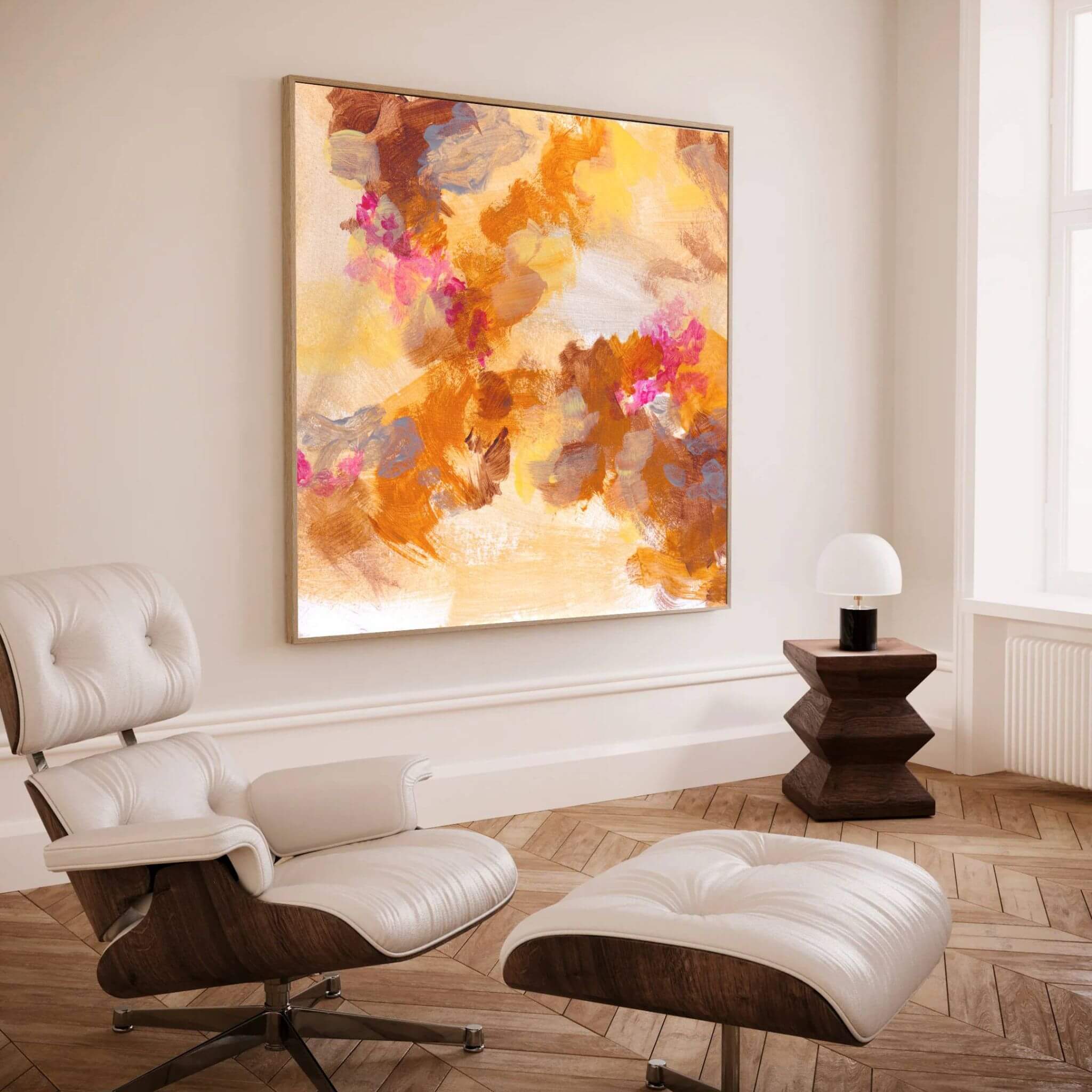
You notice it in rooms that shift your breath the moment you step inside. In spaces where nothing obvious has changed, yet your body responds before your mind catches up. In artworks that carry a gravity you can’t quite articulate but immediately respect.
Presence is not scale alone. It is not colour alone. It is not boldness, complexity, or cleverness.
Presence is restraint combined with depth.
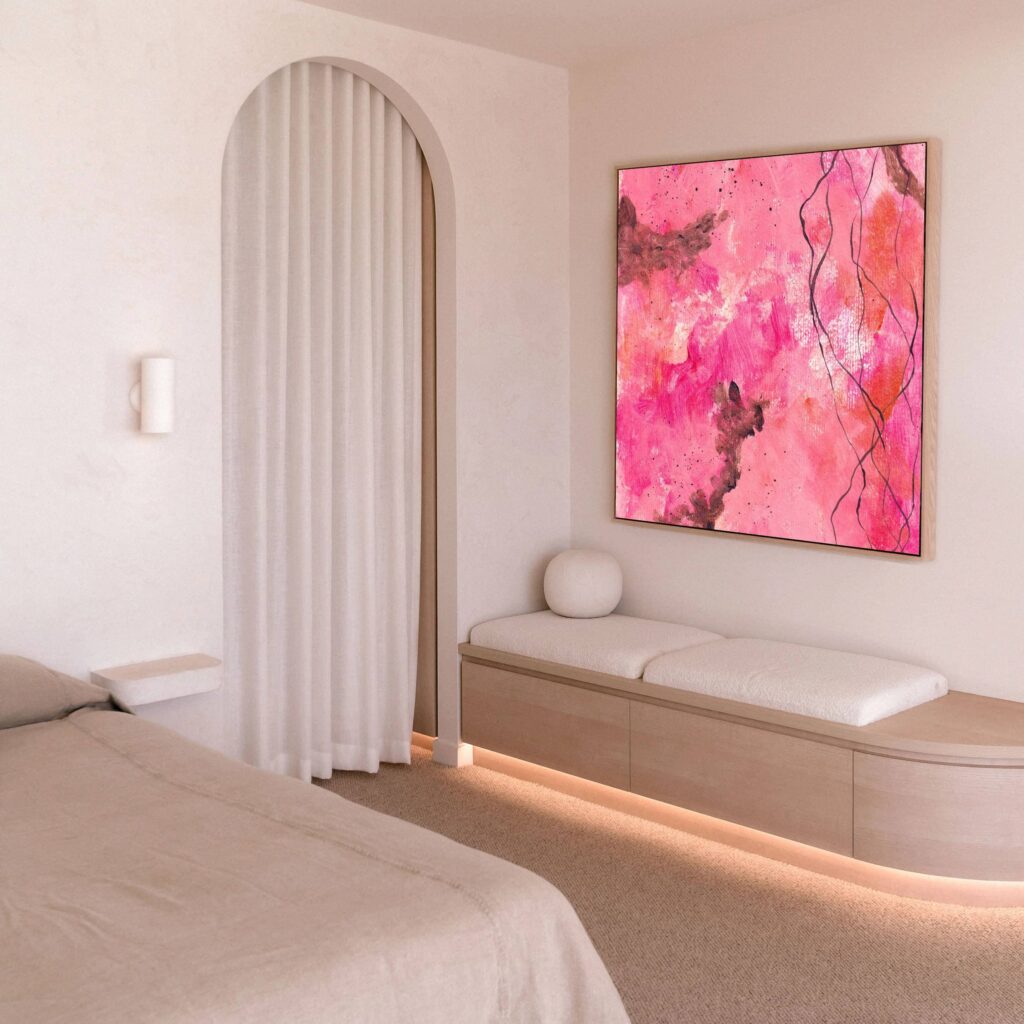
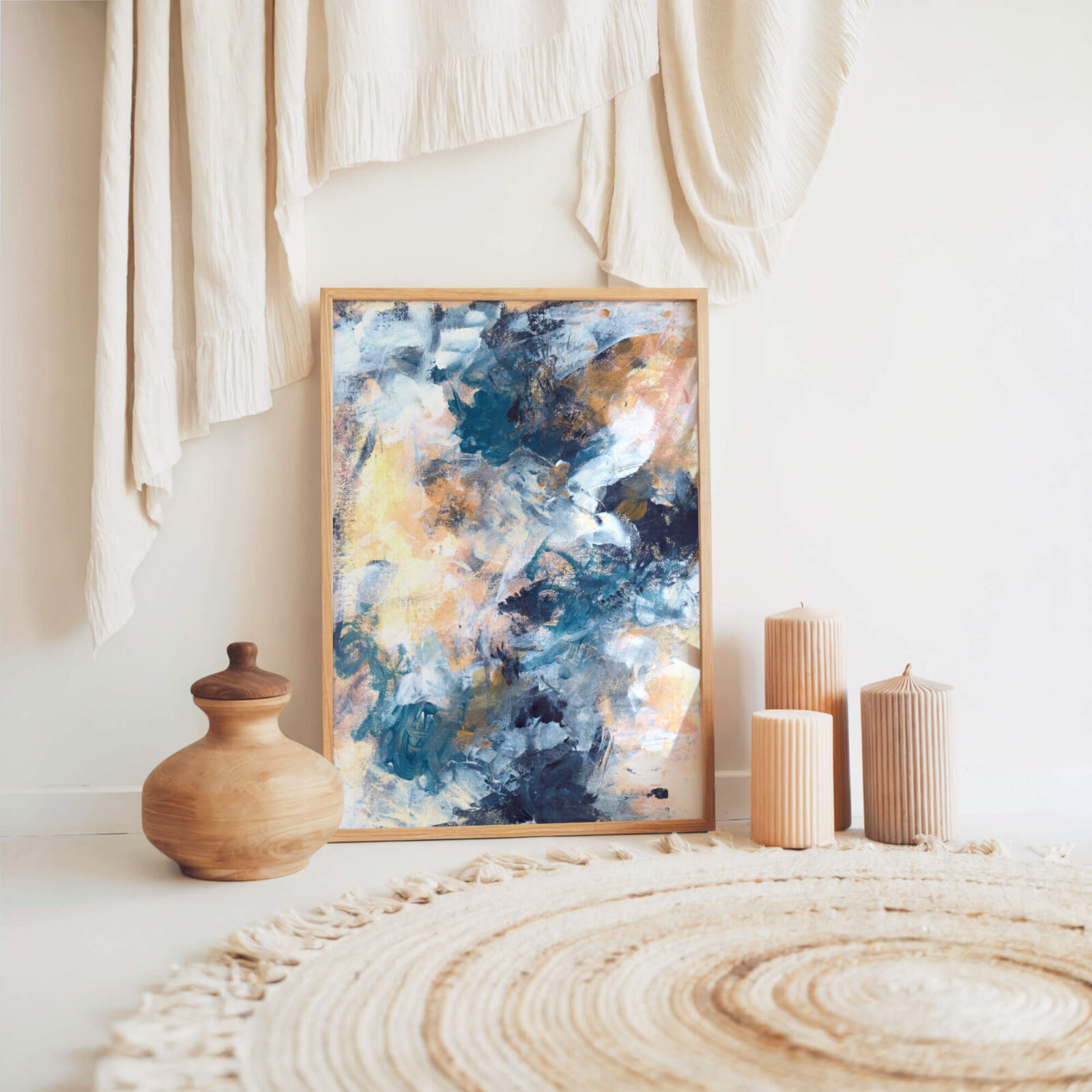
In my work, I do not chase attention. The work itself holds the attention it needs to. Presence invites you in without demand. It does not compete. It does not persuade. It simply exists, and in that existence, it changes something in the space and in the person standing before it.
This is what separates work that fills walls from work that holds them.
Emotional Memory and Why It Determines Longevity
Technical skill matters. Craft matters. Materials matter.
But technical skill alone does not carry a work across decades.
Technique invites admiration. Emotional memory invites return.
Art that builds legacy taps into something beneath language. It gives form to emotions most people recognise but rarely articulate. That recognition creates attachment, not ownership in a transactional sense, but familiarity.
You return to the work because it continues to meet you where you are.
As life shifts, the work reveals different layers. What once felt calming may later feel grounding. What once felt expansive may later feel protective. The artwork evolves not because it changes, but because you do.
This is why emotionally resonant art lasts. It does not exhaust itself on first encounter.
If you want a deeper exploration of this distinction, see → “What truly defines luxury in art”
Legacy is built on emotional continuity, not initial impact.
The Luxury of Reflection
Luxury is often mistaken for exclusivity.
But exclusivity alone does not create meaning. Scarcity without substance is just absence dressed up as value.
True luxury is time.
Time to sit with something. Time to notice subtlety. Time to allow work to speak without interruption.
Presence creates space for reflection. That reflection becomes part of the collector’s life, woven into daily rhythms rather than staged moments.
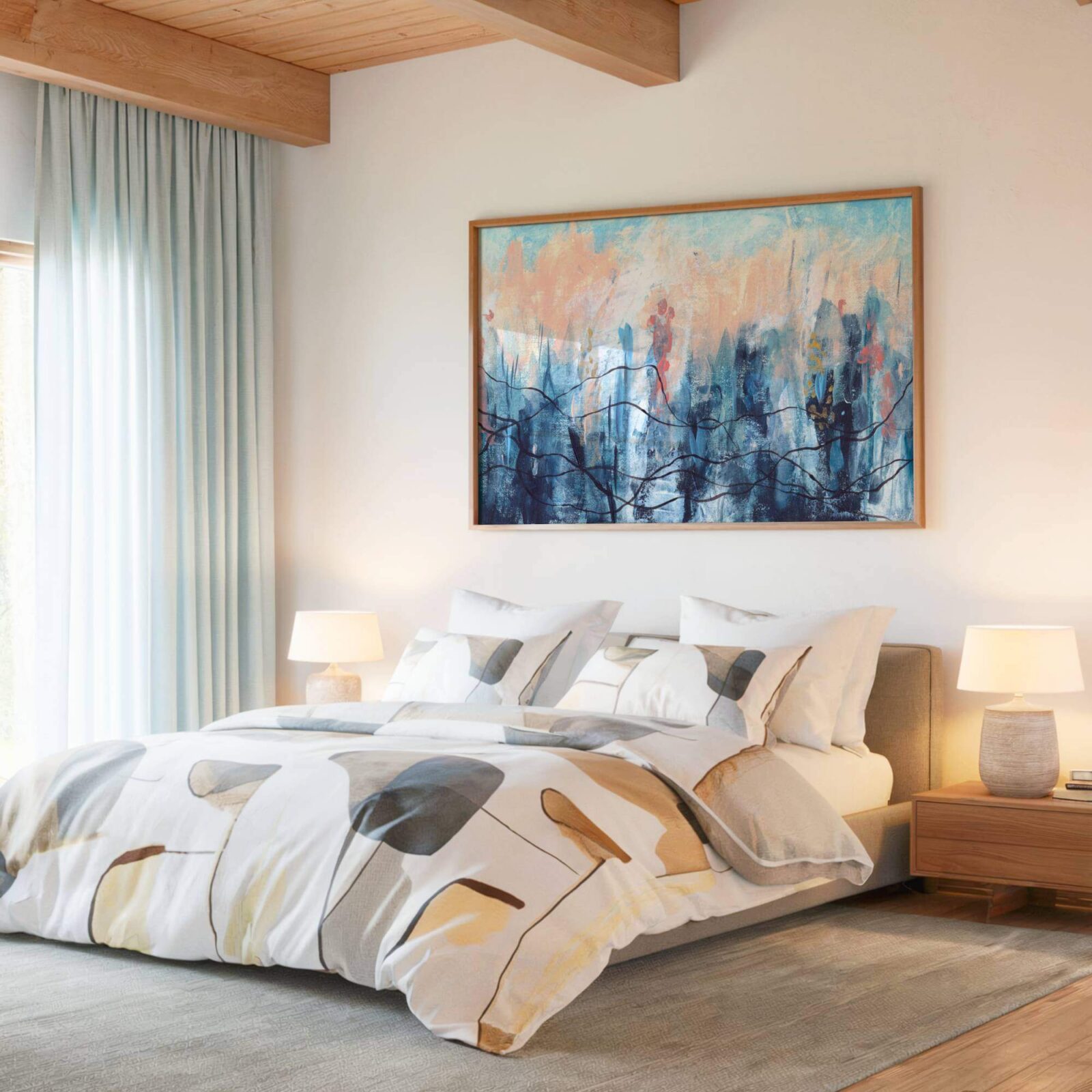
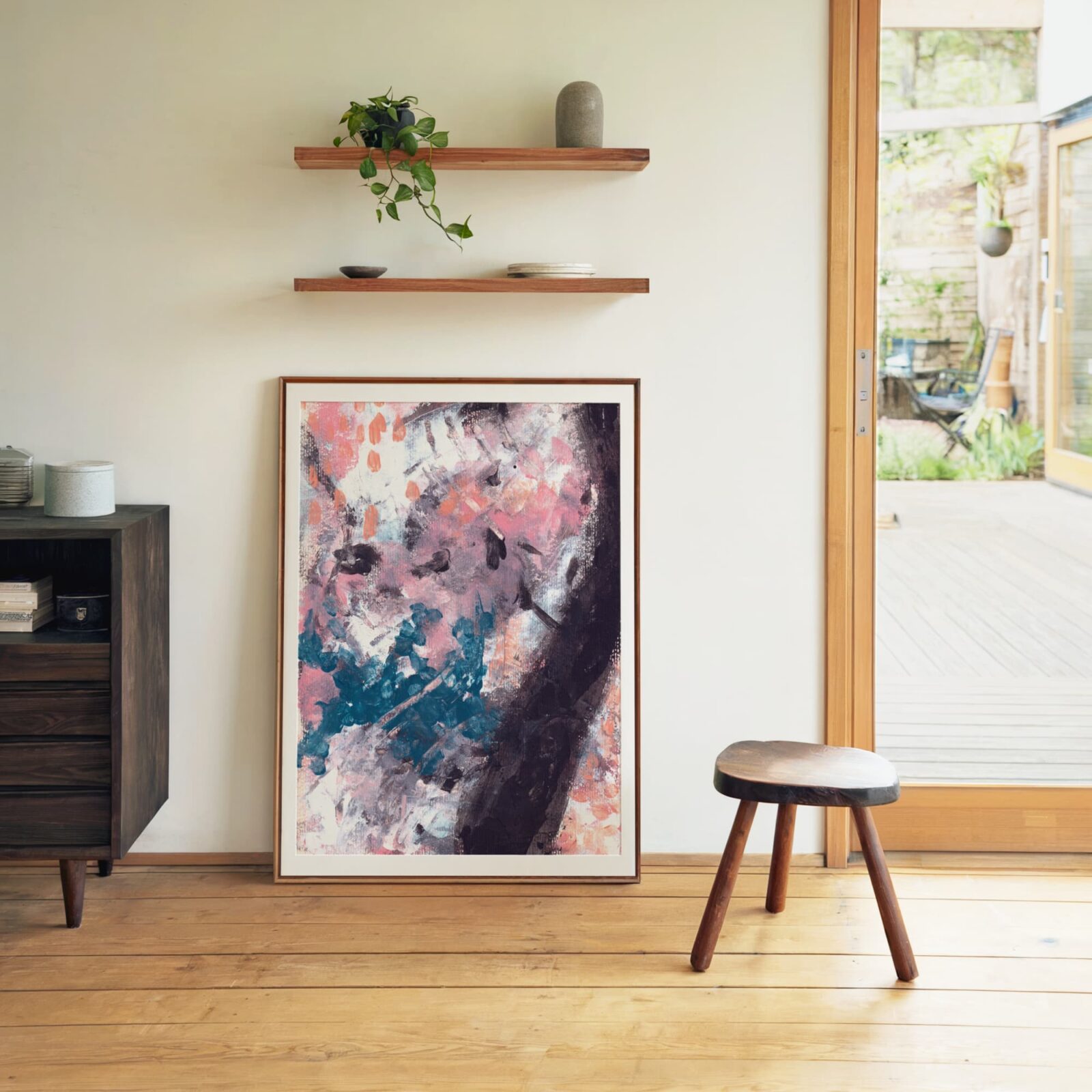
This is why so much meaningful art lives in private spaces. Offices where decisions are made quietly. Homes where people want to exhale. Retreats where performance is set aside in favour of recovery.
In these environments, art does not need to impress. It needs to support.
That support is rarely loud.
Why Legacy Buyers Think Differently
People who collect for legacy do not buy under pressure.
They are not chasing what others are buying. They are not motivated by urgency or social proof. They are guided by resonance.
They sit with work. They return to it. They allow time to test whether the connection holds.
This applies equally to collectors and to designers responsible for shaping spaces that must endure. Decisions are made with longevity in mind. Not just visual cohesion, but emotional sustainability.
The acquisition is not rushed. It matures.
That slowness is not hesitation. It is discernment.
This is why legacy-driven collections tend to grow quietly, without announcement, without spectacle. The value compounds because the relationship deepens.
What Clients Say
“We thought we were commissioning a piece of art. We ended up creating a space that feels like a sacred pause.”
— Interior Designer, Devon“It’s not loud, but it changes the entire energy of the room. People always stop and breathe when they walk in.”
— Executive Client, London“It reminds me to be present every time I see it. It’s become part of my daily rhythm.”
— Private Collector, Edinburgh
Protecting the Integrity of Presence
Everything in my studio is designed to protect presence.
I do not oversaturate. I do not mass-produce. Each body of work exists to serve depth rather than volume. The aim is not scarcity for its own sake, but integrity.
When work is created with this level of restraint, it naturally finds the people it belongs with.
The result is art that does not dilute over time. It strengthens.
Presence Outlasts the Market
Markets move quickly. Attention spans move faster.
Presence does not compete with either. It simply outlives them.
Loud success requires constant fuel. Quiet work sustains itself.
When collectors look back years later, the most meaningful pieces are rarely the ones that once dominated conversation. They are the ones who continue to meet them in private moments. Morning light. Evening stillness. Spaces where nothing needs to be explained.
That is where legacy holds its ground.
The Discipline of Slowness
Slowness is not passive. It is disciplined.
It takes restraint to stop chasing validation. It takes clarity to resist performance. It takes confidence to allow work to emerge when it is ready, not when the market demands it.
For many artists, the early years are about proving something. I know mine were. Visibility feels like safety. Output feels like progress.
But performance and creation are not the same thing.
When I allowed myself to stop chasing attention, the work changed. It became quieter. More precise. Less interested in being liked, more interested in being true.
Presence does not arrive on a deadline. It cannot be forced. And it cannot be replicated.
Quiet Work and the Power of Restraint
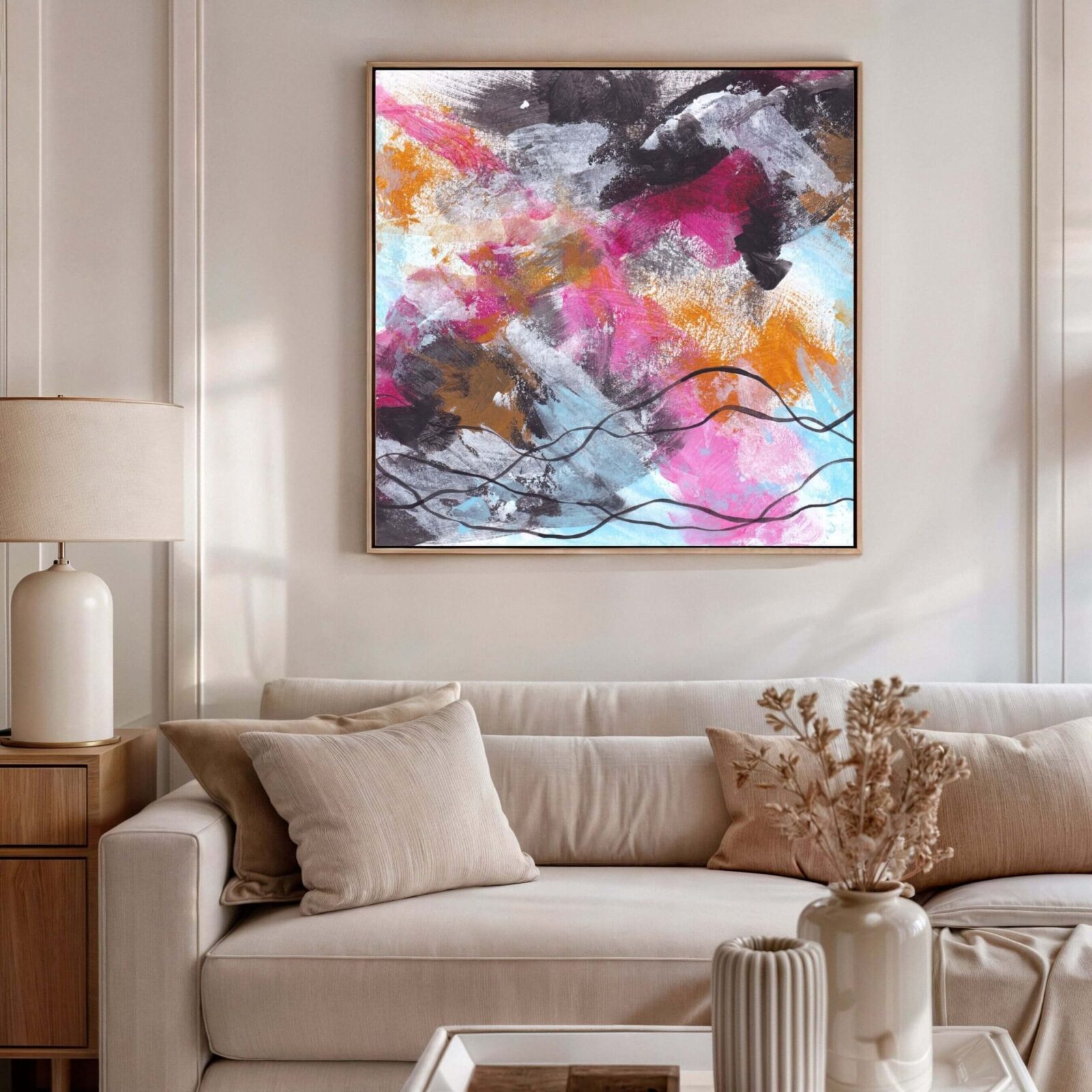
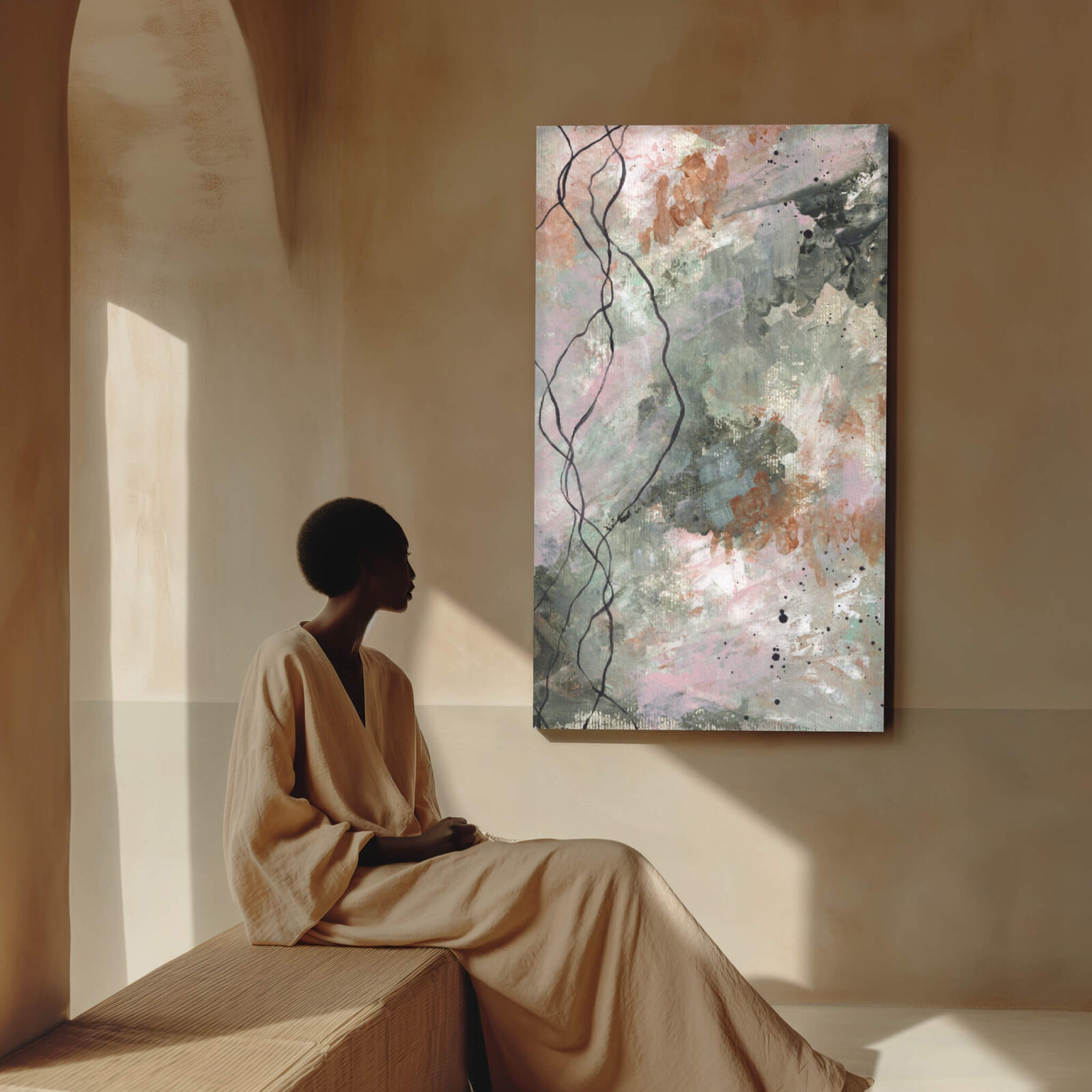
Some of the most powerful collections include works that do not shout when you enter the room.
They are not aggressive. They do not dominate. And yet, after an hour in the space, they are the pieces you keep returning to.
Quiet work creates room inside the viewer. It allows personal meaning to surface without instruction. That generosity builds connection.
Connection builds legacy.
If you are interested in how scale, space, and restraint shape emotional safety, see → “How scale influences emotional presence in a space”
The most enduring work often asks the least of the viewer, and gives the most in return.
Legacy Is an Emotional Currency
At the highest levels of collecting, purchases are rarely about financial return alone.
They are emotional investments.
The artwork becomes part of a private mythology. It marks chapters. It holds moments of transition. It witnesses change without commentary.
This is why people speak about certain works with personal language. Not because the work explains itself, but because it holds something they recognise as their own.
Legacy lives in that recognition.
It is not loud. It is not performative. And it does not need constant reinforcement.
Where This Way of Working Lives Today
This philosophy continues to shape how my work exists in the world.
It resonates most with collectors and designers who are building spaces meant to last, spaces that hold people rather than impress them.
For those drawn to work rooted in emotional depth rather than trend, the Collector’s Vault houses a private selection of canvas prints created to live quietly and endure.
For those seeking a more contained, reflective process, Capsule Commission offers a single-work approach grounded in stillness rather than spectacle.
Both exist to serve presence over noise, and longevity over visibility.
Conclusion
Legacy is not built on trends, metrics, or visibility cycles. It is built in the emotional quiet that outlasts them all.
When someone stands in front of a piece and feels something they did not yet have language for, that is where legacy begins. Not because the work is loud. But because it is present.
Presence is the true luxury. Not attention. Not fame. Not noise.
And that is why I create the way I do. Slowly. Intentionally. Without chasing the world’s volume.
Because legacy is not made louder.
Legacy is made truer.