fbpx

A Sanctuary on Every Wall: How Hotels Are Using Art to Elevate the Guest Experience

Why Art for Luxury Hotels Is Now Part of Experience Design
Luxury has never really been about thread counts, turndown rituals, or how many stars sit beside a hotel’s name.
 
True luxury is emotional.
 
It’s the moment a guest steps inside and feels their shoulders drop.
The way a room seems to exhale before they do.
The sense that the space is not performing, but holding.
 
Today’s most discerning travellers are not booking beds. They are choosing environments. They are seeking spaces that regulate, restore, and quietly elevate their nervous system after long journeys, crowded cities, and constant decision-making.
 
The most perceptive hotels understand this shift. And they are using art not as decoration, but as infrastructure for experience.
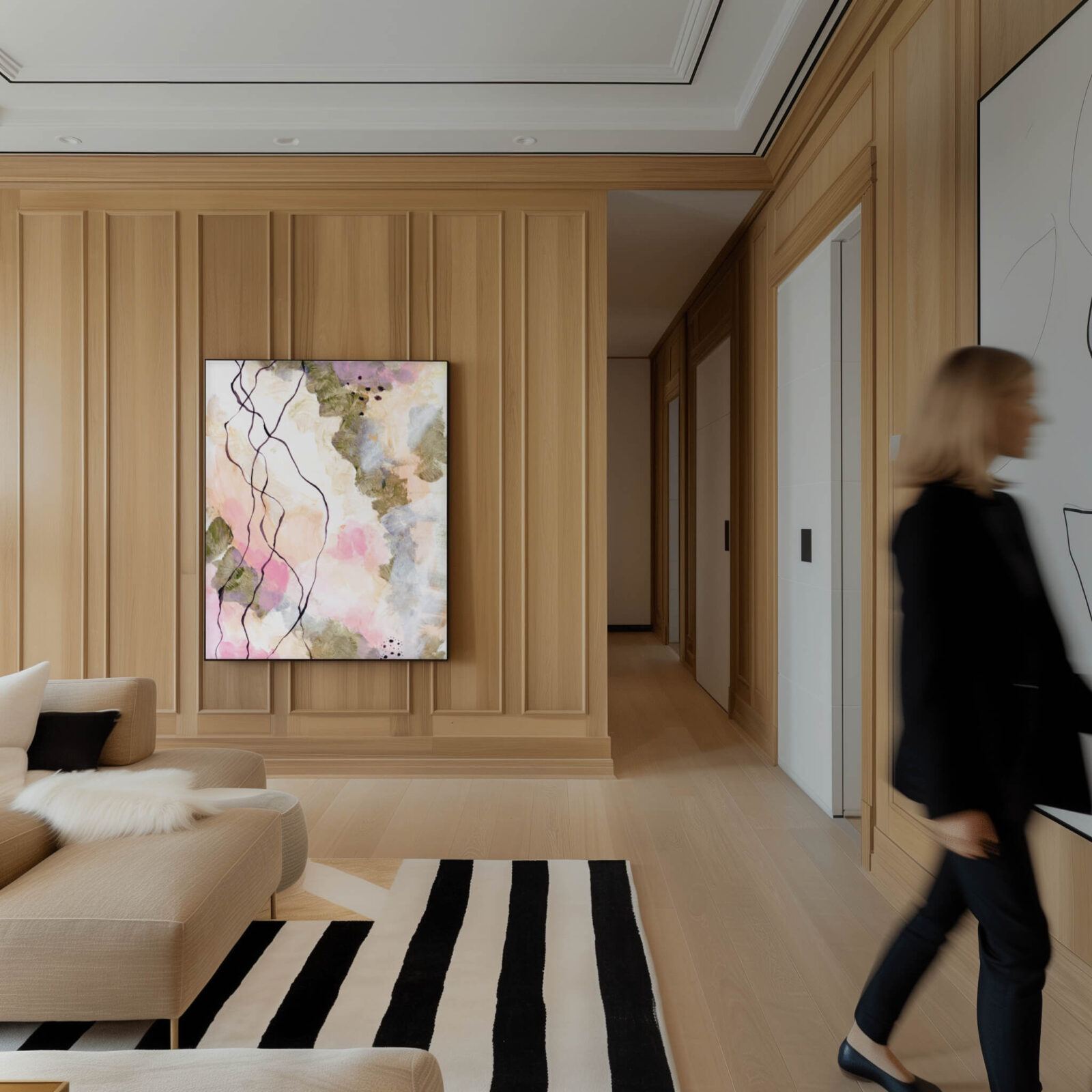
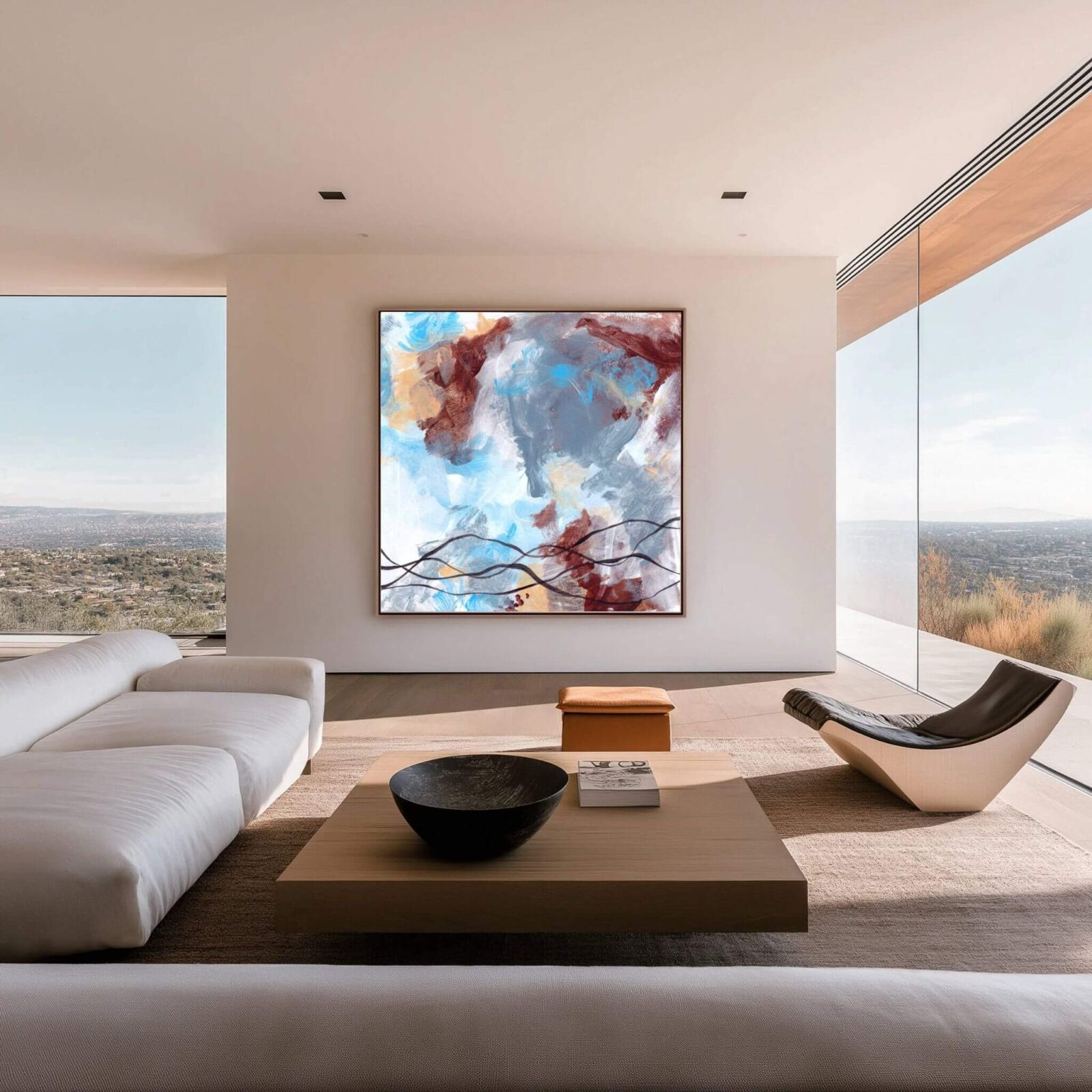
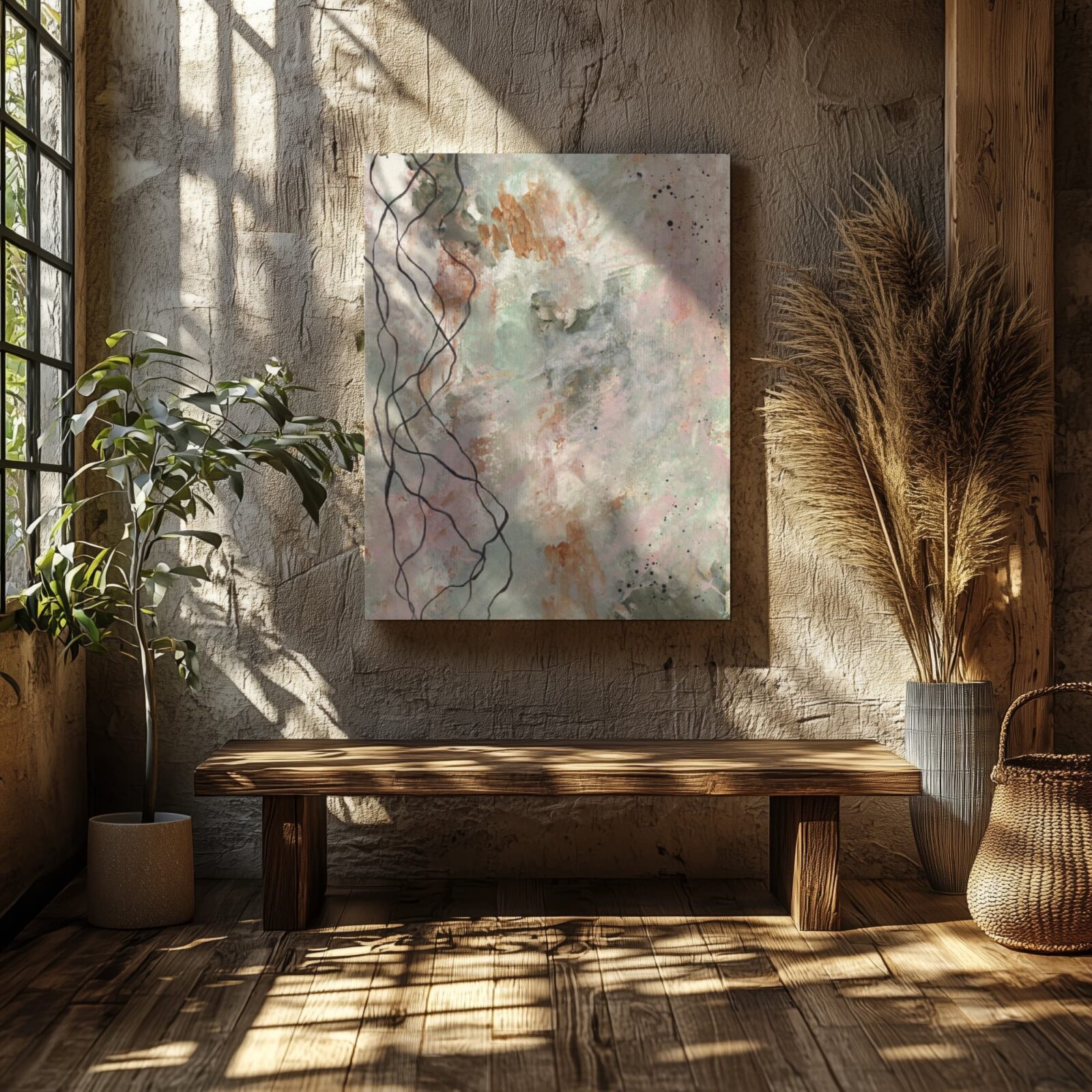
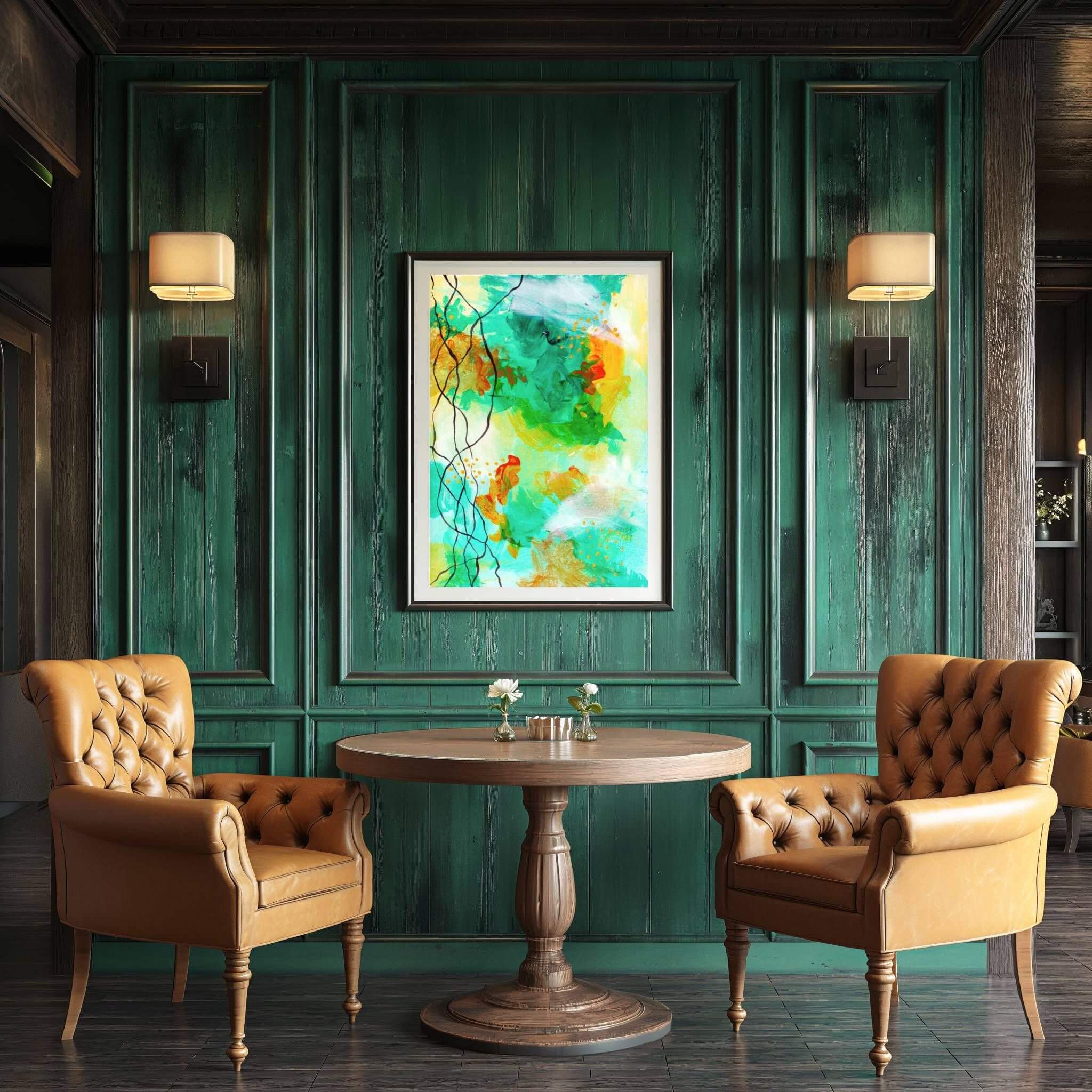
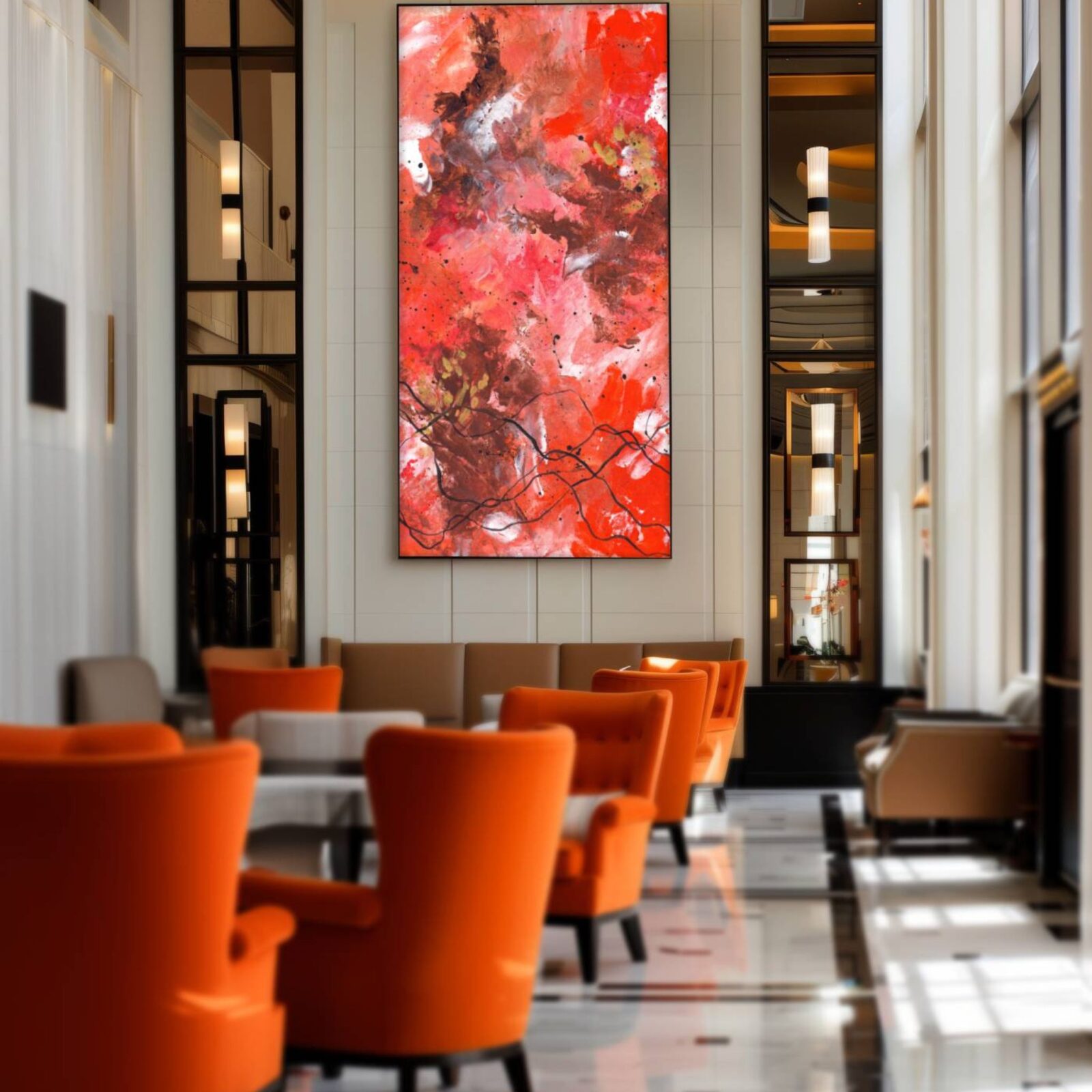
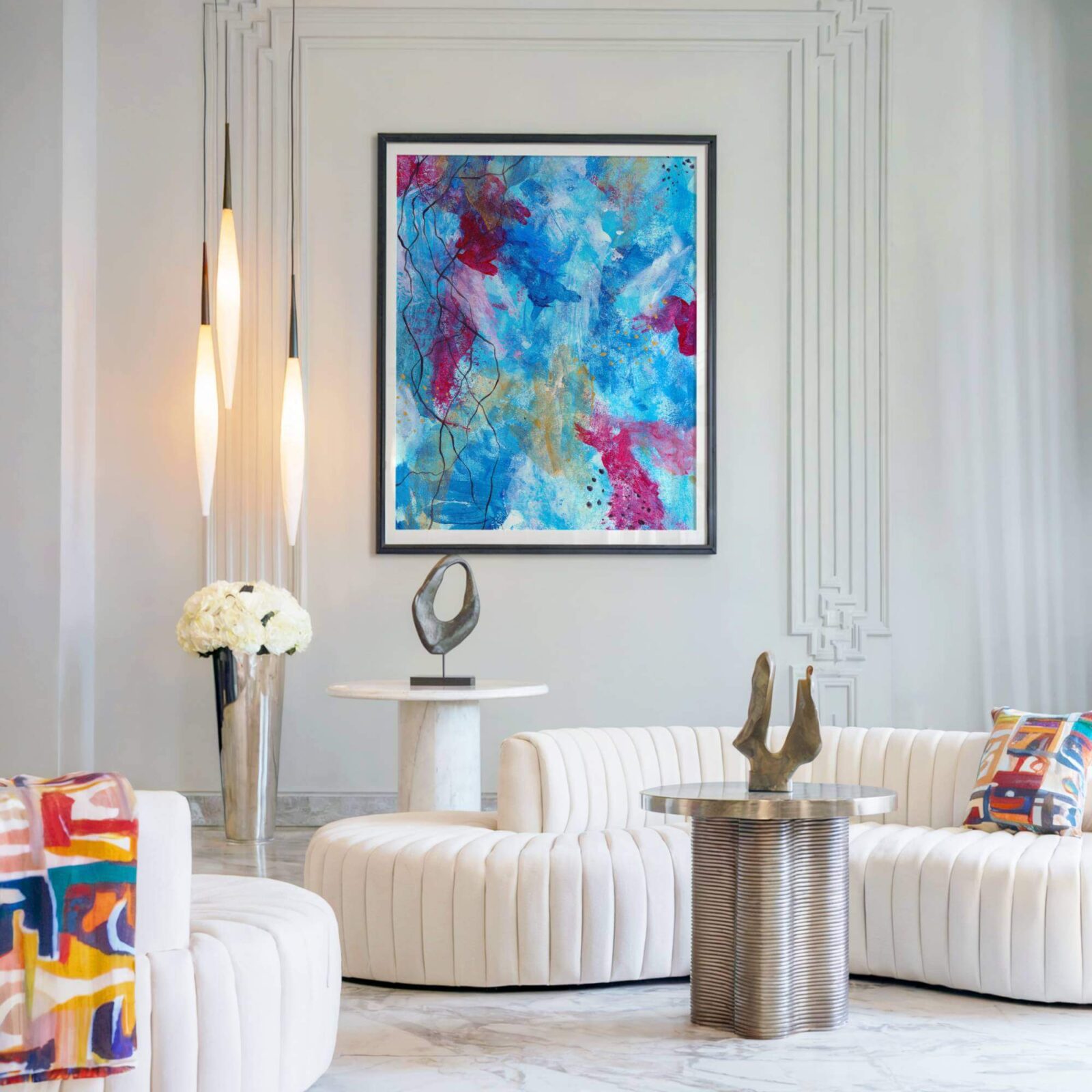
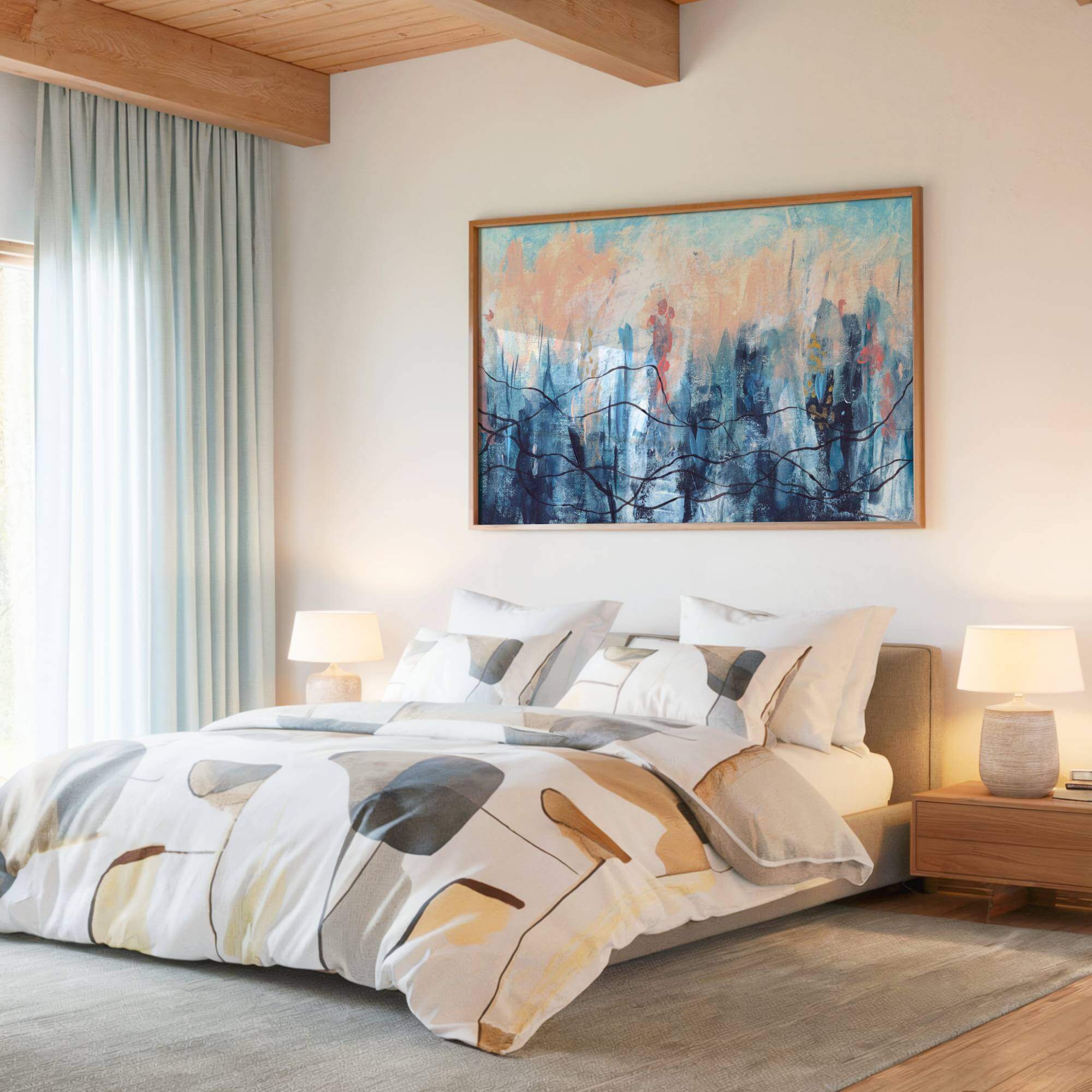
abstract canvas painting with layered texture

From Decoration to Atmosphere: Why Hotel Art Has Changed

For decades, hotel art was treated as visual filler. Neutral. Inoffensive. Forgettable. Its job was to offend no one and impress no one either.
 
That era is over.
 
In contemporary luxury hospitality, art is no longer an accessory. It is part of experience design. It shapes how a space feels long before service, scent, or sound come into play.
 
In the world’s most considered hotels, art now:
    • sets emotional tone across different zones
    • reinforces brand values without relying on slogans
    • creates continuity between architecture, interiors, and feeling
    • becomes part of what guests remember and describe after checkout
This shift mirrors what is happening across high-end environments more broadly. The same principles driving art for executive offices now apply to hospitality spaces where emotional regulation, clarity, and presence matter just as much.

Why Guests Remember How a Space Feels, Not What It Contains

Guests rarely remember details in isolation.
 
They don’t recall the brand of mattress or the specific shade of marble in the bathroom. What stays with them is atmosphere.
 
They remember whether the room felt calming or overstimulating.
Whether the lobby felt grounding or transactional.
Whether the space invited stillness or demanded attention.
 
Art plays a powerful role here because it operates beneath conscious thought. It does not instruct. It influences.
 
Emotionally intelligent art:
    • anchors the nervous system in unfamiliar environments
    • creates rhythm between rest and stimulation
    • differentiates a hotel without shouting for attention
    • supports presence rather than distraction
This is why abstract art works so effectively in hospitality settings. Its meaning evolves with the guest. It offers depth without narrative noise. It remains present without demanding interpretation.
 
The psychological relationship between abstract art, emotion, and regulation is explored in more detail in abstract art and mental health, where visual environments are shown to directly affect mood and focus.

How Art Shapes Different Zones Within a Hotel

A hotel is not one space. It is a sequence of emotional transitions. Art must respond to each zone differently.

Guest Rooms and Signature Suites
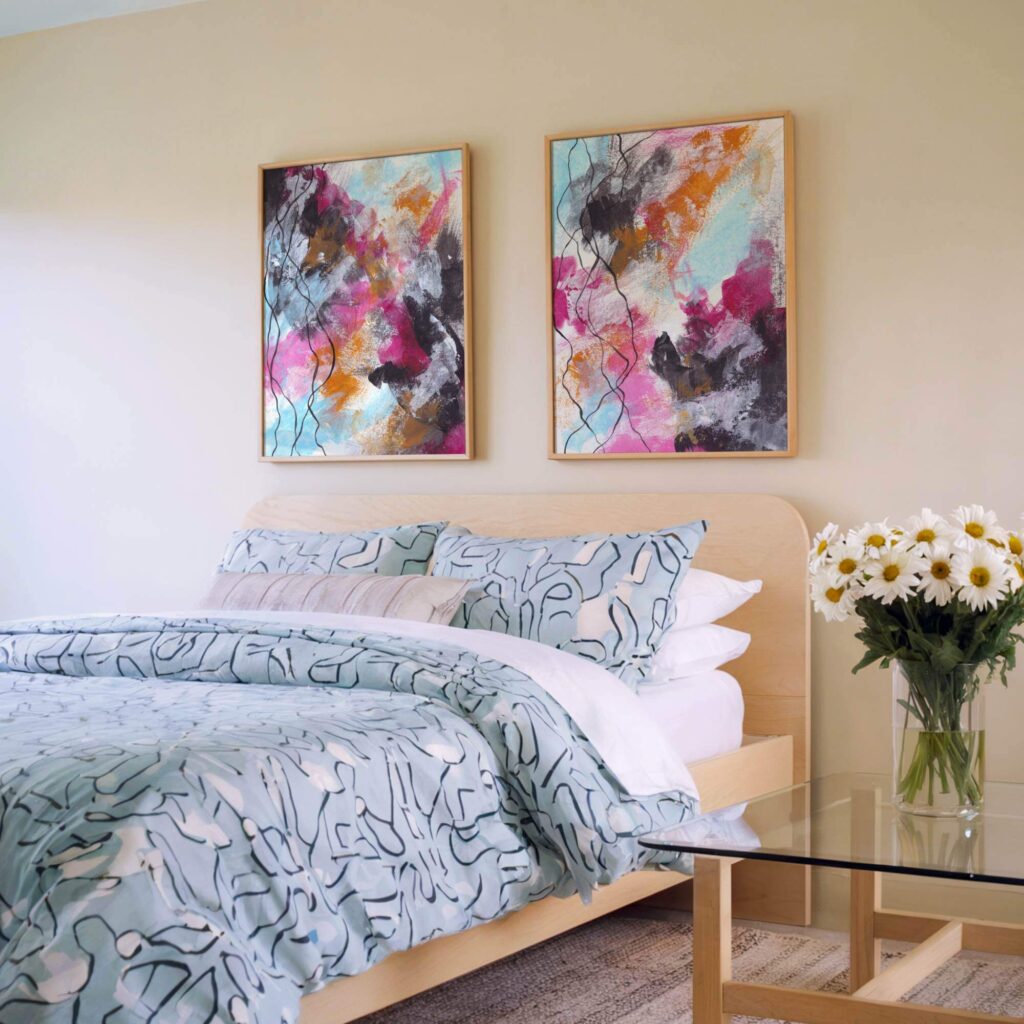
These are the most intimate environments. Art here should support rest, recovery, and privacy.
 
Abstract works with balanced composition, layered texture, and controlled colour palettes help guests settle quickly. They signal safety, care, and intention without imposing a theme.
 
In these spaces, art functions less as statement and more as regulation.

Spas and Wellness Areas

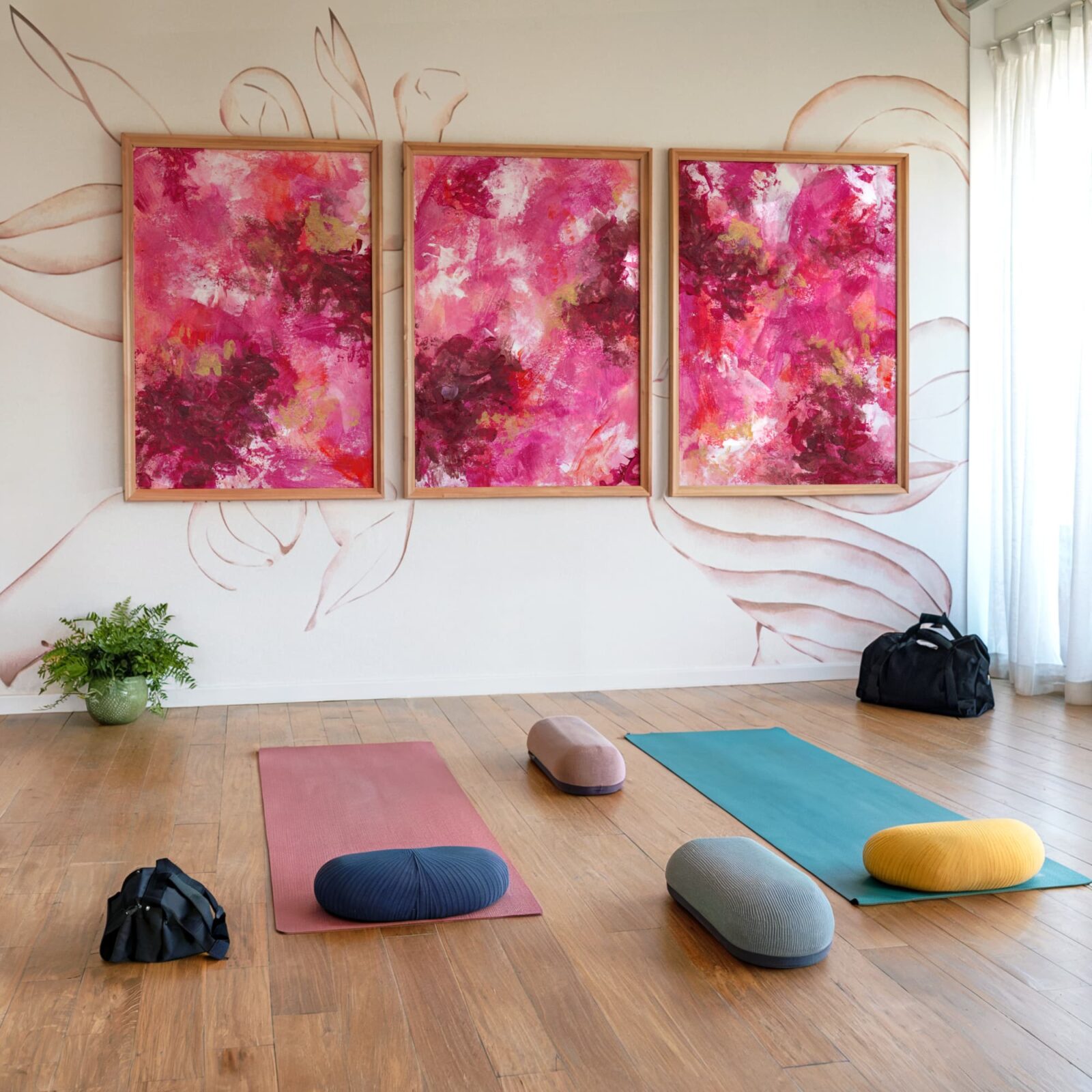
In wellness environments, art becomes part of the treatment.
 
Fluid forms, organic movement, and visual rhythms inspired by nature or breath deepen relaxation. When chosen well, artwork can slow perception and support the body’s shift into rest.
 
This is where emotionally intelligent placement matters more than scale or impact.

Dining and Lounge Spaces

Social spaces benefit from gentle activation.
 
Art here can encourage conversation, curiosity, and connection without tipping into stimulation. Stronger compositions can anchor a space while still allowing guests to remain present with each other.
 
The goal is atmosphere, not spectacle.

Lobbies and Transitional Spaces

First impressions form here.
 
A single well-chosen piece in a lobby often communicates more about a hotel’s values than any written copy. Calm authority. Confidence. Restraint.
 
This is where art becomes brand language.

Emotional ROI: Why Art Creates Loyalty, Not Just Aesthetics

Most hospitality conversations focus on financial return. Occupancy rates. Reviews. Revenue per room.
 
But emotional return is what creates loyalty.
 
When guests feel held by a space, they return.
When they feel regulated rather than overstimulated, they recommend.
When the environment supports their nervous system, they remember.
 
Art that holds presence gives a hotel gravity. It attracts guests who value experience over novelty. These guests stay longer, spend more, and talk about the space differently.
 
This distinction between surface luxury and lasting value is central to what makes art truly luxury, where depth, intention, and longevity matter more than visual impact.

Art as Brand Language in Luxury Hospitality

Hotels often rely on logos, colour palettes, and typography to communicate brand identity.
 
Art can do this work far more quietly and effectively.
 
Thoughtfully curated art can signal:
    • emotional intelligence
    • sustainability and integrity
    • independence from mass-market design
    • commitment to experience rather than trend
When guests feel this alignment, it becomes part of their story of the stay. The art does not announce itself. It embeds itself.
 
This is where art becomes strategy rather than decoration.

Why Curation Matters More Than Browsing for Hotels

Hospitality environments rarely benefit from browsing public collections.
 
Hotels require consistency across spaces, tonal alignment with interiors, and scalability without repetition. This is why art for hotels is most effectively selected through private curation.
 
Works chosen from an existing archive allow for:
    • emotional continuity across rooms and zones
    • discretion and control over placement
    • adaptation without starting from scratch
    • alignment with brand and architecture
This approach is central to how pieces are selected from the Collector’s Vault, a private archive of canvas works curated for presence, scale, and spatial intelligence.

How Luxury Hotels Typically Select Art

In practice, art acquisition for hotels follows a different rhythm than residential or gallery purchasing.
 
The process usually involves:
    • defining the emotional intention of the space
    • identifying where art should regulate, anchor, or activate
    • curating works that support those intentions
    • ensuring consistency across multiple environments
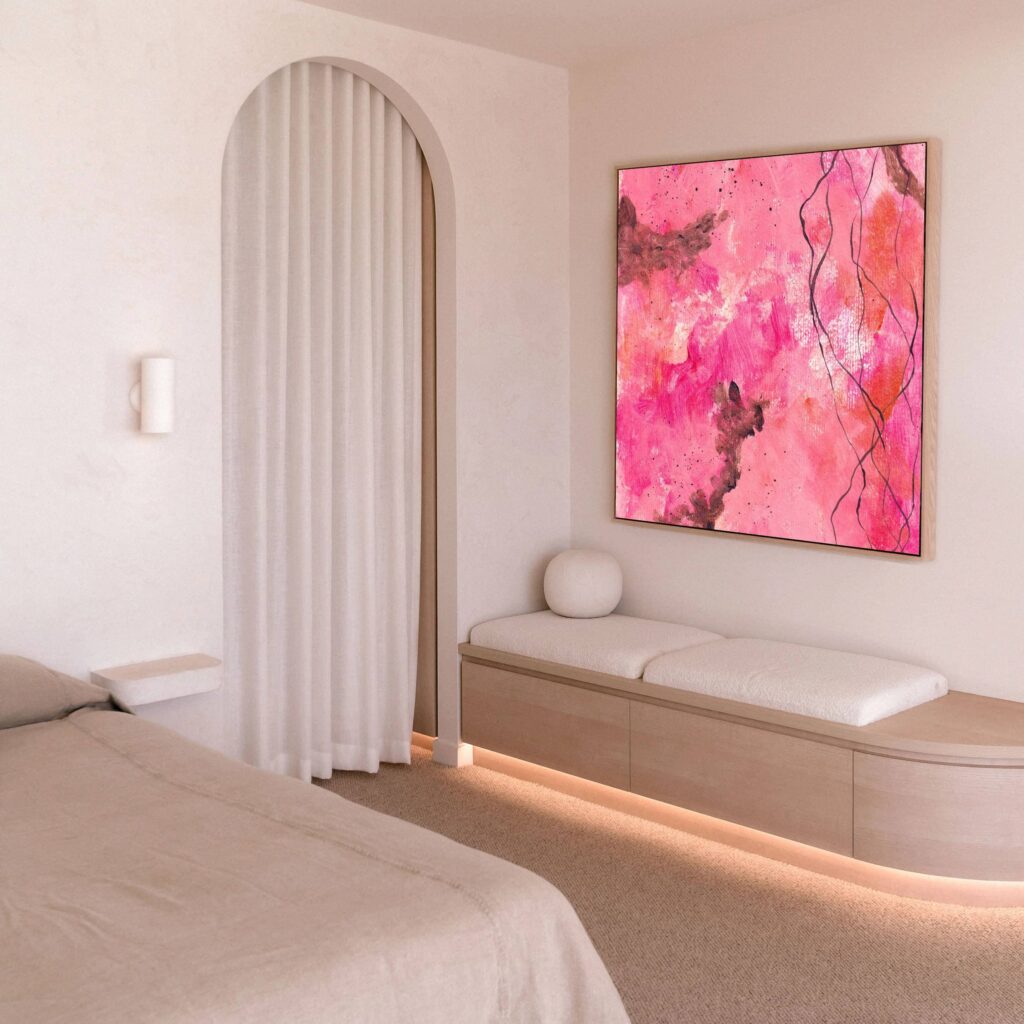
This is not about filling walls. It is about shaping experience.
 
For hotels and boutique stays seeking a considered, non-performative approach to placement, this process is reflected in how I work with art for luxury hotels and boutique stays, where curation and discretion come first.

The Difference Between Decorative Art and Art With Presence

Decorative art is designed to disappear.
 
Art with presence continues to work long after installation. It holds emotional weight. It supports the environment rather than fading into it.
 
Over time, this difference becomes obvious.
 
Decorative work blends into the background noise. Art with presence becomes part of the space’s identity.
 
Longevity, material integrity, and production quality all contribute to this effect. These factors are explored further in how long a high-quality art print should actually last, particularly in environments with constant use and exposure.


People Don’t Remember the Art. They Remember the Feeling It Gave Them.

Luxury hotels that understand this are redefining hospitality.
 
They are not upgrading décor. They are upgrading emotional experience.
 
When art is chosen with care, restraint, and intelligence, it becomes part of the stay itself. It holds the space quietly. It supports presence. And it stays with guests long after they leave.

FAQs: Art for Luxury Hotels and Hospitality Spaces

How do hotels choose art that won’t date quickly?

By prioritising emotional tone and material quality over trend. Art chosen for presence rather than fashion remains relevant for far longer.

Is abstract art suitable for all hotel spaces?

Yes, when curated correctly. Abstract art adapts to different zones without imposing narrative, making it ideal for hospitality environments.

Can the same artwork be used across multiple rooms?

Yes. Consistency often strengthens brand identity, provided scale, placement, and tone are handled with care.

Does art really affect guest satisfaction?

Visual environments influence emotional regulation and perception. Guests may not articulate it, but they feel when a space has been designed with intention.

Should hotel art reflect local culture or stay neutral?

Both approaches can work. What matters is coherence. Art should align with the hotel’s identity and emotional promise.

Is custom art always better than curated works?

Not necessarily. Curated works from an existing archive often provide greater consistency, faster implementation, and clearer alignment.

How important is material quality in hospitality art?

Extremely. Hotels place high demands on durability, longevity, and finish. Poor quality becomes visible quickly.

What is the biggest mistake hotels make with art?

Treating it as an afterthought. Art works best when integrated early into spatial and emotional planning.