fbpx

Why Movement Is the Only Workplace Wellbeing Strategy That Works
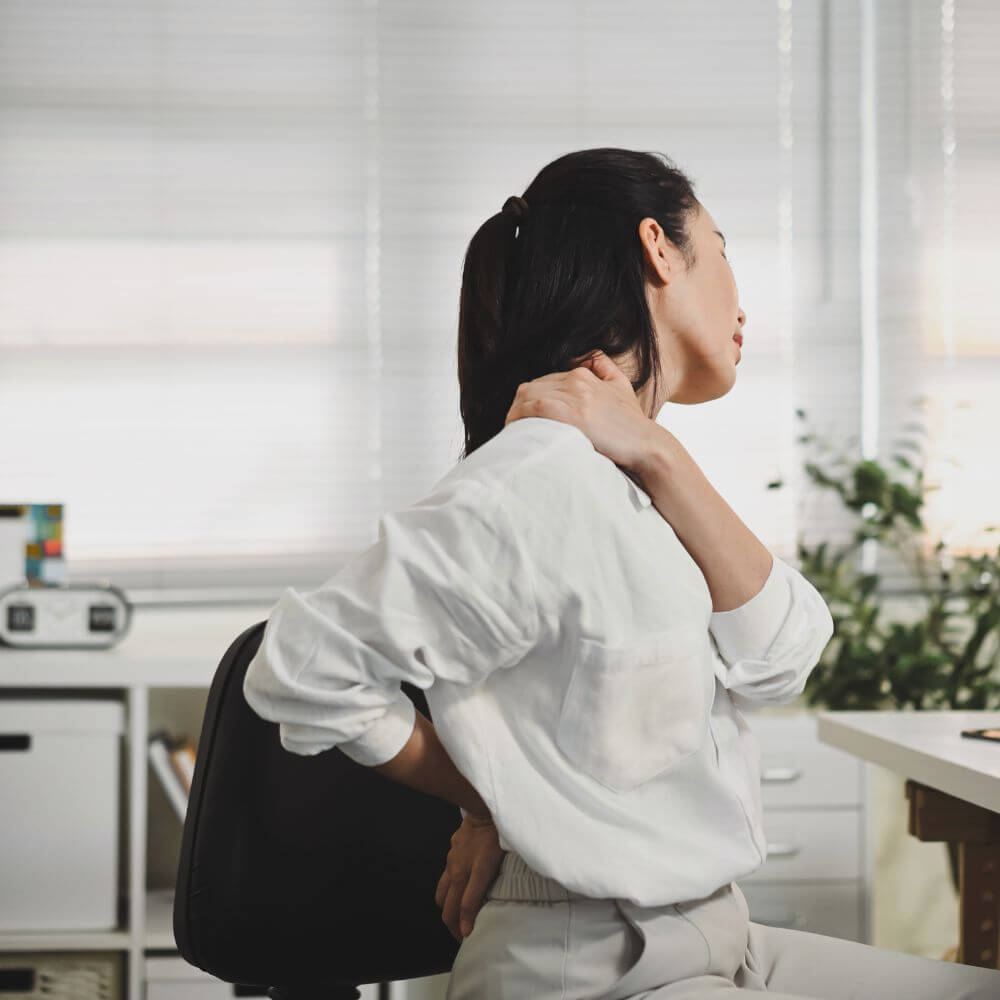
Workplaces love the idea of wellbeing. They love posters about mindfulness, branded water bottles, resilience talks that politely avoid the fact that everyone is quietly falling apart, and the annual budget line that tries to cover an entire year of chronic sitting with one afternoon of chair yoga. The problem is simple. None of these things deal with the physical reality of what work actually looks like in 2025.
 
People sit. A lot.
 
They sit through emails, calls, meetings, deadlines, presentations, lunch breaks, and the occasional existential crisis. They sit their way through stress, boredom, pressure, and the gradual collapse of their posture. Then they go home and wonder why their back hurts, their breathing feels shallow, and their focus evaporates by mid-afternoon.
 
The truth is boring but unavoidable: the human body isn’t built for modern work. Our nervous system is resilient, but it isn’t designed to spend ten hours a day at a desk. Movement isn’t a nice-to-have. It is the only intervention that actually changes how people feel, think, and function.
 
Sit Happens was built because workplaces don’t need more noise. They need structure, practical movement, and a reset that acknowledges the reality of how people live in their bodies. When you change the way people move, you change the way they work. No drama. No gimmicks. No fluorescent yoga-socks energy. Just real humans doing real movement and actually feeling better for it.
 
This is the guide I wish every workplace would read before spending money on the next wellbeing initiative that doesn’t survive beyond the launch email.

Sitting isn’t neutral: it’s a physiological stressor

We talk about sitting like it’s an absence of activity. Something neutral. Something that simply “happens”. But sitting isn’t neutral. It’s a physiological shape that influences everything from your breathing to your mood.
 
A seated body shifts weight into the lower back and pelvis, shortens the hip flexors, rounds the upper spine, and asks the neck to lean forward in a position that feels suspiciously like stress. None of this is life-threatening, obviously. But over time, it adds up. Muscles tighten. Breathing becomes shallow. Circulation slows. Shoulders move into a pattern that could be politely described as “folded human”.
 
People often say things like “I didn’t do anything today” when they’ve been sitting for eight hours. But sitting is very much doing something. It’s a shape, a habit, and a long-term pattern that leaves the body feeling flat, static, foggy, or just slightly wrong.
 
This is why movement in the workplace isn’t an aesthetic choice or a perk. It is a physiological correction. You can’t mindset your way out of tight hip flexors and collapsed ribs. You have to move. You have to undo the shape you’ve been stuck in. No app will fix this.

Why exercise outside of work doesn’t undo hours of sitting
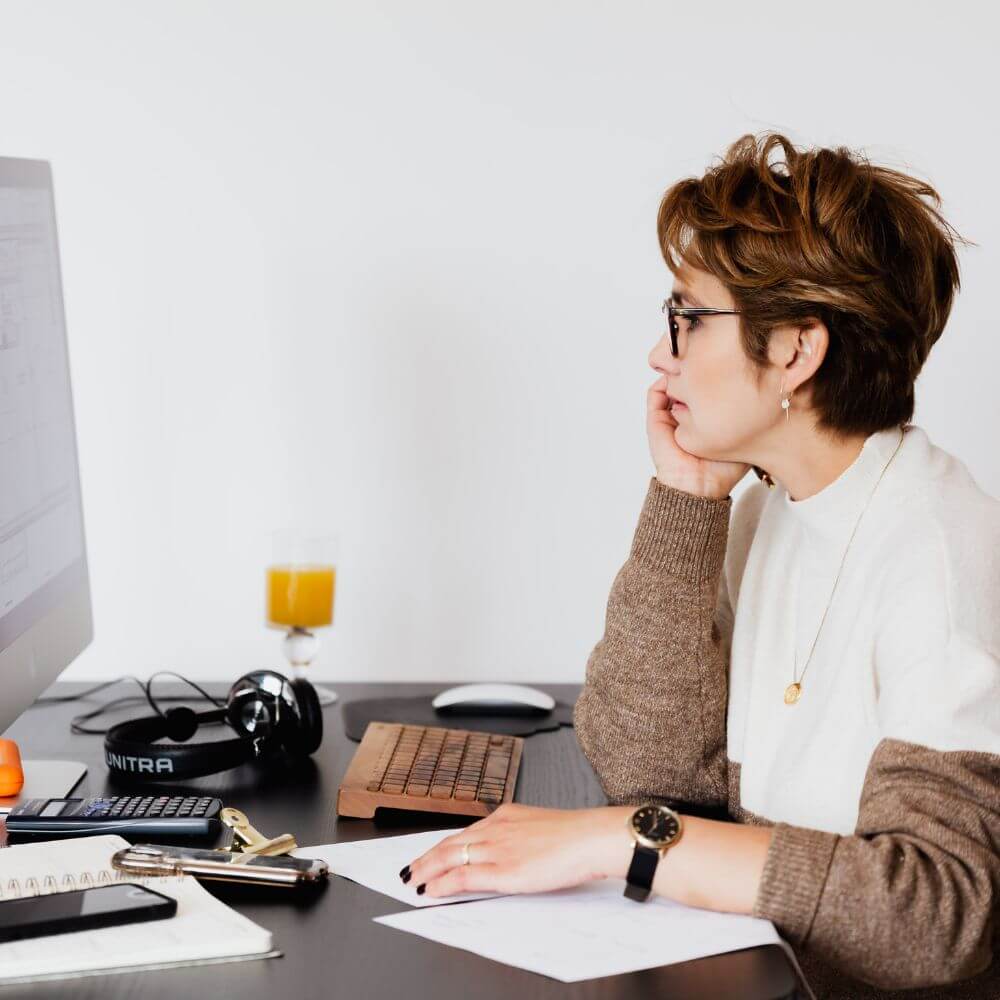
One of the biggest myths in wellbeing is the idea that people can “offset” long hours of sitting with an hour of exercise. I say this as someone who has spent most of their life training hard, teaching movement, recovering from injuries, and living inside physical practice. Exercise is brilliant. It just doesn’t undo ten hours of immobilisation.
 
The nervous system doesn’t work on a “balance sheet”. You can’t sit frozen all day and then solve it with a workout. Movement needs to be integrated across the day so the body doesn’t collapse into one shape for too long.
 
This is why workplaces need daily movement, not one-off classes. The human body thrives on regular resets. Standing up. Stretching. Changing positions. Breathing properly. Anchoring the spine. Releasing tension before it becomes chronic.
 
Exercise is great for strength, fitness, and confidence. But it won’t fix workplace bodies that are stuck in one shape for years. Only movement in the workplace itself can do that.

The cognitive cost of sitting all day

People don’t realise how much their body influences their mind. You can’t separate them. Your posture affects your breath, and your breath affects your nervous system, and your nervous system affects your ability to focus, think clearly, and regulate your emotions.
 
When people sit for hours, their breathing subtly shifts upward into the chest. Ribs narrow. The diaphragm stops doing its job. The body enters a low-level stress state without meaning to. This doesn’t cause panic, obviously, but it creates fog, fatigue, irritability, and a general sense of being “slightly off”.
 
You can recognise this version of yourself. Tired but wired. Brain busy but unproductive. Energy low but mind overstimulated. Emails harder than they should be. Small tasks suddenly unreasonable.
 
Movement resets the entire system. It drops the breath back where it belongs. It releases the spine. It restores blood flow to the brain. It gives you back the clarity that disappeared somewhere around the third hour of sitting.
 
Workplaces often focus on productivity tools. The real productivity tool is a body that can breathe.

Posture affects confidence, communication, and presence

We think posture is cosmetic. It isn’t. It shapes how we feel internally. When your shoulders are rounded, chest compressed, and neck forward, your body is giving your brain information. That information usually sounds like: “I’m tired, overwhelmed, not fully here, and possibly done with everyone.”
 
Not ideal for meetings.
 
Movement changes posture by waking up the muscles that hold you upright. It’s not about standing like a superhero or performing confidence. It’s about creating enough space in your body that you can think, speak, and communicate like an adult who isn’t collapsing at the spine.
 
Employees who move regularly look more present, speak more clearly, and recover faster from stress because their bodies aren’t sending constant signals of fatigue. It’s basic physiology, not personal character.

Why most workplace wellbeing fails

There is nothing wrong with mindfulness apps or wellness talks. They’re just not the main problem. The main problem is physical immobility.
 
Most workplace wellbeing fails because it tries to treat symptoms without addressing the cause.
 
Symptoms: burnout, overwhelm, lack of focus, irritability, and anxiety.
Cause: nervous systems stuck in a physical pattern of tension and stillness.
 
Most wellbeing offerings are designed to feel nice, not work well. They’re soft, gentle, and largely decorative. People enjoy them, but nothing actually changes in their posture, breathing, or baseline resilience.
 
You cannot think your way into a regulated nervous system if your body is locked in a shape that tells your brain you’re under pressure. Movement addresses the root, not the surface.

Why movement is the only intervention that consistently works

Movement is one of the few things that reliably works for every human body, regardless of age, stress level, job role, fitness background, or personality. Not because it’s inspirational or energising or whatever wellbeing brochures love to claim, but because movement directly changes the physiology that drives how we think, feel, and cope.
 
When someone moves, their breathing deepens without forcing it. Their spine decompresses. Their shoulders release patterns they didn’t even know they were carrying. Blood flow increases. The diaphragm stops strangling itself. The nervous system gets the message that things are safe again. The chemical cascade that was quietly keeping them in a low-grade state of “survive until lunch” finally stops. All of this happens without drama. It just needs consistent physical input.
 
This is why movement isn’t a perk. It’s not a nice bonus for teams who “deserve it”. It’s a practical intervention that corrects the underlying environment people are working in. You can have the best intentions and the most compassionate HR policies in the world, but if people spend the majority of their day in a collapsed, compressed, static posture, their brain will interpret their entire workday as pressure.
 
Movement is the lever that lifts the whole system. It’s the thing that makes everything else possible: better conversations, clearer thinking, calmer reactions, actual presence. You cannot train people to be emotionally regulated or highly focused if their body is locked into a shape that signals the opposite. Movement unlocks the door. Everything else becomes easier once that door is open.

What actually happens in a workplace that moves regularly

You can feel the difference immediately when you walk into a workplace where movement is normal. There’s a sense of steadiness. People are less braced. They’re not crouched over keyboards like they’re preparing for impact. The room doesn’t carry that low, heavy tension that builds up in offices where everyone has silently surrendered to the shape of their chairs.
 
Teams that move regularly don’t become shiny wellbeing poster children. They become functional adults again. They have more energy left by midday instead of mentally checking out by eleven. Meetings run smoother because people aren’t physically exhausted before the meeting even begins. There’s less defensiveness because their nervous system isn’t sitting at a simmering level of background stress. They recover faster from frustration because their body actually has the physiological capacity to let it go.
 
It’s not about turning workplaces into gyms. It’s about restoring basic human mechanics so people can think clearly. When employees are physically supported, the emotional atmosphere changes. Work stops feeling like a marathon and starts feeling manageable. People finally have room to breathe, and that alone will change team culture faster than any away day.

Why the 12-week reset actually works

Sit Happens wasn’t built as a drop-in class or a one-off energiser. It was structured as a 12-week reset because bodies don’t change under one-hour interventions. They change under consistent patterns. And most people haven’t had a consistent movement pattern since they left school.
 
Across the 12 weeks, people learn things they should have been taught decades ago but weren’t. They learn what healthy breathing feels like, not the shallow panic-breathing they’ve normalised. They learn how to stabilise their spine without strain. They learn how to release a stiff neck before it becomes a migraine. They learn how to warm up their hips and undo the seated shape before sitting even becomes a problem.
 
And the best part is that these aren’t dramatic exercises. They’re simple, progressive, and designed for the body you actually have, not the fantasy body corporate wellness tends to assume. Everything is slow enough that people stay present, but challenging enough that they realise their body is still capable of strength and stability. It builds confidence in a very grounded way.
 
By the end of the 12 weeks, people feel like someone has quietly handed them back their body. They stand differently. They breathe differently. Their spine behaves differently. They stop bracing throughout the whole workday. They recognise early signs of physical stress and know how to correct it. This is the point where wellbeing finally stops being a theory and becomes a practical reality.

What movement culture looks like when it isn’t forced

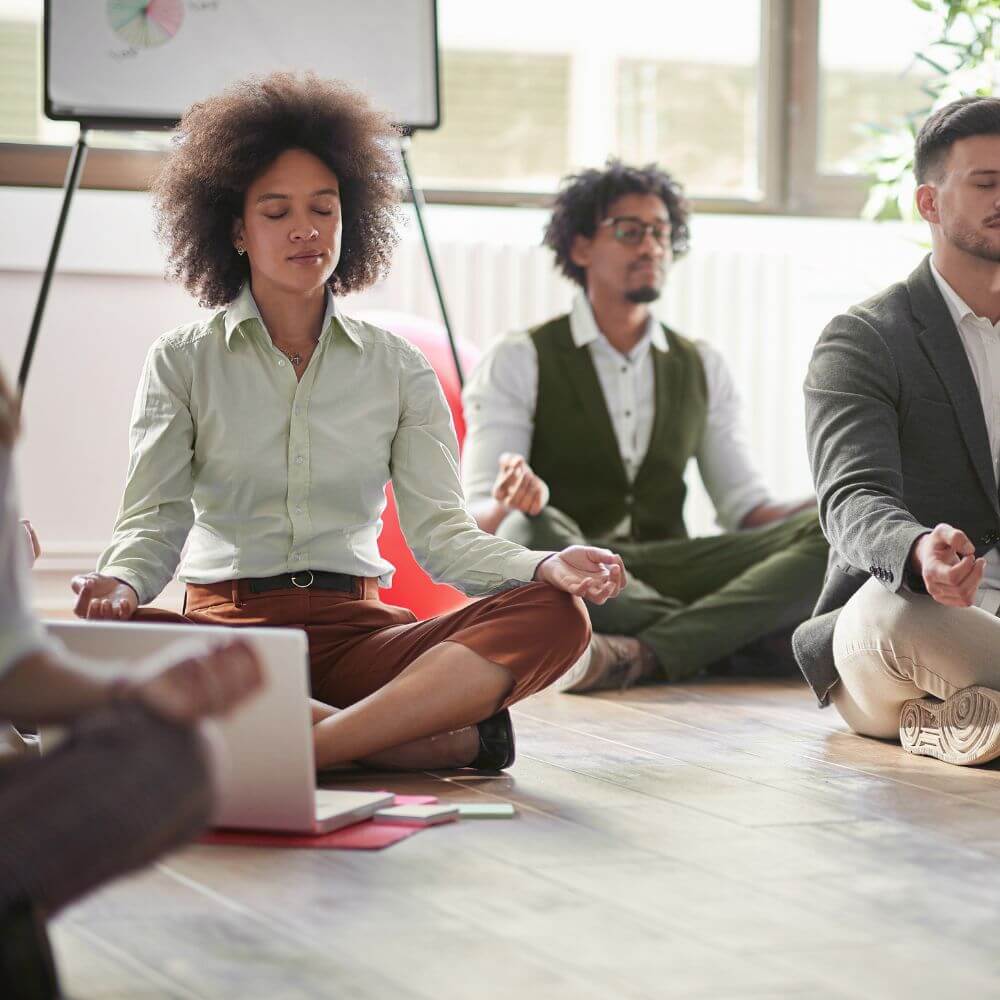
Movement culture is often misunderstood because companies picture something theatrical: a morning routine everyone pretends to enjoy, branded mats, team-building stretch circles, or activities that feel like they belong in a corporate retreat rather than an actual workplace.
 
Real movement culture is quieter. It’s woven into the day rather than announced on a schedule. It looks like people are standing up whenever they need to, without feeling awkward. It looks like teams shifting position before long meetings because they know their brain will function better. It looks like leaders understand that the most productive environment is one where people aren’t physically collapsing into themselves.
 
It’s subtle. It’s adult. It’s practical. And when it becomes normal, the workplace becomes calmer almost overnight. People start self-regulating because their bodies finally have the capacity to do it. Movement becomes part of how they transition between tasks, how they reset after stress, and how they prevent energy dips rather than crashing into them.
 
This is what Sit Happens is designed to create: not a programme people attend, but a cultural shift that quietly changes how everyone works.

What Sit Happens is (and what it isn’t)

Sit Happens is not wellness theatre. It’s not designed to impress stakeholders, tick boxes, or produce a glossy wellbeing report. It is deliberately stripped of the usual fluff because none of that helps people who are physically exhausted, mentally stretched, or just trying to get through the week without feeling like their spine is made of damp cardboard.
 
It’s not yoga in disguise, although the breath and grounding are informed by the discipline.
 
It’s not Pilates with corporate branding slapped on top, although the structure and strength principles are there.
 
It’s not a fitness class pretending to be mindful.
 
And it’s definitely not a team-building session where everyone has to smile through stretches they don’t actually enjoy.
 
Sit Happens is movement for people who spend their lives sitting, thinking, managing, coping, and carrying invisible loads. It is movement that respects the fact that adults don’t need to be entertained; they need to function. It’s straight-talking, physically intelligent, and designed by someone who has lived through injury, recovery, high-performance training, and the very real process of rebuilding a body that’s been pushed too far.
 
What it is is a reset. A recalibration. A way of giving people the physiological foundation to actually feel like themselves again. Work becomes easier when your body isn’t quietly fighting you.

Conclusion

Most wellbeing strategies try to fix people’s minds without touching their bodies. It’s an impossible equation. You cannot think clearly in a body that’s hunched, braced, under-oxygenated, and running on low-level pressure. You cannot regulate your emotions if your posture is telling your brain you’re overwhelmed. You cannot be productive if your spine has given up by lunchtime.
 
Movement is the only intervention that resets the whole system. It drops people back into themselves. It restores clarity. It gives teams a fighting chance of feeling good at work rather than merely coping with work. And it does all of this without needing a theme, a hashtag, or a five-year wellbeing plan.
 
If your workplace is full of tired bodies, foggy heads, shallow breathing, and people doing their best with what they have, movement is not optional. It’s the foundation.
 
Sit Happens offers the reset that corrects the cause, not the symptoms. Start with the 2.5-hour intro session. Your team will feel the shift before the session even ends.

Frequently Asked Questions

Why does movement matter more than other wellbeing strategies?

Because movement changes the physiology underneath stress. When people sit for long hours, their posture, breathing, and nervous system all shift into compensation. No amount of apps, talks, or motivation can override a nervous system that believes it’s under physical load. Movement resets the system so everything else becomes easier.

We already offer yoga, meditation, and a wellbeing app. Isn’t that enough?

Helpful, but not enough. Most wellbeing tools are passive or mental. They don’t undo the physical shape people sit in all day. Movement isn’t about calm vibes. It’s about correcting the mechanics that drive fatigue, fog, and irritability. Without that, everything else works at half capacity.

What makes Sit Happens different from a standard yoga or Pilates class?

It’s structured specifically for workplace bodies, not fitness environments. It’s slow, controlled, and built to unwind the exact patterns caused by prolonged sitting. No spiritual theatrics. No choreography. No pretending it’s a workout. It’s movement for adults who sit for a living.

Will employees need to be fit or flexible?

No. Sit Happens works for people who haven’t moved much in years, people with injuries, or people who already train. The focus is on usable strength, breath mechanics, and functional mobility, not performance.

How soon do teams feel the benefits?

Usually within a single session. Breath improves first. Then the spine feels lighter. Then people notice they’re thinking more clearly. The 12-week structure makes these changes stable rather than temporary.

Is movement disruptive to the workday?

No. It’s the opposite. Teams lose more time to fog, fatigue, and burnout than they ever will to structured movement. A workplace that moves regularly gains clarity, energy, and efficiency.

What happens in the 2.5 hour intro session?

Teams learn practical movement, breathing, and postural resets they can use immediately. It sets the foundation for the 12-week reset and shows people how much better their body can feel with surprisingly simple interventions.

Is this suitable for hybrid and remote teams?

Yes. The sessions translate perfectly to home offices, living rooms, spare bedrooms, and even the occasional kitchen table setup. The body doesn’t care where you’re working. It cares that you move.