
Why Most Corporate Wellness Programs Fail After the First Quarter


The First Quarter Is a Honeymoon Phase, Not Proof
Wellness Is Treated as an Event, Stress Is a System
-
- 6–9 hours seated
- breathing shallowly
- compressing the spine
- absorbing cognitive demand without physical release
Attendance Drops Because the Body Stops Believing
-
- doesn’t reduce physical tension
- doesn’t change how the rest of the day feels
- doesn’t restore energy beyond a short window
- the body categorises it as noise.


Most Programs Collapse Under Q2 Pressure
-
- workload peaks
- sickness increases
- meetings multiply
- tolerance drops
-
- no cognitive overload
- no emotional performance
- no spiritual framing
- no “trying harder to relax”
Leadership Support Usually Quietly Withdraws
The Nervous System Needs Continuity, Not Motivation
-
- consistent exposure
- predictable rhythm
- physical reinforcement
- enough time for the baseline to shift
Why Companies Misdiagnose the Failure

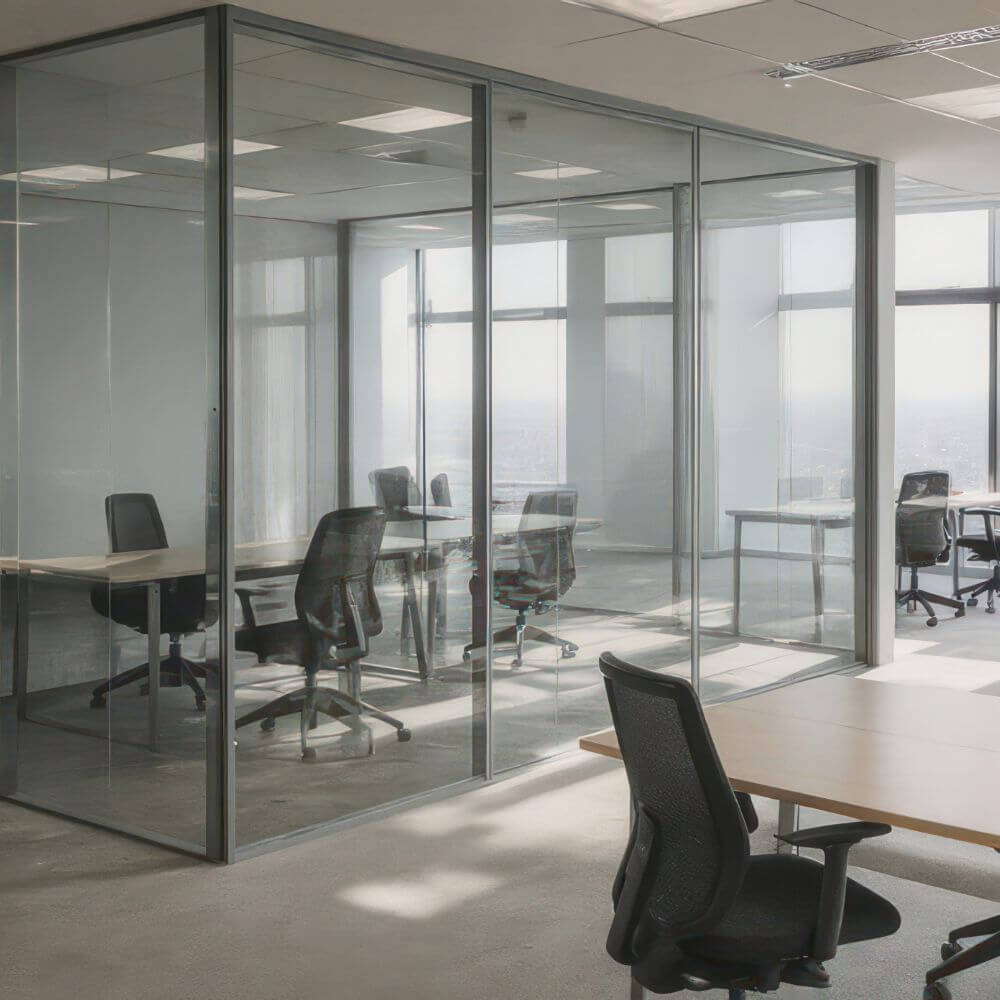
What Actually Survives Beyond the First Quarter
-
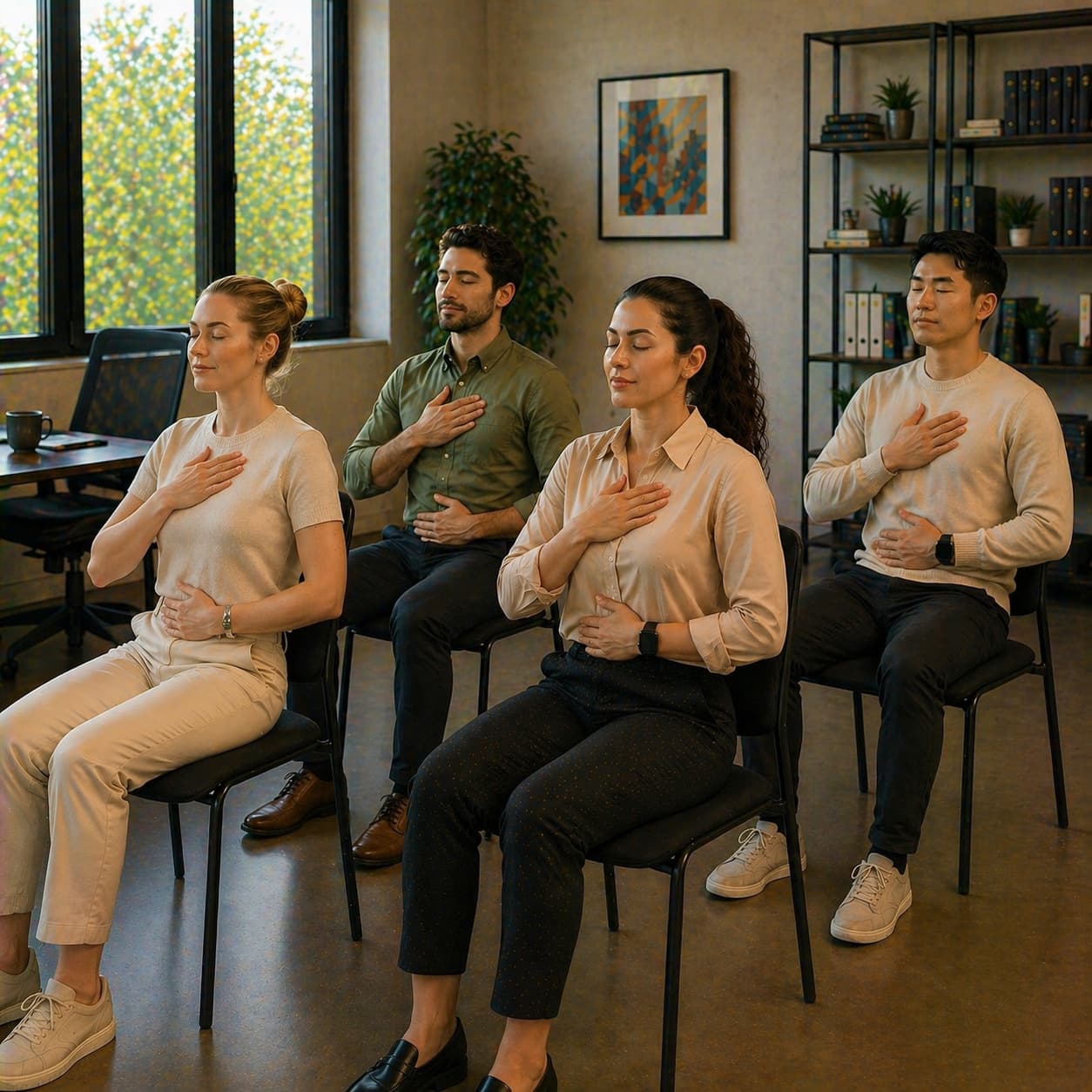
- They happen in the actual workspace
- They reduce tension immediately
- They don’t require belief or disclosure
- They are physically grounding before they are reflective
- They are protected structurally, not rhetorically
- They feel less like “wellbeing” and more like maintenance.
Why Sit Happens Doesn’t Collapse After the First Quarter
Why Sit Happens Is Built for the "Second Quarter"
-
- outlast novelty
- survive workload spikes
- reduce tension without performance
- recalibrate teams physically, not motivationally
Final Thought

Frequently Asked Questions
Because they rely on novelty, not change. January optimism carries them for a few weeks, but once workload and pressure return, the body reverts to old patterns. Without physical regulation and structure, the program fades.
No, it’s just a bad time to judge success. Q1 makes everything look like it’s working. The real test is whether the program still holds when stress ramps up in March and April.
Attendance drops, sessions lose calendar protection, and leadership attention shifts back to output. The program becomes optional, and the nervous system stops taking it seriously.
Consistent physical regulation, reduced strain, and realistic recovery built into the working day help far more than one-off initiatives or optional extras.
No. People disengage when their bodies don’t feel a real shift. Engagement drops because the program isn’t reducing tension enough to justify the effort.
Because stress isn’t primarily cognitive. Without addressing posture, breath, and physical load, the nervous system stays on high alert no matter how much awareness is raised.
Consistency, physical grounding, and structural protection. Programs that reduce load rather than add tasks are the ones that survive the second quarter.
Long enough for the nervous system to reset its baseline. That usually means 8-12 weeks of consistent, embodied work, not one-off sessions.
That motivation creates change. In reality, repetition and safety do. The body changes first. Behaviour follows.
It works with the body first. There’s no app, no homework, no performance layer. The sessions reset posture, breath, and nervous system regulation inside the working day itself.
Because it doesn’t rely on motivation. The program changes physical patterns through repetition, which is why teams still feel the impact when pressure increases later in the year.