
Why Stillness Is Hard for Children Without Prior Movement
The Expectation That Comes Too Early
Adults often expect children to sit still before they have earned the capacity to do so.
We ask for quiet concentration in classrooms. We expect calm transitions at home. We want focus during homework, meals and structured activities. When children fidget, shift constantly or seem unable to settle, it is frequently interpreted as behavioural weakness or lack of discipline.
But stillness is not the starting point of development.
Stillness is the outcome of movement that has been integrated.
Without prior movement, asking for stillness is like asking for balance without first teaching weight shift.
TL;DR: The Short Version for Busy Parents
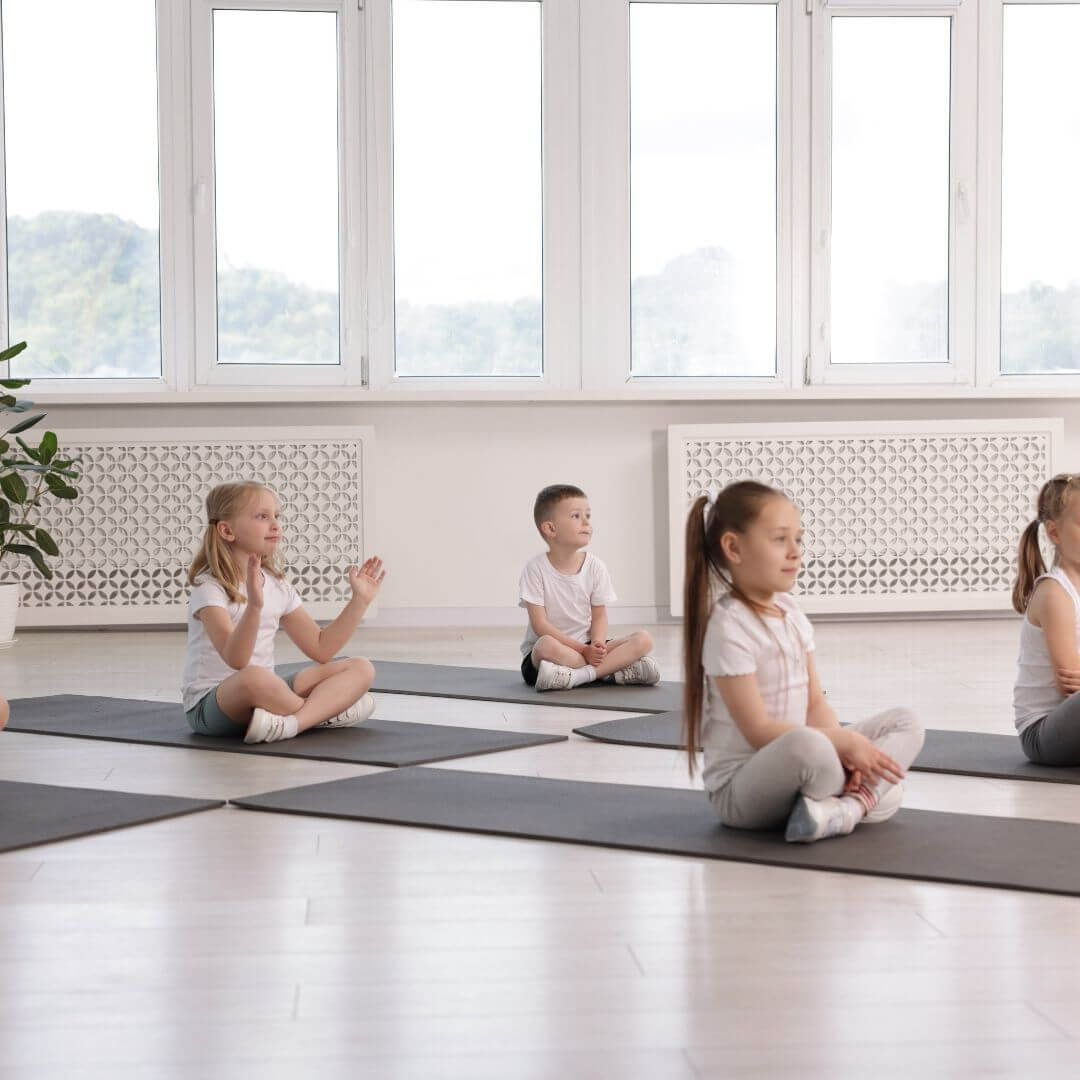
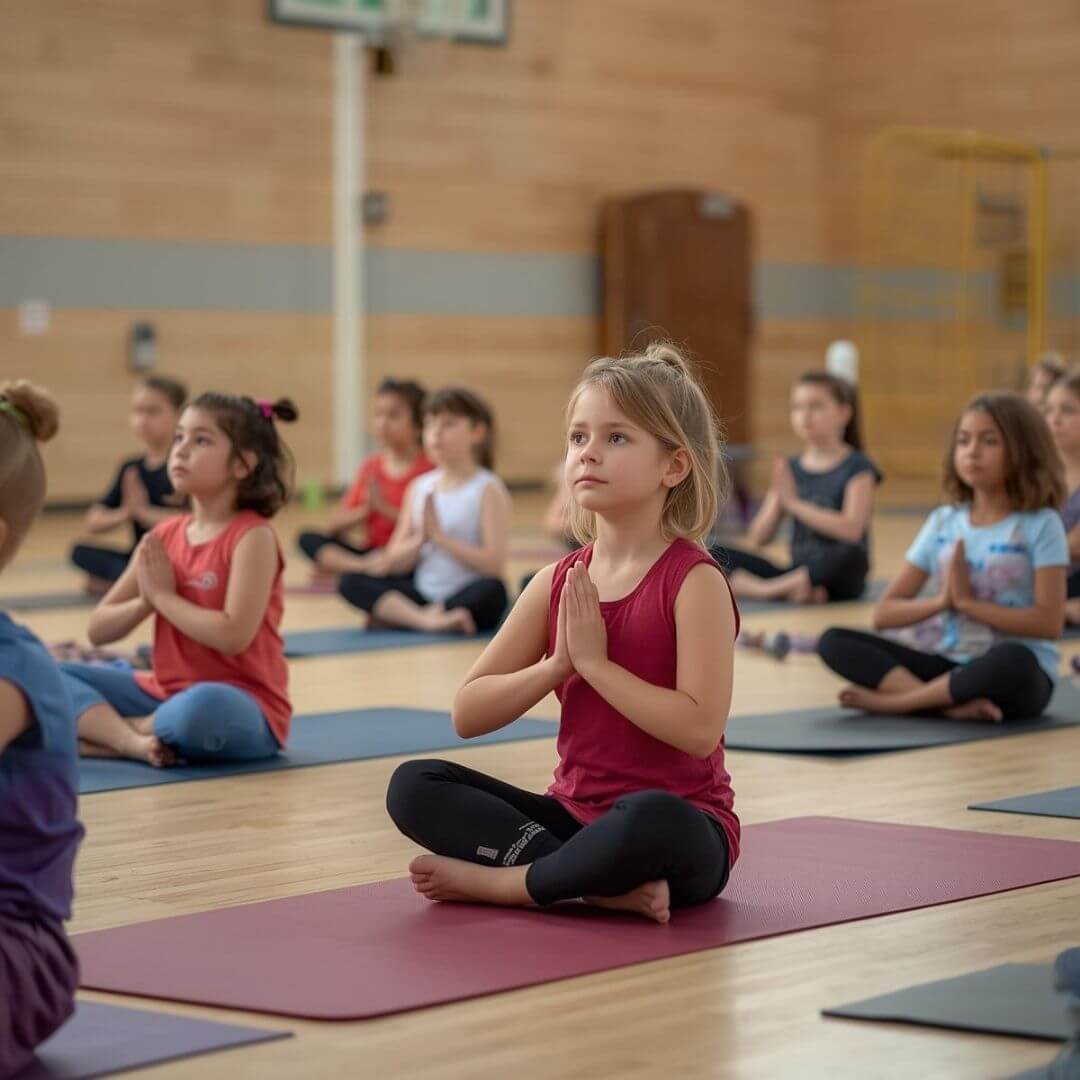
Children struggle with stillness when their bodies have not completed necessary movement cycles. Structured, layered movement builds regulation and proprioception, which makes calm sitting possible. Asking for stillness without prior movement often creates tension instead of focus.
Stillness Is a Nervous System Skill, Not a Moral One
When parents say a child “cannot sit still,” they are often describing nervous system dysregulation rather than defiance.
Movement helps regulate:
-
- Arousal levels
- Sensory input
- Proprioceptive awareness
- Emotional intensity
If a child’s body has not experienced structured, repetitive movement patterns, their system has not learned how to shift from activation into steadiness.
Children and stillness are deeply connected to how much safe movement they receive during the day.
Stillness is not something you demand. It is something the body learns.
Movement Comes Before Control
Motor development follows a sequence. Children first explore through:
-
- Running
- Rolling
- Jumping
- Climbing
- Swinging
Only later does control refine.
If children are required to sit for long stretches without adequate gross motor movement beforehand, the body remains in an activated state. That activation does not disappear simply because the environment becomes quiet.
This is why movement before stillness is not optional in development. It is foundational.
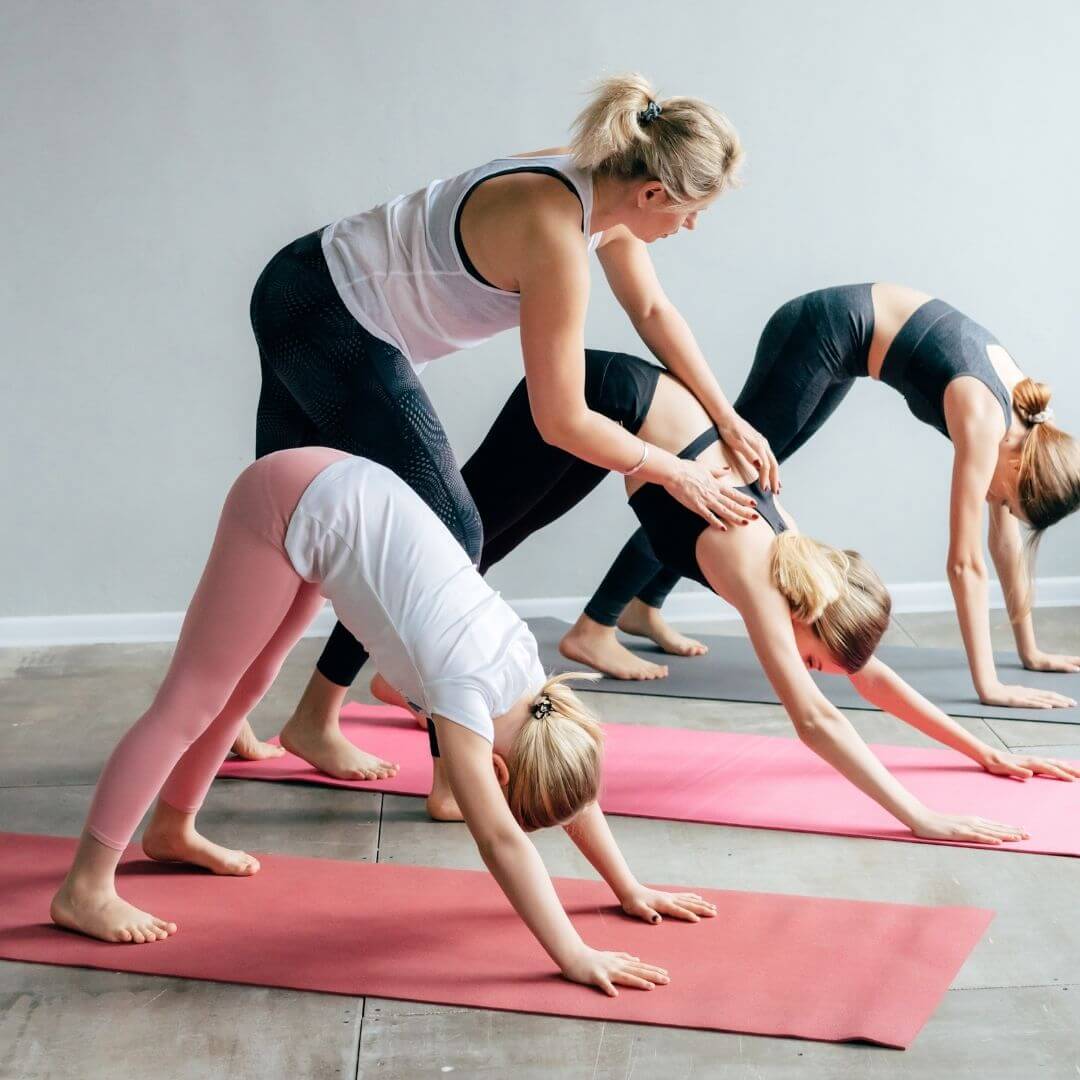
The principles behind this are visible clearly in structured programmes such as Yoga and Movement for Children, where physical literacy is layered intentionally rather than rushed.
When movement is sequenced properly, stillness begins to appear naturally.
Why Kids Struggle to Sit Still in Modern Environments
Modern childhood often includes:
-
- Extended screen time
- Reduced outdoor play
- Structured academic expectations
- Less unstructured physical exploration
This creates a paradox. Children are cognitively stimulated but physically under-stimulated.
When physical input is reduced, the nervous system often seeks stimulation through fidgeting, rocking, tapping, or constant shifting. Adults interpret this as a distraction.
In reality, it is self-regulation through micro-movement.
Without larger, more deliberate movement earlier in the day, children will create their own.
The Relationship Between Proprioception and Calm
Proprioception is the body’s internal awareness of where it is in space.
It develops through:
-
- Weight bearing
- Resistance
- Balanced challenge
- Controlled transitions
Children who receive consistent proprioceptive input tend to show greater body awareness and improved capacity for seated tasks.
Stillness requires internal body mapping.
Without movement, that mapping remains underdeveloped.
This is one reason structured children’s movement classes differ from casual activity. The sequencing matters. If you want to understand how that structure works in practice, What to Look for in a Children’s Movement Class (Beyond “Fun”) explores the markers that build real regulation rather than temporary exhaustion.
Exhaustion Is Not the Same as Regulation
Many adults assume that if a child “runs off energy,” they will automatically sit calmly afterwards.
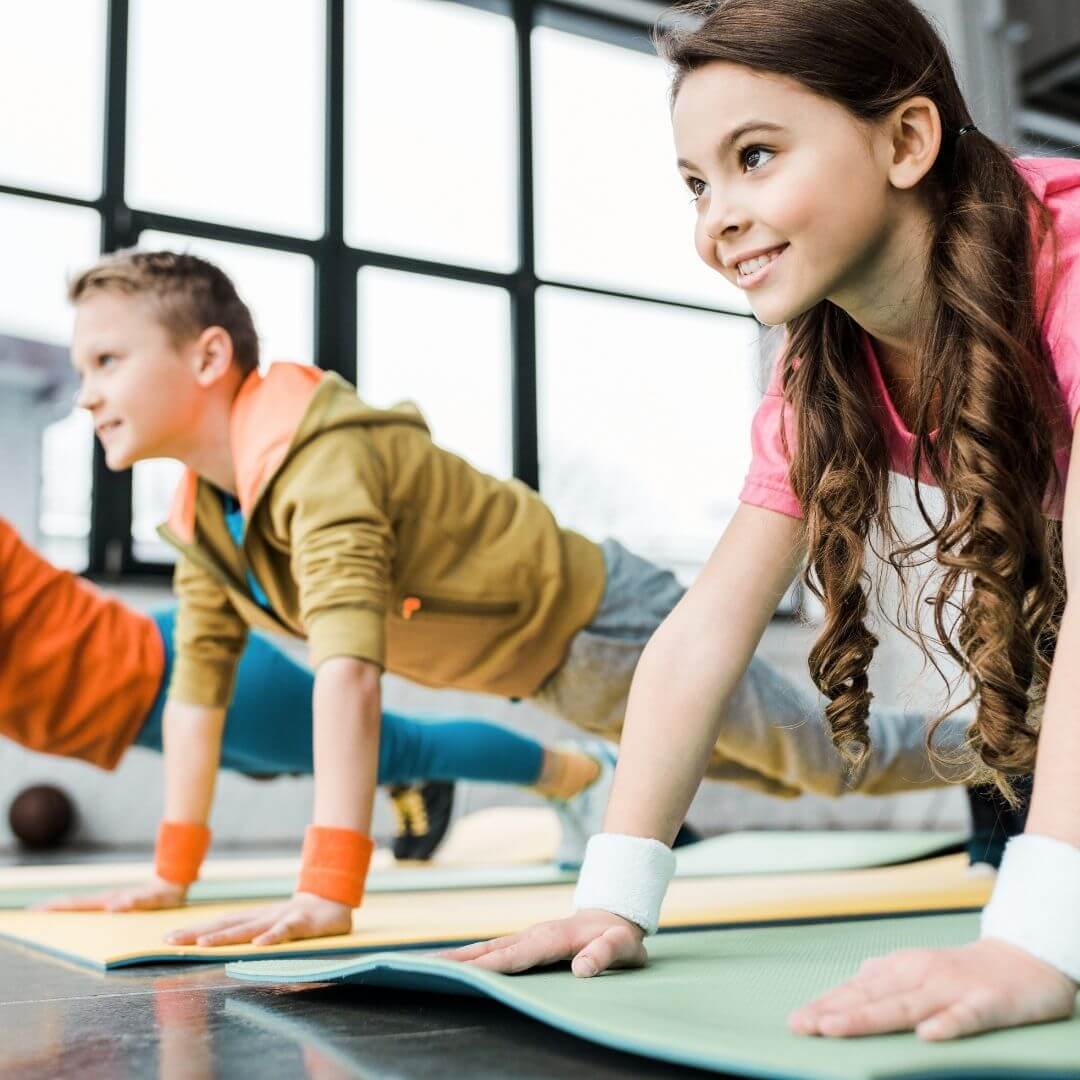
Sometimes this works temporarily. But exhaustion is not the same as nervous system integration. Chaotic movement can lead to further dysregulation. Structured movement builds control. Random movement may only increase activation.
Stillness becomes accessible when the body has experienced:
-
- Controlled challenge
- Coordinated transitions
- Rhythmic repetition
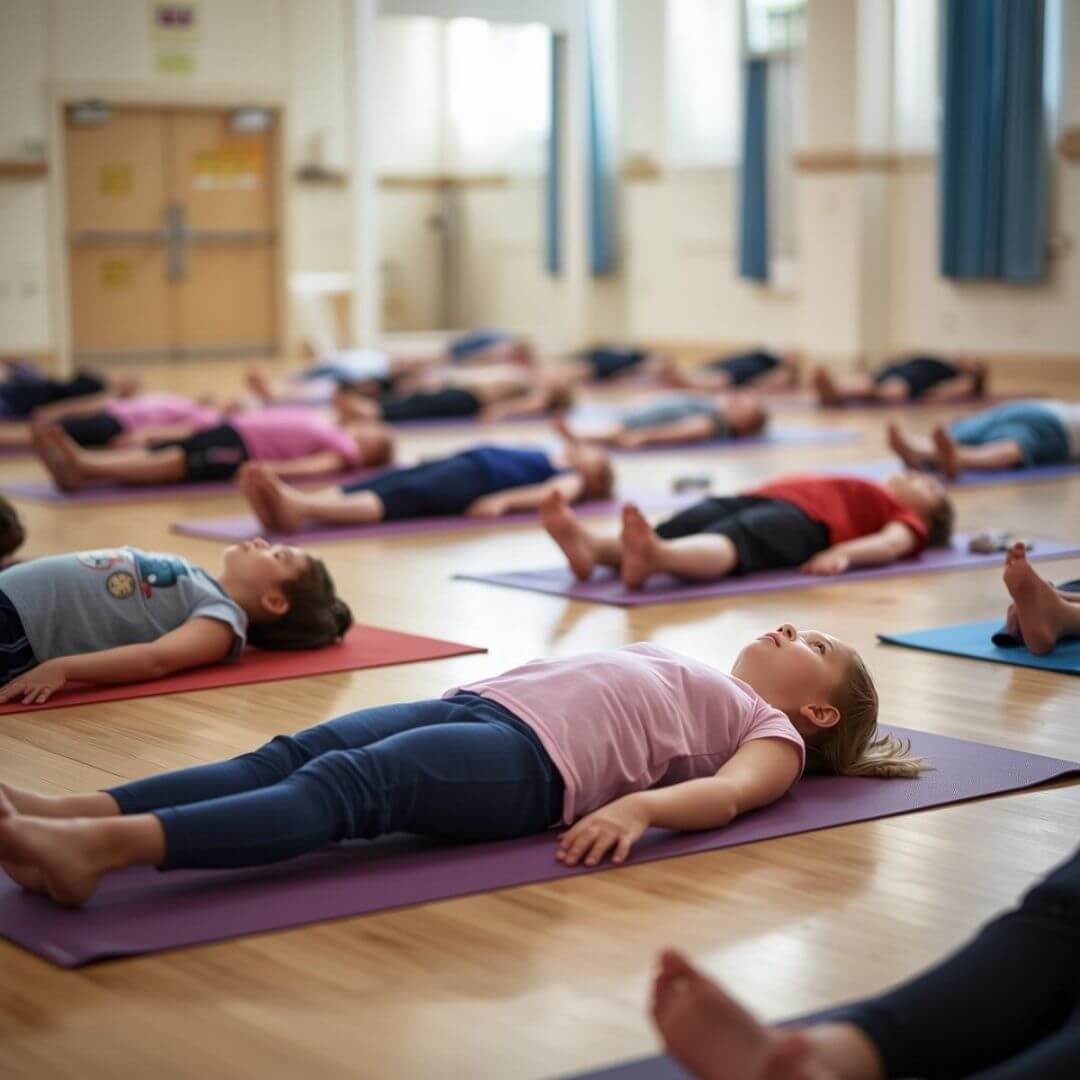
- Intentional deceleration
It is not about tiring children out. It is about teaching their bodies how to shift gears.
Stillness Is an Advanced Skill
Consider how adults train.
Before holding a plank position, you strengthen supporting muscles. Before meditation feels stable, breath control improves. Before balance becomes steady, weight transfer is practised.
Children follow the same logic. Stillness is advanced. It requires:
-
- Core stability
- Breath awareness
- Sensory integration
- Emotional regulation
Without prior movement, these systems are underdeveloped. When stillness is demanded prematurely, frustration increases on both sides.
What Happens When Movement Is Consistent
In environments where children receive regular structured movement:
-
- Fidgeting decreases gradually
- Posture improves
- Transitions become smoother
- Emotional reactivity reduces
- Focus duration extends
The change is rarely dramatic. It is incremental.
Parents often notice that children who attend consistent movement sessions demonstrate improved concentration not only during class but in homework and school settings as well.
If you are unsure what equipment or preparation structured classes require, What Equipment Do Children Need for Movement Classes outlines how simple the practical setup can be.
The barrier is rarely logistics. It is consistency.
Why Forcing Stillness Backfires
When stillness is forced without prior movement:
- Children internalise failure
- Adults escalate control
- Tension increases
- Attention fragments further
A child who feels constantly corrected for moving may begin to associate movement with wrongdoing.
Movement is not the problem. Untethered activation without integration is the problem. Stillness becomes accessible when movement is respected first.
The Role of the Environment
The environment shapes behaviour.
If children move from high-stimulation digital input directly into silent academic tasks, the nervous system struggles to downshift. Transitions matter.
Even five to ten minutes of structured movement before seated work can improve focus capacity.
The principle is simple:
Activation first. Integration second. Stillness third. Skipping steps rarely works.
What Movement Before Stillness Actually Looks Like at Home
It is easy to say “movement before stillness” and much harder to apply it at 4:45pm when everyone is tired, and homework is waiting.
In reality, this does not require elaborate equipment or two-hour activity blocks. It requires understanding the sequence.
If a child has been seated at school all day, travelled home in a car, and then is asked to sit immediately at a kitchen table, their body has not yet completed its activation cycle. The fidgeting that follows is not rebellion. It is an unfinished movement.
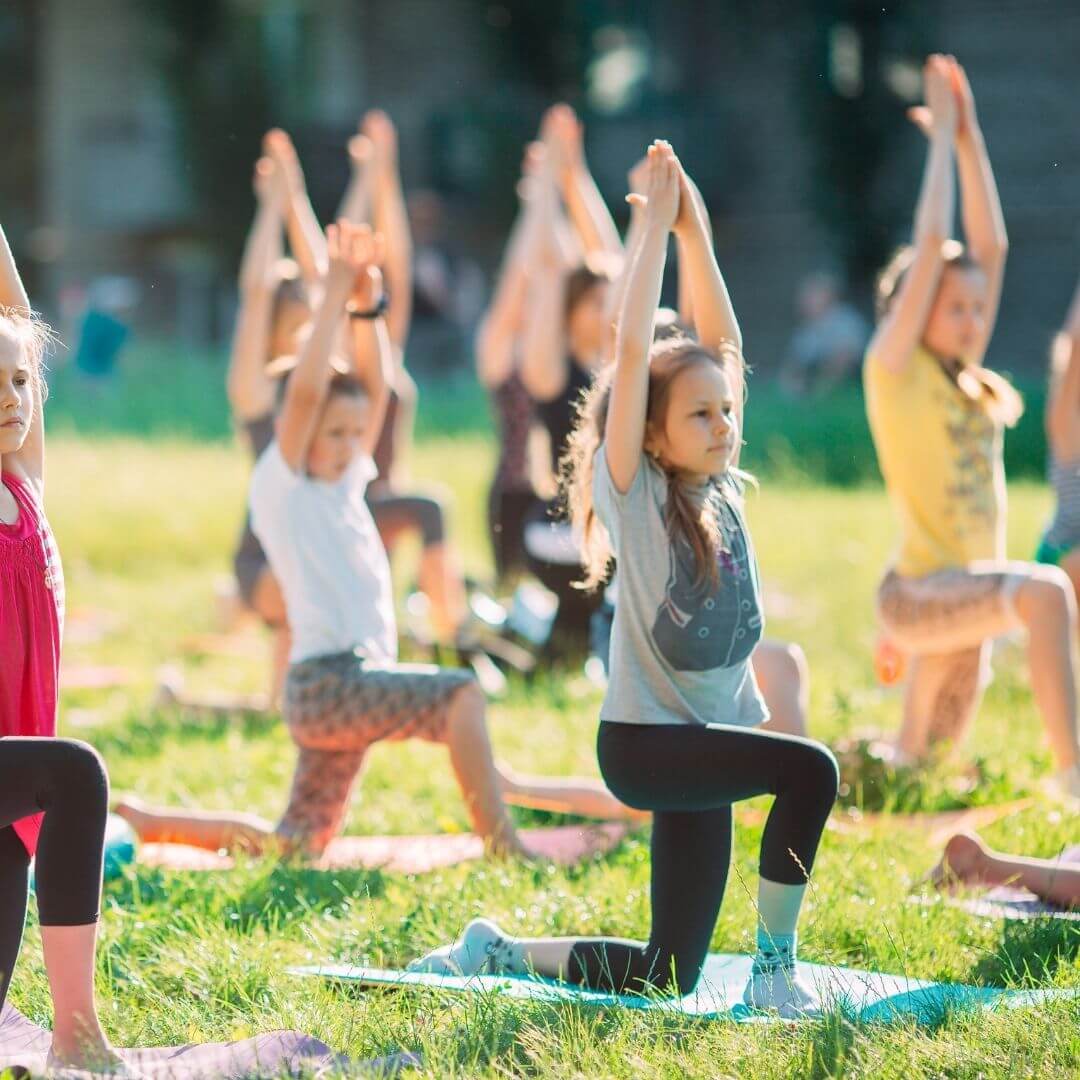
Ten minutes outside. Climbing. Hanging. Jumping. Crawling. Pushing against something solid. These are not luxuries. They are regulatory tools.
The difference between a child who “cannot sit still” and a child who settles after dinner is often what happens in that first half-hour after school.
Why After-School Meltdowns Are Often Movement-Related
Many parents assume that emotional spikes after school are purely social or academic stress responses. Sometimes they are. But very often, they are physical.
A nervous system that has held posture all day under fluorescent lights and cognitive demand is not calm. It is braced.
If that bracing is not released through structured movement, the tension exists sideways. Irritability. Resistance. Sudden tears. Restlessness.
Short, intentional movement resets between school and homework can change the tone of the entire evening.
This is why in Yoga and Movement for Children, sequencing matters more than spectacle. The class is not designed to exhaust. It is designed to complete activation and then decelerate deliberately.
Stillness follows deceleration. It does not precede it.
The Mistake of Replacing Outdoor Play with “Quick Fix” Exercise
There is a difference between running laps and integrated movement.
Chaotic activity can amplify stimulation. Structured movement regulates it.
If a child has spent an hour overstimulated online and then does ten minutes of frantic bouncing, the nervous system may not settle. It may escalate. The goal is not simply to burn energy. It is to teach the body how to transition.
In What to Look for in a Children’s Movement Class (Beyond “Fun”), this distinction becomes clearer. Not all movement builds regulation. Some only increase output.
Children need movement that includes slowing down as part of the pattern.
Why Structured Weekly Movement Changes Behaviour Gradually
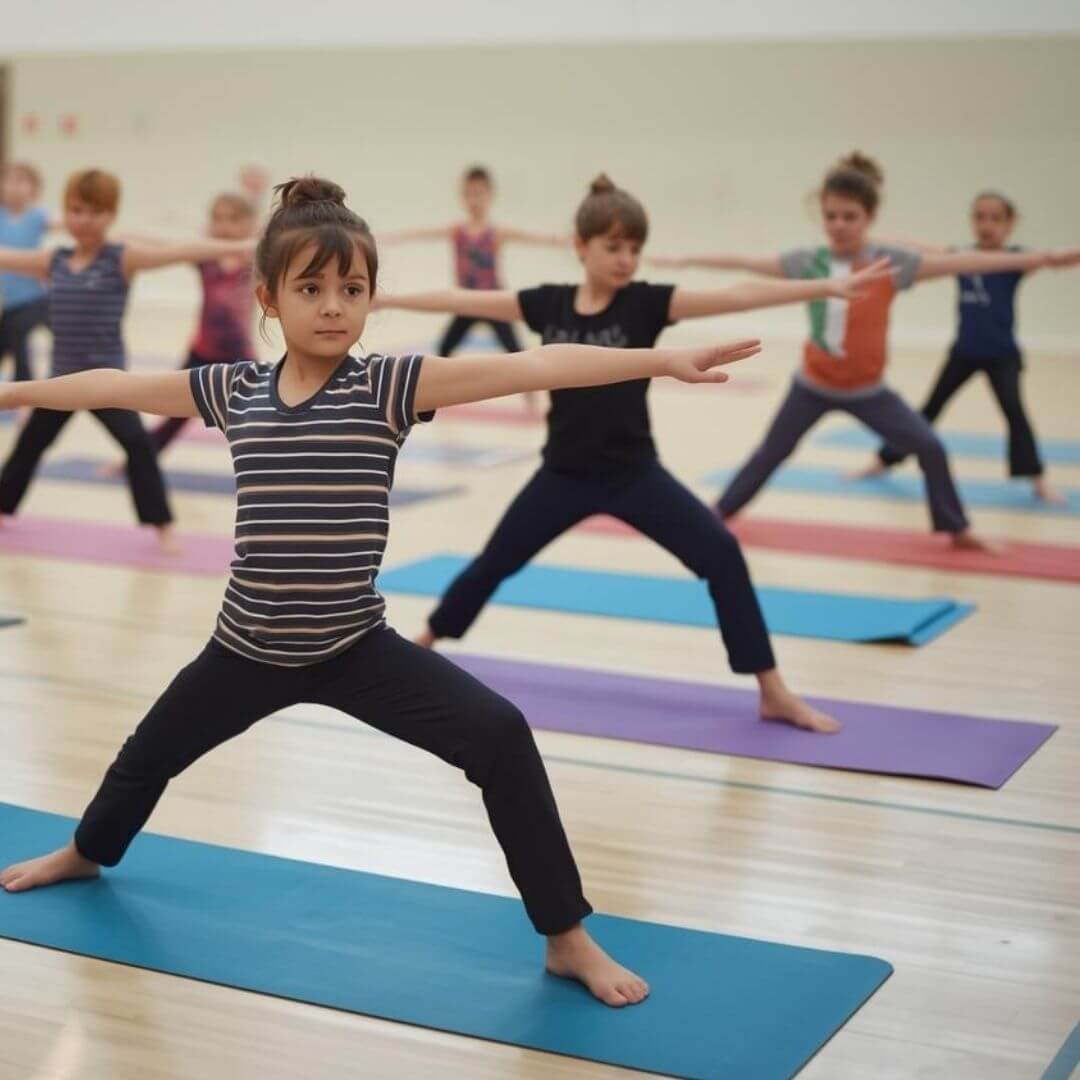
You cannot fix stillness capacity in one afternoon. Regulation builds through repetition.
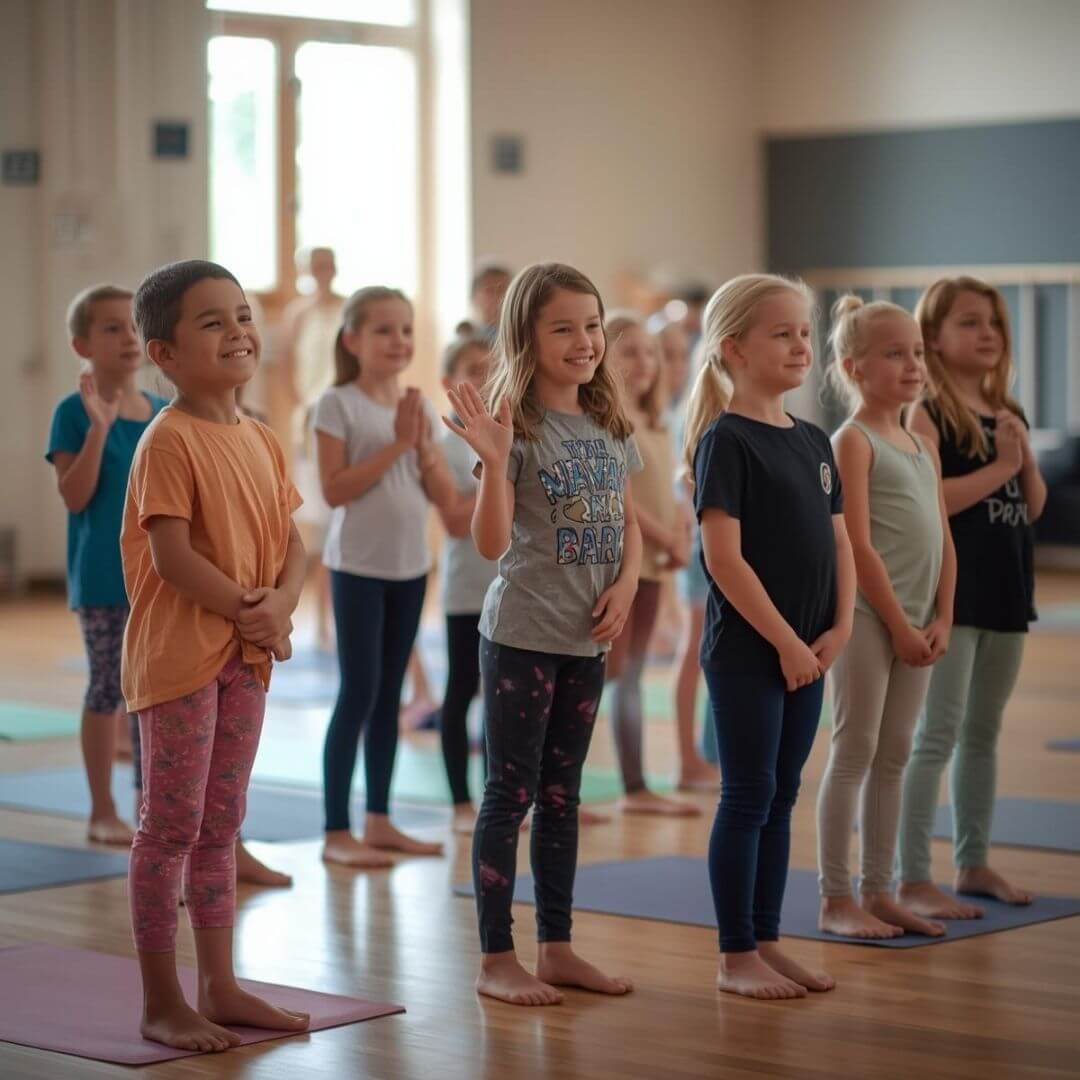
When children attend consistent structured sessions, something subtle happens. They begin to recognise internal states. They learn how activation feels. They learn what slowing down feels like. They begin to connect breath with posture, posture with focus.
Parents often notice that the shift shows up outside class. Homework becomes less combative. Sitting at dinner requires fewer reminders. Transitions become smoother.
This is not magic. It is pattern recognition.
If you are unsure what commitment looks like in practical terms, How Much Do Children’s Movement Classes Cost in the UK explains what consistent structure typically involves and why sporadic attendance rarely builds the same results.
Stillness is cumulative.
What to Do Instead of Saying “Just Sit Still”
When adults repeat “sit still,” the body rarely understands the instruction.
Children need actionable cues:
-
- “Push your feet into the floor.”
- “Press your hands together.”
- “Take one long breath.”
- “Roll your shoulders slowly.”
These are movement-based instructions that lead toward stillness.
Stillness that emerges from micro-movement is stable. Stillness forced through suppression is tense.
The difference is visible. One looks grounded. The other looks braced.
Why Equipment Is Not the Solution
Parents sometimes assume that specialised tools or sensory gadgets are required to help children settle. Often, they are not. Comfortable clothing. Bare feet when appropriate. Space to stretch. Something solid to push against.
That is usually enough.
In What Equipment Do Children Need for Movement Classes, you can see how minimal the actual requirements are. The structure matters more than the props.
Regulation is internal. Equipment is secondary.
The Sequence That Actually Works
If you want stillness, the sequence looks like this:
-
- Large movement
- Controlled resistance
- Rhythmic repetition
- Gradual slowing
- Brief pause
Not the other way around.
Skipping directly to “pause” without completing the earlier phases is where frustration enters.
Children do not resist stillness because they are unwilling. They resist because their bodies have not yet finished moving.
When movement is complete, stillness feels natural rather than imposed.
Conclusion
Stillness is not the opposite of movement. It is the resolution of it.
When children appear unable to settle, the answer is rarely stricter correction. It is often unfinished physical experience.
Consistent, layered movement teaches the nervous system how to shift gears. Once that capacity develops, sitting calmly stops feeling like compliance and starts feeling like control.
The body learns how to arrive.
And once it knows how to arrive, it can stay.
Key Takeaway
If a child struggles to sit still, increase structured movement before increasing behavioural pressure. Build the body’s capacity to regulate first. Calm will follow.
Questions Parents Tend to Ask
Temperament plays a role, but movement exposure and sensory integration matter just as much. Stillness is partly developmental and partly environmental.
Not necessarily. Competitive sport builds skill and stamina, but regulation improves most when movement includes controlled slowing and breath integration.
No. It can be the body’s way of self-regulating when larger movement has been restricted earlier in the day.
Children need regular opportunities for both free play and structured movement. Consistency matters more than occasional intensity.
Yes. When the nervous system learns how to shift from activation to calm physically, emotional spikes often reduce as well.
Stillness increases gradually with development. Expecting long periods of seated calm without structured movement first is unrealistic for younger children.
Subtle changes often appear within weeks. Noticeable behavioural shifts usually require consistent repetition over months.
Not effectively. It is built indirectly through integrated movement, breath awareness and gradual deceleration.