
How Schools Can Support Children Who Find PE Difficult
TL;DR
Not every child enjoys PE.
While some pupils thrive in competitive sports and team games, others approach PE with anxiety, embarrassment or a genuine fear of failure. Unfortunately, these children are often the ones who need positive movement experiences the most.
Schools can support children who find PE difficult by broadening the definition of physical activity, creating opportunities for success, developing movement confidence gradually and recognising that not all pupils engage with movement in the same way.
When children experience movement in a supportive environment where confidence, coordination and participation matter more than performance, their relationship with physical activity can change dramatically.
Definition: what does it mean to find PE difficult?
Finding PE difficult can mean many different things.
For some children, the challenge is physical. They may struggle with balance, coordination, agility or movement skills that other pupils appear to perform easily.
For others, the challenge is emotional. They may worry about being watched, making mistakes, letting teammates down or feeling less capable than their peers.
In many cases, the difficulty has little to do with effort or attitude. The child may simply need a different type of movement experience than traditional PE currently provides.


Why this matters more than many people realise
Children develop beliefs about movement surprisingly early.
Some children quickly conclude: “I’m good at sport.” Others quietly decide: “I’m not.”
The problem is that these beliefs often become self-fulfilling.
Children who feel successful tend to participate more. Children who feel unsuccessful often begin avoiding movement opportunities altogether.
Over time, this avoidance can affect:
-
- Physical confidence
- Participation
- Wellbeing
- Social interaction
- Long-term activity levels
This is why schools have an important opportunity to support pupils who struggle with PE before those beliefs become deeply established.
Confidence usually develops through positive experiences rather than constant encouragement alone. Children need opportunities to feel capable.
Why PE can feel intimidating for some pupils
PE often contains several elements that can feel challenging simultaneously. Children may be asked to:
-
- Perform publicly
- Compare themselves to peers
- Learn new skills quickly
- Participate in competitive activities
- Work in teams
- Take physical risks
For many pupils, these experiences are enjoyable. For others, they create significant anxiety.
A child who struggles with catching, balancing or coordination may spend an entire lesson worrying about making mistakes. Instead of focusing on learning, their attention shifts towards avoiding embarrassment.
This is not laziness. It is often self-protection. When schools recognise this distinction, they can begin creating more supportive experiences.
Why physical confidence matters
Confidence is often discussed as though it exists independently from physical experience. In reality, physical confidence can influence many areas of a child’s life.
When children trust their body, they often become more willing to:
-
- Try new activities
- Join games
- Participate in lessons
- Take healthy risks
- Engage socially
Physical confidence is not about becoming the fastest or strongest child in the class. It is about feeling capable.
Children who believe they can move successfully are usually more willing to keep participating. This is one reason movement development should not be viewed solely through a sporting lens.
As discussed in Primary School Movement Sessions: What Pupils Actually Need Beyond PE, children often benefit from opportunities to build movement confidence outside traditional sports settings.
Why coordination is often overlooked
Many children who struggle in PE are not unfit. They are often under-coordinated. This distinction matters. A child may have plenty of energy but still find activities difficult because they struggle with:
-
- Balance
- Timing
- Spatial awareness
- Movement control
- Body awareness
When these foundations are weak, many PE activities become harder. Unfortunately, schools sometimes focus on performance outcomes before movement foundations have been fully developed.
Supporting coordination can help pupils experience more success across a wide range of physical activities.
As explored in Movement Sessions for KS1 and KS2: How Schools Can Support Coordination, Confidence and Focus, coordination often underpins participation itself.
Why schools should broaden their movement opportunities
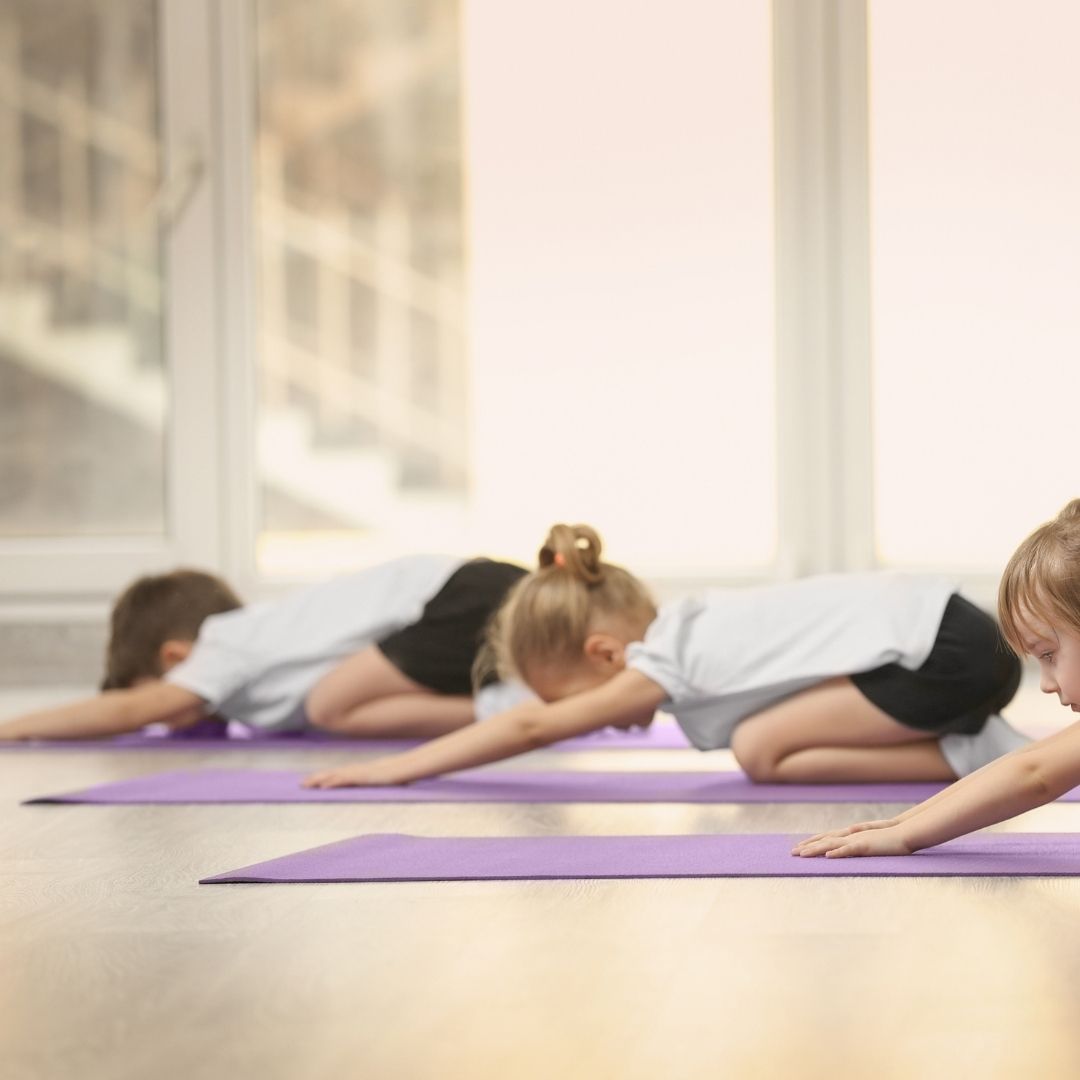
One of the simplest ways to support pupils who find PE difficult is to provide a wider variety of movement experiences. Traditional sports are valuable. They should not be the only option. Children may connect more strongly with:
-
- Balance activities
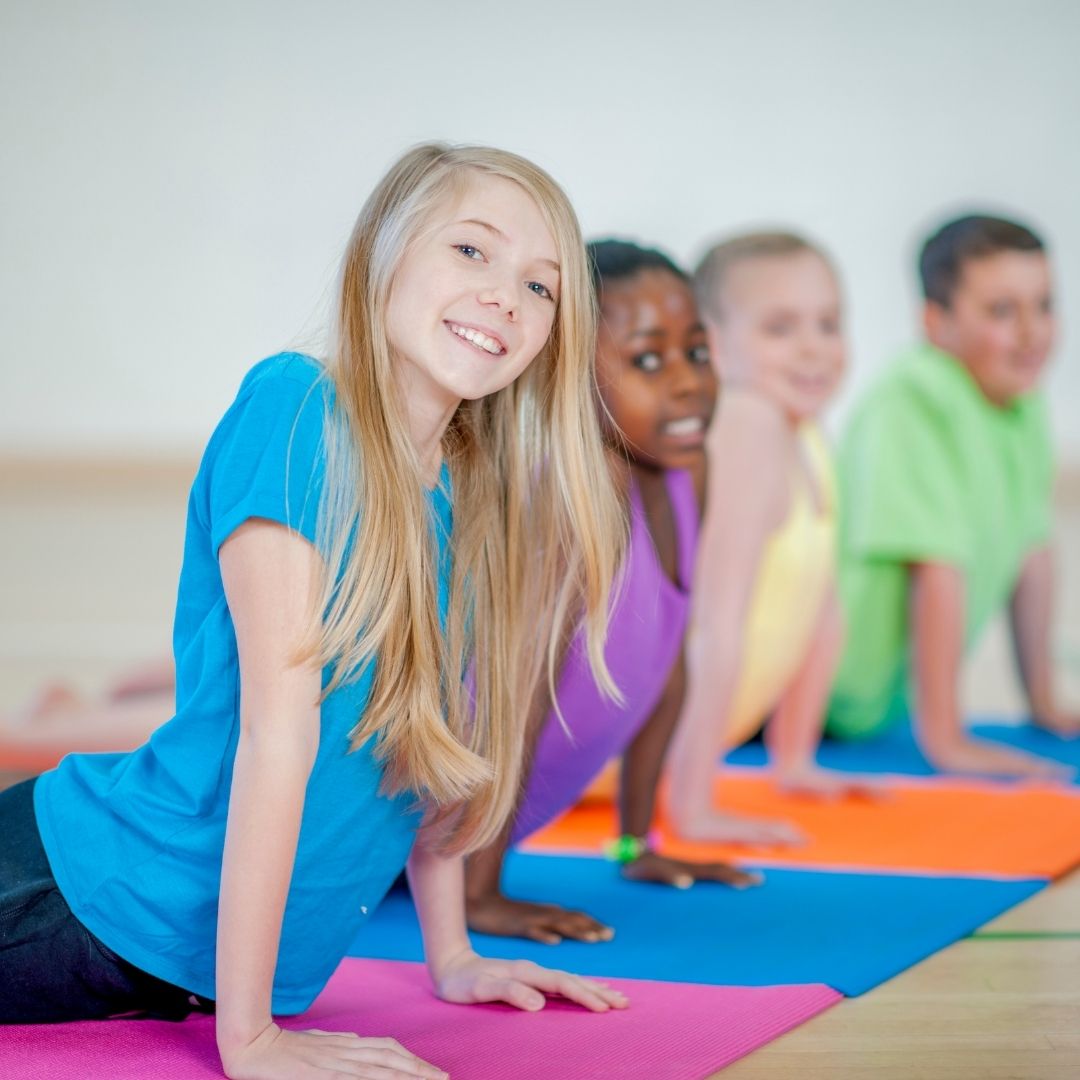
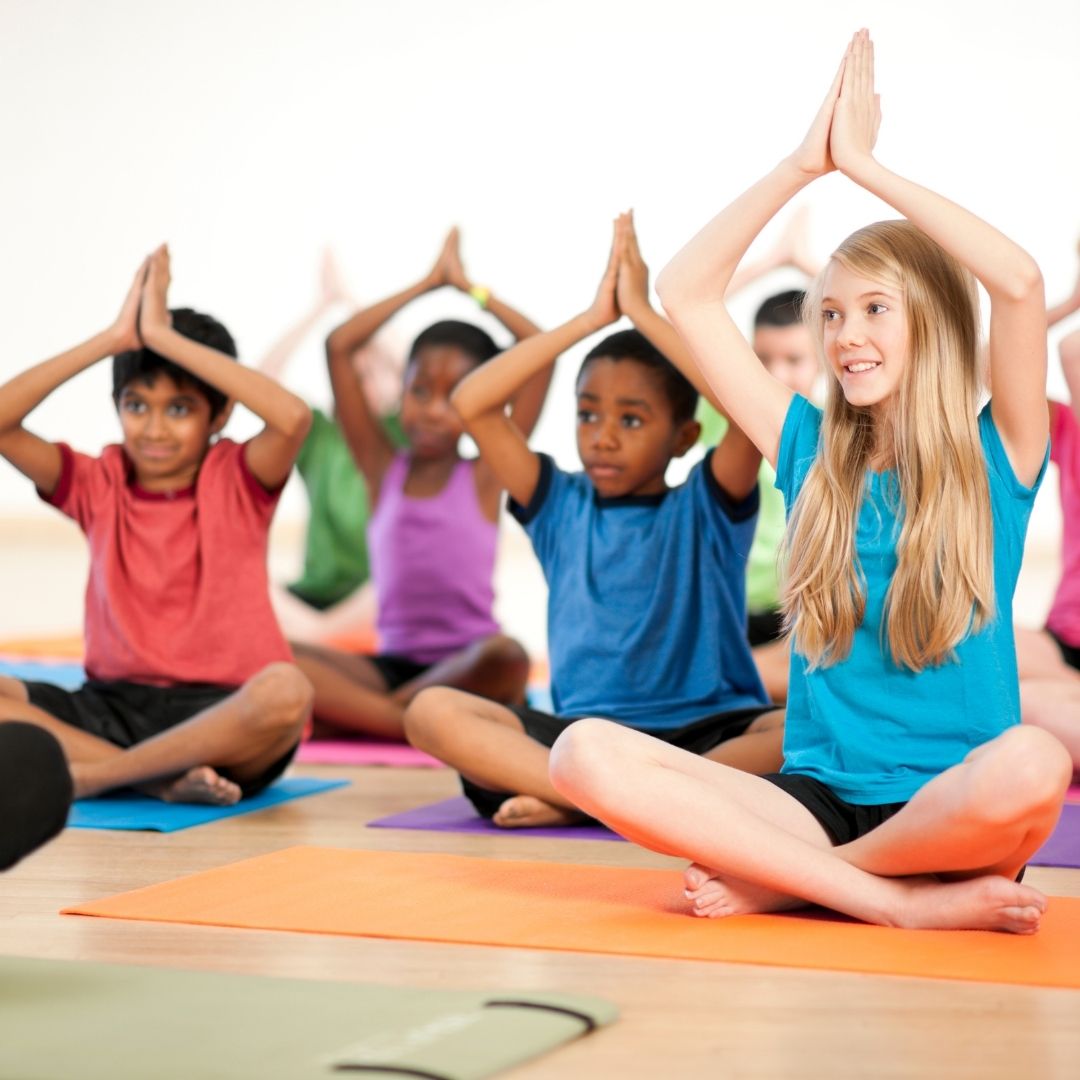
- Yoga-inspired movement
- Pilates-based exercises
- Coordination challenges
- Movement games
- Mobility work
- Individual movement tasks
These activities often allow children to experience success without the additional pressure of competition.
Importantly, broadening movement opportunities does not replace PE. It complements it.
The aim is to create more entry points into movement so that every child can find something that feels achievable.

Why comparison can damage participation
Children naturally compare themselves to others. Schools cannot eliminate this entirely. However, they can influence what gets measured and celebrated.
When success is defined solely by speed, strength or athletic performance, some pupils inevitably feel left behind. When success includes effort, participation, improvement and confidence, many more children have opportunities to experience achievement.
This shift can dramatically affect engagement.
Children who feel successful are far more likely to continue participating. Children who constantly feel unsuccessful often withdraw.
The goal should be helping children compete with their previous selves rather than constantly comparing themselves to everyone else.
Why movement and wellbeing are connected
For some pupils, movement difficulties affect more than PE lessons. Children who feel physically uncertain may become:
-
- Less confident
- More anxious
- More hesitant to participate
- More reluctant to try new activities
Positive movement experiences can help counter these patterns. This is not because movement magically solves every challenge. It is because success creates confidence, and confidence often encourages further participation.
Movement can influence wellbeing in ways that extend beyond physical development alone.
How school movement programmes can help
This is where structured movement programmes can play an important role. Unlike traditional PE, movement programmes can focus specifically on:
-
- Confidence building
- Coordination
- Balance
- Body awareness
- Participation
- Physical literacy
The emphasis shifts from performance towards development. Children are given opportunities to experience movement success in environments that feel supportive rather than competitive.
The aim is not to replace PE. The aim is to support the children who may not currently be thriving within it.
Sessions focus on helping pupils develop greater confidence, coordination and physical awareness while creating positive movement experiences that can support participation across the wider school environment.
For many children, this provides an alternative pathway into movement that feels safer and more achievable.
Decision box: signs a child may need additional movement support
| Possible sign | What may help |
|---|---|
|
Avoids PE participation |
Confidence-building movement |
|
Worries about making mistakes |
Supportive non-competitive activities |
|
Struggles with balance |
Coordination and balance training |
|
Appears physically hesitant |
Gradual movement challenges |
|
Becomes anxious during sports |
Alternative movement opportunities |
|
Lacks body awareness |
Structured movement activities |
|
Gives up quickly |
Success-focused experiences |
|
Avoids playground games |
Confidence and participation support |
Why inclusion should mean more than participation
Many schools work hard to ensure every child participates in PE. Participation is important. However, true inclusion means more than simply being present.
A child can attend every lesson and still feel excluded emotionally. Real inclusion means helping pupils experience competence, confidence and belonging within physical activity.
That requires recognising that different children need different pathways into movement. The children who struggle most often need the greatest support.
Comparison table: traditional PE only vs broader movement support
| Traditional PE Only | PE Plus Movement Support |
|---|---|
|
Focus on sports participation |
Focus on movement development |
|
May suit confident pupils |
Supports wider range of learners |
|
Performance-oriented |
Confidence-oriented |
|
Competitive elements |
Developmental elements |
|
Skill-specific activities |
Foundational movement skills |
|
Can feel intimidating for some |
More accessible for many |
|
Valuable for sport development |
Valuable for overall participation |
Practical steps schools can take
Schools looking to support pupils who find PE difficult can:
-
- Offer wider movement experiences
- Celebrate improvement rather than performance alone
- Develop balance and coordination skills
- Create non-competitive opportunities
- Provide structured movement programmes
- Focus on physical confidence
- Encourage participation gradually
- Recognise different movement strengths
- Support emotional as well as physical development
- Help pupils experience success regularly
Small changes can create significant differences in how children experience movement.
Final thoughts
Not every child will become sporty. Not every child will love PE. That is perfectly normal.
The objective is not producing elite athletes. The objective is helping children develop a positive relationship with movement.
When pupils feel capable, coordinated and confident, participation becomes much more likely. When they experience repeated failure or embarrassment, avoidance often follows.
Schools have a unique opportunity to shape those experiences.
By offering broader movement opportunities, supporting physical confidence and recognising that children engage differently with movement, schools can help more pupils discover that movement is something they can do, not something they should fear.
And for many children, that shift can make a remarkable difference.
If your school is looking to support confidence, coordination and participation through structured movement, explore School Movement Programmes in Nottingham.
You may also enjoy:
School Movement Programmes in Nottingham: Supporting Focus, Confidence and Physical Development
Movement Sessions for KS1 and KS2: How Schools Can Support Coordination, Confidence and Focus
Primary School Movement Sessions: What Pupils Actually Need Beyond PE
How Much Does a School Movement Programme Cost?
Key takeaways
The goal is not to make every child love PE. The goal is to help every child feel capable of movement.
Frequently Asked Questions
Children may struggle with confidence, coordination, competition, anxiety or previous negative experiences.
Not necessarily. Many children struggle with coordination, balance or confidence rather than fitness.
By providing supportive movement experiences, celebrating progress and offering non-competitive opportunities.
Physical confidence is a child’s belief that they can move successfully and participate in physical activities.
Yes. Many programmes focus on movement development rather than sporting performance.
Physical literacy refers to the confidence, competence and motivation needed to engage in movement throughout life.
Yes. They often focus more on confidence, coordination and foundational movement skills.
Positive movement experiences can support confidence and wellbeing, although they are not a replacement for specialist support where needed.
Coordination supports participation, confidence and success across many physical activities.
The programme combines yoga, Pilates and structured movement activities designed to support confidence, coordination, focus and physical development.