
Is Children’s Yoga Worth It?
TL;DR
For many children, yes, children’s yoga is absolutely worth it.
Not because it turns them into tiny mindfulness gurus who spend their afternoons discussing inner peace while floating gracefully across a yoga mat, but because it gives them something many modern children need more of: movement, body awareness, balance, confidence and an opportunity to feel comfortable inside their own body.
The benefits often extend far beyond flexibility. Children’s yoga can support coordination, concentration, emotional regulation, physical confidence and posture while providing a calmer alternative to highly competitive activities.
Like any activity, it is not the perfect fit for every child. However, for many children, particularly those who need confidence, body awareness or a different relationship with movement, it can be enormously valuable.
Definition: what is children's yoga?
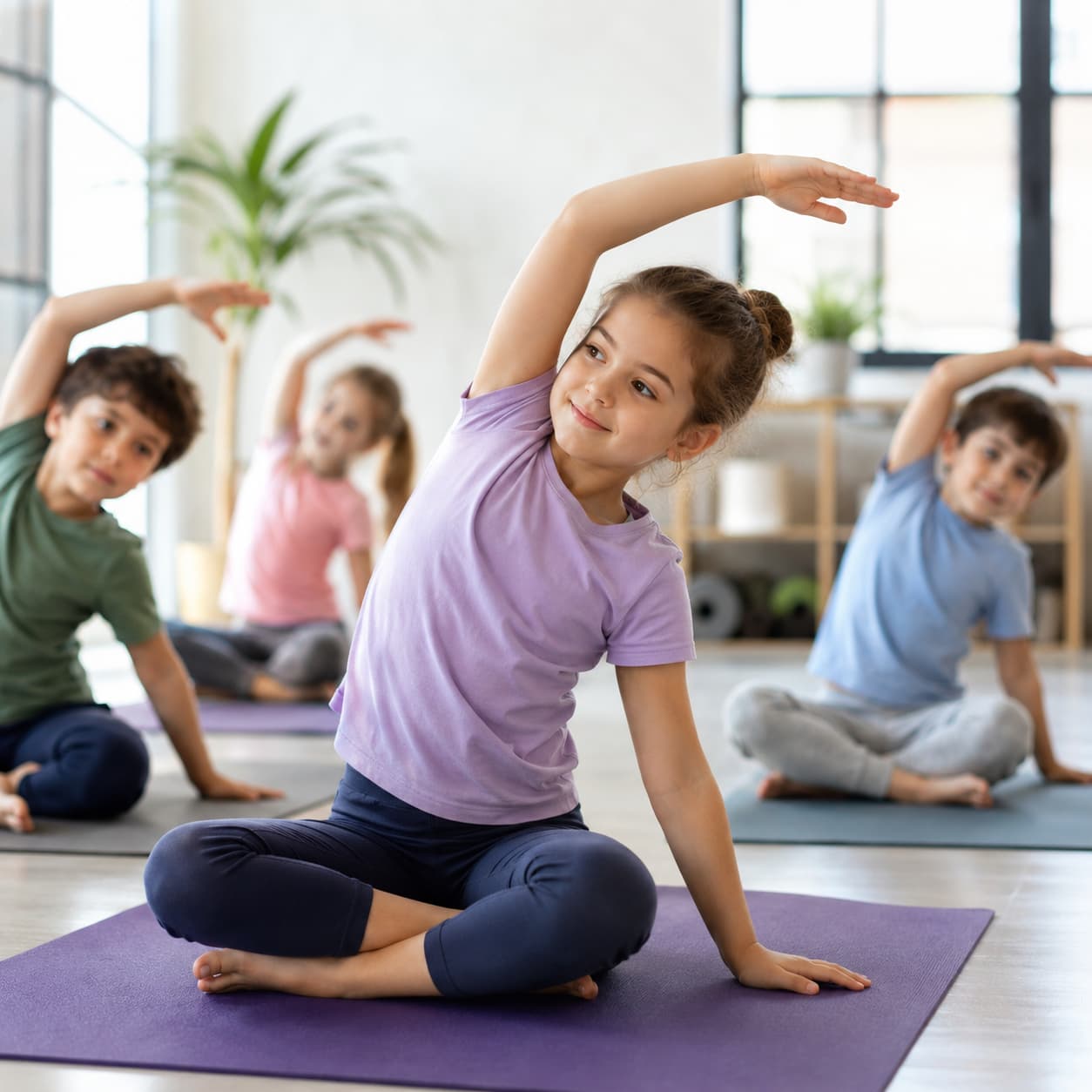
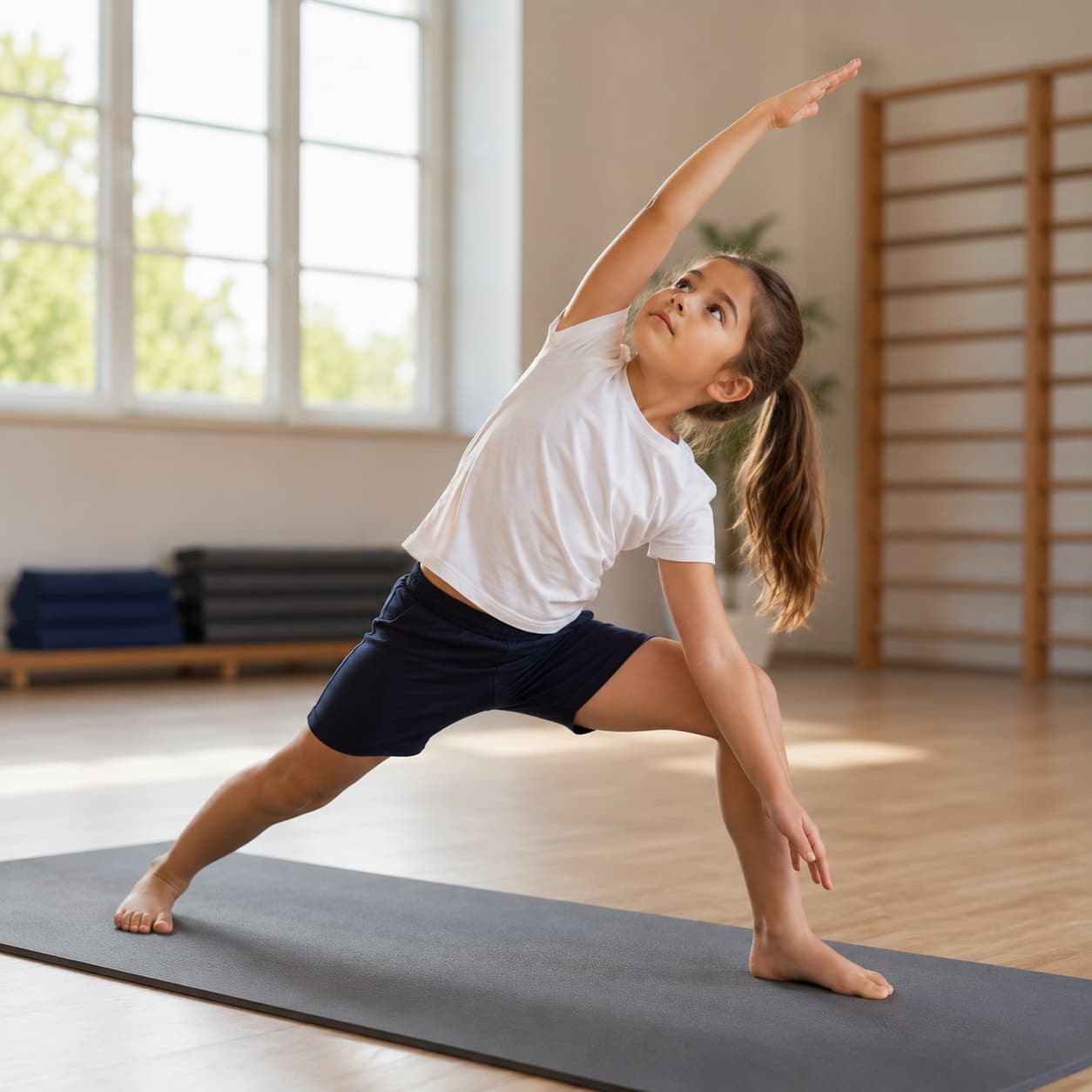
Children’s yoga is an age-appropriate movement practice that combines balance, coordination, breathing, mobility, posture, strength and body awareness through activities specifically adapted for children.
Unlike adult yoga classes, children’s yoga sessions are usually more dynamic, interactive and movement-focused. The emphasis is on helping children move well, build confidence and develop physical awareness rather than holding long poses in silence.
Why parents are asking this question more often
Many parents are trying to choose between dozens of different activities.
- Football.
- Swimming.
- Dance.
- Gymnastics.
- Martial arts.
- Music lessons.
- Coding clubs.
- Forest school.
The list seems endless.
When yoga appears alongside these options, some parents naturally wonder whether it offers enough value compared with more traditional activities. There is often an assumption that yoga is primarily about stretching or relaxation and therefore somehow less beneficial than activities involving more obvious physical exertion.
That assumption usually comes from misunderstanding what good children’s yoga actually looks like.
A well-designed children’s yoga class involves balance, coordination, strength, mobility, concentration and body awareness. Children are not simply stretching. They are learning how to control, organise and understand their body more effectively.
For many children, those skills support everything else they do.
Why movement quality matters as much as movement quantity
A child can be extremely active while still struggling with movement.
Teachers, coaches and parents often see children who never seem to stop moving but still find balance difficult, struggle with coordination or lack confidence in physical activities.
Movement quantity and movement quality are not the same thing.
Children’s yoga helps develop:
- Balance
- Coordination
- Mobility
- Posture
- Strength
- Body awareness
- Movement control
- Focus
These foundations support participation in almost every other activity.
A child who develops better balance and body awareness through yoga often carries those improvements into football, dance, swimming, gymnastics and everyday life.
As explored in Children’s Pilates in West Bridgford: How It Helps Strength, Posture and Confidence, confidence often develops when children feel physically capable rather than physically uncertain.
Why many children benefit from non-competitive movement
Competition can be brilliant. Many children thrive in competitive environments and genuinely enjoy challenge, performance and team-based activities. Other children do not.
Some become anxious. Some withdraw. Some decide they are “bad at sport” surprisingly early.
Some simply prefer movement environments that feel calmer and more supportive.
Children’s yoga provides an alternative.
Children can still challenge themselves physically, but the focus shifts away from winning and towards participation, awareness and improvement. This often allows children who feel uncomfortable in competitive settings to experience movement positively for the first time.
That experience matters because children’s beliefs about movement often begin forming during primary school.
If a child repeatedly feels unsuccessful in physical environments, they may gradually stop participating altogether. Yoga can help interrupt that pattern.
Why balance is one of the most overlooked benefits
Parents often expect flexibility benefits from yoga. Balance may actually be more important. Balance influences:
- Coordination
- Confidence
- Posture
- Movement control
- Spatial awareness
- Physical independence
Children who develop stronger balance often move through physical tasks with greater confidence because they trust their bodies more.
This is one reason why balance matters more than parents realise is becoming an increasingly important conversation in children’s movement development.
Balance is not simply about standing on one leg. It forms part of the foundation for confident movement.
Why children's yoga can support focus and concentration
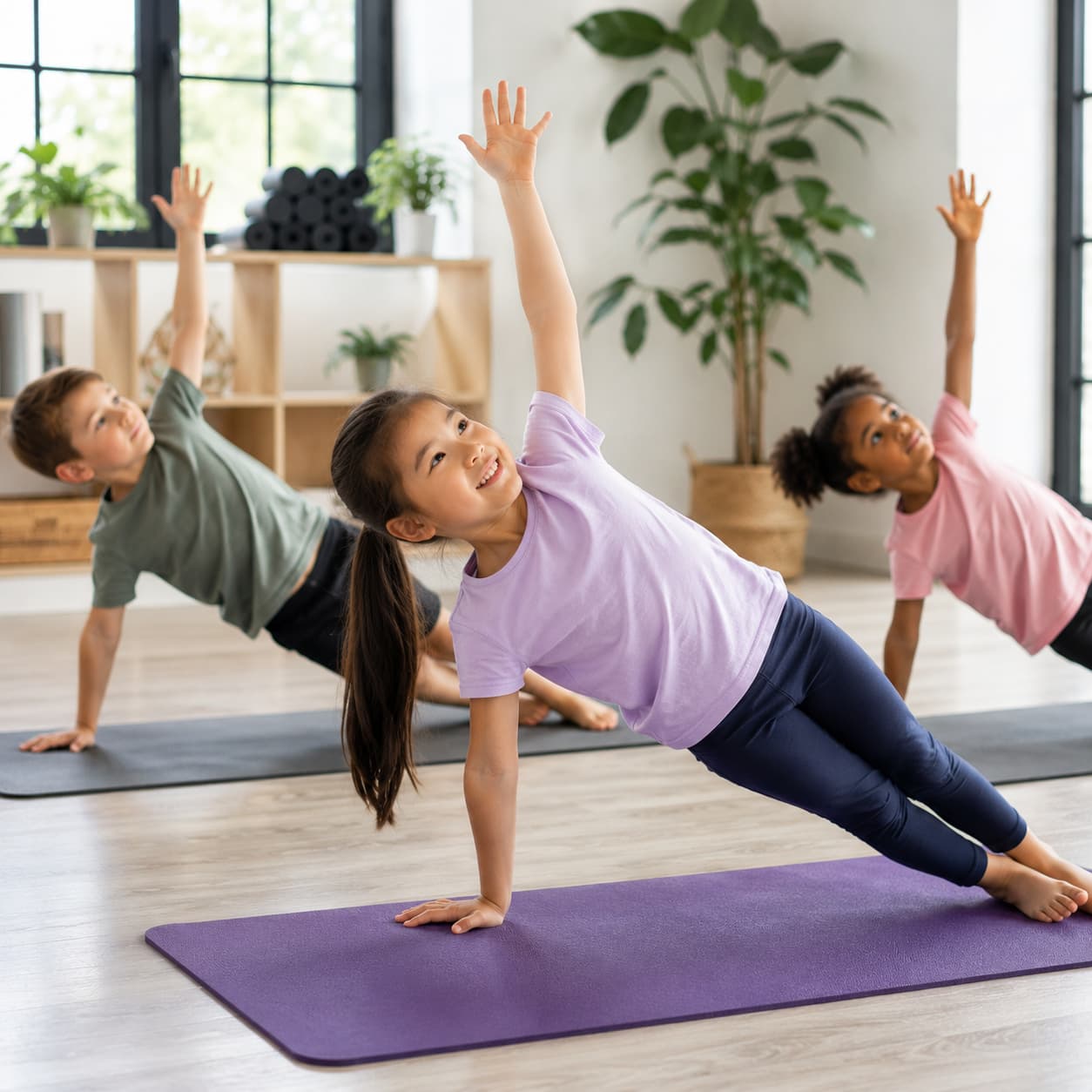
Children learn through their bodies. When the body feels physically disorganised, concentration often becomes more difficult too. Yoga encourages children to pay attention to:
- Movement patterns
- Breathing
- Balance
- Positioning
- Body awareness
This process helps develop focus without forcing stillness.
Importantly, yoga is not a magic cure for attention difficulties. It will not transform every child into a perfectly focused learner overnight. However, many children benefit from opportunities to slow down physically, regulate energy and improve awareness of how their body feels.
This is one reason movement is increasingly discussed within educational settings.
As explored in Movement Sessions for KS1 and KS2: How Schools Can Support Coordination, Confidence and Focus, physical regulation and concentration are often more connected than people realise.

Why confidence is often the biggest benefit
Parents frequently sign children up for yoga, expecting physical improvements. The most noticeable change is often confidence. Children begin achieving things they previously thought they could not do.
- They balance longer.
- Move more confidently.
- Trust themselves more.
- Feel less self-conscious.
- Participate more willingly.
- These experiences gradually build physical self-belief.
Unlike confidence built through external praise alone, movement confidence comes through direct experience. The child feels their own progress.
That tends to be far more powerful.
As discussed in Kids Movement Classes in West Bridgford: What Happens in a Session?, movement confidence often influences far more than physical activity. It affects how children approach challenges generally.
Is yoga better than children's Pilates?
This is one of the most common questions parents ask. The honest answer is that neither is automatically better. They simply offer slightly different strengths.
Yoga often emphasises:
- Balance
- Mobility
- Body awareness
- Breathing
- Movement confidence
Pilates often emphasises:
- Core strength
- Posture
- Stability
- Movement control
- Physical foundations
- Many children benefit from both.
As explored in Children’s Yoga vs Children’s Pilates: Which Class Is Right for Your Child?, the best choice depends on the child rather than the activity itself.
Decision box: when children's yoga may be especially valuable
| Children's yoga may be helpful for... | Why |
|---|---|
|
Less confident children |
Builds physical confidence gradually
|
|
Anxious children |
Provides a calmer movement environment |
|
Children struggling with balance |
Develops coordination and stability |
|
Highly energetic children |
Encourages body awareness and regulation
|
|
Children who dislike competitive sports |
Removes performance pressure
|
|
Children with poor posture |
Improves movement awareness
|
|
Children needing focus support |
Encourages attention through movement |
|
Children trying new activities |
Provides accessible movement challenges
|
What children's yoga cannot do
A good article should be honest.
Children’s yoga is valuable, but it is not a miracle solution. It will not:
- Solve every behavioural challenge
- Replace professional support where needed
- Eliminate all anxiety
- Instantly improve academic performance
- Turn every child into a yoga enthusiast
Some children simply prefer football. Some prefer dance. Some prefer martial arts. That is perfectly normal.
The goal is not to convince every child to love yoga. The goal is to help parents understand whether it may be a useful option for their particular child.
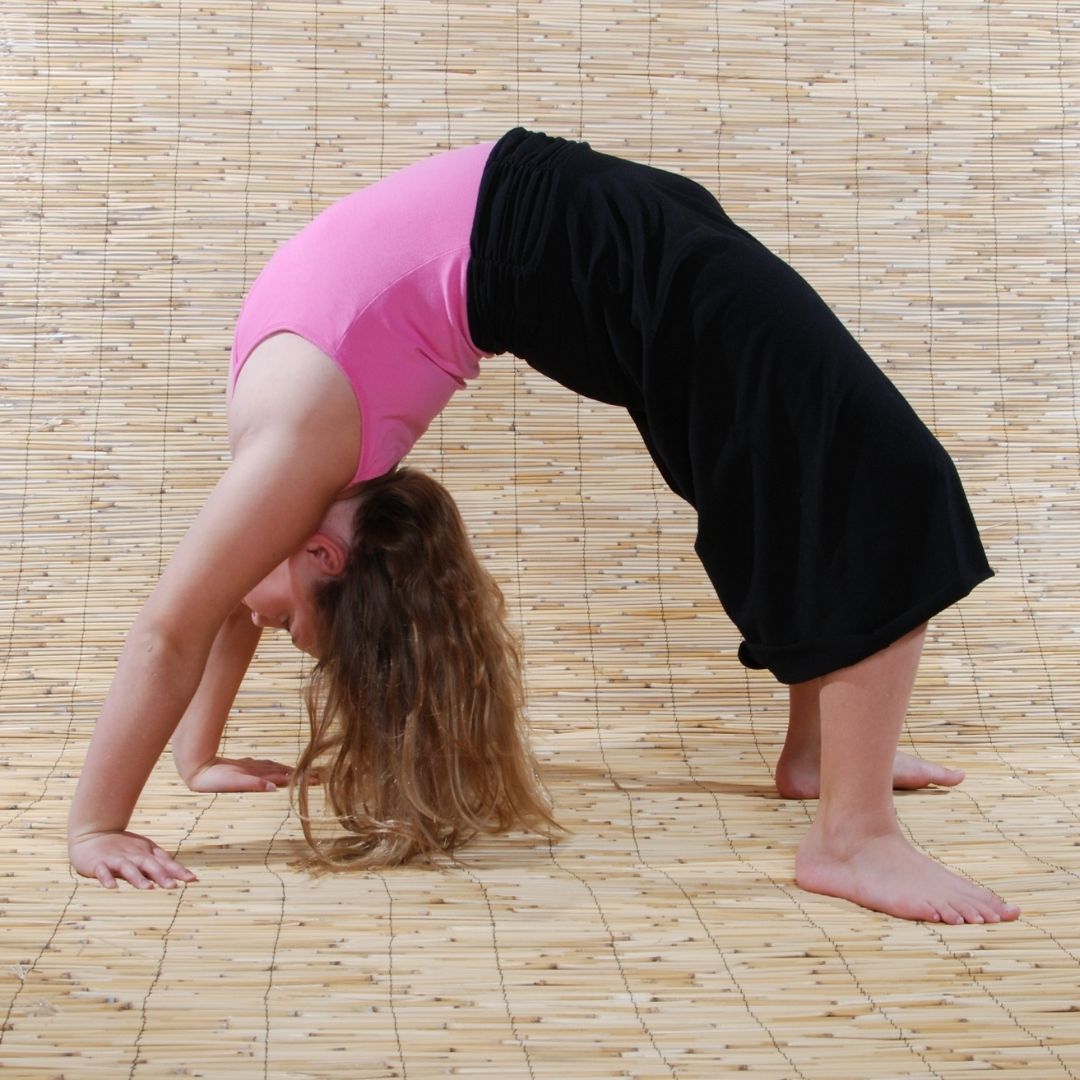
Why modern children may need movement like this more than ever
Many children spend significant portions of the day sitting.
- School.
- Homework.
- Screens.
- Travel.
- Entertainment.
None of these things are inherently bad, but they often reduce movement variety.
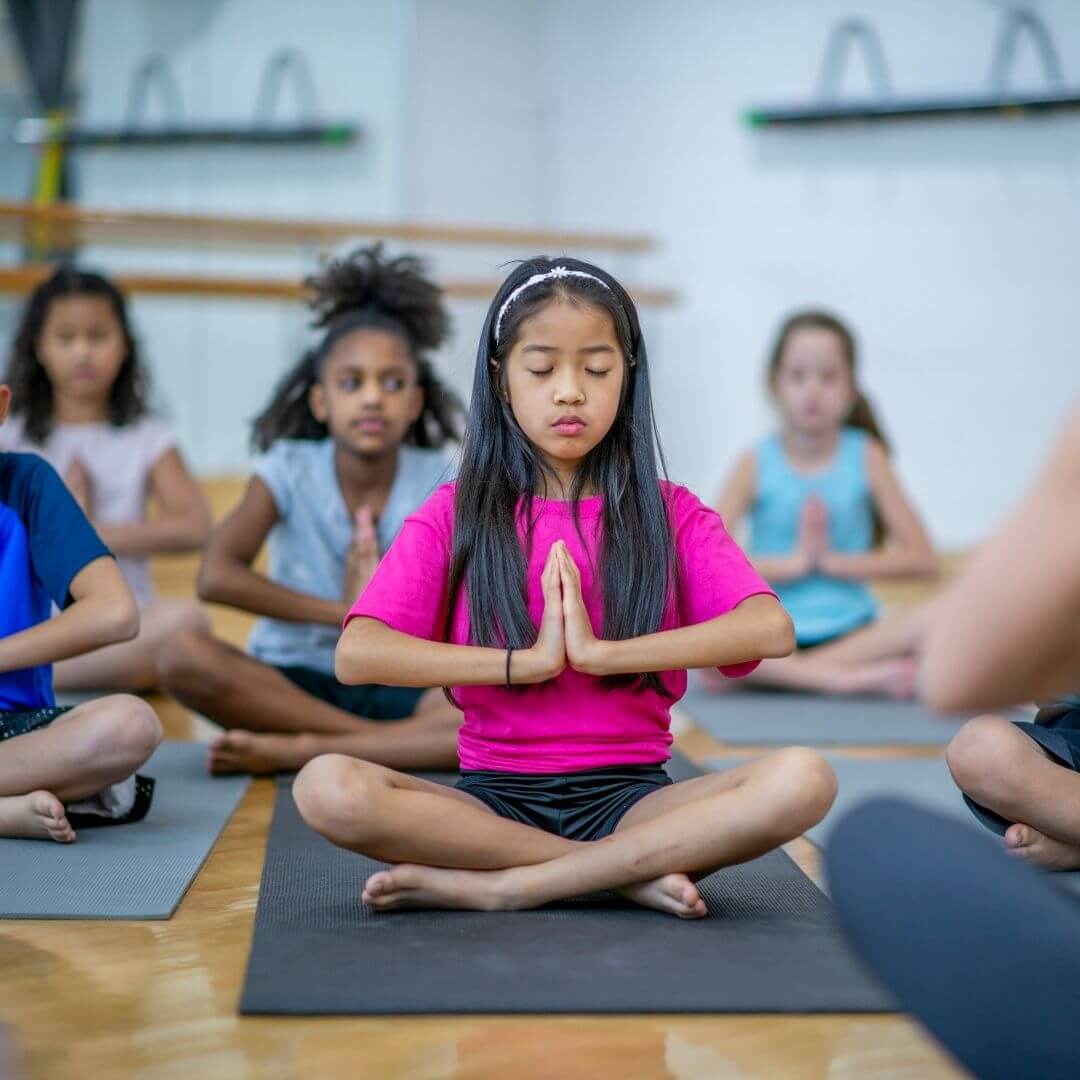
Children’s yoga reintroduces experiences that many children receive less frequently than previous generations:
- Balancing
- Stretching
- Crawling patterns
- Controlled movement
- Coordination challenges
- Body awareness
These skills support healthy development regardless of whether the child continues yoga long term.
This is one reason both schools and parents are increasingly exploring movement-based activities beyond traditional sports.
As discussed in Primary School Movement Sessions: What Pupils Actually Need Beyond PE, children often need more than simply “more exercise.”
They need better movement foundations.
Comparison table: children's yoga vs traditional team sports
| Children's Yoga | Team Sports |
|---|---|
|
Less competitive |
Often competitive |
|
Focus on individual progress |
Focus on team performance |
|
Builds body awareness |
Builds game-specific skills |
|
Encourages regulation |
Encourages competition |
|
Supports balance and mobility |
Supports athletic performance |
|
Accessible for varied abilities |
Can feel intimidating for some children
|
|
Emphasises movement quality |
Emphasises game participation |
|
Helps develop confidence |
Helps develop teamwork |
Practical checklist for parents
Before enrolling your child, ask:
- Does my child enjoy movement?
- Do they lack confidence physically?
- Do they enjoy calmer environments?
- Would they benefit from better balance or coordination?
- Are they already involved in competitive activities?
- Would a non-competitive class suit them?
- Does the teacher understand children?
- Is the environment supportive and inclusive?
- Does the class focus on movement rather than performance?
- Does my child actually enjoy attending?
The final question matters most. Even the best activity in the world is not useful if a child dreads every session.
Final thoughts
So, is children’s yoga worth it?
For many children, absolutely.
Not because it creates perfect posture or extraordinary flexibility, but because it supports confidence, body awareness, coordination and a healthier relationship with movement itself.
In a world where many children spend increasing amounts of time sitting, scrolling and moving less naturally than previous generations, opportunities to reconnect with movement matter.
Yoga offers one way of doing that. It is not the only way. It is not the perfect solution for every child.
But for many children, it provides something genuinely valuable: the chance to feel capable, confident and comfortable inside their own body.
And honestly, that is worth quite a lot.
You may also enjoy:
Children’s Yoga vs Children’s Pilates: Which Class Is Right for Your Child?
Kids Movement Classes in West Bridgford: What Happens in a Session?
Movement Sessions for KS1 and KS2: How Schools Can Support Coordination, Confidence and Focus
Primary School Movement Sessions: What Pupils Actually Need Beyond PE
Children’s Movement Classes in Rushcliffe: Yoga, Pilates and Confidence Through Movement
Key takeaways
The value of children’s yoga is not measured by whether a child can touch their toes. It is measured by whether they become more confident, coordinated, focused and comfortable inside their own body.
Frequently Asked Questions
Yes. Many children develop greater physical confidence through balance, movement challenges and body awareness.
Many programmes begin from around age five, although younger children can also participate in age-appropriate sessions.
It can help support concentration and body awareness, although results vary between children.
No. Yoga and sport provide different benefits and often complement each other well.
Absolutely. Children’s yoga is suitable for all children regardless of gender.
Many children find yoga calming because it combines movement, breathing and body awareness in a supportive environment.
It can be. Good classes include balance, strength, coordination and movement challenges adapted to children’s abilities.
Yes. Balance development is one of the major physical benefits of children’s yoga.
For many families, yes, particularly when children gain confidence, body awareness and enjoyment from movement.
Children’s yoga is usually more dynamic, playful and movement-focused, with activities adapted specifically for children’s developmental needs.