
Movement Sessions for KS1 and KS2: How Schools Can Support Coordination, Confidence and Focus
TL;DR
Movement sessions for KS1 and KS2 pupils can support far more than physical activity alone. Structured movement helps children improve coordination, balance, posture, confidence, body awareness, emotional regulation and classroom focus in ways that traditional classroom routines often cannot fully provide.
These sessions are not designed to replace PE lessons or organised sport. Instead, they help strengthen the physical and neurological foundations many children need in order to participate more confidently both inside and outside the classroom.
Well-structured movement programmes create calmer, more regulated and more physically confident pupils while still feeling engaging, age-appropriate and enjoyable for children.
For local school movement support, visit School Movement Programmes in Nottingham or explore Children’s Yoga & Pilates in West Bridgford.
Definition: what are movement sessions for KS1 and KS2?
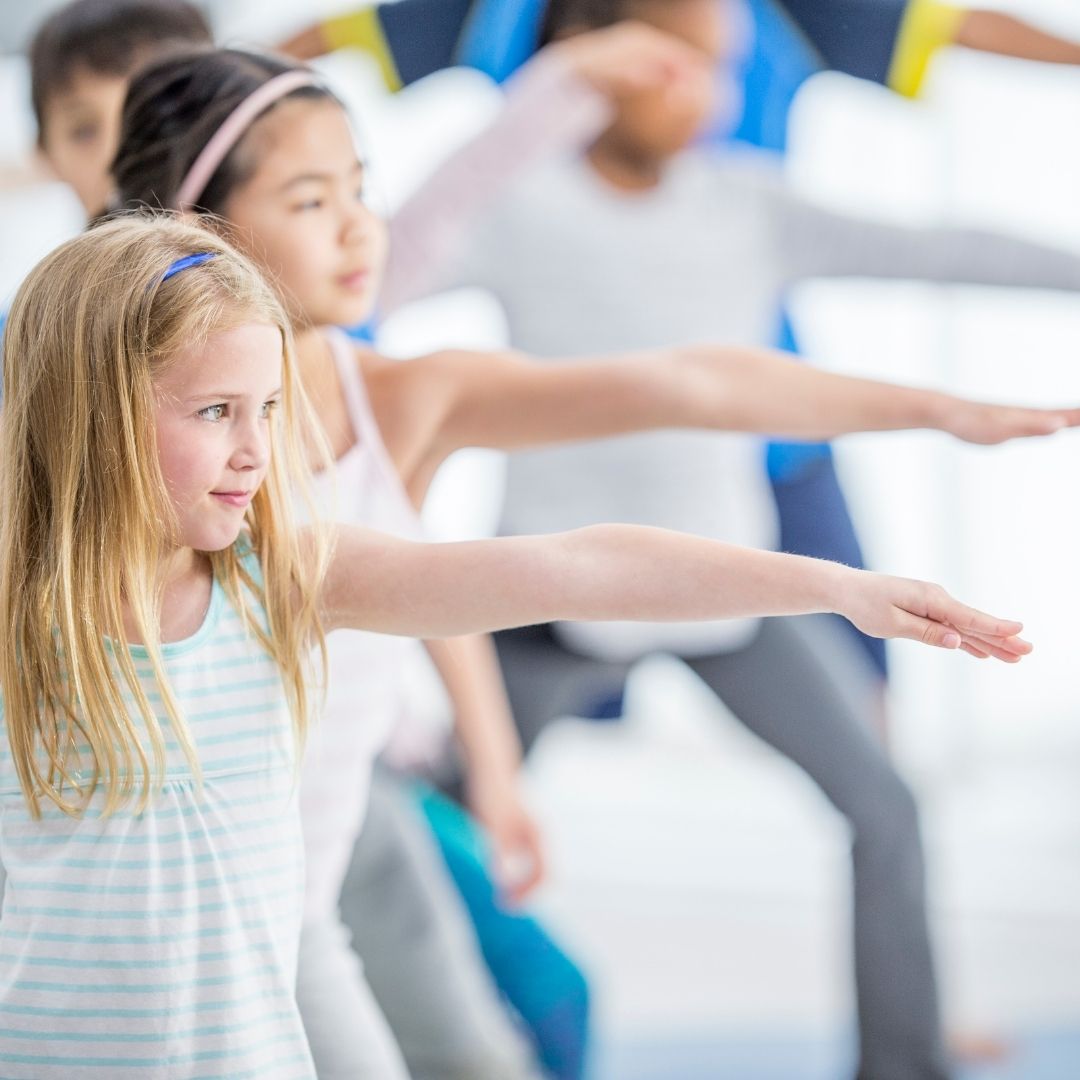
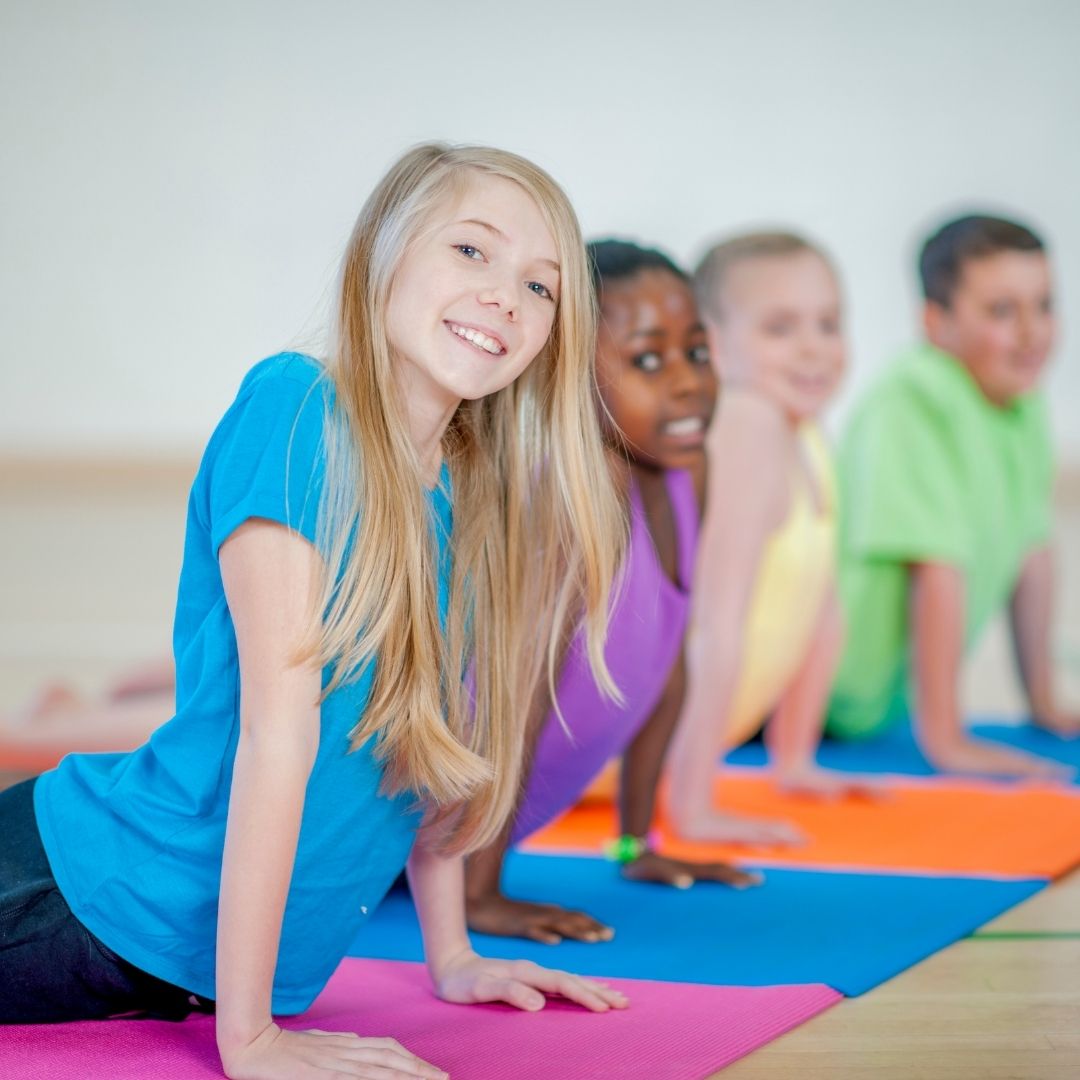
Movement sessions for KS1 and KS2 are structured, age-appropriate physical sessions designed to support children’s coordination, posture, balance, mobility, confidence, body awareness and focus through activities inspired by yoga, Pilates, functional movement, breathing and physical development work adapted specifically for primary-aged children.
Why schools are increasingly recognising the need for structured movement support
Most teachers already know when children are physically dysregulated long before anyone formally describes it in educational language.
They see pupils struggling to sit comfortably for sustained periods. They notice children constantly collapsing through posture during desk work, fidgeting through lessons, struggling with coordination tasks or becoming physically restless during classroom transitions. They see pupils who avoid movement because they already believe they are “bad at sport,” alongside children who appear highly energetic but lack control, balance or body awareness underneath the movement itself.
This is not because children are lazy or incapable. It reflects the reality of modern childhood.
Many children now spend huge amounts of time sitting, using screens, travelling passively and moving inside relatively repetitive environments compared with previous generations. Natural climbing, balancing, crawling, hanging, rolling and exploratory movement often happen far less frequently than they once did, especially during the early developmental years when movement foundations are still forming rapidly.
That matters because movement development influences far more than sport participation.
-
- Coordination affects confidence.
- Posture affects concentration.
- Balance affects body awareness.
- Physical regulation affects emotional regulation.
Movement sessions help schools support these foundations directly instead of assuming children will automatically develop them through standard classroom routines alone.
As explored in Primary School Movement Sessions: What Pupils Actually Need Beyond PE, children increasingly need movement support that addresses physical organisation, nervous system regulation and confidence alongside traditional physical education.
Because many pupils are not lacking intelligence or motivation.
They are physically dysregulated, under-coordinated or disconnected from their body in ways that affect learning, behaviour and confidence every single day.
Why movement support is not the same thing as replacing PE
One of the biggest misconceptions schools sometimes encounter is the assumption that structured movement sessions are attempting to replace PE or traditional sport. They are not.
PE remains enormously important. Children need opportunities to run, compete, cooperate, develop athletic skills and experience movement through games and physical challenge. Strong PE provision supports resilience, teamwork and physical literacy in extremely valuable ways.
Movement sessions simply support different aspects of development.
PE often focuses more heavily on activity, sport and gameplay. Structured movement sessions focus more specifically on foundational physical organisation such as coordination, posture, mobility, balance, body awareness, emotional regulation and movement confidence.
Children often need both.
A child may enjoy football but still struggle with posture and concentration. Another child may dislike competitive sport environments entirely but engage beautifully with calmer movement-based activities. Some children are physically energetic but lack movement control. Others are anxious movers who avoid physical participation because they already feel embarrassed or behind.
Movement support helps widen access to physical confidence rather than narrowing movement exclusively through competition or athletic performance.
This is one reason Children’s Movement Classes in Rushcliffe: Yoga, Pilates and Confidence Through Movement focuses so strongly on participation, awareness and confidence-building rather than performance pressure alone.
Because children’s relationships with movement begin forming very early, and schools influence those relationships enormously.
Why coordination matters far beyond sport
Coordination affects almost everything children do physically throughout the school day.
When coordination is underdeveloped, children may struggle with balance, posture, movement sequencing, spatial awareness and physical confidence in ways that affect classroom experience constantly. Some children become frustrated. Some avoid movement tasks altogether. Others appear distracted or dysregulated because their body feels physically disorganised underneath the surface.
Teachers often notice this during ordinary classroom activities.
-
- Children are struggling to sit upright comfortably.
- Pupils leaning heavily onto tables during writing.
- Difficulty balancing during movement tasks.
- Poor spatial awareness during transitions.
- Restlessness during seated learning.
- Reduced confidence in PE participation.
Coordination development helps improve how children physically organise themselves within space, movement and attention simultaneously. This is particularly important during KS1 and lower KS2 years when many foundational movement patterns are still developing rapidly.
Structured movement sessions may include:
-
- Cross-body coordination
- Balance activities
- Core stability work
- Crawling patterns
- Rhythm and sequencing
- Controlled movement transitions
- Posture and alignment awareness
- Bilateral movement integration
These experiences help children develop stronger physical maps of how their body moves, balances, and stabilises itself. That support often extends far beyond movement sessions themselves and begins influencing classroom confidence, participation and attention more broadly.
And honestly, children who feel physically confident usually move through school life differently from children who constantly feel physically unsure of themselves.
Why movement and focus are deeply connected
Children are embodied learners. That matters enormously when schools think about concentration and classroom focus.
A child struggling physically often struggles cognitively too because the nervous system does not separate movement, posture, sensory processing and attention as neatly as adults sometimes imagine. Children who feel physically uncomfortable may become restless, distracted or emotionally dysregulated simply because their body is struggling to organise itself efficiently throughout the day.
Movement sessions support focus partly because they help regulate the nervous system physically.
Breathing changes. Posture improves. Movement variation increases. The body stops remaining trapped in prolonged stillness.
Children often return to classroom learning feeling calmer, more settled and more physically organised after movement because the nervous system has had an opportunity to regulate through physical experience rather than constant cognitive demand alone.
This is especially valuable in modern school environments where children are expected to sustain concentration for long periods despite increasingly sedentary lifestyles outside school hours.
Movement does not distract from learning. Good movement support often improves readiness for learning.
As explored in School Movement Programmes in Nottingham: Supporting Focus, Confidence and Physical Development, movement becomes most effective when it supports the wider emotional and physical reality of school life rather than existing separately from it.
Because ultimately, children do not learn through the brain alone. They learn through the entire body.
Why confidence is one of the biggest outcomes movement sessions create
Movement confidence affects children socially, emotionally and academically far more than people sometimes realise.
A child who trusts their body usually participates more comfortably in physical tasks, classroom activities and group environments generally. They often feel less anxious about trying new things because they experience themselves as physically capable rather than physically uncertain.
Children lacking movement confidence often withdraw gradually.
Sometimes quietly. Sometimes behaviourally. Sometimes through humour, avoidance or disruption.
Structured movement sessions help children experience physical success differently from highly competitive environments. The focus shifts away from winning and towards awareness, control, participation and gradual improvement. Children begin learning that movement does not have to feel embarrassing, performative or intimidating.
That change can become incredibly important during primary years because children’s beliefs about their physical capability often solidify surprisingly early.
A child who repeatedly feels unsuccessful in movement environments may begin avoiding physical activity entirely. A child who experiences safe, supported movement confidence gradually becomes more willing to participate, challenge themselves and trust their body over time.
This is one reason movement sessions often benefit children who do not naturally thrive in highly competitive sport environments. They finally experience movement as something supportive rather than stressful.
And frankly, many children desperately need that experience.
Why calmer movement environments help many pupils engage more successfully
Not every child regulates well inside of loud, highly stimulating physical environments.
-
- Some children become overwhelmed.
- Some switch off completely.
- Some become anxious.
- Some struggle processing instructions when movement becomes fast-paced and chaotic.
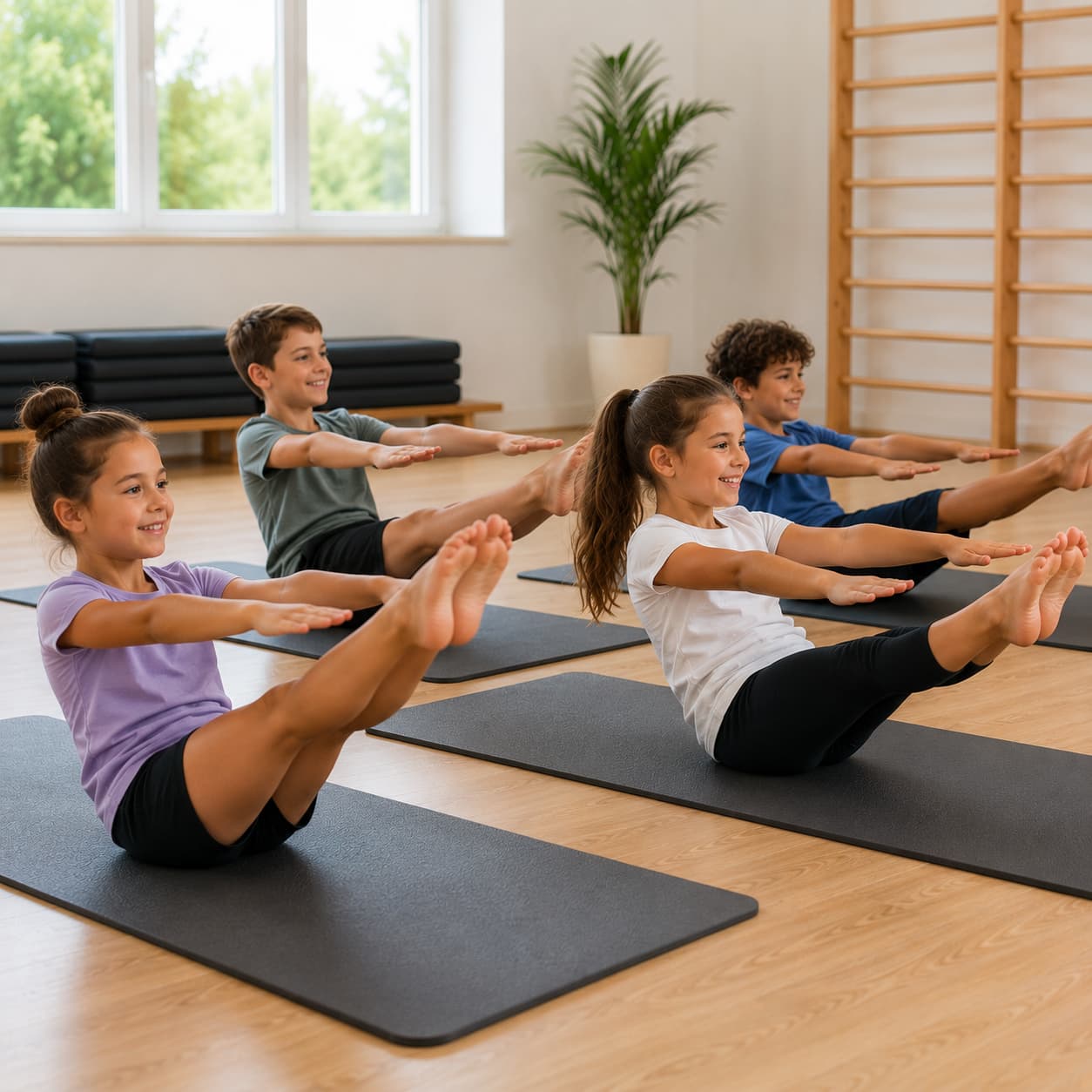
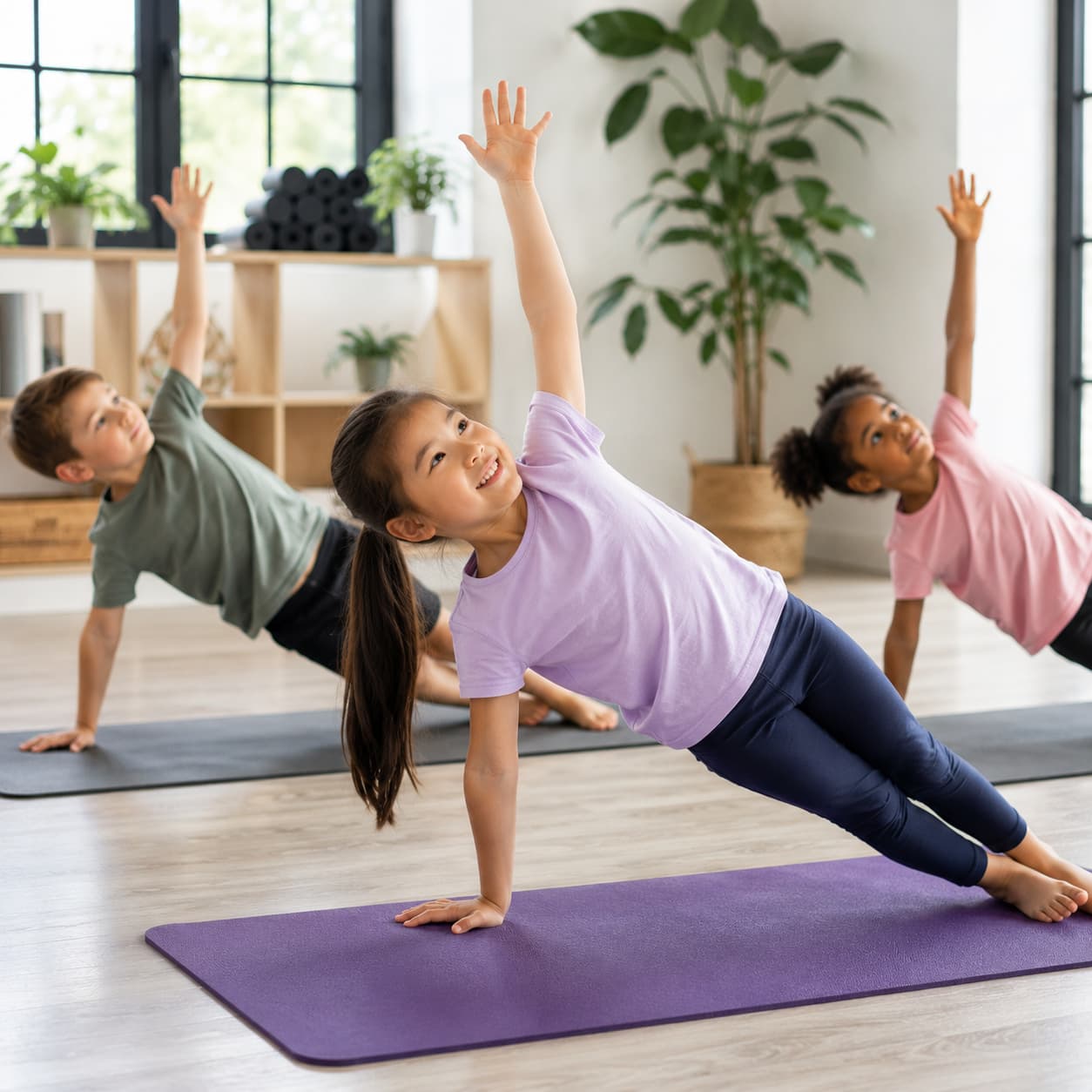
Structured movement sessions often help because the pace and environment allow children to actually feel what their body is doing instead of constantly reacting under pressure. Children balance, strengthen, coordinate and move while still remaining physically regulated enough to stay connected to the experience itself.
This does not mean sessions are silent or overly serious.
Children still laugh. Move. Challenge themselves. Lose balance dramatically sometimes.
Exist as children rather than tiny wellness monks floating peacefully across the school hall floor. But the structure supports regulation rather than escalating overstimulation further.
That difference matters enormously for many pupils, especially children who struggle with sensory overload, attention regulation or movement confidence.
Decision box: what movement sessions can support in KS1 and KS2
| Area of support | How movement sessions help |
|---|---|
|
Coordination |
Builds movement organisation gradually |
|
Confidence |
Encourages safe physical participation |
|
Focus |
Supports nervous system regulation |
|
Posture |
Improves body awareness and stability |
|
Balance |
Strengthens physical control |
|
Emotional regulation |
Uses movement to support calm |
|
Classroom readiness |
Helps children settle physically |
|
Mobility |
Reintroduces movement variety |
|
Participation |
Reduces fear around movement |
|
Physical development |
Builds foundational movement skills |
Why posture matters for children too
Children are now spending significant amounts of time sitting compared with previous generations.
School itself already involves substantial seated learning, but many children also spend large amounts of time on screens, in cars or engaging with entertainment that requires very little physical movement outside school hours. Over time, this affects posture, mobility, endurance and body awareness.
Teachers increasingly notice pupils struggling to maintain comfortable seated posture without collapsing physically into desks, leaning heavily through shoulders or constantly shifting position because the body feels unsettled.
Movement sessions help by strengthening the physical foundations supporting posture naturally.
Core stability improves. Body awareness improves. Mobility improves.
Children learn how their body feels when balanced, organised and supported rather than constantly compressed into static positions for long periods.
Importantly, posture support for children should never become rigid or perfectionistic. Healthy posture is dynamic. Children should move frequently, shift naturally and develop physical adaptability rather than being forced into robotic “sit up straight” positioning all day like tiny Victorian office workers traumatised by handwriting drills.
Movement support helps create that balance.
Why schools are increasingly interested in nervous system regulation
Many schools are now recognising that behaviour, focus, and emotional regulation cannot be separated cleanly from physical state.
Children regulate physically first. Movement changes breathing. Breathing changes the nervous system state.
Nervous system state influences concentration, emotional resilience and behaviour constantly throughout the school day.
This is why structured movement sessions can become such valuable support tools within educational settings. They help children experience regulation physically rather than relying entirely on verbal instruction and behavioural correction after dysregulation has already escalated.
Children often become calmer through movement rather than despite it. That distinction matters enormously.
And importantly, regulation-focused movement support does not need to feel therapeutic or overly clinical. In fact, children often respond best when movement simply feels engaging, structured, and physically grounding without excessive emotional framing attached to it.
The body learns through experience. Children do too.
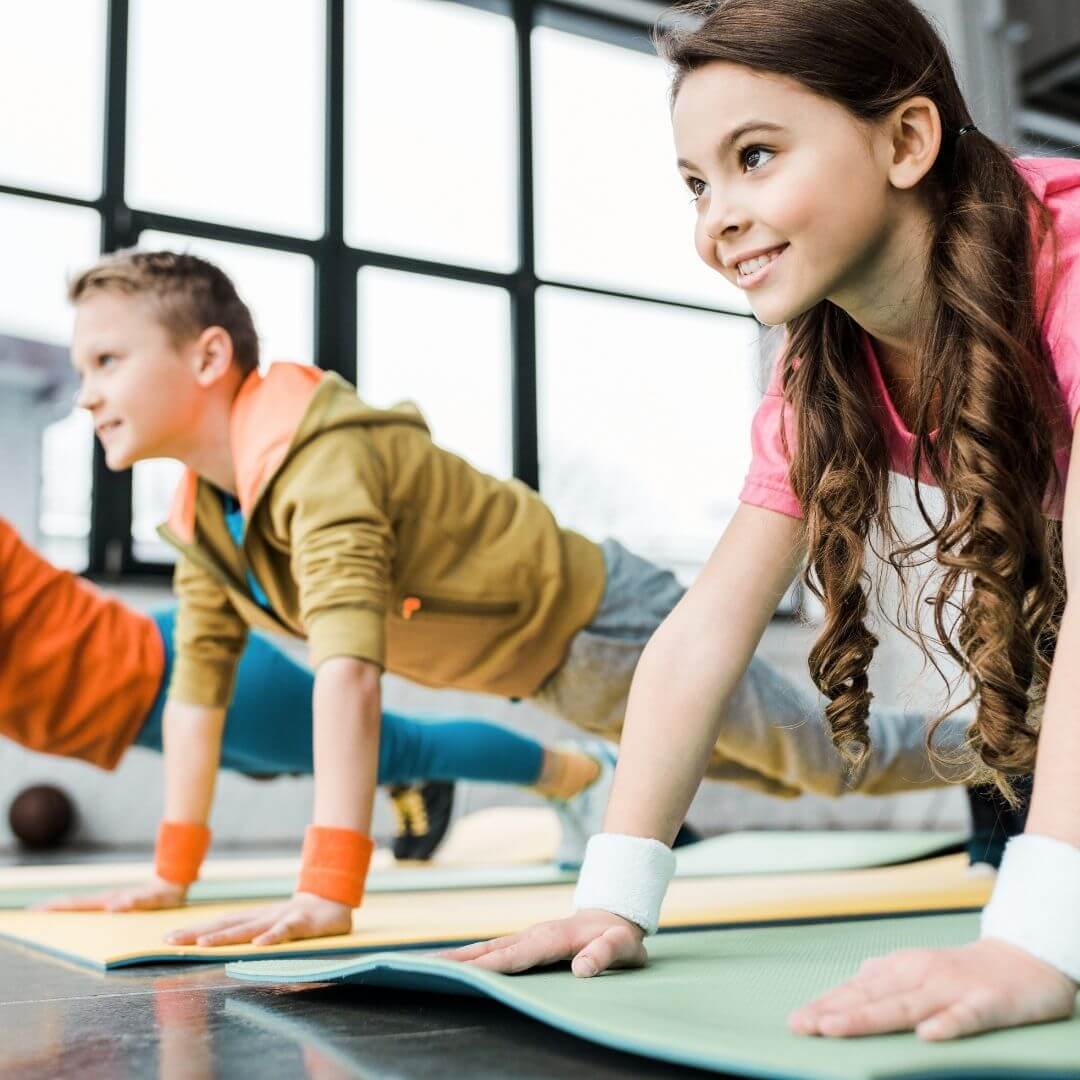
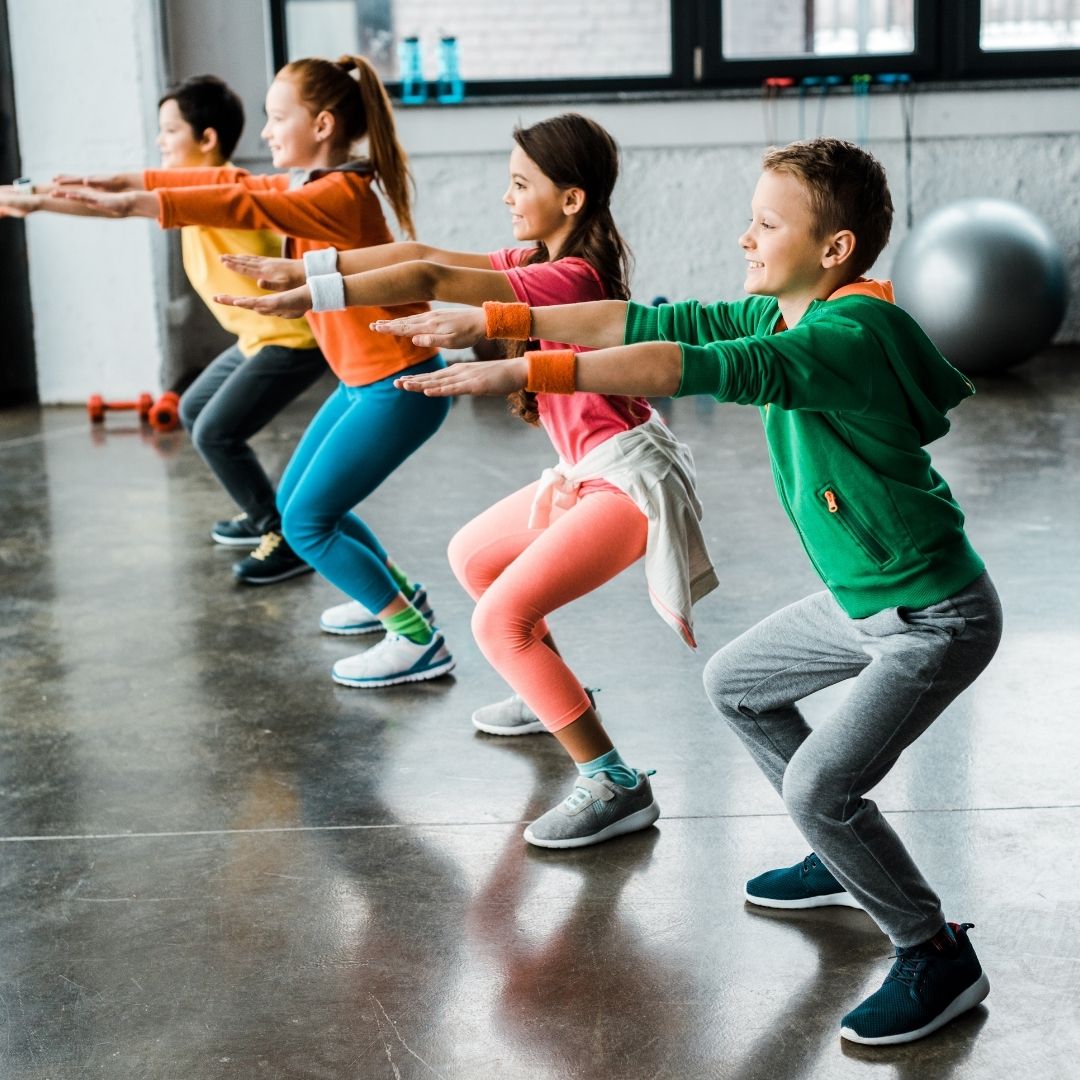
Comparison table: traditional PE vs structured movement sessions
| Traditional PE | Structured movement sessions |
|---|---|
|
Sport and activity focused |
Coordination and regulation focused |
|
Often competitive |
Less performance-based |
|
Fast-paced gameplay |
Controlled movement patterns |
|
Builds athletic skills |
Builds physical foundations |
|
Excellent for sport participation |
Excellent for body awareness |
|
Encourages teamwork |
Encourages movement confidence |
|
Physical activity emphasis |
Nervous system regulation emphasis |
|
Skill-based sports learning |
Foundational movement learning |
|
High-energy environments |
Calmer structured environments |
|
Valuable for all pupils |
Complements PE rather than replacing it |
Why inclusive movement support matters more than ever
Children develop at very different rates physically, emotionally and neurologically.
Some pupils arrive highly coordinated and physically confident. Others need significantly more support with balance, body awareness, posture or emotional regulation through movement. Inclusive movement environments allow children across this spectrum to participate without movement immediately becoming another area of shame or comparison.
That inclusivity matters enormously because many children already feel excluded from movement environments surprisingly early in life.
-
- Some believe they are “not sporty.”
- Some avoid PE.
- Some become anxious during physical tasks.
- Some disengage before they even really begin.
Movement sessions help interrupt those patterns by creating physical environments where children can experience success more gradually and more safely. Participation becomes accessible instead of intimidating.
This is one reason schools increasingly value movement provision that focuses on confidence and regulation alongside physical development itself.
Because children who feel physically capable usually engage more confidently with life generally.
Practical checklist: what schools should look for in movement provision
| Schools should look for… | Why it matters |
|---|---|
|
Age-appropriate delivery |
KS1 and KS2 require different pacing |
|
Calm structured sessions |
Supports nervous system regulation |
|
Inclusive teaching |
Encourages wider participation |
|
Strong safeguarding understanding |
Essential in school settings |
|
Adaptable movement activities |
Supports varied abilities |
|
Focus on coordination and posture |
Builds physical foundations |
|
Positive classroom management |
Helps children feel secure |
|
Breathing and regulation support |
Improves focus and calm |
|
Practical school experience |
School delivery differs from studio teaching |
|
Sustainable programming |
Creates long-term benefits |
Final thoughts: children need movement that helps them feel good in their body
Children need movement environments where they can build confidence, coordination, body awareness and focus without movement constantly revolving around competition or comparison.
That does not mean removing the challenge. It means widening access to physical confidence.
Structured movement sessions help schools support the whole child rather than focusing only on academic output or athletic performance in isolation. Children move, strengthen, balance, regulate and coordinate in ways that support classroom learning, emotional wellbeing and physical development simultaneously.
And ultimately, many children simply need more opportunities to feel physically comfortable and capable inside their own bodies again.
That is not extra. It is foundational.
To learn more about movement support for schools, visit School Movement Programmes in Nottingham or explore Children’s Yoga & Pilates in West Bridgford.
You can also read:
Primary School Movement Sessions: What Pupils Actually Need Beyond PE
Children’s Movement Classes in Rushcliffe: Yoga, Pilates and Confidence Through Movement
Children’s Yoga vs Children’s Pilates: Which Class Is Right for Your Child?
School Movement Programmes in Nottingham: Supporting Focus, Confidence and Physical Development
Key takeaways
Many children do not simply need “more exercise.” They need better movement foundations, stronger coordination, improved body awareness and calmer physical regulation in order to feel more confident and focused throughout the school day.
Frequently Asked Questions
Movement sessions are structured physical activities designed to support coordination, balance, posture, focus, confidence and body awareness for primary-aged children.
No. Movement sessions complement PE by focusing more specifically on foundational movement development and nervous system regulation.
Movement supports physical regulation, posture, breathing and nervous system balance, all of which influence concentration and classroom readiness.
Sessions may support coordination, balance, mobility, posture, strength, body awareness and controlled movement patterns.
Yes. Structured movement sessions often help children who feel anxious or uncomfortable in highly competitive sports environments.
Coordination influences posture, balance, confidence, movement organisation and participation throughout school life.
Yes. Movement and breathing influence nervous system state, helping many children feel calmer and more physically settled.
PE often focuses on sport and physical activity, while movement sessions focus more specifically on movement foundations, posture, regulation and confidence.
Yes. Children balance, strengthen, coordinate and move throughout sessions while remaining inside calm, structured environments.
Many schools recognise that children increasingly need support with coordination, posture, focus, confidence and nervous system regulation alongside traditional physical education.