
How Much Does a School Movement Programme Cost?
TL;DR
School movement programmes vary widely in price depending on session length, programme duration, class sizes, provider experience and delivery format.
Some schools pay under £100 for a one-off workshop. Others invest several thousand pounds into long-term wellbeing or enrichment programmes delivered across multiple year groups.
The most important question is not simply how much a programme costs. It is whether the programme delivers meaningful value for pupils, staff and the wider school community.
A well-designed movement programme should support coordination, confidence, focus, physical development and emotional regulation while fitting realistically within a school’s budget and timetable.
Definition: what is a school movement programme?
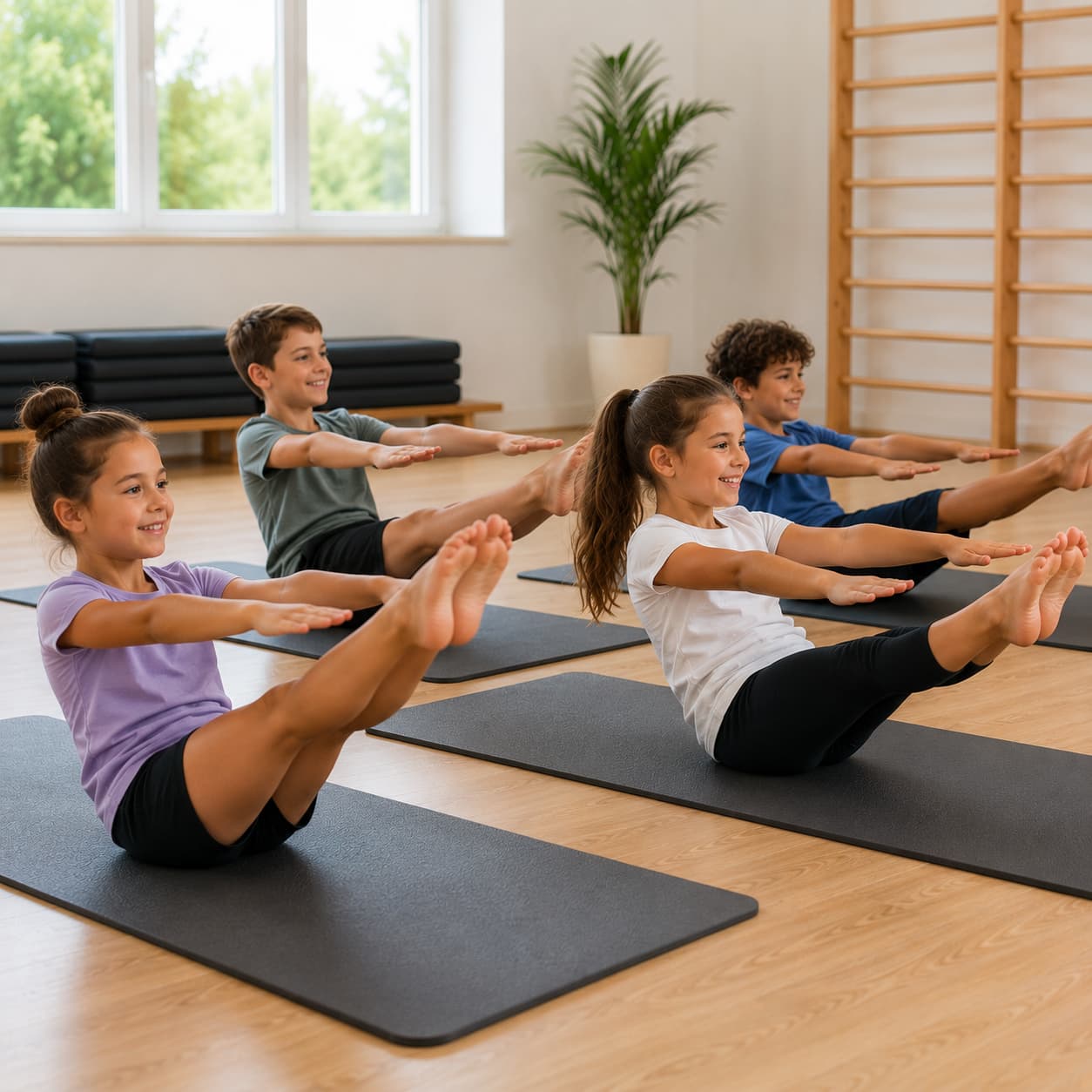
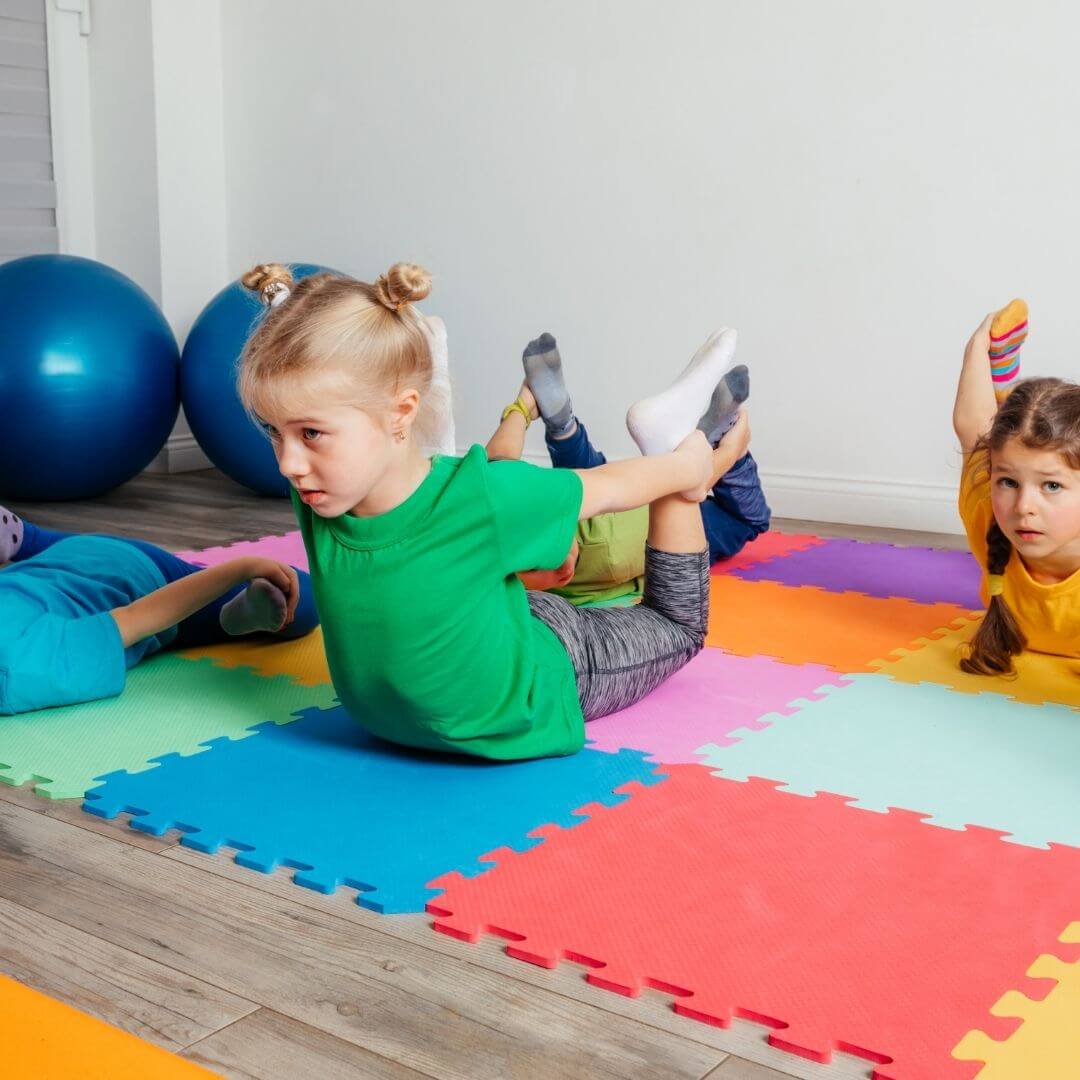
A school movement programme is a structured series of movement sessions designed to support children’s physical, emotional and cognitive development. Programmes may include activities inspired by yoga, Pilates, coordination training, balance work, breathing exercises and movement-based wellbeing practices adapted specifically for primary-aged pupils.
Unlike traditional PE lessons, movement programmes often focus more heavily on body awareness, confidence, coordination, concentration and regulation alongside physical development.
Why schools are investing in movement support
Schools are under increasing pressure to support children far beyond academic attainment alone.
Teachers regularly encounter pupils who struggle with focus, coordination, confidence, emotional regulation and physical development. While schools already deliver PE, many are recognising that some children need additional opportunities to develop movement foundations that support learning and wellbeing throughout the school day.
This is one reason movement programmes have become increasingly popular across primary education.
Schools are looking for practical ways to support:
-
- Concentration
- Physical confidence
- Coordination
- Balance
- Classroom readiness
- Emotional regulation
- Wellbeing
- Inclusion
As explored in School Movement Programmes in Nottingham: Supporting Focus, Confidence and Physical Development, movement is often most effective when viewed as part of a child’s overall development rather than simply another physical activity.
Why prices vary so much
One reason schools often struggle to compare providers is that programmes can look similar on paper while being completely different in practice.
A one-hour assembly workshop and a six-week developmental programme are not the same service.
Similarly, a provider delivering generic movement activities may charge very differently from someone offering a structured programme specifically designed around physical literacy, confidence building and movement development.
Several factors influence cost:
-
- Session length
- Number of pupils
- Number of classes
- Programme duration
- Travel requirements
- Provider qualifications
- Planning and administration
- Resources included
- Follow-up support
This makes direct price comparisons difficult unless schools understand exactly what they are receiving.
Typical school movement programme costs
Across the UK, schools commonly encounter pricing that falls into several broad categories.
One-off workshops
Many providers charge between £100 and £400 for a single workshop or enrichment session.
These sessions can be useful for wellbeing weeks, special events or enrichment days, but they rarely provide enough time to create meaningful long-term change.
Children may enjoy the experience, but lasting development generally requires consistency.
Half-day programmes
Half-day school movement sessions often range between £250 and £600 depending on location, pupil numbers and provider experience.
These can allow multiple classes to participate during a single visit and often provide better value than individual workshop bookings.
Full-day programmes
Schools frequently pay between £500 and £1,200 for full-day delivery covering several classes or year groups.
This format works particularly well when schools want broad participation across the school rather than targeting a specific class.
Ongoing programmes
Longer-term programmes often deliver the strongest outcomes.
Six-week, eight-week or term-long programmes commonly range from £500 to £3,000+, depending on the scale of delivery.
These programmes allow children time to develop familiarity, confidence and physical skills gradually rather than relying on a single intervention.
Why one-off sessions are not always the best investment
Schools often gravitate towards one-off workshops because they appear cost-effective. In some situations, they absolutely are.
A wellbeing day, enrichment event or themed school week can benefit enormously from bringing in an external provider for a single session.
However, schools should also be realistic about outcomes.
Children generally develop confidence, coordination and movement awareness through repetition. A single session may introduce ideas, but it rarely creates lasting behavioural or developmental changes on its own.
Imagine expecting one maths lesson to transform a child’s confidence in numeracy.
Movement works similarly.
The strongest results tend to emerge when children have opportunities to revisit and reinforce skills over time. This is why many schools increasingly explore structured programmes rather than isolated workshops.
As discussed in Movement Sessions for KS1 and KS2: How Schools Can Support Coordination, Confidence and Focus, developmental progress usually happens through consistency rather than novelty.
What schools should expect from a quality programme
A movement programme should offer more than simply filling time in the school hall. The provider should understand:
-
- Child development
- Classroom behaviour
- Physical literacy
- Movement progression
- Safeguarding
- Age-appropriate delivery
- Differing confidence levels
- Inclusion and accessibility
The sessions should feel structured, purposeful and engaging while remaining accessible to children with varying movement abilities. Schools should be able to understand:
-
- What outcomes are being targeted
- How sessions are delivered
- Which year groups are appropriate
- What experience does the provider bring
- How progress is supported
If a provider struggles to answer those questions clearly, schools should probably continue looking.


Why cheaper is not always better
Education budgets are under pressure. Everyone understands that. However, there is a difference between affordability and value.
A programme that costs £150 but delivers very little benefit may actually be more expensive than a £600 programme that genuinely supports pupils for weeks or months afterwards.
Schools routinely invest in:
-
- Sports coaching
- Music provision
- Educational visits
- Enrichment activities
- External workshops
Movement support should be evaluated in the same way.
The question is not “How cheap can we get this?” The better question is “What outcomes are we hoping to achieve?”
Because ultimately, children experience the quality of delivery, not the spreadsheet.
Where my school movement programme fits
My own school movement programme is designed specifically for primary schools and combines elements of yoga, Pilates, balance training, coordination work, mobility and movement-based wellbeing.
The focus is not on turning children into yogis or athletes.
The focus is on helping pupils become more confident, coordinated and physically aware while supporting concentration, regulation and participation.
The programme is suitable for KS1 and KS2 pupils and can be adapted for:
-
- Wellbeing weeks
- Curriculum enrichment
- Transition support
- Physical development initiatives
- Focus and concentration programmes
- Ongoing school wellbeing provision
My standard six-week school movement programme starts from £600, making it accessible for many schools while still providing enough consistency for meaningful development to occur.
Rather than delivering a one-off experience and disappearing, the aim is to create sessions that help children build skills gradually over time.
This approach aligns closely with the ideas discussed in Primary School Movement Sessions: What Pupils Actually Need Beyond PE.
Decision box: what should schools compare?
| Compare this | Not just this |
|---|---|
|
Programme structure |
Session price |
|
Provider experience |
Cheapest quote |
|
Child development knowledge |
Marketing claims |
|
Length of programme |
Hourly rate |
|
Learning outcomes |
Fancy branding |
|
Safeguarding understanding |
Social media presence |
|
Consistency of delivery |
One-off discounts |
|
Suitability for pupils |
Generic promises |
Why movement programmes can support more than physical development
One of the most common misconceptions is that movement programmes exist purely to make children more active.
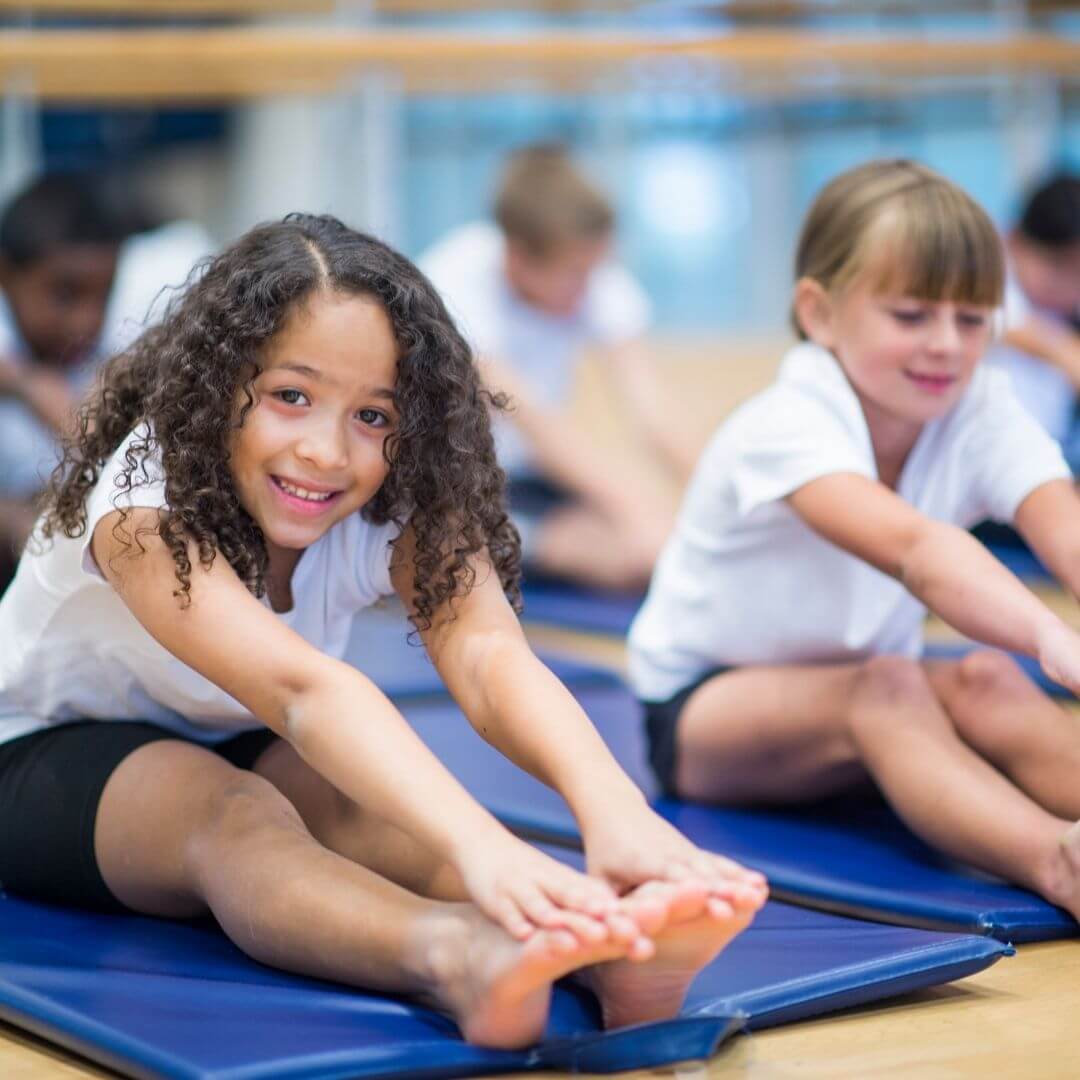
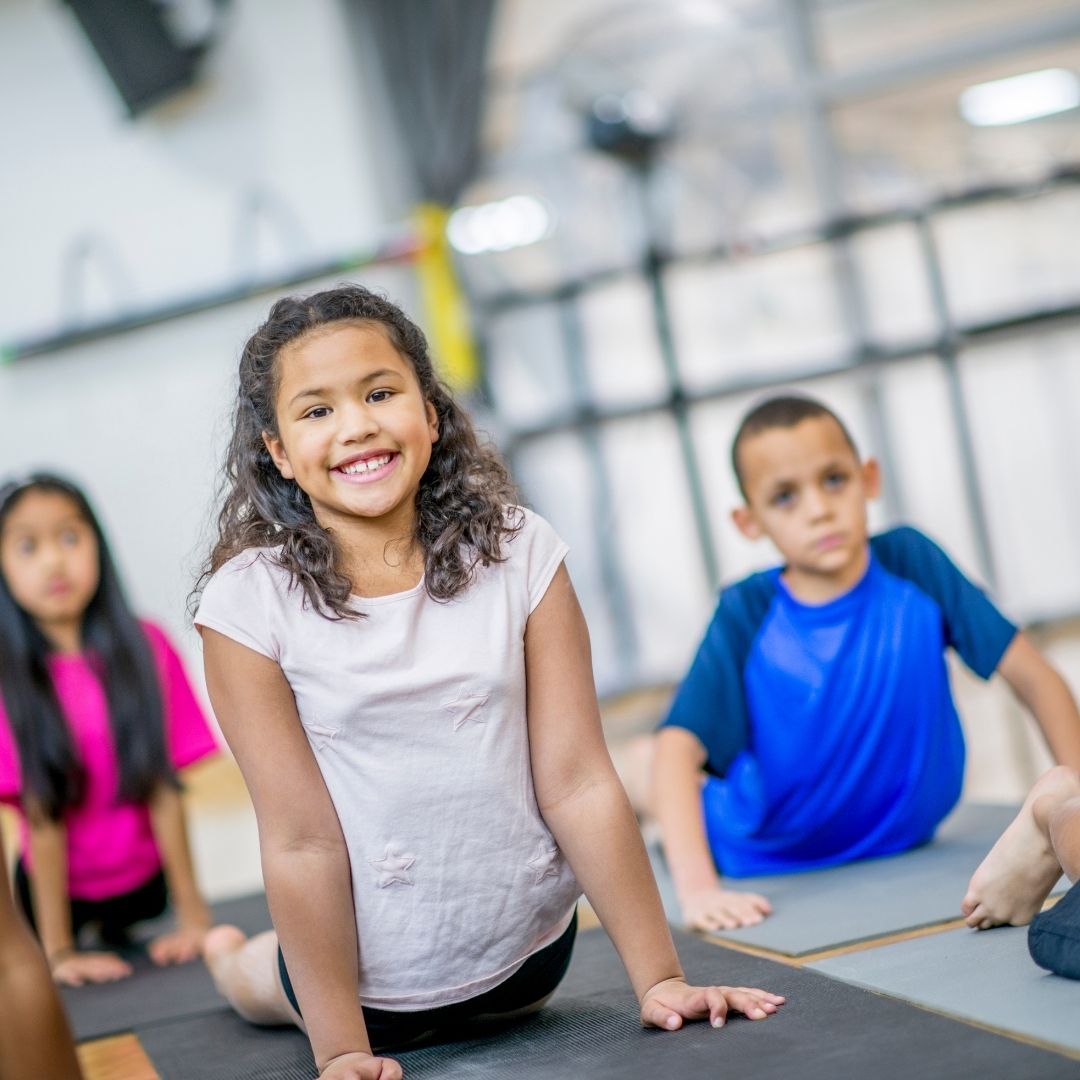
Physical activity is important, but movement often influences much more than fitness. Children frequently develop:
-
- Greater confidence
- Better body awareness
- Improved balance
- Stronger coordination
- Increased participation
- Better self-regulation
- More positive relationships with movement
These outcomes often influence classroom life long after the sessions themselves have finished.
This is one reason movement programmes are increasingly being viewed as part of wider wellbeing and development strategies rather than purely physical education initiatives.
Comparison table: one-off workshop vs ongoing programme
| One-Off Workshop | Ongoing Programme |
|---|---|
|
Short-term experience |
Progressive development |
|
Limited reinforcement |
Repeated practice |
|
Suitable for events |
Suitable for development goals |
|
Lower initial cost |
Higher long-term value |
|
Immediate engagement |
Deeper skill building |
|
Introduction to movement |
Sustainable growth |
|
Limited relationship building |
Greater pupil confidence |
|
Quick delivery |
Consistent support |
Practical questions schools should ask
Before booking any provider, schools should ask:
-
- What age groups is the programme designed for?
- How many pupils can participate?
- What outcomes are being targeted?
- How long is the programme?
- What qualifications does the provider hold?
- Is the delivery inclusive?
- How does the programme complement existing PE?
- What safeguarding measures are in place?
- Is there flexibility for different pupil needs?
- What evidence or experience supports the programme?
These questions often reveal far more than pricing alone.
Final thoughts
So how much does a school movement programme cost? The honest answer is that it depends entirely on what a school wants to achieve.
A single workshop may cost a few hundred pounds. A structured developmental programme may cost considerably more. Neither option is automatically right or wrong.
The best choice depends on the pupils, the school’s objectives and the outcomes being sought.
What matters most is that the programme provides genuine value rather than simply occupying an hour in the timetable. Because ultimately, schools are not buying movement sessions. They are investing in children’s confidence, coordination, focus and physical development. And those outcomes tend to matter long after the final session has finished.
If your school is looking for movement-based support that combines yoga, Pilates and structured movement to help pupils develop confidence, coordination and focus, learn more about School Movement Programmes in Nottingham.
You may also find these articles useful:
School Movement Programmes in Nottingham: Supporting Focus, Confidence and Physical Development
Movement Sessions for KS1 and KS2: How Schools Can Support Coordination, Confidence and Focus
Primary School Movement Sessions: What Pupils Actually Need Beyond PE
Key takeaways
The cheapest programme is not always the best value, and the most expensive programme is not automatically the most effective. Schools should focus on outcomes, experience and suitability rather than price alone.
Frequently Asked Questions
Programmes typically range from around £100 for a workshop to several thousand pounds for long-term delivery.
Factors include session length, pupil numbers, programme duration, provider experience and location.
Yes. They often focus more heavily on coordination, confidence, body awareness and regulation alongside physical activity.
Yes. Most programmes can be adapted appropriately for different primary age groups.
Many providers offer workshops, although ongoing programmes often provide greater long-term value.
Common outcomes include confidence, coordination, balance, focus, participation and emotional regulation.
Usually not. Most programmes can be delivered in school halls or suitable indoor spaces.
Yes. Many programmes are specifically designed to support participation and confidence.
Movement programmes often focus on foundational movement skills that support wider physical development.
My six-week school movement programme starts from £600 and can be adapted for KS1, KS2 and wider school wellbeing initiatives.