
Why Turning Myself Upside Down Made Me Paint Better
This morning I didn’t move because I was being disciplined, which is a shame because that would make me sound far more impressive than I actually was. I moved because I wanted to. That was the whole reason. No grand routine, no clever plan, no wellness checklist, no attempt to become the sort of person who wakes up glowing and speaks softly about nervous system regulation before breakfast. I just had enough energy, enough curiosity, and enough space in my body to do something with it, so I unrolled the mat and let the morning begin from there.
There was no structure to it at first. I wasn’t following a sequence or trying to make it into a proper practice. I stretched a little, breathed a little, moved through whatever felt useful, and noticed that my body was more awake than I expected. That is always a nice surprise, especially when you have spent enough time injured to know that the body does not owe you ease just because you fancy it. Some mornings, movement feels like negotiating with a tired committee. This morning, it felt more like an invitation.

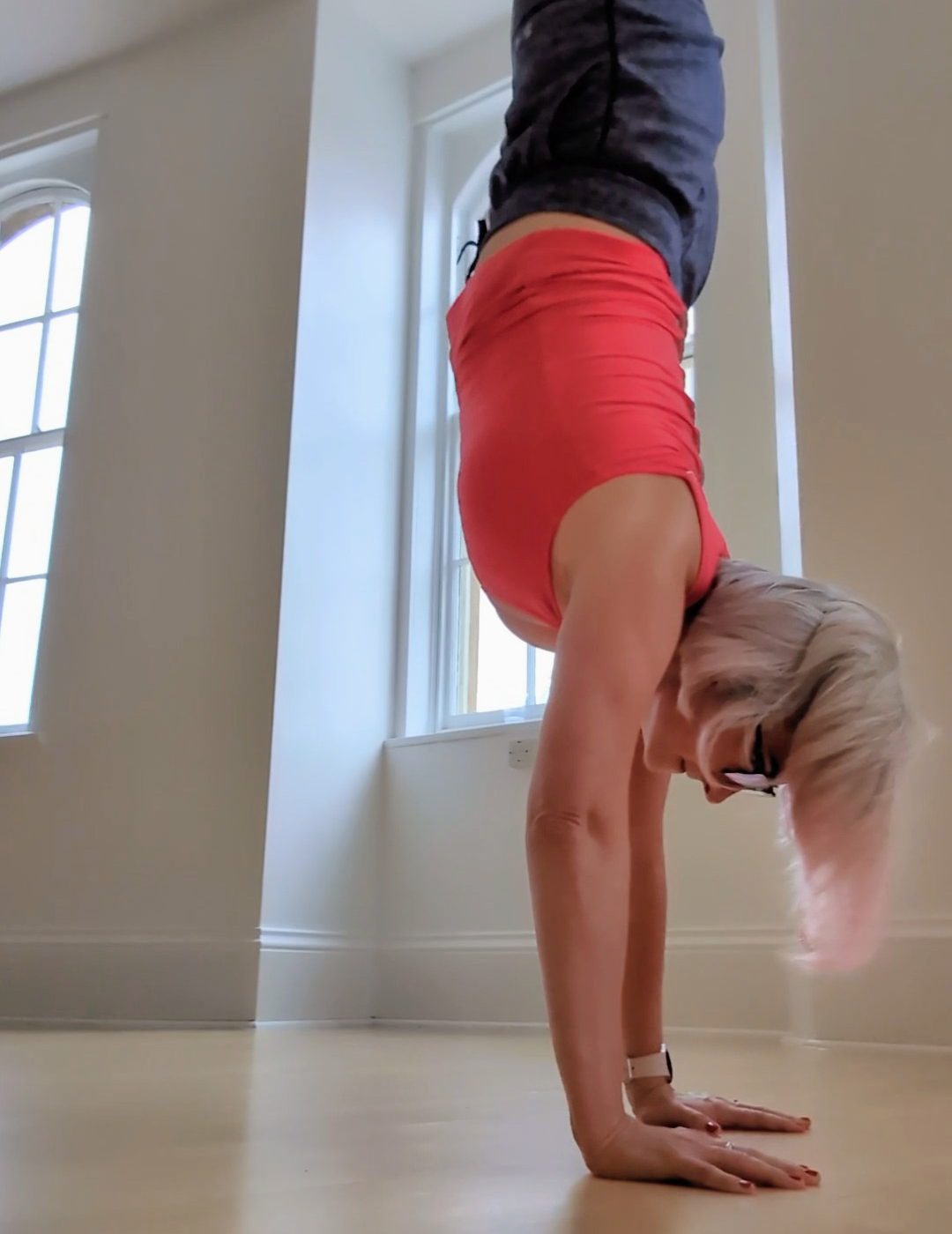
Then the idea arrived: handstands. Which is where things become slightly more complicated, because handstands are not neutral for me anymore. A year ago, my calf ruptured during a handstand transition. One moment I was moving, the next something in my leg went in a way that no part of the body should ever go unless it is making a very dramatic complaint. For months afterwards, my leg didn’t feel like mine. Walking became an event, stairs became personal enemies, and my confidence had to rebuild itself around a body that had suddenly become much less predictable.
That is the thing people do not always understand about injury. The tissue can heal, strength can come back, movement can return, but the body keeps receipts. It remembers the exact category of movement where something went wrong. It remembers the angle, the load, the moment of trust that turned into pain. So when I go upside down now, it is never just playful in the innocent sense. It is playful with a little legal department attached.
I started slowly, with my hands pressed into the mat, fingers spread, shoulders active, weight shifting forward. That first lean into the hands is still one of my favourite parts because it is the moment before anything has happened, when the body has to decide whether it trusts you today. Some days, the answer is a very clear no, absolutely not, you reckless woman. Today, strangely and beautifully, the answer was yes.
My balance came more easily than I expected. Not perfectly, because perfection is boring and usually suspicious, but steadily. My arms felt strong, my shoulders knew what to do, my breath stayed calm, and for a few seconds the whole thing felt simple. That is what I love about being upside down. It does not leave much room for nonsense. You cannot fake presence in a handstand. You are either there, paying attention through every fingertip and every small shift of weight, or you are on the floor, wondering how gravity became so personal.
Everything narrows when you are upside down. The hands, the shoulders, the line of the spine, the breath, the tiny adjustments that keep you from tipping too far in one direction. It is not peaceful in a soft, floaty way. It is peaceful because there is no space left for mental clutter. The body has your full attention, and for a few seconds, the mind stops trying to run the entire production.
Coming down is still the part where my right leg becomes very opinionated. Going up feels fine now. Staying up feels fine. Coming down is where the old fear taps me on the shoulder and says, remember me? I do. So I lower the left leg first because it feels safer, more controlled, and less like I am about to recreate the original disaster for dramatic effect. It is not fear exactly. It is caution with a clipboard. My body remembers what happened, and I am not interested in bullying it into pretending it doesn’t. That is not bravery. That is stupidity in leggings.
Once I came down, I stayed on the floor for a moment and let everything settle. There is something oddly satisfying about returning to the ground after being upside down. It is the same floor as before, obviously. It has not done anything heroic. But suddenly it feels like a reliable friend: solid, uncomplicated, and not asking me to balance my entire bodyweight on my hands before breakfast.
I carried on moving because I wasn’t ready to stop. Crow, side crow, shoulder taps, a bit of messing around, nothing structured and nothing performed for anyone. Crow always has that satisfying compactness to it, strong but not loud, while side crow is more of a negotiation. It asks for twist, pressure, trust, and a willingness to look slightly ridiculous on the way in, which is fine because looking ridiculous is a vital life skill and, frankly, one I have trained extensively.
What felt good was that none of it felt like training. It wasn’t about proving I was back, testing the injury, or creating some heroic comeback montage where I stare meaningfully into the distance while inspirational music plays. It was just enjoyable, and that sounds small until you have been injured long enough to know that enjoyment is not the same as capacity. You can regain strength before you regain play. You can do the exercises, follow the rehab, tick the sensible boxes, and still feel as if your body is something you are managing rather than somewhere you actually want to live.
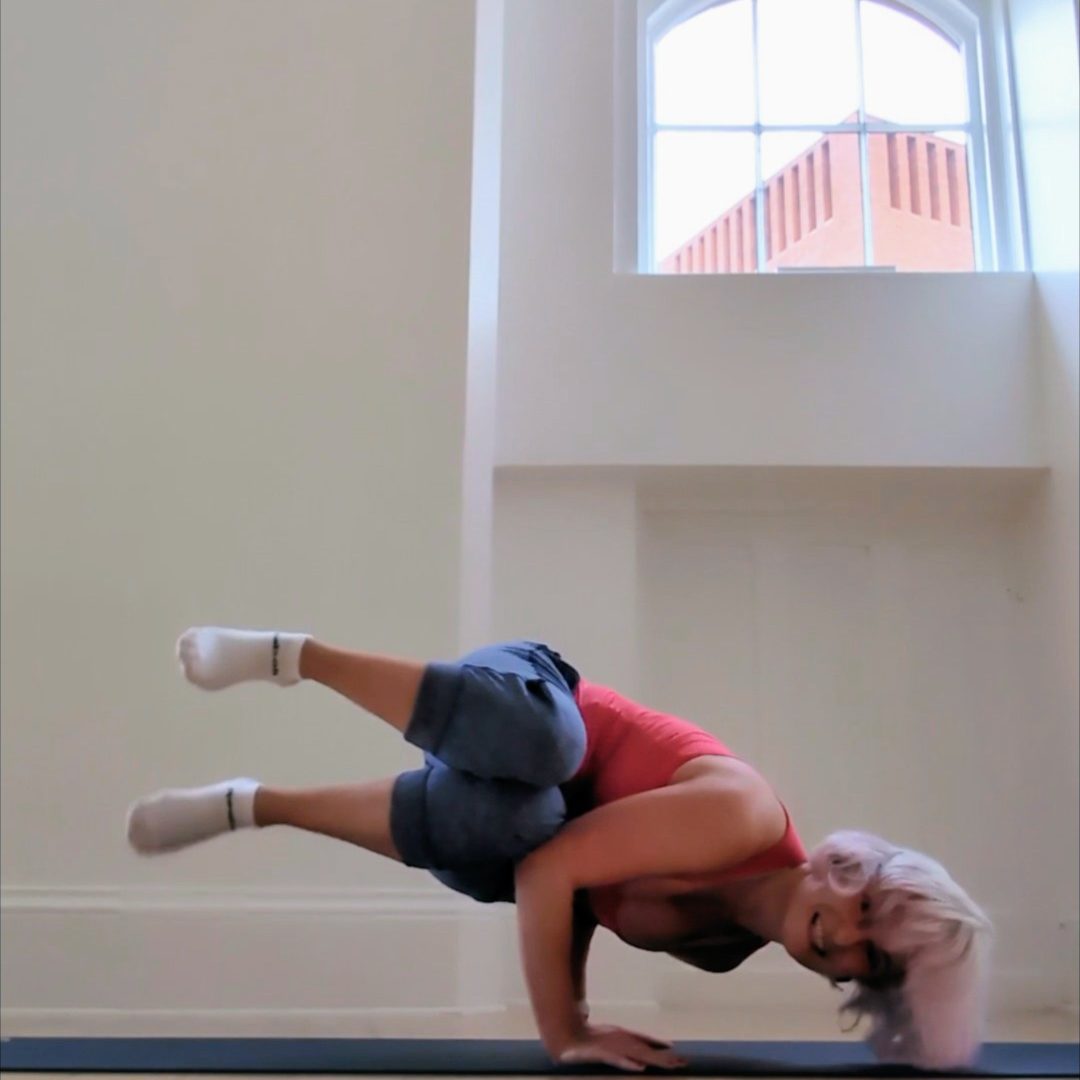
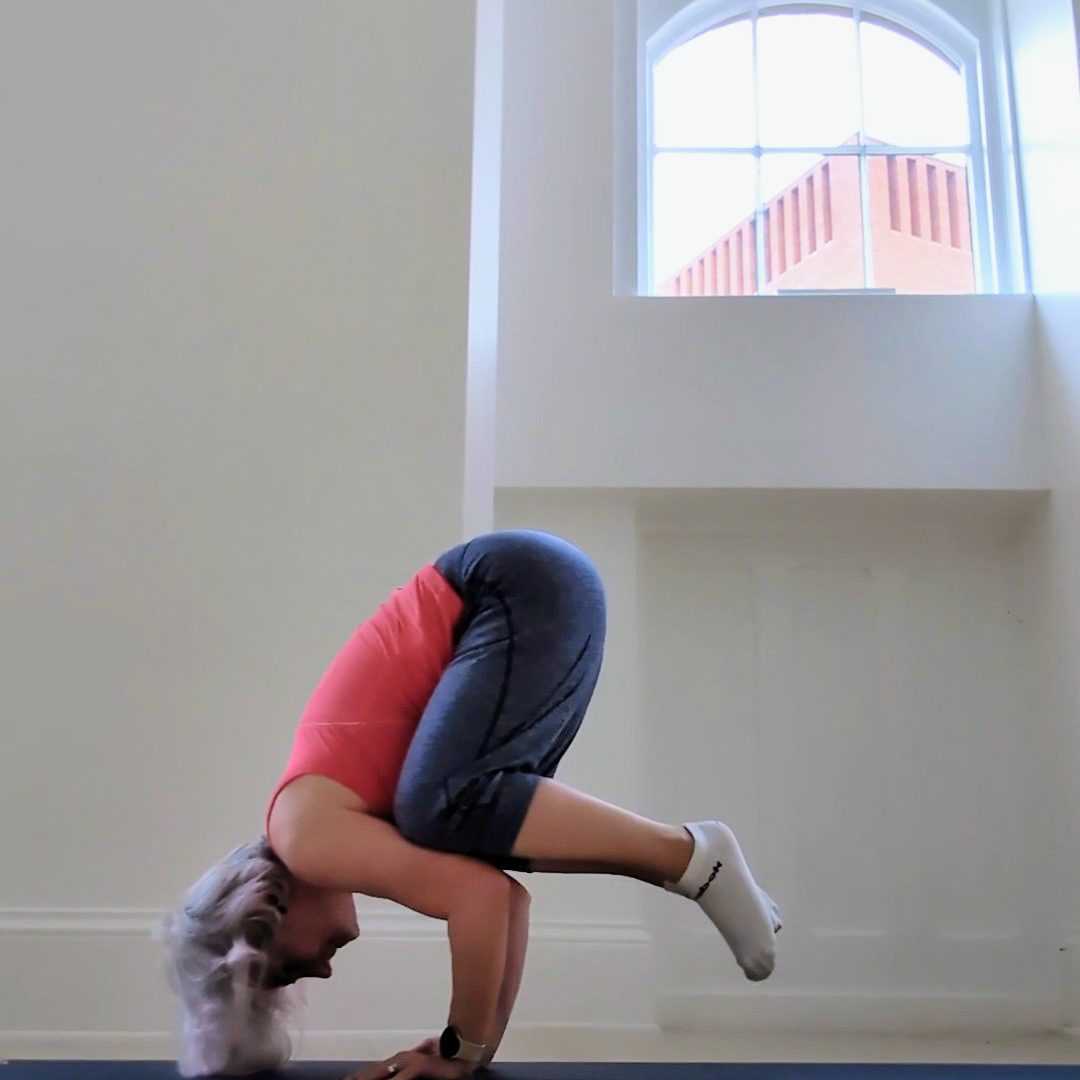
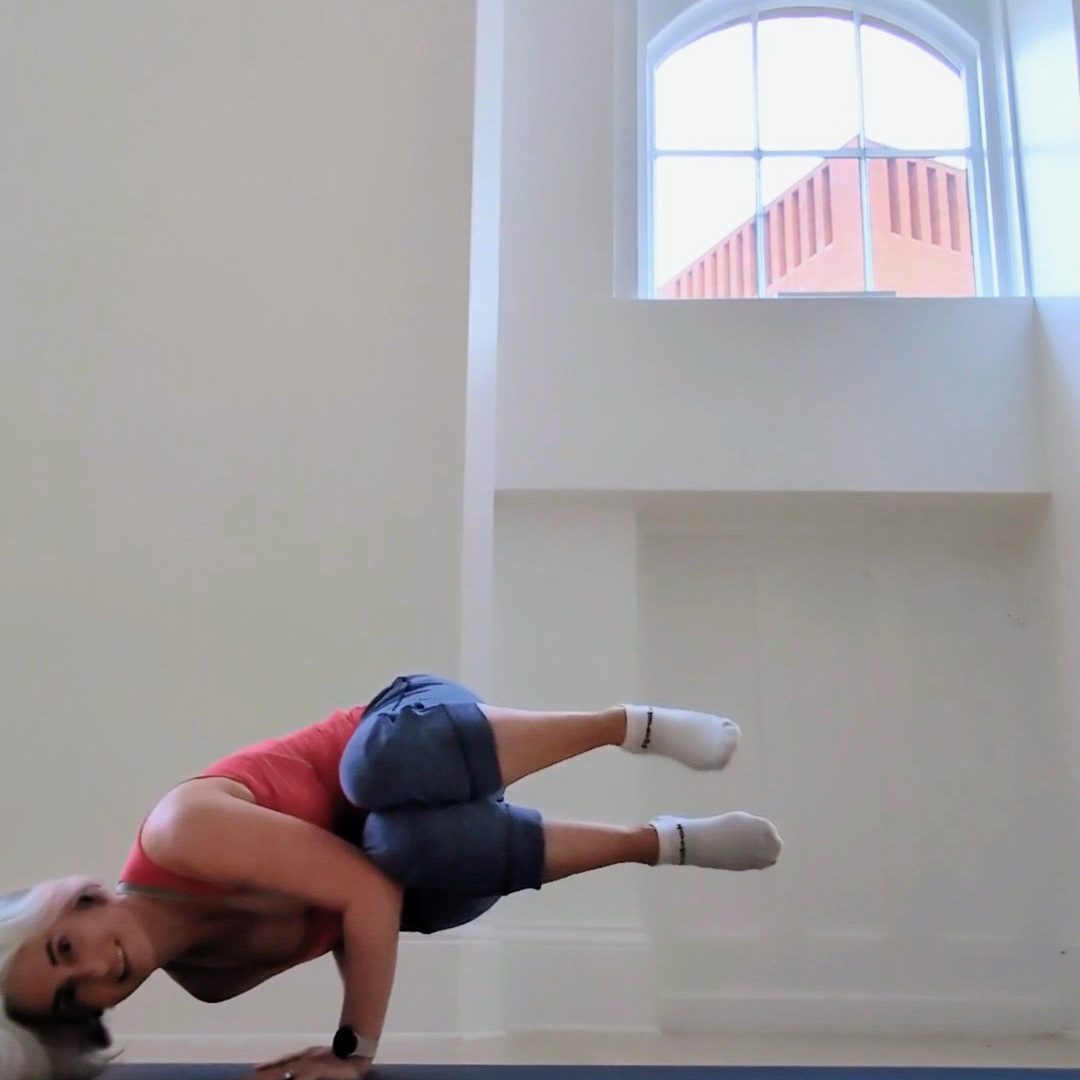
This morning felt different because I wasn’t performing movement or forcing confidence. I was simply in it. I moved because it felt good, and for once I stopped before I turned the whole thing into a full personality disorder. That might have been the most intelligent thing I did all morning. I did not keep going until the lightness became strain. I did not decide that because one handstand felt good, I should now attempt every advanced inversion known to humankind and possibly invent three new ones. I stopped while it still felt light.
Afterwards, I sat for a while, not in a dramatic meditation pose, just slightly sweaty, slightly pleased with myself, and grateful that my calf remained intact, which deserves at least polite applause. There is a particular feeling after good movement that is not exhaustion and not adrenaline, but more like the body has been reorganised from the inside. Everything feels clearer. The edges soften. The mind stops grabbing at every passing thought like a bored toddler in a supermarket.
Usually, I would shower, stretch properly, make tea, or open my laptop and ruin the mood immediately with admin, but I didn’t want to interrupt it. So I went to paint. Not because I had planned to, and not because I was trying to channel anything, because the word “channel” still makes me want to leave the room if it is used too seriously. I just walked into the studio because it felt like the next obvious thing.
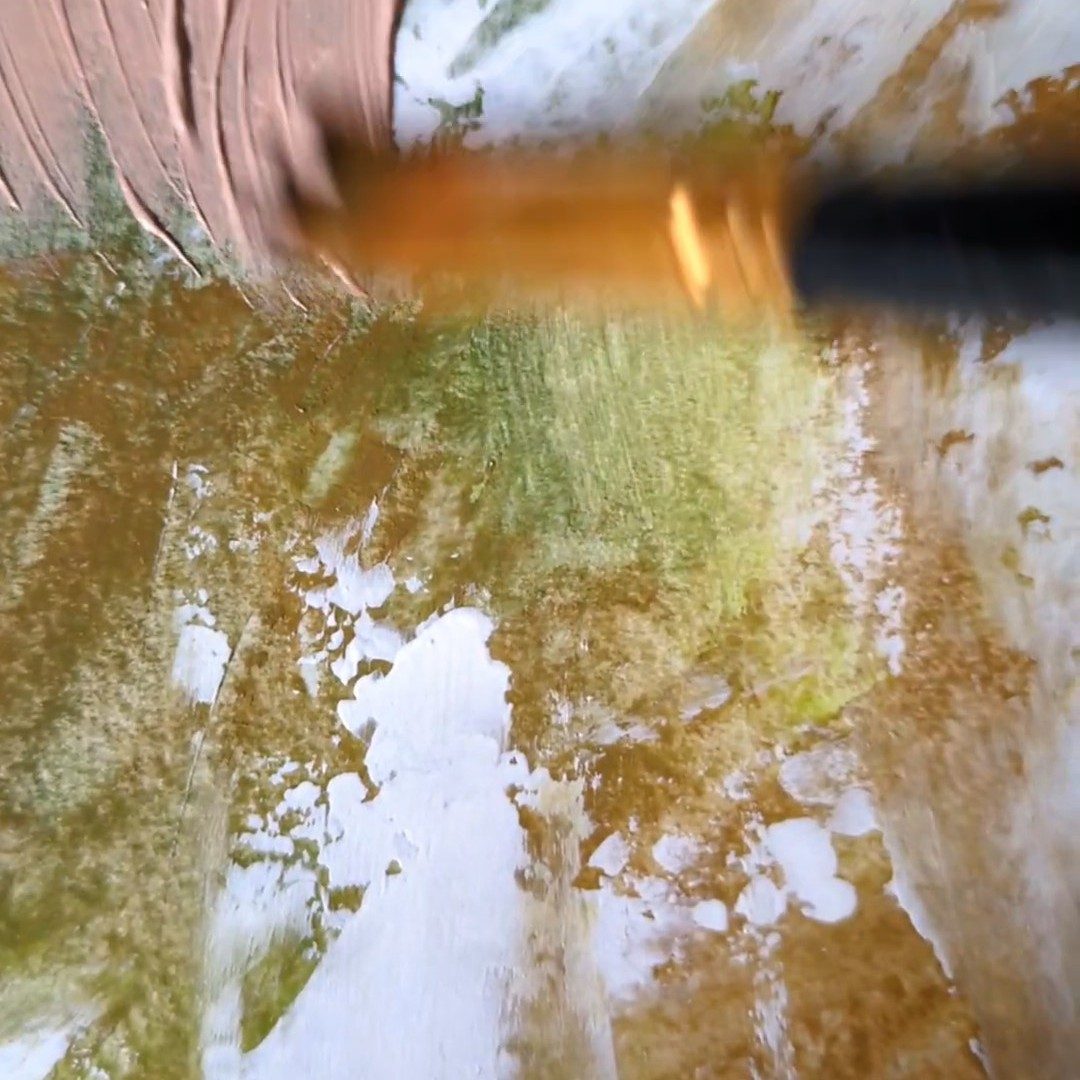
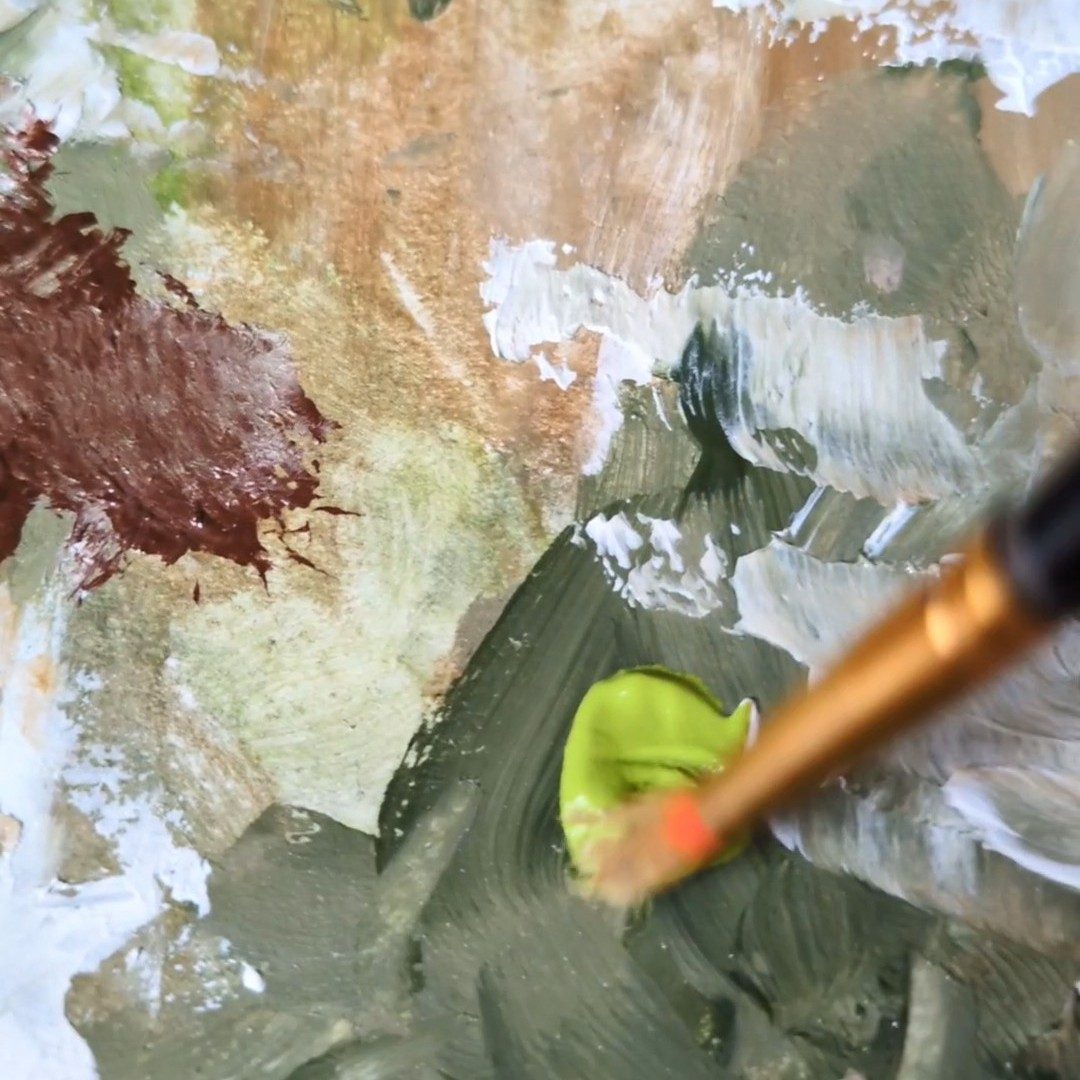
The canvas was already there, half-started from the week before, and I picked up where I had left off. Something had changed, but not in a mystical way. No angels descended, no portal opened, and the paint did not whisper ancient wisdom into my ear, thank Christ. It was much simpler than that: I felt good. My body felt awake, my mind wasn’t fighting me, and my hands had already spent the morning listening closely, adjusting, balancing, responding. So when I picked up the brush, that same attention was still there.
The painting did not feel separate from the movement. It felt like the same conversation in a different language. In the handstand, the body had been working through pressure, balance, control, trust, and timing. In the painting, those same things appeared through colour, gesture, layering, and decision-making. A brushstroke is not that different from a movement pattern. You can force it, or you can feel where it wants to go. You can overthink it, or you can respond. You can grip too tightly and kill the whole thing, or you can stay present enough to let it breathe.
This is where movement helps my painting. Not because it makes me more virtuous, and not because I become some elevated version of myself who drinks green things and never swears at technology. Movement gets me out of my head and back into the body that actually makes the work. Painting is physical. People often talk about emotion, concept, meaning, expression, and all of that matters, of course, but painting also comes through shoulders, wrists, spine, breath, feet, pressure, reach, timing, and stamina. You do not just think a painting into being. You move it into being.
When my body feels locked, guarded, tired, or disconnected, the work feels different. It can still be good, but it comes through more resistance. There is more noise in the system. This morning, there was less noise. The colours made sense quickly. My hands moved without that annoying committee of doubt gathering around every decision. I wasn’t trying to make the painting important, and I wasn’t dragging meaning out of it like a reluctant confession. I was enjoying myself.
That felt important because there is so much pressure around creativity to make everything deep. Pain must become art. Trauma must become insight. Stillness must become wisdom. A cup of tea must become a metaphor for ancestral longing. Sometimes, yes, fine. I have written a whole book about stillness, so I can hardly pretend I do not enjoy a bit of depth. But sometimes creativity comes from joy. Sometimes the work improves because you are not trying to extract meaning from every molecule of your existence. Sometimes you paint better because your body has had a good morning and your nervous system has stopped behaving like an overworked office manager.
That was the reminder. Not everything has to be processed. Not everything has to be healed. Not everything has to become a grand emotional excavation with a tasteful title and a three-part essay. Some things are allowed to feel good. The painting that came out of that morning looked different because I felt different. It had more life in it, more movement, more ease. It wasn’t trying to prove anything, and neither was I.
People often imagine artists as permanently tormented creatures who need suffering in order to make anything worthwhile. Pain can sharpen things, of course. Loss can open things. Grief can change the work. I know that. I have lived enough of it. But I don’t want suffering to get all the credit. Joy is not shallow. Play is not unserious. Ease is not the opposite of depth. Sometimes ease is what appears after a long time of doing the harder work. Sometimes joy is not avoidance. Sometimes it is evidence that something in you has softened enough to let life back in.
That is what this morning felt like. Not a breakthrough, because I am suspicious of breakthroughs and they usually come with admin, but a small return. A return to trusting my body. A return to painting without gripping. A return to the part of me that likes making things because making things feels good, not because they need to justify their existence.
When I finished, I cleaned the brushes, stretched my calf, and stood there looking at the painting. It felt like a good day. No huge revelation, no spiritual fireworks, no need to make it more impressive than it was. I had moved, gone upside down, not injured myself, and painted from a place that felt awake and unforced. That was enough.
I do not think turning myself upside down magically made me paint better. I think it reminded me that the body is not separate from the work. The way I move affects the way I see. The way I breathe affects the way I make decisions. The way I recover affects the way I create. The way I trust my weight in my hands somehow changes the way I trust colour on canvas.
It all speaks to each other: movement, stillness, painting, writing, recovery, play. They are not separate rooms in my life. They are different doors into the same place, and this morning, for once, I did not need to explain the place. I just got to be in it.
If you need a reset, I am not going to tell you to do a handstand, because that would be irresponsible and also quite annoying. But move. Do something physical enough to interrupt the mental noise. Stretch, walk, shake out your arms, balance on one leg like a confused flamingo, and put your hands on the floor if that feels good. Let the body have a say before the brain takes over and starts writing policies.
You do not need to make it profound. You do not need to call it a practice. You do not need matching clothes, a perfect morning, or a personality built around herbal tea. Just move enough to remember that you are not a floating head with a to-do list.
For me, today, that meant turning the world upside down for a few seconds, then painting from the part of me that came back the right way up.
If you’ve ever wanted to experience that kind of grounded joy, the way art, breath, and motion overlap, you’ll find more of it in Stillness Is a Weapon, and in the Movement section of my site.
But honestly? You don’t need anything. Just a floor, some music, and enough curiosity to turn the day upside down.