
Yoga and Movement for Children
Children don’t need more instructions on how to behave. They need safe, structured ways to come back into their bodies.
This page explains my approach to yoga and movement for children. Not as a trend, not as a behavioural tool, and not as something children have to perform, but as a steady, supportive way of helping them build confidence, regulation, and ease in their own bodies.
This work grows directly out of my broader movement practice, which you can read about here: Movement · Strength in Body.
If you are looking for practical class details for ages 5–13 in Nottingham, you can find those here: Kids & Tween Yoga Classes (Ages 5-13)
Why Movement Matters for Children
Children experience the world through their bodies first.
Before language is fully available, before reasoning develops, before emotions can be named or explained, children process life physically. Energy, excitement, frustration, fear, and fatigue all move through the nervous system and the body long before they can be articulated.
When there is no outlet for that physical experience, it does not disappear. It often shows up sideways as restlessness, irritability, withdrawal, overwhelm, or behaviour that adults struggle to understand.
Movement gives children a way to process what they are carrying without needing to talk about it, justify it, or tidy it up for anyone else.
When movement is structured and intentional, it supports:
- emotional regulation
- coordination and spatial awareness
- confidence and self-trust
- the ability to rest without being forced
Yoga is particularly effective because it combines movement, attention, and rest in a way that allows calm to emerge naturally rather than being imposed from the outside.
A calm, structured Approach to Children’s Yoga
This approach sits between chaos and rigidity.
Children need enough structure to feel safe, but not so much that curiosity and self-expression are shut down. Sessions are predictable enough for children to know what is coming, yet flexible enough to respond to different energy levels, moods, and developmental stages.
Movement is not random, but it is not militarised either.
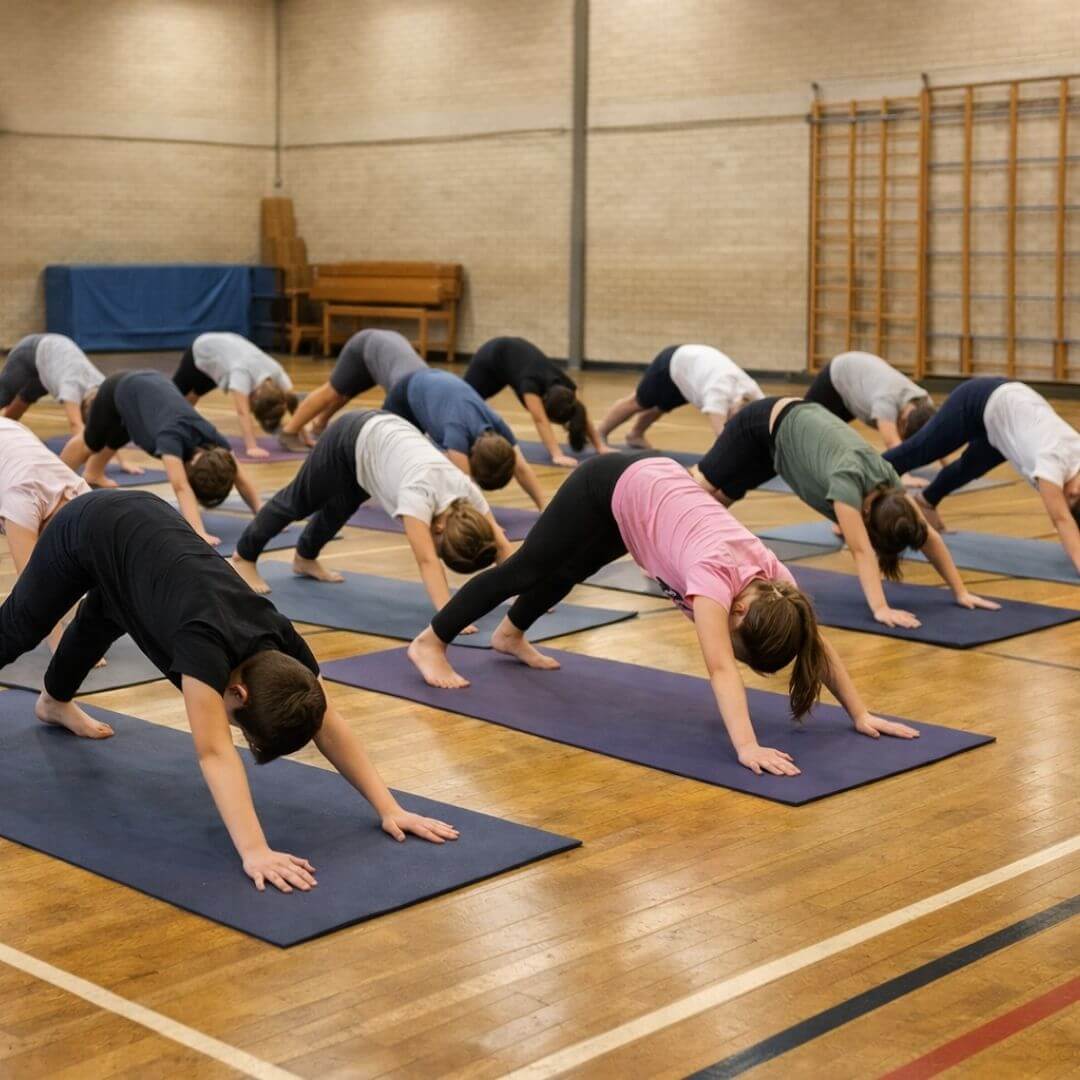
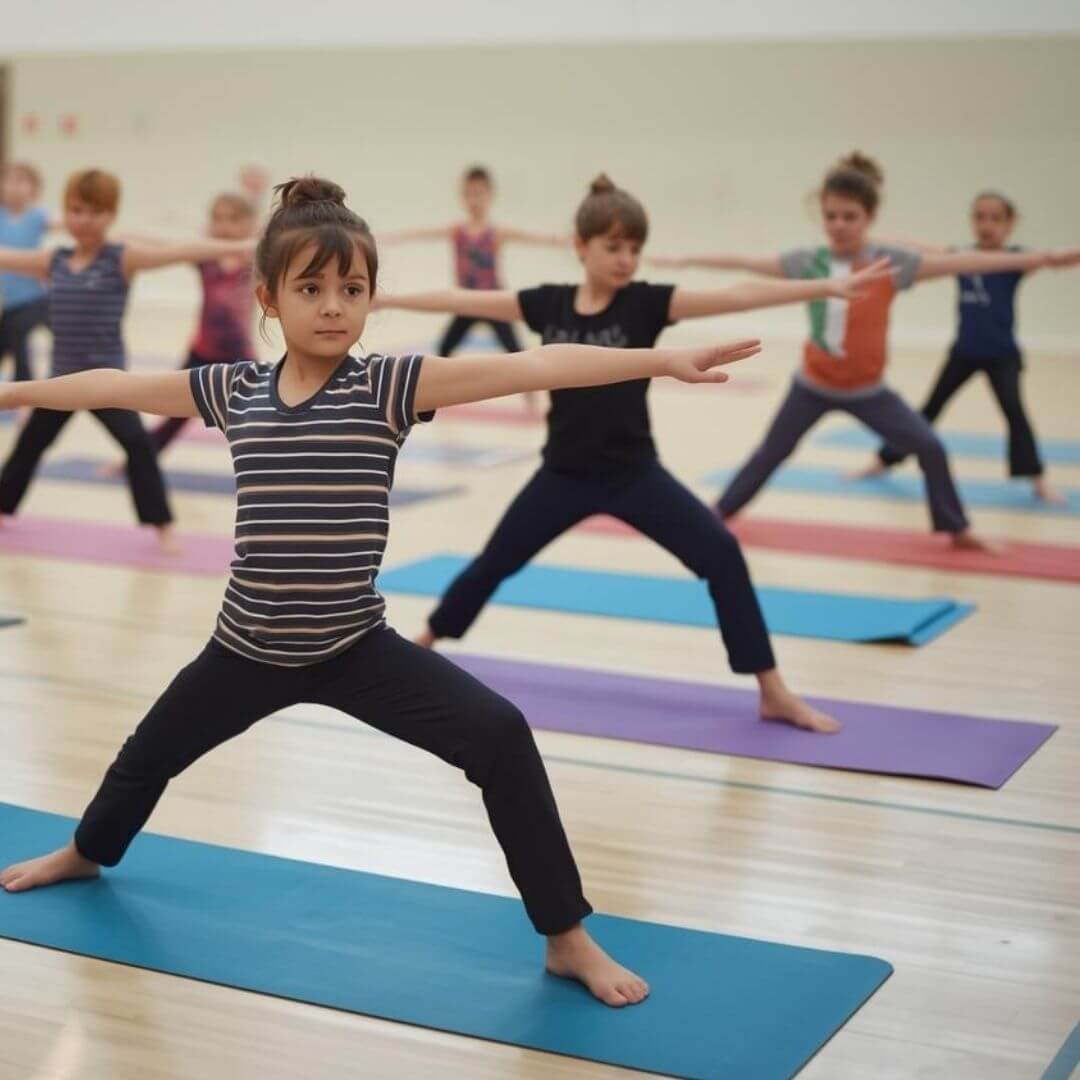
Children are guided through sequences that build strength, balance, and coordination, with options offered so they can engage at a level that feels appropriate for them. There is challenge, but it is offered gently. There is rest, but it comes after movement, not before it.
Children are not asked to perform calmness. They are given the conditions where calm becomes possible.
This distinction matters. Calm that is demanded rarely lasts. Calm that emerges from the body tends to be recognised and remembered.
The Difference Between Regulation and Compliance
Much of what children are praised for as being “calm” is actually compliance.
Sitting still, being quiet, and following instructions can look like regulation on the surface, but internally the nervous system may still be highly activated. Children often learn to override their physical signals in order to meet expectations.
Yoga and movement offer a different pathway.
Rather than asking children to suppress energy, they are invited to move it. Rather than telling them how they should feel, they are given experiences that help their body settle naturally.
Regulation is internal. Compliance is external.
Children know the difference, even when they cannot explain it.
Play, Challenge, and Presence
Play is essential in this work.
Play lowers defences, invites curiosity, and allows children to engage without fear of getting things wrong. Through playful movement, children explore balance, strength, coordination, and flexibility in a way that feels natural rather than instructional.
Play also gives adults valuable information. It reveals how a child approaches challenge, how they respond to uncertainty, and how they recover when something does not go to plan.
Challenge is equally important.
Children need moments where something feels slightly difficult and they discover that they can stay with it. That experience builds confidence far more effectively than praise alone. It teaches resilience without lecturing about it.
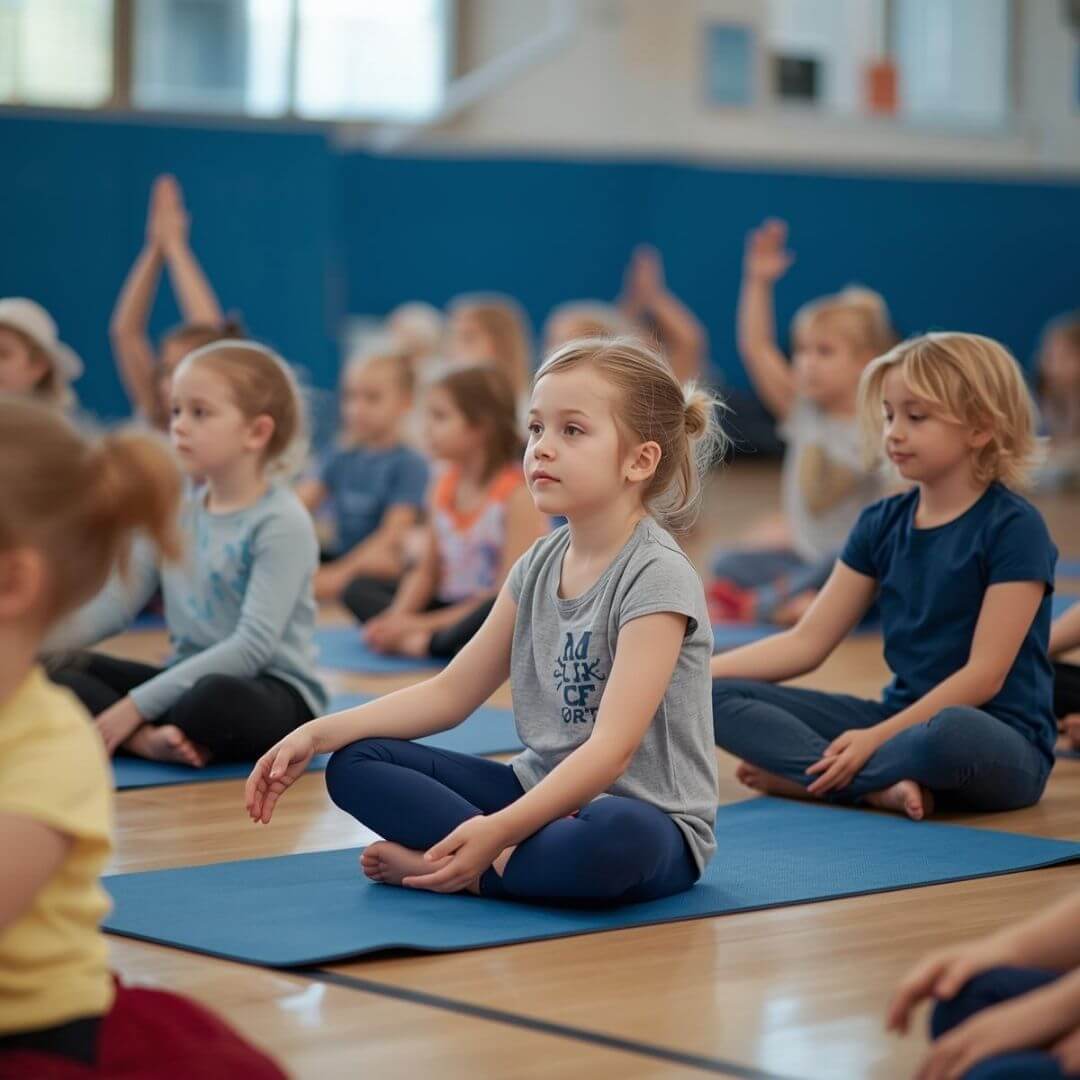
Presence grows from this combination. When the body is engaged, attention follows. When attention settles, space opens up for rest.
Calm becomes a felt experience rather than a rule to follow.
How Movement Supports Emotional Processing
Children process emotion through their bodies long before they can articulate it.
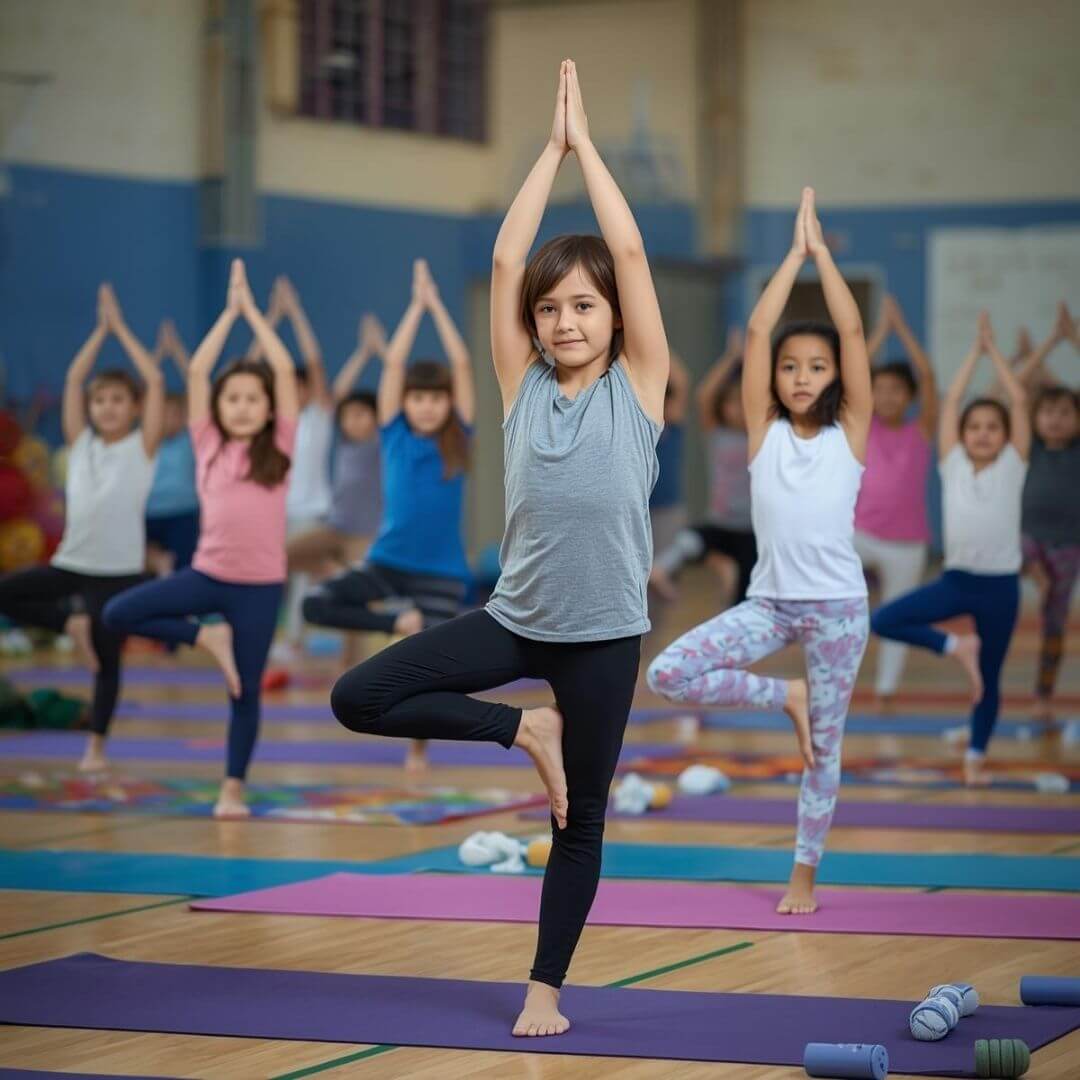
Strong poses can create a sense of grounding and capability. Flowing sequences allow energy to move through rather than get stuck. Balance work develops focus and adaptability. Moments of rest offer space for integration.
Nothing has to be explained. Nothing has to be labelled.
The body does the work quietly.
This matters because many children are already managing more than their nervous systems are ready for. Screens, schedules, school environments, social dynamics, and constant input leave little room for genuine release.
Yoga does not remove stimulation entirely. Instead, it teaches children how to return to themselves within it.
Who this Approach is For
This work is particularly supportive for children who:
- carry a lot, even when they cannot explain why
- are sensitive, energetic, thoughtful, or easily overstimulated
- struggle to switch off after busy days
- feel uncomfortable in competitive or high-pressure activities
It is also for families who value emotional health as something lived day to day, not something performed or managed through rewards and consequences.
This is not about fixing children. It is about supporting them.
How Sessions are Held
The way a space is held matters as much as what happens within it.
Sessions follow a clear and predictable structure so children know what to expect. This predictability supports safety and trust. Within that structure, children are offered choices and variations so they can work at a level that feels appropriate for them.
Movement comes first.
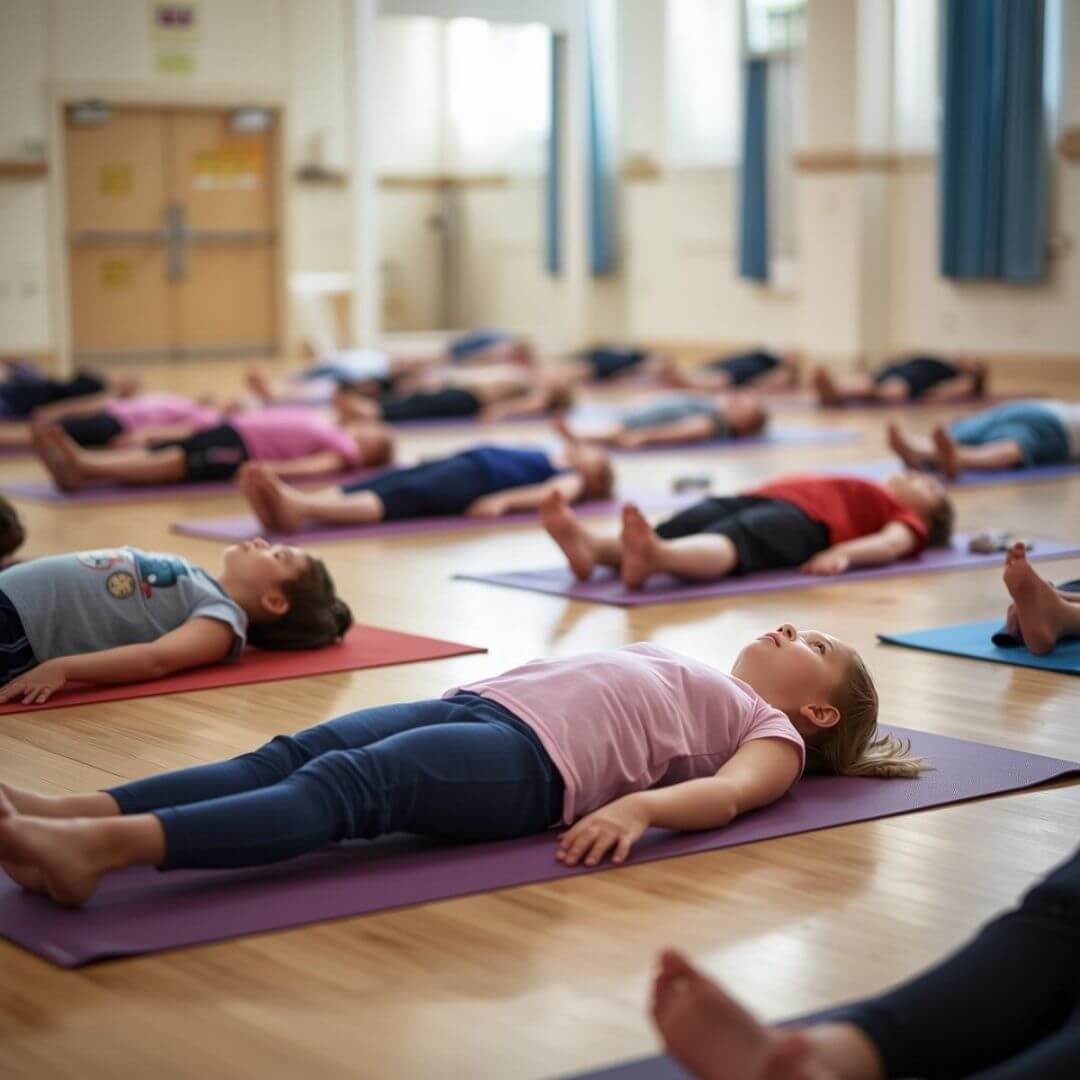
Children arrive as they are, often carrying the residue of the day. They are not expected to settle immediately. Physical movement gives the body a way to release what it is holding before anything else is asked of it.
Rest comes after movement.
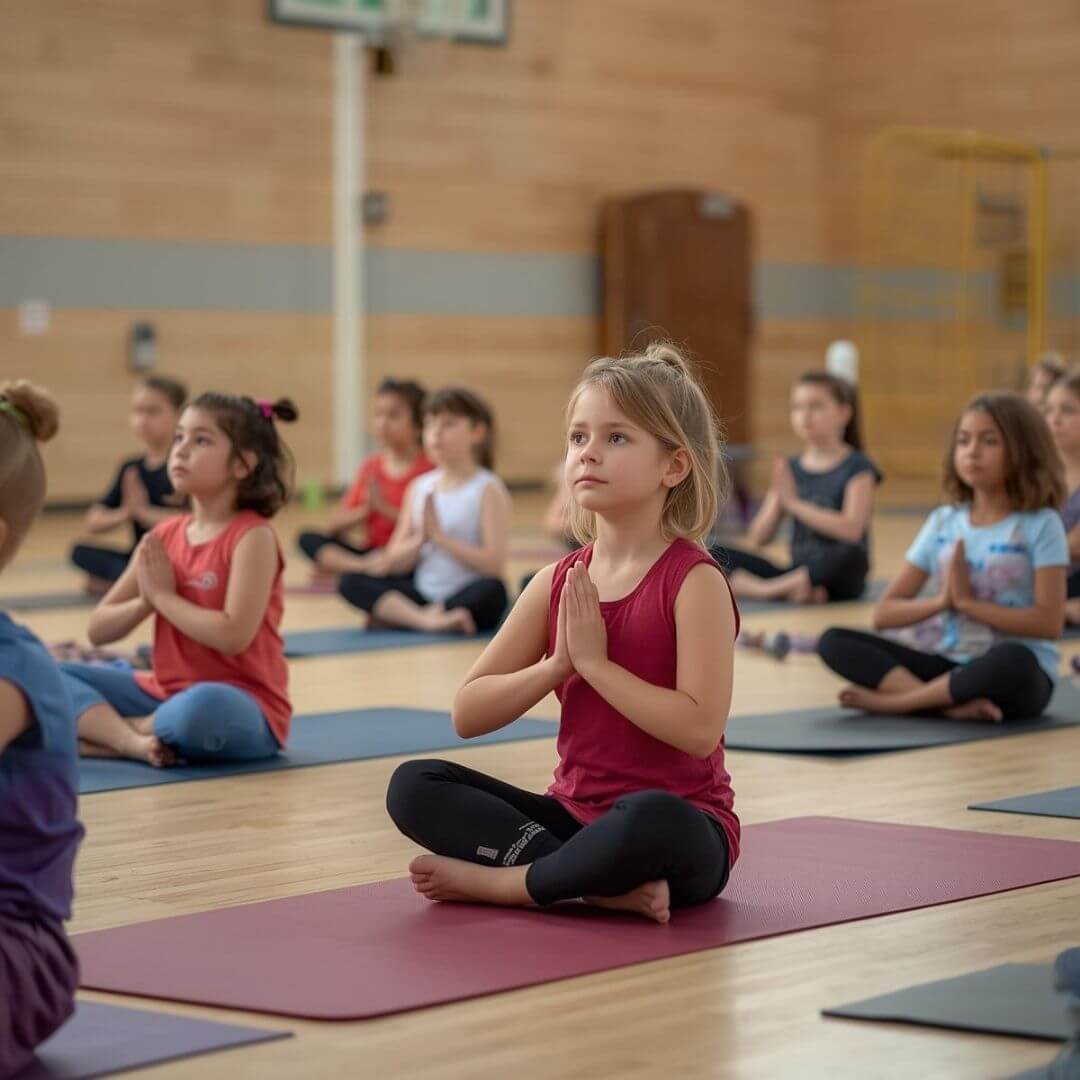
Quiet moments are short and optional at first. Over time, many children begin to choose them themselves as their capacity for stillness grows.
Emotional processing happens without discussion.
Children are not asked to talk about how they feel. They are given space to move, breathe, and notice. For many children, this is where regulation actually begins.
Supporting Different Ages and Stages
Children develop quickly, and their needs change as they grow.
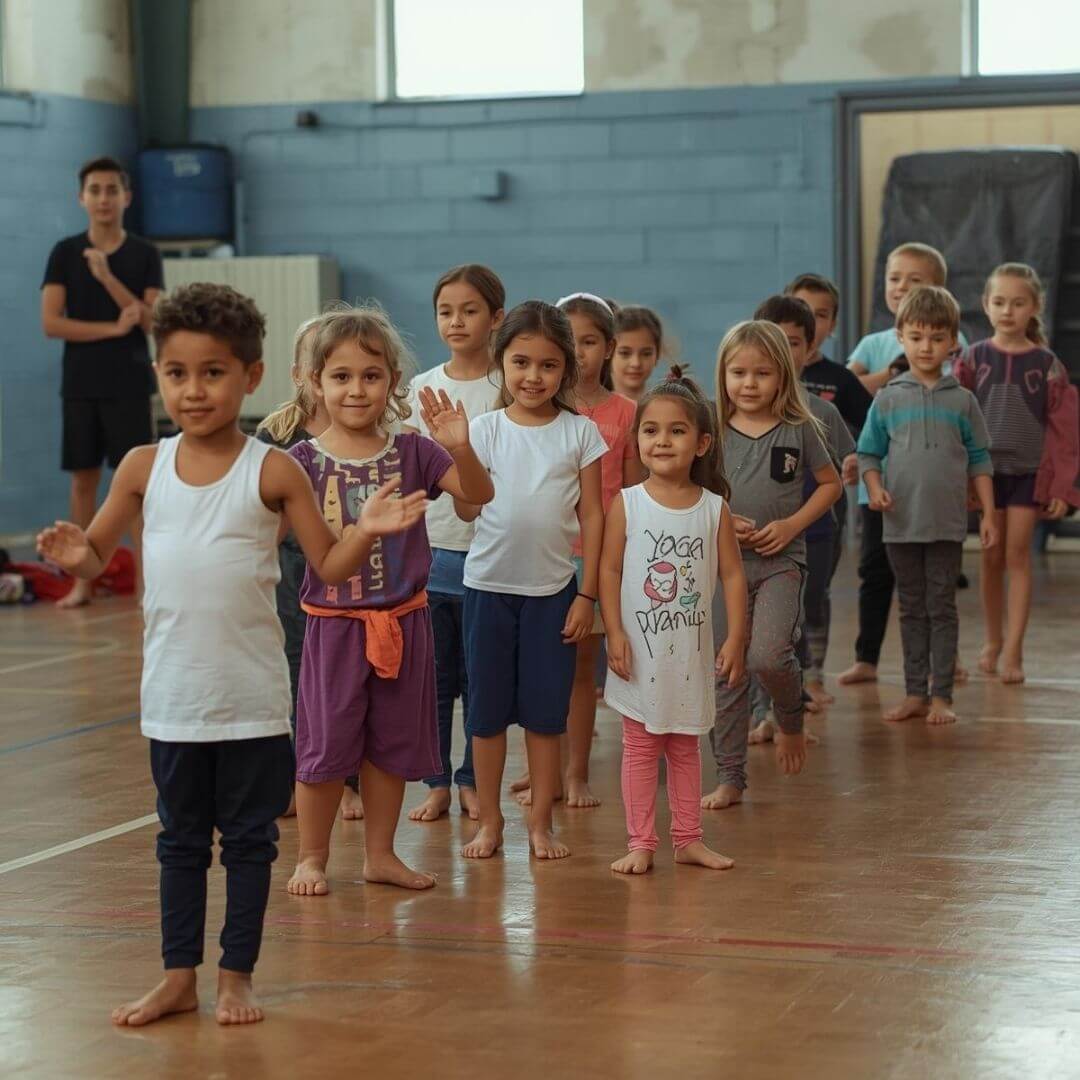
Rather than rigidly separating ages, this approach allows for layered options so younger children and older tweens can work at an appropriate level within the same framework.
Younger children benefit from play, rhythm, and repetition. Older children often value reassurance, autonomy, and reduced performance pressure.
This flexibility allows children to remain engaged as they grow, without feeling suddenly out of place or pushed into something that does not fit.
As demand grows, classes naturally evolve into age-specific sessions so that each stage of development can be supported properly.
The Role of the Adult in the Room
Children are highly sensitive to the emotional tone of the adults around them.
A calm, grounded teacher who is clear about boundaries and expectations provides a container where children can relax into the experience. Safety does not come from permissiveness. It comes from clarity, consistency, and care.
This work is held with respect for children’s limits. No one is forced. No one is shamed. No one is singled out.
Trust builds over time.
Much of this teaching approach was shaped during my own injury recovery, where rebuilding movement slowly became essential to everything I now teach. You can read more about that period here: The Year I Just Got On With It.
In-person Yoga and Movement Classes for Children and Tweens
If you are interested in experiencing this approach in practice, I currently offer weekly yoga and movement classes for children and tweens aged 5-13 in Nottingham.
These sessions are:
- structured and calm
- non-competitive
- supportive of both physical and emotional development
You can find full class details, including age range, pricing, and how to register your interest here: Kids & Tween Yoga Classes in Nottingham
If you would like to explore the philosophy behind this work in more depth, you may find this page helpful: Yoga for Children to Move, Release, and Feel Calm
A steady intention
This work is shaped carefully and held with respect for children’s needs, limits, and individuality.
It is not rushed. It is not designed to impress. It exists to give children access to movement, rest, and presence in a way that feels steady, contained, and human.
If this way of thinking resonates with you, you are in the right place.
The wider philosophy behind this approach is explored more deeply in my book Stillness Is a Weapon.
Frequently Asked Questions
My child can’t sit still. Would this even work?
That’s often the point.
Most children don’t arrive calm. They arrive wired, wriggly, distracted, or tired in a way that looks like restlessness. These sessions are built around movement first, not stillness.
When children are allowed to move properly, focus tends to follow. Stillness comes later, and often by choice.
Is this just a standard kids yoga class?
Not in the usual sense.
There’s yoga-based movement, but the focus isn’t on poses, flexibility, or copying shapes. It’s about strength, balance, coordination, and learning how to be in the body without pressure to get things right.
How it feels matters more than how it looks.
Will my child be asked to talk about their feelings?
No.
Children aren’t asked to explain themselves, label emotions, or share anything out loud. The work happens through movement, breath, and rest.
For many children, that feels far safer and more natural than talking.
What ages does this actually suit?
The approach itself works across ages because it adapts.
Younger children tend to engage through play, rhythm, and repetition. Older children and tweens often value the calmer structure, reassurance, and lack of performance pressure.
In practice, classes are shaped around age and numbers so children are supported appropriately as they grow.
My child is anxious or very sensitive. Is this too much?
Often, it’s the opposite.
Sessions are predictable, calm, and clearly held. Children aren’t singled out, rushed, or pushed to join in before they’re ready. They’re encouraged to participate at their own pace.
Many sensitive children respond well to having clear boundaries and a steady structure.
Is this very gentle, or will they actually be challenged?
They’ll be challenged, but not in a shouty or competitive way.
Strength, balance, and coordination are part of the work. Children are encouraged to try things that feel slightly difficult and to notice that they can stay with them.
That sense of capability builds confidence in a way that praise alone doesn’t.
Is this about improving behaviour?
No. That’s not the aim.
This isn’t about making children quieter, more compliant, or easier to manage. It’s about supporting regulation, confidence, and body awareness.
When those things improve, behaviour often shifts naturally. But it’s a by-product, not the goal.
How is this different from mindfulness or relaxation sessions?
A lot of mindfulness asks children to be still before their bodies are ready.
Here, movement comes first. Children get to stretch, push, balance, and explore before any quiet is introduced. Rest tends to land better once the body has had a chance to move.
Where do I find actual class details?
This page explains the thinking behind the work.
If you’re looking for current in-person classes for children and tweens aged 5–13 in Nottingham, including how to register interest, you’ll find that here: