
How Children Build Confidence Without Competitive Sports
TL;DR
Not every child enjoys competition, and that’s perfectly normal.
Disliking competitive sports doesn’t mean a child is lazy, unfit or unmotivated. Many children simply respond better to environments that focus on curiosity, movement, confidence and enjoyment rather than comparison and performance.
The goal isn’t to force children into becoming sporty. The goal is to help them build a healthy relationship with movement that can last a lifetime.
Why disliking competitive sports is more common than parents think
Many parents experience a very similar cycle, often without even realising it.
Their child reaches school age, their friends start signing up for football, dance, gymnastics, swimming or martial arts, and naturally, they do the same. Sometimes the child is initially excited because everybody else is doing it. Sometimes the parents simply want to expose them to different activities and see what they enjoy.
At first, everything appears perfectly normal. Then, slowly, little comments begin to emerge.
-
- “I don’t really want to go today.”
- “I’m not very good at it.”
- “Everybody else is better than me.”
- “Can I stop now?”
These comments can be surprisingly difficult for parents to hear because they immediately trigger all sorts of worries. Have I raised a child who gives up too easily? Should I encourage them to push through? Am I allowing them to quit too soon? Are they losing confidence?
The truth is often far less dramatic. Sometimes the activity simply isn’t the right fit.
As adults, we instinctively understand that exercise preferences are deeply personal. Some adults genuinely love running, while others would rather do almost anything else. Some enjoy strength training, some prefer yoga, others enjoy hiking, cycling or Pilates. Very few adults enjoy every type of movement equally.
Yet when it comes to children, we occasionally forget that exactly the same principle applies.
Children are individuals with unique personalities, nervous systems, interests and ways of interacting with the world around them. What energises one child may completely drain another.
Disliking competitive sports is not a flaw, a weakness or a sign that something has gone wrong. In many cases, it’s simply information.
It’s your child telling you that they may need a different environment to flourish.
Parents also don’t need to panic if their child dislikes one activity. Finding the right fit often involves a little experimentation. Sometimes children discover what they love immediately. Other times, they need to try several environments before something clicks.
That’s perfectly normal.
The bigger goal isn’t finding a sport that your child will tolerate for six months. It’s helping them build a positive relationship with movement that can support them for the rest of their lives.
Movement and competition are not the same thing
This is perhaps one of the biggest misconceptions parents encounter. Movement and competition are not interchangeable, even though our culture often treats them as if they are.
A child may dislike competition while still loving movement. In fact, many children desperately need movement but struggle in environments that involve being watched, ranked, measured or constantly compared to others.
Some children genuinely thrive under pressure. They enjoy scoreboards, races, team selection and challenging themselves against their peers. For them, competition feels exciting and motivating. For other children, those same environments can feel exhausting. Instead of energising them, they become overwhelmed by them.
Neither personality type is better. They’re simply different.
The challenge is that competitive environments often dominate childhood activities, which can create the false impression that children only have two options: competitive sports or no movement at all.
Thankfully, that isn’t true. There is an enormous middle ground.
The objective isn’t to create mini-athletes. The objective is to help children build movement habits that feel enjoyable, sustainable and positive. Because movement isn’t only about physical fitness.
Movement teaches children how to trust their bodies, how to regulate their emotions, how to focus their attention and how to develop confidence over time.
A child who learns to enjoy movement at eight years old has a much greater chance of remaining active at forty. That relationship matters far more than whether they won a tournament in primary school.
Why some children quietly fall through the cracks
Interestingly, the children who struggle are not always who adults expect.
They aren’t necessarily shy. They aren’t necessarily anxious. They aren’t necessarily unfit either. Often, they’re thoughtful children who are highly aware of their surroundings.
Some are perfectionists who dislike making mistakes in front of other people. Others simply process information differently and need a little more time before jumping into new situations. Parents often describe these children as:
-
- Sensitive
- Creative
- Thoughtful
- Quietly determined
- Independent
Many of these characteristics become incredible strengths later in life, but they can sometimes make highly competitive environments feel uncomfortable.
These children also tend to be excellent observers. They quickly notice who is fastest, strongest or most experienced. Unfortunately, they may begin comparing themselves before they’ve even given themselves a fair chance to learn.
What adults interpret as a lack of confidence is often something entirely different. Sometimes it’s simply self-awareness combined with an environment that doesn’t suit them.
The wonderful thing is that these children often transform once they’re placed somewhere that feels psychologically safe.
They become more willing to participate, more willing to experiment and more willing to make mistakes. That’s often when confidence begins to grow.
Signs your child may need a different type of activity
Sometimes the clues are very obvious. Other times, they’re surprisingly subtle.
Your child may not come home and explicitly say, “This environment isn’t suitable for me.” Instead, their behaviour often does the talking.
You might notice that they suddenly lose enthusiasm for clubs they previously enjoyed. They may start complaining of stomach aches before sessions or become upset before it’s time to leave the house.
Some children constantly compare themselves to others and begin saying things like, “I’m not very good at this,” despite being perfectly capable. Others seem unusually tired afterwards. Instead of returning home energised, they appear emotionally drained. You may notice that they:
-
- Suddenly lose enthusiasm for clubs
- Complain of stomach aches before activities
- Become upset before attending
- Compare themselves to others constantly
- Say they’re not good enough
- Lose confidence despite being capable
- Seem exhausted rather than energised afterwards
None of these signs automatically means something is wrong. One isolated incident isn’t necessarily concerning either. However, when these patterns repeatedly appear over weeks or months, it may be worth stepping back and asking a different question.
Instead of asking, “How do I make my child stick with this?” it may be more helpful to ask, “Is this actually the right environment for them?”
Those are two very different conversations. Perhaps it’s another child there, perhaps the movement, perhaps the teacher or perhaps something entirely different.
Confidence often grows when comparison disappears
Confidence is rarely built by repeatedly telling children to be confident. In fact, that approach often has the opposite effect.
Confidence grows through experiences, specifically positive repeated experiences over time. When children feel safe, they begin experimenting. When they experiment, they experience small successes.
Those small successes slowly accumulate, and confidence grows naturally. This is one of the reasons why environments that remove constant comparison can be incredibly powerful.
Children stop asking themselves, “Am I better than everybody else?”
Instead, they begin asking, “What can my body do today?”
That subtle shift changes a lot.
Children become more curious. They become more willing to try unfamiliar things. They stop worrying so much about making mistakes because mistakes are no longer public failures. They’re simply part of learning.
Ironically, this often creates more confidence than forcing confidence ever could because true confidence isn’t about being the best in the room. It’s about feeling secure enough to be a beginner.
Activities for children who don't enjoy competitive sports
One of the biggest mistakes parents can make is assuming that if one activity doesn’t work, there are no alternatives left to explore.
The reality is quite the opposite.
Childhood movement is incredibly diverse, and there are dozens of ways children can build strength, confidence and healthy movement habits without stepping onto a football pitch every week.
Sometimes, all it takes is finding an environment that suits your child’s personality a little better.
That doesn’t mean abandoning sports altogether, either. In many cases, children combine several activities throughout the week and discover that different environments meet different needs.
Here are a few alternatives worth considering.
Children’s yoga
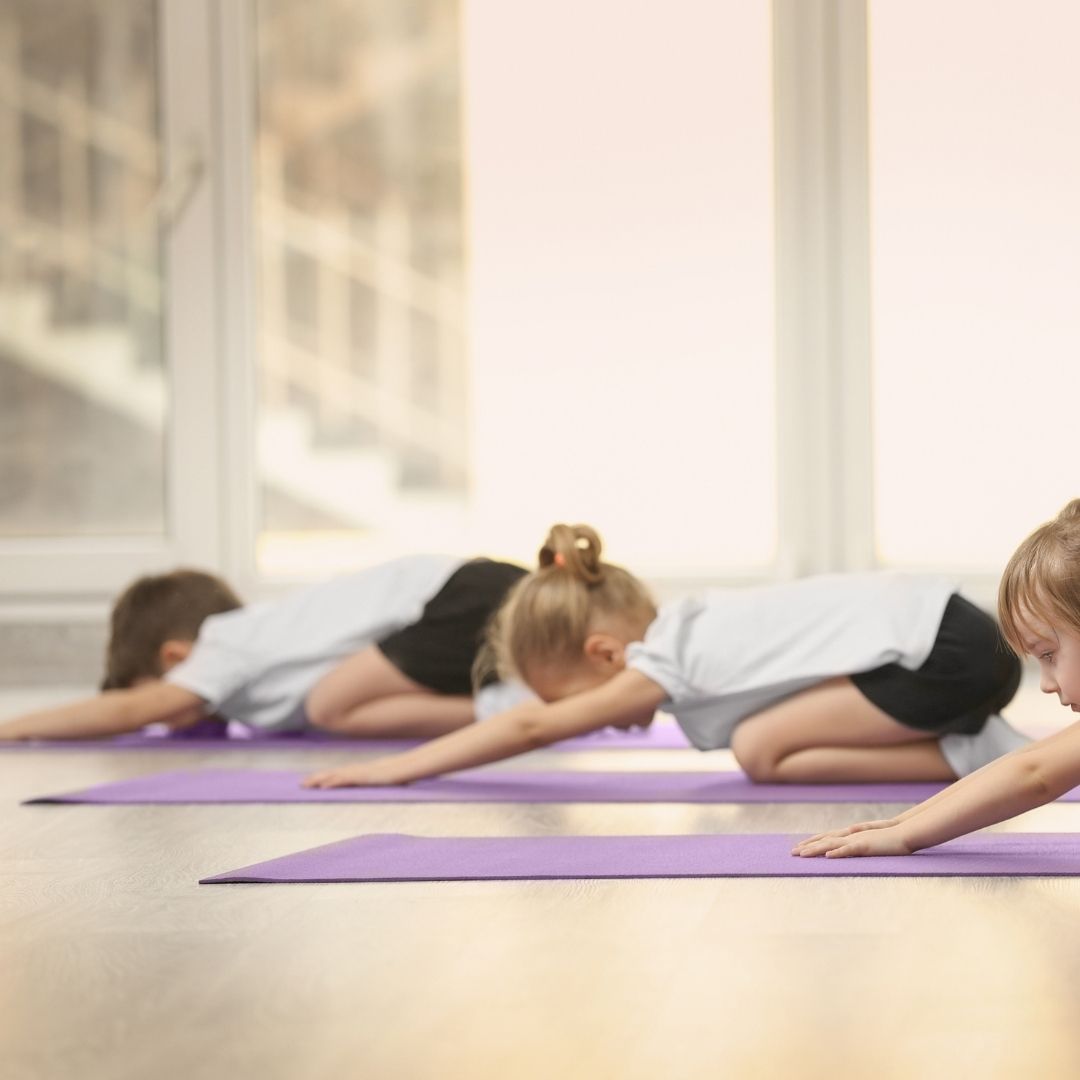
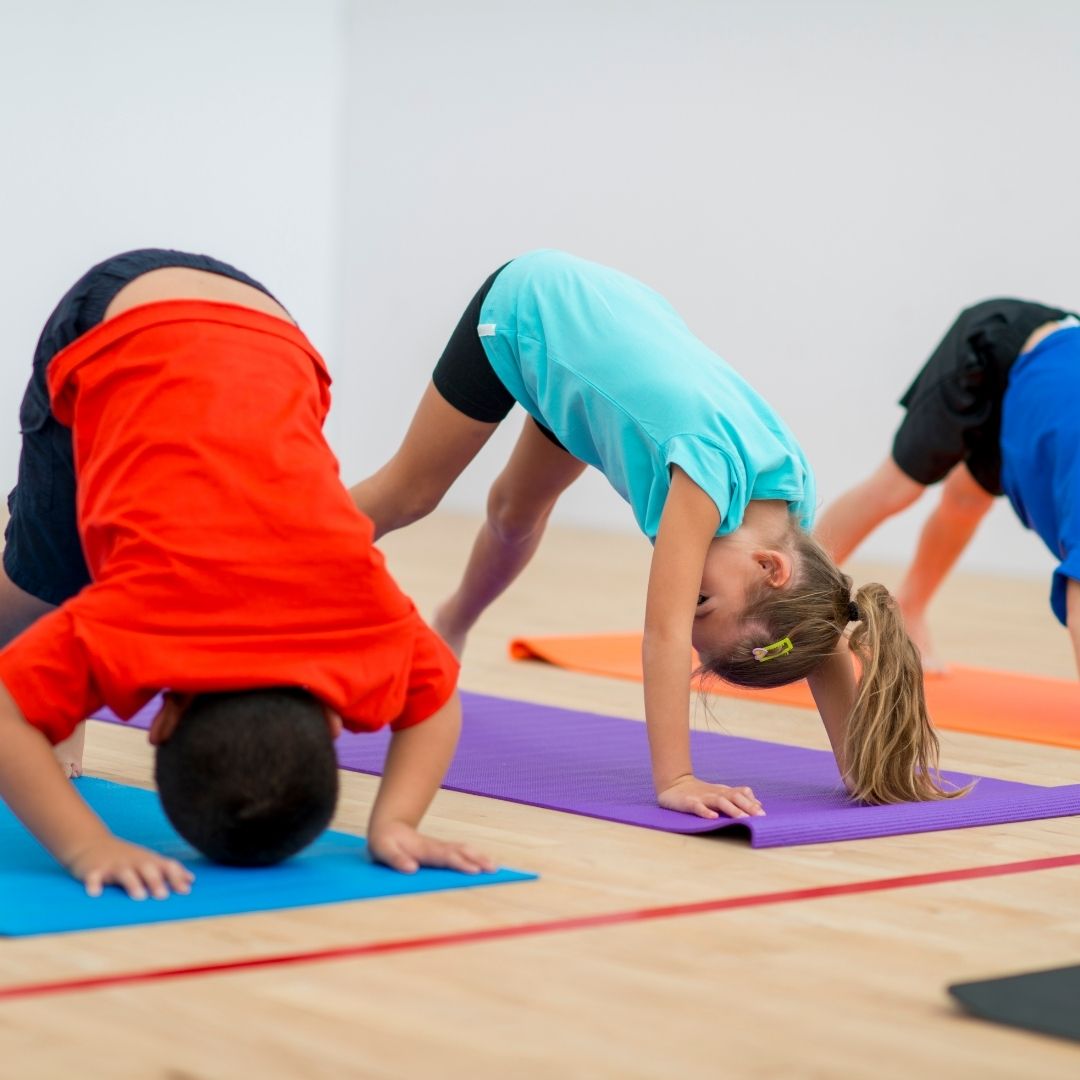
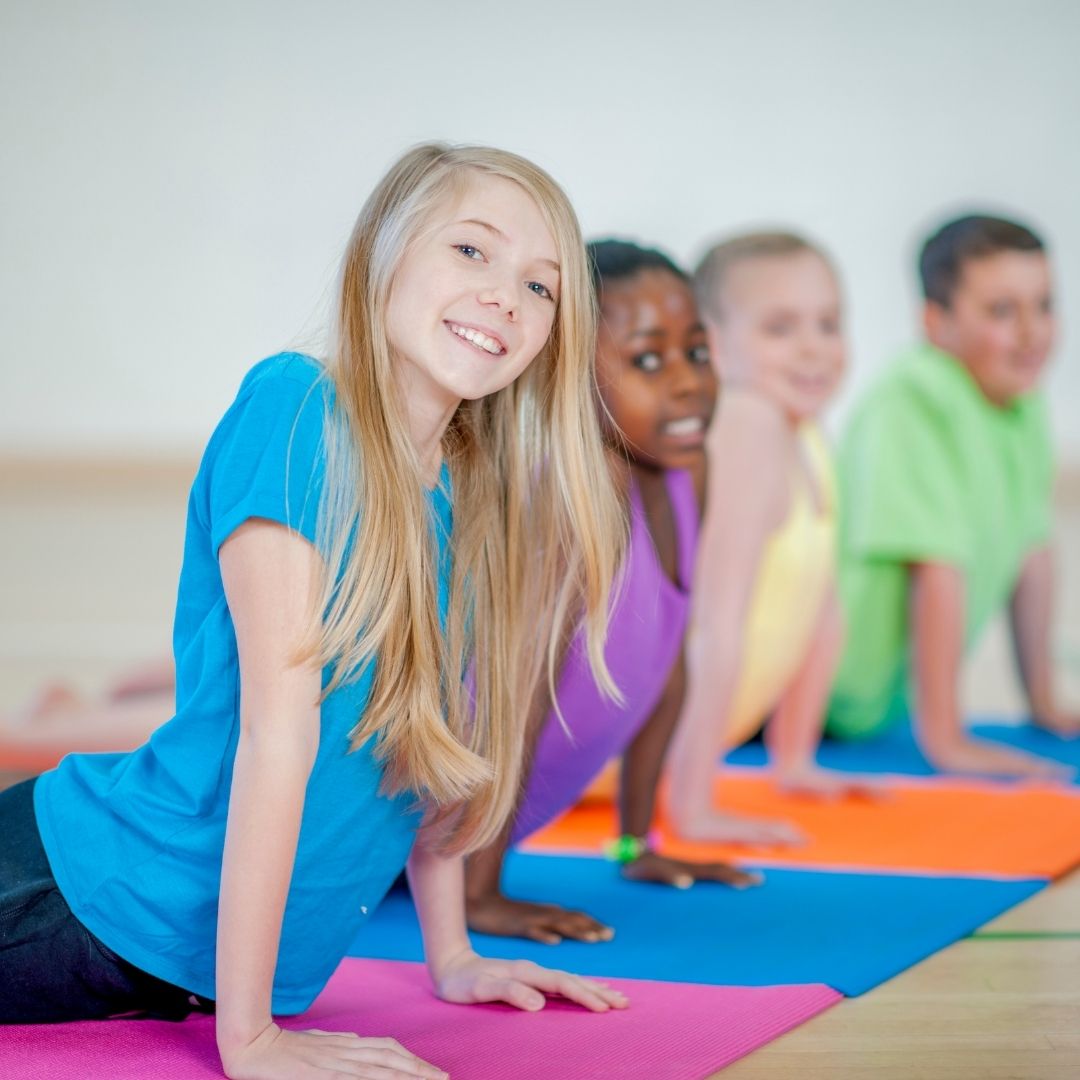
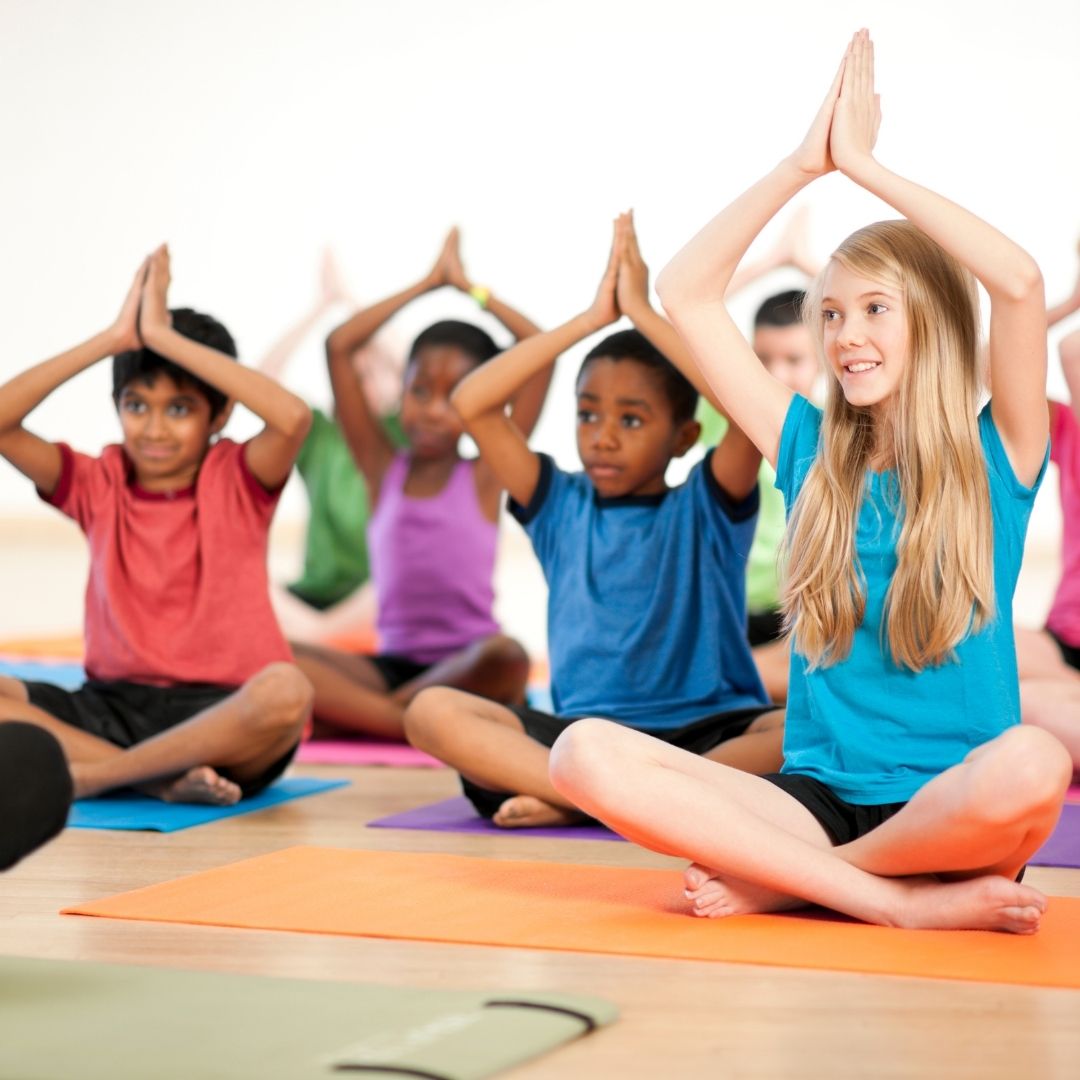
Yoga can be a wonderful option for children who need movement without constant pressure. Children still build important physical skills, but the atmosphere is often very different from highly competitive environments. Through regular practice, children develop:
-
- Balance
- Coordination
- Focus
- Flexibility
- Body awareness
- Emotional regulation
Perhaps more importantly, they begin learning how to pay attention to their own bodies instead of constantly looking around to see how everybody else is performing.
Contrary to popular belief, children’s yoga is not simply sitting cross-legged and breathing quietly for forty-five minutes.
Well-designed classes are active, engaging and age-appropriate. Children may balance, crawl, stretch, strengthen, play movement games and learn simple breathing techniques that support concentration and emotional regulation.
If you’re wondering whether yoga would actually suit your child, you may also enjoy reading Is Children’s Yoga Worth It?
Children’s Pilates
Pilates often appeals to children who enjoy learning skills without feeling competitive pressure. Instead of chasing scores or trying to outperform other children, the focus shifts towards developing movement quality. Children build:
-
- Strength
- Posture
- Stability
- Coordination
- Body awareness
Many parents are surprised to discover that Pilates can complement existing activities beautifully.
Footballers, dancers, swimmers and martial artists often benefit enormously from Pilates because it supports how their bodies move rather than replacing their existing interests.
For children who are already active, Pilates can become a brilliant foundation that supports everything else they enjoy doing.
Martial arts
Martial arts can be an excellent option for children who dislike team sports but still enjoy challenge and structure. Many martial arts environments provide a reassuring balance between individual progress and group participation.
Children often appreciate the predictability of sessions and the opportunity to work towards gradual milestones without constantly competing against others.
The emphasis is often placed on discipline, focus, respect and personal development rather than simply winning.
Swimming
Swimming is another fantastic option because it removes much of the social pressure associated with field sports.
Children often enjoy progressing at their own pace and can experience a real sense of achievement as their confidence grows in the water. Swimming also develops whole-body coordination and can become a lifelong skill that supports overall health and wellbeing.
Hiking and outdoor activities
Nature can be an incredibly powerful environment for movement. Many children instantly become calmer outdoors.
Without even realising it, they are climbing, balancing, jumping, exploring and problem-solving.
The pressure often disappears because movement becomes a by-product of adventure rather than the sole purpose of the activity.
Sometimes children who dislike organised activities absolutely thrive in these environments.
Multi-movement classes
This is often one of the most overlooked options. Movement classes expose children to different types of movement without requiring them to specialise immediately.
Children may work on balance one week, coordination the next, strength another week, and then explore different movement games and challenges.
This variety is incredibly valuable because it allows children to discover what they enjoy without feeling trapped inside one identity. In fact, this is often where confidence quietly starts growing.
If you’re curious about what these sessions can actually look like, you may enjoy reading Kids Movement Classes in West Bridgford: What Happens in a Session?
Why variety matters more than specialising early
There is increasing discussion around early specialisation in children’s activities.
While some children naturally become passionate about one particular sport, many experts now advocate exposing children to a variety of movement experiences before narrowing their focus too early.
Different activities teach different skills.
Some teach teamwork. Some teach coordination. Some teach emotional regulation. Some teach body awareness. Some teach resilience.
Children benefit enormously from experiencing all of these.
Variety often creates healthier, happier and more adaptable movers in the long term.
It also takes some of the pressure away from finding the perfect activity immediately. Parents don’t need to get it right the first time. Children are allowed to explore.
Parents don't need to choose one forever
Another misconception is that choosing an activity is a lifelong decision. It really isn’t. Children change constantly.
What they enjoy at six may be completely different at ten.
The child who disliked football at seven may absolutely love climbing at nine. The child who hated dance at eight may discover they love Pilates at eleven.
Parents are allowed to experiment. Children are allowed to experiment, too. Trying something and deciding it isn’t the right fit is not failure.
It’s simply information. Every activity teaches you something valuable about your child. Over time, those small pieces of information help you build a picture of where they genuinely thrive.
The goal isn't to create an athlete
This might be the most important point in this entire article. The goal is not to create an athlete. The goal is not to create a future Olympian. The goal is not to create a child whose diary is permanently full. The goal is to help a child develop a healthy relationship with movement. That relationship can support:
-
- Physical health
- Emotional wellbeing
- Confidence
- Focus
- Self-awareness
- Resilience
Long after childhood ends.
Because eventually children become adults, and adults who have a positive relationship with movement often carry those habits with them for decades.
And, if you ask me, that’s the real win.
Finding the right environment matters enormously
When parents tell me, “My child doesn’t like sport,” I often wonder whether the sentence should actually be: “My child hasn’t found their environment yet.”
Those are two very different statements. Many children who dislike one activity thrive somewhere else.
Movement doesn’t have to be “loud” in any way. It doesn’t have to be competitive. It doesn’t have to involve winning.
Sometimes children simply need a space where they can move, explore, learn and quietly build confidence over time.
If you’re looking for a different approach to movement, these articles may also be useful: Children’s Yoga & Pilates in West Bridgford
Kids Movement Classes in West Bridgford: What Happens in a Session?
Movement Sessions for KS1 and KS2: How Schools Can Support Coordination, Confidence and Focus
Key takeaways
A child who doesn’t enjoy competitive sports doesn’t need fixing. They often simply need a different way to experience movement.
Frequently Asked Questions
Not necessarily. It’s worth figuring out what exactly they dislike first. Some children dislike the competitive aspect, some dislike being watched, while others simply haven’t found an environment that suits their personality. Continuing to expose children to movement is important, but that doesn’t mean forcing them into the same activity over and over again.
Often, it’s the latter. A child who repeatedly says they dislike sport may actually dislike one specific environment. Many children who dislike football, for example, enjoy swimming, yoga, Pilates, martial arts or outdoor activities. Sometimes a small change completely transforms their relationship with movement.
Absolutely. Competitiveness is a personality trait, not a measure of confidence, ambition or future success. Some children naturally enjoy competing, while others prefer learning, exploring and progressing at their own pace.
It’s important to look for patterns rather than isolated events. Children are allowed to dislike activities. However, if they want to stop everything they try, it can be helpful to explore why. Sometimes they simply need an environment that feels safer, calmer or less overwhelming.
Not at all. Many active children enjoy yoga and Pilates because they challenge the body in a different way. These classes often improve balance, coordination, concentration, strength and body awareness, which can also support other sports and activities.
Not necessarily. Children don’t need a packed timetable to be healthy and confident. One activity they genuinely enjoy is often more beneficial than several activities they feel pressured to attend.
That’s absolutely fine. Yoga and Pilates are often used alongside football, dance, swimming, gymnastics and martial arts because they support movement quality rather than replace existing activities.
Look beyond the activity itself and pay attention to how your child feels afterwards. Do they come home energised, proud and excited to return, or drained, anxious and reluctant? That often tells you far more than the activity’s name ever will.