
Primary School Movement Sessions: What Pupils Actually Need Beyond PE
TL;DR
Primary school movement sessions are not designed to replace PE lessons. They support different areas of physical and emotional development that many pupils currently need far more consistently throughout the school week.
While PE often focuses on sport, games and physical activity, structured movement sessions can help children improve coordination, posture, balance, body awareness, confidence, focus, mobility and emotional regulation in a calmer, more inclusive environment.
These sessions are especially valuable for children who struggle with confidence in traditional sports settings, spend long periods sitting, have reduced physical confidence or need support with attention, regulation and movement foundations.
For local school movement programmes, visit School Movement Programmes in Nottingham or explore Children’s Yoga & Pilates in West Bridgford.
Definition: what are primary school movement sessions?
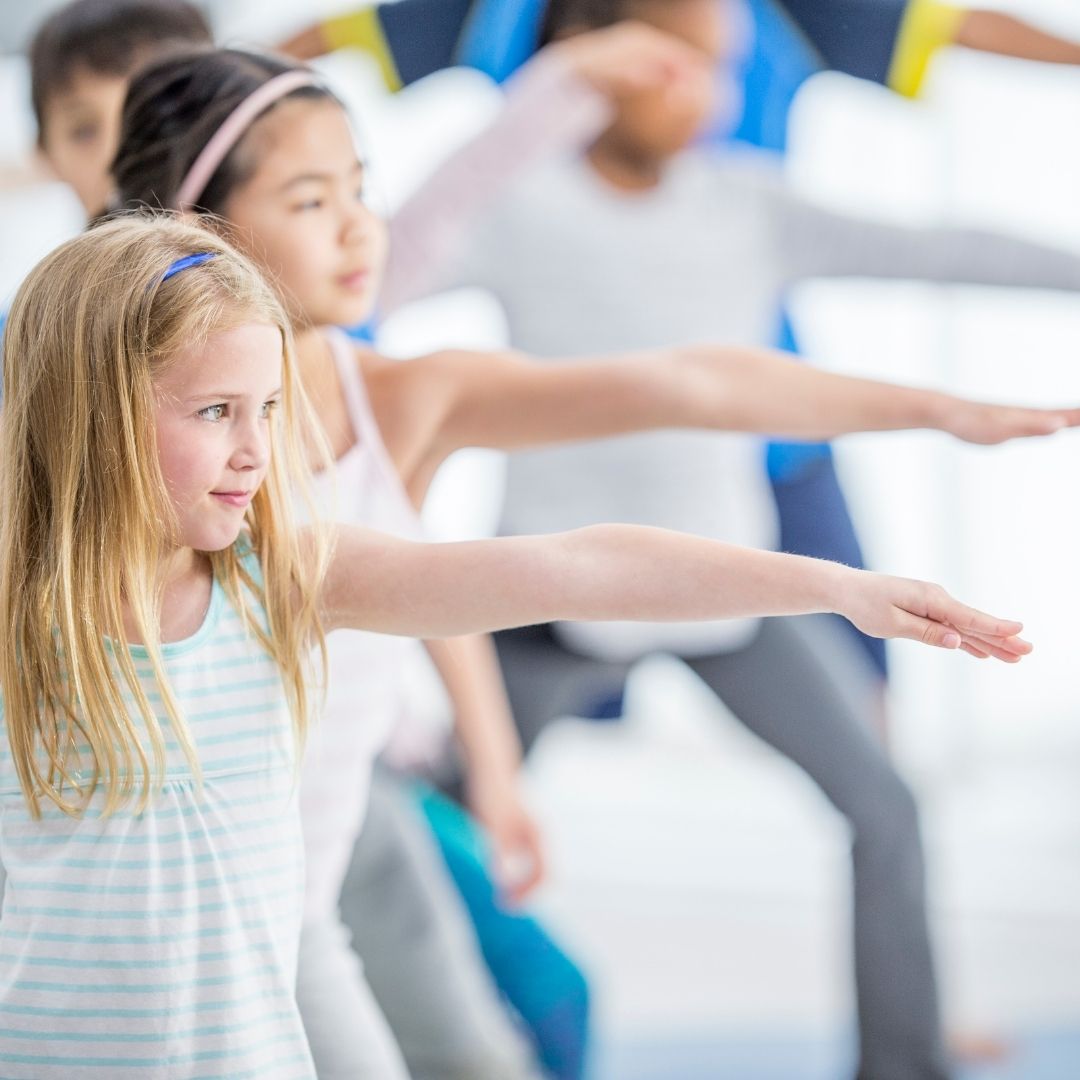
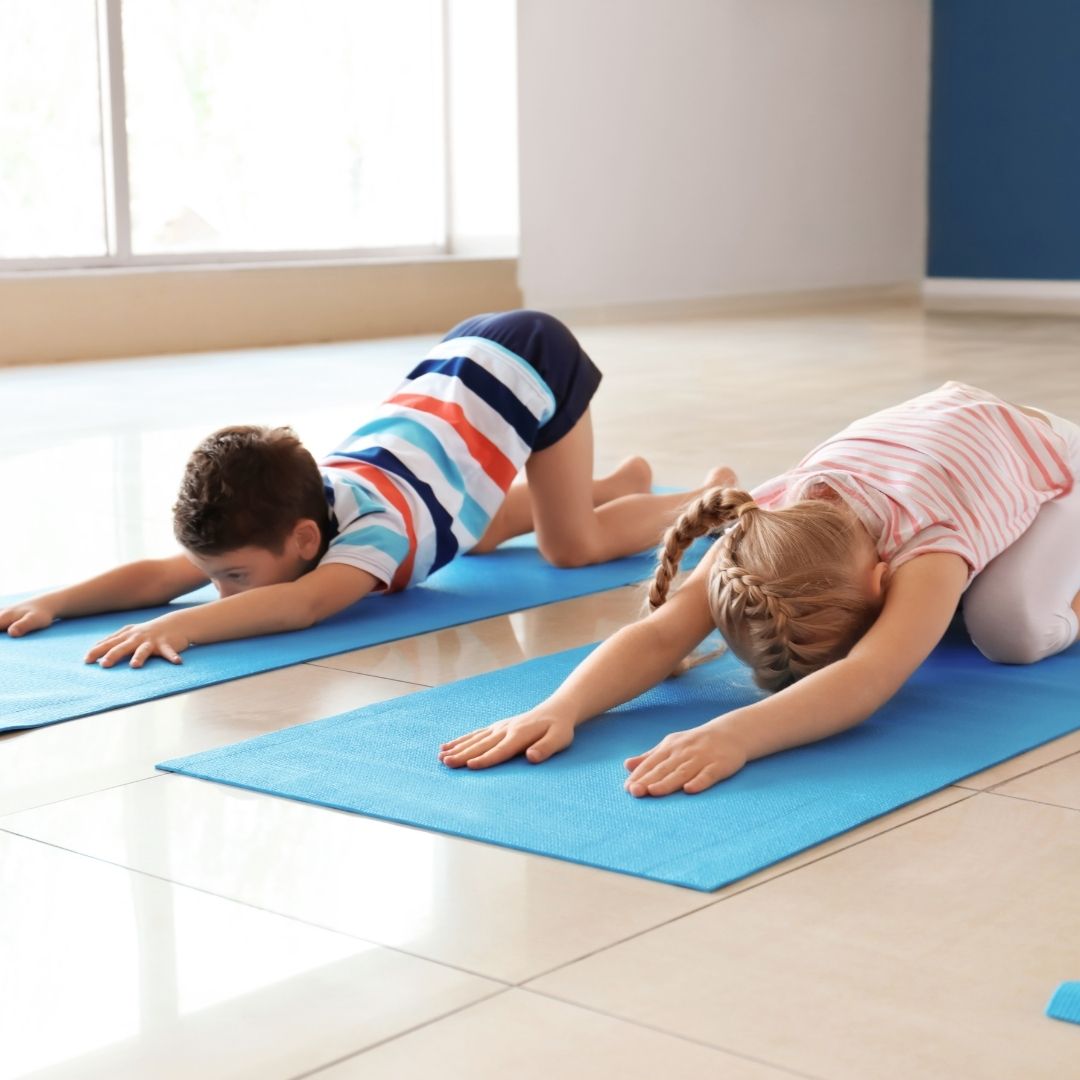
Primary school movement sessions are structured, age-appropriate movement classes delivered within schools to support children’s physical development, coordination, balance, mobility, posture, body awareness, confidence and focus. Sessions may include elements of yoga, Pilates, functional movement, breathing, balance and strength-based activities adapted for KS1 and KS2 pupils.
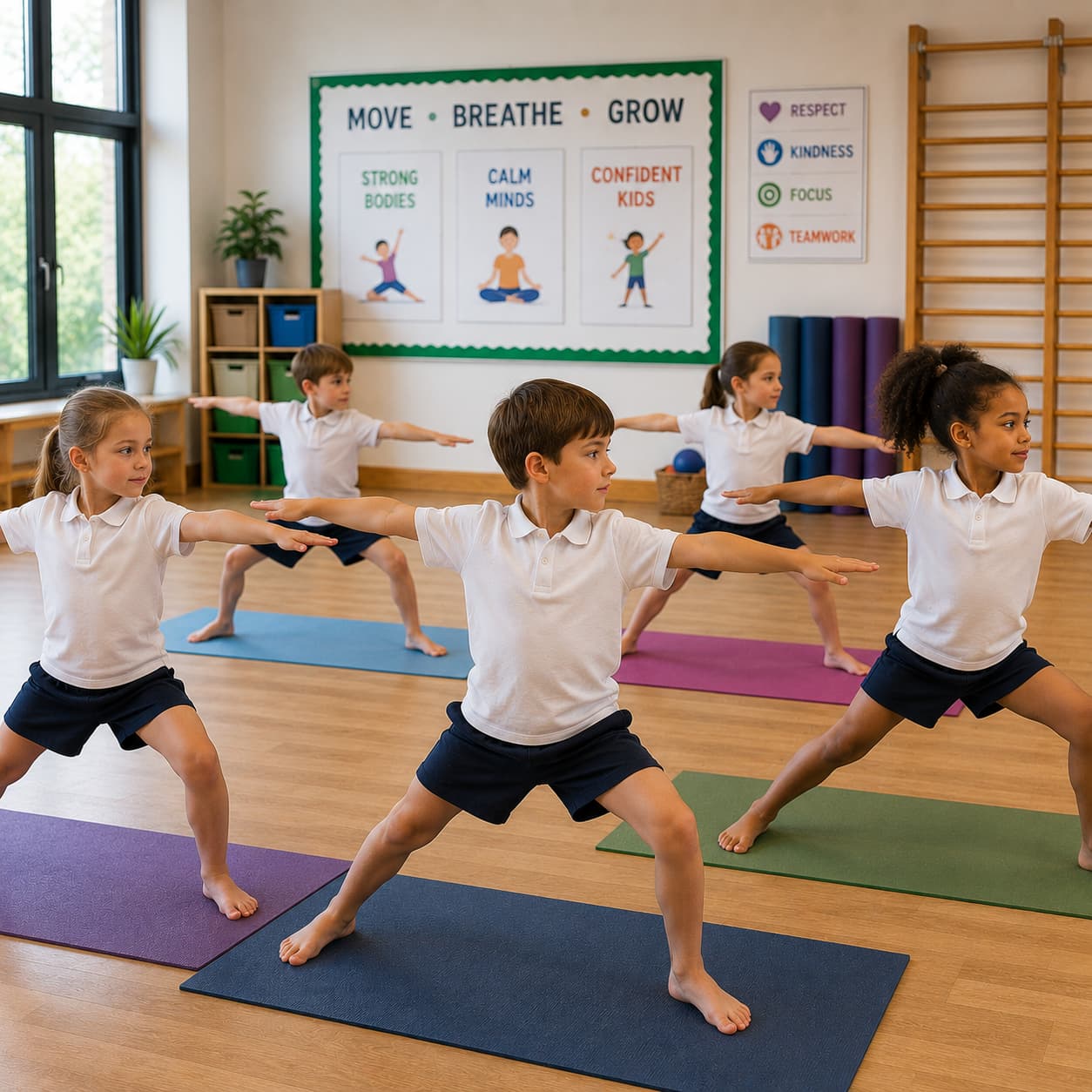
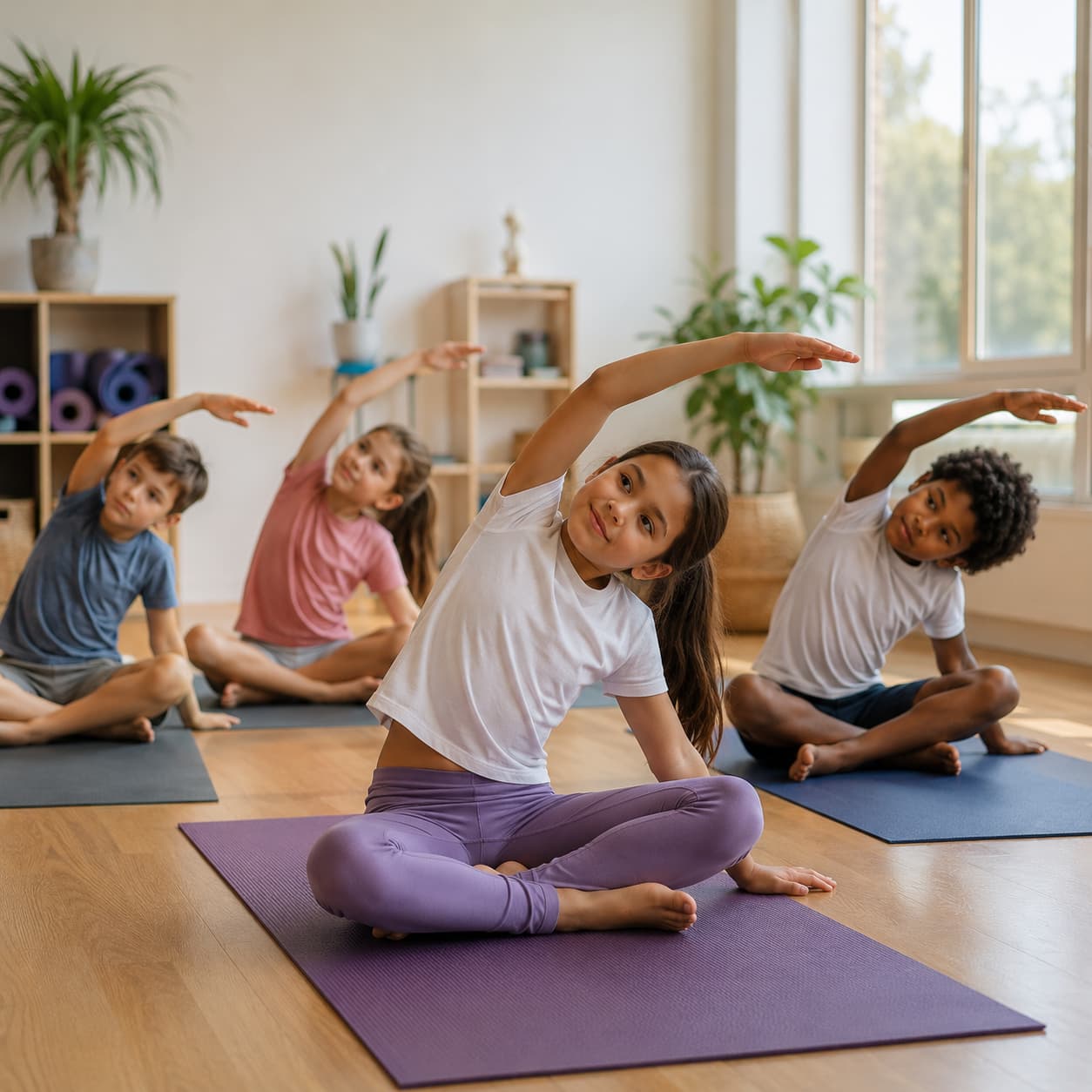
Why schools are starting to look beyond traditional PE
PE still matters enormously.
Children need opportunities to run, jump, throw, climb, compete, cooperate and develop physical confidence through sport and activity. Good PE lessons can support teamwork, resilience, coordination and enjoyment of movement in incredibly important ways.
But many schools are increasingly recognising that PE alone does not fully address the physical and emotional reality many children are now arriving with.
Some pupils struggle with balance and coordination far more than expected for their age. Some find competitive sports environments intimidating. Some children avoid movement entirely because they already believe they are “bad at sport” by the age of seven. Others are physically restless but emotionally dysregulated, constantly moving yet not necessarily connected to their bodies in a calm or coordinated way.
Teachers see this every day.
Children struggling to sit comfortably on the carpet because their bodies feel physically unsettled. Pupils unable to balance confidently on one leg. Children lacking postural endurance during classroom tasks. Pupils with low confidence around movement, group participation or physical challenge. Increased emotional dysregulation. Reduced concentration. Reduced body awareness.
And none of this means children are lazy or broken. It reflects the reality of modern childhood.
Children spend more time sitting, more time on screens, less time moving naturally outdoors and less time developing foundational movement patterns through free physical play. Many children are physically overstimulated but under-coordinated at the same time.
That is where structured movement sessions can help schools enormously. Not by replacing PE. By supporting what PE alone cannot always consistently provide.
PE and movement sessions are not trying to do the same thing
One of the biggest misunderstandings around school movement programmes is the assumption that they are simply “soft PE.” They are not. PE and structured movement sessions usually serve different purposes even when both involve physical activity.
Traditional PE often focuses on sport participation, team games, skill development, physical activity and competitive elements. Movement sessions tend to focus more on physical foundations such as coordination, posture, mobility, balance, body awareness, confidence, nervous system regulation and calmer movement control.
That distinction matters because many pupils need both.
A child may enjoy football but still struggle with balance and posture. Another child may avoid competitive games entirely but thrive in calmer, structured movement. Some pupils are physically energetic but lack coordination and control. Others are quiet and anxious but slowly become more confident once movement stops feeling performative.
Movement sessions create a different environment.
The emphasis is usually less on winning, comparison and performance and more on awareness, movement quality, confidence and participation. Children often experience movement differently when they are not constantly measuring themselves against the fastest, strongest or loudest pupils in the room.
This is explored further in Children’s Yoga vs Children’s Pilates: Which Class Is Right for Your Child?, where the focus shifts away from trends and towards what children physically and emotionally need from movement environments.
Because honestly, not every child thrives when PE becomes dominated by competitive sport structures. And schools already know that.
Why coordination matters more than many people realise
When a child moves confidently, balances naturally and transitions smoothly between physical tasks, nobody really comments on it. But when coordination is underdeveloped, it affects far more than sport.
Children who struggle with coordination often experience difficulties with posture, movement confidence, spatial awareness, attention, physical organisation and participation. Some avoid movement because they feel embarrassed. Others become disruptive because physical discomfort and dysregulation show up behaviourally rather than verbally.
Coordination also affects classroom life more than many adults realise.
Sitting still comfortably requires postural control. Writing involves shoulder stability and fine motor organisation. Carrying trays, moving through crowded spaces, balancing during transitions and participating confidently in group activities all rely on foundational movement skills.
This is why structured movement support can be so valuable during primary school years. Children are still building physical maps of how their bodies move in space. They are developing balance, rhythm, timing, strength, awareness and confidence simultaneously.
Movement sessions help reinforce those foundations in a calmer, more repetitive and more accessible way than many sport-led environments naturally allow.
Not because sport is wrong. Because children need broad movement foundations before they can fully access everything else confidently.
Why posture is becoming a bigger issue for children
Children now spend enormous amounts of time sitting.
They sit during lessons. They sit during screen time. They sit during homework. They sit travelling to school. They often spend less time climbing, crawling, hanging, balancing and moving naturally than previous generations did during ordinary play. That changes how children physically develop.
Teachers increasingly notice pupils struggling to sit upright comfortably for sustained periods. Some children collapse through the upper body during desk work. Others constantly fidget because remaining physically still feels difficult. Some children develop reduced mobility and body awareness surprisingly early.
This is not about criticising technology or pretending children should spend every waking hour barefoot in forests building dens from sticks while learning mindfulness from squirrels.
It is simply acknowledging that modern lifestyles create different physical demands.
Structured movement sessions help by introducing movement variety back into the school environment. Mobility, balance, posture awareness, spinal movement, breathing and coordination all help children feel more physically organised inside their own bodies.
Importantly, posture support for children should never become rigid or perfectionistic.
Healthy posture is dynamic. Children should not be taught to freeze themselves into military alignment for hours. They should learn how to move well, shift naturally and support their bodies through varied movement rather than constant stillness.
Why confidence in movement matters so much during primary school
Movement confidence affects children socially, emotionally and physically. A child who feels physically capable often participates more freely. They join games more confidently. They feel less anxious during PE. They take more movement risks. They trust their body more. A child who feels physically unsure often withdraws.
Sometimes quietly. Sometimes behaviourally. Sometimes through avoidance, humour or disruption.
Movement confidence does not only come from being “good at sport.” In fact, many children who struggle in traditional PE settings become far more confident in calmer movement environments because the pressure changes completely.
Structured movement sessions can help children experience success differently.
Instead of focusing purely on speed, competition or athletic ability, the emphasis shifts towards awareness, coordination, balance, breath, strength, movement quality and participation. Children who normally feel overlooked in sport-based settings often begin engaging far more positively once movement stops feeling like public ranking.
This is one reason Children’s Movement Classes in Rushcliffe: Yoga, Pilates and Confidence Through Movement focuses so strongly on confidence alongside physical development. Children’s relationships with movement begin forming very early, and those relationships shape behaviour long into adulthood.
Children who believe movement is “not for them” at primary age often carry that belief for years.
Schools have a huge opportunity to interrupt that pattern early.
Decision box: what do primary school pupils often need beyond PE?
| What pupils may struggle with | How movement sessions help |
|---|---|
|
Poor coordination |
Builds movement foundations gradually |
|
Low confidence in sport |
Creates calmer participation environments |
|
Difficulty focusing |
Uses movement to support regulation and attention |
|
Physical restlessness |
Channels movement more constructively |
|
Poor posture |
Encourages mobility and body awareness |
|
Reduced balance |
Improves stability and coordination |
|
Emotional dysregulation |
Introduces calmer physical regulation tools |
|
Fear of competition |
Removes constant performance comparison |
|
Low body awareness |
Helps children connect with movement safely |
|
Excessive sitting |
Reintroduces movement variety into the day |
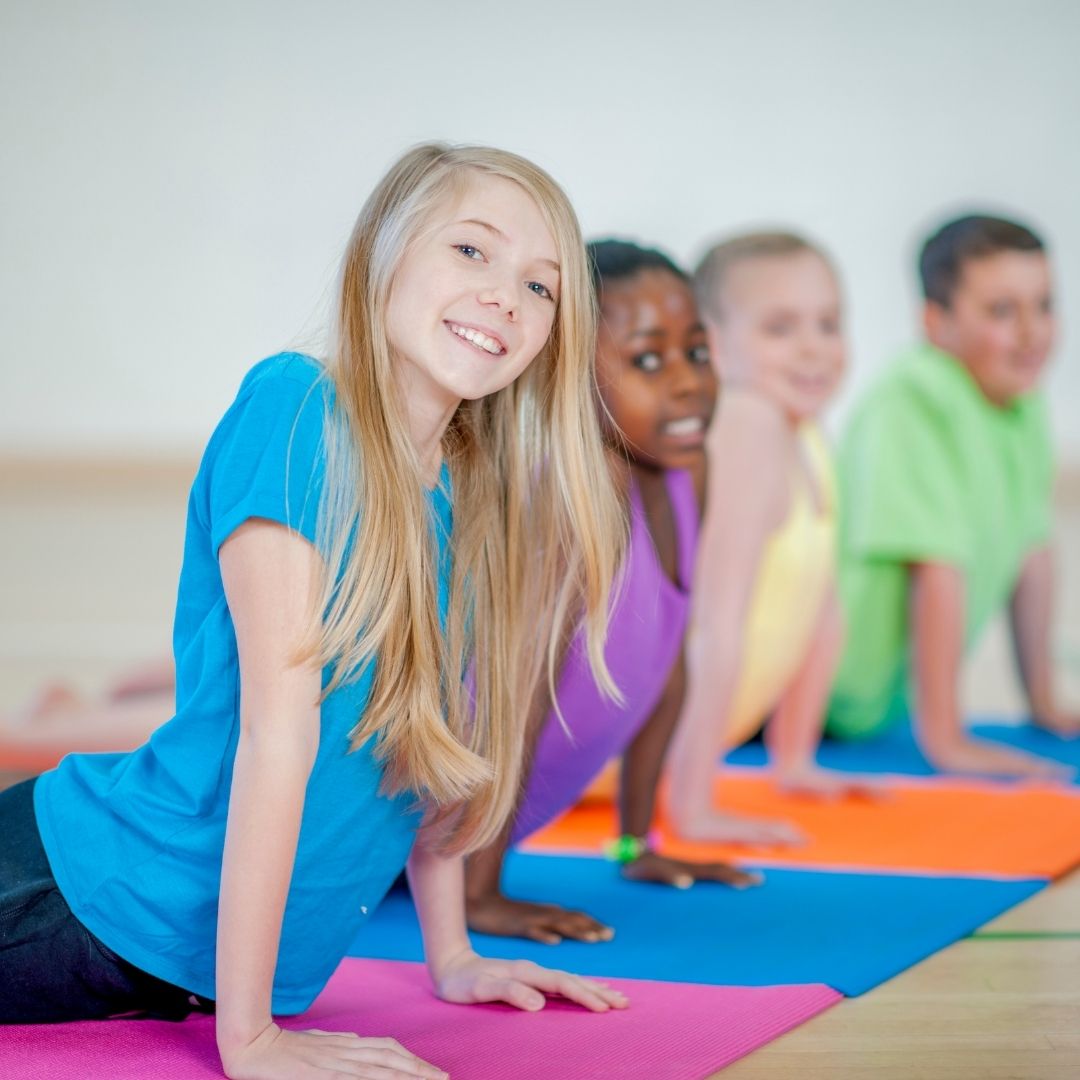
Why calmer movement environments help many children
Not every child learns best through high-energy competition.
Some children become overwhelmed in loud, fast-moving PE environments. Others switch off because they already feel physically behind. Some become anxious about being watched. Others struggle to process instructions when the environment becomes too stimulating.
Calmer movement sessions often help these pupils engage more successfully because the nervous system demands are different. There is usually more structure.
- More repetition.
- More awareness.
- More physical grounding.
Children often regulate better when movement is slowed down enough for them to actually feel what their body is doing rather than constantly reacting under pressure.
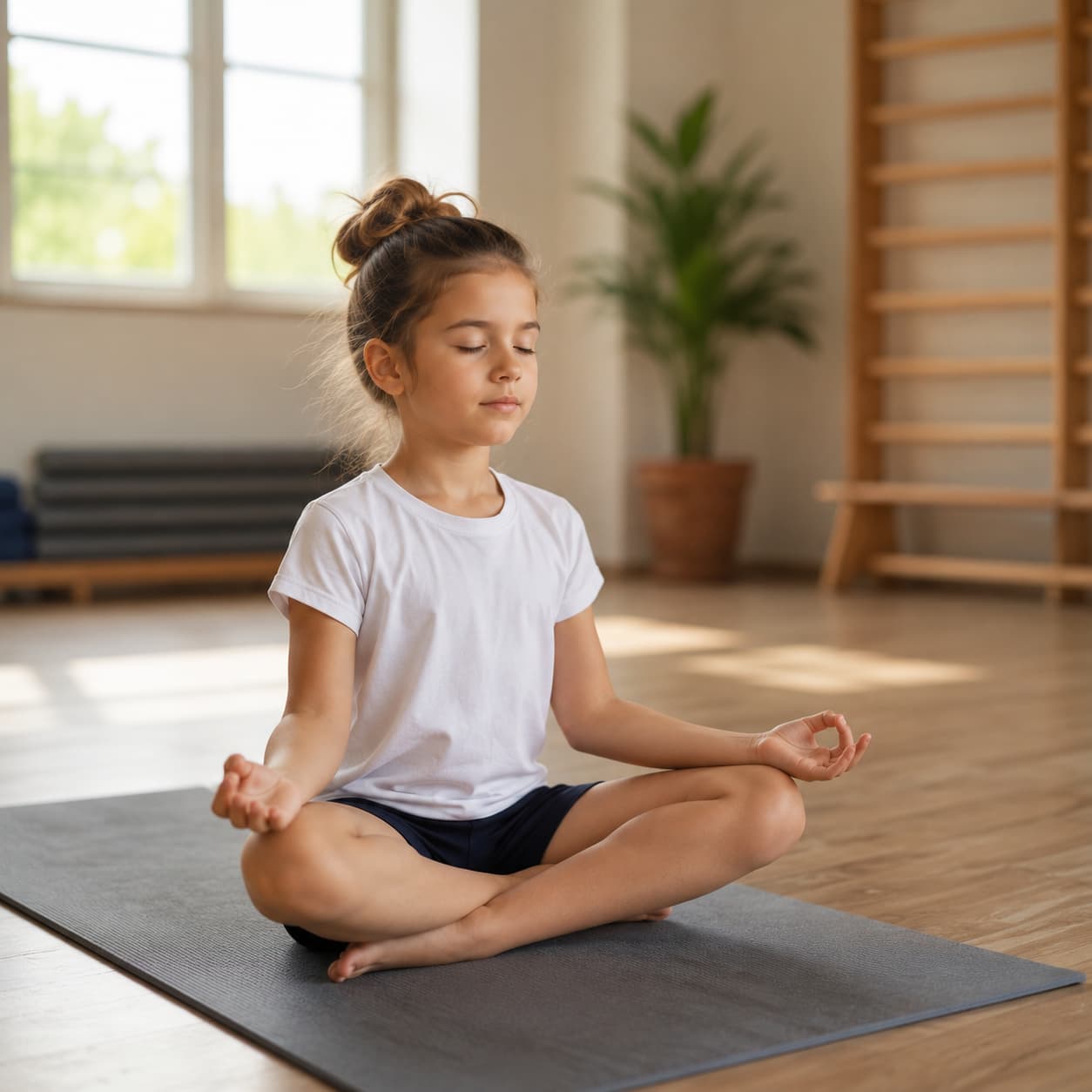
This is especially valuable for pupils who struggle with focus, anxiety, confidence or sensory overwhelm. Breathing, balance, coordination work and slower movement sequences can help children settle physically and mentally without becoming passive.
Importantly, calm does not mean boring.
Children still move, strengthen, balance, coordinate and challenge themselves physically. The environment simply feels less performative and less chaotic than some traditional activity settings.
And honestly, many children desperately need environments where movement does not feel like a public audition.
Why physical development affects classroom learning too
Children do not separate physical and cognitive experience the way adults often do.
A child who feels physically uncomfortable will often struggle to focus properly. A child with poor postural endurance may become restless during desk tasks. A child with weak body awareness may struggle with spatial organisation, writing posture or sustained concentration.
Movement influences attention constantly.
This is why many schools are increasingly interested in movement support that connects physical development with learning readiness. Structured movement sessions help pupils regulate energy, improve coordination and feel more physically settled before returning to classroom tasks.
That does not mean movement magically solves every behavioural or educational challenge.
But it absolutely influences readiness to learn.
Children are embodied learners. Their nervous systems, posture, movement and attention are deeply connected. Schools that understand this often notice benefits extending beyond the physical session itself.
Pupils return calmer. More focused. More organised physically. More confident participating. Not perfectly transformed little Zen monks floating back into maths lessons, obviously.
Just more regulated. Which matters enormously in real classrooms.
Why children need movement variety more than ever
Many children now experience highly repetitive physical environments. Long sitting. Screens. Limited outdoor movement. Reduced climbing, balancing and unstructured physical play.
The body adapts to repetition quickly, especially during childhood development. When movement variety decreases, physical confidence, mobility and coordination often decrease alongside it.
Movement sessions help reintroduce variety intentionally.
Children balance, rotate, stretch, stabilise, coordinate, breathe, strengthen and move through multiple patterns that many modern routines no longer naturally provide. These experiences help children build richer movement foundations while also improving awareness of how their body feels and functions.
This is particularly important during primary years because children are still developing lifelong relationships with movement.
Children who feel capable physically often continue engaging with movement positively later in life. Children who associate movement with embarrassment, failure or exclusion often avoid it increasingly over time.
Schools are in a powerful position to shape that relationship early.
Why movement support should feel inclusive
One of the biggest strengths of structured school movement sessions is that they can include children who often feel disconnected from traditional sport environments.
- Not every pupil enjoys competition.
- Not every child wants to chase a football.
- Not every pupil feels confident performing a physical skill publicly.
And that is completely normal. Movement support should not only serve the naturally sporty children who already feel physically confident. Schools need movement environments where quieter pupils, anxious pupils, neurodivergent pupils and physically unsure pupils can also experience success.
Inclusive movement does not mean removing challenge. It means widening access to confidence.
That is where structured movement programmes often become extremely valuable. Children can still build strength, balance, coordination and resilience without movement constantly revolving around comparison or athletic ranking.
For many pupils, that changes everything.
Why schools are increasingly interested in structured movement programmes
Schools are under enormous pressure already.
Teachers manage behaviour, learning, safeguarding, emotional needs, academic targets and increasingly complex classroom dynamics every single day. Many schools are now recognising that physical regulation and movement support play a much bigger role in school readiness than previously acknowledged.
That is partly why movement programmes are becoming more common within primary schools. Not because schools suddenly want to replace PE. Because they are noticing gaps.
- Children arriving less physically coordinated.
- More emotionally dysregulated.
- More sedentary.
- Less movement-confident.
- Less able to sustain posture comfortably.
- More physically disconnected from their own bodies.
Structured movement sessions help schools address those issues proactively rather than waiting for them to become bigger barriers later.
This is explored further in School Movement Programmes in Nottingham: Supporting Focus, Confidence and Physical Development, where the emphasis sits firmly on practical support rather than trendy wellness language.
Because schools do not need fluff. They need things that actually help children function better physically and emotionally inside real classrooms.
Comparison table: PE vs structured movement sessions
| Traditional PE | Structured movement sessions |
|---|---|
|
Often sport-focused |
Focuses on movement foundations |
|
Can involve competition |
Usually calmer and less competitive |
|
Builds teamwork and athletic skills |
Builds coordination and body awareness |
|
Fast-paced group activities |
More controlled movement patterns |
|
Strong for physical activity |
Strong for regulation and posture |
|
Great for sport participation |
Great for movement confidence |
|
Often externally performance-based |
More internally awareness-based |
|
Develops game skills |
Develops foundational movement quality |
|
Valuable for active play |
Valuable for calmer physical regulation |
|
Important for all pupils |
Complements PE rather than replacing it |
Practical checklist: what schools should look for in movement provision
| What schools should consider | Why it matters |
|---|---|
|
Age-appropriate delivery |
KS1 and KS2 pupils need different structures |
|
Calm classroom management |
Sessions should support regulation, not chaos |
|
Inclusive teaching style |
All pupils should feel able to participate |
|
Strong safeguarding understanding |
Essential in school settings |
|
Clear physical structure |
Predictability helps children feel safe |
|
Balance of movement and focus |
Sessions should feel engaging but grounded |
|
Practical school experience |
School delivery differs from studio teaching |
|
Adaptability for mixed abilities |
Classes should support varied needs |
|
Emotional awareness |
Many children regulate physically |
|
Sustainable delivery |
Schools need provision that fits real timetables |
Final thoughts: school movement gives pupils another way in
PE matters. Sport matters. Physical activity matters enormously.
But many children also need calmer, more structured movement experiences that support confidence, coordination, posture, regulation and body awareness alongside traditional physical education.
Primary school movement sessions help fill that gap. Not by replacing PE.
By supporting the physical and emotional foundations, many pupils now need more consistent support throughout the school week.
Children deserve movement environments where they can feel capable without constant comparison. They deserve opportunities to build physical confidence gradually. They deserve support in developing coordination, balance, awareness and regulation alongside athletic skills.
And honestly, many children simply need more chances to feel comfortable inside their own bodies again. That is not a luxury. It is part of healthy development.
To explore structured movement support for schools, visit School Movement Programmes in Nottingham or learn more about Children’s Yoga & Pilates in West Bridgford.
Key takeaways
Primary school pupils often need more than competitive sport and traditional PE structures to develop confidence, coordination, focus and healthy movement habits. Structured movement sessions help children build physical awareness, emotional regulation and movement confidence in a way that supports the whole child, not just athletic performance.
Frequently Asked Questions
Primary school movement sessions are structured, age-appropriate movement classes designed to support children’s coordination, balance, posture, confidence, mobility and focus.
No. Movement sessions complement PE rather than replacing it. They focus more on movement foundations, regulation and body awareness alongside traditional physical education.
Movement sessions can be adapted for KS1 and KS2 pupils using age-appropriate activities, pacing and physical challenges.
Movement supports nervous system regulation, posture, breathing and physical organisation, all of which influence attention and classroom readiness.
Yes. Many children feel more comfortable in calmer movement environments where participation is less focused on competition and athletic performance.
Sessions may support coordination, balance, posture, mobility, strength, body awareness and movement confidence.
Structured movement can be very supportive for many neurodivergent pupils because predictable movement patterns and physical regulation strategies often help attention and emotional regulation.
Schools increasingly recognise that many pupils need more support with physical development, coordination, confidence and emotional regulation alongside traditional PE provision.
Children’s yoga often focuses more on flow, breathing and flexibility, while children’s Pilates tends to emphasise posture, control, strength and body awareness. Both can support children differently.
No. Most structured school movement sessions can be delivered safely in school halls or classroom spaces without specialist equipment.