
What Equipment Do Children Need for Movement Classes?
Introduction: Before You Buy the Bag, Pause
Parents often ask what equipment children need for movement classes before enrolling. What do they need? What should we buy? Is there a list somewhere that I’ve missed?
Behind that practical question is something slightly more anxious. No parent wants their child to arrive underprepared, especially in a new environment. The fear of being the only one without the “right” equipment can feel disproportionate but very real.
The reassuring truth is that in a properly structured programme, children need far less than most people assume.
If you have already explored what to look for in a children’s movement class, you will know that structure, progression and instructor clarity matter far more than accessories. Equipment supports a class. It does not define it. When a programme is built around physical literacy and controlled development, the body is the primary tool. Everything else is secondary.
If you are still deciding whether a class is right for your child, you may want to start with what to look for in a children’s movement class, which explains how structure and progression matter more than accessories.
So before you buy the oversized sports bag and start searching for branded gear, it is worth understanding what is genuinely necessary and what is simply noise.
TL;DR: The Short Version for Busy Parents
Children usually need only a mat, comfortable clothing and water for movement classes. Structured development relies on bodyweight skill progression rather than accessories. Additional equipment should be introduced gradually and with a purpose.
The Foundation: The Body Comes First
In a well-designed children’s movement environment, development begins with bodyweight control. Balance, coordination, strength and mobility are cultivated through repetition and progressive challenge rather than external resistance.
This is why equipment for a kids’ movement class is often minimal. Introducing too much too early can actually interfere with awareness. When children rely on props before they understand their own weight distribution, posture and control, they skip foundational stages.
Structured movement for children prioritises proprioception, alignment and rhythm before adding complexity. That principle applies equally to equipment decisions. If a child cannot yet stabilise in a simple balance or maintain control in a controlled squat, additional gear will not accelerate that learning.
In fact, simplicity often strengthens it.
If you want to understand how this structure unfolds across age groups, the broader overview of yoga and movement for children explains how progression is layered rather than rushed.
The One Essential Item: A Personal Mat
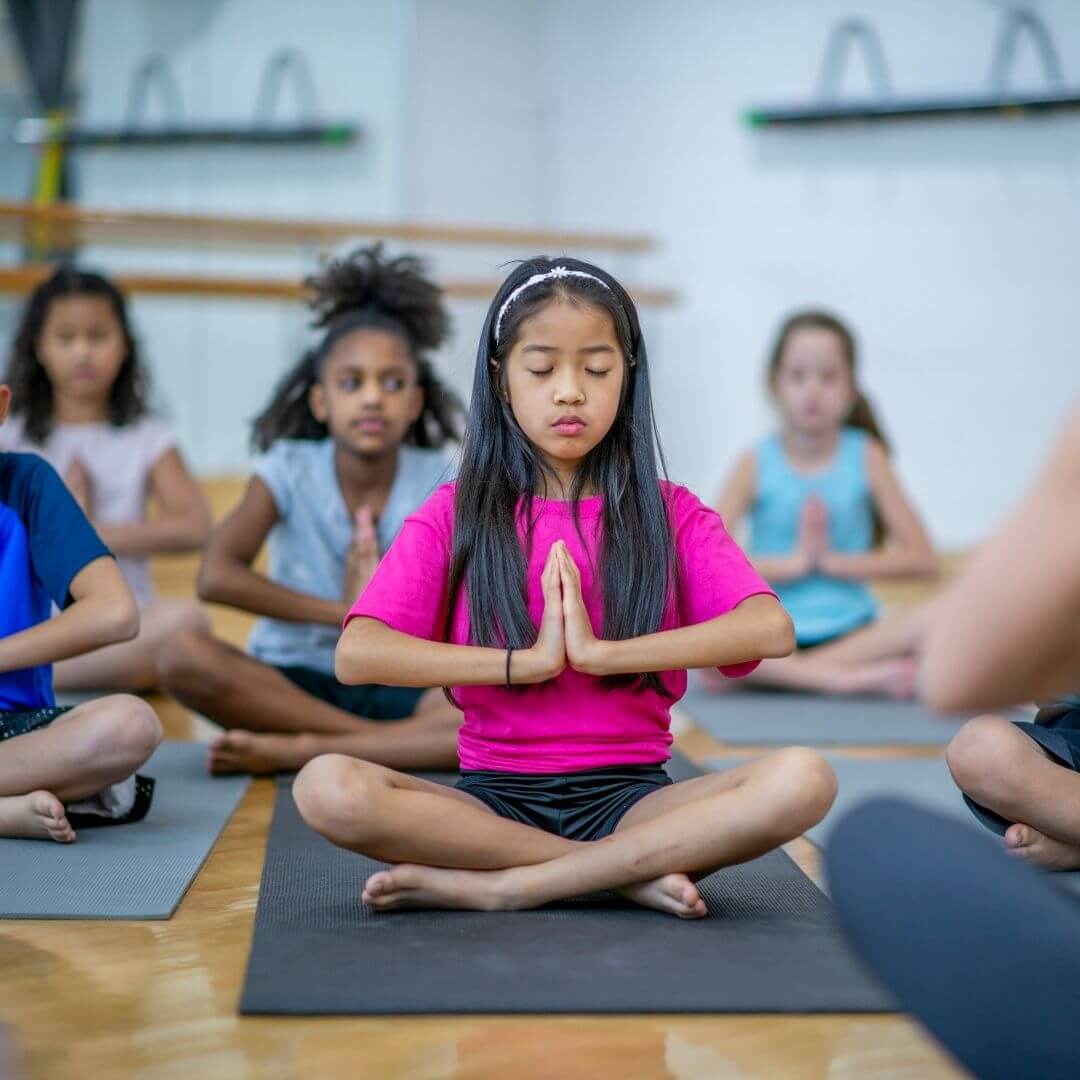
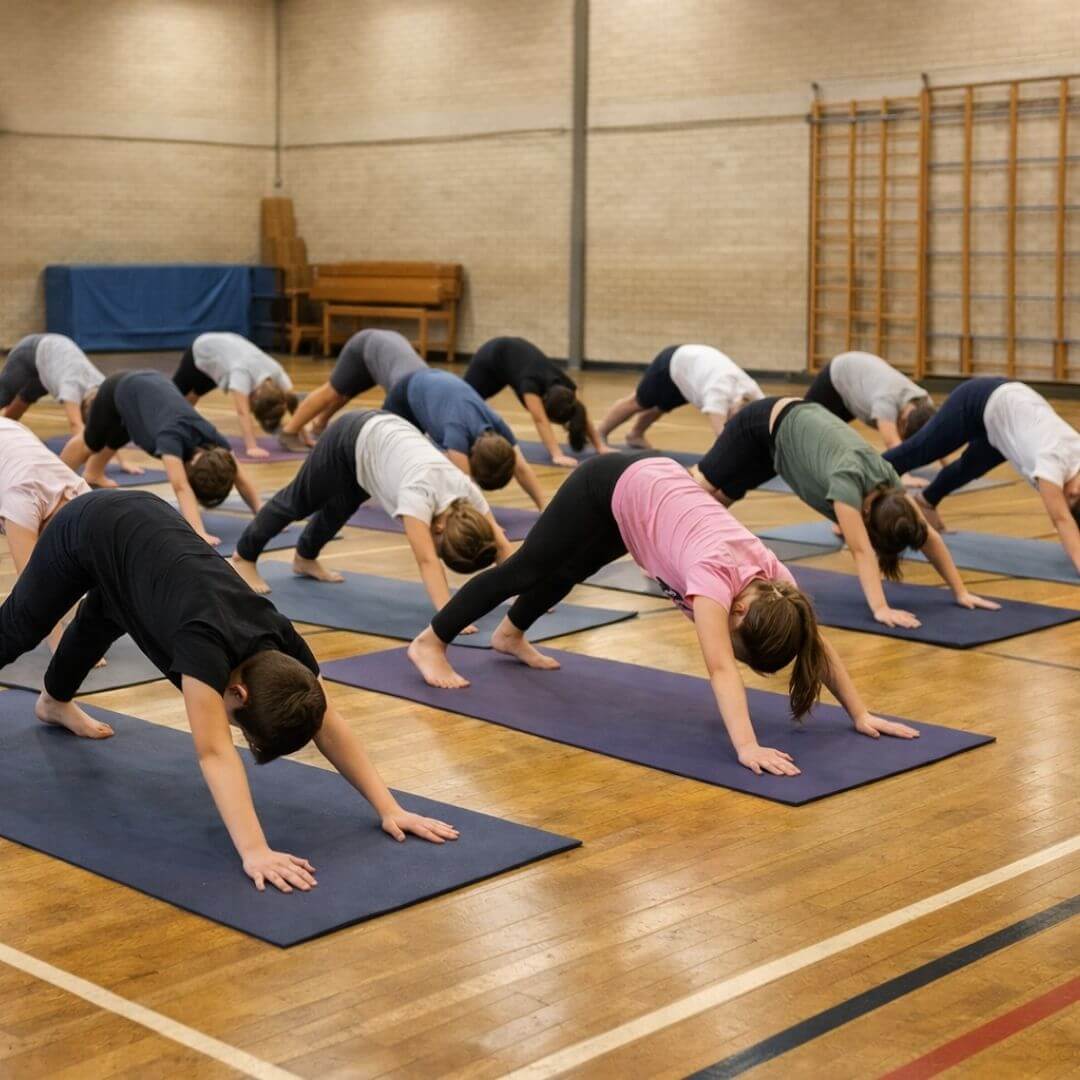
For most indoor movement classes, the only true essential is a personal, non-slip mat.
The mat performs several quiet but important functions. It provides grip. It creates a defined personal space within a group setting. It establishes hygiene consistency. It subtly teaches responsibility, because bringing and caring for the mat becomes part of the ritual of attending.
When parents ask what to bring to kids yoga class, the answer usually begins and ends with this single item.
The mat does not need to be premium or branded. It needs to lie flat, avoid curling at the edges, and offer enough thickness to protect knees without becoming unstable. Children do not require specialist materials, nor do they benefit from equipment that feels overly technical.
In many cases, the mat becomes symbolic. It marks a boundary. It signals focus. It creates a sense of belonging to the session without overwhelming the child with unnecessary gear.
Clothing: Practicality Over Performance
Clothing is another area where overcomplication creeps in.
Children do not need performance-enhancing fabrics or coordinated sportswear sets. They need freedom of movement. They need to be able to squat deeply, reach overhead, twist through the torso and balance without constantly adjusting waistbands or sleeves.
Leggings, joggers, fitted but comfortable tops, and breathable fabrics are entirely sufficient. Clothing should not demand attention. If a child spends half the session pulling at a slipping shoulder strap or stiff waistband, awareness shifts away from movement and into distraction.
The most useful rule is simple. If your child can move in all directions comfortably at home without fidgeting, they can move in class.
Children’s yoga class essentials are often far less glamorous than marketing suggests.
Footwear: Why Barefoot Is Usually Better
In most structured indoor movement classes, shoes are removed.
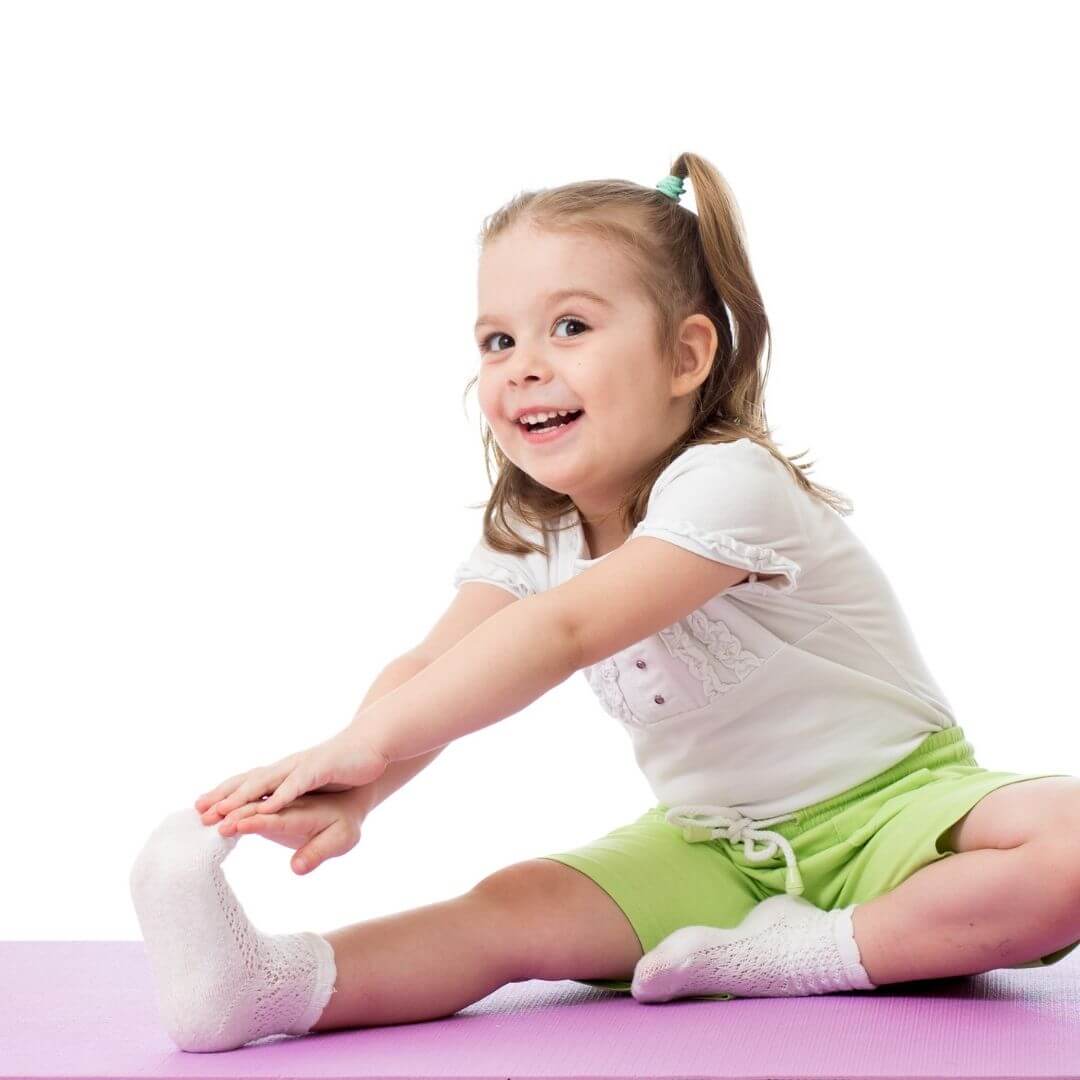
Barefoot work strengthens intrinsic foot muscles, improves balance feedback and increases sensory awareness. For younger children in particular, removing shoes often improves stability immediately.
Unless a class specifically includes outdoor drills or high-impact activity, shoes are unnecessary. In fact, they can interfere with proprioceptive development.
Parents sometimes worry about hygiene or safety. A well-run class manages these concerns through clean floor practices and clear rules. Grip socks may be used in some settings, but even these are often optional.
If a programme requires specialised footwear without clear explanation, it is reasonable to ask how that aligns with developmental goals.
Water: Ordinary and Necessary
Hydration does not need to become a performance accessory.
A simple water bottle with a secure lid is enough. There is no need for insulated sports systems or advanced hydration packs.
Encouraging children to remember their bottle and manage their own hydration quietly reinforces independence. It also reduces disruption mid-session.
Beyond that, there is very little to consider.
Do Children Need Props?
In beginner and intermediate children’s movement classes, most props are instructor-managed rather than parent-supplied.
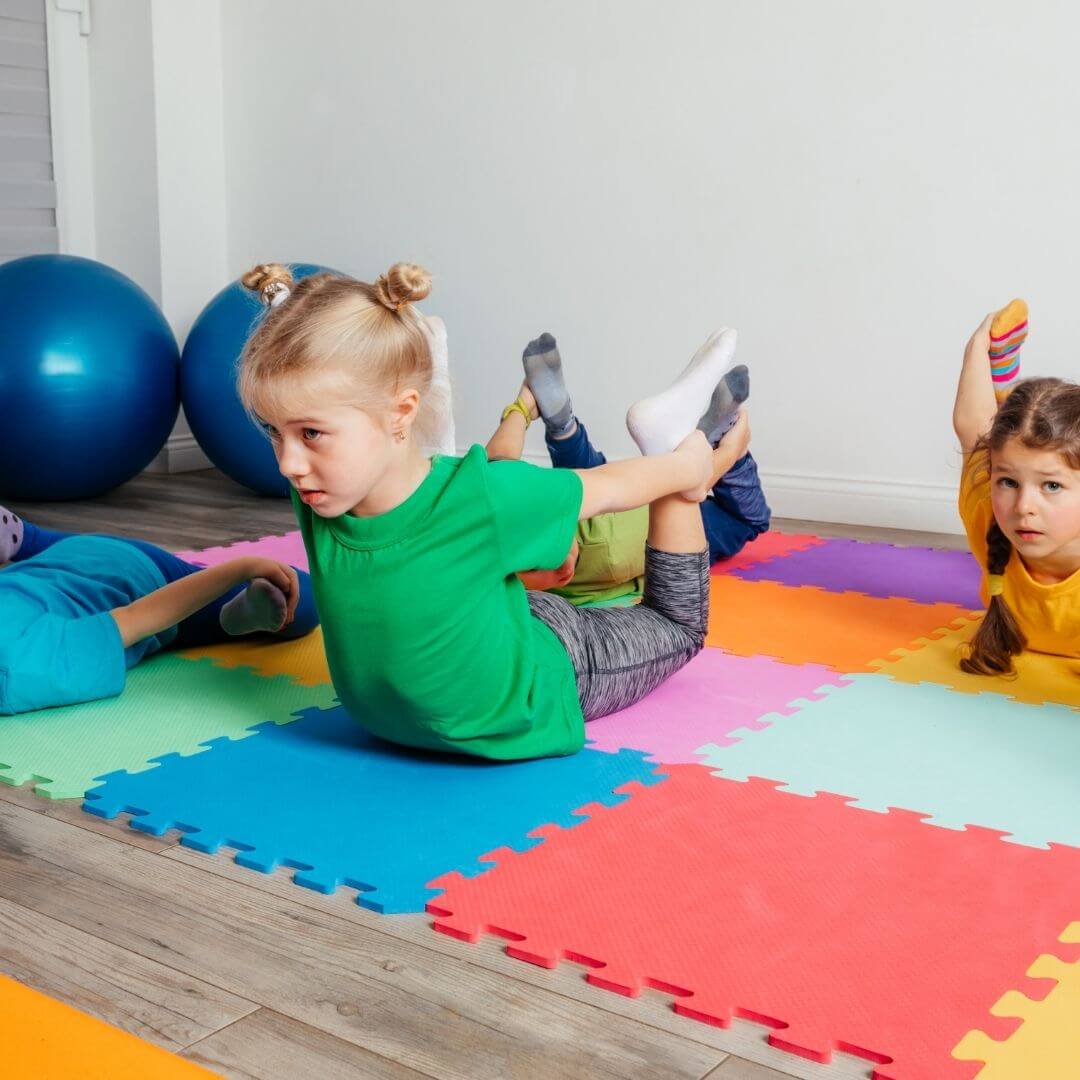
Blocks, straps, light bands or small balls may appear in sessions, but they are typically provided within the environment and introduced deliberately.
Props should serve a clear purpose. They might:
-
- Assist alignment
- Support flexibility safely
- Introduce mild resistance
- Improve coordination awareness
They should not become a substitute for strength. Nor should they become a visual spectacle that distracts from structure.
If a class requires parents to purchase a range of equipment immediately upon joining, it is worth asking how those items are integrated into progression. Equipment without explanation often signals a surface-level approach rather than a layered one.
Strength Equipment and Age Progression
As children move into older age brackets, light resistance may be introduced in a carefully supervised way.
This does not mean heavy weights or aggressive strength training. It may involve light bands or small hand weights appropriate to developmental stage. The emphasis remains on control and alignment rather than load.
If you are curious how strength progression intersects with confidence development, the article on confidence-building movement classes explains why challenge must be introduced gradually and with emotional steadiness.
Equipment should follow readiness. It should never be used to accelerate growth beyond structural capacity.
The Hidden Cost of Over-Preparation
There is a cultural tendency to equate seriousness with gear. A large branded bag can feel reassuring. It signals commitment.
But in children’s movement settings, over-preparation can create unintended pressure. Children begin comparing accessories. Parents begin comparing investment. The focus shifts subtly away from development and toward presentation.
Children’s movement class benefits are not amplified by accessories. They are amplified by consistency, thoughtful instruction and progressive challenge.
If a class feels heavily branded, gear-focused or merchandise-driven, it is reasonable to pause and consider whether structure is receiving equal attention.
For guidance on how to assess the broader environment beyond equipment, revisit what to look for in a children’s movement class, which outlines the structural markers that matter most.
Equipment and Emotional Regulation
There is also a psychological layer worth acknowledging.
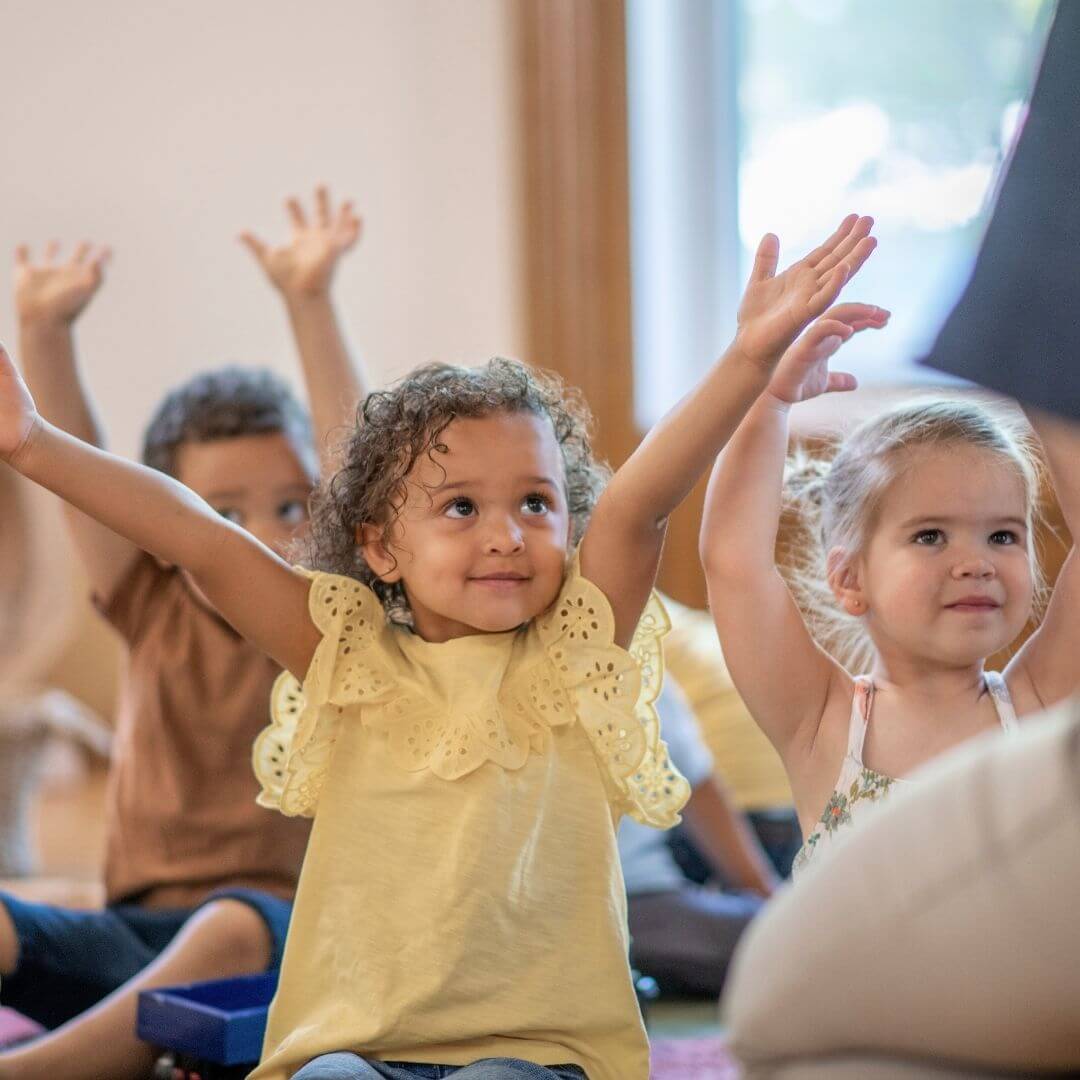
Younger children, in particular, regulate more effectively in simplified environments. Too many props, too many visual stimuli and too much physical clutter can fragment attention.
If you have read why children struggle to self-regulate without daily movement, you will recognise how environmental clarity supports nervous system steadiness.
A clear mat space, minimal props and predictable structure often produce calmer sessions than visually busy setups.
Less equipment can mean more focus.
If you are interested in the deeper relationship between movement and nervous system steadiness, why children struggle to self-regulate without daily movement explains how structured activity supports emotional balance.
Special Circumstances: When More Is Appropriate
There are circumstances in which additional equipment may be appropriate. These include:
-
- Injury adaptation
- Hypermobile support
- Advanced skill development
- Specific therapeutic guidance
In these cases, communication should be explicit. Parents should understand why an item is necessary and how it supports the child’s progression.
Specialised equipment without explanation is rarely justified.
The Bigger Picture: Development First, Gear Second
When parents ask what equipment do children need for movement classes, they are often seeking reassurance that they are not missing something.
The reassurance is this. Development does not depend on accessories. It depends on structure.
A child with a stable mat, comfortable clothing and water can build balance, coordination, strength and confidence effectively within a well-designed programme.
If you are exploring structured children’s movement classes in Nottingham and want clear guidance on what to bring for each age group, the details are outlined on the kids yoga Nottingham timetable page, including practical information specific to sessions.
The bag does not build the skill. The repetition does.
How Equipment Choices Reveal the Philosophy of a Programme
Equipment is rarely neutral. It quietly reflects the philosophy behind the class.
A programme that emphasises branded kits, matching accessories and constant add-ons is often signalling that identity is being built externally. A programme that keeps equipment simple is usually signalling that development is internal.
This distinction matters more than it first appears.
When a class relies heavily on props from the outset, it can unintentionally communicate that the body alone is insufficient. When a class builds capacity first and introduces tools gradually, it communicates something different. It says strength can be built from within. It says awareness precedes complexity. It says progression is earned, not purchased.
Parents often sense this without naming it.
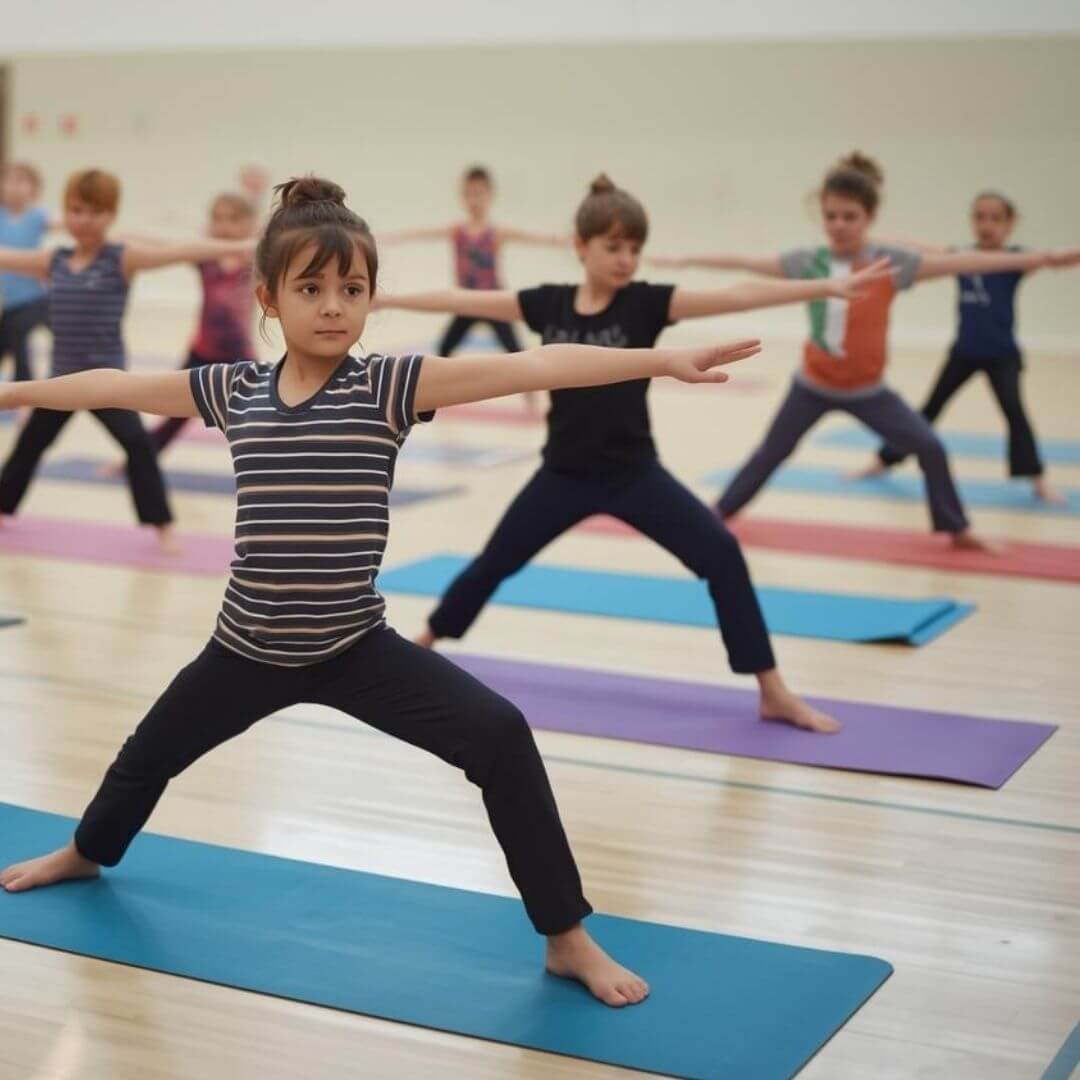
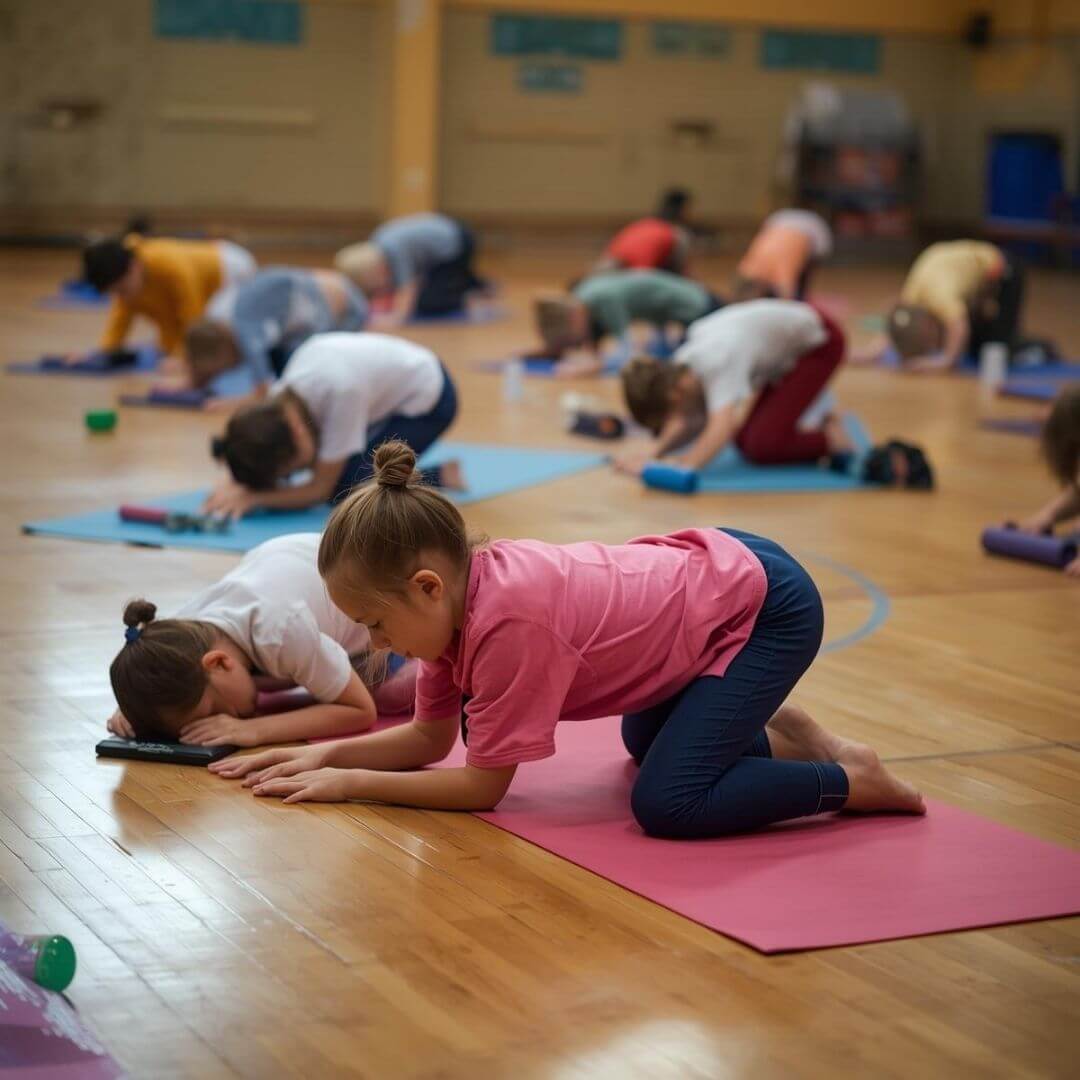
If you walk into a hall and see children grounded on their own mats, moving with control, repeating patterns with slight refinement, you are witnessing structure. If you walk into a space dominated by equipment that shifts focus away from movement itself, you are witnessing a different priority.
This does not mean props are negative. Used intelligently, they refine skill and deepen understanding. But they should always follow readiness. They should never create the illusion of progress where foundation is still fragile.
In the long term, children who learn to stabilise, balance and generate strength without relying on constant external tools develop a more durable relationship with movement. They understand that capability lives in their body, not in the accessories they carry.
That understanding shapes confidence far beyond the mat.
Conclusion: Keep It Simple, Keep It Steady
When you ask what equipment do children need for movement classes, you are really asking whether you need to prepare for something complicated.
In most well-structured programmes, you do not.
A mat, comfortable clothing and water are enough to begin building coordination, balance, strength and regulation. Additional equipment, when introduced carefully and with purpose, supports that development rather than replaces it.
If the environment feels overbuilt before the child has even started, pause and ask why. Strong programmes are not defined by gear. They are defined by progression, clarity and calm authority.
If you are considering enrolling your child and want to see how structure, simplicity and progression work in practice, you can review the full timetable and session details for kids yoga classes in Nottingham on the dedicated page. Equipment guidance is clear, expectations are simple, and the focus remains exactly where it should be: on the child, not the bag.
Development does not require spectacle. It requires consistency.
And consistency rarely needs more than a mat.
Key Takeaway
Children do not need specialised gear to benefit from movement classes. A stable mat, practical clothing and water are typically enough. If a programme requires extensive equipment without clear developmental reasoning, it is reasonable to ask why. Structure builds skill. Equipment should support that structure, not overshadow it.
Questions Parents Tend to Ask Once They Start Looking
Most children need only a non-slip mat, comfortable clothing and a water bottle. Additional equipment is typically provided within the class environment and introduced gradually.
In most cases, no. Structured programmes prioritise bodyweight development and foundational skills before introducing external tools.
A mat, flexible clothing and water are usually sufficient unless the instructor communicates otherwise.
Most indoor structured sessions are barefoot to improve balance and sensory awareness.
Not usually. Props may be introduced by the instructor when appropriate, but they are not essential at entry level.
Only if specifically advised for age-appropriate progression within a structured programme.
No. Development depends on progression and instruction quality rather than the quantity of accessories.
Yes. Overstimulating environments can reduce focus and interfere with regulation, particularly in younger age groups.