What Makes a Workplace Movement Programme Effective (and Why Most Fail)

Most workplace wellbeing programmes don’t fail because employees don’t care about wellbeing. They fail because the programme was never designed for the reality of how people actually work.
 
Sessions are scheduled at inconvenient times. The content feels generic. Participation drops after the launch week. Within a month, the initiative quietly disappears and everyone concludes that “wellbeing programmes don’t work.”
 
The truth is simpler: workplace movement programmes work extremely well when they are designed for workplace conditions. When they are not, they behave like any optional activity, easy to ignore when workloads increase.
 
This article explains what separates effective workplace movement programmes from the ones that fade out quickly, and what organisations should look for when evaluating delivery models.

Programmes Work When They Fit the Working Day

The strongest predictor of success is not session content. It is operational fit.
 
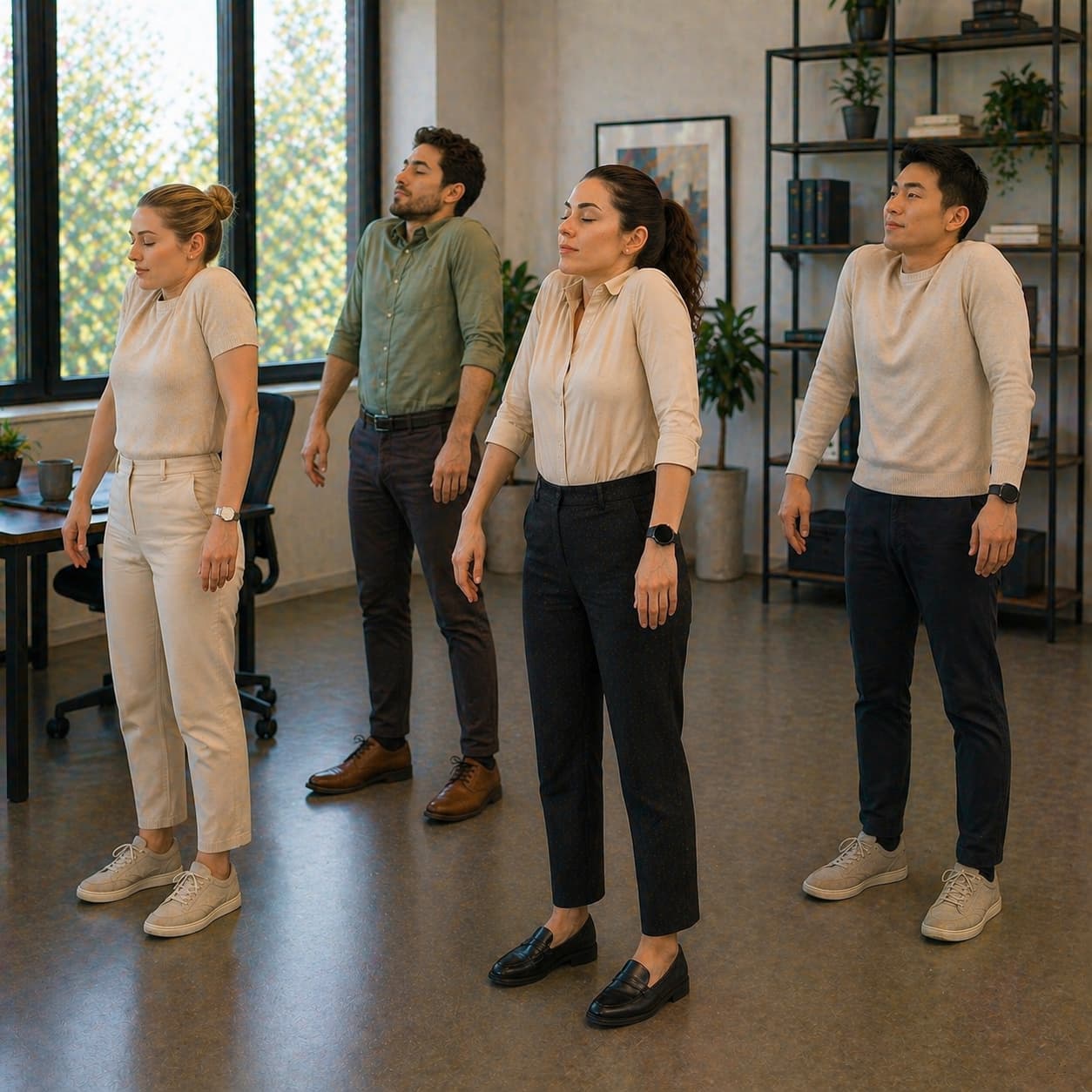
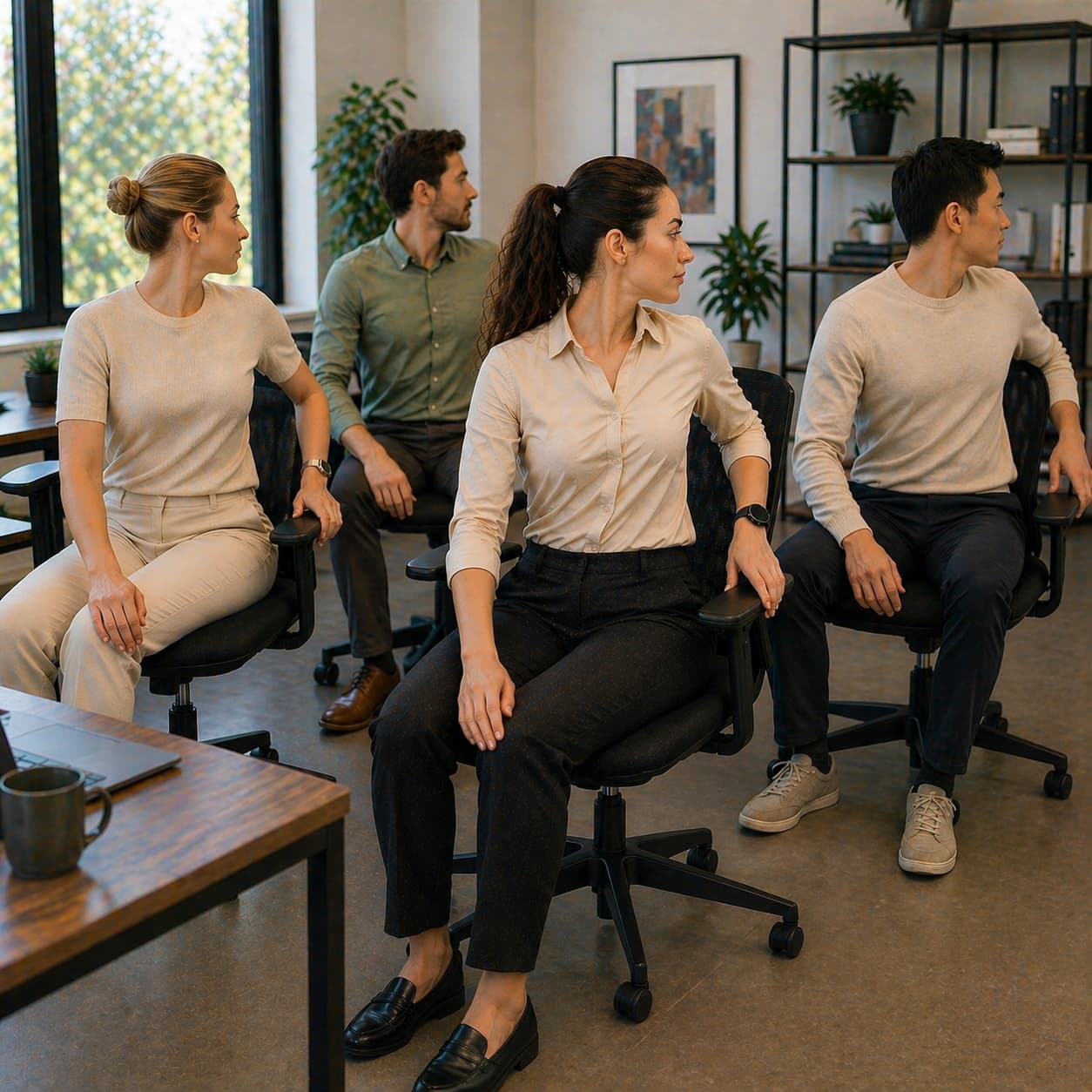
If employees need to leave the building, change clothes, or reorganise their entire schedule to attend, participation declines almost immediately. Effective programmes are delivered inside the working day, in normal office clothing, with minimal setup.
 
That is why many companies now prioritise onsite workplace delivery, where sessions take place in meeting rooms or open office spaces rather than external facilities. When access is easy, attendance remains consistent and the benefits accumulate.
 
A practical overview of how movement sessions function inside office environments can be found here: https://vikithorbjorn.art/movement-in-the-workplace/

Repetition Beats Variety

Some providers promote large menus of session types. While variety can sound appealing, programmes that jump between unrelated formats rarely create long-term change. Employees benefit far more from repeatable movement patterns they can remember and use independently.
 
Effective programmes reinforce the same foundational movements across several weeks, allowing participants to build familiarity, confidence, and daily habits. Over time, employees begin applying these movements naturally between sessions, which is where most of the long-term benefit appears.
 
This is one reason structured multi-week delivery models consistently outperform isolated workshops. A detailed breakdown of how these structured programmes are built can be found here: https://vikithorbjorn.art/workplace-movement-program/

Workplace-Specific Design Matters

Not all movement programmes are designed for desk-based work. Sessions originally built for studios or gyms often require adaptation to function in office environments, and that adaptation is not always successful.
 
Workplace-specific programmes address:
    • Sitting-related posture patterns
    • Screen-related neck and shoulder strain
    • Energy dips linked to prolonged static work
    • Limited available space
    • Short session timeframes
When programmes are built around these realities, employees immediately recognise their relevance, which increases engagement and long-term participation.

Participation Strategy Is More Important Than Session Content

Many organisations focus heavily on what happens during the session but overlook how participation is maintained. Programmes succeed when:
    • Sessions occur at predictable times
    • Managers support attendance
    • Employees understand the practical benefit early
    • The sessions feel easy to join rather than disruptive
Participation is one of the strongest drivers of ROI. Even a well-designed programme cannot produce results if employees stop attending after the first few weeks.

Early Results Should Be Practical, Not Dramatic

Companies sometimes expect dramatic results immediately, which creates unrealistic expectations. Effective programmes usually produce small but noticeable early improvements:
    • Less stiffness at the end of the day
    • Better afternoon concentration
    • Reduced minor discomfort complaints
    • Higher willingness to continue attending
Over several months, these incremental improvements become operationally meaningful, particularly in heavily desk-based teams.
 
If you want a deeper explanation of why small physical changes influence cognitive performance, this article explains the connection: https://vikithorbjorn.art/why-cognitive-work-needs-physical-support/

Why Many Programmes Fail Quietly

When workplace movement initiatives fail, the reasons are usually predictable:
    • Delivery does not fit the working schedule
    • Sessions feel generic rather than workplace-specific
    • Programmes consist only of one-off workshops
    • Participation is optional, but poorly communicated
    • Leadership support is inconsistent
None of these issues are related to the concept of workplace wellbeing itself. They are design and implementation problems.

What Effective Workplace Movement Programmes Consistently Include

Successful programmes usually share several characteristics:
    • Office-compatible session delivery
    • Structured multi-week progression
    • Repeatable movements employees can use independently
    • Clear communication about participation expectations
    • Visible management support
Delivery models such as Sit Happens are designed around these principles, allowing organisations to integrate movement into the working week without major operational disruption: https://vikithorbjorn.art/sit-happens
 
For organisations comparing programme structures, costs, and delivery formats, this overview may also be useful: https://vikithorbjorn.art/corporate-wellness-programmes-uk

Effectiveness Is Mostly About Design, Not Motivation

Employees rarely resist workplace wellbeing initiatives because they lack motivation. They disengage when the programme feels inconvenient, irrelevant, or disconnected from their daily work reality.
 
When programmes are designed to fit how people actually work, short, repeatable, and embedded into the working week, participation becomes natural rather than forced. That is when results begin to compound, and workplace wellbeing stops feeling like a temporary initiative and starts functioning as operational support.

How to Evaluate Programme Effectiveness Before Choosing a Provider

Before committing to any workplace movement programme, companies should evaluate how effectiveness will be built into the delivery itself. The easiest way to do this is to look at the structure, not the marketing.
 
Practical questions to ask include:
    • Is the programme delivered across multiple weeks rather than as isolated sessions?
    • Are sessions designed specifically for desk-based work patterns?
    • Can employees participate in normal work clothing and within the working day?
    • Is there a clear participation strategy rather than “optional attendance”?
    • Does the provider explain what improvements typically appear first?
Programmes that cannot answer these questions clearly often rely on enthusiasm at launch rather than long-term adoption. If you want to see how structured office-compatible delivery works in practice, this overview explains the operational model: https://vikithorbjorn.art/movement-in-the-workplace/

What an Effective Workplace Programme Rollout Looks Like

Most successful implementations follow a simple sequence rather than launching company-wide immediately.
 
Stage 1: Pilot phase
A small team or department runs the programme first. Participation patterns and internal feedback are observed rather than heavily measured.
 
Stage 2: Structured delivery
Once participation is stable, sessions are delivered consistently across several weeks so employees begin forming repeatable movement habits.
 
Stage 3: Expansion
If results are positive, delivery expands across teams or locations while maintaining the same structure.
 
This gradual rollout approach allows organisations to introduce workplace movement initiatives without operational disruption. A practical breakdown of how structured programmes are built can be found here: https://vikithorbjorn.art/workplace-movement-program/

Early Signs That a Programme Is Actually Working

Companies often expect dramatic outcomes immediately, but effective programmes usually produce smaller operational signals first. Managers and HR teams commonly notice:
    • Fewer daily complaints about stiffness or discomfort
    • Employees are staying more comfortable during longer desk sessions
    • More consistent afternoon focus
    • Participation remains steady or increases over time
    • Teams finishing the week less physically drained
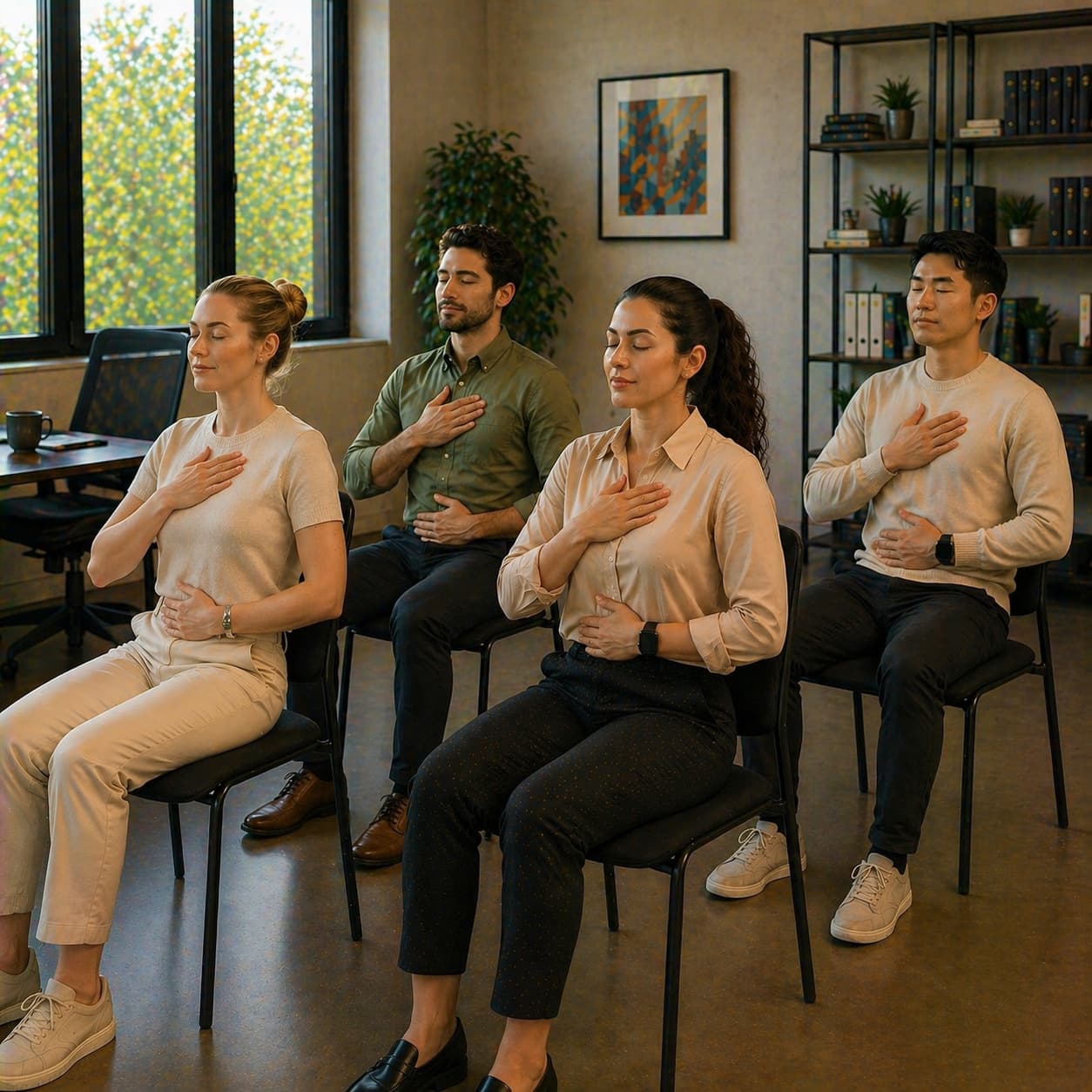
These are early indicators that the programme is fitting the working environment. Over time, these changes translate into broader outcomes connected to absence patterns and productivity stability. A deeper look at how these outcomes relate to measurable ROI can be found here:

How Effective Programmes Connect to Measurable ROI

Effectiveness and ROI are closely linked. When programmes are designed to fit the working day and delivered consistently, participation remains high, which allows benefits to accumulate. That accumulation is what eventually produces measurable returns such as improved energy stability, reduced short-term absence, and more consistent performance across teams.
 
Companies comparing programme delivery formats, pricing, and implementation approaches across the UK can review this overview:

When Workplace Movement Becomes Part of Operational Infrastructure

Organisations often begin by treating workplace wellbeing as a temporary initiative. Over time, many realise that desk-based work creates predictable physical strain patterns that require ongoing support rather than occasional interventions.
 
When movement sessions are embedded into the weekly working rhythm, they stop feeling like optional extras and start functioning as part of the organisation’s operational support system. Delivery models designed specifically for office environments, such as structured workplace programmes like Sit Happens, are built around this principle: https://vikithorbjorn.art/sit-happens/

Practical Perspective

The effectiveness of a workplace movement programme is rarely determined by how impressive the first session feels. It is determined by whether employees are still attending six weeks later and whether the sessions fit naturally into the way the organisation operates.
 
When programmes are short, repeatable, and built around real workplace conditions, participation becomes sustainable and results compound over time. That is why some workplace wellbeing initiatives disappear quickly while others quietly become part of the company’s normal working rhythm.

Questions Companies Usually Ask About Programme Effectiveness

How do we know fairly quickly whether the programme is working?

You usually notice it in small ways first. People stop mentioning sore backs every other day, meetings feel less sluggish in the afternoon, and attendance doesn’t drop after the first few sessions. Those are early signs the delivery actually fits the workplace.

Is effectiveness mostly about the exercises themselves?

Not really. It’s more about whether employees can attend easily and repeat what they learn. Even well-designed sessions won’t do much if people can’t realistically join them during the working week.

What usually causes workplace movement programmes to lose momentum?

Timing and logistics more than anything else. If sessions feel inconvenient or optional in a way that makes them easy to skip, participation fades quickly. Programmes that run at predictable times during the workday tend to last.

Should we expect visible results immediately?

You’ll usually see comfort and energy changes first rather than dramatic performance jumps. The bigger organisational effects come once those small improvements accumulate over several months.

Does leadership involvement actually matter?

Yes. When managers actively support attendance, employees treat the sessions as part of the working routine rather than an extra activity they have to justify attending.

Can a small pilot team really tell us whether the programme will work company-wide?

In most cases, yes. Participation patterns and feedback from a pilot group usually show very clearly whether the format fits your working environment.

Is it better to run longer sessions less often or shorter sessions more frequently?

Shorter, repeatable sessions usually work better. They’re easier to attend consistently and help people build habits they actually use between sessions.

Where can we see what an office-based programme actually looks like in practice?

You can review how a structured workplace movement programme is delivered here: https://vikithorbjorn.art/sit-happens