
After-School Movement Classes: What Parents Should Ask First
Most Parents Ask the Wrong Questions First
When parents start looking for after-school movement classes, the first question is usually practical. What time is it. How much does it cost. Is it fun. Is there space available.
Those questions make sense, but they are not the ones that determine whether a class will actually benefit a child.
Two classes can look identical from the outside. Same age group, same duration, same price. One leaves a child calmer, more confident, and more focused. The other leaves them overstimulated, frustrated, or unchanged.
The difference is not in the timetable or the equipment, despite how often parents are led to focus on that first. In reality, what equipment children need for movement classes is far less important than how the session is structured. It is in how the class is structured, how the body is used, and how the nervous system is supported.
After-school movement classes can either regulate a child or add more noise to an already overloaded system. That is why the quality of the class matters far more than the category it sits under.
This article is not about listing options. It is about helping you understand what actually matters before you choose one.
TLDR
- Most after-school movement classes look similar but produce very different results
- The key difference lies in structure, not activity type
- Movement should support regulation, not just burn energy
- Parents should assess how a class handles attention, pacing, and progression
- A good class improves focus, confidence, and emotional balance over time
What After-School Movement Classes Are Actually Meant to Do
After-school movement classes are often treated as a way for children to burn off energy after a long day at school.
That is part of it, but it is not the full picture.
Children spend most of their school day sitting, concentrating, and managing their behaviour within a structured environment. By the time they leave, their bodies have been relatively still and their nervous systems have been working to maintain focus for extended periods.
What they need at that point is not just activity, but a shift in state.
Movement helps restore circulation, sensory input, and balance within the nervous system. It allows the body to release tension, reorganise energy, and return to a more stable baseline.
A well-designed after-school movement class does exactly that. It does not just entertain or exhaust a child. It helps them reset.
That reset is what supports better sleep, improved mood, and stronger focus the following day.
Why Not All Movement Classes Are Equal
It is easy to assume that any physical activity will produce the same benefits. In reality, the structure of the movement matters far more than the activity itself.
A class that is chaotic, overstimulating, or poorly paced can leave a child more dysregulated than when they arrived. High energy without structure often leads to scattered attention and emotional spikes rather than calm focus.
On the other hand, a class that is too rigid or overly controlled can suppress natural movement patterns and reduce engagement.
The balance sits somewhere in the middle.
Children need movement that is varied, purposeful, and structured enough to guide the nervous system without overwhelming it. This is why the way a class is taught is more important than whether it is labelled as yoga, sport, or general movement.
The First Question Parents Should Ask
Before anything else, parents should ask a simple but often overlooked question. What is the purpose of this class beyond keeping children busy?
A strong answer will usually include one or more of the following:
-
- Supporting coordination and body awareness
- Helping children regulate energy and emotions
- Improving focus and attention through movement
- Building confidence through physical capability
A weak answer tends to focus only on fun, games, or general activity without any clear structure behind it. Fun matters, but it is not the goal on its own.
Children can have fun anywhere. A good class uses that engagement to support development.
What to Look for in the Structure of a Class
Structure is what determines whether a class actually works, and it is often the first thing parents overlook when choosing a class. A well-structured after-school movement class usually follows a clear progression, even if it does not look rigid on the surface. It often includes:
-
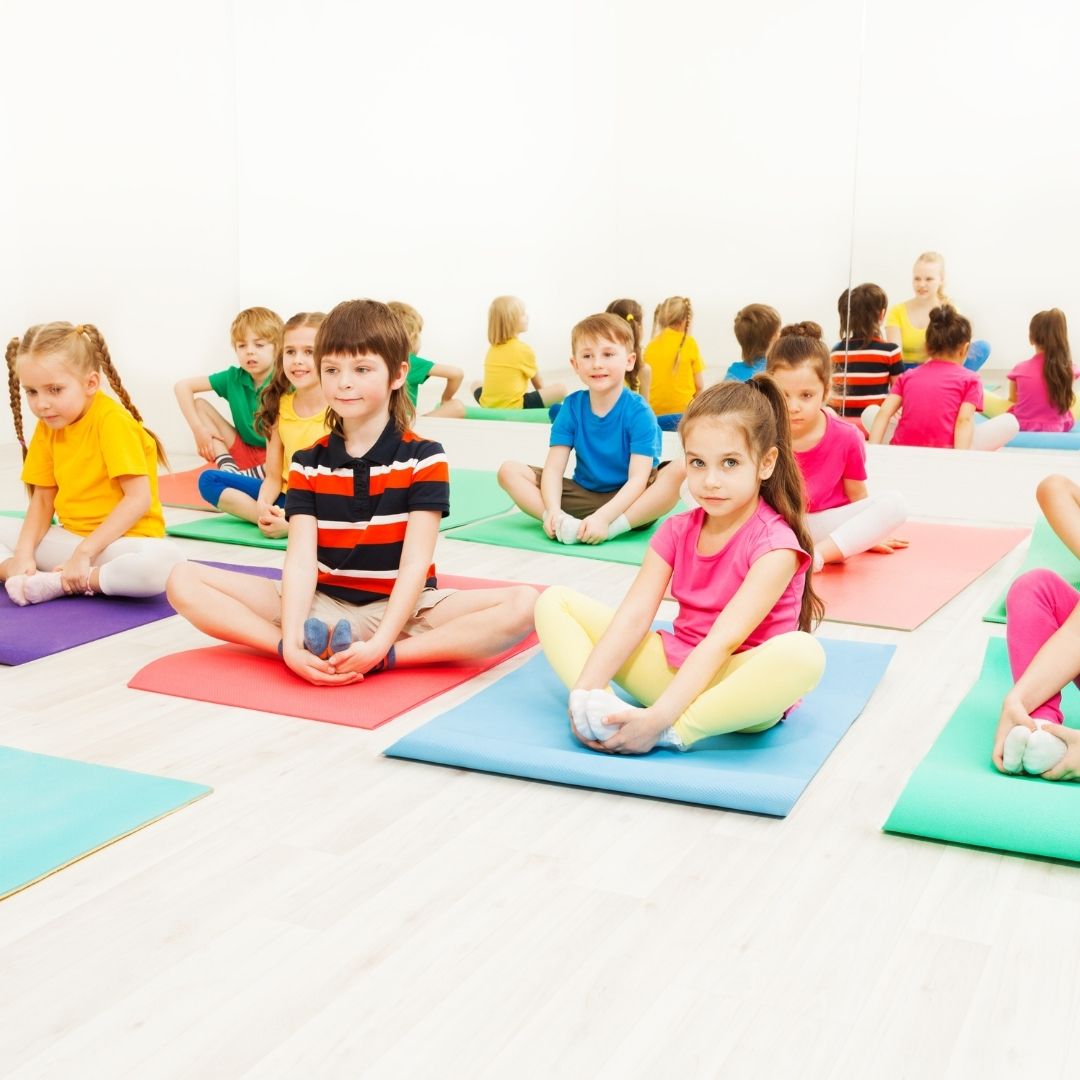
- A gradual start that allows children to transition from the school environment
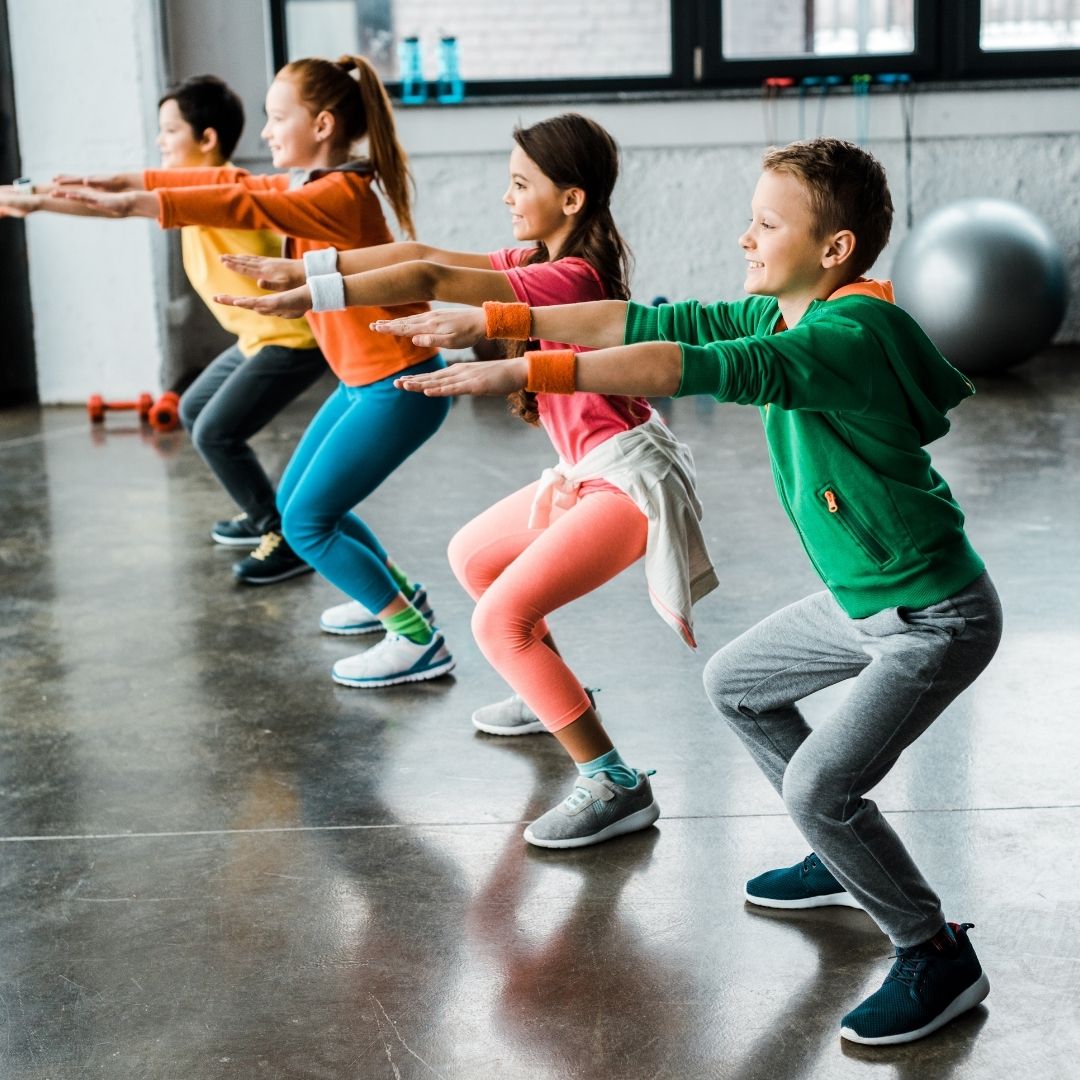
- A period of active movement that builds energy and engagement
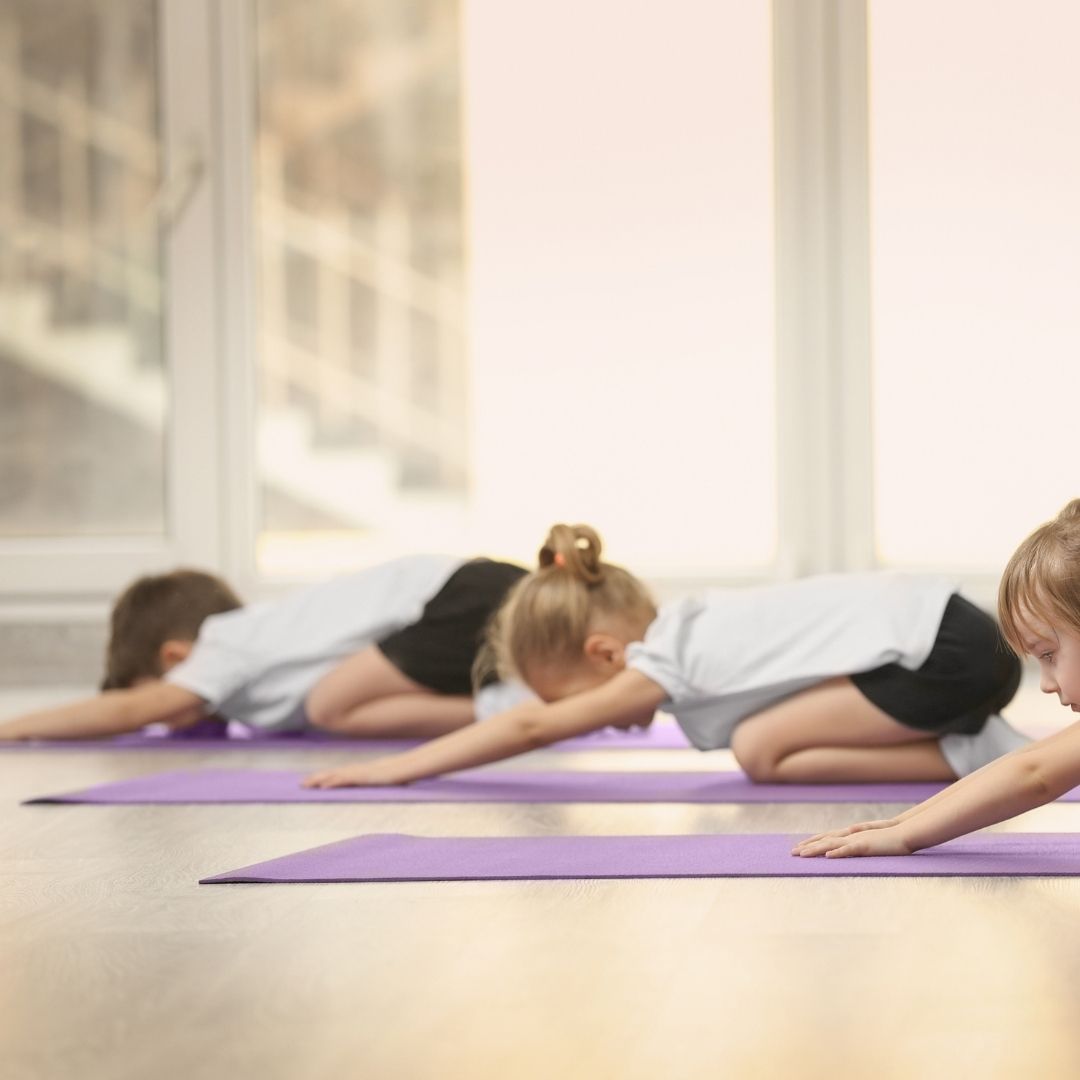
- More focused or controlled movement that develops coordination and awareness
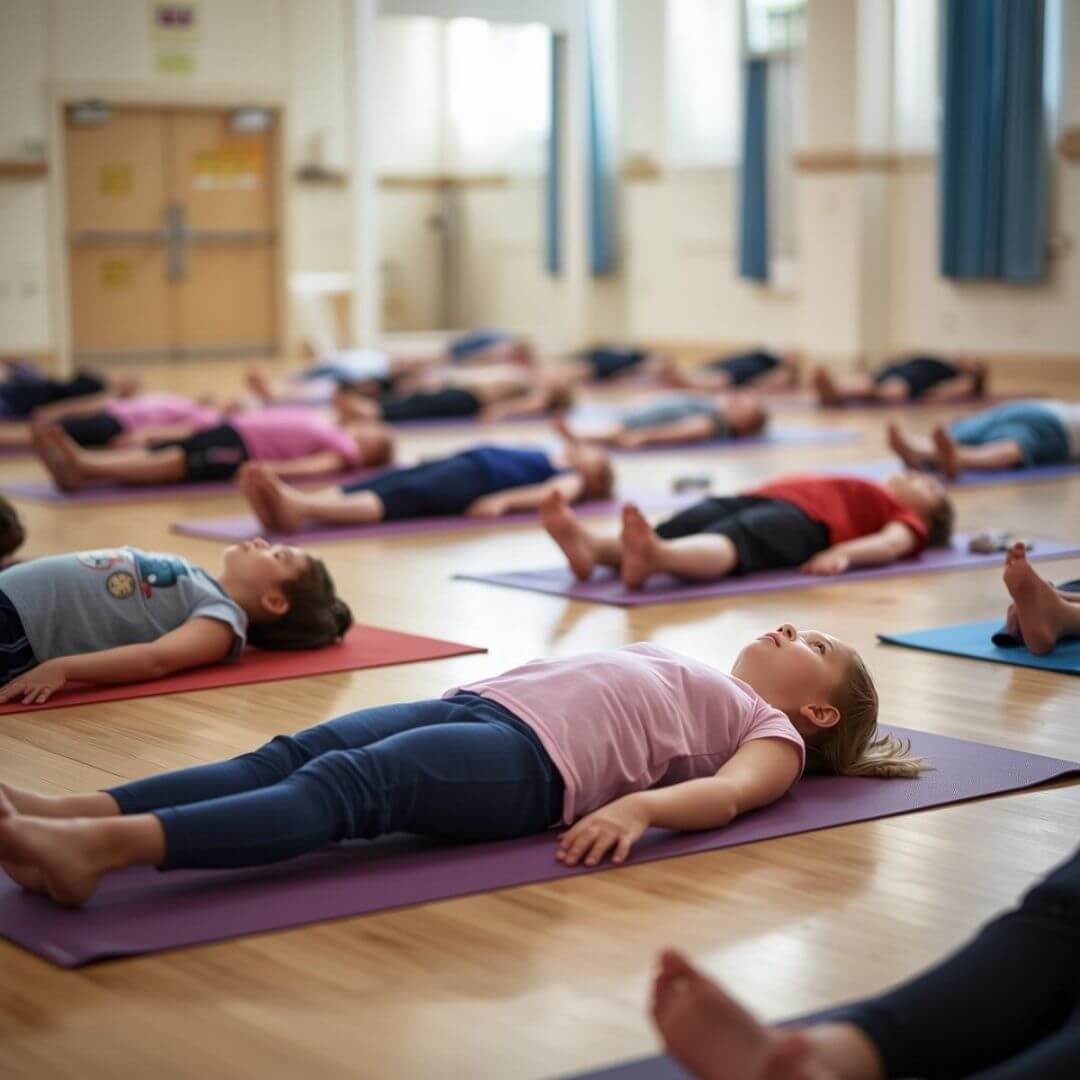
- A short settling phase that helps the nervous system calm down
This progression matters because it mirrors how the body naturally regulates itself.
Jumping straight into high-intensity activity without any transition can overwhelm some children. Ending without a calming phase can leave them unsettled afterwards.
The best classes feel simple, but they are intentionally designed, which becomes much clearer once you understand what to look for in a children’s movement class.
Comparison: Effective vs Ineffective Movement Classes
| Feature | Effective Class | Ineffective Class |
|---|---|---|
|
Structure |
Clear progression from active to calm |
Random or chaotic flow |
|
Energy management |
Builds and regulates energy |
Either overstimulates or suppresses |
|
Focus |
Improves attention over time |
Leaves children distracted or restless |
|
Teaching style |
Guided and observant |
Reactive or purely directive |
|
Outcome |
Calm, engaged, confident children |
Tired but unsettled children |
How Movement Supports Attention After School
By the time children leave school, most of them are not just physically still. They are mentally done. You can see it straight away. They either go completely flat or they go the other way and become loud, fidgety, and unable to settle. Both are the same thing underneath. The system has had enough of sitting still and holding it together.
This is usually the moment adults say, “they just can’t focus anymore.” It’s not that.
They’ve simply run out of capacity to keep doing it in the same way. This is also the point where many children begin trying to self-regulate in ways that adults often misinterpret, especially if you don’t understand why children struggle to self-regulate without daily movement.
If you ask a child to sit down again and concentrate, you’re basically asking the system to keep doing the exact thing that just exhausted it.
Movement changes that state.
Not because it’s some magic fix, but because the body finally gets to do what it hasn’t been allowed to do all day. Circulation picks up, breathing changes, posture shifts, and the constant low-level tension that builds from sitting starts to release.
You don’t need to overanalyse it. You can literally watch it happen. A child walks into a class distracted, all over the place, unable to follow instructions. Ten minutes later, after some structured movement, they’re suddenly listening again.
Nothing about their personality changed. Their state did. That’s the bit most people miss.
A good after-school movement class is not trying to “improve attention” directly. It changes the physical conditions that make attention possible again.
The Role of the Teacher Matters More Than the Activity
Parents get very hung up on what the class is called. Yoga, gymnastics, movement, sports. It doesn’t matter nearly as much as people think. What actually determines whether the class works is the person running it.
You can have a beautifully designed programme on paper, but if the teacher can’t read the room, it falls apart in about five minutes.
Kids don’t arrive as a neat group. One comes in bouncing off the walls, one is tired and quiet, one is anxious, one doesn’t want to be there at all. That’s the real starting point. A good teacher adjusts constantly without making a big deal of it.
They don’t just run through a plan. They watch how the group responds and shift the pace, the tone, and the level of challenge without losing the structure of the session.
You’ll see it in small things. They won’t shout over the group to get attention. They’ll change the task so attention comes back.
They won’t force a child into something. They’ll give them a version they can actually do. They won’t let the energy spiral, but they also won’t shut it down completely.
That balance is not written in a programme. It comes from experience. Without it, even a “good” class becomes either chaotic or flat very quickly.
Why “Fun” Is Not Enough on Its Own
Every class says it’s fun. That’s not the problem. The problem is what kind of fun it is.
There’s a type of session where everything is loud, fast, and constant. Kids are running, shouting, switching activities every minute, and it looks great from the outside because everyone is moving. But if you actually watch closely, the energy never settles. It just keeps climbing. By the end, the kids are tired, but not calmer. If anything, they’re harder to manage.
That’s not regulation. That’s just burning energy without organising it.
On the other side, you get classes that are so controlled that children barely move properly. Everything is precise, quiet, and slightly tense, and half the group switches off. Neither works.
The sweet spot is where children are engaged, moving properly, and actually enjoying it, but the session still has a direction.
You’ll notice it in how they leave.
If they walk out a bit calmer, more grounded, and able to listen again, the class did its job. If they come out wired or completely flat, something was off, even if they “had fun.”
How to Tell If a Class Is Too Chaotic
You don’t need a background in movement to spot this. You just need to watch the group for five minutes.
If everything is high intensity from start to finish with no change in pace, that’s the first sign. If the teacher is constantly shouting instructions over the noise, trying to pull attention back, that’s another.
If children are bumping into each other, switching off, or getting more restless as the session goes on, the structure isn’t holding.
The key thing to look for is whether the energy ever comes down.
A well-run class will build energy, but it will also bring it back under control before the end. That’s what helps children leave in a better state than they arrived.
If that never happens, the session is just amplifying whatever was already there.
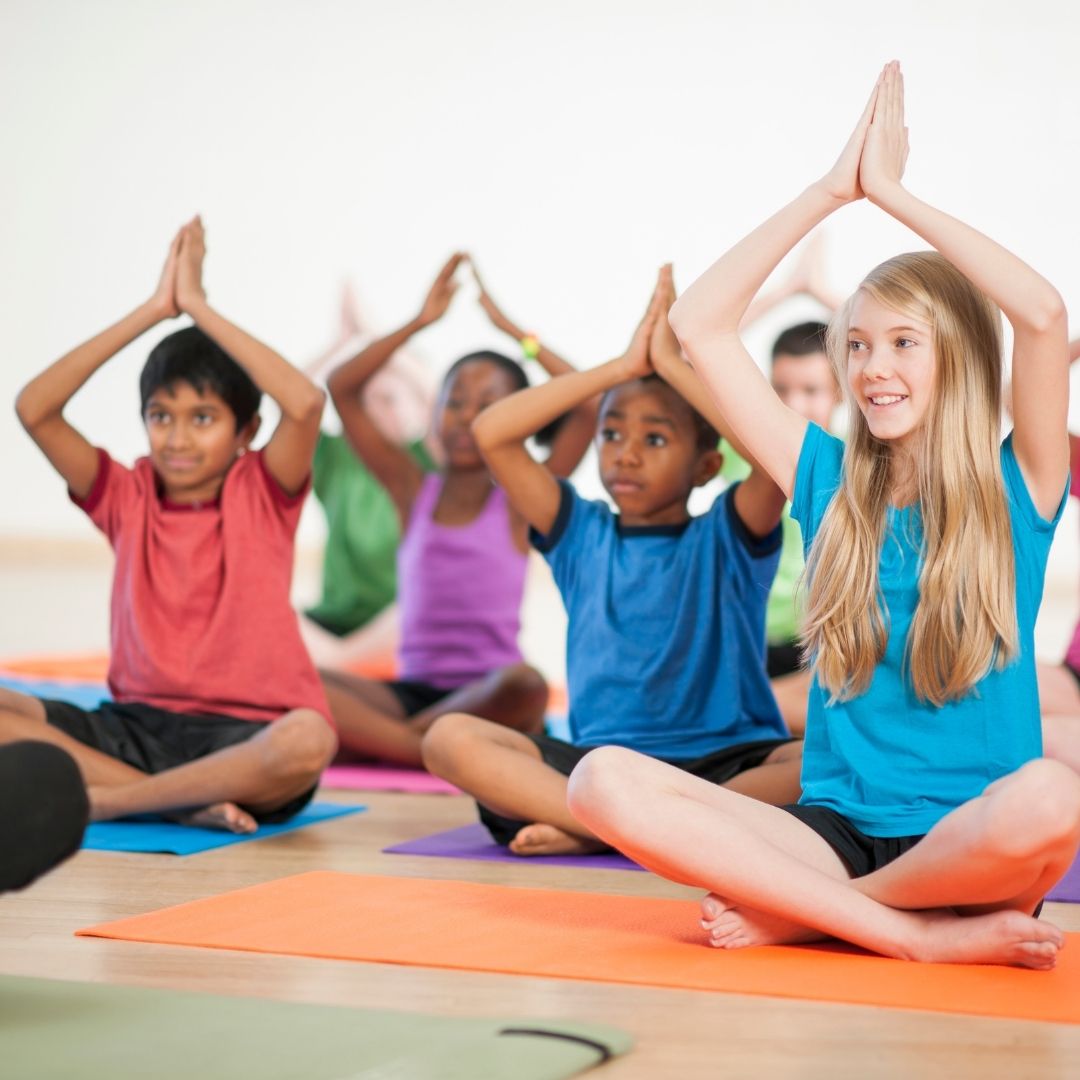

How to Tell If a Class Is Too Controlled
This one is quieter, but just as obvious once you know what to look for. The room feels stiff.
Children are following instructions, but without much engagement. Movements are small, careful, and a bit hesitant. There’s very little variation in what they’re doing.
No one is misbehaving, but no one looks particularly involved either. You’ll often see children looking around, losing focus, or just going through the motions. That usually means the structure is too tight.
Children need some room to explore how their body moves, not just copy shapes or follow commands.
The best sessions guide that exploration without turning it into chaos.
Questions Parents Should Ask Before Booking
Most parents ask about time, price, and availability. Fair enough.
But if you actually want to know whether the class is any good, ask something slightly more uncomfortable. Ask how the session is structured.
If the answer is vague, like “we just keep them active” or “we do a bit of everything,” that usually tells you there isn’t a clear system behind it. Ask what they expect children to gain over time.
If they can’t answer that beyond “fitness” or “confidence,” it’s probably not that intentional. Ask how they deal with different energy levels in the group.
That one is a giveaway. If they’ve thought about it, they’ll answer immediately. If they haven’t, you’ll get something generic. You’re not trying to catch them out. You’re just trying to see if there’s depth behind what they’re offering.
What Progress Should Look Like Over Time
You’re not looking for dramatic changes after one session. What you’re looking for is a shift over a few weeks.
Children start to move more confidently. They understand their body better. They settle into tasks slightly faster. They don’t need as many reminders to focus. It’s subtle, but it’s noticeable.
If nothing changes at all, either the child isn’t engaged, or the class isn’t doing much beyond filling time. A good class doesn’t just tire children out. It changes how they use their energy.
Why Consistency Matters More Than Variety
Parents often think that more variety equals more benefit. In reality, too much switching can make it harder for the body to adapt.
Children need repetition to build coordination, awareness, and confidence in movement. That doesn’t mean doing the exact same thing every week, but it does mean staying within a consistent structure.
When the structure is familiar, children stop thinking about what’s happening and start actually improving within it. That’s where you see progress.
Jumping between completely different classes every week usually resets that process over and over again.
The Role of the Environment
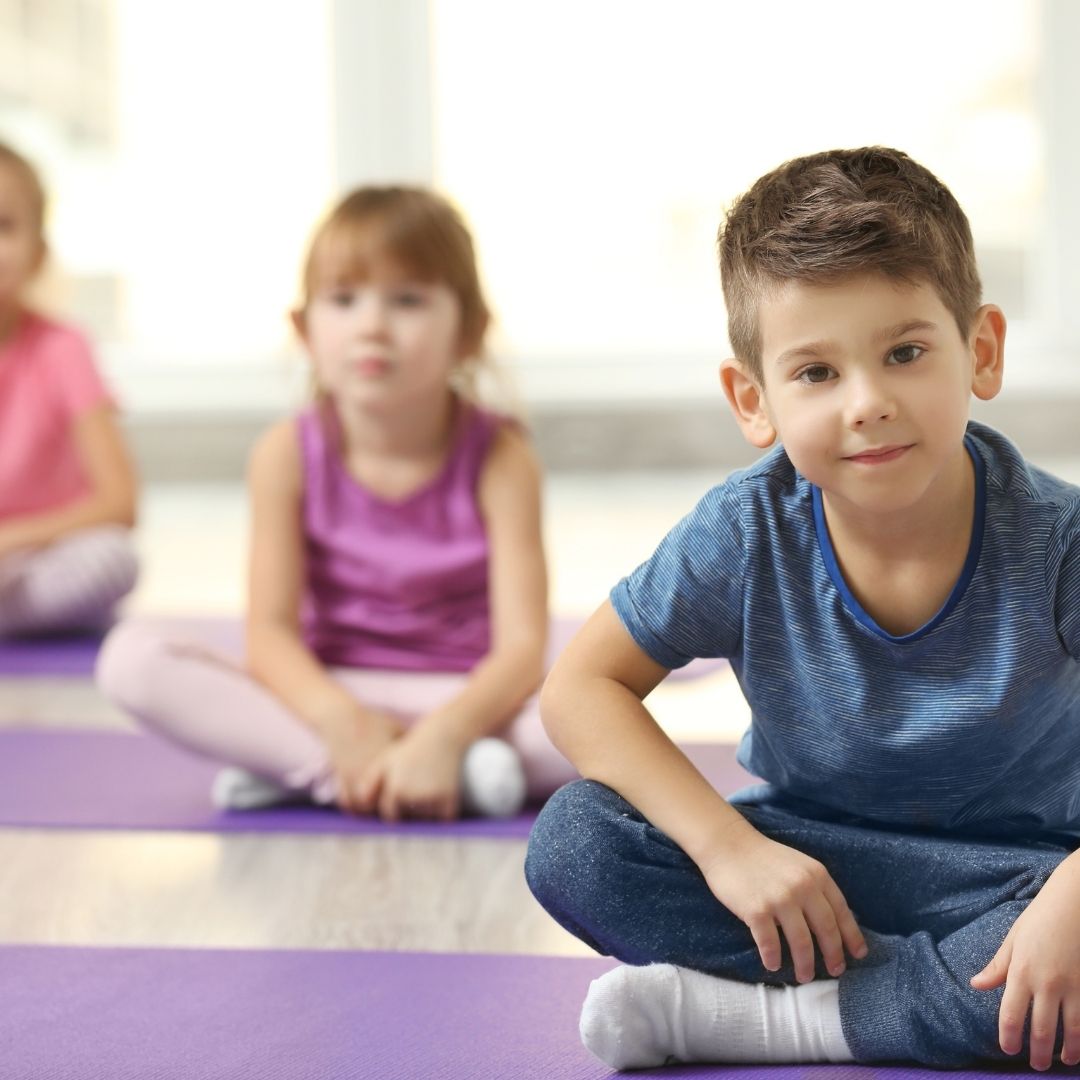
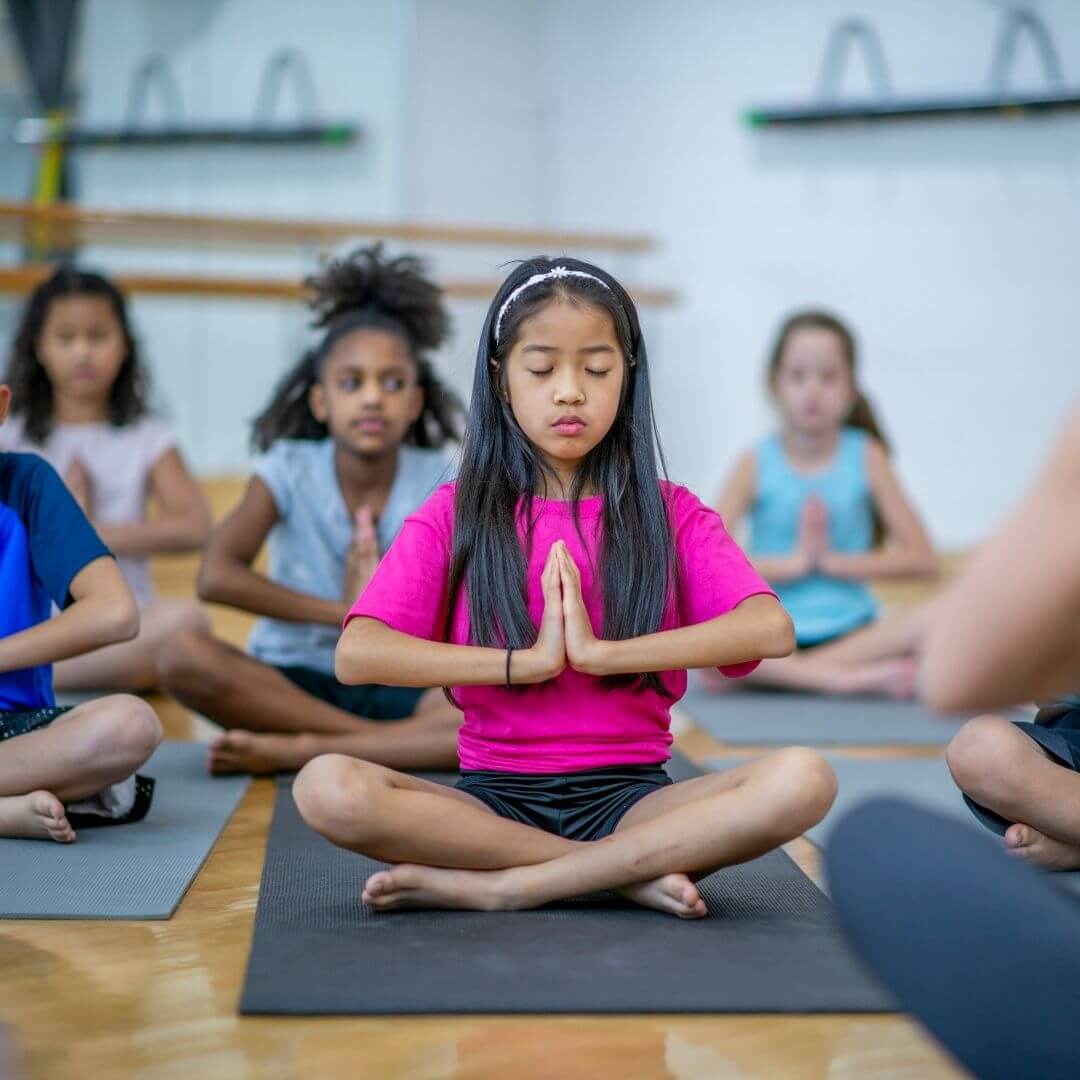
This is the one people almost never consider, but it makes a difference straight away. Walk into the space and just notice how it feels.
If it’s loud, cluttered, and visually all over the place, it’s much harder for children to settle, no matter how good the session is.
If it’s too bare or rigid, it can feel restrictive.
The best spaces feel simple but intentional. Enough going on to keep children engaged, but not so much that it becomes distracting. You don’t need to analyse it deeply. Your instinct will tell you within a few seconds whether the space supports focus or fights it.
What Happens When You Get It Right
When an after-school movement class is working properly, the difference is not dramatic, but it is very clear.
Children don’t suddenly become perfect listeners or completely calm. That’s not the point. What changes is how quickly they settle and how long they can stay with something once they start.
You’ll notice they stop fighting the transition into focus quite so much. Tasks that would normally cause frustration don’t escalate as quickly. They move with a bit more control, and they don’t need as much external prompting to stay engaged.
It often shows up at home before it shows up anywhere else. Homework becomes slightly less of a battle. Bedtime becomes less chaotic. There’s less of that sharp swing between hyper and completely flat.
Nothing looks extreme, but everything feels easier. That’s usually the sign that the nervous system is being supported properly rather than constantly pushed or suppressed.
When a Class Isn’t the Right Fit (And What to Do Instead)
Not every class will work for every child, even if the structure is good. Sometimes the timing is off. Sometimes the group dynamic doesn’t suit them. Sometimes the teaching style just doesn’t land.
You’ll usually feel it within a few sessions. The child resists going, or they come out either completely wired or unusually flat. There’s no real shift over time, just the same pattern repeating each week.
At that point, it’s not about forcing consistency for the sake of it. It’s about recognising that the environment isn’t supporting them in the way it should.
Changing the class does not mean you’ve failed or that the child “isn’t suited” to movement.
It just means you haven’t found the right fit yet. When you do, the difference is obvious. The child doesn’t just participate. They settle into it.
The Question Most Parents Don’t Think to Ask
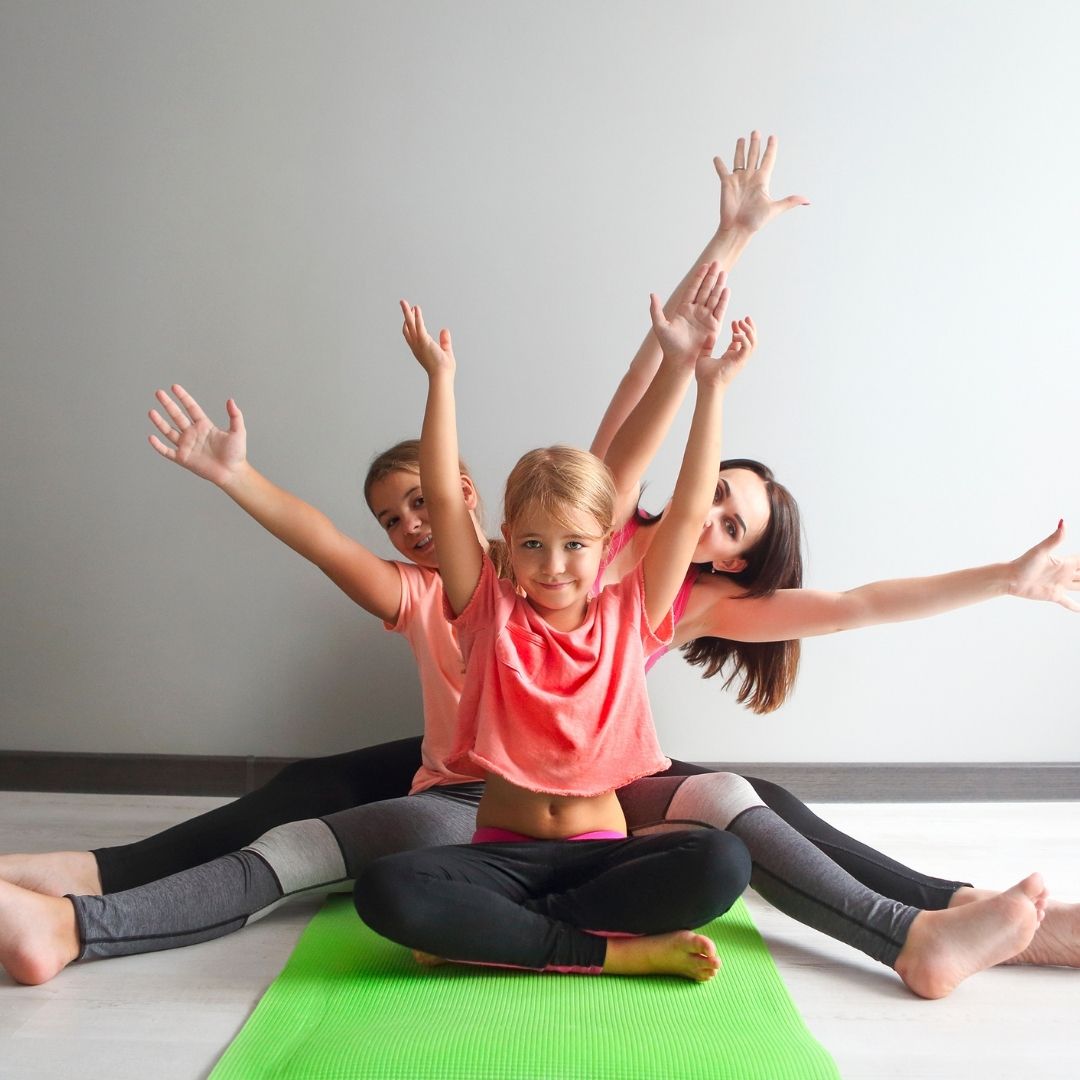
There’s one question that almost never gets asked, but it usually tells you everything you need to know. Does this class leave my child in a better state than when they arrived? Not just tired. Not just entertained. Better.
More settled. Slightly calmer. More able to listen, focus, and regulate themselves.
If the answer is yes, the class is doing its job.
If the answer is no, it doesn’t matter how fun it looks, how full the class is, or how popular it seems. It’s not supporting what your child actually needs.
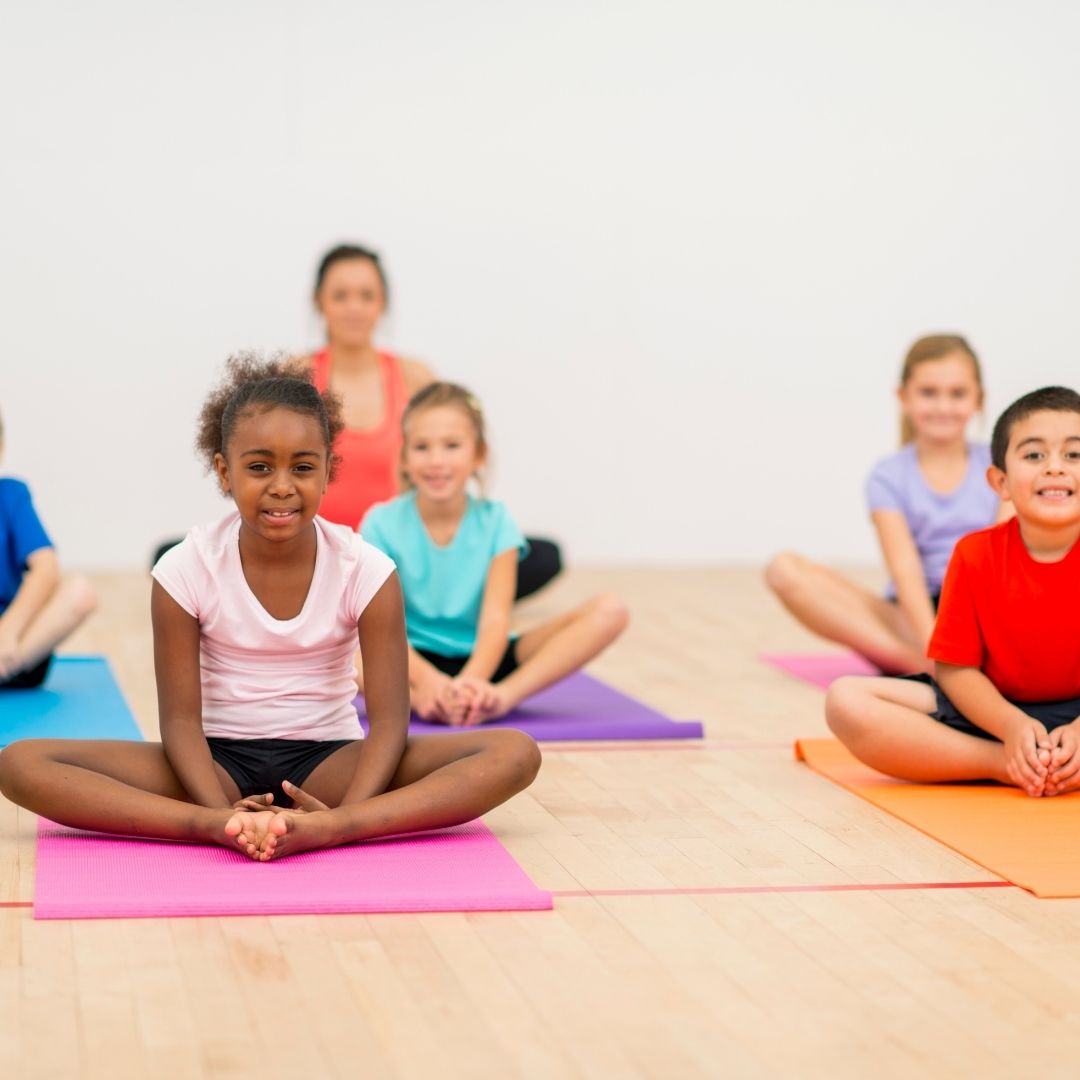
Why This Matters More Than It Seems
After-school hours are not just empty time to fill. They sit right between the most demanding part of a child’s day, where cognitive work has already pushed the system quite far where cognitive work has already pushed the system quite far, often without the physical support it actually needs.
What happens in that window either helps the nervous system recover or pushes it further out of balance. This is not just a children’s issue. The same pattern shows up in adult environments as well, where movement becomes the only thing that actually shifts how people feel and perform. That’s why choosing the right movement environment matters more than it appears on the surface.
It’s not just about the class itself. It’s about what that class sets up for the rest of the evening, and often for the next day as well.
Conclusion
If you want to see how this is applied in a structured setting, you can explore children’s yoga and movement sessions here.
Most parents don’t struggle to find after-school movement classes. They struggle to tell which ones are actually doing something useful.
The difference is rarely visible on the surface. It sits in how the session is structured, how the teacher responds, and whether the class understands what children actually need after a full day of sitting still.
When that is done well, the result is not just a tired child. It is a child who has reset, settled, and is far more capable of focusing again. That is the difference you’re looking for.
Key Takeaways
-
- After-school movement classes are not just about keeping children busy after school
- The way the session is structured matters more than the type of activity
- A good teacher adapts constantly to the group rather than following a fixed script
- Movement changes a child’s state, which is why it improves focus indirectly
- Too much chaos or too much control both reduce the effectiveness of a class
- Progress shows up gradually through better movement, focus, and emotional balance
Frequently Asked Questions
Yes, but not in the way people usually think.
Movement doesn’t “teach” focus directly. It changes the state of the body so that focus becomes possible again. After a full day of sitting, most children are either mentally tired or physically restless. Both make concentration harder.
Once they move, even for a short time, the system resets slightly. You’ll often see that they don’t suddenly become disciplined, but they stop fighting focus quite so much.
Because they are no longer trying to focus in the same state they were in at the end of the school day.
By the time school finishes, most children have used up their ability to sit still and concentrate continuously. Movement gives the body something different to do, which helps release that tension and reorganise energy.
When they come back to a quieter task afterwards, they are starting from a different place, not pushing through the same fatigue.
Once a week can be helpful, but it usually works better when movement becomes a regular part of the week rather than a one-off reset.
Two or three consistent sessions, or a mix of structured classes and unstructured play, tends to create more noticeable changes over time.
It’s less about frequency on paper and more about whether the child is moving often enough to support their overall rhythm.
The type matters less than the structure.
Classes that combine active movement with some level of control and progression tend to work best. That usually means a mix of dynamic movement, coordination, and a short settling phase rather than constant high intensity.
If everything is fast and chaotic, focus often gets worse. If everything is too controlled, children switch off. The balance between the two is what supports attention.
Because not all movement regulates the nervous system.
Some classes increase stimulation without ever bringing it back down. The child leaves more activated than when they arrived, which shows up as hyper behaviour rather than calm focus.
It doesn’t mean movement is the problem. It usually means the session lacked structure or never transitioned out of that high-energy state.
Not really.
Movement is not a treat that children earn. It’s something their body needs in order to function properly, especially after long periods of sitting.
Using it only as a reward can unintentionally limit how often they get the input they actually need. It tends to work better when movement is built into the routine rather than held back.
That depends on the reason.
If it’s occasional resistance, that’s normal. If it’s consistent and they come out of the class unsettled or disengaged, it’s worth paying attention.
Some classes simply aren’t the right fit. The timing, the group, or the teaching style might not suit the child. When you find the right environment, most children settle into it rather than resist it long term.
In many cases, yes, but not as a quick fix.
Movement supports the systems that make attention possible, so over time it can improve how a child regulates energy, responds to tasks, and maintains focus.
It won’t replace everything else, but it often makes other strategies work more effectively because the child is starting from a more balanced state.
Not necessarily.
Long sessions can be useful if they are well structured, but if the intensity or focus isn’t managed properly, children can lose engagement halfway through.
Shorter, well-paced sessions that match a child’s attention span often produce better results than longer sessions that try to do too much.
You might notice small shifts within a couple of sessions, but meaningful changes usually build over a few weeks.
It’s rarely dramatic. Children don’t suddenly transform. Instead, things become slightly easier. They settle faster, react less strongly, and manage tasks with less resistance.
If nothing changes at all over time, it’s worth questioning whether the class is actually doing what it’s meant to.