
Children’s Yoga Classes in West Bridgford: What Parents Need to Know
What Are Children’s Yoga Classes?
Children’s yoga classes are structured, age-appropriate movement sessions that use yoga-based postures, balance work, breathing, coordination, mobility and body awareness to support children’s physical confidence and emotional wellbeing. Unlike adult yoga, children’s classes should be practical, engaging and developmentally appropriate, with clear teaching, safe progression and enough structure to help children feel calm, capable and included.
TL;DR
Children’s yoga classes in West Bridgford are a good fit for children who need structured movement, confidence, body awareness, focus and a calm alternative to more competitive or high-pressure activities.
A good children’s yoga class should not feel like an adult yoga class with smaller people in it. Children need clear instructions, age-appropriate movement, practical structure, and enough variety to keep them engaged without turning the whole thing into chaos in leggings.
The best classes combine movement, balance, strength, mobility, breathing, coordination and emotional regulation in a way that feels accessible, safe and genuinely useful.
If you are looking for children’s yoga in West Bridgford, register your interest for upcoming classes so you can be contacted when places open.
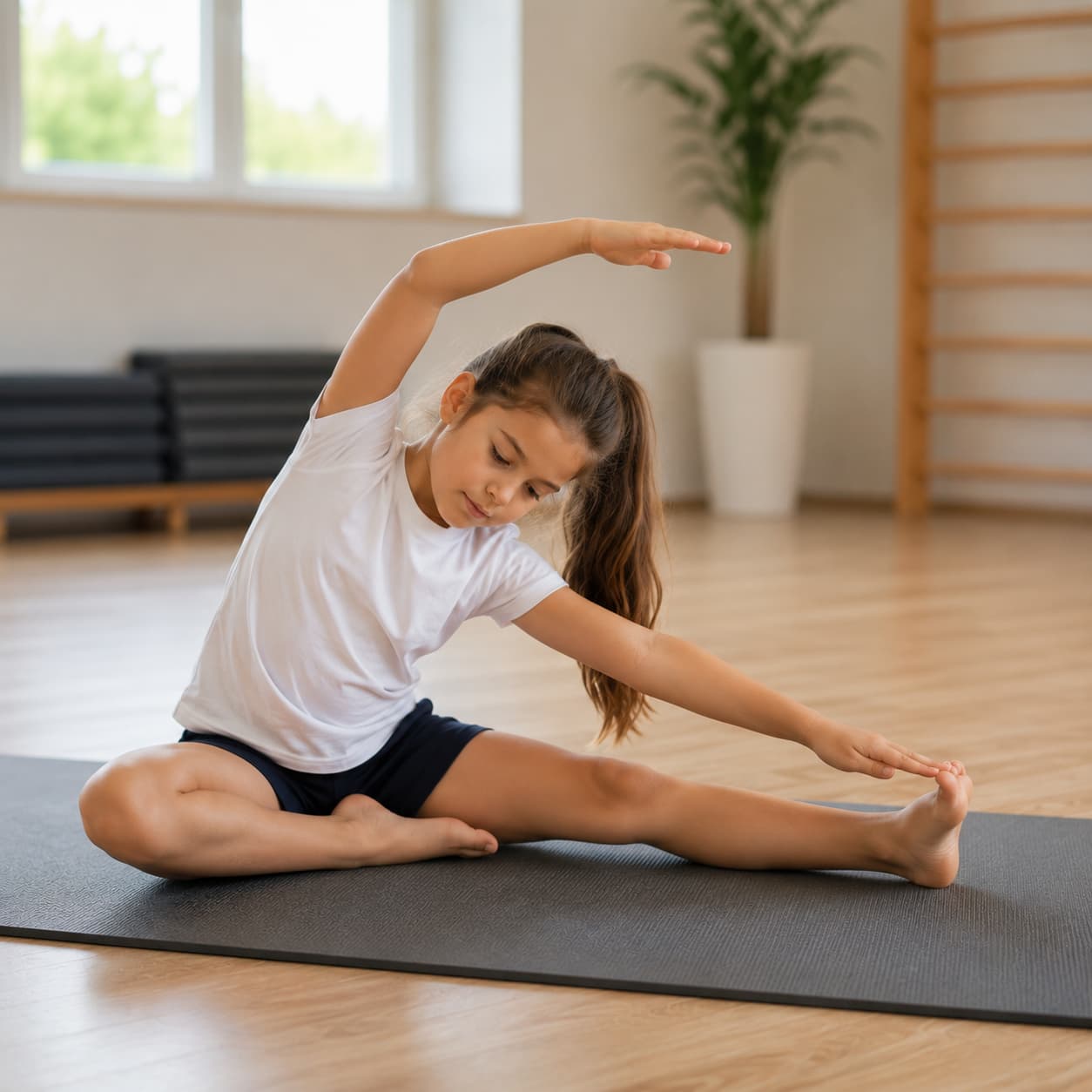
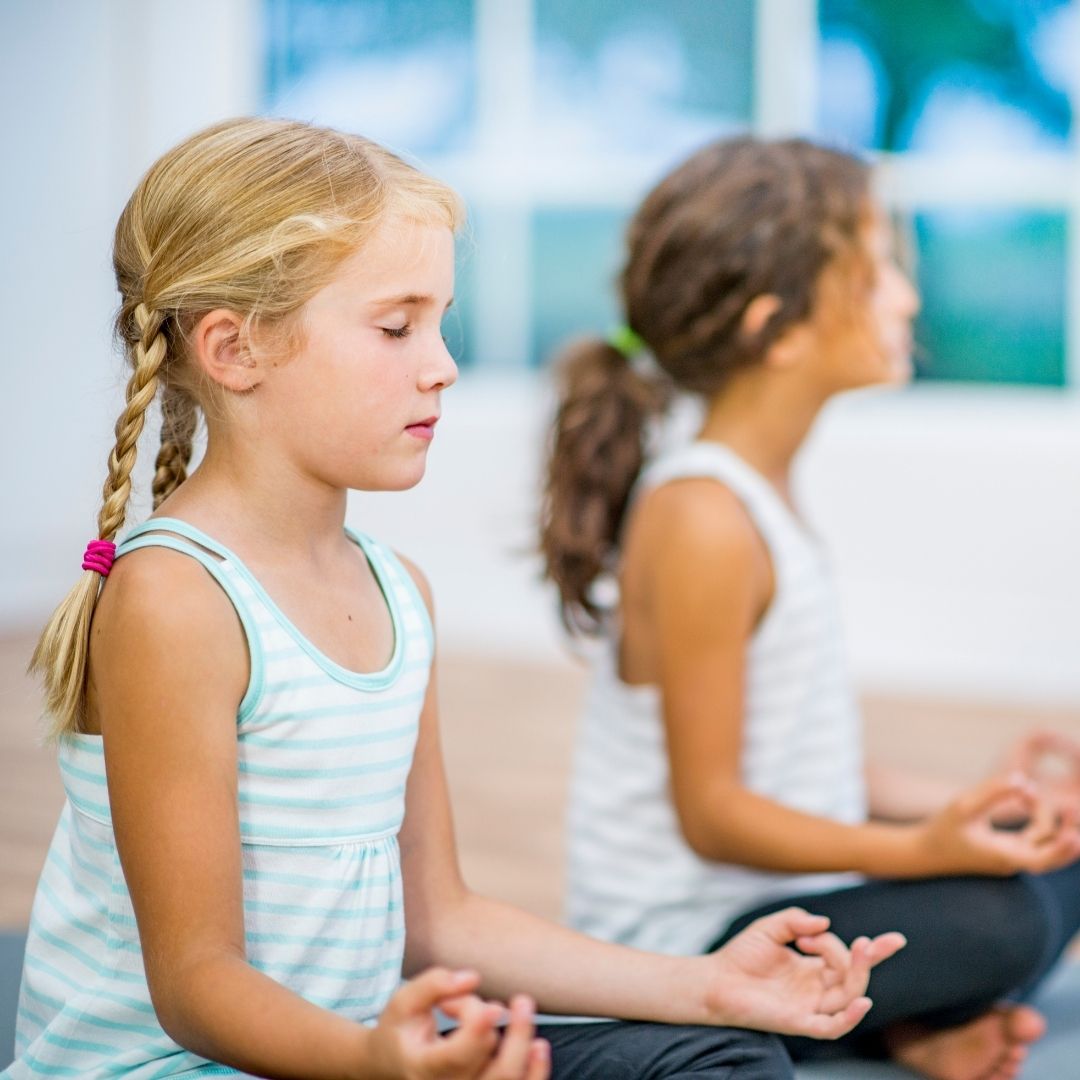
Why Parents Are Looking for Children’s Yoga Classes in West Bridgford
Parents in West Bridgford are often looking for activities that support their child’s wellbeing without adding more pressure to an already full week. Many children already have school, homework, screens, clubs, sports, social expectations, and the general emotional weather system of being young in a very overstimulating world. It is not exactly surprising that some of them are tired, wired, fidgety, anxious, restless, shut down, overexcited, or somehow all of those things before tea.
Children’s yoga classes offer something different from many traditional after-school activities. They are not about winning, grading, performing, competing, being picked for the team, or being the loudest child in the room. They are about learning how to move well, breathe steadily, notice the body, build strength, improve coordination, and develop confidence through repetition, structure and calm attention.
That does not mean children’s yoga should be sleepy, vague or overly precious. Children are not tiny monks. They are children. They need movement, challenge, playfulness, boundaries and clear direction. A good class gives them all of that without tipping into noise, pressure or chaos.
For families in West Bridgford, children’s yoga can be especially useful because it meets several needs at once. It supports physical development, but it is not competitive sport. It supports emotional wellbeing, but it is not therapy. It helps children focus, but it is not school. It gives them structure, but it should still feel enjoyable.
That middle ground is where children’s yoga can be genuinely valuable.
If you are also exploring broader movement options for children, you may want to read more about kids yoga and Pilates in Nottingham and children’s movement development, as these explain how structured movement can support confidence, coordination and physical awareness over time.
What Children’s Yoga Actually Involves
Children’s yoga is often misunderstood. Some people imagine children lying silently on mats for 45 minutes, breathing like tiny wellness influencers. Others imagine a room full of animal poses, glittery affirmations and mild anarchy. Neither version is particularly useful.
A well-designed children’s yoga class usually includes a mixture of movement, mobility, balance, strength, breathing, coordination, focus and short moments of stillness. The exact structure depends on the age group, but the principle stays the same: children need to move first, understand through doing, and gradually learn how to regulate their bodies through experience rather than being lectured about calm.
A class might include standing poses, floor-based movement, balance work, simple sequences, partner-free coordination exercises, breathing practices, posture awareness, stretching, relaxation and short reflective moments. For younger children, the class may use more imagery and simple themes. For older children and teenagers, the work can become more direct, mature and strength-based, with less storytelling and more ownership.
The important thing is that children’s yoga should be taught in a way that respects children’s developmental stage. A six-year-old does not need the same class as a thirteen-year-old. A child who struggles to sit still does not need to be shamed into stillness. A child who is nervous about movement does not need to be thrown into a complicated sequence and expected to magically find confidence from the ceiling.
The class should meet children where they are, then gently help them build.
This is why age-aware teaching matters. Children need clear instructions, achievable challenges, repetition, encouragement and safe boundaries. They also need enough variety to stay interested. If the class is too loose, it becomes messy. If it is too rigid, it becomes boring. The sweet spot is structured, calm, practical and quietly enjoyable.
How Children’s Yoga Supports Physical Confidence
One of the biggest benefits of children’s yoga is physical confidence. This does not mean making children flexible, bendy or impressive. It means helping them feel more capable in their own bodies.
Children develop at different rates. Some are naturally coordinated and confident. Others feel awkward, hesitant or unsure. Some children love sport but struggle with mobility or balance. Others dislike competitive games but still need movement that helps them build strength, posture, control and awareness.
Children’s yoga can support all of this because it works with the body in a slower, more deliberate way than many fast-paced activities. Children learn how to place their feet, shift weight, balance, move from standing to the floor, use their arms for support, coordinate breath and movement, and notice what their body is doing.
That noticing matters. A child who understands their body better often moves with more confidence. They may become more willing to try new physical tasks, less afraid of getting something wrong, and more able to recognise what feels steady, wobbly, strong, tired or uncomfortable.
Physical confidence is not built by telling a child to “just be confident.” That is useless, frankly. Confidence comes from repeated experiences of doing something, understanding it, improving slightly, and realising that the body can learn.
Children’s yoga gives children those experiences in a low-pressure way.
For children who are not drawn to competitive sport, this can be particularly powerful. They still get to build strength, balance, coordination and resilience, but without the pressure of being compared to others. For children who already play sport, yoga can support mobility, body control, recovery, focus and injury awareness.
Either way, the aim is not perfection. The aim is body trust.
How Children’s Yoga Supports Focus and Emotional Regulation
Children are often told to calm down, focus, listen, sit still or stop fidgeting, but they are not always taught how to do those things through the body. That is where movement can be incredibly useful.
Children’s yoga supports focus and emotional regulation by giving children practical tools. They learn how to slow their breathing, notice tension, move energy through the body, return attention to a task, and experience moments of stillness after movement. This is very different from simply telling a child to be calm. Calm is not a command. It is a state the body has to learn.
A structured yoga class can help children experience that shift. They may arrive restless, distracted or full of school-day energy, then gradually settle through movement, balance, breath and rhythm. They learn that their body can move from busy to steady. They learn that wobbling is not failure. They learn that breathing can help. They learn that focus is something they can practise, not something they either magically have or don’t.
This is especially helpful for children who find traditional quiet activities difficult. Some children cannot access stillness until they have moved first. Asking them to sit quietly straight away is like asking a shaken bottle of fizzy drink to politely stop being fizzy. Good luck with that.
Movement gives the nervous system somewhere to go. Then breathing and stillness become more available.
This does not mean children’s yoga replaces professional support for anxiety, ADHD, sensory processing needs or emotional difficulties. It does not. But it can be a supportive, practical, body-based activity that helps children build awareness, confidence and regulation skills over time.
For parents, the key is to look for a class that treats emotional wellbeing as part of the movement experience, not as a heavy lecture or forced “mindfulness moment” tacked on at the end.
Children’s Yoga, Kids Pilates and General Movement: What’s the Difference?
Parents often ask whether children should do yoga, Pilates, gymnastics, dance, martial arts, football, swimming, athletics or something else entirely. The answer depends on the child, their personality, their body, their energy levels, and what you actually want the activity to support.
Children’s yoga focuses on movement, balance, mobility, breathing, body awareness and emotional regulation. Kids Pilates tends to place more emphasis on posture, core strength, control, alignment and precise movement patterns. General children’s movement classes may include a wider mix of strength, coordination, mobility, balance, rhythm and functional movement.
None of these is automatically better than the others. They simply serve slightly different needs.
For many children, the best option is not one narrow method, but a structured class that draws from yoga, Pilates and broader movement principles in an age-appropriate way. That allows children to build strength, mobility, coordination, confidence and calm without being forced into one rigid box.
Here is a simple comparison.
| Class Type | Best For | Main Benefits | Things Parents Should Check |
|---|---|---|---|
|
Children’s yoga |
Children who need calm structure, balance, mobility, focus and confidence |
Body awareness, flexibility, balance, breathing, emotional regulation, confidence |
Is it age-appropriate, structured and safely taught rather than just playful chaos? |
|
Kids Pilates |
Children who need posture support, strength, control and alignment |
Core strength, posture, coordination, controlled movement, physical awareness |
Is it adapted properly for children rather than taught like an adult Pilates class? |
|
General movement classes |
Children who need broad physical development and confidence |
Strength, coordination, balance, mobility, confidence, movement variety |
Is there clear teaching, progression and safe structure? |
|
Competitive sport |
Children who enjoy games, teams and performance-based activities |
Fitness, teamwork, discipline, skill development, resilience |
Is the child enjoying it, or just tolerating pressure? |
|
Dance or gymnastics |
Children who enjoy rhythm, performance, flexibility or technical skills |
Coordination, mobility, rhythm, strength, confidence |
Is the environment supportive and appropriate for the child’s temperament? |
|
Martial arts |
Children who enjoy discipline, structure and skill progression |
Focus, coordination, confidence, discipline, strength |
Is the teaching emotionally safe and age-appropriate? |
The useful question is not “Which activity sounds best on paper?” The useful question is “What does my child actually need right now?”
Some children need more confidence. Some need more calm. Some need more strength. Some need more coordination. Some need an activity where they are not constantly measured against others. Some need a place where they can move without feeling watched, judged or rushed.
Children’s yoga in West Bridgford can be a strong option when parents want something structured, calm and physically useful, especially if their child is not naturally drawn to competitive sport or needs a more supportive way into movement.
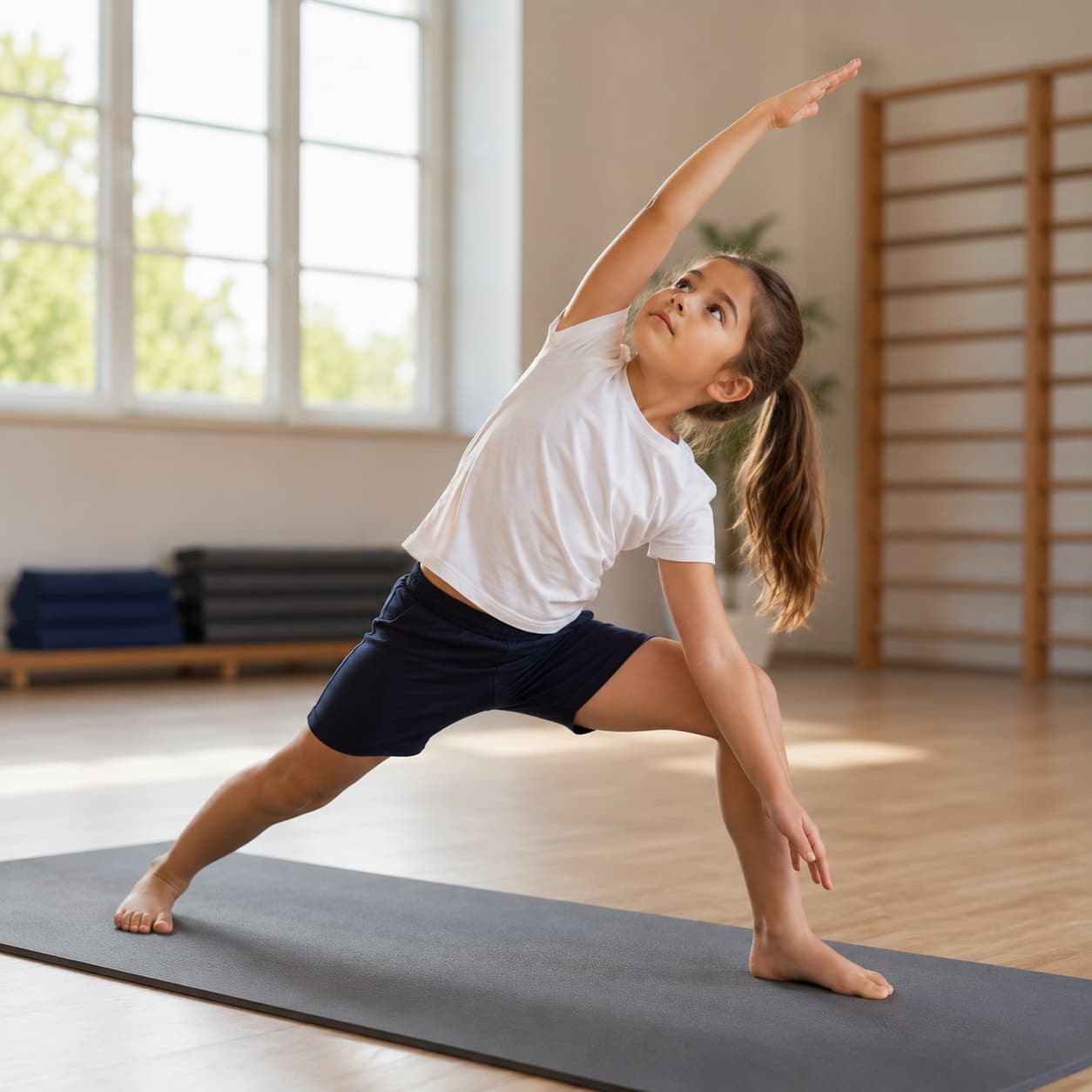
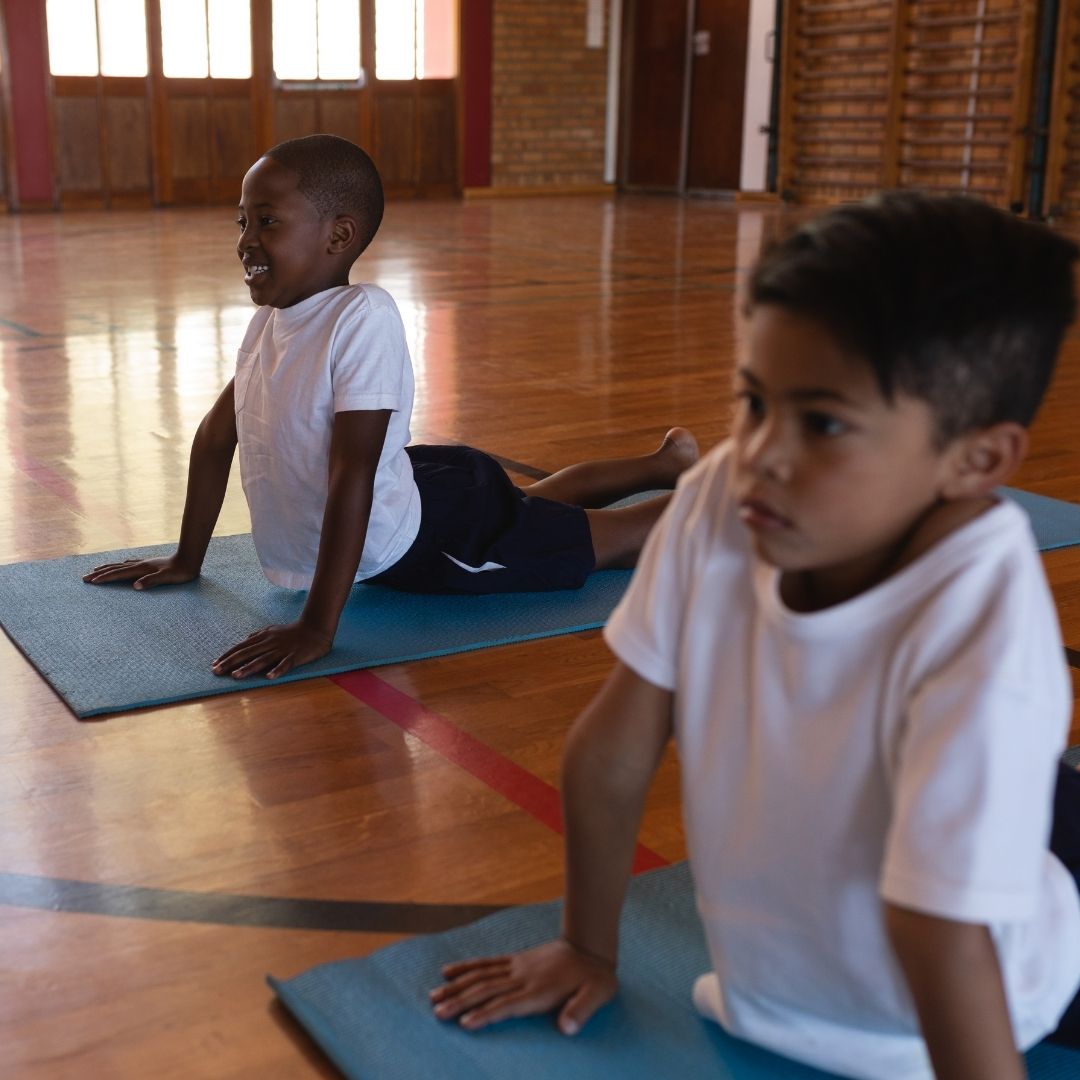
What Age Is Best for Children’s Yoga?
Children can begin yoga-style movement from a young age, but the way it is taught should change significantly depending on age. This is where many children’s classes go wrong. They either make everything too babyish for older children, or too formal for younger children.
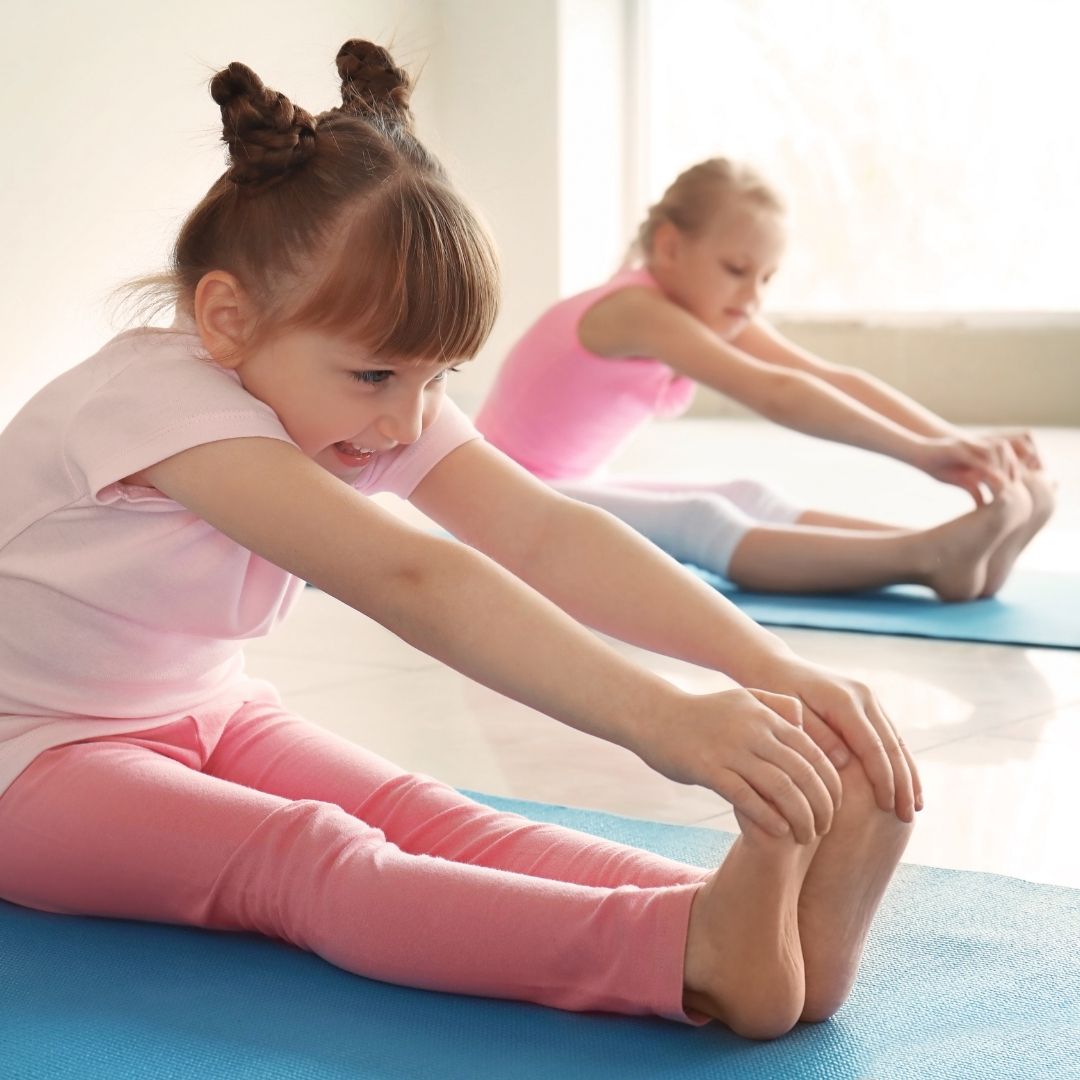
For younger children, usually around six to eight, classes need to be clear, active, imaginative and simple. They benefit from movement games, basic balance work, simple poses, short instructions, repetition and visual cues. They may not be ready for long periods of stillness, and that is fine. The aim is not to make them behave like miniature adults. The aim is to help them build confidence, coordination and awareness through movement.
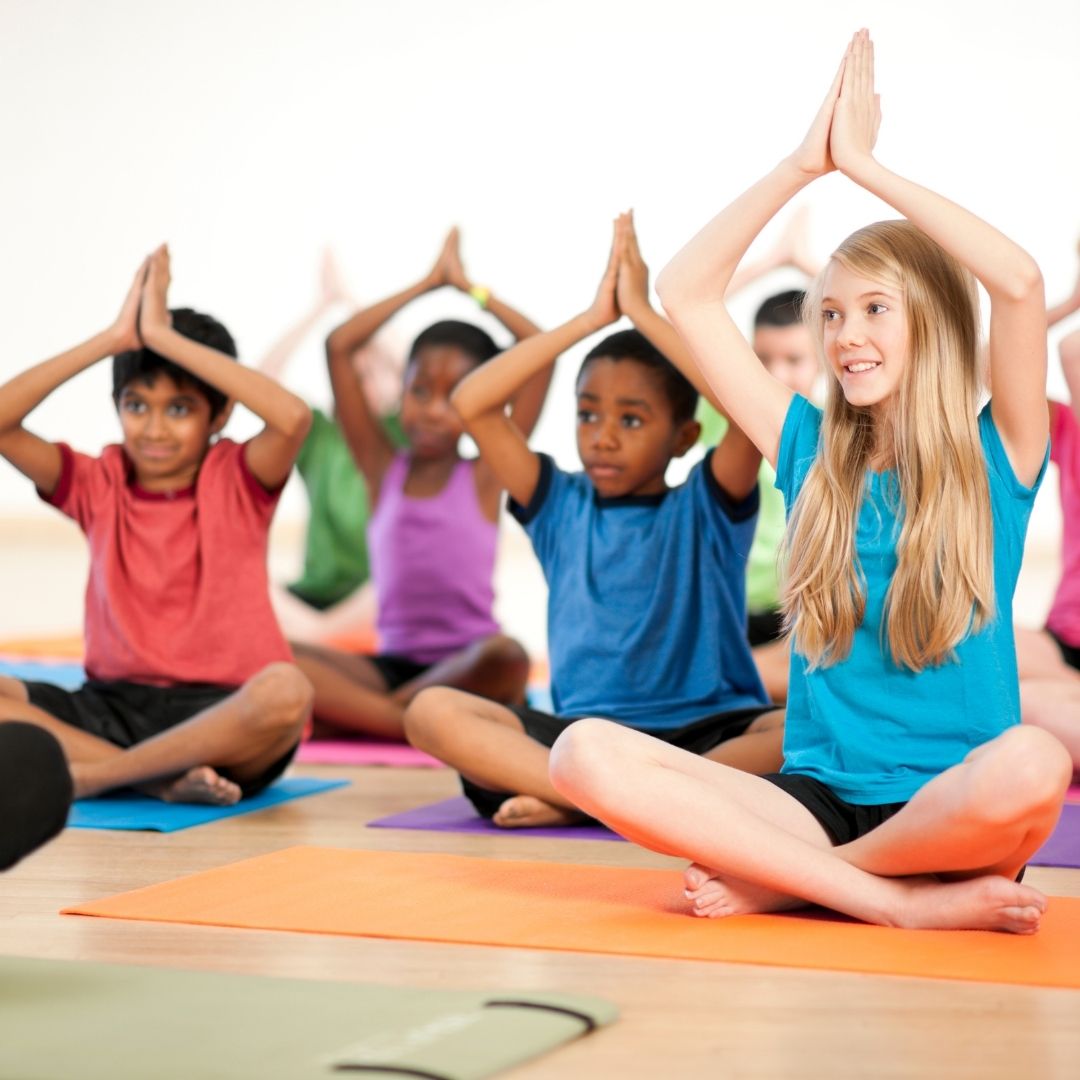
For children around nine to twelve, classes can become more structured. They can usually handle longer sequences, more detailed instructions, stronger movement, balance challenges, breathing practices and short reflective moments. This age group often benefits from feeling capable rather than patronised. They need classes that are still engaging, but not childish.
For teenagers, yoga and movement can support posture, strength, mobility, confidence, stress management and body awareness. Teenagers often need a more mature tone, less performance pressure, and a space where movement is not tied to appearance. They may also benefit from strength-based yoga, Pilates-informed movement, breathwork and mobility work that supports everyday confidence.
The important thing is that age groups should not be treated as interchangeable. A class for six-year-olds and a class for thirteen-year-olds should not feel the same. Their attention, coordination, emotional needs and social awareness are different.
If you are registering interest for children’s yoga classes in West Bridgford, it is worth giving your child’s age clearly so the class structure can be planned properly.
What Parents Should Look for in a Children’s Yoga Class
When choosing a children’s yoga class in West Bridgford, parents should look beyond the word “yoga” and pay attention to how the class is actually taught. A class can sound lovely online and still be poorly structured in real life. Equally, a simple class with clear teaching can be far more useful than something wrapped in lots of fluffy language.
The first thing to look for is qualification and safeguarding. Anyone teaching children should have appropriate training, safeguarding awareness, insurance, and clear procedures for registration, medical information, collection and behaviour. This is not glamorous, but it matters. The boring admin is often where safety lives. Annoying, but true.
The second thing is age-appropriate structure. Children’s yoga should not simply copy adult yoga. Children need shorter explanations, clear demonstrations, safe progressions, and movement that suits their stage of development. They also need the teacher to understand when to challenge, when to simplify, and when to stop something before it turns into a group experiment in chaos.
The third thing is emotional tone. A good class should feel calm and encouraging without being soft, vague or patronising. Children should not feel embarrassed if they wobble, struggle or need a simpler option. They should also not be allowed to dominate the room in a way that makes others feel unsafe or overwhelmed. Calm structure matters.
The fourth thing is clarity for parents. You should know what the class involves, what your child needs to bring, how payment works, what happens if your child misses a session, how drop-off and collection work, and who to contact if your child has a medical need or additional support requirement.
The fifth thing is whether the class suits your child’s personality. Some children thrive in loud, fast, competitive environments. Others do better in calm, structured spaces where they can build confidence gradually. Neither child is wrong. They just need different things.
A good children’s yoga class should leave your child feeling more connected to their body, not more self-conscious. It should support confidence without forcing performance. It should be calm without being dull. It should be structured without being rigid. Basically, it should not feel like either a military drill or a glittery free-for-all. There is a middle ground, thank God.
What Children Need to Bring to Class
For children’s yoga classes, the practical requirements are usually simple. Children should wear comfortable clothes they can move in, bring water, and bring their own mat if requested. A yoga mat helps create a clear personal space and supports hygiene, comfort and consistency.
Children do not need expensive kit. They do not need branded leggings, fancy water bottles, spiritual accessories, or anything that makes the whole thing feel like a lifestyle photoshoot. Comfortable clothing is enough.
Parents should also make sure the teacher has any relevant medical information before the first class. This might include asthma, allergies, injuries, sensory needs, anxiety, coordination difficulties, or anything else that could affect how the child participates. This does not mean the child cannot join. It simply helps the teacher plan safely and respond appropriately.
For first sessions, it is also helpful to explain to children what to expect. You might say something like: “You’ll be doing movement, balance, stretching and breathing. You don’t have to be good at it. You just need to listen, try, and tell the teacher if something hurts.”
That last bit matters. Children need to know the difference between effort and pain. Some movements may feel challenging. They should not feel sharp, scary or painful. A good teacher will give options and encourage children to work safely.
Parents should also avoid overselling the class as something that will instantly make their child calm, confident or flexible. Children are not software updates. They do not install “calm version 2.0” after one class. The benefits come through repetition, familiarity and steady practice.
How Children’s Yoga Can Help Children Who Don’t Like Sport
One of the strongest reasons parents look for children’s yoga in West Bridgford is that their child may not enjoy traditional sport. This is more common than people admit.
Some children dislike competition. Some feel anxious in team games. Some struggle with coordination and feel embarrassed. Some do not enjoy being shouted at from the side of a pitch by adults who have temporarily lost all sense of proportion. Some simply prefer movement that feels quieter, more individual and less performance-based.
Children’s yoga can be a helpful alternative because it allows children to move without needing to win. They can build strength, balance, mobility and confidence without being compared to faster, louder or more naturally sporty children. They can learn physical skills in a way that feels safer and more manageable.
This does not mean children’s yoga is only for children who dislike sport. Sporty children can benefit too. Yoga can support mobility, recovery, balance, breath control, posture and focus. But for children who have started to believe they are “not sporty,” yoga can offer a different doorway into physical confidence.
That matters because children who feel bad at movement often avoid movement, and avoidance can become a pattern. They may become less confident, less active and more disconnected from their bodies. A supportive class can interrupt that pattern by giving them a way to experience movement as something they can do.
Not perfectly. Not impressively. Just steadily. That is often enough to begin changing the story.
How Children’s Yoga Supports School Readiness and Classroom Focus
Children’s yoga can also support skills that matter in school, although it should not be framed as another academic performance tool. Children do not need every activity turned into productivity training. Let them have one thing without someone measuring their future employability, please.
That said, movement does support learning readiness. Children who have better body awareness, coordination, posture, balance and self-regulation may find it easier to sit, listen, transition between tasks, manage frustration and focus their attention. These are not just mental skills. They are physical and nervous system skills too.
For example, balance work requires attention. Slow movement requires control. Breath awareness supports regulation. Crossing the midline supports coordination. Moving from active sequences into stillness helps children practise shifting energy states. Learning to notice effort, tension and relaxation helps children understand their own bodies better.
All of this can feed into classroom confidence.
A child who feels physically more settled may find it easier to participate. A child who learns how to pause and breathe may have one more tool when they feel overwhelmed. A child who practises listening to instructions in a movement setting may develop better attention in other settings too.
Again, children’s yoga is not a magic fix. It will not turn every child into a calm, organised, emotionally fluent angel who tidies their room and says “thank you for the nutritious dinner.” We remain in reality. But it can provide repeated, embodied practice in skills that support focus, confidence and self-awareness.
For schools, this is one reason structured movement programmes can be useful alongside PE and wellbeing provision. If you are interested in this wider context, you can read more about school movement programmes in Nottingham and how movement can support children beyond sport.
Why Location Matters for West Bridgford Families
For parents, the best children’s class in the world is not very useful if getting there requires a logistical expedition, two snacks, a traffic negotiation and a small emotional breakdown in the car park.
Location matters. West Bridgford families often need after-school activities that are easy to reach, realistically timed, and close enough to fit around school pick-up, work, siblings, tea, homework and the general circus of weekday life.
Children’s yoga classes in West Bridgford are useful because they can sit within the local rhythm of family life. Parents do not necessarily want to drive across Nottingham for a 45-minute class, especially after school. A local class makes attendance more realistic and helps children build consistency.
Consistency is important because children benefit from repeated practice. One class can be enjoyable, but the real value comes from returning each week, becoming familiar with the structure, building confidence, and gradually noticing progress. A local class makes that much easier.
West Bridgford is also a strong area for children’s wellbeing and enrichment activities because many parents are actively looking for structured, thoughtful options that support development without adding unnecessary pressure. Children’s yoga fits well into that space when it is presented clearly and delivered professionally.
Parents usually want to know three things before registering interest: where the class is likely to be, what age group it is for, and whether the teaching is safe and suitable. The exact class details can be shared when places are being organised, but the core offer should be clear from the start.
This is why registering interest is useful. It allows parents to express demand, share their child’s age, and receive updates when suitable classes open.
What a Good Children’s Yoga Class Should Feel Like
A good children’s yoga class should feel calm, structured and welcoming. It should not feel intimidating, overly spiritual, overly silly, or like someone has taken an adult class and simply lowered the volume.
Children should understand what is expected of them. They should know where to put their mat, when to listen, when to move, when to rest, and how to ask for help. The teacher should set the tone clearly from the beginning, because children relax when they know the boundaries.
The class should include enough movement to keep children engaged. Children generally need to move before they can settle. Starting with too much talking is rarely helpful. A better structure is usually to begin with simple arrival, then movement, then focused work, then a calmer ending.
The teacher should demonstrate clearly and offer options. Not every child will move in the same way. Some will be flexible but lack strength. Some will be strong but stiff. Some will be cautious. Some will be enthusiastic and need reigning in before they launch themselves into something regrettable. Options help children participate safely without feeling singled out.
The emotional tone should be encouraging but not fake. Children can smell forced cheerfulness from three postcodes away. They respond better to calm authority, humour, warmth and consistency.
By the end of the class, children may feel physically worked, calmer, more aware of their bodies, or simply pleased that they tried something new. Not every child will float out like a serene woodland creature. Some will still ask for snacks immediately. That is fine. The benefit is in the practice.
Is Children’s Yoga Safe?
Children’s yoga is generally safe when taught by a qualified, experienced and appropriately prepared teacher who understands children’s movement, safeguarding, class management and safe progression. The safety of the class depends less on the word “yoga” and more on how the class is delivered.
Children should not be pushed into extreme flexibility, forced into poses, encouraged to compete, or asked to hold positions that are unsuitable for their age, strength or coordination. They should be taught to listen to their bodies, move with control, and stop if something hurts.
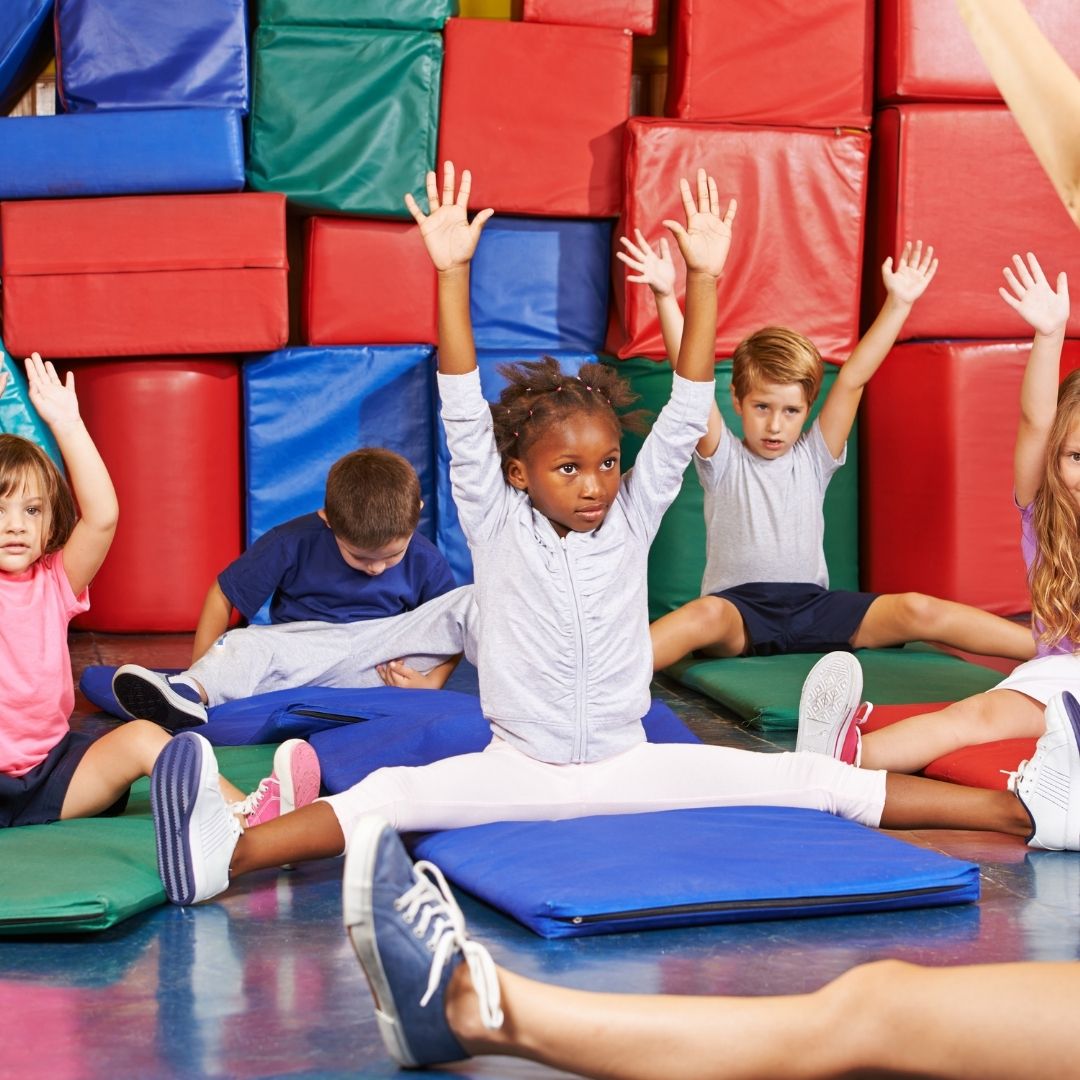
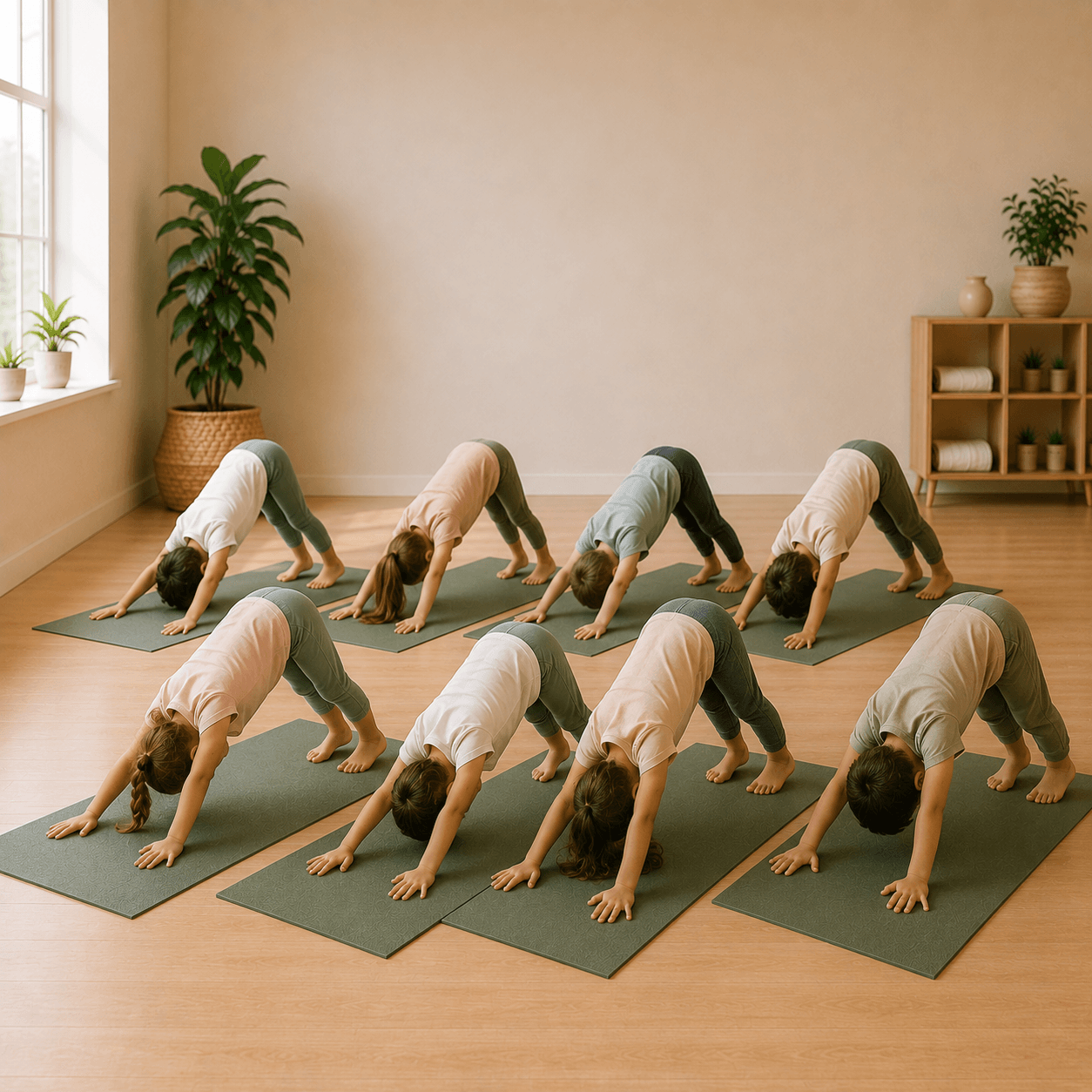
A safe children’s yoga class should include clear instructions, appropriate warm-up, sensible progressions, enough space, safe mat use, awareness of medical needs, and clear expectations around behaviour. It should also avoid partner work unless there is a strong reason for it and proper supervision, because partner work can quickly become “let’s see what happens if I lean on your spine,” which is not the vibe.
Parents should also expect proper registration procedures. The teacher should know who is attending, who is collecting the child, whether there are medical needs, and how to contact a parent or guardian if needed. These details may seem boring, but they are part of professional delivery.
Children’s yoga should feel supportive, not risky. The goal is not to create impressive shapes. The goal is to help children move better, feel safer in their bodies, and build confidence over time.
How Often Should Children Attend Yoga Classes?
Weekly attendance is usually enough for children to experience the benefits of yoga and structured movement, especially when classes are consistent and well planned. Children do not need an intense schedule. They need regularity.
A weekly class gives children time to become familiar with the structure, build trust with the teacher, practise skills, and gradually improve without feeling overloaded. It also fits better into family life than activities that demand multiple sessions per week.
Some children may benefit from doing simple movements at home between classes, but this should be light and optional. The last thing most families need is another homework-style obligation disguised as wellbeing. If a child enjoys practising a balance pose, breathing exercise or stretch at home, brilliant. If not, the weekly class can still be valuable.
The benefits of children’s yoga tend to build slowly. Parents may notice small changes first: better confidence trying movement, improved balance, more awareness of posture, a calmer transition after class, or a child using a breathing technique without being prompted. These small shifts matter.
Like any skill, consistency beats intensity. One weekly class attended regularly is more useful than occasional bursts followed by long gaps.
How to Know If Your Child Might Benefit
Your child may benefit from children’s yoga if they need more confidence in movement, struggle with coordination, dislike competitive sport, need help settling after school, enjoy calmer activities, or would benefit from better body awareness and focus.
They may also benefit if they are sporty but need mobility, balance, recovery and concentration. Yoga is not only for quiet children or anxious children. It can support a wide range of personalities.
Children who are energetic may enjoy the physical challenge and gradually learn how to settle. Children who are cautious may appreciate the low-pressure structure. Children who are perfectionistic may benefit from learning that wobbling is normal. Children who are physically confident may enjoy progressing into stronger balances and sequences.
The only real question is whether the class is the right fit. Some children need a more active style. Some need smaller groups. Some need clear routines. Some need time to warm up socially. A good teacher will understand that children do not all arrive with the same needs.
Parents should avoid assuming their child has to be calm before joining yoga. That is backwards. Children often learn calm through movement. They do not need to arrive already regulated, focused and serene. If they did, frankly, they might not need the class.
Registering Interest for Children’s Yoga Classes in West Bridgford
If you are looking for children’s yoga classes in West Bridgford, registering interest is the best way to hear about upcoming class places, age groups and practical details.
Registering interest does not mean you are committing immediately. It simply helps plan classes around real local demand, including children’s ages, preferred times and the type of movement parents are looking for. This is especially useful when classes are being organised by age group, because a class for younger children should not be structured in the same way as a class for older children or teenagers.
When you register interest, include your child’s age, any relevant movement or medical information, and whether you are mainly looking for yoga, Pilates, general movement, confidence-building, focus, posture support, or a calm after-school activity.
The aim is to create classes that are useful, safe and properly structured rather than throwing everyone into one vague group and hoping for the best. Hope is not a class plan. It is what happens when the laminator breaks.
Register interest here: Children’s yoga and movement class registration
You can also explore the wider children’s movement offer here: Kids yoga and Pilates in Nottingham.
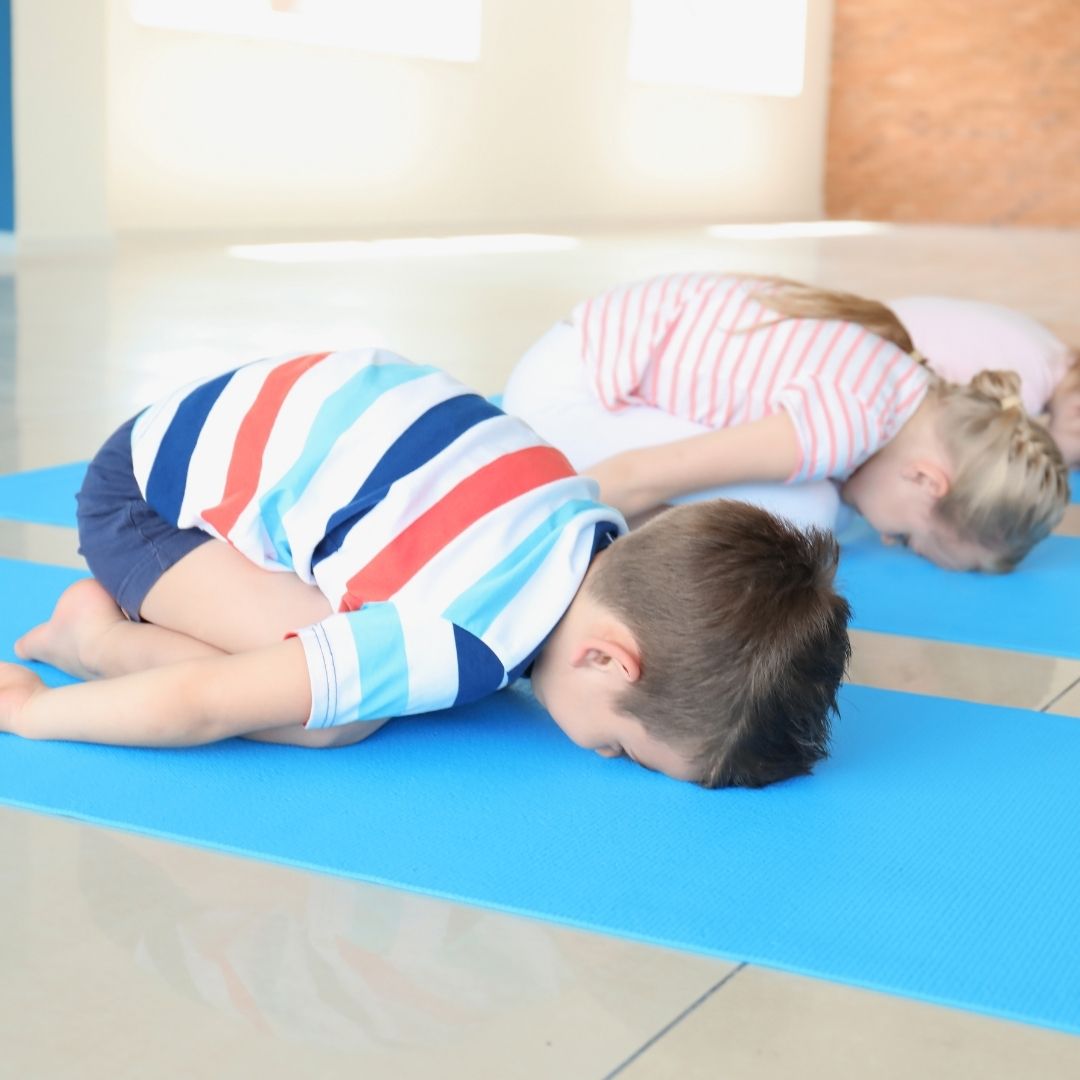
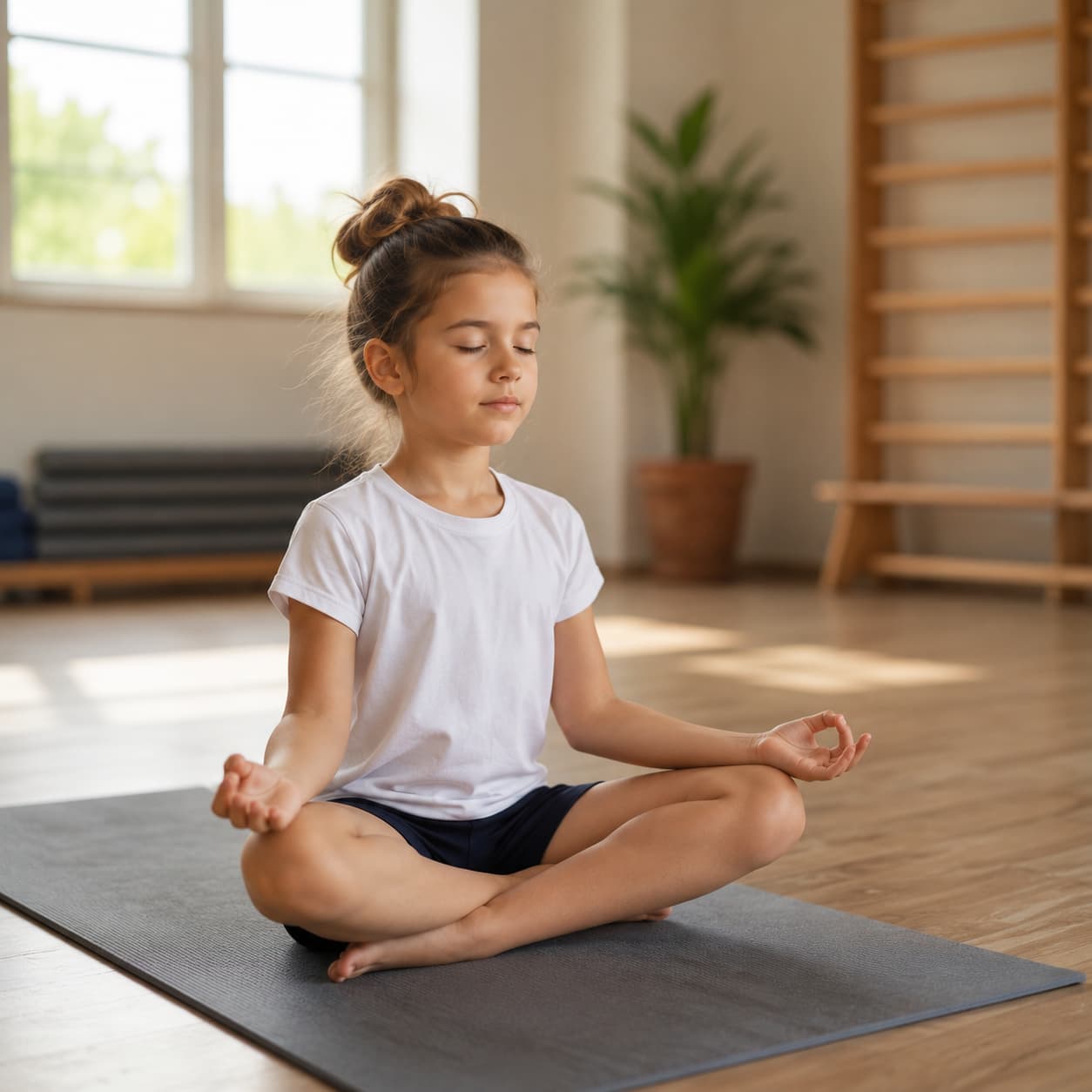
Conclusion: Children’s Yoga in West Bridgford Should Be Practical, Calm and Properly Taught
Children’s yoga classes in West Bridgford can be a valuable option for parents who want something calm, structured and physically useful for their child. The best classes support movement confidence, coordination, balance, strength, mobility, focus and emotional regulation without pressure, competition or performance.
For children, this can mean learning how to move with more awareness, try without fear of getting it wrong, settle after activity, and build trust in their bodies. For parents, it can offer a practical after-school activity that supports wellbeing without adding more noise to family life.
The key is choosing a class that is age-appropriate, clearly taught, safely structured and grounded in real movement knowledge. Children do not need vague wellness language. They need good teaching, kind boundaries, sensible progression and enough space to grow.
If you are looking for children’s yoga classes in West Bridgford, register your interest for upcoming classes and receive details when places become available.
Key Takeaways
Children’s yoga classes in West Bridgford should give children more than a bit of stretching after school. Done properly, they help children build confidence in their bodies, improve balance and coordination, develop focus, learn how to manage energy, and experience movement without pressure, comparison or performance. For parents, the important thing is choosing a class that is structured, safe, age-aware and led by someone who understands both movement and children’s needs.
FAQs About Children’s Yoga Classes in West Bridgford
Children can start yoga-style movement from a young age, but classes should be adapted properly for their developmental stage. A class for younger children will usually include more simple movement, balance, imagery and short instructions, while older children and teenagers can handle more structure, strength work, breath awareness and longer sequences.
Yes. Children’s yoga classes are usually suitable for beginners, and children do not need previous yoga experience, flexibility or confidence to join. A good class should offer clear instructions, simple progressions and options so children can participate safely at their own level.
No. Children do not need to be flexible to do yoga. In fact, yoga can help children develop mobility, strength, balance and body awareness over time. The aim is not to force flexibility or create impressive shapes, but to help children move safely and confidently.
Yes, children’s yoga can help build confidence by giving children repeated experiences of learning movement skills, improving balance, trying new things and feeling more capable in their bodies. This can be especially helpful for children who dislike competitive sport or feel unsure in physical activities.
Children’s yoga can support focus because it combines movement, breath, balance, listening and body awareness. These skills can help children practise attention in a practical, embodied way. It is not a quick fix, but regular classes can support concentration and self-regulation over time.
Children should usually bring a yoga mat, water and wear comfortable clothes they can move in. Parents should also provide any relevant medical or support information before the first class so the teacher can plan safely and appropriately.
No. Children’s yoga should not be the same as adult yoga. Children need age-appropriate teaching, shorter instructions, safe progressions, movement variety and a structure that suits their attention, coordination and emotional development. A good children’s class is designed specifically for children.
You can register interest through the children’s yoga and movement registration page. This allows you to share your child’s age, your preferred class type and any relevant information so suitable class details can be sent when places are available.