
How Much Do Children’s Movement Classes Cost in the UK?
The Question That Sits Behind the Brochure
At some point, every parent who considers enrolling their child in a movement class reaches the same quiet moment of calculation.
You might admire the concept. You might agree that children benefit from structured physical activity. You might even recognise that your child needs something consistent after school that is not screen-based. But eventually, the practical question appears.
How much do children’s movement classes cost in the UK?
It is rarely asked out loud with drama. It is usually typed into Google in the evening, after you have glanced at two or three websites and noticed that nobody puts pricing front and centre.
The answer is not a single number. It is a spectrum. And more importantly, it reflects structure, philosophy, and long-term sustainability rather than simply the length of the session.
Understanding the cost of kids’ movement classes requires more than comparing hourly rates. It requires understanding what you are actually paying for.

TL;DR: The Short Version for Busy Parents
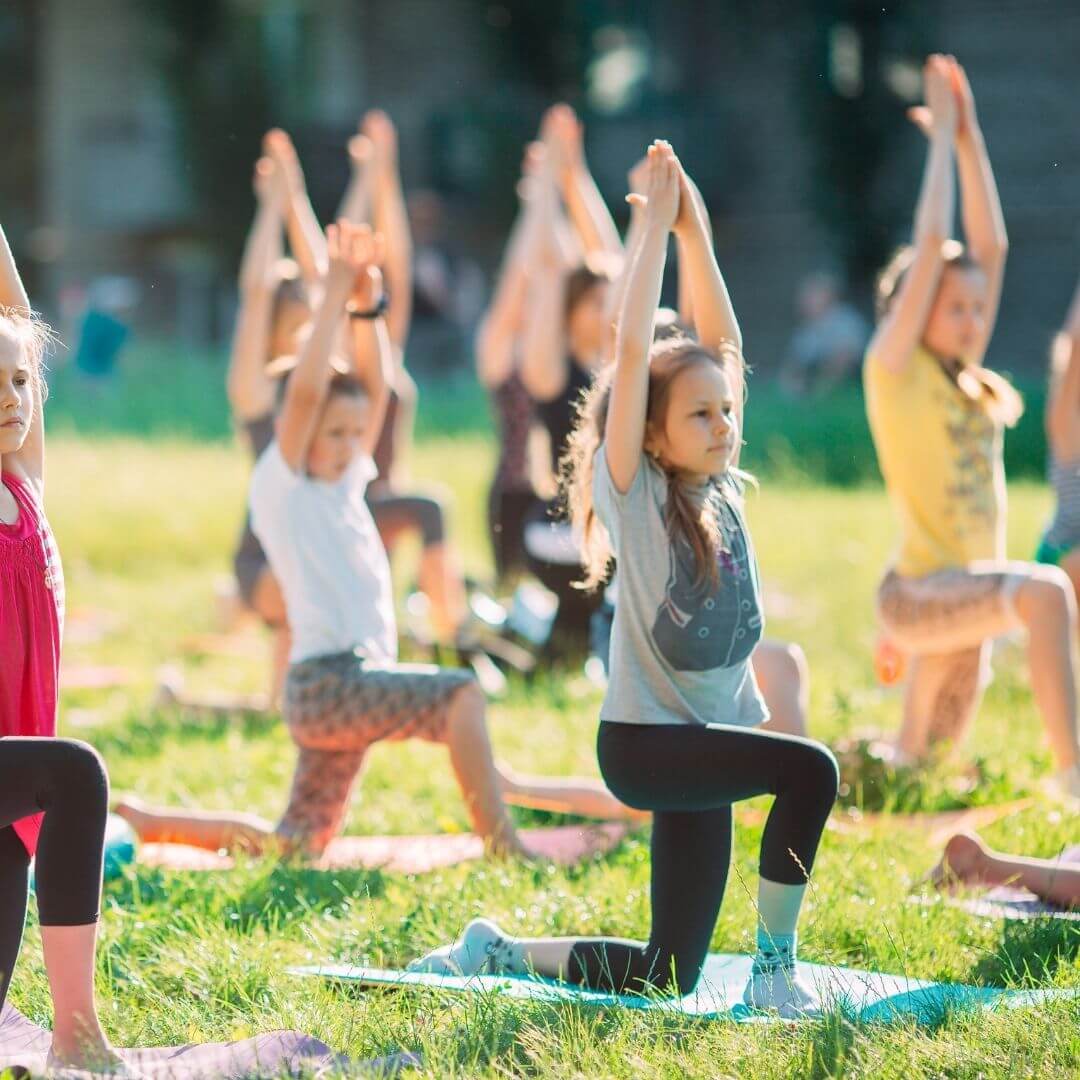
In most parts of the UK, you’re looking at somewhere between £7 and £15 per session for a structured children’s movement class, which usually works out at around £35 to £60 per month. London can be higher. Small towns can be lower. The number matters less than what’s behind it. If the class is professionally run, structured week to week, and consistent, that price is normal. If it’s chaotic or vague, even cheap can feel expensive.
The Typical Price Landscape Across the UK
Across the UK, children’s movement class prices sit within recognisable bands, though those bands widen significantly depending on geography and programme structure.
In smaller towns and rural areas, informal community-led movement sessions may cost between £4 and £8 per class. These sessions are often shorter, may run term by term, and are sometimes delivered by enthusiastic volunteers or instructors early in their training.
In most towns and mid-sized cities, structured weekly children’s yoga or movement classes typically fall between £8 and £15 per session. When priced monthly, this often translates to somewhere between £35 and £60 per month for one weekly class.
In London and high-cost urban centres, it is not unusual for specialist programmes to reach £18 to £25 per session, particularly when venues are premium, class sizes are intentionally limited, or the instructor has advanced qualifications.
So when parents ask how much kids’ yoga classes in the UK cost, the honest answer is that they are rarely below £7 per session unless subsidised, and rarely above £25 per session unless positioned as highly specialist or boutique.
But the number alone tells you very little.
Why the Price Range Exists
The wide range in children’s movement class prices across the UK reflects structural differences rather than random inflation.
Three major factors influence cost more than most parents realise.
First, venue economics. Hall hire varies dramatically by postcode. A church hall in a small town may cost a fraction of a private studio in a high-demand urban area. If a programme is committed to safe, accessible, well-maintained space, those costs are absorbed into pricing.
Second, instructor training and insurance. A fully insured, DBS-checked, professionally qualified instructor who invests in safeguarding, continued education and structured curriculum development carries higher operational costs than someone running occasional activity sessions. That investment rarely shows visually on a flyer, but it shapes the entire experience.
Third, sustainability. A structured programme cannot exist long-term if pricing only covers the visible hour of teaching. Planning, administration, safeguarding compliance, communication with parents and progression design all exist behind the scenes.
When you look at children’s movement class prices in the UK, you are not paying only for sixty minutes in a room. You are paying for everything required to make those sixty minutes structured and safe.
The Difference Between Activity and Programme
This distinction is rarely made clearly, but it matters enormously when assessing cost.
An activity session is designed to occupy time and release energy. It may be enjoyable and beneficial in the short term, but it does not necessarily follow a layered curriculum.
A structured programme is built differently. It includes progression across weeks. It develops balance before strength, coordination before complexity. It revisits patterns intentionally so children build mastery rather than novelty fatigue.
If you have read what to look for in a children’s movement class, you will understand that structure is the invisible framework behind meaningful development. That framework requires design and continuity.
Programmes cost more than activities because they are not improvisational.
Monthly Commitment Versus Drop-In Flexibility
One of the most common pricing differences in the UK movement space lies between drop-in sessions and monthly enrolment models.
Drop-in pricing often appears more flexible. You pay when you attend. You are not committed. For busy families, that feels appealing.
However, drop-in culture tends to dilute progression. When attendance fluctuates, instructors must reteach foundations repeatedly. Advanced layering becomes difficult because the group is inconsistent.
Monthly commitment models, which typically range between £35 and £60 depending on location, encourage continuity. Continuity supports progression. Progression builds confidence.
If you want to understand how structured repetition builds confidence rather than boredom, read how to choose a kids yoga or movement programme that builds confidence, which explains why progression over weeks matters more than novelty.
In many cases, the slightly higher perceived commitment of a monthly structure produces stronger outcomes.
Regional Differences: A UK Reality
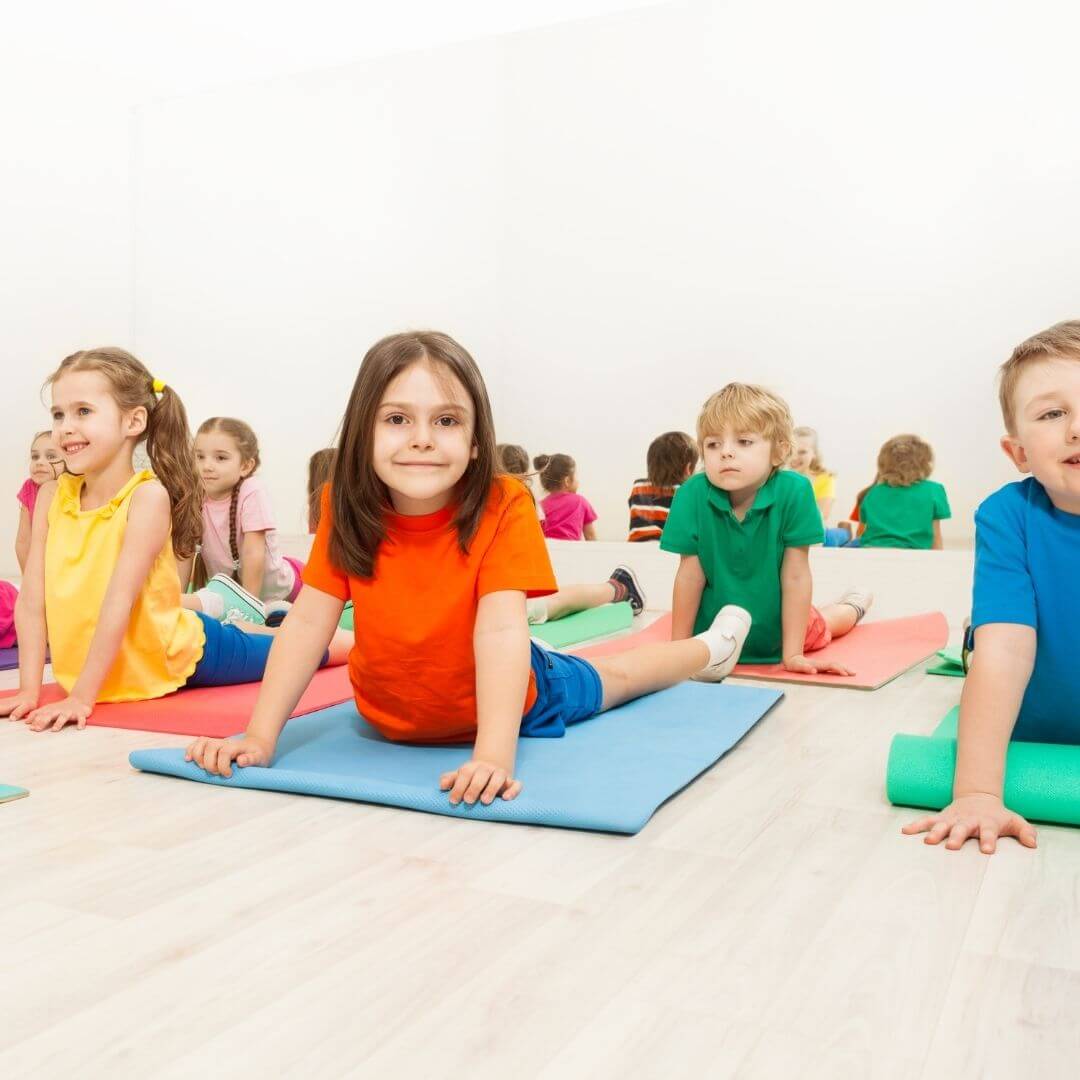
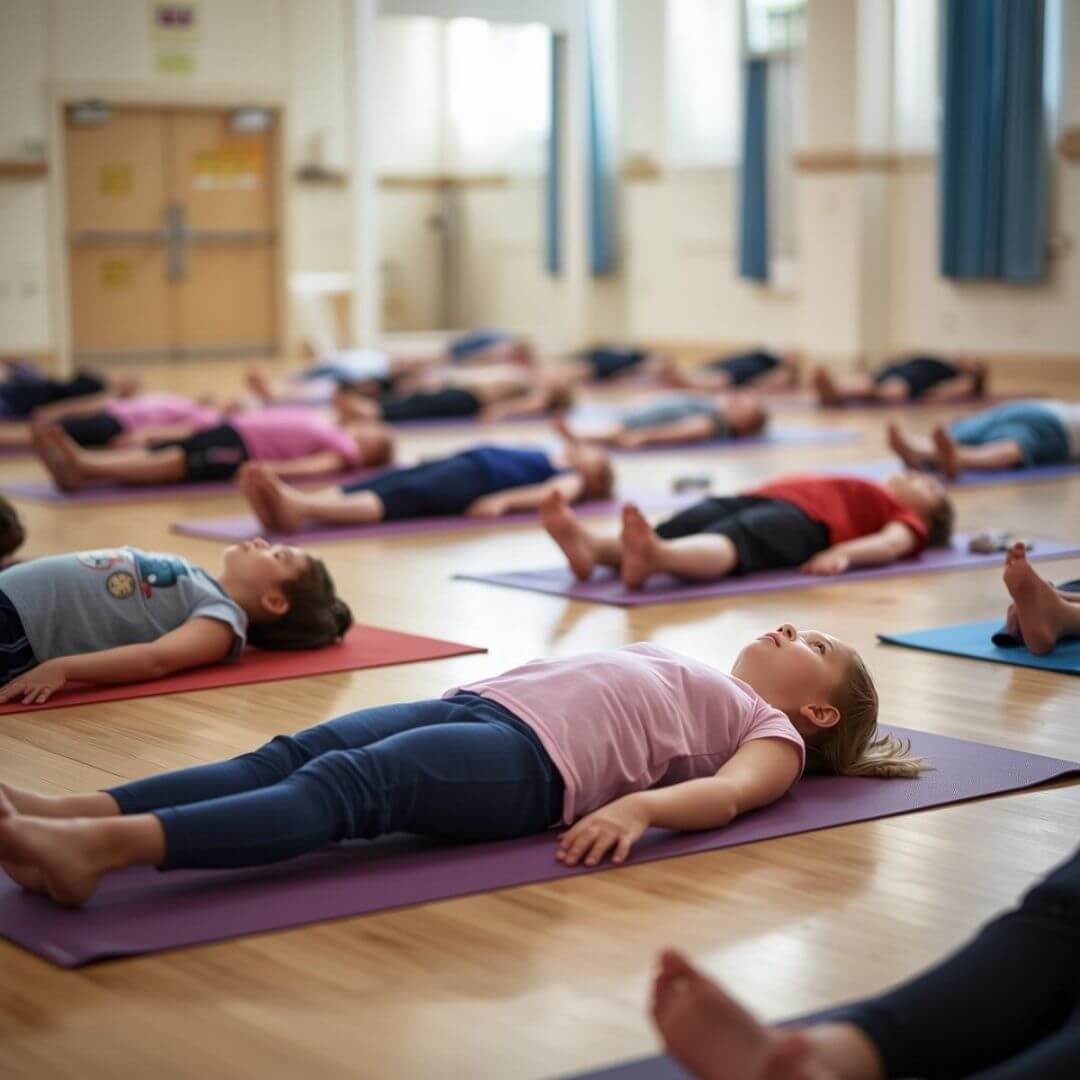
It would be misleading to discuss how much children’s movement classes cost in the UK without acknowledging regional economic differences.
In parts of London, Bristol, or Cambridge, venue hire and operational costs can double or triple those in smaller towns. That reality influences children’s movement class prices directly.
By contrast, in rural areas or smaller communities, pricing may appear more moderate but class sizes may be larger to maintain sustainability.
Comparing pricing without considering postcode is rarely useful. Instead, evaluate pricing relative to local averages and structural offering.
What Lower Pricing Might Indicate
Lower pricing is not inherently negative. Some community-led programmes are deeply valuable and intentionally affordable.
However, if pricing sits significantly below local averages, it is reasonable to ask practical questions.
-
- Is the instructor fully insured and DBS-checked?
- Is safeguarding documentation in place?
- Is there a clear progression plan?
- Is the programme financially sustainable long-term?
Sometimes lower pricing reflects early-stage instructors building experience. Sometimes it reflects volunteer passion. Sometimes it reflects minimal overhead and simplified structure.
Clarity matters more than judgement.
What Higher Pricing Might Reflect
Higher pricing often signals one or more of the following:
- Smaller group sizes allow greater individual attention.
- Longer session durations.
- Advanced instructor qualifications.
- High-cost venue locations.
- Carefully layered curriculum with progression across terms.
It does not automatically signal superiority. But it does usually indicate that operational costs are structured differently.
If you are unsure how to evaluate the structure behind the number, revisit yoga and movement for children, which outlines how progression and skill layering influence long-term outcomes.
Price without structure is noise. Structure without sustainability collapses.
Long-Term Value Versus Short-Term Spend
When parents weigh up the cost of kids movement classes, they are rarely comparing it only against other movement classes. They are comparing it against swimming lessons, football clubs, music tuition, tutoring, and sometimes simply the cost of staying at home.
The comparison is not purely financial. It is developmental.
A weekly class that costs £45 per month may initially feel like another line on an already stretched budget. But that same class, attended consistently across a school year, becomes forty or more hours of structured physical literacy. Forty hours of balance work. Forty hours of controlled strength. Forty hours of breathing and regulation.
Spread across twelve months, the per-session cost often looks very different when considered alongside the cumulative effect.
Children’s movement class prices in the UK often feel higher than expected because they are paid monthly. But developmental return rarely shows up in a single week. It shows up in posture changes, improved coordination, quieter confidence, and steadier behaviour.
When cost is viewed through duration rather than a single payment, the perspective shifts.
Comparing Movement Classes to Other Extracurricular Activities
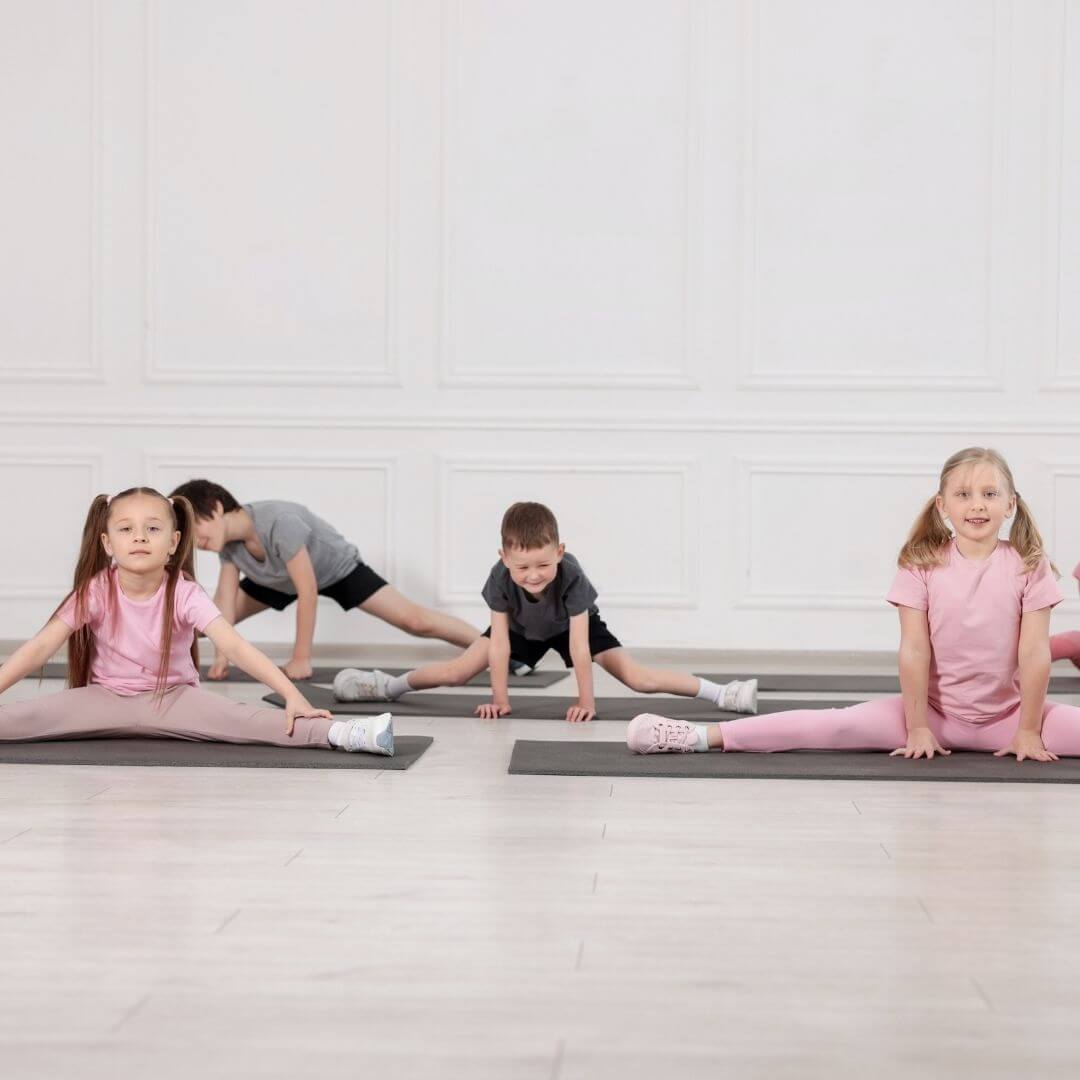
To understand how much children’s movement classes cost in the UK, it is useful to compare them against other common activities.
Music lessons in the UK often range from £15 to £30 per half hour. Private sports coaching can exceed £25 per session. Team sports clubs may appear cheaper per session but often include kit costs, travel, and seasonal fees.
Movement classes often sit in the middle. They are rarely the cheapest option. They are rarely the most expensive.
The difference lies in breadth of benefit.
A well-structured movement class develops multiple capacities simultaneously. Balance, coordination, strength, emotional regulation and focus are all layered together. That breadth often justifies a mid-range price point, particularly when delivered by a qualified instructor in a safe environment.
The cost of kids movement classes becomes easier to evaluate when compared against what they replace. If the alternative is unstructured after-school screen time, the value proposition becomes clearer.
Emotional Regulation and Behavioural Spillover
Pricing conversations rarely address the indirect effects of structured movement.
Children who attend consistent movement sessions often demonstrate improved focus at school, steadier transitions at home, and better emotional recovery after frustration. These changes are subtle but noticeable.
If you have read why children struggle to self-regulate without daily movement, you will understand that structured physical activity influences nervous system steadiness. It is not simply about “burning energy.” It is about teaching the body how to shift between activation and calm.
When evaluating how much children’s movement classes cost in the UK, consider the hidden dividends. A calmer evening routine. Less resistance to homework. Increased willingness to attempt new tasks.
These outcomes cannot be itemised on a flyer, but they are often the reason families continue attending year after year.
Is Cheaper Always Better?
It is tempting to sort options by price and select the lowest number, especially when multiple children are involved.
However, lower pricing sometimes reflects minimal structure or higher group ratios. A large class with limited individual attention may cost less per child, but it may also dilute progression.
Conversely, a slightly higher monthly fee may reflect smaller groups, more thoughtful planning, and clearer communication.
The relevant question is not “what is the cheapest option?” but rather “what am I receiving for this commitment?”
If you are uncertain how to evaluate the structure behind pricing, returning to what to look for in a children’s movement class can help anchor the assessment in developmental markers rather than marketing language.
Nottingham as a Practical Example
To ground this in something concrete, consider a town-based structured weekly class in Nottingham.
A typical monthly cost around £45, equating to roughly £10–£12 per session across a term, reflects:
-
- Hall hire
- Insurance and safeguarding
- Structured curriculum design
- Instructor training
- Administration and communication
That pricing sits comfortably within UK norms for mid-sized towns.
If you are specifically researching kids yoga classes in Nottingham, the current timetable and pricing are outlined clearly on the dedicated page, so you can assess both structure and commitment before enrolling.
Clarity builds trust. Trust reduces hesitation.
When Cost Signals Commitment
There is also a psychological dimension to pricing that is rarely acknowledged.
When families commit financially to a structured programme, attendance tends to stabilise. Children are more likely to attend consistently. Parents are more likely to prioritise the session within the weekly schedule.
Consistency drives development.
A class that costs £8 per drop-in may feel flexible, but flexibility sometimes leads to irregular attendance. A structured monthly model creates a rhythm. Rhythm creates progress.
In this sense, pricing can subtly reinforce commitment, which in turn reinforces developmental return.
Hidden Costs to Consider
When evaluating children’s movement class prices in the UK, it is worth asking about additional costs beyond the headline number.
-
- Are there termly registration fees?
- Is there required branded clothing?
- Are there additional equipment purchases?
- Are sibling discounts available?
A transparent programme will outline all of this clearly.
If equipment expectations are unclear, what equipment do children need for movement classes explains why most structured programmes require very little beyond a mat and comfortable clothing.
Transparency is often a stronger indicator of professionalism than the absolute price itself.
Is It Worth It?
The question beneath every pricing conversation is the same. Is it worth it?
There is no universal answer because every child and every family context differs.
However, structured movement classes offer a combination of physical and emotional development that is difficult to replicate casually. They provide an environment where children practise challenge safely, build competence steadily, and experience progress over time.
If the programme is thoughtfully designed, well-run and consistent, many families consider the cost proportionate to the benefits.
If the structure is unclear or the environment feels chaotic, even a low price may feel expensive.
Value is not determined by the number alone. It is determined by the relationship between cost and developmental return.
Conclusion: Cost Is a Number, Structure Is the Decision
How much do children’s movement classes cost in the UK?
Usually somewhere between £7 and £15 per session, or £35 to £60 per month in most regions.
But that number is only the beginning of the conversation.
The real decision lies in understanding what sits behind the cost. Structured progression. Qualified instruction. Safe environments. Consistent attendance. Development that unfolds gradually rather than dramatically.
If the structure is present and the environment feels steady, the price is rarely the defining factor. If the structure is missing, even a low price can feel like a poor investment.
Cost matters. But structure, clarity and consistency determine whether it is worth it.
Key Takeaway
Don’t choose a class purely because it’s the cheapest on the page.
Ask what the monthly fee actually covers. Is there a progression plan? Is the instructor qualified and insured? Is the group size realistic? Does the structure stay consistent across the term?
If the answer is yes, the price is probably fair. If the structure is unclear, keep looking. Development needs design, not just a low number.
Questions Parents Tend to Ask Once They Start Looking
Most children’s movement classes in the UK cost between £7 and £15 per session, with monthly pricing typically ranging from £35 to £60 depending on region and structure.
Kids yoga class cost in the UK generally falls within the same £8-£15 per session range, with higher pricing in major cities and lower pricing in smaller towns.
Prices vary due to venue costs, instructor qualifications, group size, and whether the programme offers structured progression rather than casual activity sessions.
Not necessarily, but it is important to understand what is included, whether safeguarding is in place, and whether there is a clear progression plan.
Monthly models often support stronger developmental outcomes because attendance is consistent and progression can be layered week by week.
Some programmes adjust pricing slightly for older age groups due to longer sessions or more advanced instruction.
When structured properly, movement classes support coordination, strength, emotional regulation and confidence, which many families consider valuable beyond the session itself.
Look at instructor training, class size, progression structure and transparency of communication rather than focusing solely on the headline price.