
What Is Physical Literacy and Why Does It Matter?
TL;DR
Physical literacy isn’t about creating better athletes. It’s about helping children develop the confidence, motivation and movement skills to enjoy being active throughout their lives. Schools that invest in physical literacy aren’t simply improving PE. They’re helping children become more confident learners, better problem-solvers and happier participants both inside and outside the classroom.
What Is Physical Literacy and Why Does It Matter?
Children aren’t born believing they’re bad at sport.
Somewhere along the way, they decide they are. Sometimes it happens because they always get picked last. Sometimes because they struggle to catch a ball while everyone else seems to manage effortlessly. Sometimes because another child laughs. Sometimes because PE becomes associated with comparison instead of curiosity.
The sad part is that once children decide they’re “not sporty”, they often spend years looking for evidence that they’re right. They avoid joining in. They stand at the back. They become anxious before PE lessons.
Eventually, they stop seeing movement as something that’s for them. That isn’t just unfortunate. It’s completely unnecessary.
Because movement was never supposed to be about proving who was best. It was supposed to help children discover what their bodies could do.
That’s where physical literacy comes in.
It’s one of those educational phrases that’s appearing more and more often in schools, curriculum discussions and wellbeing strategies. Yet outside education, relatively few people know what it actually means.
And that’s a shame. Because I honestly think physical literacy is one of the most important ideas in education today.
Not because it’s fashionable. Because it changes the question. Instead of asking, “Which children are good at PE?” it asks, “How do we help every child build a positive relationship with movement?“
That’s a completely different conversation. And, in my experience, it’s a far more useful one.
Physical Literacy Isn't About Creating Athletes
When people first hear the term, they often assume it’s simply another way of saying physical education. It isn’t. PE is a subject.
Physical literacy is an outcome.
The International Physical Literacy Association defines physical literacy as having the motivation, confidence, physical competence, knowledge and understanding to value and take responsibility for engaging in physical activity throughout life.
It’s an excellent definition. But if I’m honest, it doesn’t mean much to most parents or teachers the first time they read it. So here’s how I explain it.
Physical literacy is helping children feel at home in their own bodies.
That’s it. It’s helping them trust that they can move. That they can learn new skills. That it’s safe to try. That making mistakes isn’t embarrassing. That movement belongs to them just as much as reading, writing or maths.
Notice what isn’t mentioned.
Winning. Being the fastest. Being naturally talented. Physical literacy isn’t interested in creating elite performers. It’s interested in creating children who’ll still enjoy moving when they’re forty.
Personally, I think that’s a much more worthwhile goal.
The Problem With Thinking Sport and Movement Are the Same Thing
Sport is wonderful. For the right child.
Some children absolutely thrive in competitive environments. They love chasing the ball. They enjoy races. They naturally seek challenge. Fantastic. Keep giving them those opportunities.
But what about the child who doesn’t? The one who freezes when everyone watches them throw. The one who loves climbing trees but hates football. The one who’d happily spend an hour balancing, exploring movement or solving physical challenges but immediately switches off when the lesson becomes another game of rounders.
They’re active too. They simply express movement differently.
Unfortunately, schools have historically treated sport and movement as though they’re interchangeable. They’re not. Movement is much bigger than organised sport.
Movement is climbing. Rolling. Balancing. Reaching. Breathing. Turning. Crawling. Dancing. Exploring. Playing. Creating.
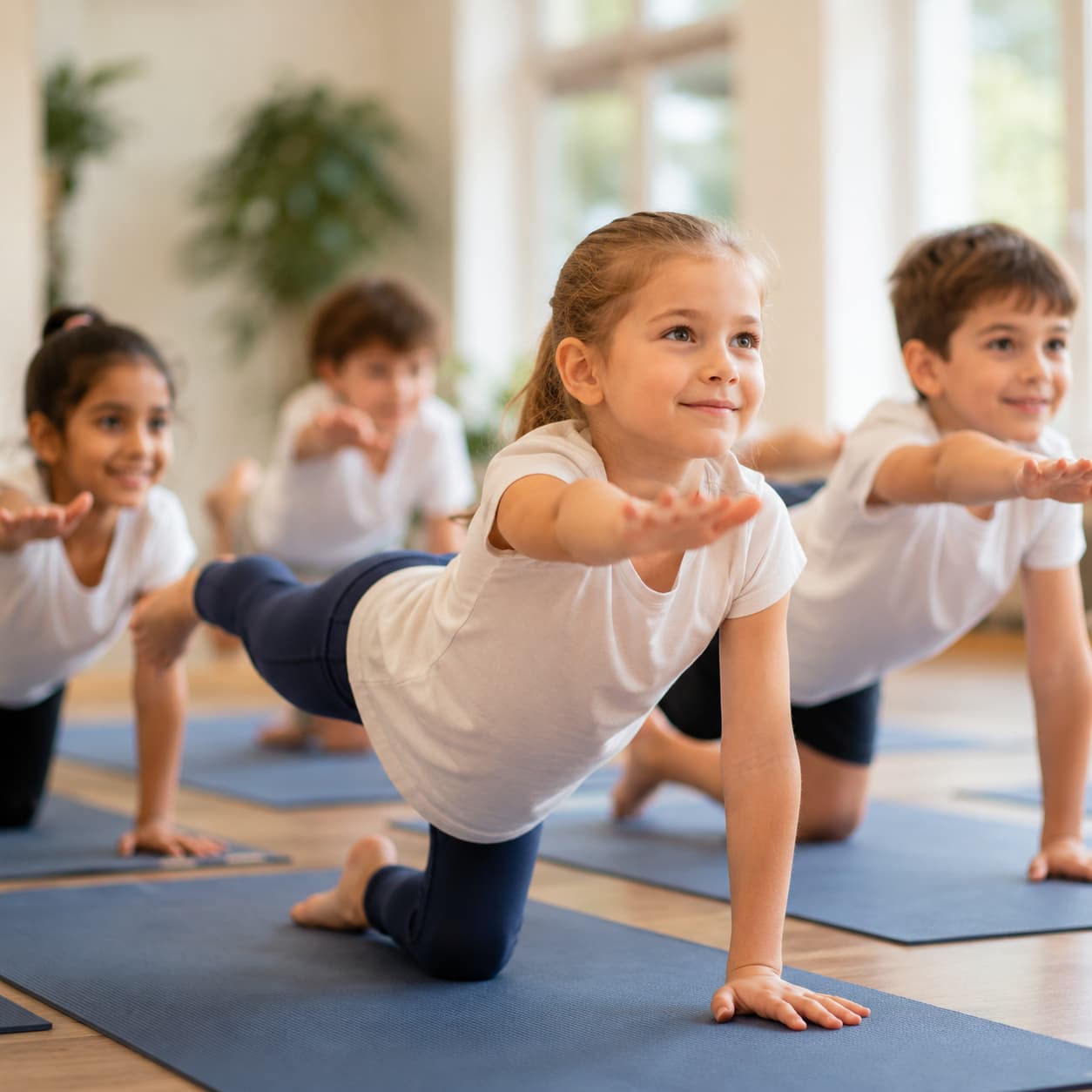
Even something as simple as learning to balance on one leg teaches children about body awareness, concentration and persistence.
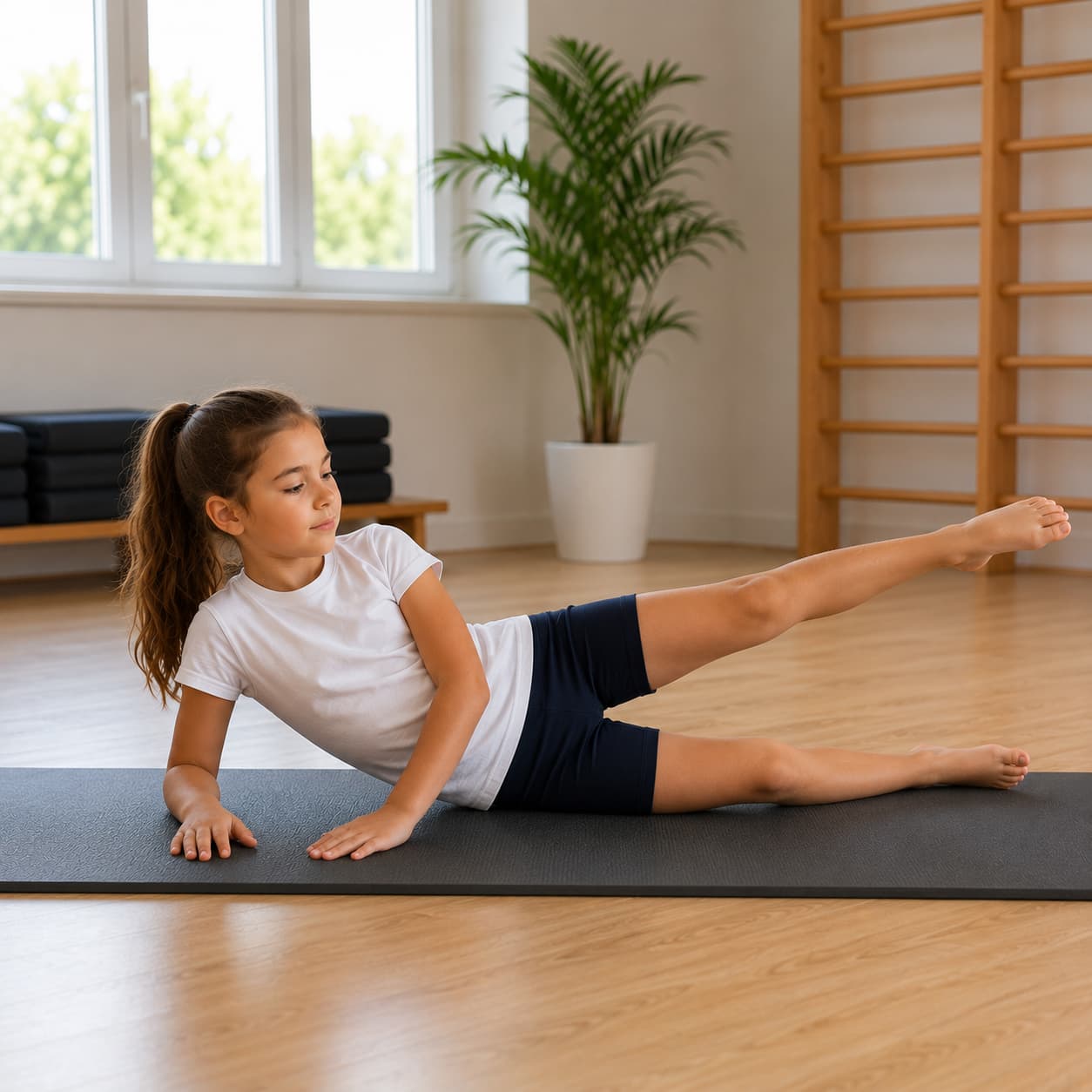
None of those require a scoreboard. This is one of the reasons I combine yoga, Pilates and purposeful movement in my school sessions rather than simply delivering another PE lesson.
I’m not trying to replace PE. Schools already have PE. What many schools don’t have is dedicated time for children to explore movement without worrying who’s winning. That changes the experience completely.
Children who normally stay quiet suddenly volunteer. Children who avoid sport begin experimenting. Children discover they can succeed in ways they never expected.
That’s physical literacy.
Why Confidence Comes Before Competence
One thing I’ve noticed over years of teaching movement is that adults often assume confidence comes after children become skilled. I actually think it’s often the other way around.
Children become skilled because they feel confident enough to keep trying.
Think about learning to ride a bike. Nobody gets it right first time. They wobble. Fall off. Try again. Laugh. Cry. Try again. Eventually something clicks.
Now imagine if every failed attempt was met with comparison.
Imagine another child telling them they were slow. Or clumsy. Or rubbish. How many children would keep trying? Probably not many.
The same thing happens in movement.
Confidence isn’t the reward. It’s the environment. Children need to feel psychologically safe before they’ll take physical risks. That’s why good movement sessions don’t begin with performance.
They begin with possibility.
- “Let’s see what happens if…”
- “Can you find another way?”
- “What do you notice?”
Those questions invite curiosity instead of judgement. Curiosity keeps children engaged. Engaged children keep practising. Practice builds competence. Competence builds confidence.
It’s a cycle. The important thing is understanding where it starts.
Every Child Deserves to Experience Success Through Movement
This matters because every classroom contains children with completely different experiences.
One child might attend gymnastics, swimming and football every week. Another might never have joined a club. One child has brilliant coordination. Another struggles with balance. One child has additional needs. Another simply lacks confidence.
Expecting all of them to experience success in exactly the same way isn’t realistic. Nor is it fair.
Physical literacy recognises that success looks different for different children. Success might be balancing for three seconds longer than last week. It might be joining in without hiding behind a friend. It might be learning how to regulate breathing before an assembly. It might simply be leaving the lesson smiling instead of relieved it’s over.
Those moments matter. Because children remember how movement made them feel long after they’ve forgotten what game they played.
Physical Literacy Doesn't Stop at the School Hall Door
One of the reasons I think physical literacy is so important is because its impact doesn’t end when the lesson finishes.
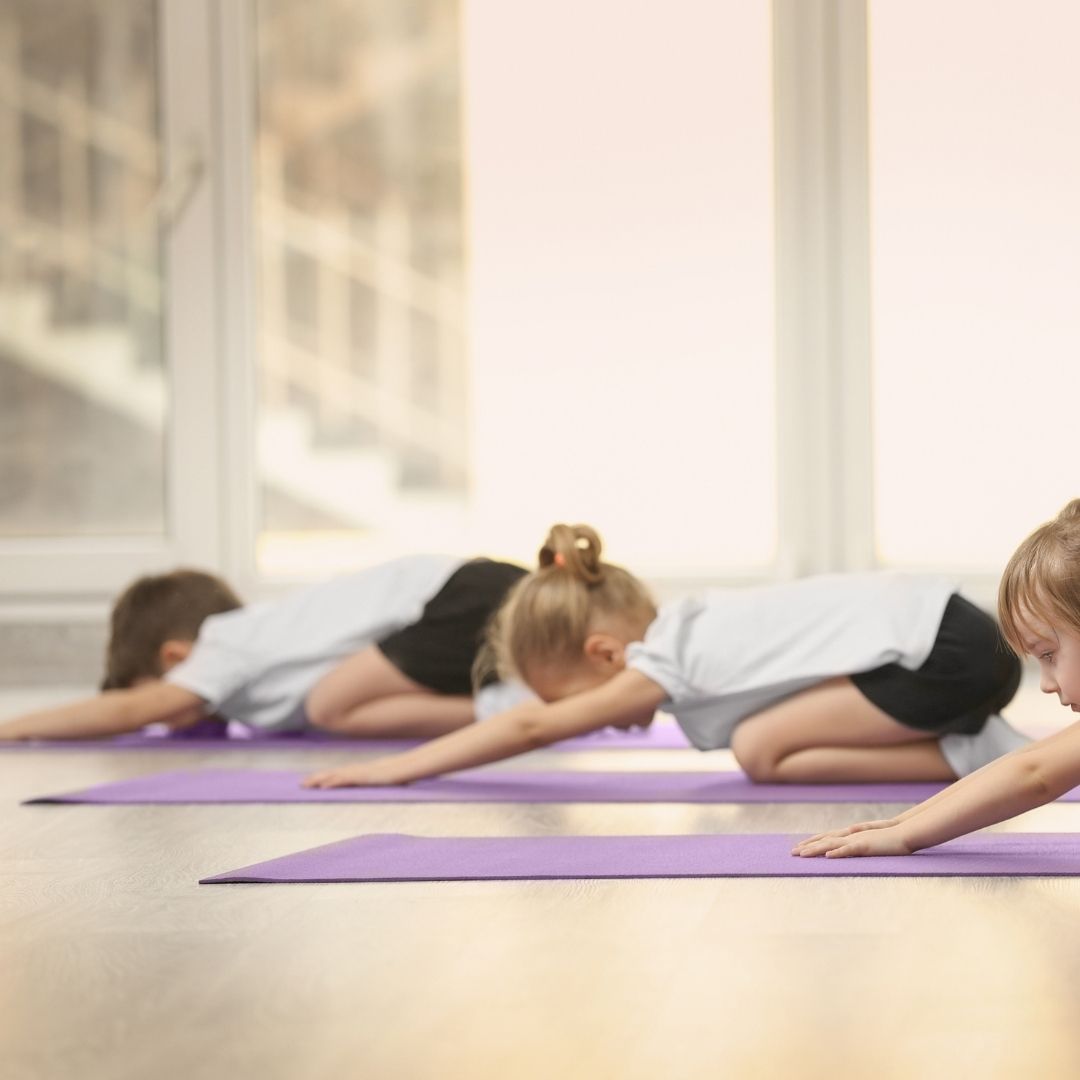
A child doesn’t leave a yoga session with stronger balance and suddenly forget it at lunchtime. Confidence doesn’t work like that. Neither does curiosity.
When children begin trusting their bodies, they often begin trusting themselves in other situations too.
The child who was nervous about trying a new movement challenge is sometimes the same child who’s suddenly more willing to answer a question in class. The child who learns that wobbling isn’t failure often becomes less frightened of making mistakes in maths. The child who discovers they can regulate their breathing before attempting a balance exercise now has another strategy before a spelling test or school performance.
Movement isn’t separate from learning.It’s one of the ways children learn.
That’s why schools are increasingly recognising that physical literacy isn’t simply a PE objective. It’s something that supports the whole child.
What Physical Literacy Looks Like in a School
One of the challenges with physical literacy is that it can sound quite academic. In reality, it looks surprisingly ordinary.
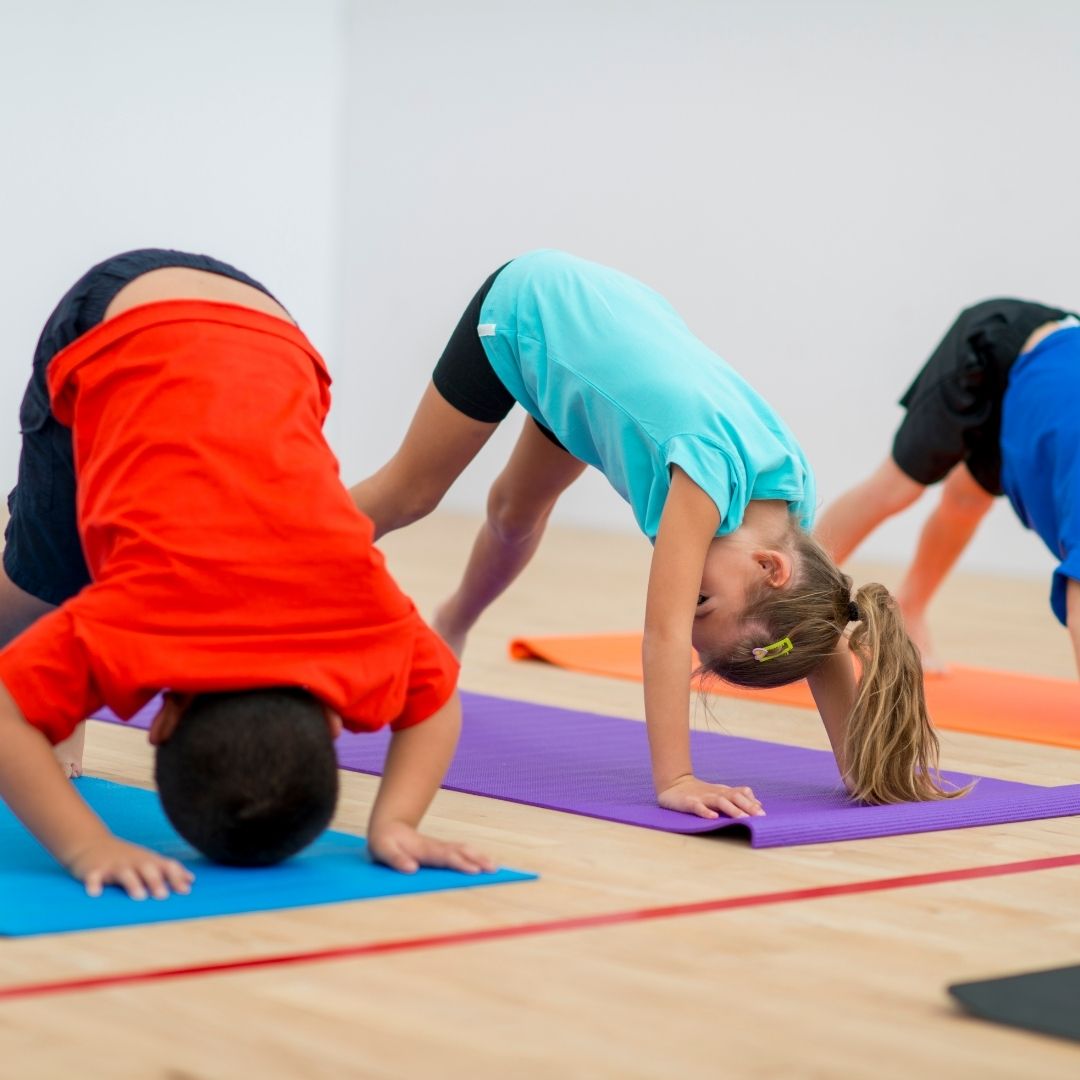
Reception children pretending to cross a crocodile river without touching the floor. Year 2 pupils working together to move across the hall using only a few stepping stones. A Year 4 class discovering how changing their breathing affects their balance. Year 6 pupils solving movement puzzles in small groups, where communication matters far more than speed.
None of those activities is particularly complicated. Yet every one of them develops coordination, confidence, body awareness and problem-solving.
The children aren’t thinking, “Today we’re developing physical literacy.” They’re simply moving. Playing. Exploring. The learning happens because the activities are designed with purpose. That’s something I think we sometimes forget.
Children don’t need movement to become more complicated. They need it to become more meaningful.
Why Traditional PE Doesn't Reach Every Child
This isn’t an argument against PE. Good PE is incredibly valuable. Children need opportunities to learn sport-specific skills, work as a team and experience healthy competition.
The problem is assuming that’s enough for everyone. It isn’t.
Every teacher knows the children who come alive during football. They also know the children who quietly disappear. The ones who suddenly need the toilet. Who forget their kit. Who volunteer to keep score instead. Who stand at the back hoping nobody notices them.
Those children don’t usually dislike movement. They dislike the experience they’ve come to associate with movement. That’s an important difference.
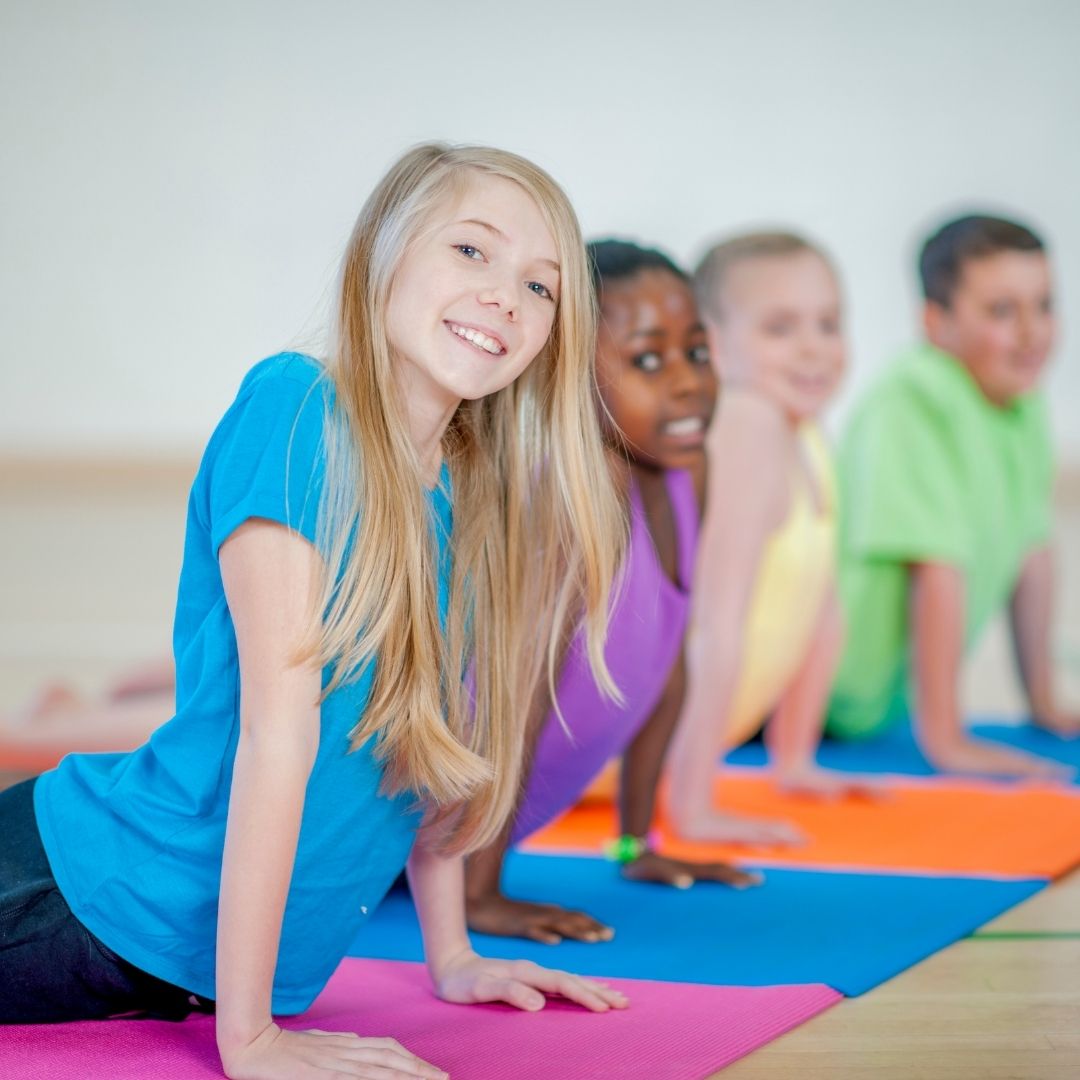
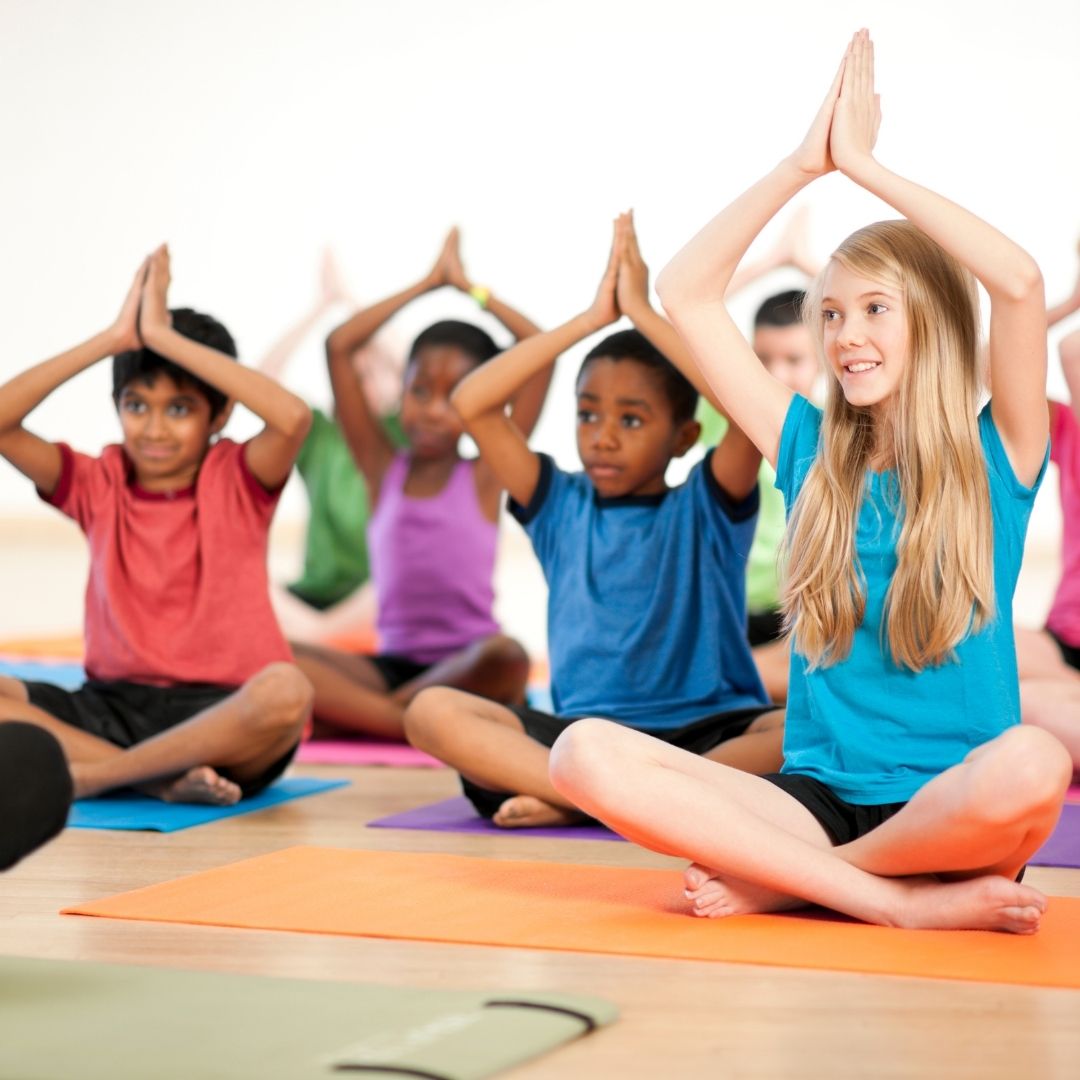
Give those same children an opportunity to explore balance, coordination, yoga, Pilates or creative movement, and something often changes. The pressure disappears. Comparison disappears. Suddenly they’re not trying to beat anybody. They’re simply discovering what they can do.
I’ve seen children who barely spoke during competitive activities spend ten minutes completely absorbed in finding new ways to balance. I’ve watched children who insisted they “weren’t good at PE” proudly demonstrate a sequence they’d created themselves.
Nobody had lowered the expectations. The environment had changed. That’s why I don’t describe what I deliver in schools as “another PE lesson.” Schools already have PE.
My programmes are designed to complement it by reaching the children who don’t always find their place within traditional sport.
Building Physical Literacy Through Purposeful Movement
Every movement session I deliver has the same question sitting quietly underneath it.
“How can every child leave feeling more capable than when they arrived?”
Sometimes that happens through yoga. Sometimes through Pilates. Sometimes through partner challenges, balance work, coordination games or mindful movement.
The activity itself isn’t the most important part. The experience is. Children don’t need hundreds of exercises. They need opportunities to experience success. That success might be holding a balance for five seconds. It might be noticing their breathing slow down. It might be encouraging another child instead of comparing themselves to them.
Those moments build something much bigger than physical competence. They build trust. Trust in their body. Trust in their ability to learn. Trust that movement is somewhere they belong.
That’s exactly what physical literacy is trying to achieve.
What Should Schools Look For?
If a school is looking for external movement support, qualifications obviously matter. Safeguarding matters. Experience matters.
But I think there’s another question that’s just as important. What philosophy sits behind the session? Is the aim simply to keep children busy for forty-five minutes? Or is every activity helping children build confidence, body awareness and a positive relationship with movement?
Personally, I don’t believe children need another adult shouting instructions from the front of the hall. They already have enough people telling them whether they’re right or wrong.
Sometimes they need someone who creates an environment where exploration is encouraged. Where wobbling is normal. Where trying counts. Where movement becomes something enjoyable instead of something to survive.
That’s the thinking behind every school programme I deliver across Nottingham.
Whether I’m working with a Reception class during Sports Week, delivering a six-week programme or supporting a whole-school wellbeing initiative, the objective stays remarkably simple.
Help children leave believing, “Maybe I can do this after all.” Because if they believe that, they’ll keep moving. And that’s infinitely more valuable than simply getting through one lesson.
Why This Matters Beyond Primary School
Schools have an extraordinary opportunity. Not because they can produce future Olympians. Because they influence how children think about movement for the rest of their lives.
The child who leaves primary school believing, “Movement isn’t for me,” often becomes the adult who avoids gyms, feels intimidated by exercise classes and believes they’re simply “not that sort of person.”
The child who leaves believing, “I enjoy moving,” has an entirely different starting point.
They don’t need to become an athlete. They don’t even need to enjoy every sport. They simply need to know that movement belongs in their life.
That’s physical literacy. And that’s why it matters so much.
Supporting Physical Literacy in Your School
Developing physical literacy doesn’t require a complete curriculum redesign. Often, it starts with providing children with richer movement experiences.
Experiences that encourage exploration instead of comparison. Confidence instead of judgement. Curiosity instead of pressure.
My school movement programmes are built around exactly those principles.
Combining yoga, Pilates and purposeful movement, they’re designed to complement the curriculum while helping children develop confidence, coordination, emotional regulation and a positive relationship with movement.
Whether you’re looking for a one-off Sports Week session, a six-week programme or ongoing provision, the aim is always the same. To help every child discover that movement is something they can enjoy, not something they need to fear.
If that’s something your school is exploring, I’d love to have a conversation about how the programme could support your pupils.
Conclusion
Physical literacy isn’t another educational buzzword. It’s a different way of thinking about movement.
Instead of asking which children are naturally sporty, it asks how every child can develop the confidence, motivation and competence to stay active throughout life.
That’s a far more inclusive question. It’s also a far more important one. Because children rarely remember the score of a PE lesson five years later. They do remember how movement made them feel.
If schools can help children leave primary education feeling capable, curious and confident in their own bodies, they’ve given them something that reaches far beyond the school gates.
And that’s exactly what physical literacy is all about.
Continue Reading
- Children’s Yoga vs Children’s Pilates: Which Class Is Right for Your Child?
- Movement and Attention Span: What Actually Helps
- How Children Build Confidence Without Competitive Sports
- Why Stillness Is Hard for Children Without Prior Movement
- School Movement Programmes in Nottingham
- Why Children Struggle to Self-Regulate Without Daily Movement
- Primary School Movement Sessions: What Pupils Actually Need Beyond PE
- How Schools Can Support Children Who Find PE Difficult
Key takeaways
A child who believes, “I can move, I can learn and I can try,” is far more likely to stay active throughout life than a child who grows up believing they’re simply “not sporty.”
Frequently Asked Questions
Physical literacy is the confidence, motivation and ability to move in different ways throughout life. Rather than focusing on sporting performance, it helps children feel comfortable, capable and willing to be physically active in everyday life.
Physical literacy supports far more than PE. Children who develop confidence through movement are often more willing to participate, solve problems, work with others and approach new challenges positively. It helps build the foundations for lifelong physical activity while supporting wellbeing and learning across the curriculum.
No. Physical education is one subject within the school curriculum. Physical literacy is the lifelong development of confidence, competence, motivation and understanding that encourages children to enjoy movement in many different forms, both inside and outside school.
Absolutely.
Physical literacy isn’t dependent on football, netball or athletics. Children also develop it through activities such as yoga, Pilates, dance, climbing, balance work, movement games, outdoor learning and imaginative play. The goal is to help every child experience success through movement, regardless of their interests or sporting ability.
Every time children successfully learn a new movement skill, they strengthen their belief that they can try, improve and overcome challenges. Those experiences don’t stay in the school hall. They often influence confidence in the classroom, friendships and many other aspects of school life.
Schools can strengthen physical literacy by creating regular opportunities for purposeful movement, offering activities beyond traditional competitive sport, encouraging exploration rather than comparison and ensuring every child has opportunities to experience success.
Programmes that include yoga, Pilates, balance, coordination and mindful movement alongside PE can help children who don’t naturally connect with competitive activities.
A good movement programme should support the whole child rather than focusing solely on fitness.
Look for programmes that:
- develop confidence as well as physical skills
- are inclusive for children of all abilities
- complement rather than replace PE
- support wellbeing and emotional regulation
- encourage curiosity instead of comparison
- are delivered by appropriately qualified instructors who understand child development.
Every programme I deliver is built around the principles of physical literacy.
Rather than asking children to compete against one another, the sessions combine yoga, Pilates and purposeful movement challenges to develop confidence, coordination, balance, body awareness and emotional regulation. They’re designed to complement the curriculum while helping every child discover that movement is something they can enjoy and continue throughout life.