
Why Some Children Hate Sport (And What To Do Instead)
TL;DR
If your child says they hate sport, don’t assume they’re lazy or inactive. Many children enjoy moving but dislike competition, pressure or feeling left behind. The goal isn’t to force them into another sports club. It’s to help them discover a way of moving that feels enjoyable, safe and confidence-building.
Why Does My Child Hate Sport? (And What To Do Instead)
One of the hardest conversations parents have is hearing their child say,
“I hate sport.”
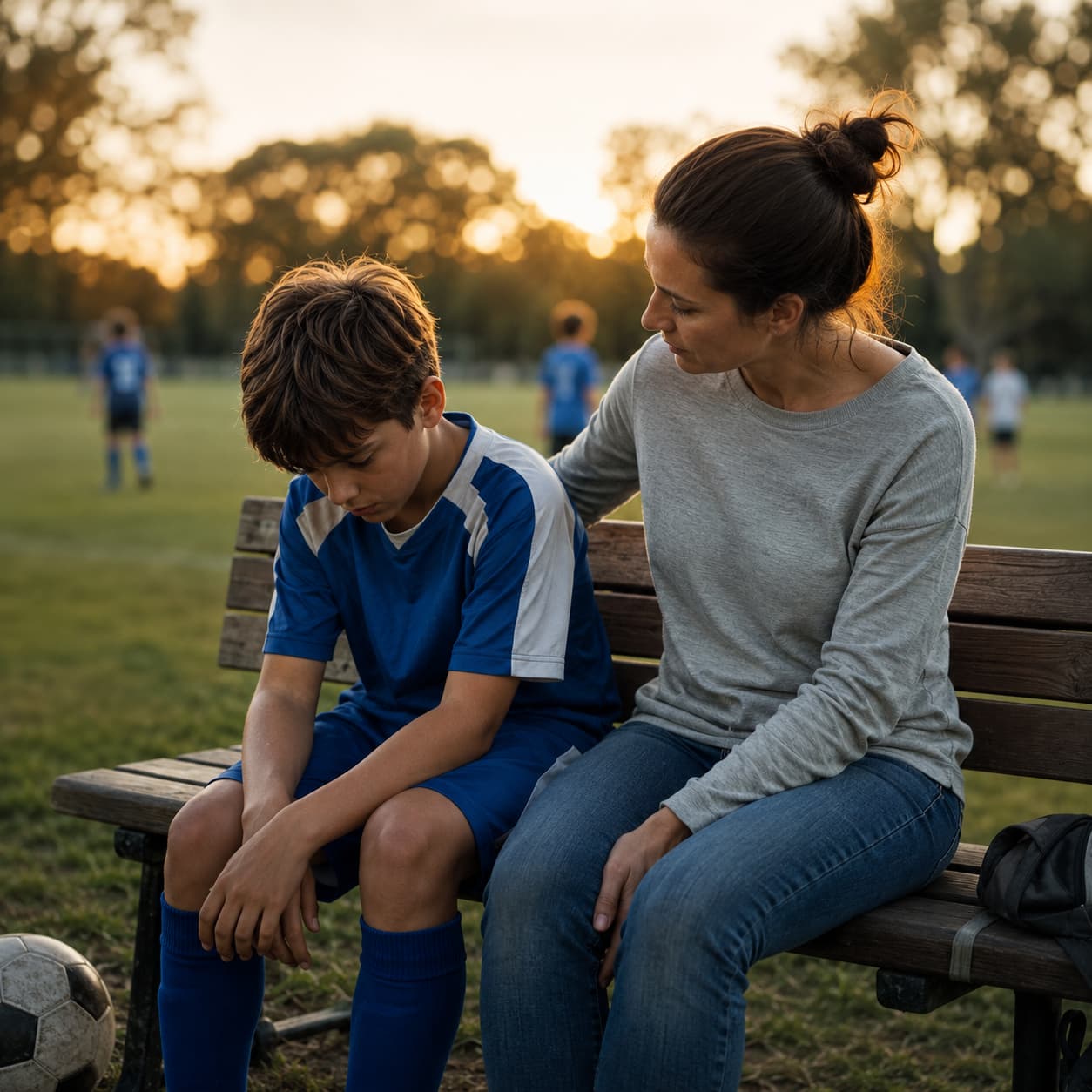
For some families, it comes after another miserable PE lesson. For others, it’s the tears in the car after football practice, the child who suddenly refuses to go swimming or the one who always finds an excuse not to join another club.
It’s worrying because movement matters. Parents know that. They understand that active children tend to sleep better, feel better and develop stronger bodies as they grow. They also know that confidence, friendships and resilience often grow through physical activity.
So when a child rejects sport altogether, it’s easy to assume they’re rejecting movement itself.
Most of the time, they aren’t. They’re rejecting an experience.
That’s an important distinction because it changes the question completely. Instead of asking, “How do I make my child enjoy sport?” it becomes, “What happened that made sport stop feeling enjoyable?”
Those aren’t the same question, and they rarely have the same answer.
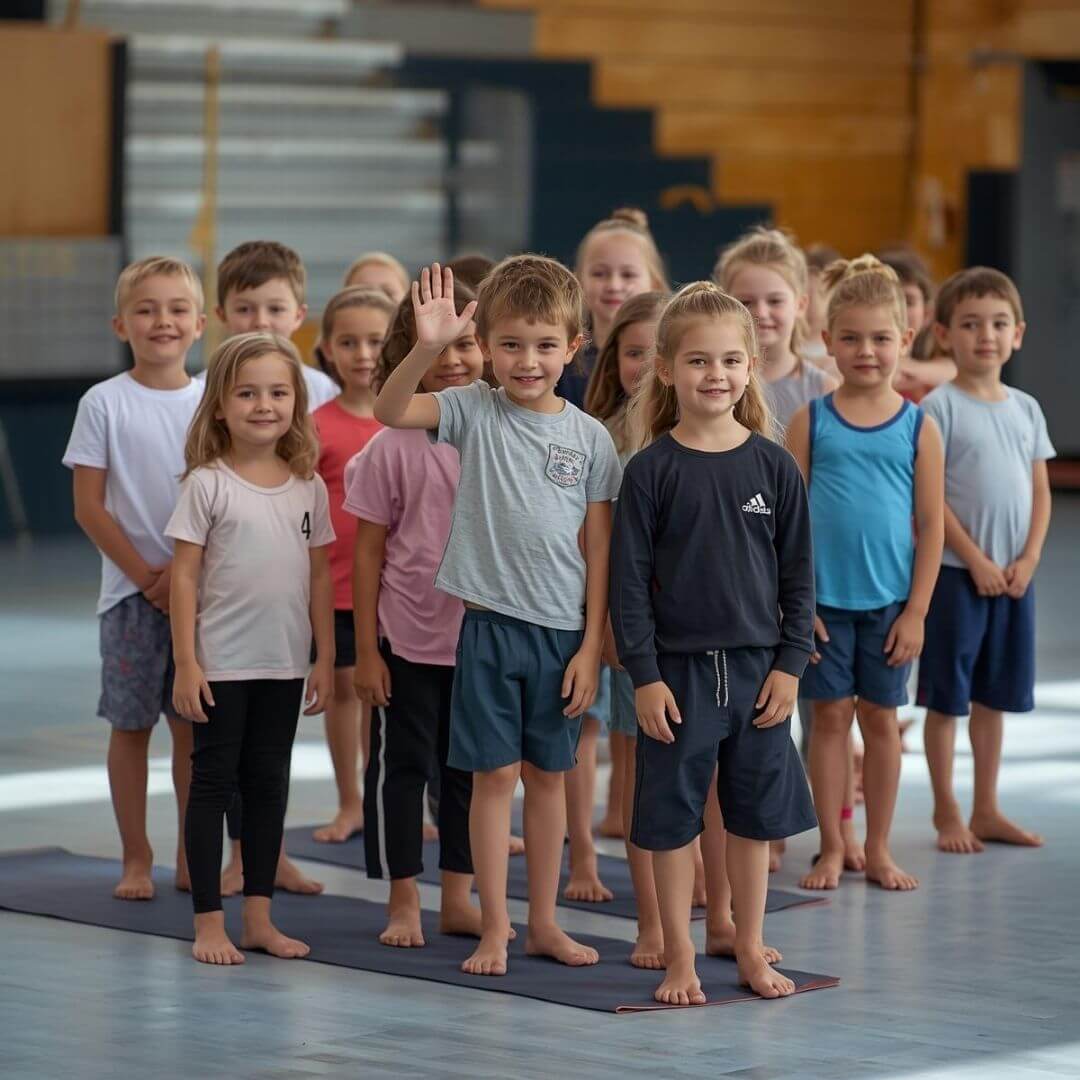
Many Children Don't Hate Movement. They Hate How Movement Makes Them Feel.
Watch young children before adults begin organising their activities.
They climb furniture, spin around until they’re dizzy, jump off walls, crawl under tables, balance along kerbs and invent games that involve endless running for absolutely no reason.
Nobody has to persuade a four-year-old to move because movement is their natural language.
Somewhere along the way, however, many children begin attaching feelings to movement instead of simply experiencing it. They discover they’re slower than somebody else. They get picked last for teams. They miss the ball while everyone else seems to catch it. A teacher asks them to demonstrate something they can’t do, or another child laughs when they make a mistake.
None of those moments seems particularly significant in isolation.
Together, though, they begin telling a story.
“I’m not good at this.”
“Everyone else can do it.”
“Sport isn’t for people like me.”
The heartbreaking part is that these children often reach that conclusion long before they’ve experienced the huge variety of ways human beings can move. They’ve judged movement itself based on one very narrow version of it.
They simply haven’t experienced enough different kinds of movement yet. That’s why looking beyond traditional sports can make such a difference. If you’re wondering what structured movement can offer instead, you might find Yoga and Movement for Children helpful.
School Sport Isn't the Same Thing as Loving Movement
Schools do an incredible amount with limited time, facilities and resources, but they’re also trying to teach large groups of children at once.
That inevitably means compromise.
PE lessons often focus on activities that work well with thirty children, a sports hall and a timetable. Team games make sense. Athletics makes sense. Rounders, football, netball and cricket all make sense because they allow large groups to participate together.
The problem is that children don’t all experience those activities in the same way.
Some children thrive, while others quietly disappear into the background.
The confident children naturally touch the ball more often, volunteer first and become increasingly comfortable performing in front of others. Meanwhile, the quieter children begin avoiding situations where everyone is watching them. They contribute less, become less confident and eventually start believing they simply aren’t sporty.
The activity hasn’t necessarily failed; the fit between the activity and the child has.
Choosing the right environment matters just as much as choosing the activity itself. If you’re comparing options, What to Look for in a Children’s Movement Class (Beyond “Fun”) explains the things that make the biggest difference to children’s confidence over time.
That’s a very different problem.
It’s also worth remembering that PE has to assess, supervise and engage an entire class at the same time. That isn’t the same as helping each child discover the type of movement they genuinely enjoy. Schools have a difficult job, but parents have the freedom to look beyond the curriculum when helping their child build a lifelong relationship with movement.
Competition Isn't Motivating for Everyone
Adults often assume competition is naturally motivating because many of us grow up believing that’s how confidence is built.
For some children, that’s absolutely true.
They love racing. They enjoy comparing scores. Winning excites them. Losing makes them want to practise.
Other children experience competition completely differently.
They don’t see it as exciting. They see it as exposing. Instead of thinking, “I’ll try harder next time,” they’re thinking, “Everyone saw me get that wrong.”
Those children don’t need tougher coaching.
They need an environment where improvement matters more than comparison.
That’s one of the reasons children who dislike football sometimes absolutely love dance. Children who dread PE might happily spend hours climbing, swimming, doing martial arts, gymnastics, yoga or Pilates. The common factor isn’t the activity itself.
It’s how the activity makes them feel while they’re doing it.
A child who feels safe trying something new is far more likely to keep moving than one who constantly feels judged.
That feeling of psychological safety is often what allows confidence to develop in the first place, which is something I explore in more depth in How to Choose a Kids Yoga or Movement Programme That Builds Confidence.
Being "Sporty" Isn't a Personality Trait
One of the most damaging labels we give children is that they’re either “sporty” or “not sporty.” It sounds harmless, but it quietly suggests that enjoying movement is something you’re born with rather than something you discover.
We don’t do this in many other areas of childhood. If a child struggles with maths, we don’t usually conclude they’ll never enjoy learning. If they don’t like one particular book, we don’t assume they’ll never become a reader. We recognise that children learn differently, develop at different rates and respond to different environments.
Yet movement is often treated as though there’s only one acceptable route. If a child doesn’t enjoy football, rugby or netball, they’re quickly described as someone who simply isn’t interested in sport. Before long, they begin believing it themselves.
The reality is far more complicated. Human movement is incredibly diverse. Some people enjoy repetitive endurance activities like running or swimming, while others prefer learning technical skills, expressing themselves creatively or developing strength and balance. Adults recognise these differences all the time. Some people spend their weekends hiking, others lift weights, practise yoga, climb indoors or dance. Nobody expects every adult to enjoy exactly the same activity.
Children deserve that same freedom.
A child who dislikes team sports may still love climbing trees, paddleboarding, trampolining, martial arts or yoga. Another might become completely absorbed by gymnastics or Pilates because they enjoy mastering movements at their own pace rather than competing against someone else. None of those children dislike movement. They simply connect with it in different ways.
Confidence Almost Always Comes Before Enjoyment
Parents often hope that once their child finds an activity they enjoy, confidence will naturally follow.
In many cases, the opposite happens.
Children usually begin enjoying movement because they experience small moments of success. They notice they can balance for longer than they could last month. They manage a movement that felt impossible a few weeks earlier. They realise they no longer need to copy everybody else because they know what they’re doing. Those moments build confidence, and confidence changes everything.
Once children stop worrying about getting something wrong, they become far more willing to experiment. They’ll try a more difficult movement, ask questions, laugh when something doesn’t work and keep practising because failure no longer feels embarrassing. Instead, it becomes part of learning.
That’s why the environment matters just as much as the activity itself. A supportive teacher who celebrates progress rather than performance can completely change how a child feels about movement. Likewise, a group where children develop at different rates without constantly comparing themselves often creates much more confident movers than one where every session revolves around scores, rankings or winning.
Confidence isn’t the reward children receive after years of sport.
Very often, it’s the reason they stay involved long enough to enjoy it in the first place.

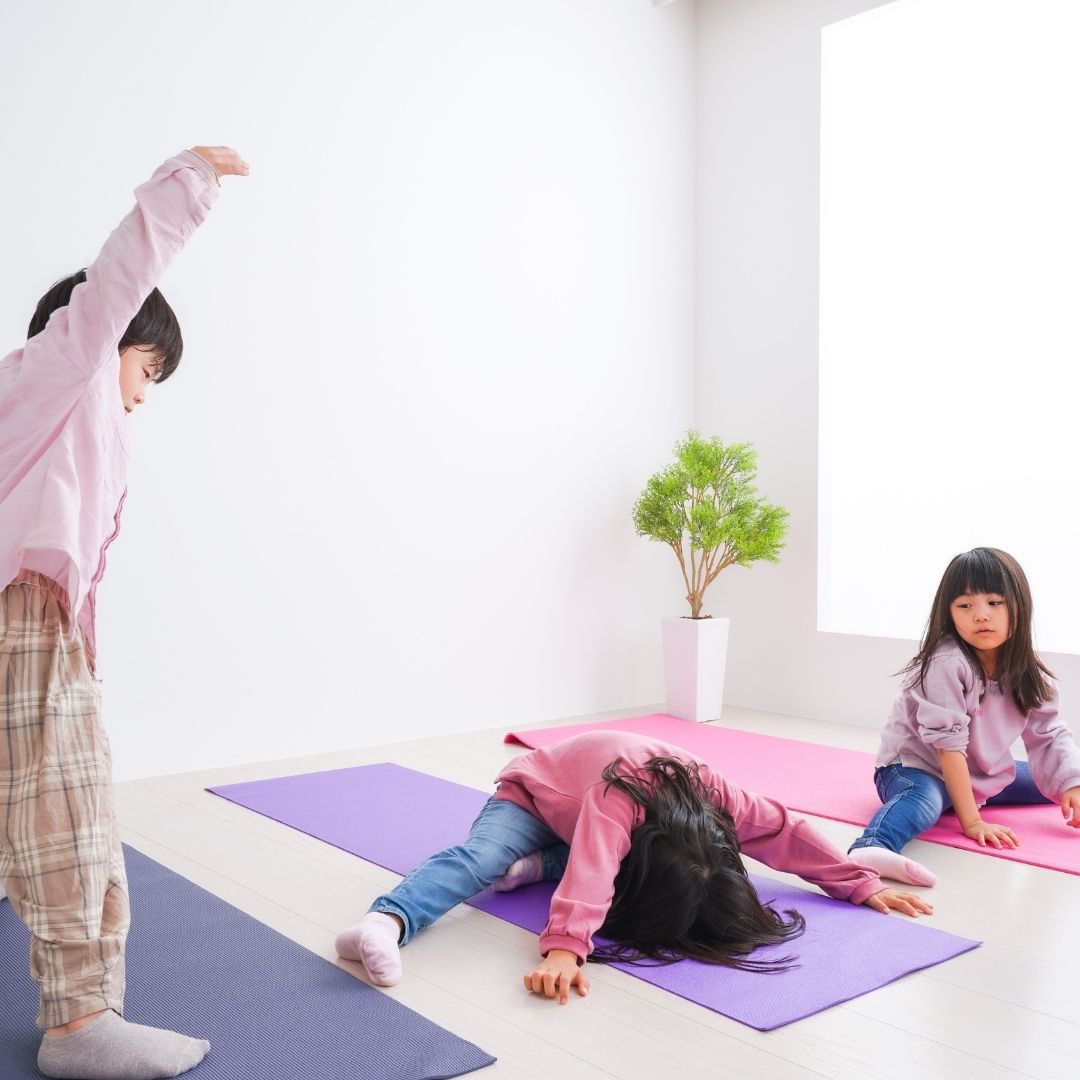
Children Move for Different Reasons Than Adults
Adults naturally think about movement in terms of physical outcomes. We talk about stronger muscles, healthier hearts, flexibility, posture and fitness because those are benefits we understand and value.
Children rarely think that way.
Very few children wake up hoping to improve their cardiovascular health.
They move because it’s fun, interesting, social or satisfying. They like solving movement challenges, laughing with friends, pretending to be superheroes or discovering that they can suddenly do something they couldn’t do before.
When adults make fitness the primary goal, we sometimes accidentally remove the very thing that keeps children engaged.
A child who finishes a session smiling, chatting excitedly about what they learnt and asking when they can come back has achieved something much more valuable than simply burning calories. They’ve started building a positive relationship with movement itself.
That’s the relationship that often lasts into adulthood.
Children who associate movement with enjoyment are much more likely to remain active throughout their lives than children who only associate it with pressure, judgement or competition. Long-term health isn’t usually created by forcing children into activities they dread. It’s created by helping them find forms of movement they genuinely look forward to.
For that reason, I think one of the best questions parents can ask isn’t, “Which sport should my child do?” It’s, “What kind of movement makes my child want to come back next week?” That small change in perspective often leads to completely different choices, and much happier children.
What Parents Can Do Instead
If your child has started saying they hate sport, the temptation is often to persuade them to give it one more chance. Sometimes that’s the right decision. Children occasionally need encouragement to push through the discomfort of trying something unfamiliar, and it’s worth remembering that nobody becomes confident overnight.
However, if they’ve spent months dreading every session, coming home upset or repeatedly asking not to go, it may be time to stop asking whether they should continue and start asking why they feel that way.
Try having a conversation that has nothing to do with winning, effort or commitment. Instead of asking, “Why don’t you like football?” ask, “What part don’t you enjoy?” You might be surprised by the answer.
Some children hate waiting around while other people have the ball. Others dislike loud environments or being shouted at. Some feel embarrassed when everyone watches them. Others simply don’t enjoy competition. Those are very different experiences, and each points towards a different solution.
Once you understand what they’re reacting to, it becomes much easier to find activities that remove that barrier instead of reinforcing it.
Let Them Discover How They Like to Move
Parents sometimes worry that allowing children to leave one activity teaches them to give up.
I understand that concern, but I think there’s an important distinction between giving up on movement and moving in a different direction.
Imagine telling an adult they have to spend the rest of their life playing five-a-side football because that’s the first activity they ever tried. Most people would laugh at the idea. Adults naturally experiment until they find something they genuinely enjoy. Some cycle. Others lift weights. Some climb mountains, practise yoga, dance salsa or swim in open water. Nobody assumes that disliking one activity means disliking all physical activity.
Children deserve the same opportunity.
That doesn’t mean signing them up for a different club every week. Constantly changing activities can be just as frustrating because children never have enough time to settle or develop confidence. Instead, think about what your child enjoys outside organised sport. Are they creative? Quiet? Curious? Do they like solving problems? Are they constantly climbing furniture? Do they enjoy music? Their personality often provides clues about the types of movement they’ll naturally connect with.
Movement doesn’t have to begin with a sport. Sometimes it begins with curiosity.
If you’re looking for ideas beyond traditional team sports, I’ve written more about how different movement environments support children in Yoga and Movement for Children.
If you’re considering trying a calmer, non-competitive approach to movement, you can also read Children’s Yoga Classes in West Bridgford: What Parents Need to Know, which explains how the classes are structured and who they’re designed to help.
Why Yoga and Pilates Can Feel So Different
One reason many children settle into yoga or Pilates surprisingly quickly is that success isn’t measured by somebody else’s performance.
Children still learn new skills. They still develop strength, balance, coordination and body awareness. They still challenge themselves. The difference is that the focus shifts from comparison to progress.
Nobody is trying to score more goals than the child standing next to them. Nobody is picked first or last. Children aren’t waiting on the sidelines because someone else is considered better. Every child is working with the same body they arrived with, gradually discovering what it can do.
That creates a very different atmosphere.
The quieter children often become more confident because they have time to think before moving. Children who usually worry about making mistakes begin experimenting because nobody is keeping score. Even naturally competitive children often benefit because they’re encouraged to compare today’s version of themselves with last month’s rather than with the person standing beside them.
Perhaps most importantly, children begin noticing how movement feels instead of constantly worrying about how it looks. They leave the class talking about finally balancing on one leg, mastering a new sequence or feeling stronger than they did a few weeks ago. Those moments build confidence in a way that scoreboards rarely can.
That doesn’t mean yoga or Pilates are the right answer for every child. They aren’t. The point is that they offer a very different experience of movement, and for some children that’s exactly what they’ve been missing.
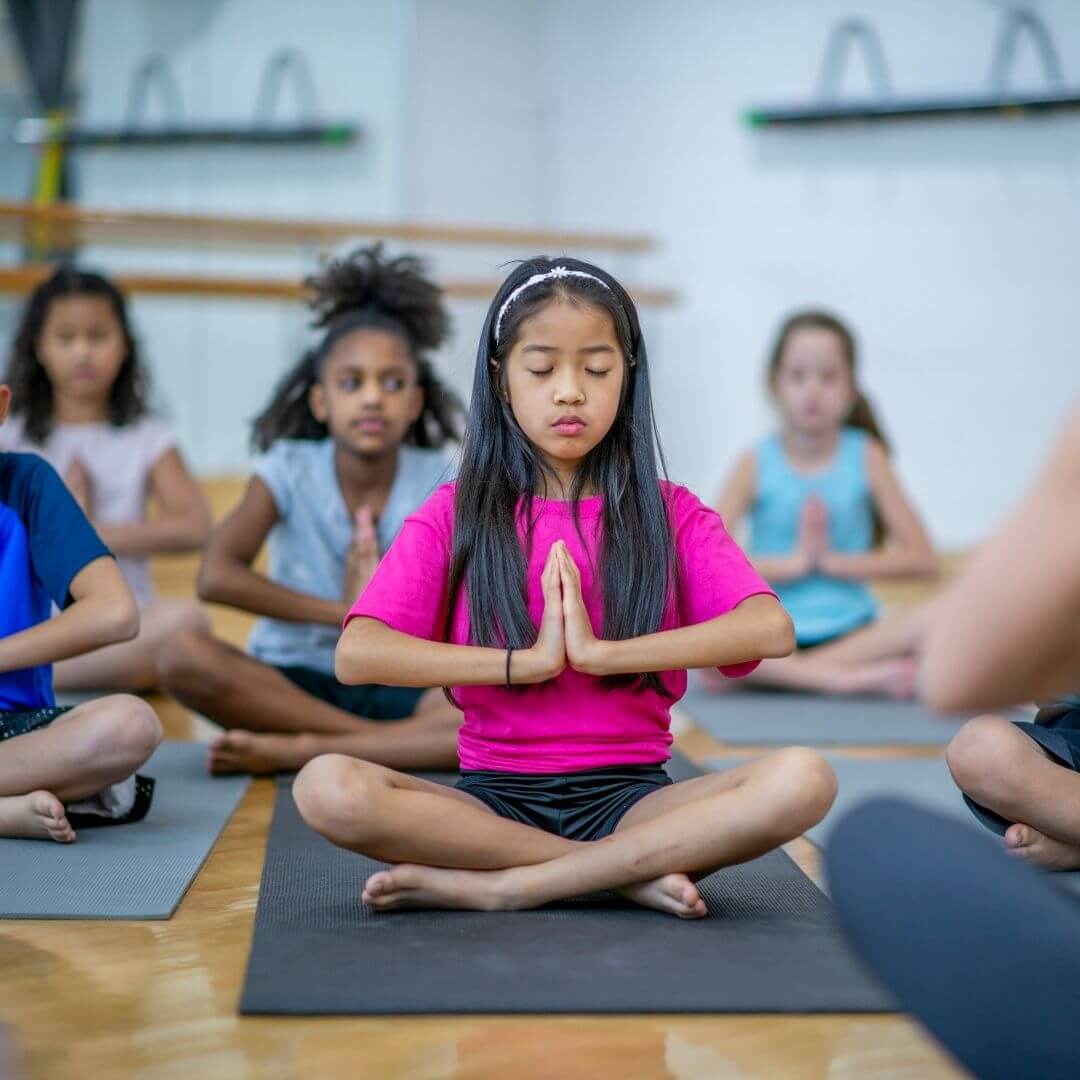
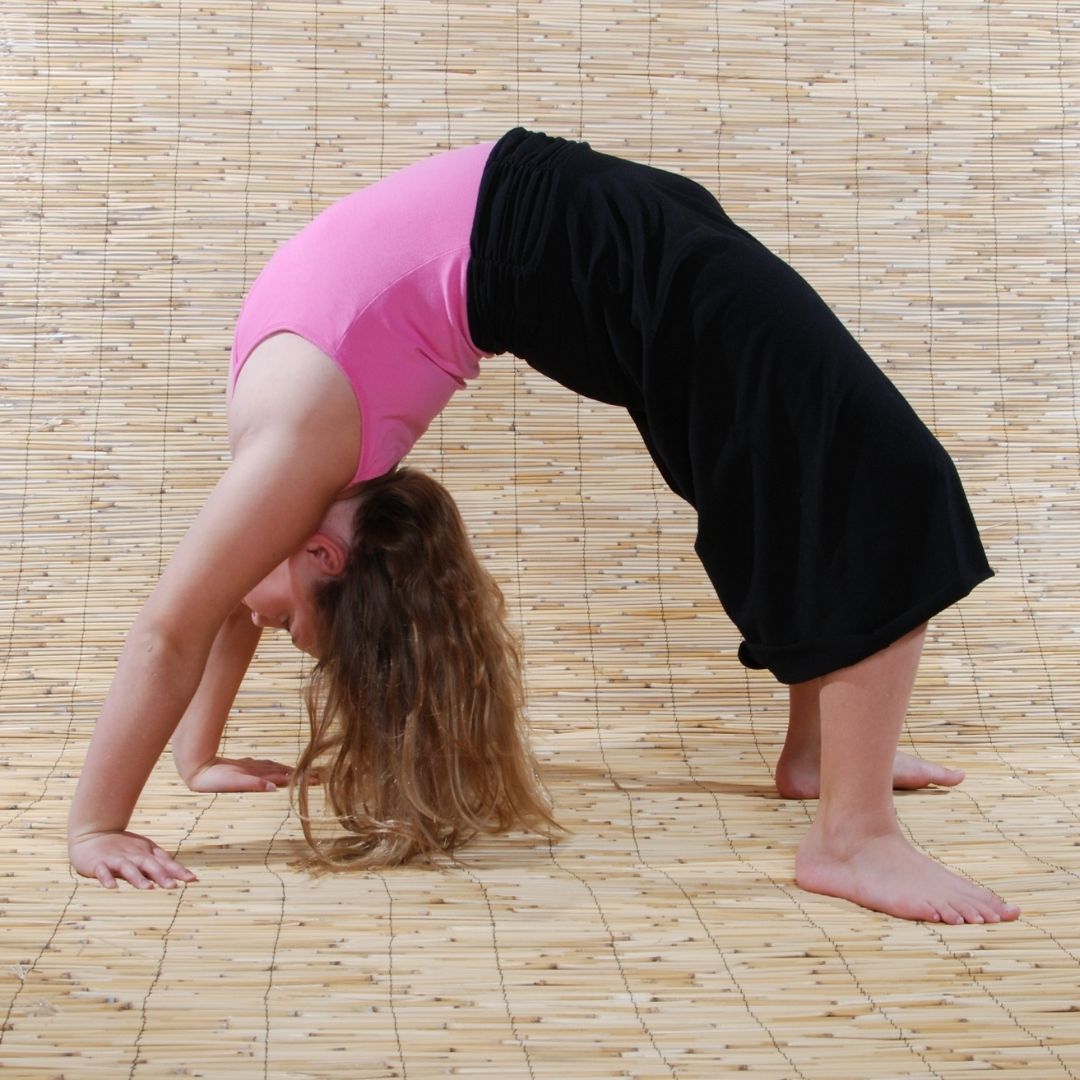
A Child Who Loves Moving Today Is More Likely to Keep Moving Tomorrow
Parents often worry about what’s happening right now. They want their child to be active this week, this term or this school year. That’s completely understandable, but it’s also worth stepping back and thinking about the much bigger picture.
The goal isn’t to raise a child who tolerates football until they’re sixteen.
The goal is to raise an adult who still enjoys moving when they’re thirty, forty or seventy.
That long-term relationship with movement isn’t usually built through pressure. It grows from positive experiences repeated over many years. Children who discover activities they genuinely enjoy are much more likely to keep returning to them, and once movement becomes part of who they are rather than something they’re forced to do, staying active requires far less effort.
If your child currently says they hate sport, don’t hear that as the end of the story.
Hear it as useful information.
They’ve discovered one way of moving that doesn’t suit them.
There are countless others still waiting to be explored.
If you’re still deciding what kind of class might suit your child, Children’s Movement Classes: What Parents Should Look For Before Enrolling is a practical guide to comparing different options beyond simply choosing the nearest club.
Every Child Deserves to Feel Successful at Moving
One thing I’ve noticed over the years is that children rarely judge themselves objectively. They don’t think, “I’m reasonably coordinated, but team games probably aren’t my strength.” Their conclusions are much broader than that.
Instead, they think, “I’m rubbish at sport.”
That’s an enormous conclusion to draw from a handful of experiences.
Perhaps they struggled to catch a ball in Year 3. Maybe they were always one of the last children chosen for teams. Perhaps another child laughed when they missed a goal or a teacher unintentionally praised the same confident children every week. Individually, those moments don’t seem particularly significant. Together, however, they become evidence that supports a story the child tells themselves over and over again.
Children believe stories remarkably quickly, especially when those stories explain why something feels difficult.
The challenge for parents isn’t convincing them that they’re wrong. It’s helping them collect enough new experiences to write a different story.
That might happen on a climbing wall where they suddenly realise they have excellent balance. It might happen in a yoga class where they discover they’re naturally flexible, or in Pilates where they learn they have brilliant body control. It might happen through paddleboarding, dance, martial arts or simply spending more time outdoors exploring.
The activity itself isn’t always the important part.
What’s important is giving children opportunities to experience success through movement again.
Because once they do, their confidence often grows much faster than parents expect.
Stop Asking Whether They're Sporty
I sometimes think we ask children the wrong question altogether.
We ask whether they like sport, when perhaps we should be asking whether they’ve found their way of moving yet.
Those are completely different things.
If an adult tells you they don’t play rugby, you wouldn’t immediately assume they spend every evening sitting on the sofa. They might run marathons, practise yoga, cycle to work, climb, swim or lift weights. We instinctively understand that adults can enjoy movement in countless different ways.
Children deserve the same opportunity to discover what suits them.
The danger of labelling a child as “not sporty” is that the label often follows them into adulthood. They stop trying new activities because they’ve already decided how the story ends. They become teenagers who avoid exercise because they’ve spent years believing it simply isn’t for them. Then, years later, they become adults trying to build healthy habits from scratch because movement has always felt like somebody else’s world.
That’s a heavy price to pay for a conclusion reached at eight or nine years old.
Conclusion
If your child says they hate sport, try not to hear it as a rejection of movement itself.
More often than not, they’re telling you something much more specific. They may dislike competition. They may feel self-conscious in large groups. They may have lost confidence after a few difficult experiences, or they may simply not enjoy the particular activities they’ve been exposed to so far.
None of those things means they’ll never enjoy being active.
The goal isn’t to persuade every child to love football, netball or athletics. The goal is to help them discover a form of movement that makes them feel capable, curious and confident enough to keep coming back.
Once children experience movement in that way, something important changes. They stop focusing on whether they’re good enough and start paying attention to how they feel. Progress becomes personal rather than comparative, and movement becomes something they choose rather than something they’re forced to do.
That’s the relationship with movement that lasts.
Not because somebody told them exercise was good for them, but because they discovered, in their own way, that moving their body could be one of the best parts of their week.
And that’s a far stronger foundation than simply convincing them to like sport.
Key takeaways
A child who hates sport doesn’t necessarily hate movement. Often, they’ve simply never found the right way to experience it.
Frequently Asked Questions
Yes. Many children dislike sport at some stage, but that doesn’t necessarily mean they dislike being active. They may not enjoy competition, team games, large groups or feeling compared with other children. The key is finding a type of movement that suits their personality and helps them feel confident.
Start by finding out why they’re refusing rather than assuming they’re being lazy. Ask what they enjoy, what makes them uncomfortable and what they’d change. Their answer will often point you towards activities that are a much better fit.
Not at all. Team sports are only one way of being physically active. Many children prefer activities such as swimming, climbing, gymnastics, martial arts, dance, yoga or Pilates, where progress is measured against themselves rather than other people.
Try avoiding labels altogether. Instead of agreeing or disagreeing, explain that everyone enjoys different types of movement and that they simply haven’t found the right activity yet. The goal is to help them stay curious rather than convince them they fit into a particular category.
For many children, yes. Yoga encourages strength, balance, coordination and confidence without focusing on winning or comparing themselves with others. That calmer environment can help children rebuild a positive relationship with movement.
Children’s Pilates is designed differently from adult classes. Sessions use age-appropriate exercises to improve posture, coordination, body awareness, balance and core strength through engaging and enjoyable movement.
Every situation is different. Encouraging perseverance is valuable, but if a child has consistently dreaded an activity for a long time, it may be worth exploring whether a different type of movement would suit them better rather than assuming they need to push through it.
Keep the focus on movement rather than sport. Walking, cycling, climbing, dancing, playing in parks, yoga, Pilates and many other activities all help children become stronger, healthier and more confident. The best activity is often the one they genuinely look forward to.